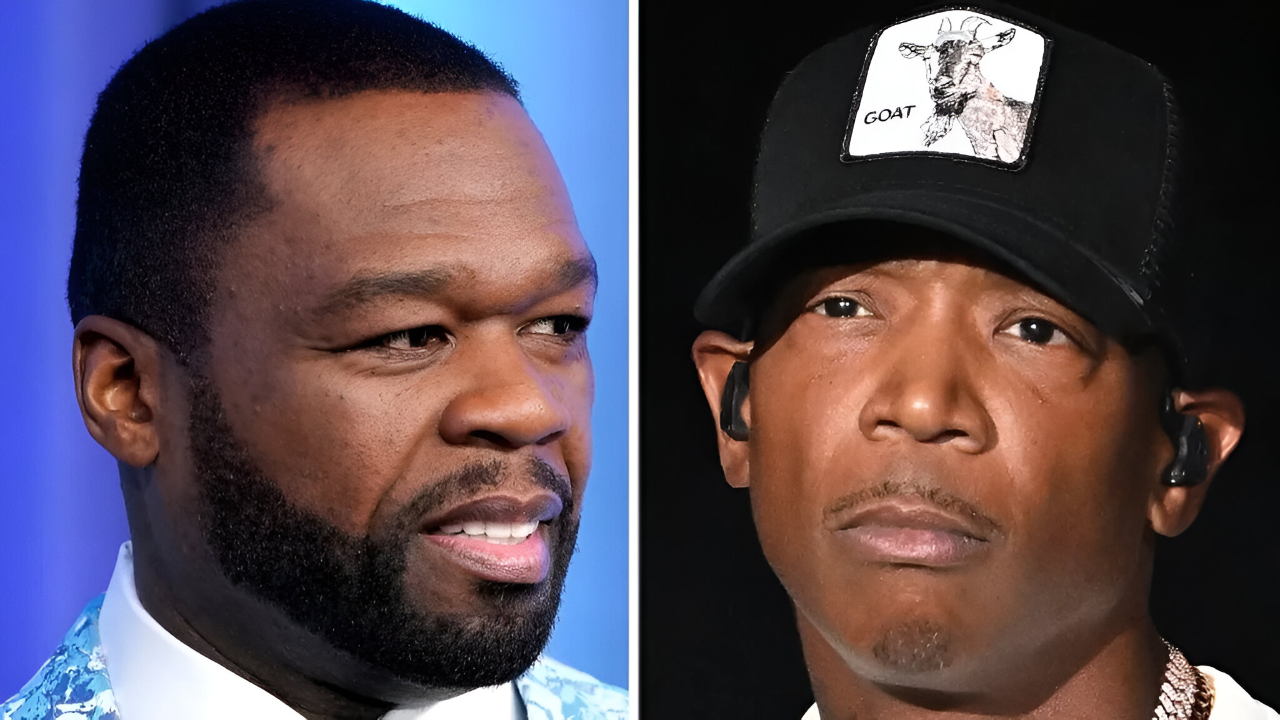
One of hip-hop’s longest and most personal rivalries has shifted from diss tracks to disputes over who is fit to tell stories of abuse. The clash between Ja Rule and 50 Cent, once rooted in Queens street conflicts and early‑2000s studio altercations, has resurfaced around a Netflix documentary on Sean “Diddy” Combs — and over questions of profit, credibility, and moral authority.
A New Flashpoint Over “The Reckoning”
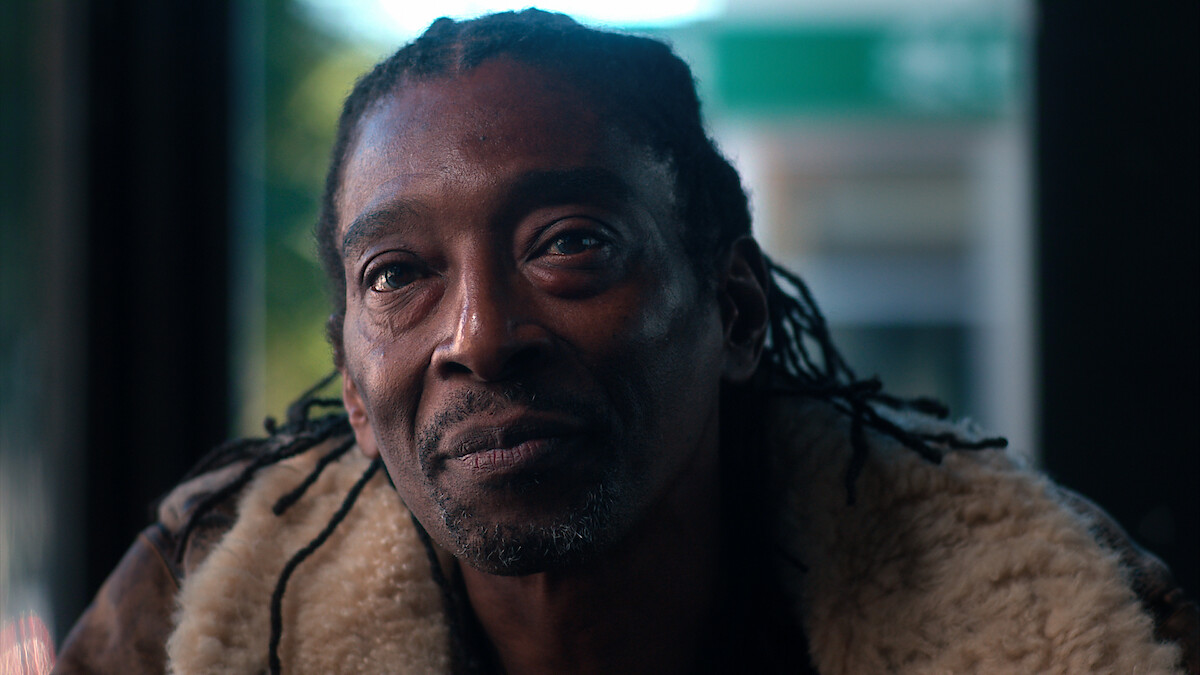
The trigger is Sean Combs: The Reckoning, a four‑part Netflix series directed by Emmy winner Alexandria Stapleton and executive produced by 50 Cent. The program revisits decades of abuse allegations linked to Combs and his Bad Boy Records era, featuring on‑camera accounts from former associates, including singer Aubrey O’Day and Kirk Burrowes. It also incorporates footage dated September 10, 2024, described in coverage as just days before Combs’ arrest on September 16.
Ja Rule publicly attacked 50 Cent over his involvement, accusing him on X and Instagram of using the series to capitalize on Combs’ legal and reputational struggles rather than centering on the experiences of survivors. He argued that 50 is less interested in accountability than in repackaging a decades‑old feud with a onetime industry rival under the banner of a “reckoning.”
The criticism landed in part because it did not question the allegations against Combs. Instead, it raised the question of whether 50 Cent, given his own history, is an appropriate figurehead for a project framed as advocacy for victims.
Profits, Donations, and Unanswered Questions
From the outset, 50 Cent promoted his role in The Reckoning as altruistic, saying in interviews that proceeds from the project would go to victims of sexual violence. That message positioned him as someone leveraging his production success for a broader cause.
Ja Rule has pressed on that point, calling 50 “a cancer to the culture” and urging him to donate his documentary income to organizations that support people affected by domestic violence. He has argued that if 50 is serious about helping survivors, he should demonstrate that commitment financially, not only through promotional appearances and executive‑producer credit.
Critics note that neither 50 Cent nor Netflix has publicly released specific figures or timelines laying out how revenue from the docuseries is being shared or donated. Without a clear accounting of how much money, if any, is flowing to survivors or related charities, Ja and his supporters contend that audiences are being asked to accept the project’s social-justice framing largely on trust.
Past Allegations Shadow the Messenger

Ja Rule’s accusation of hypocrisy leans heavily on 50 Cent’s own contested history. In 2013, 50 was charged following an incident involving former partner Daphne Joy. He ultimately pleaded no contest to vandalism, received three years of probation, and paid fines and restitution. Domestic‑violence‑related counts were dropped or reduced as part of the resolution.
The issue resurfaced in March 2024, when Joy posted on Instagram, accusing 50 of rape and physical abuse. 50 Cent denied the allegations and, in May, filed a defamation lawsuit seeking $1 million. By July, Joy’s post had been removed, and in September 2024, 50 withdrew his defamation suit without public explanation. The withdrawal left the status of the dispute murky and gave Ja Rule new material to question whether 50 should be leading a high‑profile examination of another man’s alleged abuse.
At the same time, Ja Rule’s own background is not without controversy. He was a visible promoter of the 2017 Fyre Festival, which collapsed amid fraud charges against co‑founder Billy McFarland. In 2019, a federal judge dismissed fraud claims against Ja, finding insufficient evidence that he had knowingly misled investors, but his association with the failed event continues to follow him.
Social Media Escalation and Legal Threats
Instead of engaging with Ja’s criticism directly, 50 Cent responded by sharing a different allegation aimed at his longtime rival. He reposted a podcast clip featuring Gene Deal, a former bodyguard for Diddy, who claimed he had once seen Ja Rule and Combs naked together in a hotel suite. Deal’s story, which has circulated for years in fan circles, remains uncorroborated by independent documentation or additional witnesses.
By amplifying that claim to his large online following, 50 shifted the dynamic again — from a debate about survivor advocacy and profit to a spectacle built on an intimate, unverified anecdote. Ja Rule quickly denounced the repost, calling it a blatant lie and accusing 50 of slander and defamation in front of what he described as millions of followers.
On December 8, Ja announced on X that he was preparing legal action and publicly used the phrase “Lawsuit on the way…” Some posts and commentary referenced a “$100M” confrontation, though public records so far show only threats of a defamation filing, with no confirmed complaint or specific damages claim. Any case would likely hinge on whether Ja could prove the allegation false, show that 50 acted with at least reckless disregard for the truth by circulating it, and document identifiable harm to his reputation — a demanding standard for public figures in U.S. law.
Old Grievances in a New Arena
The current conflict is rooted in a long-standing hostility. The two artists’ problems date back to the late 1990s in Queens, where an early robbery involving Ja and later sightings of 50 with people linked to the incident fueled tension. In 2000, 50 was stabbed at The Hit Factory studio in New York; Murder Inc. affiliate Black Child later took responsibility, embedding the conflict deeper into industry lore.
In the 2000s, the rivalry played out through diss records, radio interviews, and mixtape campaigns. Today, it unfolds across streaming platforms, legal filings, and social feeds. Ja has suggested he might develop his own documentary project focusing on 50 Cent’s legal and personal history, hinting online that there is “a lot to unpack” but stopping short of announcing a formal production.
Meanwhile, Combs’ team has condemned The Reckoning. His lawyers reportedly sent Netflix a cease‑and‑desist letter, calling the series a “shameful hit piece” and alleging use of unauthorized or “stolen” footage. Netflix has defended the project, saying participants were not paid and that editorial control rested with the filmmakers.
As the feud evolves, the people whose experiences anchor The Reckoning — those describing abuse and coercion — risk being overshadowed. Ja’s demand that profits go to domestic‑violence causes and his broader challenge to 50 Cent’s role raise questions about who benefits when survivor testimony is turned into high‑profile programming. For Netflix and other platforms, the outcome may shape how future exposés are judged, not only on what they reveal, but on who is telling the story, how they profit, and whether those at the center of the allegations see tangible support beyond heightened visibility.
Sources:
“Ja Rule Slams 50’s Diddy Doc as ‘Hit Piece’—$100M Lawsuit Reignites 20‑Year Feud” — MSN
“Ja Rule Takes Aim At 50 Cent Over Diddy Documentary” — HipHopDX
“50 Cent Helped Make a New Netflix Doc About Nemesis Sean Combs” — Rolling Stone
“Sean ‘Diddy’ Combs decries Netflix series by 50 Cent as ‘shameful hit piece’” — The Guardian
“What has Sean ‘Diddy’ Combs been convicted of?” — BBC News
“A Complete Timeline of 50 Cent and Ja Rule’s Beef” — XXL Magazine