The U.S. House of Representatives shook up the justice system on Tuesday, September 16, 2025, passing a controversial set of bills that pull Washington, D.C.’s youth laws back under federal control. At the heart of the fight is whether teenagers as young as 14 should face adult courts and sentences for violent crimes.
The move isn’t just a local story. It’s a flashpoint for national debates over juvenile justice, public safety, and D.C.’s autonomy under the Home Rule Act. For many residents, the decision feels like a rare and heavy-handed intervention from Congress into city life.
House Votes to Try 14-Year-Olds as Adults

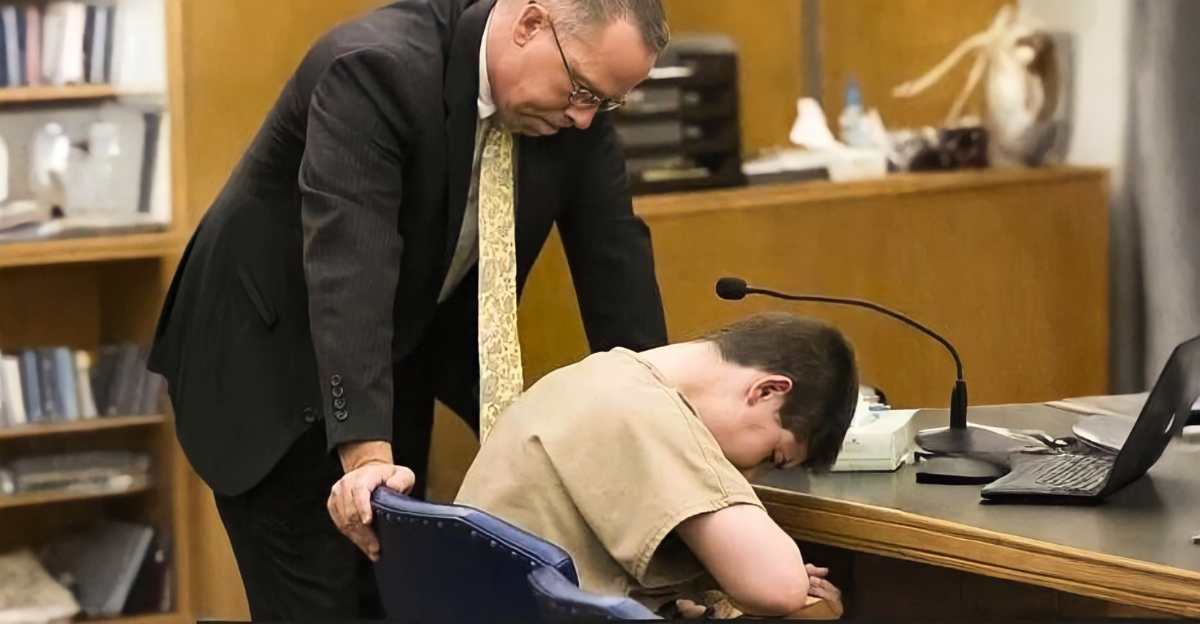
By a narrow 225–203 margin, the House approved a measure lowering the age for adult charges in D.C. from 16 to 14. Eight Democrats joined Republicans in backing the bill. If it becomes law, middle school–aged teens accused of crimes such as murder, armed robbery, or sexual assault could end up in adult courts and prisons.
Rep. Brandon Gill (R–Texas), who sponsored the bill, argued that Washington must stop being lenient with violent juvenile offenders, pointing to rising crime as justification for lowering the age threshold.
But opponents warn this approach could backfire. Research shows that teens prosecuted as adults are more likely to reoffend. Rep. Jasmine Crockett (D-Texas) pushed back sharply, saying, “It’s truly shameful,” and warning the measure risks deepening racial disparities and making communities less safe.
Federal Control Tightens as Autonomy Erodes
The House also passed the “D.C. Crimes Act” in a 240–179 vote, with 30 Democrats in support. This second measure lowers the youth-offender cutoff age from 24 to 18, restricts judges from considering lighter sentences for young adults, and adds mandatory minimums for certain crimes.
For D.C. leaders, it’s a double blow. The city has no voting representation in Congress, and many saw the override as a dismissal of local self-rule. Non-voting delegate Eleanor Holmes Norton, who has fought for D.C.’s autonomy for decades, urged colleagues to “keep their hands off D.C.”
Supporters of the crackdown, however, frame it as necessary. They link stricter sentencing to rising juvenile crime rates, with law enforcement unions praising the legislation. The Fraternal Order of Police called it an “overdue step in the right direction.”
What Happens Next
Both bills now move to the Senate, where their fate remains uncertain. Even if they clear that chamber, they must secure presidential approval to become law. If enacted, the changes would mark one of the most dramatic shifts in D.C.’s justice system in decades, potentially reshaping the lives of thousands of young people.
Beyond the city, the debate raises a larger question: Should the country get tougher on juvenile crime or rethink how to rehabilitate its youngest offenders? For now, the spotlight sits firmly on Washington—where local control and national politics are colliding head-on.

For now, the spotlight sits firmly on Washington—where local control and national politics are colliding head-on.