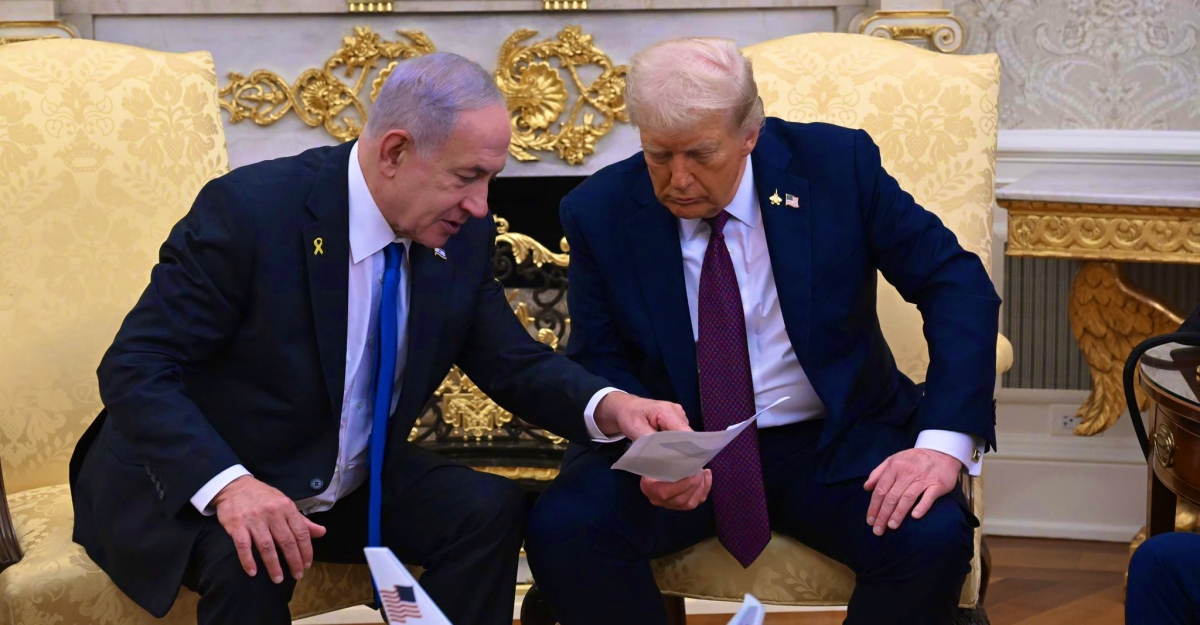
After two years of unrelenting war, a fragile hope emerged Wednesday night. President Donald Trump announced that Israel and Hamas had tentatively approved the first phase of his Gaza peace plan — a move that could signal the beginning of the end to one of the region’s deadliest conflicts.
The deal, reached after marathon talks in Egypt, marks the closest the sides have come to halting the violence that’s claimed more than 67,000 lives in Gaza.
Talks in Egypt Yield a Long-Awaited Breakthrough

The agreement took shape during three tense days of indirect negotiations in Sharm el-Sheikh, Egypt. Mediators from Qatar, Turkey, Egypt, and the United States worked around the clock to bridge the final divides.
Trump’s envoy Steve Witkoff and senior adviser Jared Kushner joined the final round, Egyptian officials told various news outlets, signaling that Washington was fully invested in completing this.
A Note, a Post, and a Sudden Announcement
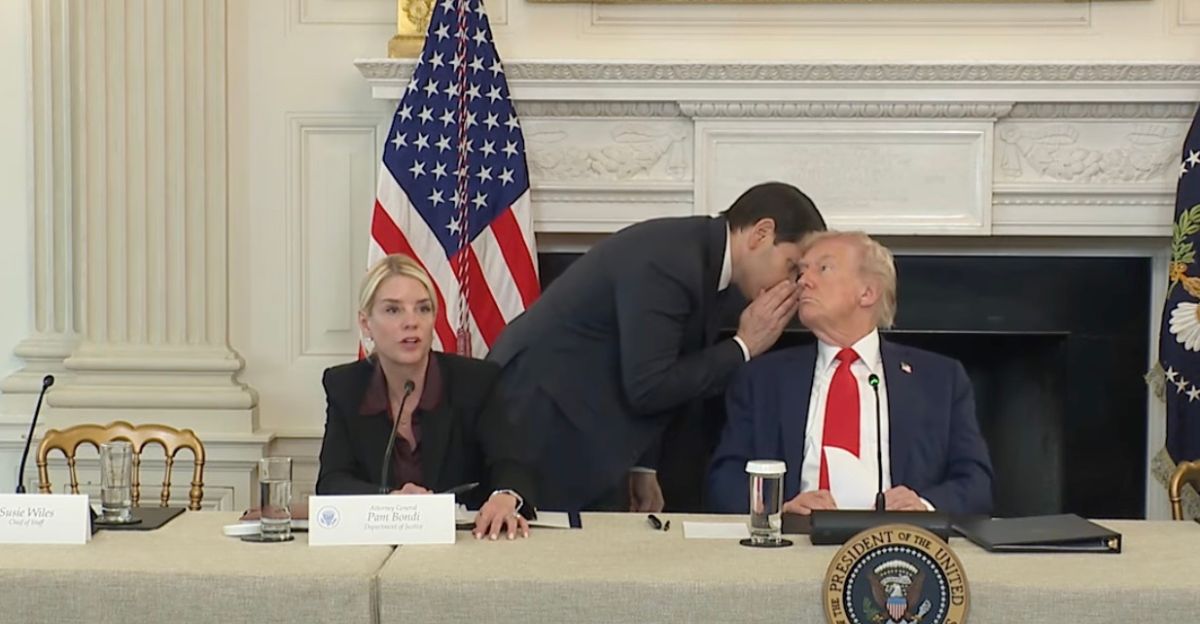
The world learned of the breakthrough in an unexpected way. Cameras captured Secretary of State Marco Rubio passing Trump a note during a White House roundtable. Minutes later, Trump posted on Truth Social: “I am proud to announce that Israel and Hamas have both signed off on the first phase of our Peace Plan.”
The White House later confirmed the post marked the official start of the agreement’s rollout.
Hostage Releases and Troop Pullback Lead the First Phase
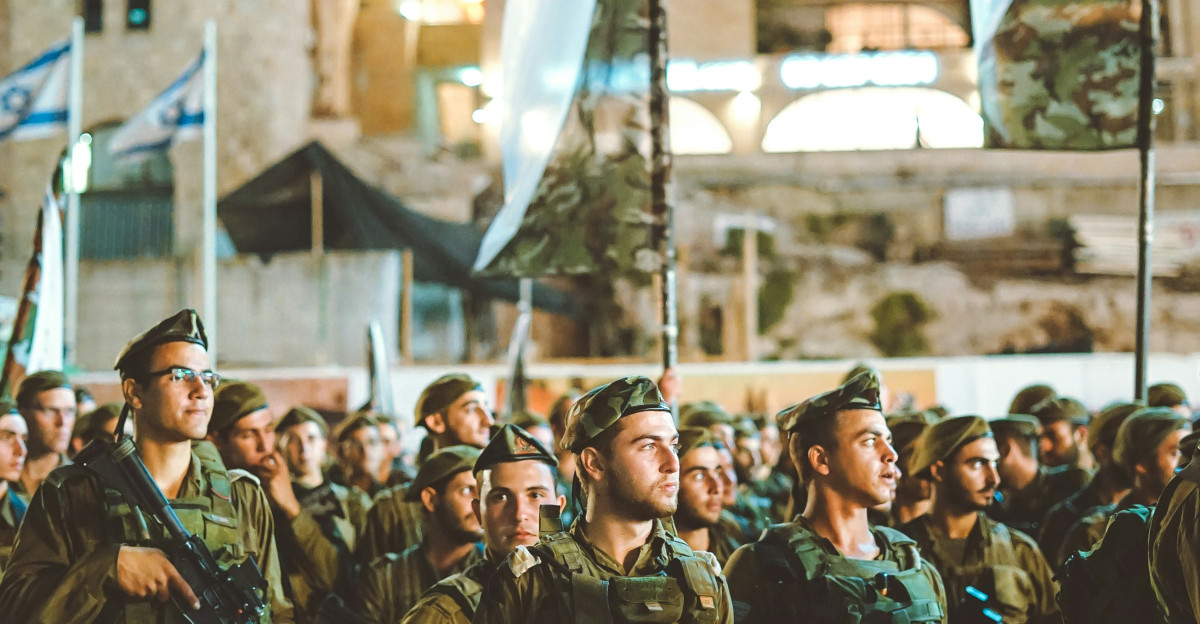
At its heart, the first phase aims to stop the bloodshed and rebuild trust. It includes the release of all Israeli hostages still held in Gaza, a partial Israeli troop withdrawal, a large prisoner exchange, and expanded access for humanitarian aid.
“All of the hostages will be released very soon,” Trump said, adding that both sides had agreed on “a strong first step toward a durable peace.”
A Massive Prisoner Exchange in Motion

Israeli officials said Hamas would release 20 living hostages and return the remains of 28 others. In exchange, Israel plans to free more than 1,000 Palestinian prisoners, including 250 serving life sentences.
A senior Israeli defense official told Haaretz that transfer preparations were already underway, calling the deal “complex but achievable” once the cabinet approves.
Netanyahu Praises the Deal but Faces Pushback

Prime Minister Benjamin Netanyahu hailed the agreement as “a great day for Israel,” calling it a “diplomatic and moral triumph.” But the political path ahead is not guaranteed.
His far-right coalition partners have voiced strong objections, with Finance Minister Bezalel Smotrich warning that releasing prisoners could “reignite terror networks.” Despite dissent, Netanyahu said the cabinet will vote on Thursday evening.
Hamas Confirms Terms, Credits Mediators

Hamas issued a statement through Al Jazeera confirming it had agreed to the first phase and thanked mediators from Qatar, Egypt, Turkey, and the United States.
The group said the deal would “end the aggression, secure the withdrawal of occupation forces, and allow humanitarian aid to flow.” It urged guarantor nations to ensure that Israel “fully complies with the agreement without delay.”
Regional Diplomats Call It a Turning Point
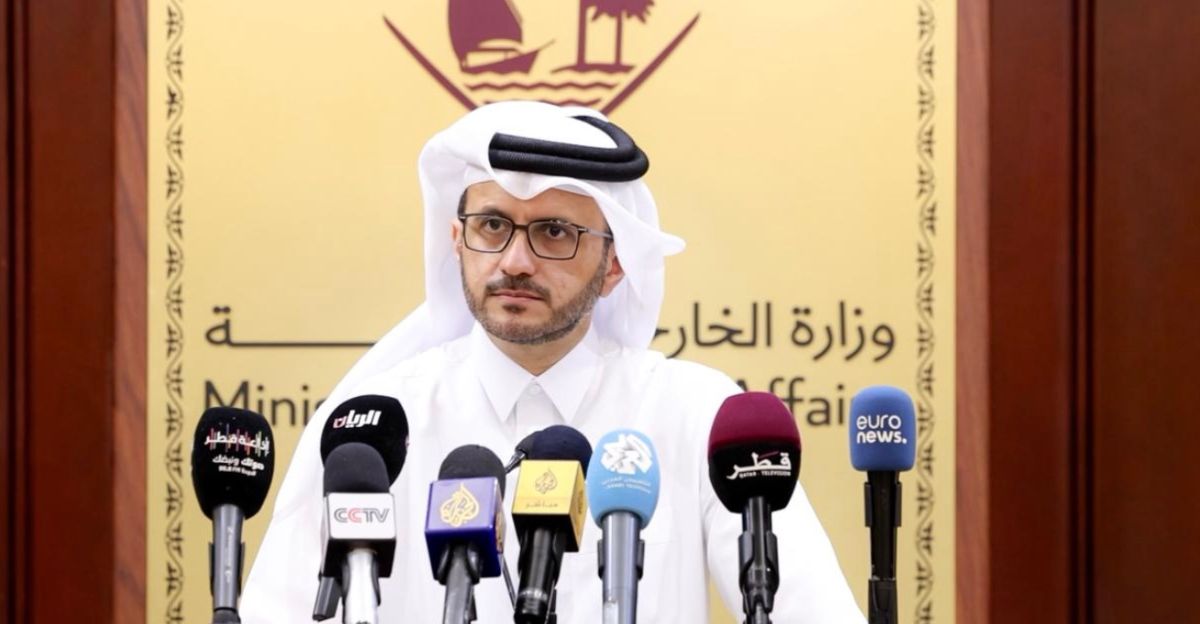
Qatar’s Foreign Ministry spokesperson Majed al-Ansari said mediators had “finalized all provisions and mechanisms of the first phase.” Egypt’s President Abdel Fattah al-Sisi described U.S. involvement as “decisive.”
At the same time, Turkey’s intelligence chief Ibrahim Kalin confirmed to Anadolu Agency that Ankara had been directly involved in drafting the final text. The rare regional unity was key to breaking the deadlock.
Countdown Begins for Implementation

If Israel’s cabinet approves the deal, the ceasefire could take effect within 24 hours. According to Israeli media, Hamas is expected to release its first group of hostages within three days of ratification.
Trump told Fox News he may travel to Egypt “to personally oversee the first steps” and said Netanyahu had invited him to address Israel’s Knesset in the coming weeks.
Trump-Led ‘Board of Peace’ to Guide Gaza’s Next Chapter

The plan also calls for the creation of a temporary “Board of Peace,” a multinational body to oversee Gaza’s reconstruction and governance. Trump will chair the board, which will include representatives from Egypt, Qatar, Turkey, and the Palestinian Authority.
A U.S. official said the board aims to “ensure a stable transition and prevent another power vacuum in Gaza.”
Two Years After War’s Beginning, a Pause in Sight

The peace plan arrives two years after Hamas’s October 7, 2023 attack on southern Israel that killed roughly 1,200 people and led to 251 hostages being taken.
Israel’s military response devastated Gaza, where local health officials report more than 67,000 killed and nearly two million displaced. For many families, the tentative truce offers the first glimpse of hope in years.
Humanitarian Crisis Underscored Urgency

The humanitarian toll has been staggering. The World Health Organization said only 14 of Gaza’s 36 hospitals remain partly functional. UNRWA estimates that 90% of Gaza’s residents have been displaced, most living in makeshift shelters.
International agencies say these conditions helped drive the diplomatic urgency behind the agreement, warning that Gaza was “on the brink of total collapse.”
Contentious Issues Still Ahead

While the first phase halts the fighting, it leaves difficult questions unresolved — including Hamas’s future role and disarmament. Trump’s 20-point peace plan envisions a “technocratic Palestinian committee” eventually handing control to the Palestinian Authority.
Hamas, however, has said disarmament will only follow the creation of a recognized Palestinian state — a point that could test the next round of talks.
A Rare Moment of Celebration — and Caution
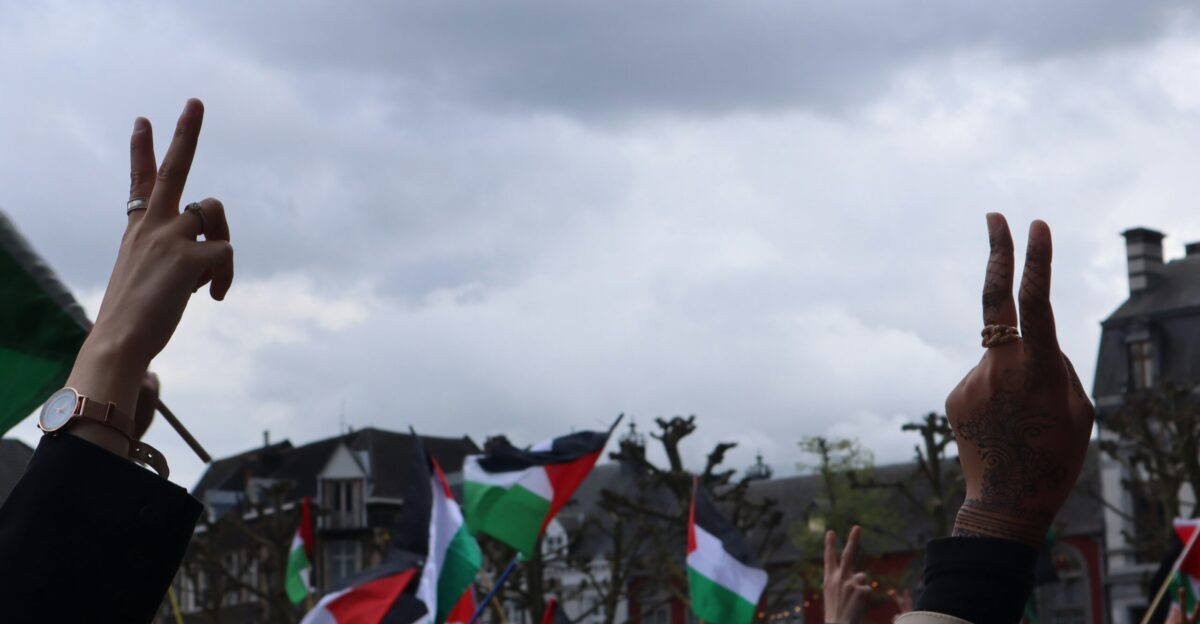
In Tel Aviv’s Hostages Square, families waiting months for news of loved ones broke into tears and applause. In Gaza City, crowds cheered and waved flags as word of the ceasefire spread.
UN Secretary-General António Guterres called the agreement “a critical step toward ending the suffering,” while British and Indian leaders praised it as a move toward lasting peace.
A Diplomatic Gamble That May Redefine U.S. Influence

For Trump, the agreement marks a major foreign-policy win — and a test of his unconventional diplomacy. He told Fox News that his “trade leverage and direct approach” helped push talks forward.
Analysts say if the deal holds, it could reshape Washington’s standing in the Middle East — and turn Trump’s promise of a “strong, durable, and everlasting peace” into political reality.