Screens across Iran went dark almost at once. Upload bars stalled. Messages failed to send. By January 8, internet access had collapsed nationwide, cutting off roughly 90 million people in the middle of mass protests.
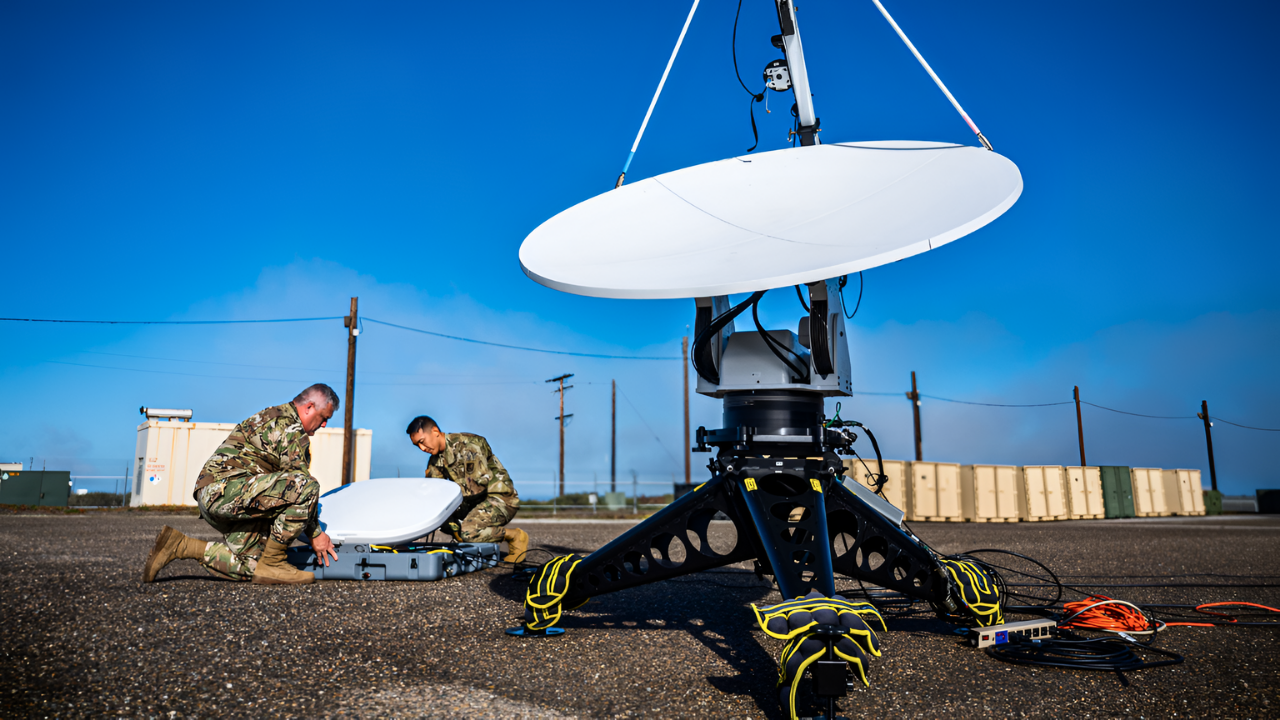
Satellite signals over Tehran showed heavy interference, and Starlink connections dropped as radio-frequency jamming intensified. Videos from the streets stopped appearing just as demonstrations peaked. What caused the blackout—and why did one satellite network suddenly matter more than any other?
Protests Ignite Across Iran
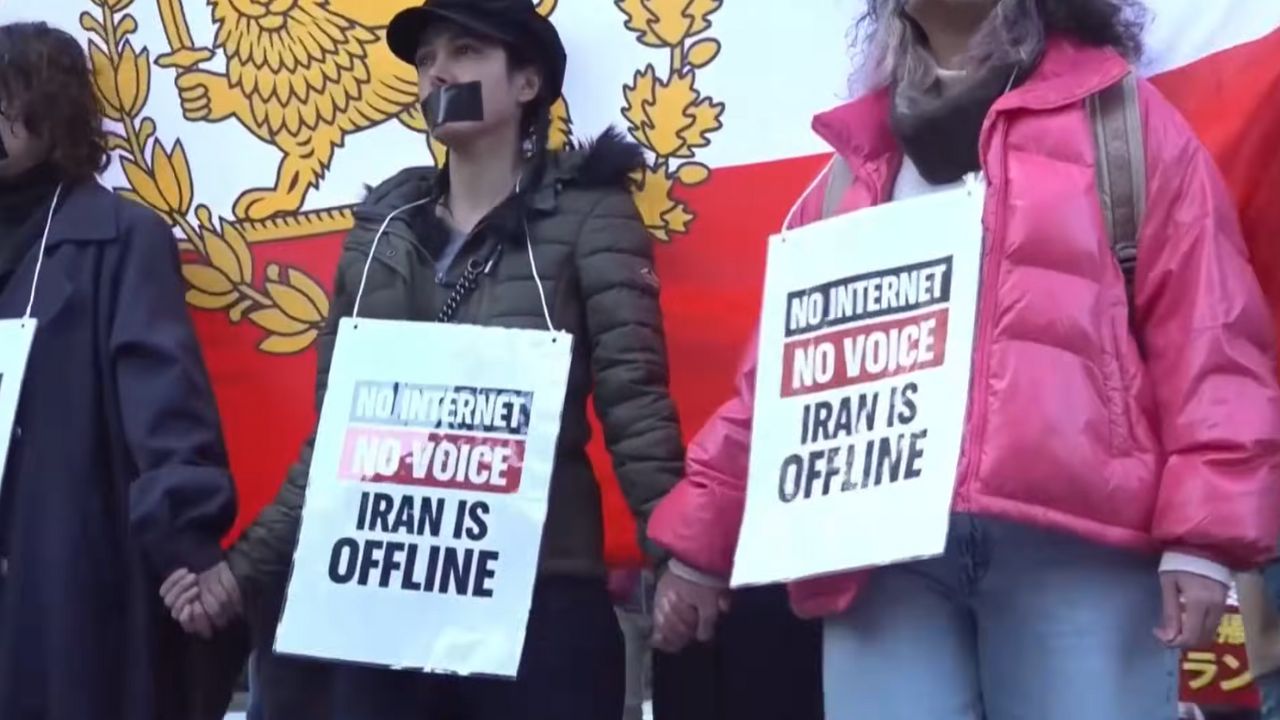
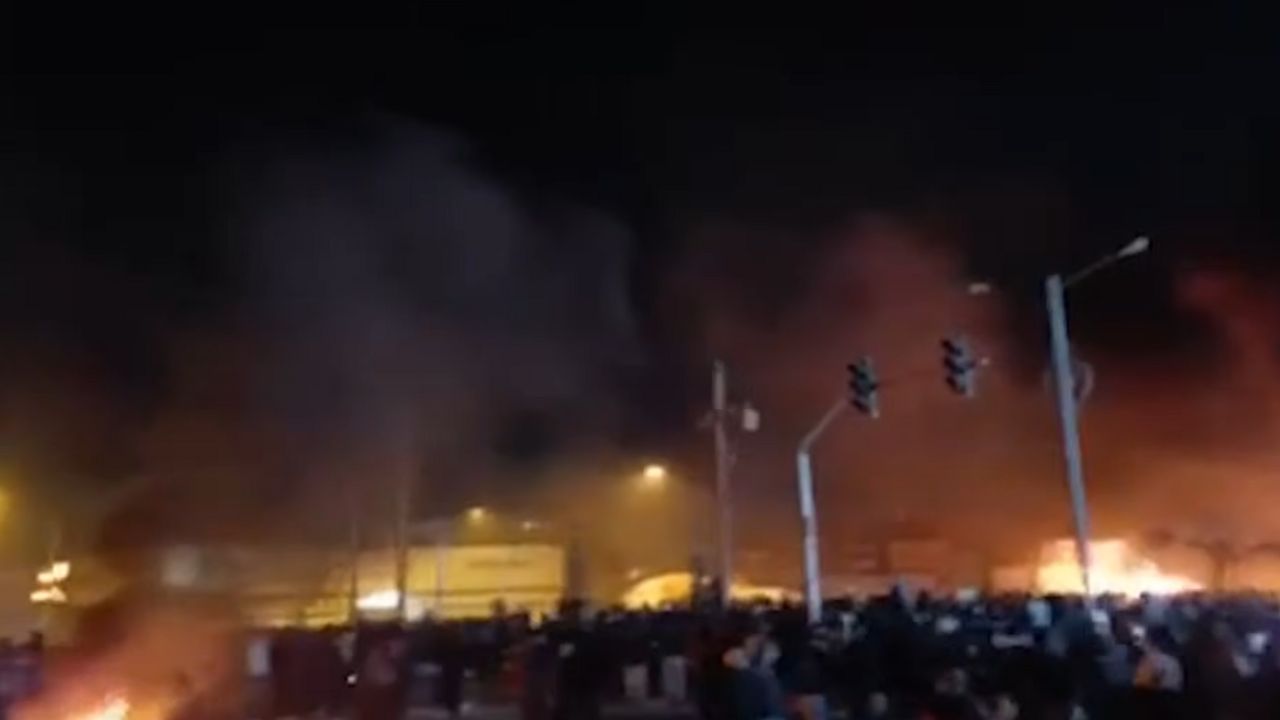
Mass protests have surged across Tehran, Isfahan, Shiraz, and Kermanshah since late December 2025, marking the largest unrest since the 1979 Islamic Revolution.
Demonstrators demand systemic change while authorities respond with lethal force. Rights groups document hundreds of confirmed deaths, with broader estimates significantly higher.
As demonstrations intensify, Iran’s internet blackout—now stretching past 170 hours—cuts protesters off from global visibility, raising fears that violence is escalating beyond public scrutiny.
Iran’s Blackout Playbook

Iran has repeatedly weaponized internet shutdowns during crises. In 2019, connectivity was cut for 163 hours amid protests. In 2025, a separate blackout followed regional conflict. Officials routinely blame infrastructure failures, but monitoring groups consistently document deliberate state action.
On January 8, 2026, NetBlocks confirmed a nationwide collapse in traffic shortly after nightfall. Once again, digital darkness descends at the moment international attention matters most.
Satellites Enter the Crosshairs
This time, Iran escalated beyond terrestrial networks. Authorities deployed electronic warfare tools designed to interfere with satellite communications, targeting Starlink’s upload capability over dense urban areas.
GPS disruptions and severe packet loss were reported in Tehran as jamming intensified. Despite harsh penalties—including long prison terms—activists have quietly distributed tens of thousands of satellite terminals. Each dish represents a fragile lifeline in an increasingly hostile signal environment.
The Starlink Kill Switch Moment

Beginning January 8, Iran activated full-scale radio-frequency jamming against Starlink, effectively silencing uploads across much of the country. Days earlier, President Donald Trump spoke directly with Elon Musk, urging action.
Engineers at SpaceX were authorized to push emergency countermeasures, including expanded free access windows for Iranian users—turning a corporate network into a geopolitical flashpoint.
Tehran Bears the Brunt

Jamming efforts were most concentrated in Tehran, where Starlink performance degraded sharply despite software updates. Packet loss surged, uploads stalled, and connections became intermittent. Security forces conducted rooftop sweeps, seizing satellite dishes while drones scanned residential areas.
Outside the capital, access proved slightly more stable, underscoring the regime’s focus on suppressing protest documentation from population centers. Without reliable uploads, images of unrest struggle to escape Iran’s borders.
Voices on the Edge of Silence

“Starlink is pretty much the only way to connect, to send news out,” said Mehdi Yahyanejad of NetFreedom Pioneers. Activists risk severe punishment to keep terminals operational, moving equipment constantly to avoid detection.
As killings mount and families lose contact with loved ones abroad, every successful upload carries immense personal risk—yet remains essential to preventing total informational erasure.
The UN Backs Iran—On Paper

The International Telecommunication Union previously ruled in Iran’s favor, arguing Starlink operations violated national sovereignty. But the decision lacks enforcement power.
Iran continues protesting SpaceX’s involvement while civil society groups assist users on the ground. The standoff highlights a growing reality: global regulators can issue rulings, but private satellite networks increasingly operate beyond their reach.
Starlink’s Expanding Reach

Starlink now serves more than 9 million subscribers worldwide, making it the largest satellite internet provider on Earth. Similar emergency activations occurred in Ukraine and Venezuela. Iran’s near-total traffic collapse during previous conflicts foreshadowed this moment.
Each deployment challenges authoritarian control, turning orbital infrastructure into a form of soft power—one that regimes struggle to counter without escalating electronic warfare.
Toward Permanent Isolation

Iranian authorities are reportedly accelerating plans for “Absolute Digital Isolation,” replacing open access with a tightly controlled domestic network. Only approved users would connect to heavily censored services.
Starlink seizures have intensified alongside these efforts. What began as an emergency blackout increasingly resembles a permanent restructuring of Iran’s digital landscape.
Musk Under Pressure

Musk authorized rapid technical fixes following the call with Trump, but Iranian countermeasures quickly adapted. Reports indicate partial recovery in some areas, though risks remain severe for users.
Inside SpaceX, engineers face a difficult balance between effectiveness and escalation. For activists, each delay feels costly as blackout hours approach—and surpass—two hundred.
Trump’s Direct Intervention

Trump’s personal outreach marked a rare moment of direct coordination between the White House and a private satellite operator. Press Secretary Karoline Leavitt confirmed the administration’s stance supporting Iranian access.
A longstanding U.S. sanctions exemption allows such connectivity efforts, reframing Starlink as a tool of foreign policy rather than a neutral service provider.
SpaceX Pushes Back

Around January 10-13, SpaceX rolled out firmware updates designed to reroute signals and mitigate interference. Engineers worked to reduce packet loss and extended free connectivity for users.
Border regions saw the most improvement, offering limited proof that jamming could be partially blunted—at least temporarily.
Experts Urge Caution

Telecommunications experts warn that Iran possesses sophisticated interference capabilities, supported by advanced academic and military research institutions.
While jamming every satellite is impractical, sustained disruption remains feasible in targeted areas. Analysts describe the situation as a classic cat-and-mouse struggle, with neither side able to secure a decisive, lasting advantage.
Can Satellites Stay Ahead?

The crisis raises a fundamental question: can commercial satellite networks permanently outmaneuver state-level electronic warfare? For protesters, Starlink represents hope anchored in orbit.
For governments, it is a destabilizing variable. As blackout durations climb, the answer will shape how future uprisings communicate—or disappear.
U.S. Policy Hardens

Washington signaled a tougher stance as reports of killings mounted. Trump warned of potential intervention, while allied governments moved to evacuate diplomatic staff.
Iran’s airspace restrictions and heightened security posture point toward escalation. Digital connectivity now intersects directly with military and diplomatic calculations.
Global Implications Ripple Outward

Iran is not alone in testing satellite shutdowns. Russia has attempted similar interference in Ukraine; Venezuela faced Starlink deployments following U.S. pressure.
Each case erodes the effectiveness of traditional censorship. Analysts increasingly describe a new “sovereign-commercial nexus,” where private networks rival states in informational power.
Legal Peril for Users

Iranian law treats unauthorized satellite communication as espionage, with severe penalties including death sentences on the books.
Door-to-door confiscations continue, even as connectivity briefly resurfaces. Monitoring groups note slight traffic upticks, but legal risks remain overwhelming—deterring many from attempting access at all.
A Generation Pushes Back

Digital rights advocates note a widening cultural divide. Younger Iranians increasingly view state internet controls as illegitimate, embracing global connectivity as a basic right.
Despite repression, underground networks persist, reshaping norms and expectations. Each blackout fuels further defiance rather than submission.
A New Front in the Information War

Iran’s confrontation with Starlink underscores a profound shift: information control is no longer confined to borders or cables. Private satellites now challenge national kill switches, amplifying civilian voices against repression.
As protests continue, the outcome will help determine whether space-based networks can outpace state power—or merely provoke harsher crackdowns in the battles ahead.
Sources:
“2026 Internet blackout in Iran.” Wikipedia, 8 Jan 2026.
“Trump says he will talk to Musk about restoring internet in Iran.” Reuters, 11 Jan 2026.
“Death Toll in Iran May Already Be in the Thousands.” Time Magazine, 11 Jan 2026.
“Iranian demonstrators gain boost with SpaceX’s Starlink satellite internet.” Associated Press, 14 Jan 2026.