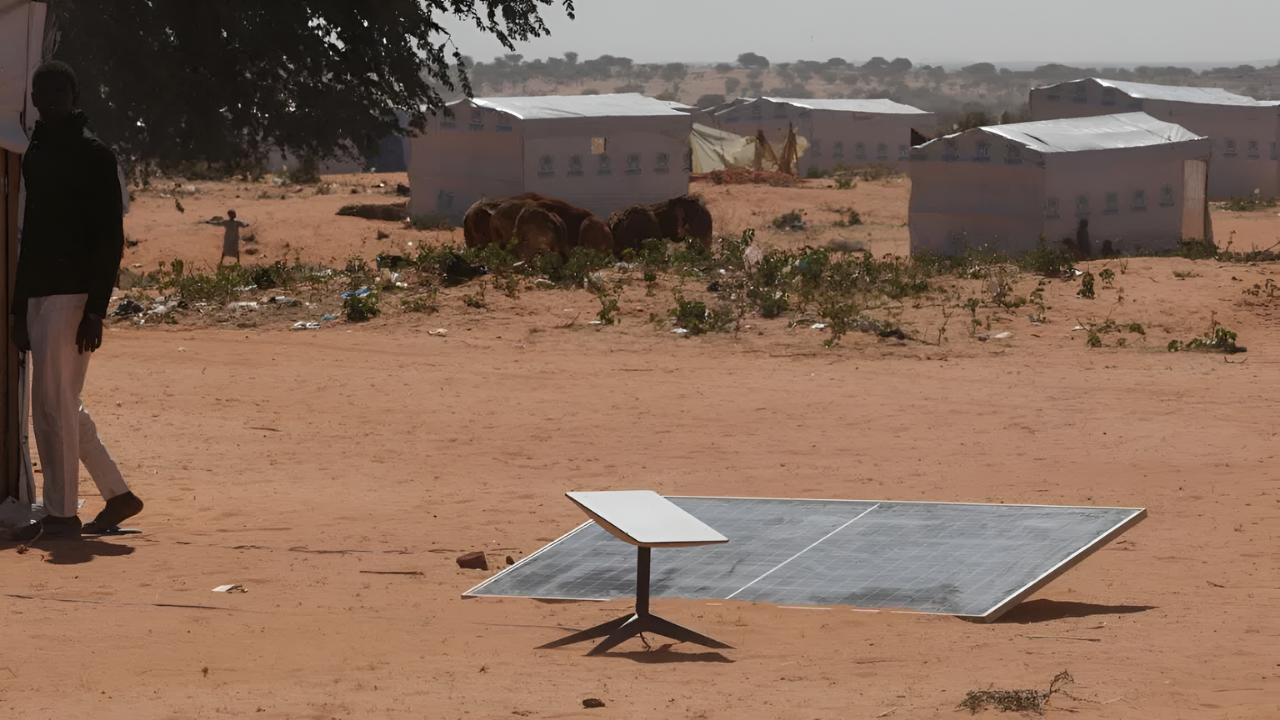
On the evening of January 8, 2026, Iran’s digital lifelines vanished almost simultaneously. Upload bars froze. Messages stalled mid-transmission. Within hours, a nationwide blackout severed roughly 90 million people from the outside world as mass demonstrations reached their peak intensity. Satellite signals above Tehran showed severe interference, and Starlink terminals—smuggled across borders by activists—began dropping connections under intensifying radio-frequency jamming.
The streets of Tehran, Isfahan, and Kermanshah fell silent online precisely when international visibility mattered most. What caused this unprecedented shutdown, and why did a single commercial satellite network suddenly become a battleground between protesters and the state?
Digital Siege Tactics

Iran has refined internet suppression into a strategic weapon. During the November 2019 protests, authorities severed connectivity for 163 hours, shielding security forces from scrutiny during mass killings. Similar blackouts followed fuel price demonstrations and the downing of Ukraine International Airlines Flight 752 in 2020.
Each time, officials attributed disruptions to infrastructure failures or power shortages, but monitoring organizations consistently documented deliberate state action. On January 8, 2026, NetBlocks confirmed a near-total collapse of traffic beginning around 20:30 local time—the most severe digital isolation in the nation’s history. This time, authorities extended restrictions beyond terrestrial networks, deploying electronic warfare capabilities against satellite communications.
Satellite Battleground
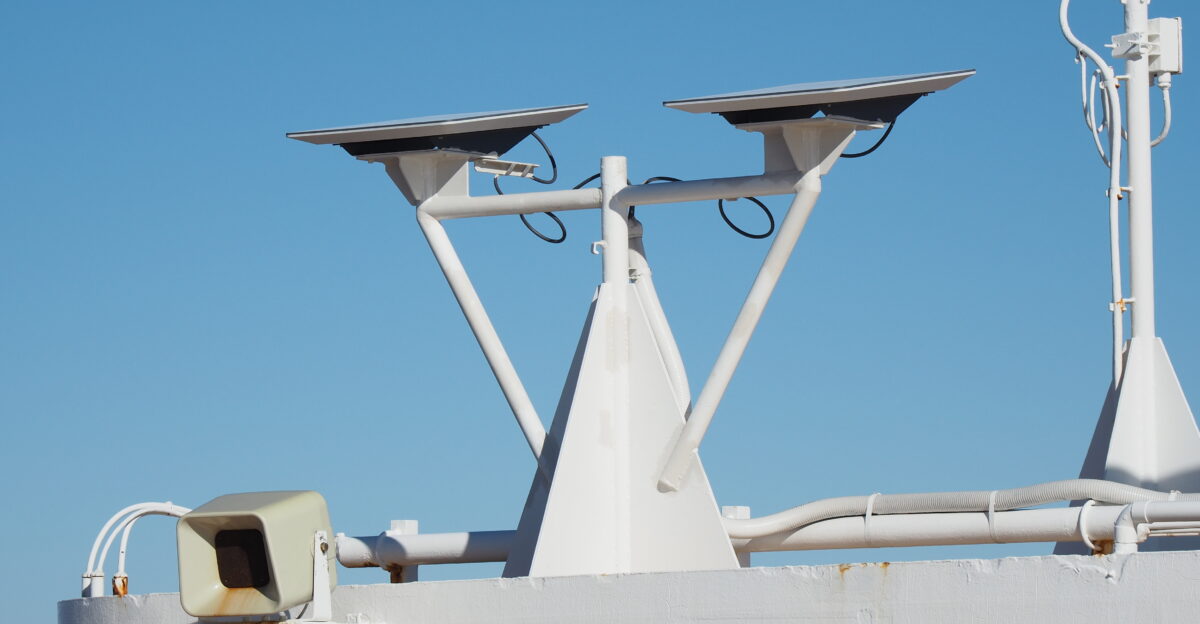
Iranian security forces escalated tactics beyond cutting fiber-optic cables and disabling cell towers. Electronic warfare tools targeted Starlink’s upload capability specifically, concentrating jamming efforts over dense urban centers. GPS disruptions and packet loss exceeding 30 percent—reaching 80 percent in some areas—rendered terminals unreliable precisely when activists needed them most.
Despite penalties including potential death sentences under espionage laws, underground networks had quietly distributed an estimated 50,000 Starlink terminals since 2022. Security forces responded with rooftop sweeps, door-to-door confiscations, and drone surveillance to identify satellite dishes. Each terminal represented a fragile connection to the outside world, vulnerable to detection and seizure. “Starlink has been crucial,” said Mehdi Yahyanejad of NetFreedom Pioneers, pointing to footage that emerged showing rows of bodies at a forensic center near Tehran. Outside the capital, connectivity proved marginally more stable, suggesting resource constraints limited the regime’s jamming reach.
Geopolitical Intersection

The crisis transformed a commercial satellite service into a foreign policy instrument. President Donald Trump personally contacted Elon Musk on January 11, urging action to restore access. SpaceX engineers subsequently rolled out emergency countermeasures, including firmware updates designed to reroute signals and mitigate interference, while eliminating subscription fees for Iranian users. Press Secretary Karoline Leavitt confirmed the administration’s support, framing connectivity as a humanitarian imperative backed by longstanding sanctions exemptions.
The International Telecommunication Union had previously ruled in Iran’s favor, arguing Starlink violated national sovereignty, but the decision lacked enforcement mechanisms. Meanwhile, Iran’s government spokesperson announced that international internet access would remain blocked until at least the Iranian New Year on March 20, with reports suggesting plans for “Absolute Digital Isolation”—a heavily censored domestic network accessible only to vetted users. By January 16, after more than 200 hours of blackout, NetBlocks detected a marginal uptick in connectivity to approximately 2 percent, though legal risks remained overwhelming for users.
Stakes Beyond Borders

Iran’s confrontation with Starlink marks a fundamental shift in information warfare. Commercial satellite networks now challenge traditional censorship infrastructure, amplifying civilian voices against authoritarian control. Similar dynamics emerged in Ukraine during Russia’s invasion and in Venezuela following U.S. pressure for regime change. Each deployment erodes the effectiveness of terrestrial kill switches while triggering countermeasures that escalate electronic warfare in civilian contexts. Telecommunications experts warn that Iran possesses sophisticated interference capabilities, backed by advanced research institutions, making sustained disruption feasible in targeted areas.
Activists note a widening cultural divide: younger Iranians increasingly view state internet controls as illegitimate, embracing global connectivity as a fundamental right despite severe repression. As blackout hours stretch past 200, the outcome will shape whether space-based networks can permanently outmaneuver state power—or simply provoke harsher crackdowns in the battles ahead. For protesters risking execution to operate terminals, each successful upload carries immense personal cost yet remains essential to preventing total informational erasure. The answer to whether satellites can stay ahead of electronic warfare will determine how future uprisings communicate—or disappear.
Sources:
“2026 Internet blackout in Iran.” Wikipedia, 8 Jan 2026.
“Trump says he will talk to Musk about restoring internet in Iran.” Reuters, 11 Jan 2026.
“Death Toll in Iran May Already Be in the Thousands.” Time Magazine, 11 Jan 2026.
“Iranian demonstrators gain boost with SpaceX’s Starlink satellite internet.” Associated Press, 14 Jan 2026.