Since January, criminals have stolen nearly $262 million from American bank accounts.
The FBI’s Internet Crime Complaint Center (IC3) confirms that scammers carried out a massive account takeover campaign, breaking through security protections.
Victims watch their life savings disappear as criminals exploit weaknesses in authentication systems.
The average loss per victim exceeds $51,000, showing this represents an organized, widespread criminal operation.
5,100 Victims
Numbers keep rising. The FBI has recorded over 5,100 complaints since January 2025 from individuals and businesses.
This surge represents not isolated hacks but a coordinated fraud campaign that moves fast and leaves little evidence.
Fraud detection systems can barely keep up as complaints flood in from every industry—hitting personal bank accounts, payroll systems, and health savings accounts alike.
Security Barrier Broken
For years, banks promised that two-factor authentication (2FA) would protect accounts.
The promise seemed simple: even if hackers steal your password, they cannot access your account without the code sent to your phone.
Now, criminals have weaponized this system. They developed social engineering tactics that trick victims into handing over the SMS codes that protect them.
Trust Exploited
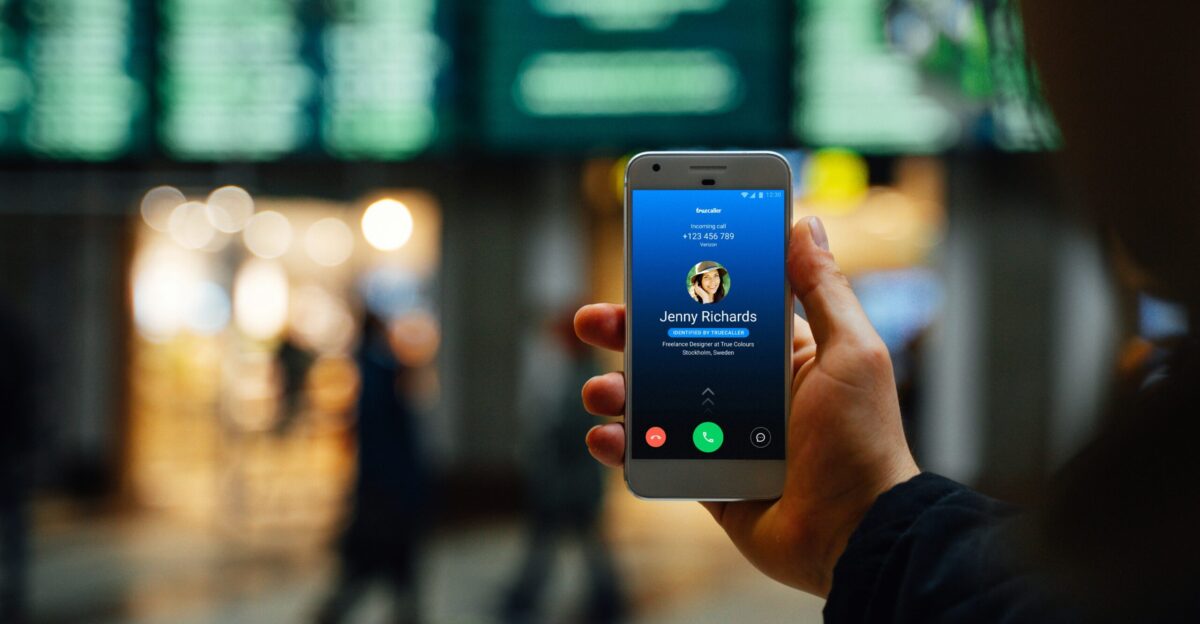
Scammers use authority as their weapon. Victims receive calls or texts that appear to come from their bank’s fraud department or police.
The caller ID looks real. The voice sounds professional and urgent.
The criminal claims your account faces an attack and demands you “verify” your identity to freeze the funds.
What the victim doesn’t know: that code unlocks a password reset or transfer.
FBI Issues Alert
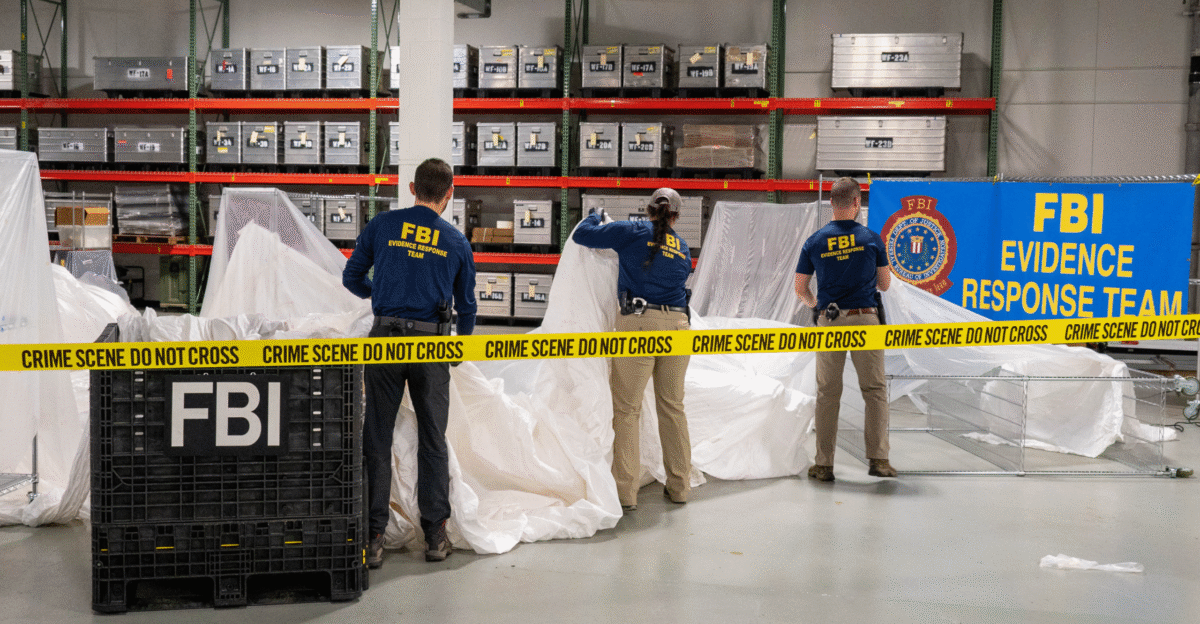
On November 25, 2025, the FBI released a critical warning.
The alert states that criminals impersonate banks to steal login details and, crucially, “multi-factor authentication (MFA) codes or One-Time Passcodes (OTP).”
This marks a turning point. The FBI confirms that the security advice millions followed—enable SMS 2FA—criminals now exploit to steal money and route it to criminal networks.
Nationwide Threat
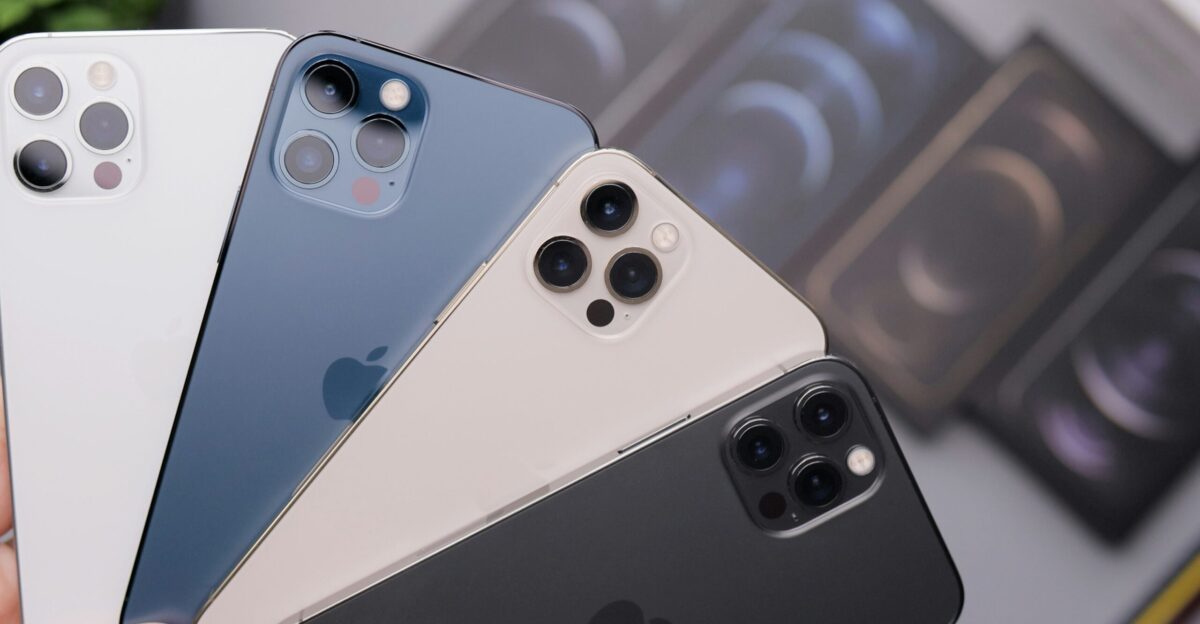
Headlines focus on iPhones, but the threat targets all devices and operating systems equally.
From Miami to Seattle, FBI data shows a nationwide impact across individuals, businesses, and organizations.
Whether you own an iPhone or an Android device, the vulnerability doesn’t reside in your device—it resides in the code that scammers intercept and use to phish from you.
Victims from Florida to California report discovering empty accounts after attackers vanish.
“It Sounded Normal”
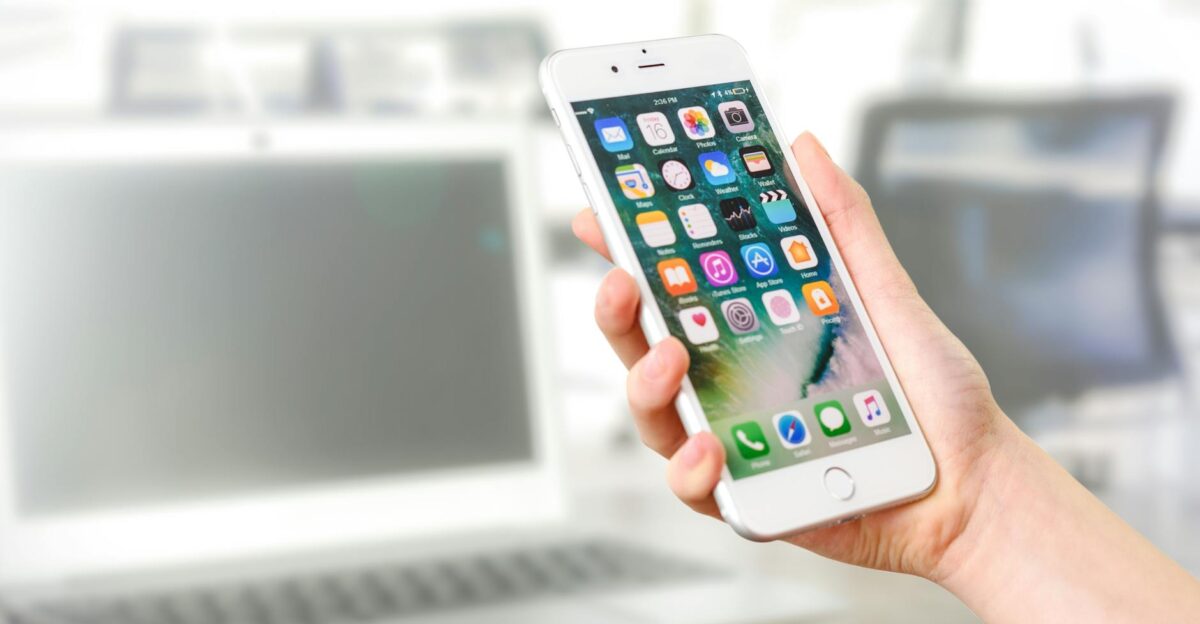
Real victims reveal the human cost. Parthasarathy, a credit union member, received a call from a “fraud specialist” named Vanessa, who was familiar with her transaction history.
“She needed the code, and I gave it to her,” Parthasarathy recalled. Ms. Maddock, a retired police officer, nearly fell for the same trick.
She said the call “sounded so normal.” These stories prove scammers fool everyone.
Telecoms Under Fire
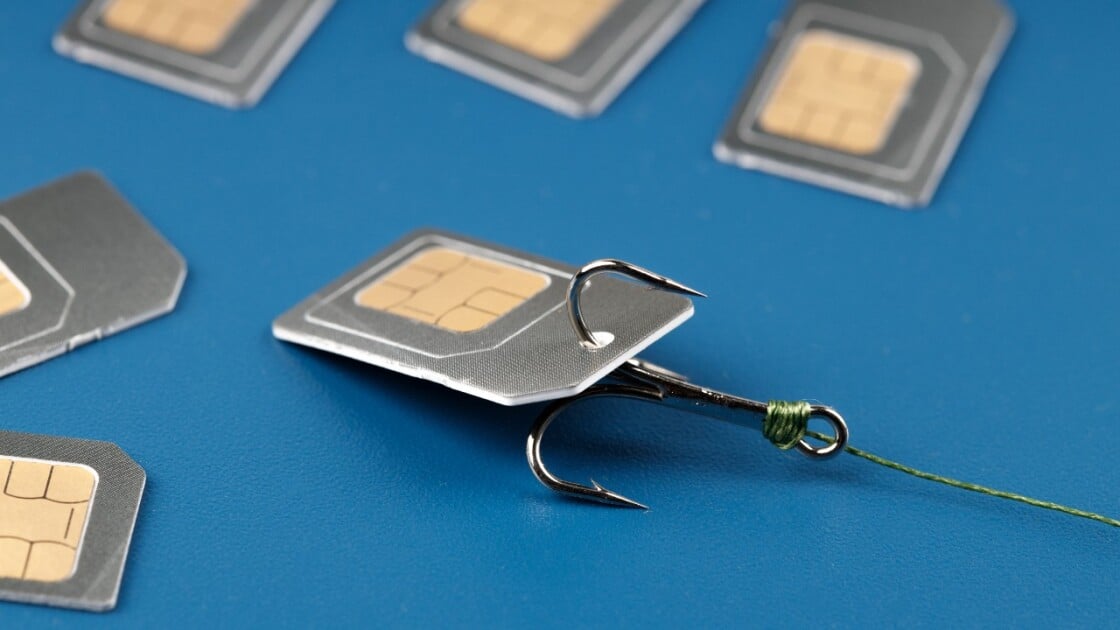
The phone network has serious gaps. The FCC now proposes rules to prevent “SIM swapping”—a tactic where attackers redirect a victim’s phone number to their own device to intercept codes.
The FCC set 2025 compliance deadlines requiring phone companies to verify users before switching numbers, but carriers struggle to keep pace.
This delay creates an opportunity for scammers to exploit the weak security.
Crypto Laundering
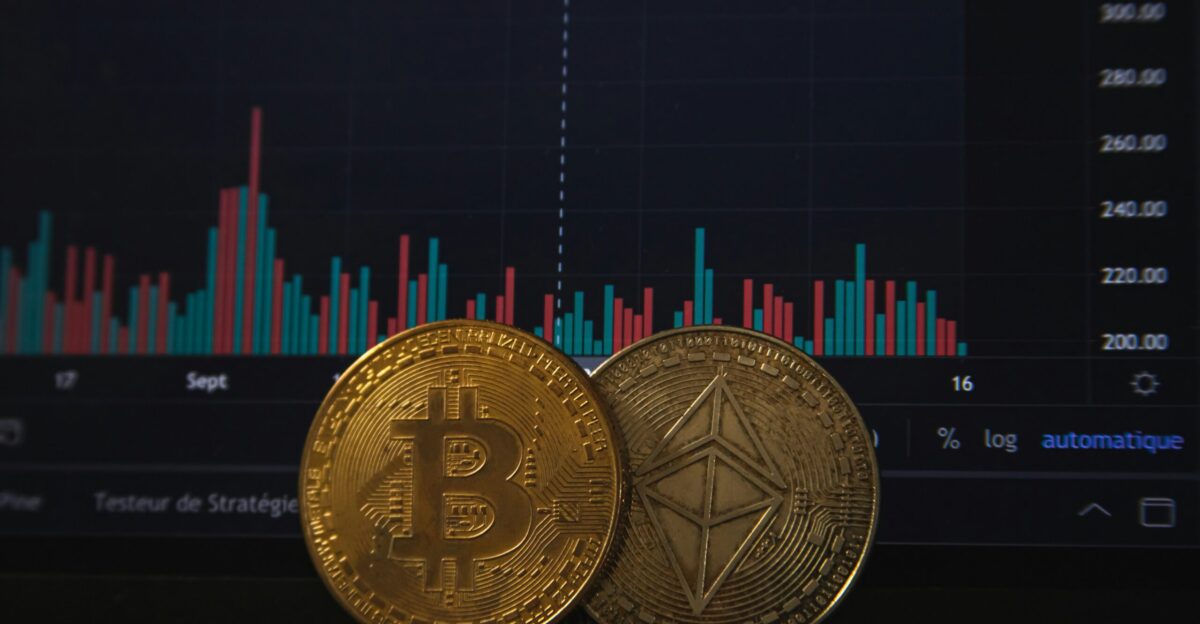
Inside a stolen account, criminals work fast. The FBI warns that scammers “quickly wire funds to other criminal-controlled accounts,” often converting money into cryptocurrency.
Recovery becomes impossible to trace. Unlike credit card charges that banks can reverse, wire transfers to crypto wallets are permanent.
By the time victims realize what has happened, their savings are stored on the blockchain—as Bitcoin or Monero—beyond U.S. reach.
The Double-Dip

The scam often continues even after the criminals have drained the account.
The FBI warns that scammers then pose as police or private investigators, contacting victims with promises to recover stolen funds—for a fee.
Victims, already traumatized, often fall for the second trick. Scammers use the stolen data from the first attack to build fake credibility as “recovery agents,” exploiting desperation twice.
Banks Overwhelmed

Banks face a crisis of trust. Call centers overflow with panicked customers.
Banks strive to strike a balance between security and convenience—some now require stricter verification for large transactions—but scammers circumvent these checks by using stolen credentials.
Victims then hear a cruel message: because they “authorized” the login by giving their code, the bank may not cover their loss. Families lose everything with no recourse.
The Password Dead End
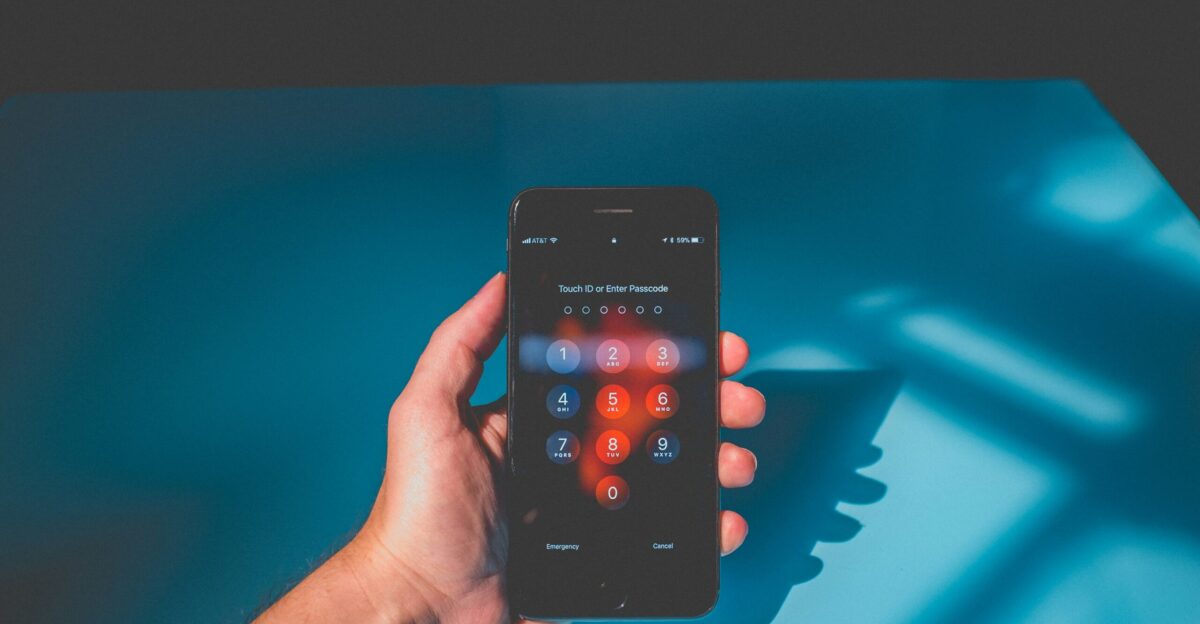
Tech companies admit defeat. Microsoft announced that “the password era is ending”—confirming that passwords plus SMS codes are no longer effective.
The industry is shifting hard, but slowly. Google and Amazon rush to move users to safer methods, yet millions still rely on the very systems criminals now exploit.
This creates a massive target for scammers who know most users haven’t upgraded yet.
Rise of Passkeys
A better option is arriving: passkeys. This technology replaces passwords entirely with cryptographic security.
Google now has over 800 million accounts using passkeys. Amazon reports that 175 million users have adopted them.
Unlike SMS codes, scammers cannot phish passkeys—there’s no code to steal. NIST updated its 2025 guidelines, requiring federal agencies to use “phishing-resistant” authentication, signaling the end of SMS security.
Market Skepticism
Experts doubt a quick fix will arrive soon. Cybersecurity analyst Yashin Manraj urges people to stop using SMS 2FA immediately, but few have switched yet.
Cifas reports that SIM swap attacks surged 1,055% year-over-year in 2024, suggesting that criminals are accelerating their efforts before security improvements are made.
Insurance costs for cyber fraud continue to rise as the industry acknowledges that “human error” remains a problem that code alone cannot resolve.
Who Can You Trust?
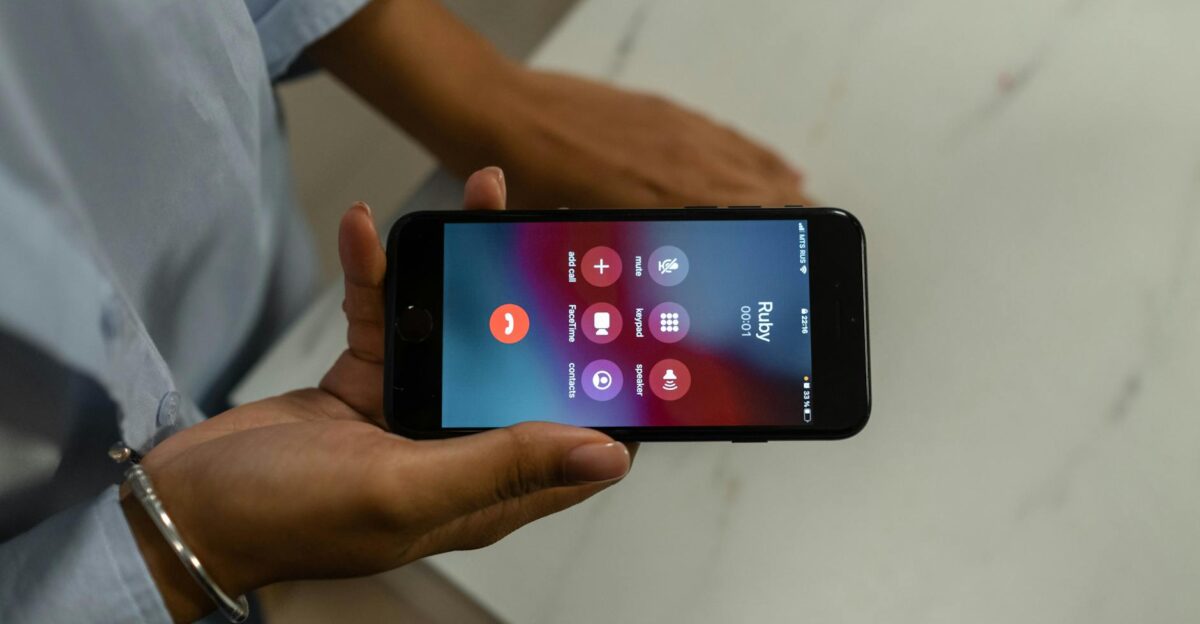
The FBI’s $262 million warning delivers a hard truth: in the digital world, verify all trust. Never assume a caller is legitimate.
The era of trusting caller ID and friendly voices has come to an end. Criminals now use AI voice cloning and spoofing tools.
The security burden shifts to consumers. Every smartphone owner faces a new reality: “Am I strong enough to hang up on someone claiming to be my bank?”
Sources:
Ezetech, 29 Jan 2025
Keepnet Labs, 22 Jul 2025
Authsignal, 14 May 2025
FIDO Alliance, 13 Oct 2025
Forbes, 18 Jun 2025
IronVest, 26 Oct 2025