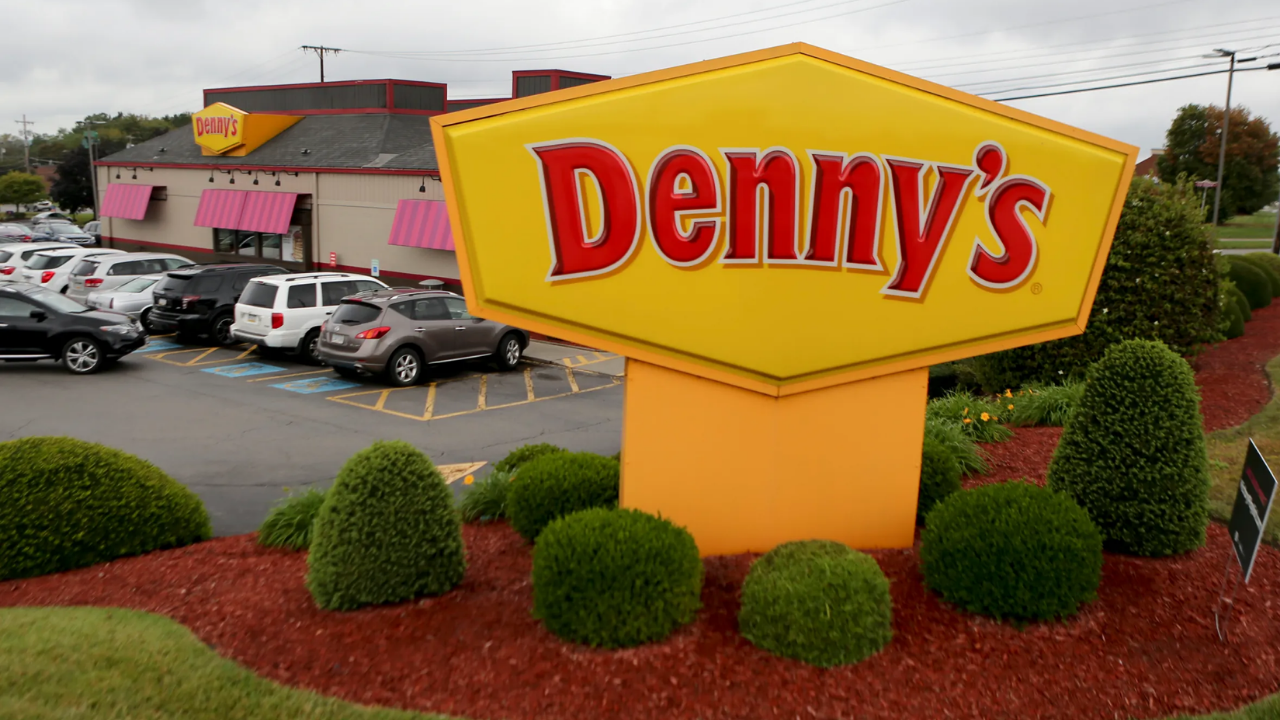
After more than 70 years as a cornerstone of American dining, Denny’s is entering a period of transformation. The diner chain has agreed to a $620 million buyout by private equity firms, a deal expected to shutter up to 180 locations and affect thousands of jobs.
The sale, announced in November 2025, follows years of declining sales, pandemic disruptions, and stiff competition in the casual dining market. CEO Kelli Valade described the deal as the best option for shareholders. Here’s what’s happening as Denny’s prepares for a new chapter…
A High-Stakes Acquisition
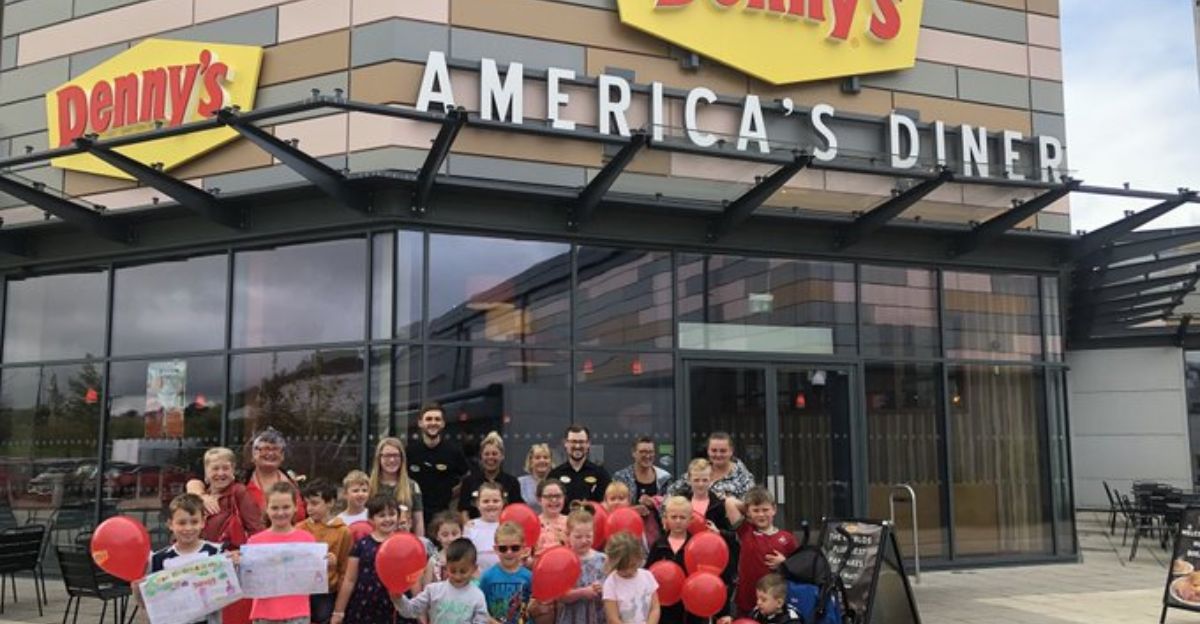
Denny’s Corporation will be acquired for $6.25 per share, a 52% premium over its previous closing price. The transaction, which includes $298 million in assumed debt, will take the company private, marking the end of over five decades of public trading. The buyers—TriArtisan Capital Advisors, Treville Capital Group, and Yadav Enterprises—combine private equity expertise with extensive experience in the restaurant industry.
TriArtisan, known for investments in brands like P.F. Chang’s, and Yadav, which manages hundreds of franchises, aims to revive Denny’s through strategic restructuring. Valade, who joined Denny’s in 2022, led the search for buyers and oversaw the board’s evaluation of multiple offers. The deal is expected to close in early 2026, signaling a significant turning point for the iconic diner chain.
Closures and Job Losses
Up to 180 Denny’s locations are slated to close by the end of 2025, primarily underperforming restaurants generating annual revenuesof around $1.1 million. These closures will impact thousands of employees and franchise operators, some facing permanent job loss while others may participate in rehabilitation programs.
Executive Vice President Stephen Dunn explained that many targeted locations are decades old, situated in low-traffic areas, and lag far behind the chain’s top performers. By focusing on profitable units and supporting franchisees who are willing to invest in upgrades, Denny’s aims to stabilize its national footprint and establish a stronger foundation for future growth.
Financial Pressures and Pandemic Fallout
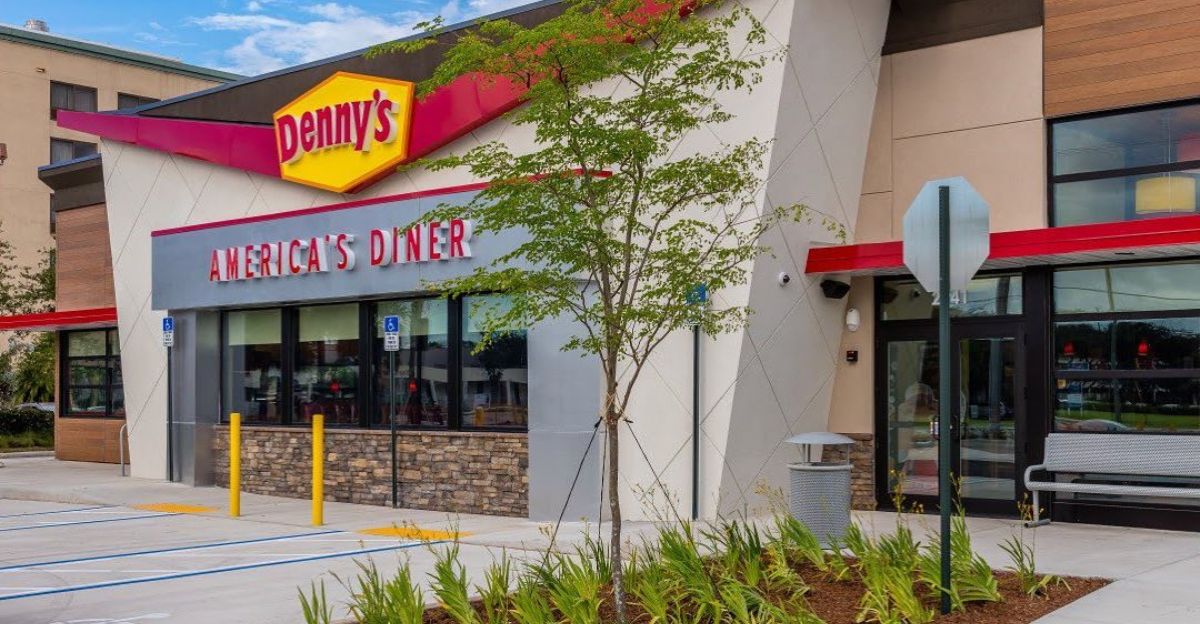
Denny’s has struggled financially for years. In the third quarter of 2025, the company reported revenues of $113.2 million, a 1.3% increase year-over-year, missing analyst expectations. Same-store sales have declined for five consecutive quarters, and the stock price hit a 12-year low. The pandemic exacerbated these issues, with same-store sales plummeting 76% in April 2020, and only 75% of locations resuming 24/7 service by late 2021.
Operational challenges persist. Staffing remains below pre-pandemic levels, and menu cuts, from 97 to 46 items, have improved efficiency but not yet reversed the decline in traffic. Rebuilding operational stability while addressing changing customer habits is central to Denny’s turnaround strategy under private ownership.
Competition and Changing Consumer Tastes
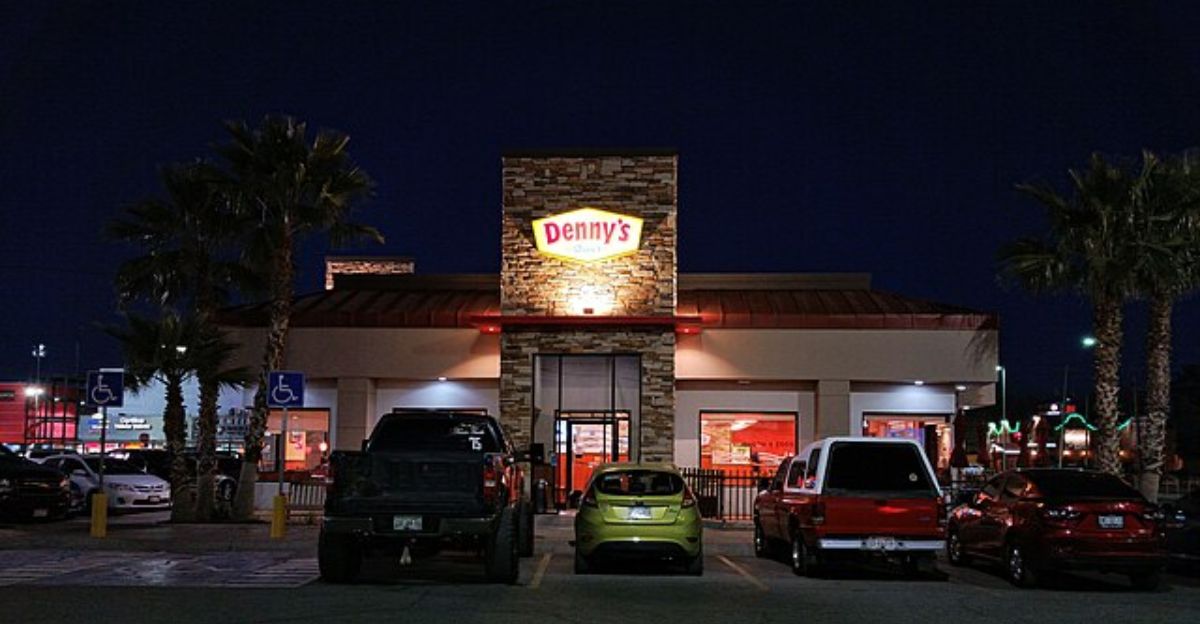
Denny’s faces rising pressure from both traditional rivals and newer health-focused chains. First Watch, known for fresh breakfast options, has expanded across 30 states, while Denny’s acquisition of Keke’s Breakfast Cafe in 2022 sought to attract a younger demographic. Yet the core brand continues to grapple with shifting consumer preferences.
Supply chain pressures, including rising egg prices and tariffs, have compounded difficulties. While Denny’s works closely with suppliers to maintain consistency, competitors often adapt faster to evolving tastes. This dynamic emphasizes the importance of innovation and operational agility in the chain’s upcoming private equity-led restructuring.
Looking Ahead: Turnaround Plans
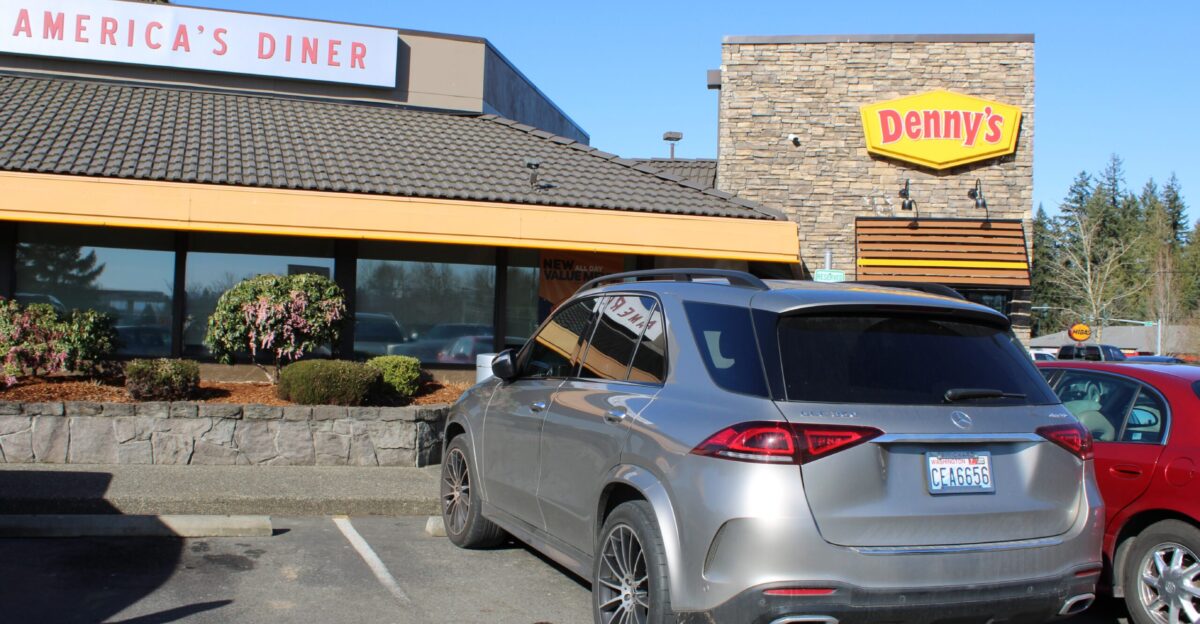
Going private allows Denny’s to pursue long-term strategies without the pressure of quarterly earnings. Plans include remodeling locations, menu innovation, digital expansion, and gradual restoration of 24/7 service. Franchisees are offered incentives to accelerate renovations, aiming to improve overall profitability.
The strategy also involves closing or rehabilitating underperforming units, renegotiating leases, and investing in marketing and training. Success will hinge on operational execution, franchisee support, and reconnecting with customers. The coming years will reveal whether Denny’s can reclaim its status as an American dining leader or become another casualty of the post-pandemic era.