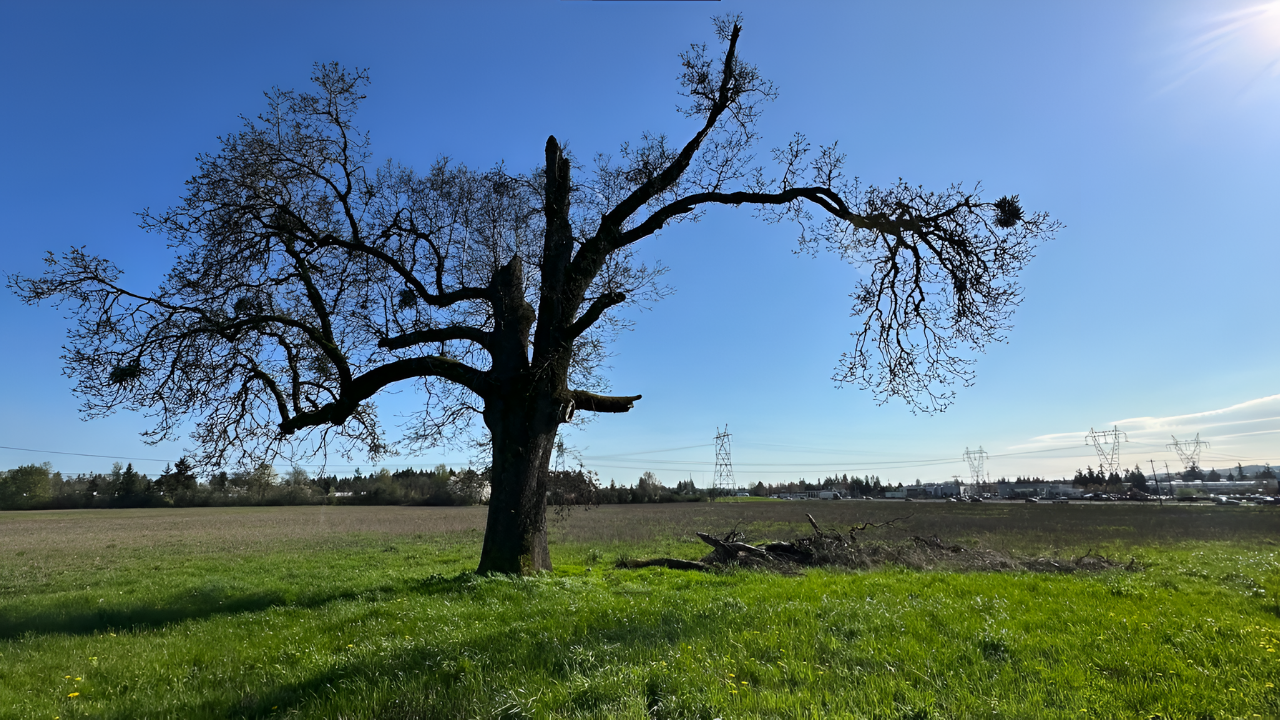
A tiny invader, no larger than a grain of rice, has burrowed into Oregon’s oak forests, threatening the health of white oak trees and the ecosystems they sustain. First detected years ago, the Mediterranean oak borer has now entrenched itself across the northern Willamette Valley, shifting the battle from eradication to containment.
The Spread Accelerates

State crews deployed traps throughout the Willamette Valley in summer 2025, capturing over 500 specimens from more than 30 sites. This surge marked a transition from scattered detections to broad infestation, heightening alarms about the beetle’s reach. Native to Europe, North Africa, and western Asia, the pest arrived in the U.S. via international trade, appearing first in California’s Napa County in 2019 (though specimens from 2017 were later identified) and Troutdale, Oregon, in 2018. By 2025, it spanned multiple counties, compelling experts to map its full extent and curb further advance.
Oaks Under Siege
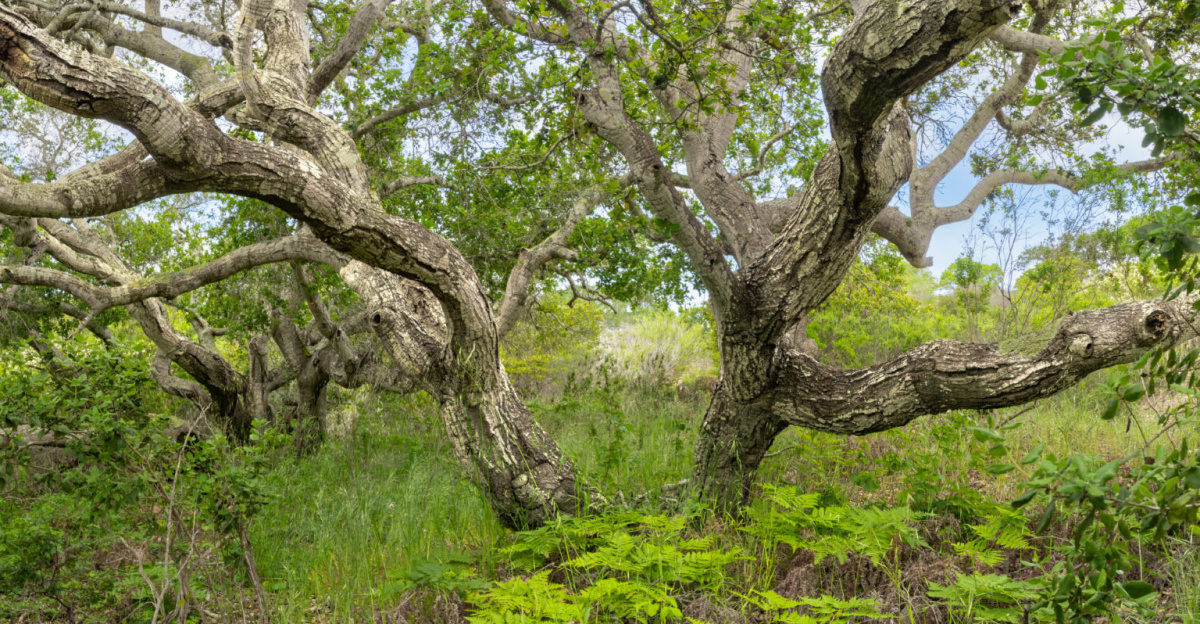
Oregon’s white oaks anchor local ecosystems, offering habitat, carbon storage, shade, and materials for construction and cultural practices. Already strained by urban growth and farming, these trees now face compounded peril from the beetle, which tunnels into bark and disrupts vitality. Infestations confirmed in Multnomah, Clackamas, Marion, Polk, Washington, and Yamhill counties endanger oak-rich landscapes, risking widespread ecological imbalance.
Management Takes Shape
Eradication proved unfeasible after 2025 surveys revealed the pest’s firm establishment. Attention turned to containment: intensified trapping tracks populations, while lessons from California guide tree removal for heavily infested specimens. The Oregon Department of Agriculture leads efforts, partnering with the Invasive Species Council and federal agencies. Collaboration with California shares data on cross-border movement, prioritizing rapid response over cure.
Broader Ripples Emerge
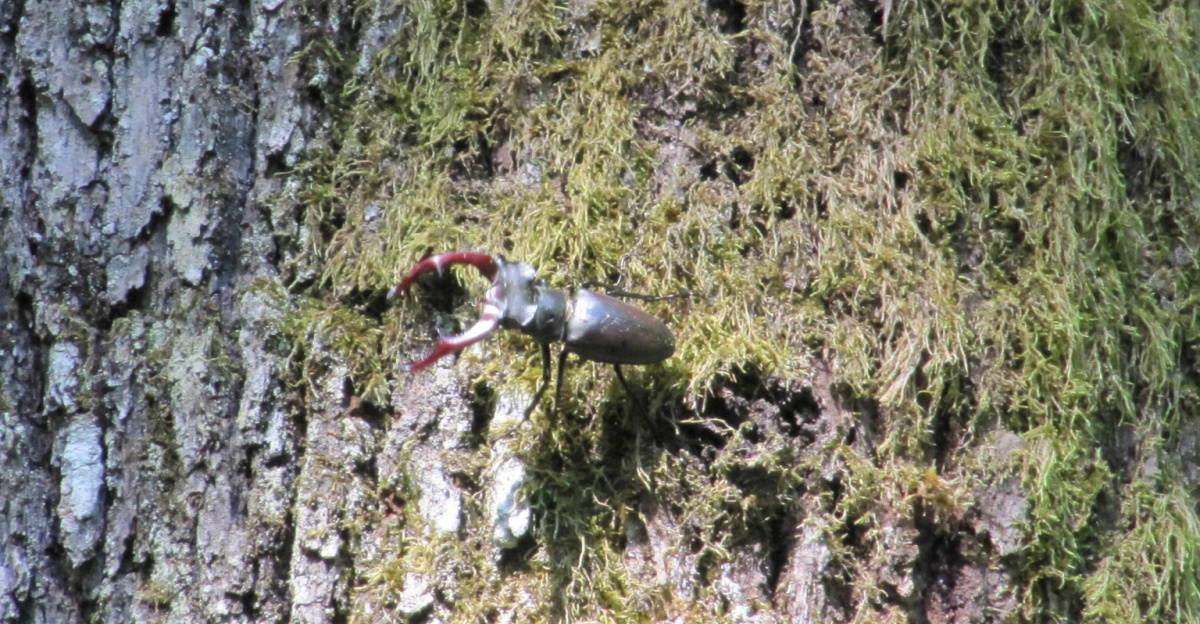
The beetle endangers more than trees. Weakened oaks heighten wildfire risks as deadwood accumulates, while infested firewood transport accelerates spread. Property values, tourism, wildlife habitats, and Native American traditions reliant on oaks for ceremonies and resources stand vulnerable. Economic and ecological impacts could be significant, affecting agriculture, timber production, and communities dependent on these ecosystem services.
Uncertainties and Resolve
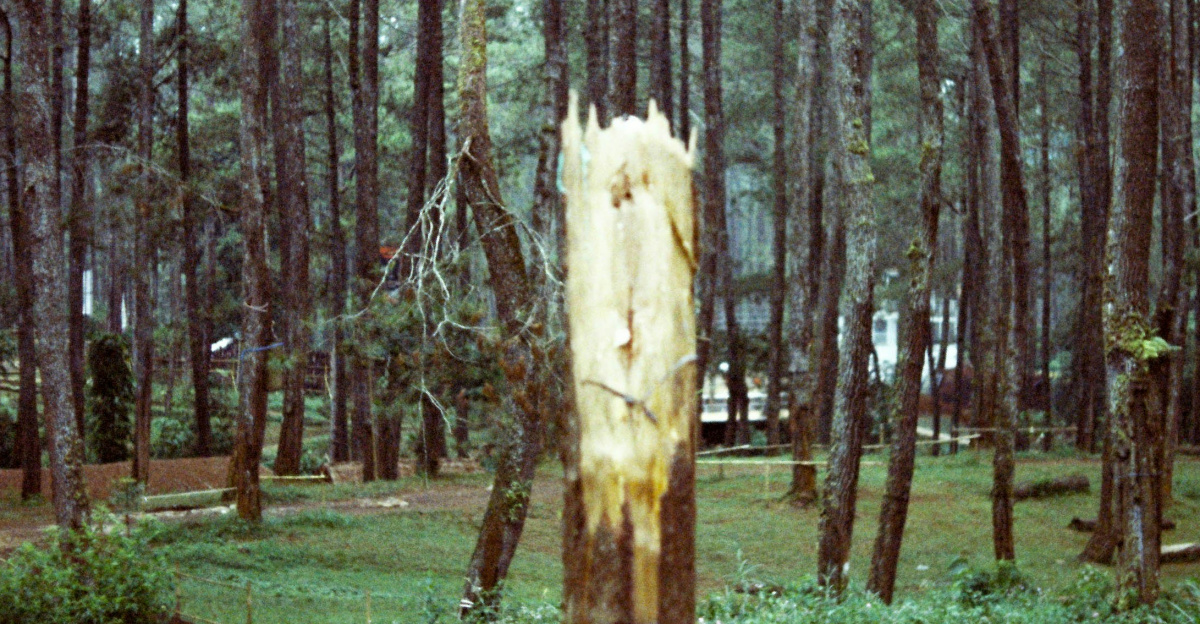
Many trees display no outward damage, clouding assessments of true impact. The beetle’s behavior in Oregon diverges from its native habitats, leaving scientists probing long-term effects, fungal vectors, and optimal controls. Cody Holthouse, chair of the state interagency task force, directs data gathering, risk analysis, and federal funding pursuits, bracing for a decades-long challenge. Policy discussions now emphasize bolstered monitoring, landowner aid, and curbs on wood movement to avert wider West Coast threats.
As Oregon adapts forest strategies amid this invasive surge, success hinges on vigilant tracking, public vigilance, and unified action. The stakes extend beyond local woods to regional resilience, testing capacities to safeguard ecosystems against mounting biological incursions.
Sources:
Oregon Department of Forestry Fact Sheet: Mediterranean Oak Borer (October 2025);
Oregon Department of Forestry Forest Health Threats Bulletin (November-December 2025)
Oregon Department of Agriculture Collaborative Trapping Program Report (2025);
Cody Holthouse, Chair of State Interagency MOB Task Force Press Statement (November 2025)
University of California Forest Service Research: Mediterranean Oak Borer Biology and Management Best Practices;
Christine Buhl, Oregon Department of Forestry Forest Entomologist Study on MOB Fungal Vectors and Host Species