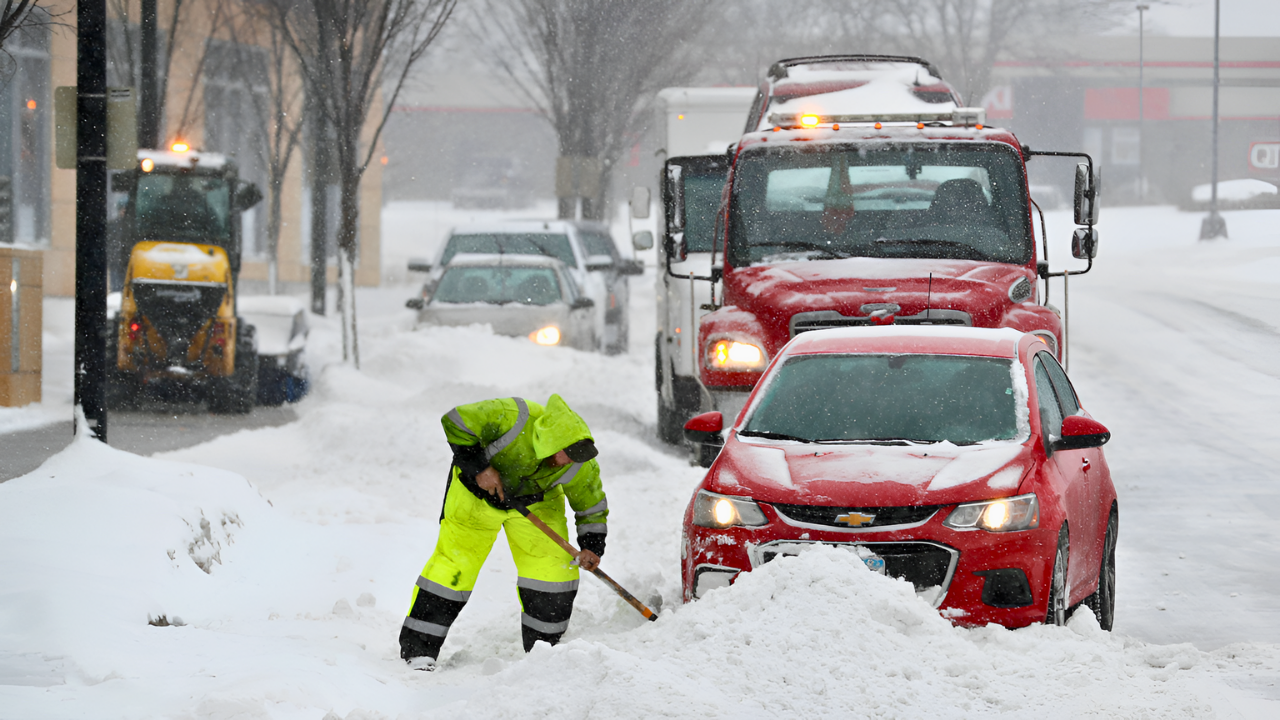
On December 28, 2025, people across the American Midwest woke up to a storm unlike any they had seen all season. A powerful bomb cyclone was sweeping across the region, shutting down major highways, canceling thousands of flights, and forcing state leaders to call in the National Guard. It marked the largest winter emergency response since the holiday travel rush began.
Forecasters had seen the danger coming. The storm met the official definition of bombogenesis, meaning its central air pressure dropped by at least 24 millibars in 24 hours, a sign of rapid intensification. As it moved over the Great Lakes, cold Arctic air slammed into warm, moist air from the south. That 50-degree temperature clash fueled the cyclone’s explosive power. By the time it hit the Upper Midwest, the system’s pressure had dropped to 978 millibars, bringing extreme winds and blinding snow to millions traveling for the holidays.
How a Bomb Cyclone Forms
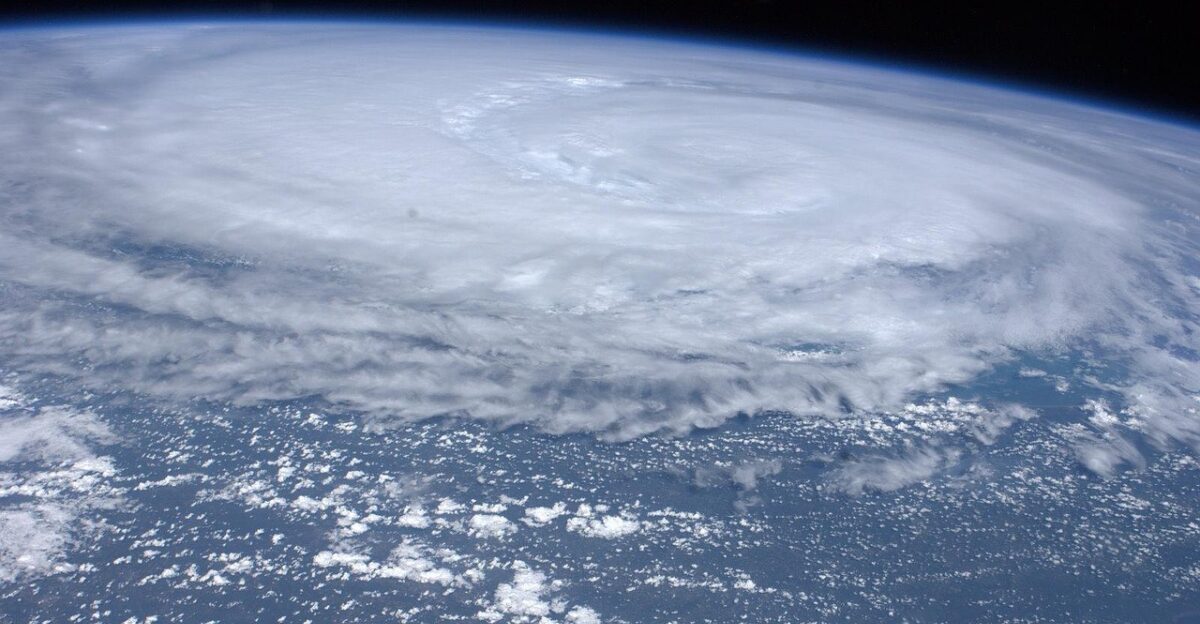
A bomb cyclone, as scientists call it, is essentially a rapidly strengthening storm that behaves somewhat like a winter hurricane. It forms when very cold and warm air masses collide, sharpening the difference in pressure and causing air to rise quickly. This creates a spinning low-pressure system that can produce wind gusts over 70 mph and dump heavy snow in a short time.
Meteorologists warned about this storm as early as December 27, giving officials time to prepare for what they knew could be a life-threatening event. Their alerts helped trigger emergency declarations and road closures before conditions worsened. Still, the timing, arriving during one of the busiest travel weekends of the year, made it especially dangerous. Many travelers found themselves stranded or caught in whiteout conditions as the storm raged.
Millions Under Storm Warnings
By Sunday afternoon, about 64 million people across the Midwest and Northeast were under some form of weather alert. Around 8 million were told to expect severe snowstorms, and 2 million faced full blizzard conditions. In Minnesota, Interstate 35 became a nightmare as hundreds of vehicles crashed or slid off the road in zero visibility. Local authorities eventually shut down over 200 miles of the highway between Albert Lea, Minnesota, and Ames, Iowa.
The situation grew so severe that Minnesota Governor Tim Walz declared a peacetime emergency and activated the National Guard. More than 13,000 soldiers and airmen stood ready to conduct rescue operations with tracked vehicles. Other states quickly followed. In New York, 460 Guard members were deployed ahead of the storm, and Colorado sent out 50 soldiers to help stranded motorists. These efforts saved lives, as people trapped in cars faced dangerous wind chills that could cause frostbite in just minutes.
Snowfall totals broke records across the region. Michigan’s Upper Peninsula saw nearly 28 inches at Mount Arvon, while Syracuse, New York, reported 24.2 inches, its second-snowiest day in history. Wind gusts of up to 79 mph battered Buffalo, creating a rare phenomenon on Lake Erie. The storm’s winds pushed lake water away from Ohio’s shores, briefly exposing the lakebed, while piling it seven feet high against Buffalo, flooding parts of the city.
Aftermath and the Road to Recovery
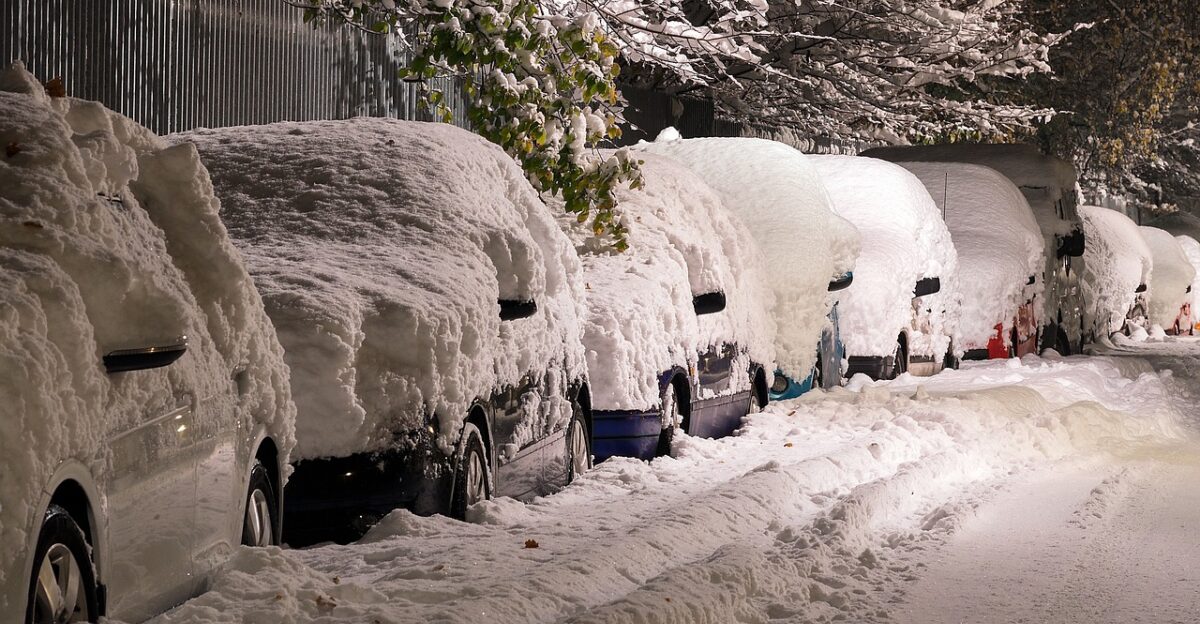
By December 29, crews had begun reopening highways in Iowa and Minnesota, though many cars remained abandoned along the shoulders. Recovery operations focused on clearing routes, restoring power, and helping residents whose homes were damaged by ice and flooding. Despite quick action from emergency responders, the storm left behind immense damage and several deaths tied to car accidents and exposure.
This bomb cyclone was only the latest in a series of extreme weather events that made 2025 one of the costliest years on record. According to AccuWeather estimates, the United States experienced seven major disasters that year, with total damages ranging from $378 billion to $424 billion. The Los Angeles wildfires alone caused up to $275 billion in losses, while Hurricane Melissa added another $50 billion. Even California faced its own Christmas Eve emergency, with deadly storms toppling trees and cutting power to more than 140,000 customers.
Though the roads have reopened and the snowplows have done their work, the December storm left a lasting mark. It showed both the strength of coordinated responses, from rescue operations to infrastructure repairs, and the growing challenge of dealing with extreme weather. As climate patterns become more unpredictable, meteorologists say communities will need to adapt faster and plan for storms that seem to grow fiercer each winter.
Sources:
Winter Storm and Blizzard of December 28-29, 2025. National Weather Service La Crosse Office, December 29, 2025
World’s Top 10 Extreme Weather Events in 2025. AccuWeather Severe Weather Analysis, December 30, 2025
What is bombogenesis? National Ocean Service NOAA, October 21, 2025
Governor Walz Authorizes Minnesota National Guard to Support Emergency Storm Operations. Governor Tim Walz Office, December 28, 2025
I-35 Southbound Reopens at Albert Lea. Iowa Department of Transportation, December 29, 2025