Oregon’s tech heart is reeling. Intel’s workforce has seen more than 3,100 jobs vanish in 2025 alone, marking what state analysts call the “most brutal tech shakeup” in recent history. Factory technicians and high-paid engineers are among those affected, shaking families and local businesses alike.
This isn’t just a numbers story—Intel’s massive layoffs reveal deeper troubles in technology, leadership, and strategy. Here’s what’s happening and why it matters.
Who Is Affected Most?
The November 13, 2025 layoffs terminated 669 workers at Hillsboro and Aloha facilities. Over 300 were factory technicians, adding to 2,392 cuts in July. The Oregon headcount dropped from 23,192 to roughly 18,000, representing a 22% workforce reduction in one year alone.
These figures illustrate real human impact. Combining 2024’s 3,000+ job losses, 6,061 roles were obliterated over 24 months, affecting thousands of families. This wave of disruption reveals the magnitude of Intel’s restructuring.
CEO Turnover Intensifies Crisis

Pat Gelsinger, who returned as CEO on February 1, 2021, resigned December 1, 2024, under board pressure. Bloomberg reported executives were frustrated with his “slow progress of turnaround strategy.” Leadership instability left Intel without a coherent plan during a pivotal period.
David Zinsner and Michelle Johnston Holthaus became co-CEOs temporarily, while Frank Yeary assumed interim chair duties. Lip-Bu Tan took permanent command on March 12, 2025, setting an aggressive restructuring plan. Could new leadership reverse the freefall?
Tan’s Radical Restructuring Plan
CEO Lip-Bu Tan identified Intel as “too slow, too complex and too set in our ways.” His strategy targeted 15,000 global layoffs in 2025, with approximately 5,000 Oregon positions affected. Teams were “eight or more layers deep,” creating bureaucratic gridlock that stifled innovation and responsiveness.
Tan’s vision was clear: streamline operations, reduce costs, and refocus on competitiveness. Yet the aggressive cuts risk undermining innovation. How will these layoffs impact Intel’s manufacturing and R&D capacity?
High-Income Professionals Hit Hardest

Intel’s Oregon workforce averages $186,000 annually, far above the state median. The July 2025 cuts disproportionately impacted engineers, scientists, developers, and AI specialists. November’s layoffs hit factory-floor roles, dismantling the company’s technical and manufacturing core.
This is not routine cost-cutting. These terminations threaten the foundation of Intel’s innovation pipeline and jeopardize long-term competitiveness. Families brace for disruption.
The Family Ripple Effect
Using a three-person household average, the 6,061 layoffs affect roughly 18,500 family members. Children face lost education funding, retirees lose savings, and mortgages become unaffordable. These impacts extend far beyond immediate jobholders, creating social and economic instability across Oregon.
The human toll reveals that layoffs are not just corporate calculations—they reshape lives and communities. What about the wider business ecosystem?
Local Suppliers Face Major Losses
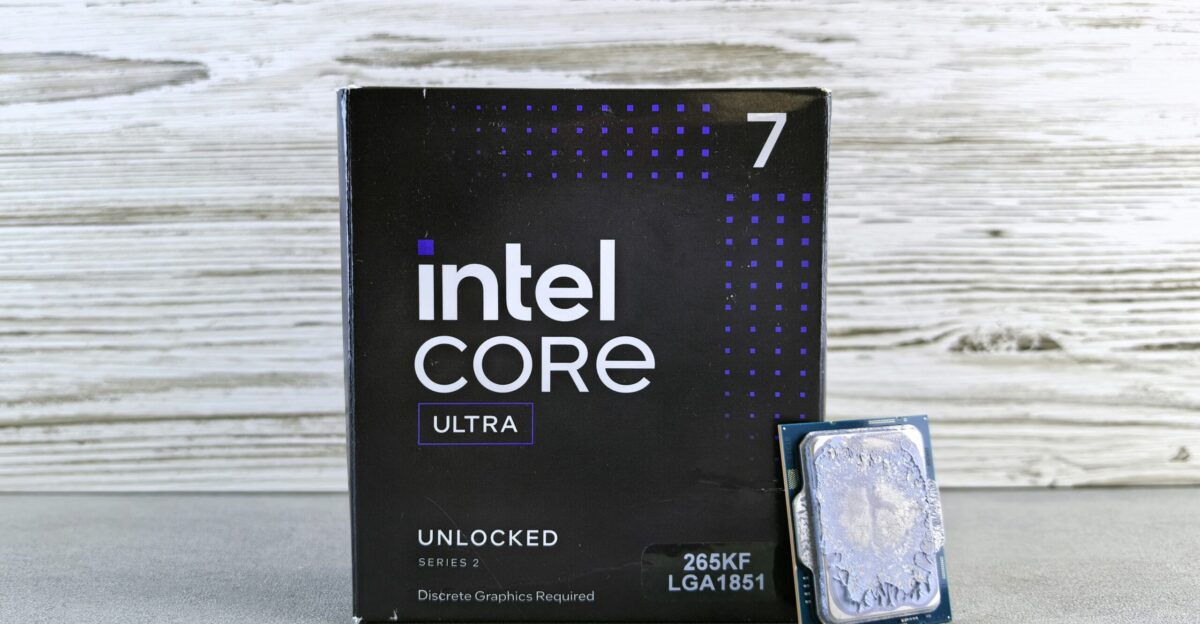
Intel’s Oregon suppliers exceed 500 companies, many relying on Intel contracts. In 2022 alone, Intel spent $2.8 billion locally, averaging $4 million per supplier. Layoffs and reduced orders threaten their survival, from construction firms to logistics and equipment manufacturers.
As these suppliers struggle, the layoffs’ economic shockwaves extend to hundreds of small businesses. The Oregon tech ecosystem faces a chain reaction.
Consumers Feel the Consequences
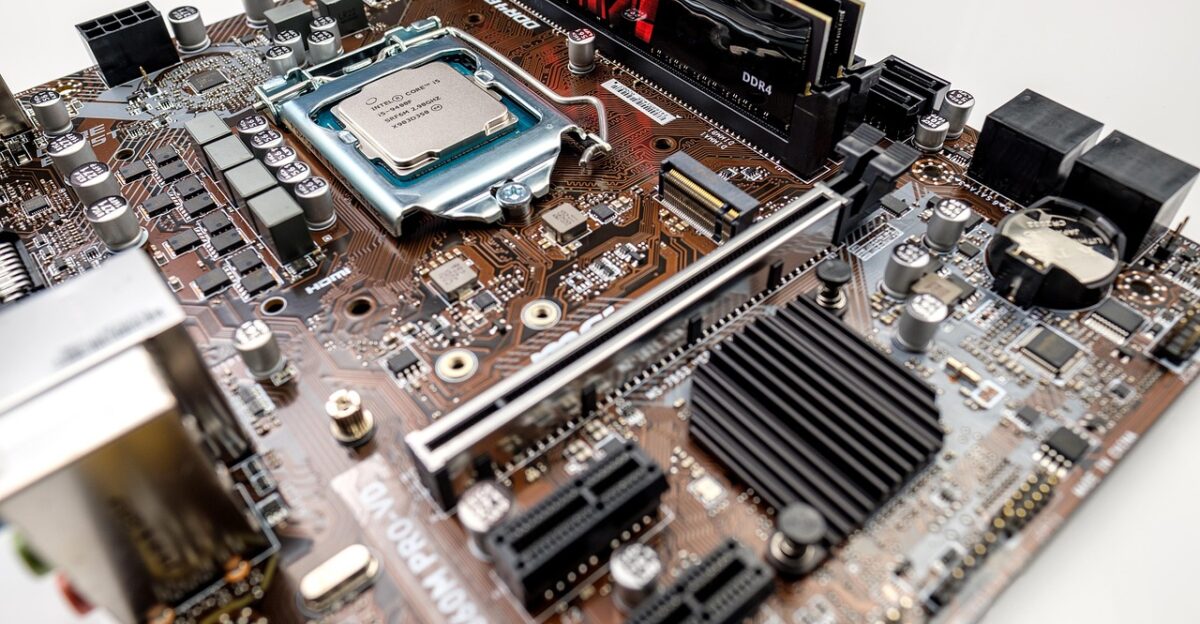
Intel’s manufacturing shortfalls disrupt global supply. CFO David Zinsner warned on October 23, 2025: “Given the current tight capacity environment, which we expect [to] persist into 2026, we are working closely with customers to maximize our available output.”
This leads to higher prices and limited availability of Raptor Lake processors. Consumers globally will feel the squeeze through 2026.
The Magnitude of Layoffs Confirmed
Intel’s Oregon cuts total 3,061 in 2025, adding to 3,000+ from 2024. OPB reported November 12, 2025: “The computer chip giant already cut around 2,500 positions over the summer, bringing recent cuts to the company’s workforce in Oregon to over 3,100.”
These are Oregon’s largest private-sector layoffs ever, dwarfing Nike’s 740-position 2024 reduction. The scale is staggering and unprecedented.
Revenue Collapse Deepens the Crisis
Intel’s revenue fell from $79 billion in 2021 to a forecasted $52.6 billion in 2025, a 33.4% decline. Fiscal 2024 saw losses of $17–19 billion, the first since 1986, marking the steepest revenue freefall in Intel’s 57-year history.
Financial instability drives restructuring decisions, but the revenue collapse also signals strategic missteps. What technology gaps are widening behind these numbers?
Manufacturing Leadership Lost
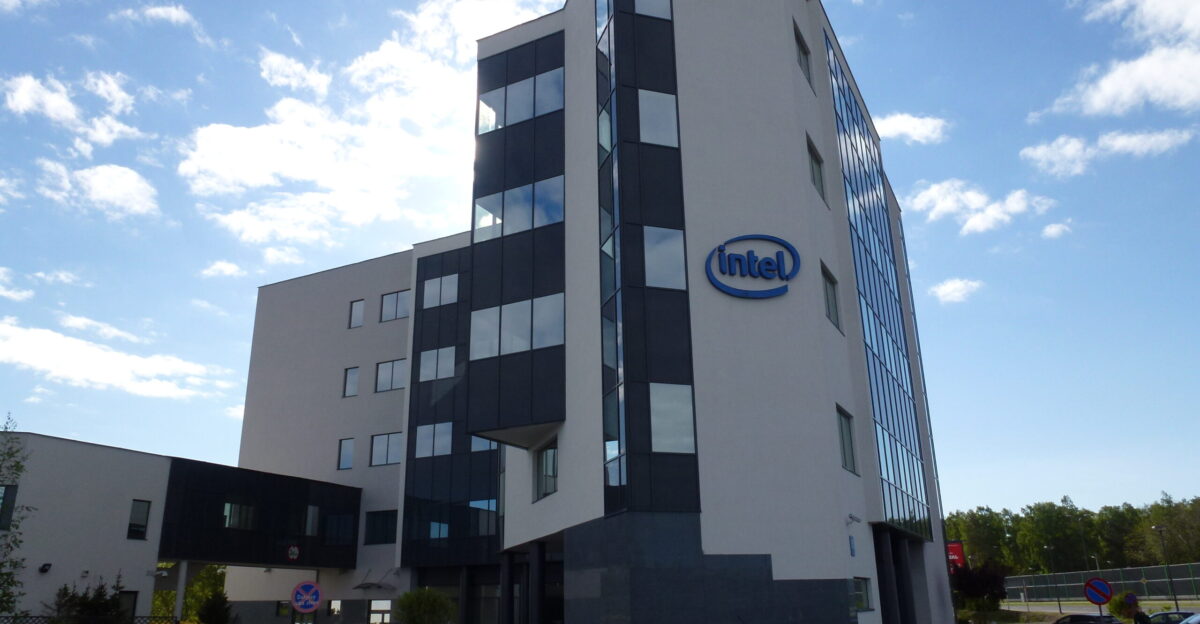
Intel lags two generations behind TSMC and Samsung in process technology. OregonLive reported: “Long the semiconductor industry’s most advanced manufacturer, Intel lost its lead several years ago and is now losing market share in PCs and data centers.”
Missing advanced AI chips compounds the problem. Intel risks permanent erosion of market position as competitors surge.
Organizational Dysfunction Revealed
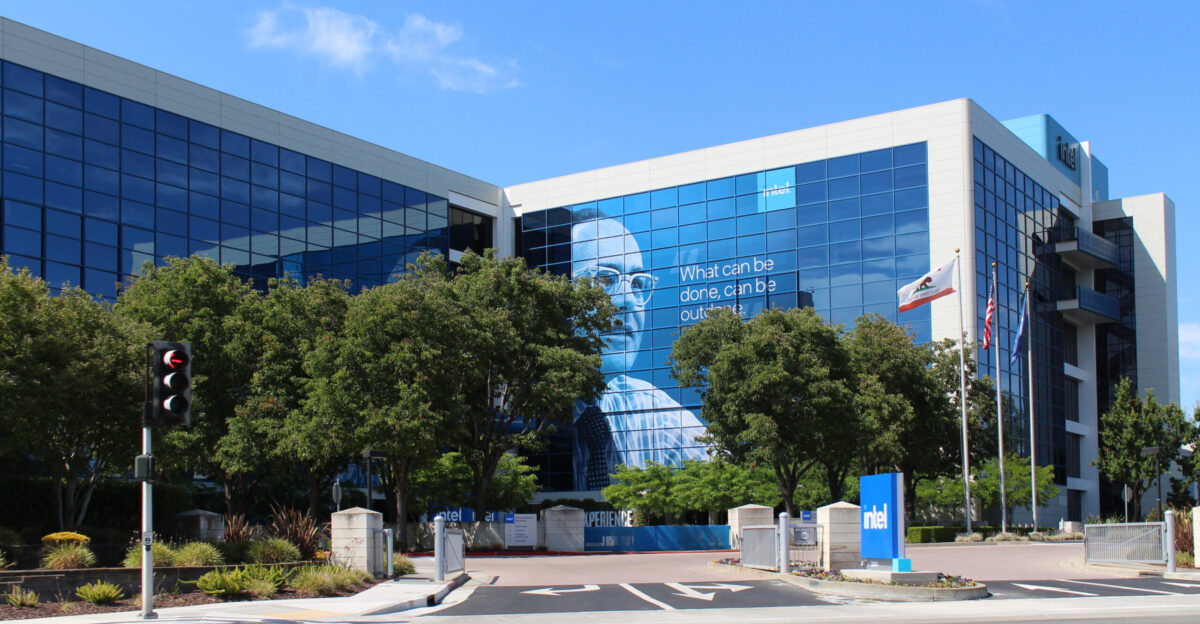
Tan’s April 2025 letter cited “eight or more layers” of management causing bureaucratic gridlock. Innovation slowed, responsiveness stalled, and manufacturing couldn’t keep pace with competitors. The Oregon R&D hub, once Intel’s engine, failed to deliver critical next-generation chips.
This structural inefficiency means layoffs further weaken the company’s ability to compete. Can a leaner structure truly revive innovation?
Supply Chain Pressures Persist
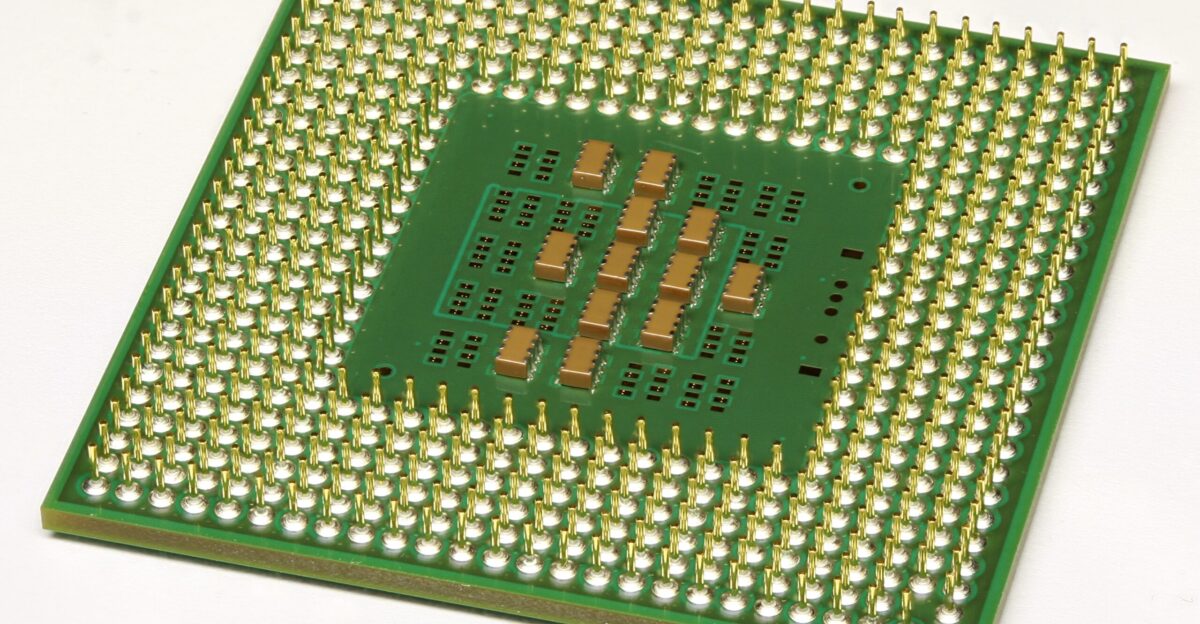
Intel faces acute production shortages through 2026, including Intel 7 and Intel 10 chips. Zinsner noted on October 24, 2025: “There is also shortages even beyond our specific challenges on the foundry side… widely reported substrate shortages.”
Production constraints force price increases on older processors, creating a Catch-22 where layoffs and shortages feed each other.
Missed AI Opportunity Costs Billions
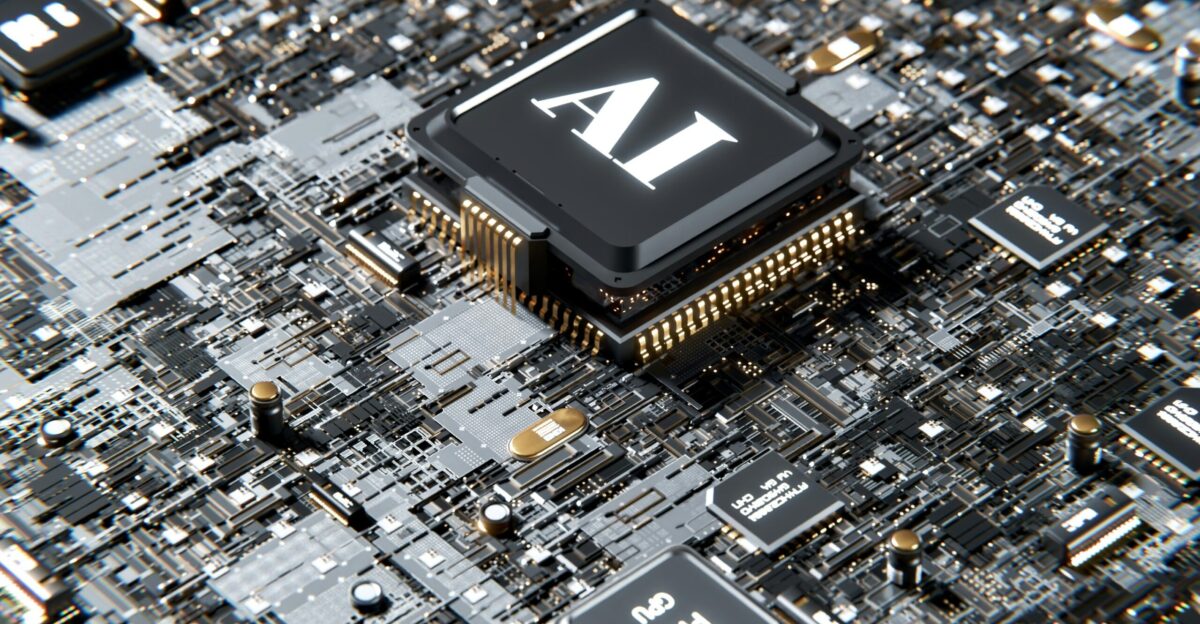
Intel has no advanced AI chips, forfeiting a $15–20 billion market opportunity. While Nvidia surges, Intel remains behind, leaving data center and AI markets untapped. Each quarter of inaction represents lost revenue and permanently ceded market share.
This technological lag drives urgency in layoffs and restructuring. How will Oregon’s economy bear the fallout?
Oregon’s Epicenter Hit Hard
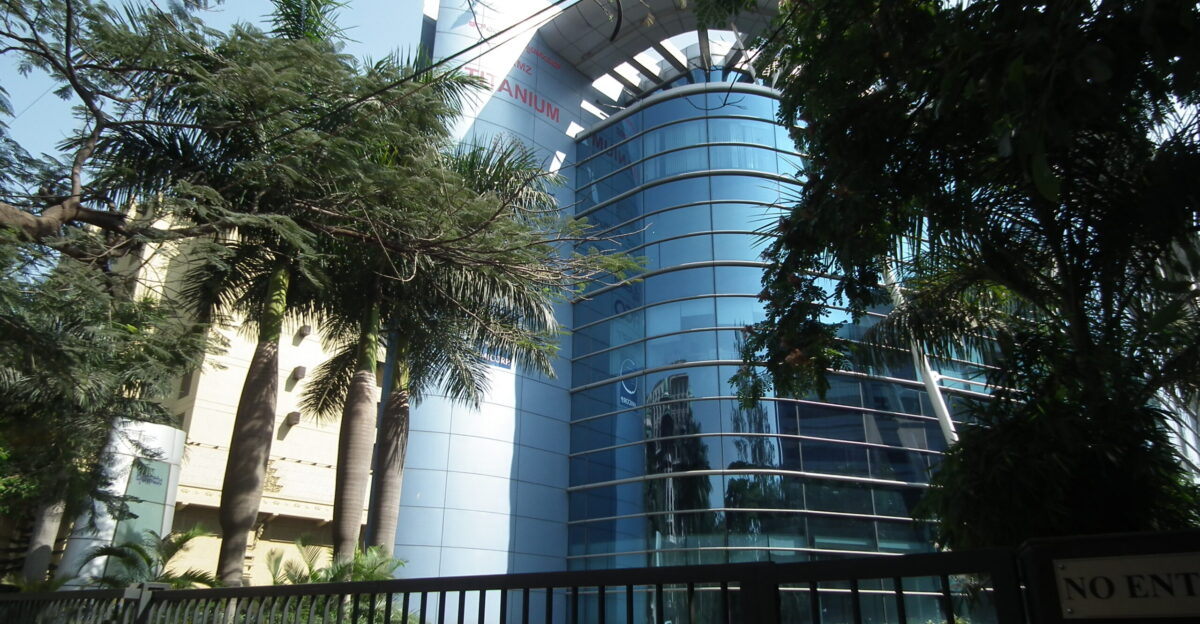
Washington County, Oregon, houses Intel’s largest facilities, including Jones Farm, Ronler Acres, Aloha, and Hawthorne campuses. July 2025 layoffs hit Ronler Acres hardest, reducing manufacturing capacity at the heart of Oregon’s semiconductor hub.
Hillsboro alone employs 78% of the state’s semiconductor workers. The city’s economy is tightly bound to Intel’s survival, intensifying local fallout.
Shift to Ohio Raises Concerns
Intel’s Ohio One project diverts investment to New Albany, creating thousands of construction jobs but signaling a long-term pivot from Oregon. This weakens Hillsboro’s value proposition as Intel’s R&D epicenter and hints at structural economic decline.
As Oregon loses its competitive edge, the workforce impact may extend beyond the immediate layoffs.
Root Cause: Technological Lag

Intel lost manufacturing leadership, falling behind TSMC and Samsung. Zinsner admitted July 24, 2025, that the 18A process would not generate positive margins. Technical failures underpin the financial and workforce collapse.
Without innovation, layoffs are a temporary fix for a structural crisis. Can Intel regain technological relevance?
Economic Ripple Effects

Oregon job losses represent $310–465 million in annual payroll reduction. School funding, property values, and housing demand are already under pressure. Commission Chair Kathryn Harrington noted, “We’re going to feel it here locally… not just in Washington County, but in all the Portland metro counties.”
Local suppliers, small businesses, and service industries face cascading losses. The regional economy braces for a long recovery.
Consumer Impact and Market Share Loss

Processor shortages continue through 2026, driving PC price increases. Zinsner warned consumers and manufacturers face tight capacity, forcing alternative sourcing. Intel chips remain two generations behind competitors, ensuring customers may not return.
Every cut in R&D accelerates obsolescence, signaling deeper structural problems. Oregon’s economy and Intel’s global competitiveness are intertwined.
National Security and Strategic Consequences
Intel’s shrinkage jeopardizes U.S. domestic semiconductor leadership. The CHIPS Act gave the government an $8.9 billion equity stake on August 26, 2025, but federal backing cannot immediately restore competitiveness.
Layoffs erode innovation and credibility, creating a vicious cycle of reduced capacity, lost market share, and further job cuts. How Intel navigates this will shape national tech security.
The Death Spiral Accelerates
The combination of 3,061 Oregon layoffs, $27 billion revenue loss, technological lag, and missed AI opportunities confirms a structural decline. Lip-Bu Tan’s restructuring is triage, not recovery.
Oregon bears the brunt: 75,000 indirect jobs at risk, housing instability, supply chain disruption, and a shrinking tax base. Intel’s fall signals both local and global consequences.