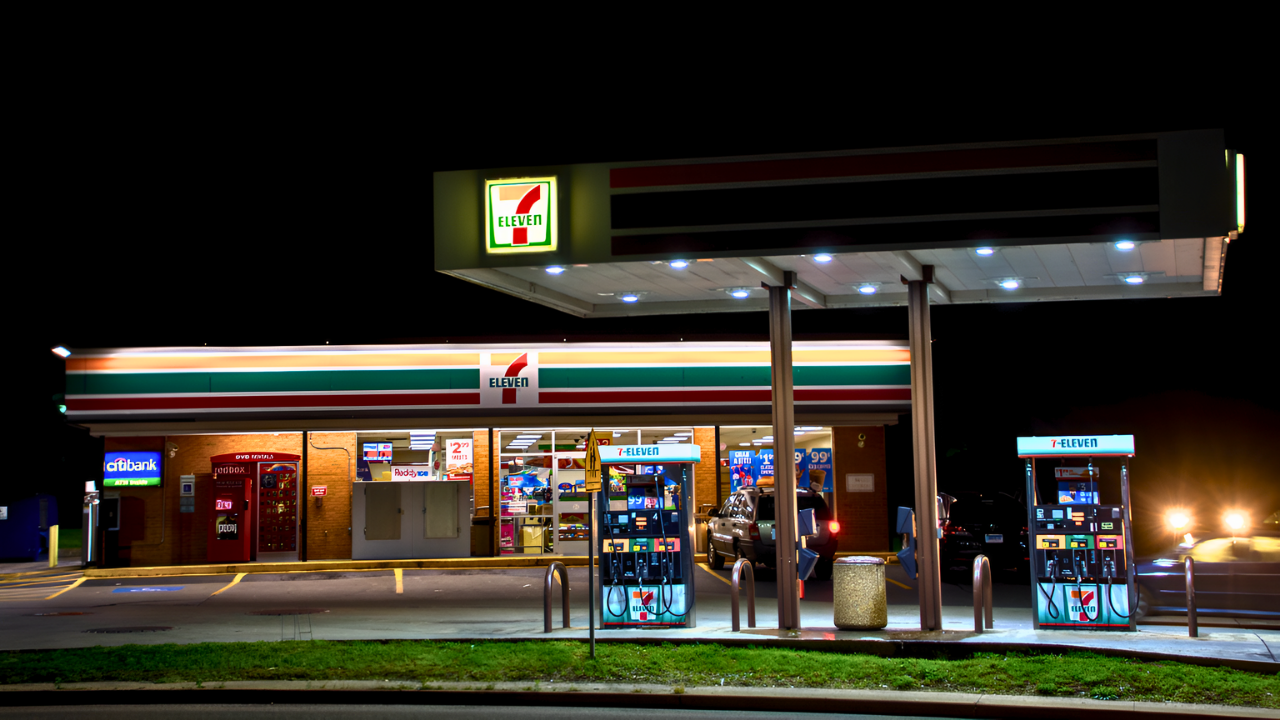
The quiet closure of corner stores across America signals a far larger transformation underway at 7-Eleven. As the world’s best-known convenience chain shuts hundreds of outlets, it simultaneously prepares to open hundreds of new ones, executing a deliberate pivot from an older gas-anchored model toward a food-focused strategy designed to redefine quick-stop shopping in American life.
The Closure and Expansion Strategy
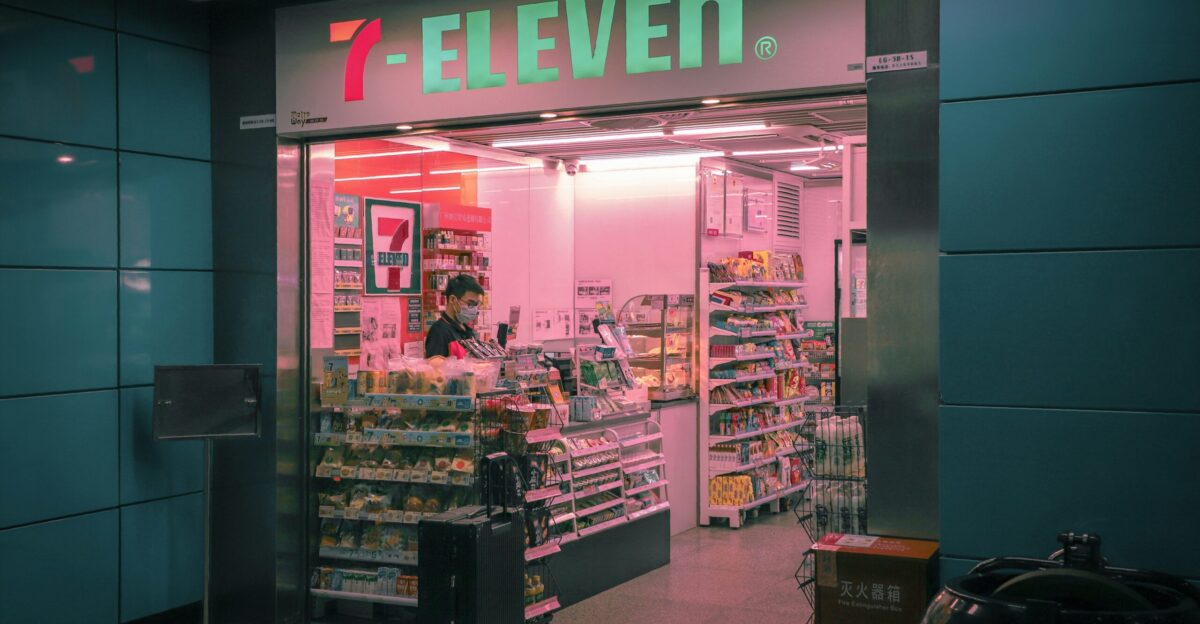
Recent company filings reveal that 7-Eleven plans to close 444 U.S. stores by year-end, predominantly labeled as “underperforming locations.” Simultaneously, the chain has announced plans to open more than 600 new stores under a redesigned format by 2027, with a broader transformation program ultimately targeting 1,300 new U.S. convenience outlets over several years. This represents not a simple contraction but a comprehensive reshaping of the chain’s footprint.
Older, smaller, gas-centered stores in marginal locations are being phased out, while capital is redirected toward larger, modern sites. The new strategy emphasizes prepared food, hot meals, and fresh snacks—mirroring the approach that has long defined 7-Eleven’s presence in Japan, where convenience outlets are fundamentally built around high-quality ready-to-eat items rather than fuel sales.
Pressures on the Traditional Model

Multiple long-running trends have weakened the economics of America’s classic convenience store. Inflation has disproportionately pressured lower-income households, a core customer base for these outlets. When budgets tighten, discretionary purchases—extra coffees, energy drinks, late-night snack runs—decline, undermining the frequent small transactions that historically drove category traffic.
The traditional fuel-and-cigarettes formula faces mounting headwinds. Gasoline has long served as the traffic engine: drivers stop to fill up and browse inside. However, as vehicles become more fuel-efficient and electric vehicles gain market share, routine fuel visits are expected to decline over the coming decade. Simultaneously, cigarette sales—once a high-margin convenience retail pillar—have eroded for years without direct replacement. Combined, these shifts transform borderline locations into closure candidates.
The Food-Forward Pivot
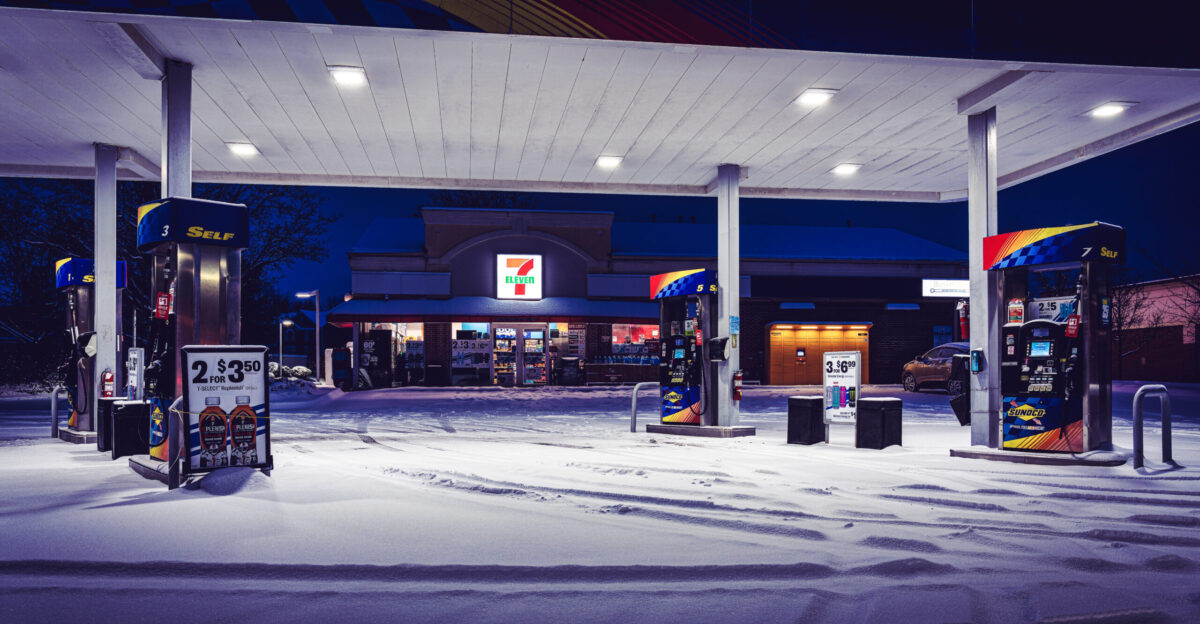
7-Eleven’s response centers on deliberately redesigned “food-forward” formats. New and remodeled locations are typically larger, brighter, and heavily focused on prepared meals and beverages. Some offer made-to-order food, expanded coffee and fountain drink stations, and seating areas that position the store closer to a compact quick-service restaurant than a traditional corner shop.
Industry data validates this emphasis. U.S. convenience retail generated approximately $860 billion in recent sales, with foodservice—prepared foods and beverages—representing one of the fastest-growing segments. Trade groups report that foodservice delivered exceptional 2024 growth, outpacing many other in-store categories while contributing disproportionate shares of store profits. By investing in outlets designed around fresh and hot food, 7-Eleven targets higher-margin demand. Some new sites feature electric vehicle charging stations outside, reflecting expectations that customers will continue to visit despite declining gasoline sales.
Learning From Japan

The North American overhaul draws heavily on 7-Eleven’s decades-long experience in Japan, where the company refined a model built on bento boxes, chilled meals, and carefully developed ready-to-eat offerings. There, many customers visit multiple times weekly, specifically for food. The U.S. goal is to reposition stores so people actively seek meals rather than treating prepared items as afterthoughts.
The company extends its reach beyond physical storefronts through rapid delivery apps and digital channels, bringing snacks, drinks, and meals directly to homes, offices, and hotels. If digital ordering and delivery serve large populations without corner stores, that fundamentally changes which locations maintain economic viability.
Community Trade-Offs and Long-Term Stakes
Closures have outsized effects in working-class neighborhoods with limited retail options. Residents face longer walks or higher transportation costs for everyday basics, while local jobs disappear. For households relying on inexpensive hot meals and last-minute essentials, the loss extends beyond minor inconvenience.
Replacement outlets, however, may feel like upgrades, offering larger stores, broader fresh food choices, improved lighting, and new services, including EV charging and advanced coffee programs. The strategy effectively trades location quantity for higher average quality and revenue per site while positioning the chain closer to fast-food competitors.
The transformation carries financial risks. The company has trimmed its profit forecasts while incurring significant expenses on remodeling, construction, and operational changes. Leadership has signaled that North American operations may soon be evaluated independently in financial markets, putting pressure on the new format to deliver sustained gains in food sales and customer traffic.
As reshaping continues, familiar 7-Eleven corners will close while new stores appear elsewhere with different purposes. The broader significance extends beyond one brand: the shift signals how convenience retail across America may evolve—less fuel-dependent, more built around fresh food and digital access, and increasingly uneven in who maintains easy access to everyday essentials.
Sources:
“7-Eleven to close 444 US stores by end of the year” – USA Today
“7-Eleven to open over 600 stores under new design by 2027” – Retail Dive
“‘Transformation of 7-Eleven’ includes opening 1,300 new U.S. convenience stores” – CSP Daily News
“U.S. Convenience Store Sales Hit $860 Billion” – NACS
“C-Store Foodservice Delivered Exceptional Growth in 2024” – NACS