
In August 2025, U.S. inflation climbed to 2.9%, marking its highest level since January. This sudden surge sent shockwaves through the economy, raising alarms ahead of the Federal Reserve’s crucial policy meeting. The unexpected rise undermined previous forecasts, complicating the outlook for the Fed as it braces for the challenges ahead.
Citizens are starting to feel the strain, with many expressing concern about their finances. “Every week, I watch my paycheck lose value,” says Jessica, a single mother from Atlanta. This spike is prompting urgent discussions nationwide about the effectiveness of current monetary policies.
Rate Cut Anxiety: Expectations Mount
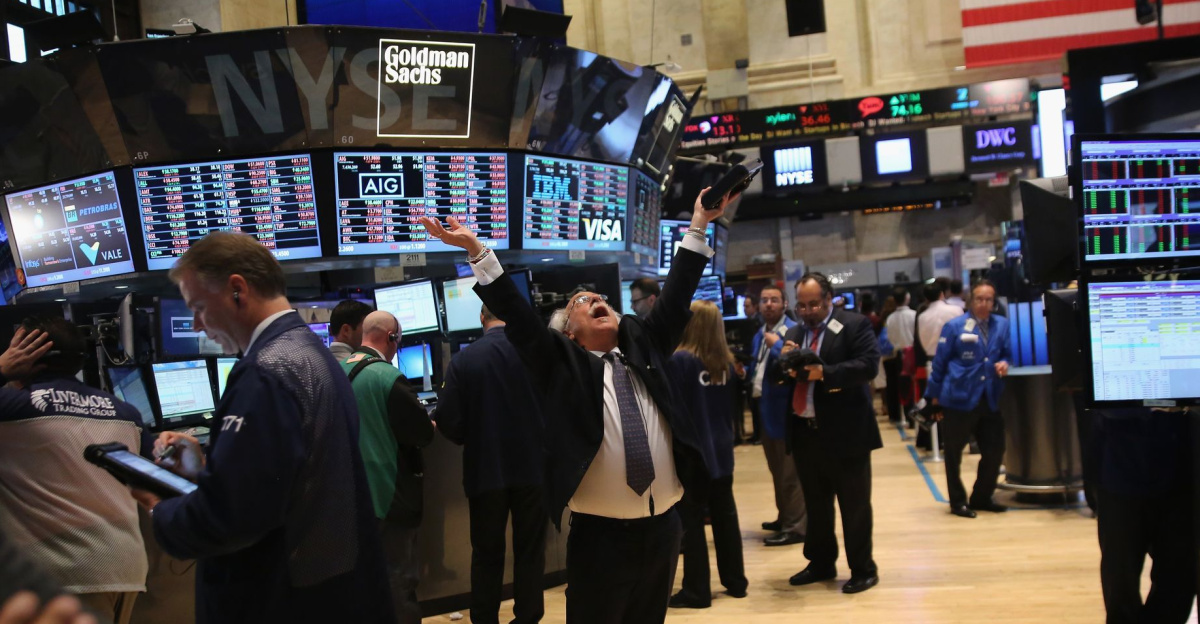
As inflation heats up, speculation runs rampant among market watchers that the Federal Reserve may soon cut interest rates to mitigate the ongoing economic pressures. Such a move, aimed at stimulating growth, raises eyebrows, with both Wall Street traders and homeowners unsure how it will impact borrowing costs.
Louise, a small business owner in Chicago, shares her anxiety: “I depend on loans for my inventory, and I just can’t predict what the rates will be. It’s nerve-wracking.” These uncertainties fuel deeper discussions around the effectiveness of monetary strategies amid rising inflation, signaling a turbulent economic landscape ahead.
CPI’s Rollercoaster: Recent Trends
Earlier in 2025, there was a glimmer of hope as consumer price growth stabilized, leading to increased optimism among economists. However, mid-year brought a reversal, as renewed tariff impacts and pricing pressures began to push inflation upward, complicating financial forecasts.
An analyst at a local firm, Kevin, notes, “We thought we were stabilizing, but inflation is like a wild card. It can easily turn the tables.” The changing dynamics of the Consumer Price Index (CPI) paint a picture of heightened concern for homeowners and businesses alike as they brace for continued volatility in consumer prices.
Tariff Effects: The Ripple Effect

President Trump’s re-emerging tariff policies have been identified as significant contributors to rising consumer costs. New tariffs on imported goods, particularly from Asia and Europe, are rippling through supply chains, sending prices for essentials like groceries and household items soaring.
“Every week, the cost of tomatoes and dairy goes up,” laments Maria, a grocery store manager in rural Iowa, highlighting the real-life impact of these tariffs. As inflation takes hold, consumers are left grappling with increased expenses, further complicating financial stability for families and individuals who depend on these everyday goods.
The Data Speaks
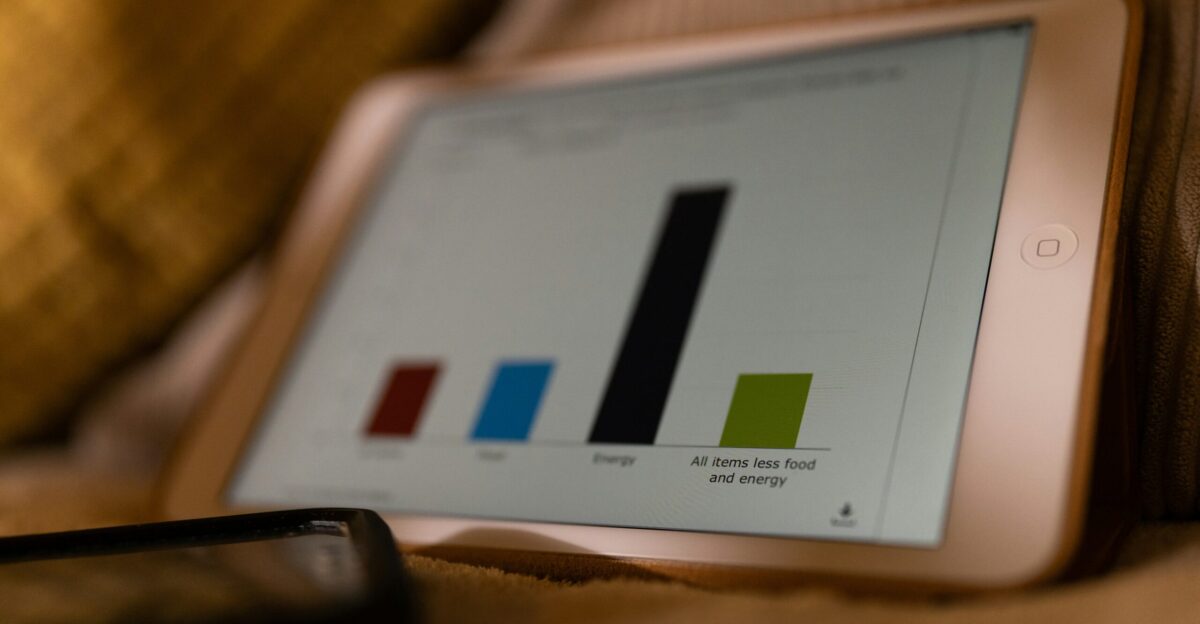
On August 11, official data revealed that U.S. annual inflation hit 2.9%, rising from 2.7% in July. The Labor Department attributed much of this recent spike to surging costs in food and energy. These figures underscore the situation’s urgency just days before the Fed’s September rate cut meeting.
Emily, a mid-level manager, asserts, “It’s frustrating because we feel the impact immediately. Rising food prices make it harder to plan monthly budgets.” This substantial inflation increase looms large over policymakers and everyday citizens, igniting discussions about future financial strategies and the Fed’s next steps.
Grocery Pain: The Human Cost

Nationwide, grocery prices have surged significantly, with staples like tomatoes, beef, and dairy disproportionately influencing overall inflation. Low-income families, particularly in the South and Midwest, report painful price increases, often exceeding 4% in essential goods. “It’s challenging to make ends meet.
We’re just trying to keep food on the table,” explains Sarah, a single father from Mississippi. These surging prices highlight various households’ disparities, leading to increased discussions about food security and the necessity for families to adapt their budgeting and purchasing strategies in an ever-changing economic climate.
Human Toll: Real Voices, Real Struggles

“It’s scary watching prices climb every week,” says Wendy, a nurse from Atlanta. “My paycheck doesn’t stretch the way it used to; I’m cutting back wherever I can.” Her experience echoes a sentiment shared by many consumers who feel the effects of inflation eroding their purchasing power.
As prices rise, families are forced to reconsider their spending habits, highlighting the emotional toll of financial stress in everyday life. “I never thought I’d have to choose between necessities,” Wendy adds, emphasizing the need for effective economic solutions to alleviate the concerns that weigh heavily on American households.
Banking Sector Response: Adjusting Strategies

Major banks are altering their lending outlooks in light of the shifting inflation landscape. Institutions like Barclays and Citibank have tightened credit conditions, citing regulatory uncertainties fueled by inflation data.
Meanwhile, Morgan, a financial advisor in New York, remarks, “The current unpredictability makes it difficult for lenders to assess risk effectively.” This tightening of credit reflects the broader anxiety surrounding economic stability and the impending Federal Reserve decisions, complicating prospects for consumers and businesses reliant on credit as they navigate the winding paths of inflation and its consequences.
Macro Trends: Uneven Impact
Experts observe that inflation’s effects aren’t uniform; while energy prices have risen for the first time in several months, the cost of used cars spiked by 6%, compounding consumers’ challenges. Surprisingly, the core measure excluding food and energy stubbornly remained at 3.1%, indicating persistent underlying price pressures, as noted by analyst Tom.
“This suggests that inflation could be more structurally embedded than previously thought,” he explains. These mixed signals create a complicated picture for policymakers aiming for stability amid the roller coaster of rising prices and their implications on everyday life.
Labor Strains and Slowdown

As of August, U.S. job growth faced stagnation, with data revealing revised employment figures that illustrated weaker payroll growth over the summer. As economist Lara states, “A struggling job market signals the need for action.” This softening labor market becomes crucial in discussions surrounding possible Federal Reserve rate cuts.”
This confluence of economic factors complicates hopes for an immediate resolution to inflation, suggesting that interventions are necessary to support both job growth and increased consumer purchasing power amid a landscape punctuated by uncertainty.
Stakeholder Frustration: A Divided Opinion
Some analysts argue that the Federal Reserve has been “lagging behind the curve” as inflation rises. They warn that prolonged delays in rate cuts may exacerbate household stress nationwide. “Without timely action, I fear we’ll see more people struggling to make ends meet,” expresses John, a financial consultant.
Divergent opinions from Wall Street echo through discussions about the potential impact of economic stimulus, raising questions about whether such measures will alleviate inflation or increase financial risk, further intensifying an already complicated economic drama.
Leadership Shifts: Political Pressure on the Fed
As calls for action grow louder, Fed Chair Jerome Powell faces increasing pressure from the White House and Congress. President Trump advocates for sharper rate cuts, while Democratic leaders urge a more cautious approach, underscoring the divisions within monetary policy stewardship.
“When the Fed is caught in a political tug-of-war, it can complicate effective decision-making,” remarks analyst Susan. This situation intertwines economic and political spheres, all while families and businesses await clarity on the Fed’s next steps amid rising inflation, further complicating the dialogue surrounding economic recovery.
Comeback Strategy: A Hopeful Outlook

In response to rising inflation and financial turbulence, banking strategists now advocate for targeted asset purchases and regulatory relief as stabilizing measures. New supply chain agreements and energy contracts are vital strategies to offset inflation surges expected through the year-end.
Richard, a banking strategist, observes, “We need innovative solutions to keep the economy afloat and ensure consumers feel secure in their finances.” These emerging strategies symbolize the financial sector’s commitment to supporting economic recovery and navigating complex inflation dynamics while addressing immediate consumer needs for stability.
Expert Outlook: Caution Ahead
Economists are sounding alarms, predicting inflation to surpass 3% by December, especially if tariffs expand further. “We are seeing structurally higher prices post-pandemic, which is challenging our expectations for recovery,” warns RBC’s U.S. Outlook.
This continued inflation threatens to complicate the recovery journey for countless Americans already grappling with heightened daily prices. The challenge remains for policymakers to address these structural issues while considering the broader ramifications on consumer behavior and spending power in an uncertain financial climate.
Looking Ahead: Rate Cuts Anticipated

What lies ahead as we approach the end of the year? Markets anticipate at least two additional rate cuts, particularly if labor market weaknesses persist. Yet will these moves effectively tame inflation, or could they inadvertently spark new issues? Financial expert Helena notes, “It’s a balancing act; the Fed has to weigh immediate economic relief against the long-term implications of their decisions.”
The uncertainty emphasizes the delicate interplay of economic indicators and policymakers’ challenges as they strive to stabilize the economy in an environment rife with inflationary pressures.
Policy Implications: Tariffs Under Scrutiny
Trump’s trade policies are under intense scrutiny as tariffs fail to curtail inflation. The upcoming Supreme Court hearing concerning tariff authority injects politically charged stakes into the ongoing inflation debate. “The future economic strategy hinges on what happens here,” explains Mitch, a trade policy expert.
As the legal and regulatory landscape evolves, the implications for future economic strategies loom, prompting questions about the best paths forward for businesses and consumers navigating an increasingly complex financial environment.
International Ripples: Global Watch

Despite rising U.S. inflation, European and Asian central banks have kept their rates steady, reflecting a divergence in monetary policy responses to inflationary pressures. Investors globally are rethinking their allocations in anticipation of potential shifts following the Fed’s decisions.
“What the Fed does will ripple through global markets; everyone is watching closely,” states Mark, an investment strategist. This interconnectedness underscores the broader implications of U.S. monetary policy as nations await signals from the Federal Reserve, highlighting the intricate network of global financial systems that react to inflation developments.
Legal and Regulatory Lens: Critical Considerations
The Financial Conduct Authority’s (FCA) Consumer Duty consultations have put additional focus on regulatory frameworks in the face of rising inflation. Experts argue that regulatory clarity is essential to help stabilize markets and protect consumers. “Regulations need to adapt to the current economic reality,” argues compliance officer Paula.
These discussions emphasize the importance of evolving legal frameworks to support consumers and businesses navigating inflation while balancing the risks of regulatory changes during challenging economic times, a complex but necessary dialogue for all stakeholders.
Community Support: Finding Ways to Cope

As inflation continues to challenge daily lives, community organizations support vulnerable populations. Soup kitchens, food banks, and various local initiatives aim to relieve those struggling to afford food and essential items. “Communities are coming together, trying to help one another,” says Claire, a social worker.
The grassroots responses reflect a commitment to solidarity, showcasing resilience in economic hardships. The collective efforts speak volumes about the human spirit amidst financial strain, highlighting the importance of a supportive community in times of crisis.
Final Thoughts: A Call for Action
Reflecting on the current economic landscape, the message is clear: navigating inflation requires collaboration and proactive strategies. Leaders, businesses, and individuals must come together to recognize the pressing challenges posed by rising prices.
Community voices, like Tom, a small farmer, resonate with urgency: “We need solutions, not just talk.” Mobilizing resources, implementing effective policies, and fostering stakeholder understanding are vital for weathering the inflation storm. This collective effort will hold the key to building a more stable economic future for everyone as we move forward.