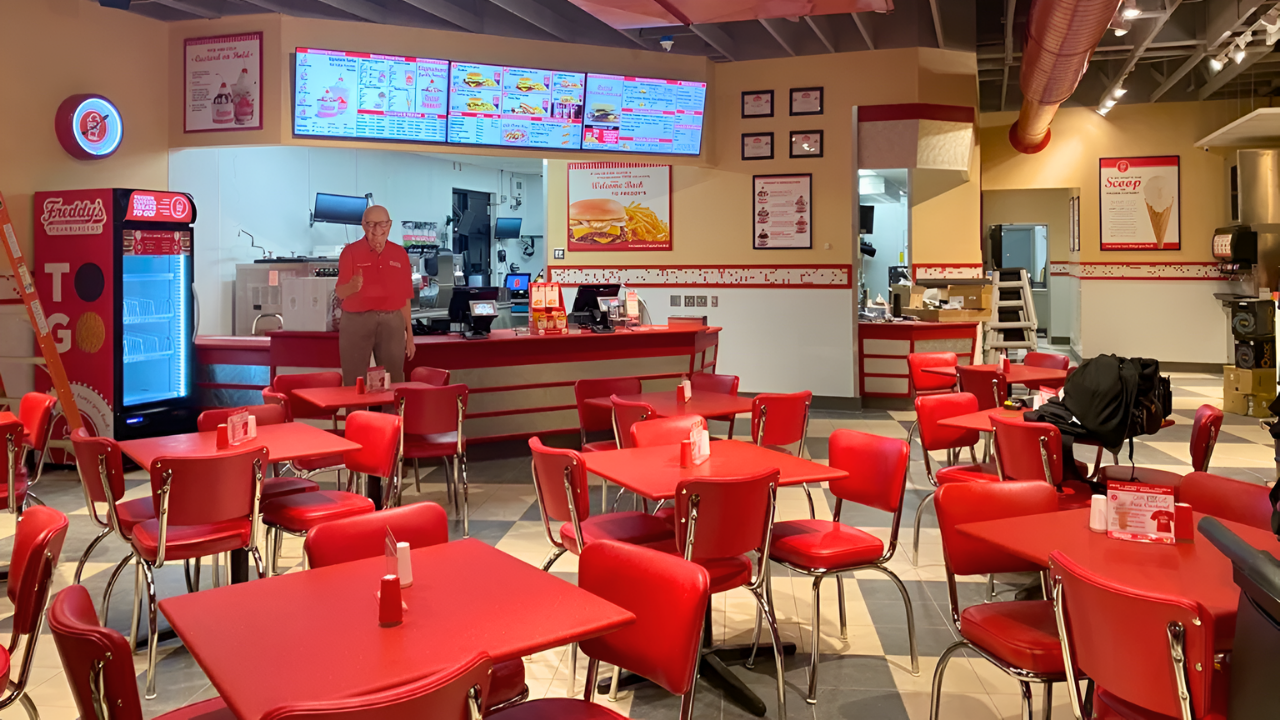
On November 14, 2025, M&M Custard, one of the largest franchisees of Freddy’s Frozen Custard & Steakburgers, filed for Chapter 11 bankruptcy, signaling deepening financial distress across the fast-casual restaurant industry. The filing reveals a company carrying $27.7 million in liabilities against just $5.2 million in assets, with operations spanning 31 locations across six states now in restructuring. The bankruptcy underscores a broader crisis affecting the sector: declining consumer traffic, particularly from lower-income households, combined with escalating operational costs and mandatory remodeling requirements that have squeezed franchisees to the breaking point.
The Financial Squeeze Tightening Across the Sector
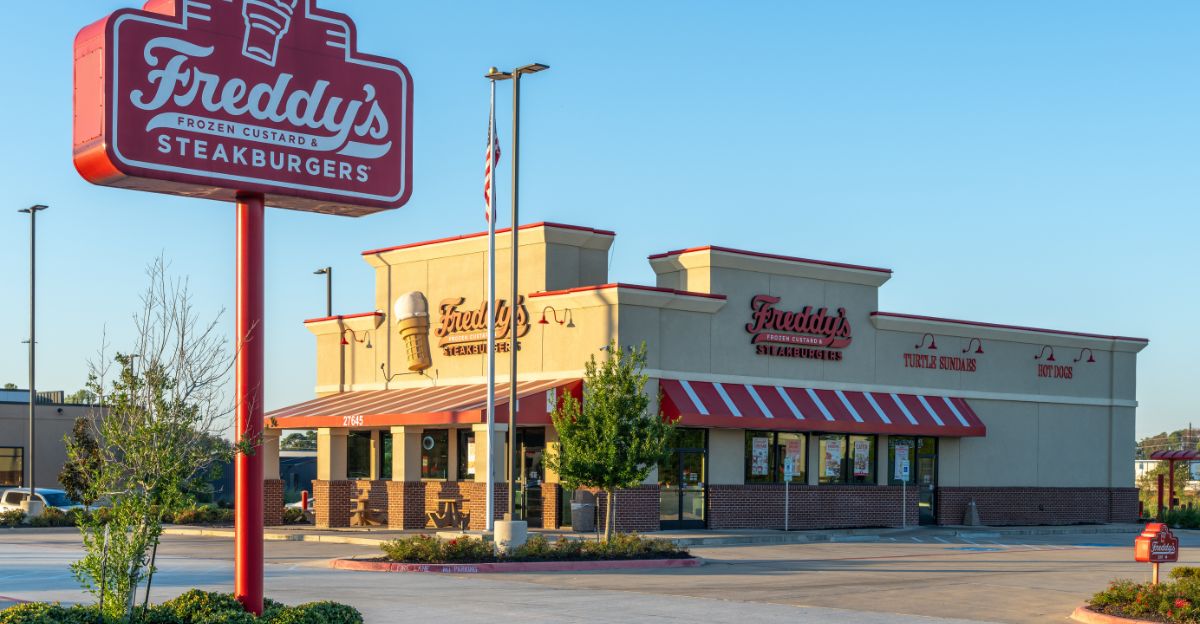
The fast-casual industry has entered a period of acute financial stress. Rising costs, coupled with weakening consumer demand, have created an environment where even established brands struggle to maintain profitability. Franchisees face a relentless combination of pressures: capital-intensive remodeling mandates from parent companies, higher labor and supply costs, and shrinking customer traffic. Many operators report that margins have become razor-thin, leaving little room for error or unexpected expenses.
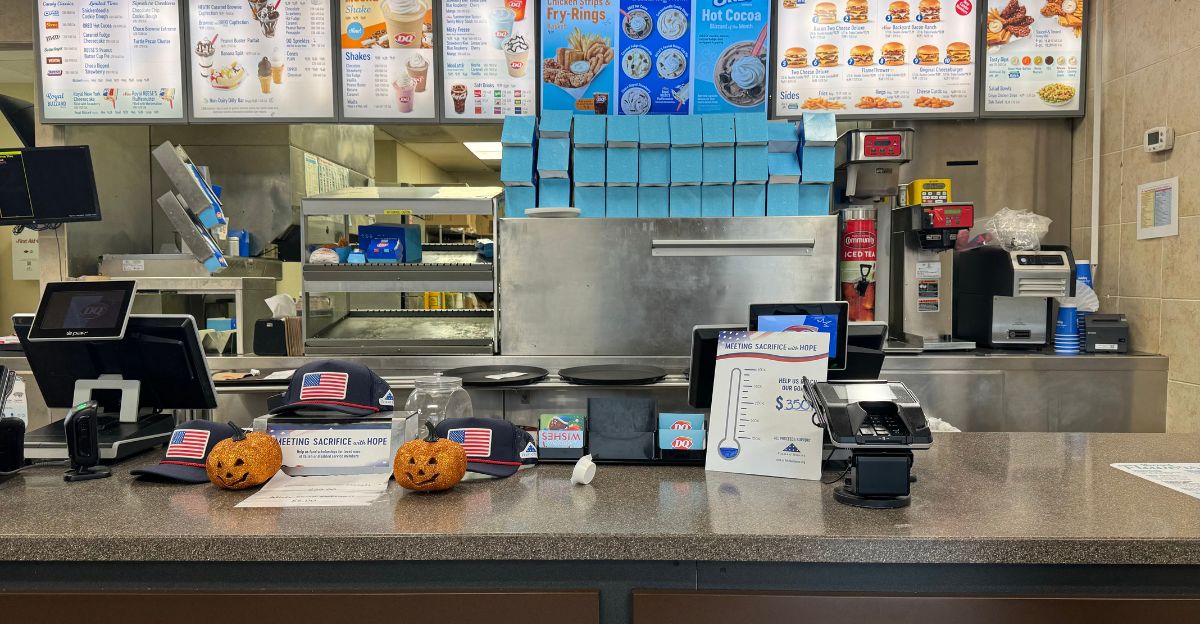
This financial strain is not isolated to M&M Custard. Earlier this year, Dairy Queen franchisees closed 25 locations across Texas in February and an additional 12 to 15 in March, though those closures resulted from franchisees’ refusal to undertake corporate-mandated renovations rather than immediate financial distress. The pattern reflects a fundamental tension: corporate requirements for modernization clash with franchisees’ ability to fund such investments while maintaining operations.
M&M Custard’s Expansion Gamble and Retreat
M&M Custard operated 42 locations across six states—Missouri, Kansas, Illinois, Indiana, Kentucky, and Tennessee—before its financial position deteriorated. The company’s troubles intensified following an aggressive expansion into Chicago in 2021, a market that ultimately proved unsustainable. Before restructuring, M&M Custard generated approximately $58.1 million in overall revenue, with its legacy business producing over $48 million. However, the Chicago portfolio failed to deliver expected returns, creating a significant drag on overall performance.
Under its Chapter 11 restructuring plan, the company is dividing its portfolio into two categories: the 31 established legacy restaurants that will continue operating, and the underperforming Chicago locations slated for closure. This strategic retreat represents an acknowledgment that expansion into unfamiliar markets, without adequate market research or operational capacity, can prove catastrophic for franchise operators.
Ripple Effects Across Communities and Workforces

The bankruptcy directly threatens hundreds of jobs, particularly in Chicago where store closures are planned. Employees at affected locations face sudden unemployment in markets where Freddy’s served as a community anchor. Beyond individual workers, the closures create secondary impacts: suppliers lose customers, local economies lose tax revenue and consumer spending, and communities lose dining options.
The human cost extends to franchisees themselves, many of whom have invested personal savings and borrowed heavily to build their businesses. Facing mounting debt and regulatory pressures, franchise owners across the industry are expressing frustration with what they perceive as unsustainable burdens imposed by parent companies and market conditions beyond their control.
Industry Consolidation and Uncertain Outlook
The fast-casual sector is undergoing significant consolidation. Freddy’s itself was acquired by private-equity firm Rhône for approximately $700 million in September 2025, reflecting efforts to stabilize the brand through new ownership and operational restructuring. However, M&M Custard’s bankruptcy demonstrates that ownership changes alone cannot resolve systemic industry challenges.
Experts remain cautious about the sector’s long-term viability. Analysts predict additional closures and bankruptcies are likely in coming years, even among well-established chains. The industry faces a critical juncture: operators must find innovative ways to adapt to changing consumer behavior, manage costs more effectively, and navigate an increasingly volatile economic landscape. Whether the fast-casual sector can successfully restructure and emerge more resilient, or whether current pressures will continue mounting, remains uncertain. The answer will likely determine which chains survive the next phase of industry consolidation.