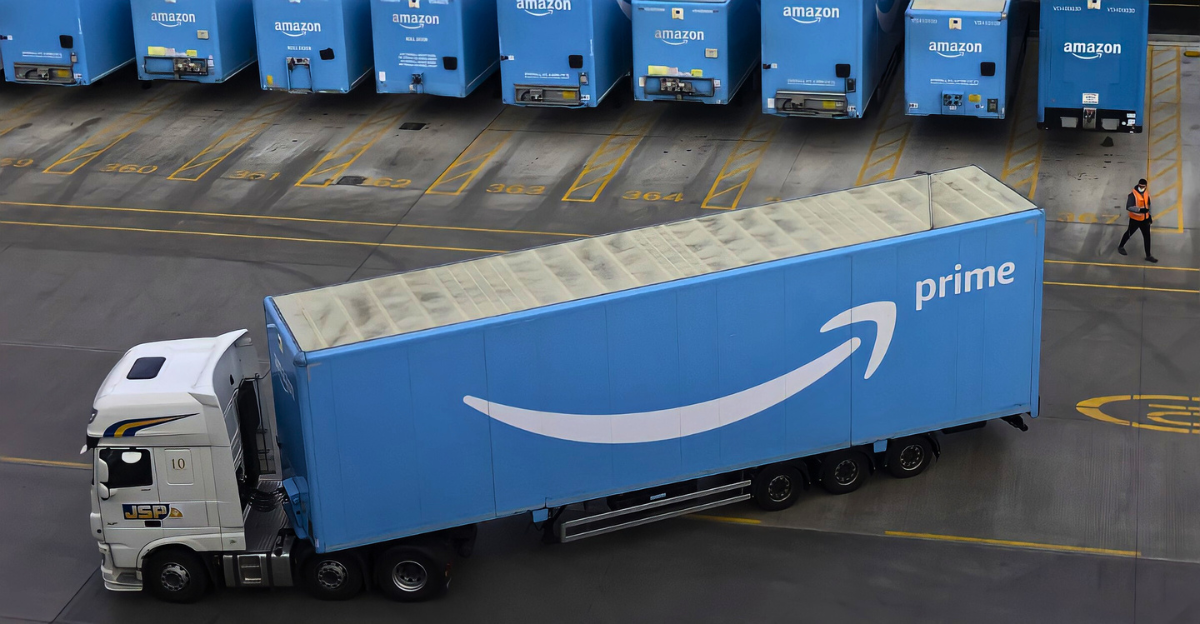
Parents across the United States face a disturbing problem: thousands of infant products, including baby loungers, swings, and gates, are sold through Amazon and pose deadly risks.
The Consumer Product Safety Commission warns, “Infant sleep products that do not meet safety regulations can create hazardous sleeping conditions, potentially resulting in severe injury or even fatality.”
In 2024, recalled products led to 869 injuries, a high not seen in eight years, with infant sleep goods accounting for a significant portion.
With over 400,000 dangerous items identified on Amazon, this crisis is driving urgent regulatory action as authorities question if platforms are doing enough to protect children.
Hidden Dangers
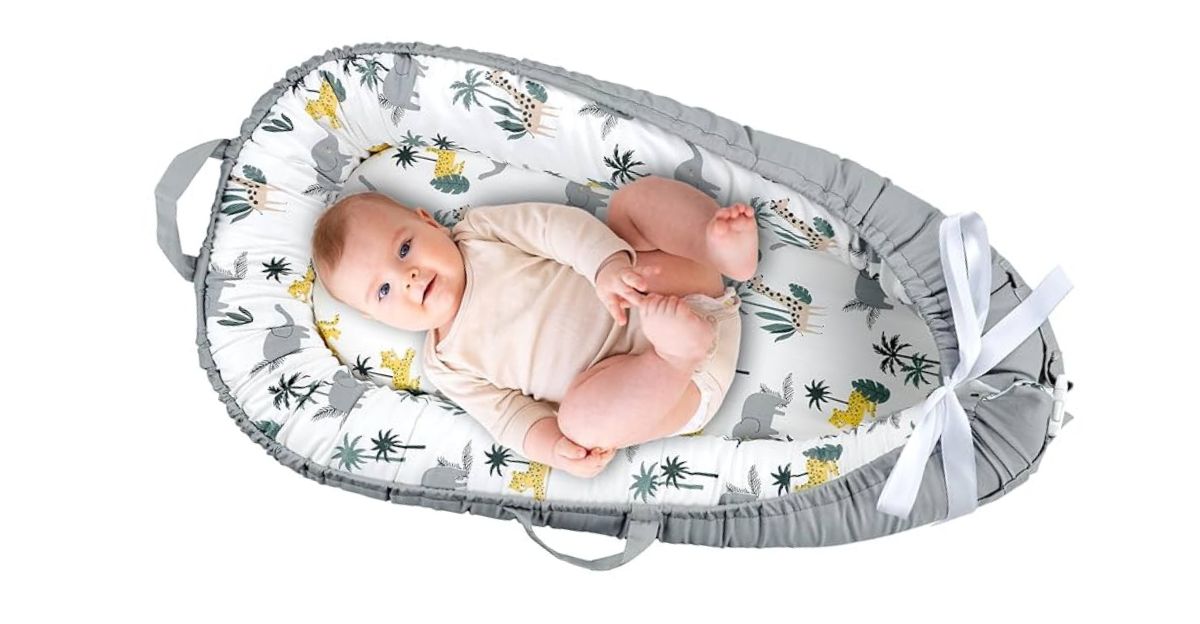
The safety issues go beyond a few recalls. From 2019 to 2021, an average of 174 children under five died each year due to nursery products, mostly from unsafe sleep environments.
Amazon’s marketplace includes many third-party sellers working with little oversight, making non-compliant products easy to reach families.
Safety advocate Peter Kerin explained, “The larger issue… is the absence of standardized regulations across the board for such a vast array of products aimed at children.”
Many parents believe that Fulfilled by Amazon products are vetted, but the company’s involvement doesn’t always mean a proper safety review.
Regulatory Response
Regulators are taking a tougher stance as the baby product crisis worsens. In July 2024, the CPSC unanimously declared Amazon a distributor under federal law, making it legally responsible for recalls—even if a product came from a third-party seller.
“If a product is made for babies, it should be as safe as possible. This rule advances our important work to improve the safety of infant support cushions,” stated the CPSC in a related announcement.
The decision followed years of legal battles, as Amazon tried to argue it was just a marketplace.
Legislative Foundation
The Safe Sleep for Babies Act of 2021 laid the groundwork for stricter enforcement against dangerous infant products.
The act banned inclined sleepers and crib bumpers and set strict requirements for all infant sleep products, such as limiting inclines to 10 degrees and raising side barriers. This law followed the tragic Fisher-Price Rock ‘n Play sleeper case, in which over 100 infant deaths were linked to the product.
Even so, some manufacturers still find ways around regulations with new designs and misleading marketing.
The URMYWO Recall
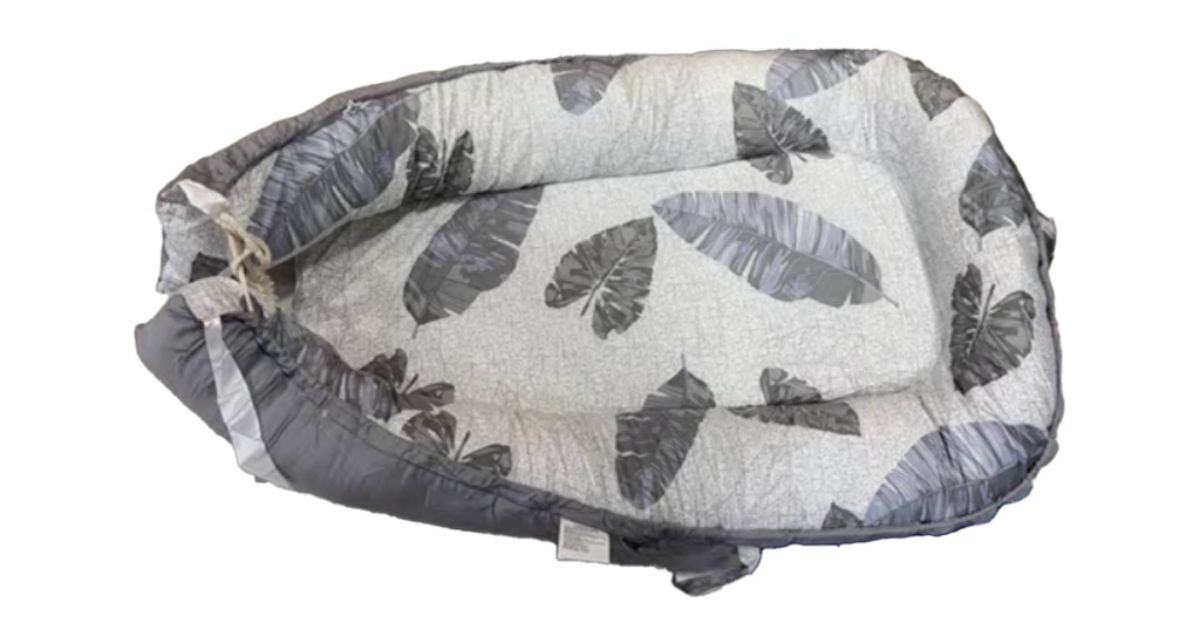
On September 4, 2025, the CPSC recalled about 23,000 URMYWO baby loungers sold on Amazon. “These violations create an unsafe sleeping environment for infants, posing a risk of serious injury or death,” the commission reported.
These loungers broke several safety rules: sides were too low, pads were too thick, there were fall hazards from foot openings, and the design lacked essential safety standards.
Parents were urged to stop using and destroy these products immediately due to fears of suffocation and falls.
Regional Impact
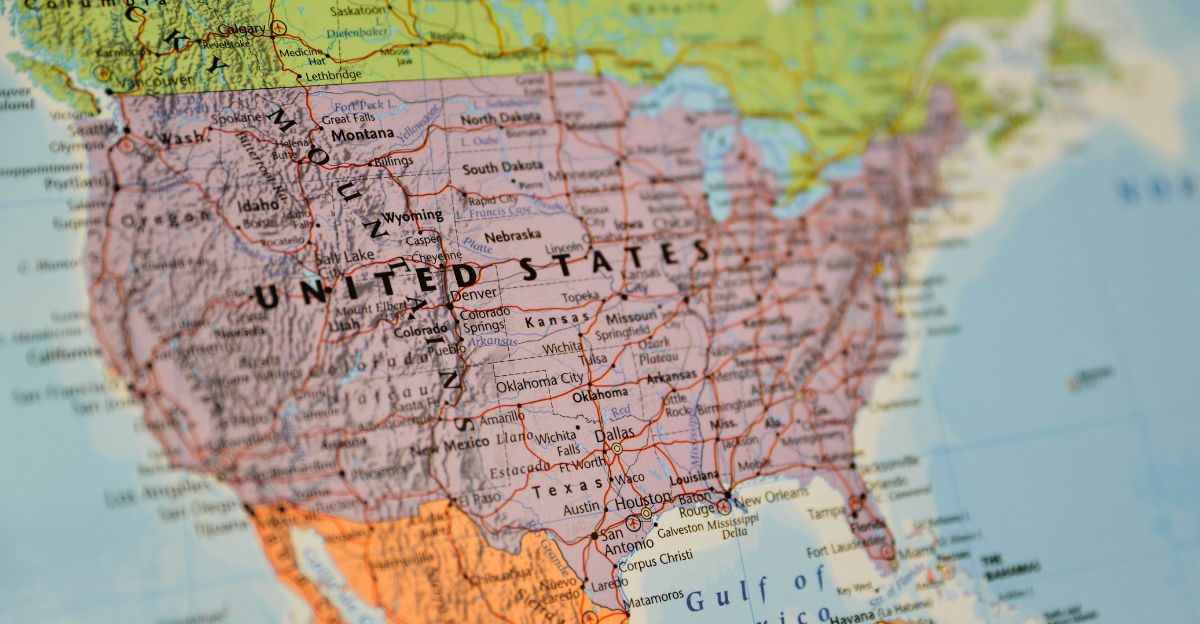
The safety crisis reaches families in every state as many parents depend on Amazon for baby products, especially where shopping choices are limited.
Reports of hazardous products, such as recalled baby loungers posing suffocation or fall risks, have surfaced nationwide.
With over 400,000 dangerous items identified nationally, this has become a genuine emergency that requires action from both regulators and online retailers to keep children safe.
Family Stories
For parents like Erika Richter, the consequences are heartbreakingly honest. Her newborn, Emma, died from asphyxia in a Fisher-Price Rock ‘n Play Sleeper, which is a product recalled only after dozens more deaths.
“When I hear about more families who have lost their little ones, my heart breaks because I know exactly what that feels like, and it shouldn’t have to be this way,” Erika told ABC.
Stories like hers show how slow recalls can leave risky products in homes for months or years.
Market Analysis
The baby product market is booming online, but safety oversight isn’t improving. Thousands of international Amazon sellers may operate under weaker safety standards.
“Over the last decade, it’s been an explosion of products that have been sold on Amazon, and may pose an injury risk to children,” said Peter Kerin.
Automated systems sometimes even promote unsafe products to buyers, and with the sheer volume of listings, most hazards slip through. Experts estimate only 10–30% of recalled items are ever removed from homes.
Economic Consequences
These dangers aren’t just personal; they also ripple through the economy.
Emergency room visits due to unsafe nursery products result in high medical bills, and lawsuits against Amazon and other companies are rising.
“The financial burden of fixing preventable injuries is much greater than the cost of strong safety standards,” note public health experts.
Enforcement Gaps
One major weakness: the CPSC can’t force a product off the market without the seller’s cooperation.
There were 63 warnings in 2024 alone, more than in the previous nine years combined, because some companies refuse voluntary recall.
Director of Kids in Danger, Nancy Cowles, explained, “For most products, we see a 10% to 30% effectiveness rate, which means most recalled products are still out there. That leads to mixed messages—people assume it must be safe if others are still using it.”
Corporate Response
Amazon continues to argue that it is only a marketplace, not a direct seller, and challenges regulations that hold it accountable.
The company says, “Our Product Safety Team actively investigates and addresses any reported safety concerns and incidents to protect customers from potential risks associated with products.”
It claims its measures are enough, but critics say serious products keep slipping through and reaching homes.
Industry Changes
Some retailers have acted quickly to protect children. For example, Target and Babylist removed certain infant sleep products following safety warnings, while other companies have increased their product review standards.
However, because safety regulations and review processes still vary widely across marketplaces, unsafe items can easily slip back onto less strict platforms.
Until all major online and physical retailers coordinate their efforts, truly stopping the spread of dangerous products will remain difficult.
International Perspective
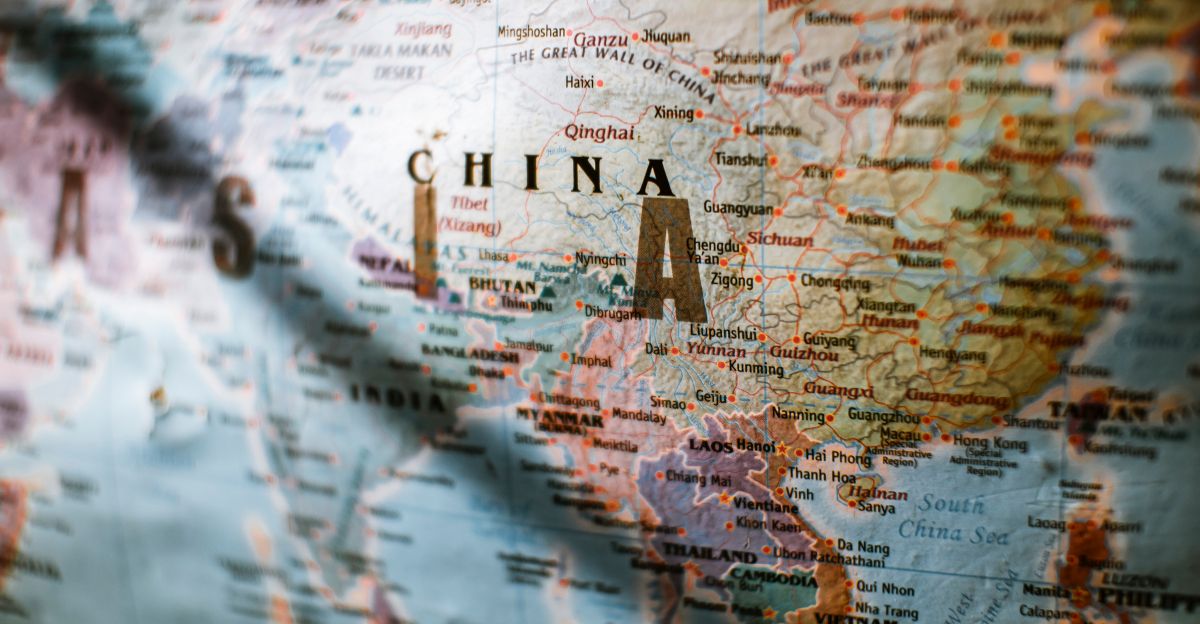
This problem isn’t just American. In Europe, a recent study showed 80% of toys from third-party online sellers didn’t meet EU safety rules.
“Any products entering the U.S. must adhere to local regulations,” said international crisis expert Turner, highlighting the global nature of the issue.
Many bad products come from overseas, especially China, where enforcement differs.
Technology Solutions

Advanced technologies such as artificial intelligence and enhanced barcode systems can help spot dangerous products before they reach families.
While Amazon uses some automated safety checks, it faces challenges in keeping up with ever-evolving product categories, and sellers are determined to bypass safeguards.
Experts note that technology alone isn’t enough yet; proactive human oversight and ongoing updates are essential to catch and prevent new risks from slipping through the cracks.
Future Implications

Legal fights between Amazon and regulators will shape the entire e-commerce landscape.
If the courts uphold that Amazon is a distributor, other online platforms may also need strict seller checks and safety standards.
“The outcome could transform how all major digital marketplaces approach infant product safety,” say legal analysts.
Emerging Legislation
Congress is reviewing new laws allowing the CPSC to immediately ban hazardous products, like the FDA does for unsafe drugs.
“Lawmakers are focused on closing loopholes that leave babies exposed to life-threatening risks,” reads a recent hearing brief.
Proposed laws would also require stricter tracking and certification by online sellers.
Industry Ripple Effects
The crisis impacts more than infant products. Insurance companies are rethinking how they cover e-commerce platforms; manufacturers are adding more safety checks to avoid recalls.
Some companies are reshoring production to countries with stricter laws.
The result is a growing push for supply chain transparency and safety across many industries.
Social Media Response

Parents increasingly turn to social media for breaking news, sometimes before official channels report it. ABC News warns that
“Informal networks also spread misinformation about safe products. ” Therefore, experts recommend that parents double-check sources and rely on official safety databases and organizations.
Influencers shape opinions, though their tips may not always follow safety standards.
Historical Context
Sadly, this problem isn’t new. Major tragedies, like the thalidomide drug disaster, which led to thousands of congenital disabilities, and lead paint toy recalls, have forced stronger regulations in the past.
More than 100 infant deaths linked to the Rock’ n Play sleeper and ongoing failures to remove recalled products show that only intense public pressure and strict laws truly spark needed change to protect children.
Fixing a Broken Safety Net
The current recall crisis shows a deep breakdown in systems meant to protect children. Hundreds of injuries and deaths each year show parents can’t trust that a product’s presence online means it is safe.
As Nancy Cowles reminds us, “Mixed messages—people assume it must be safe if others are still using it.”
Real progress will take stronger laws, better platform responsibility, transparent manufacturing, and informed consumers to make the market safer for America’s littlest consumers.