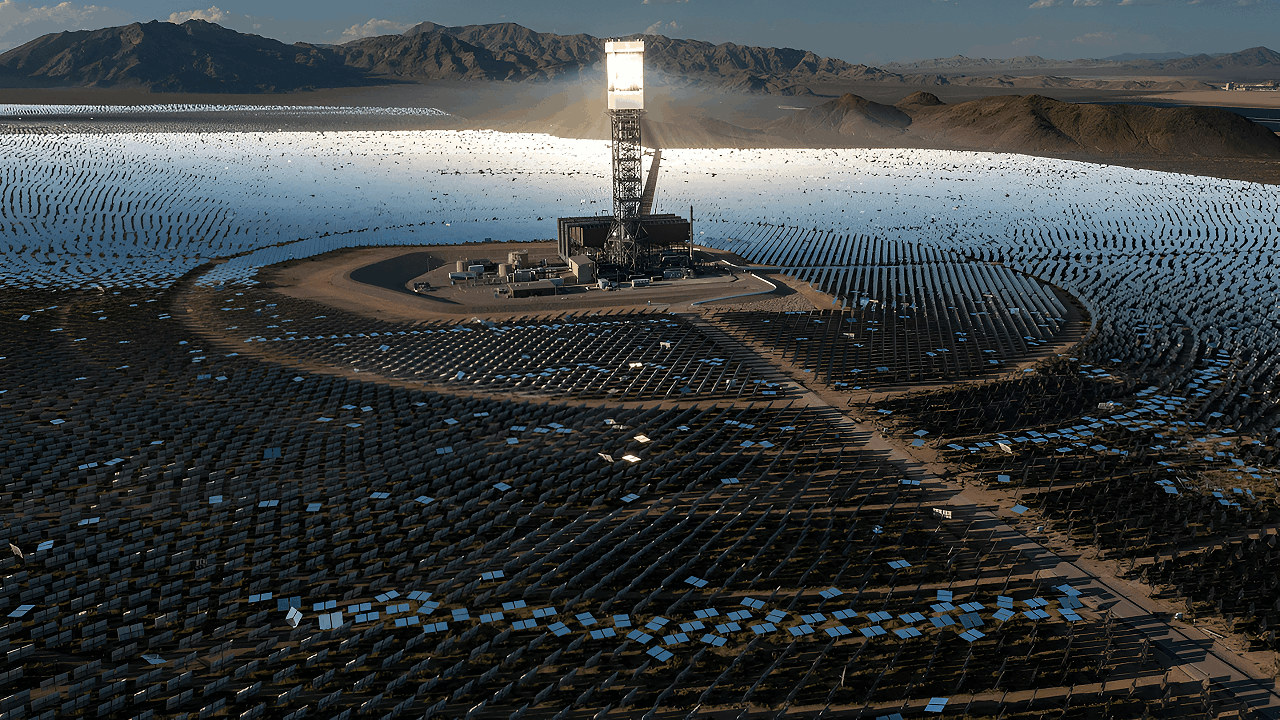
The Ivanpah Solar Power Facility was once seen as the future of clean energy in the U.S. Costing $2.2 billion and stretching across five square miles of the Mojave Desert, its three tall towers and nearly 174,000 mirrors captured imaginations everywhere when it started in 2014.
But just over a decade later, Ivanpah is shutting down 13 years ahead of schedule. Rather than a simple story of failure, Ivanpah’s shortened life offers a lesson in how fast energy technology can move.
Building a Solar Giant
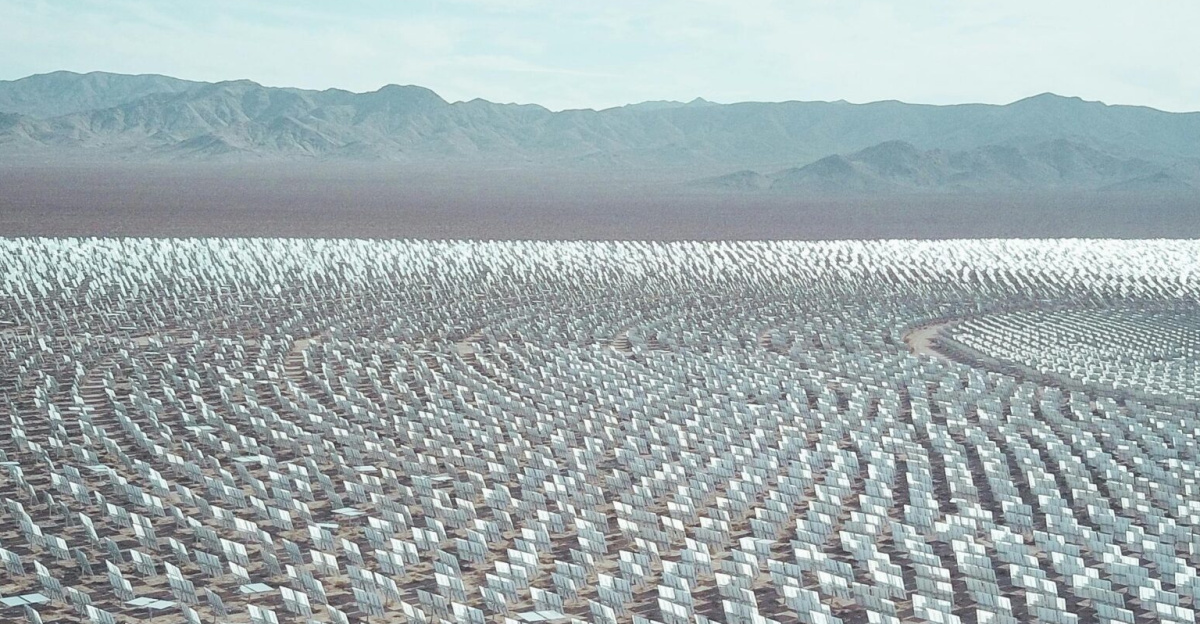
Ivanpah’s construction was a major feat, requiring hundreds of workers and tens of thousands of carefully positioned mirrors called heliostats. At its opening, it was the world’s largest concentrated solar power (CSP) facility.
The goal was to prove that renewable energy could be delivered on a massive scale.
How Ivanpah Was Supposed to Work
Ivanpah relied on CSP, a technology that used computer-controlled mirrors to track and reflect sunlight onto boilers atop 450-foot towers. The heated liquid turned to steam, spinning turbines to make electricity.
“The idea was that you could use the sun to produce a heat source,” alternative energy consultant Edward Smeloff told The Post. “The mirrors reflect heat from the sun up to a receiver, which is mounted on top of the tower. That heats a fluid. It creates steam that spins a conventional steam turbine. It is complicated.”
Federal Funding and High Hopes

Funding Ivanpah was a huge undertaking. The U.S. Department of Energy provided loan guarantees covering $1.6 billion of the cost, backed by promises of long-term energy contracts.
“When the power purchase agreements were signed in 2009, the prices were competitive, but advancements over time … have led to more efficient, cost-effective and flexible options for producing reliable clean energy,” a company statement read.
Contracts That Didn’t Last

A major blow to Ivanpah came when Pacific Gas & Electric (PG&E), its main customer, ended two long-term contracts years early to save money.
Ivanpah was simply too expensive compared to other energy sources. Without these contracts, the plant couldn’t make enough to justify staying open.
What Happens to the Three Towers?
Ivanpah is actually three separate units. Two, which had deals with PG&E, will be closed and dismantled. The last unit, which sells power to Southern California Edison, may run a bit longer, but not for long. Most of Ivanpah will soon be just a memory.
Promises vs. Reality
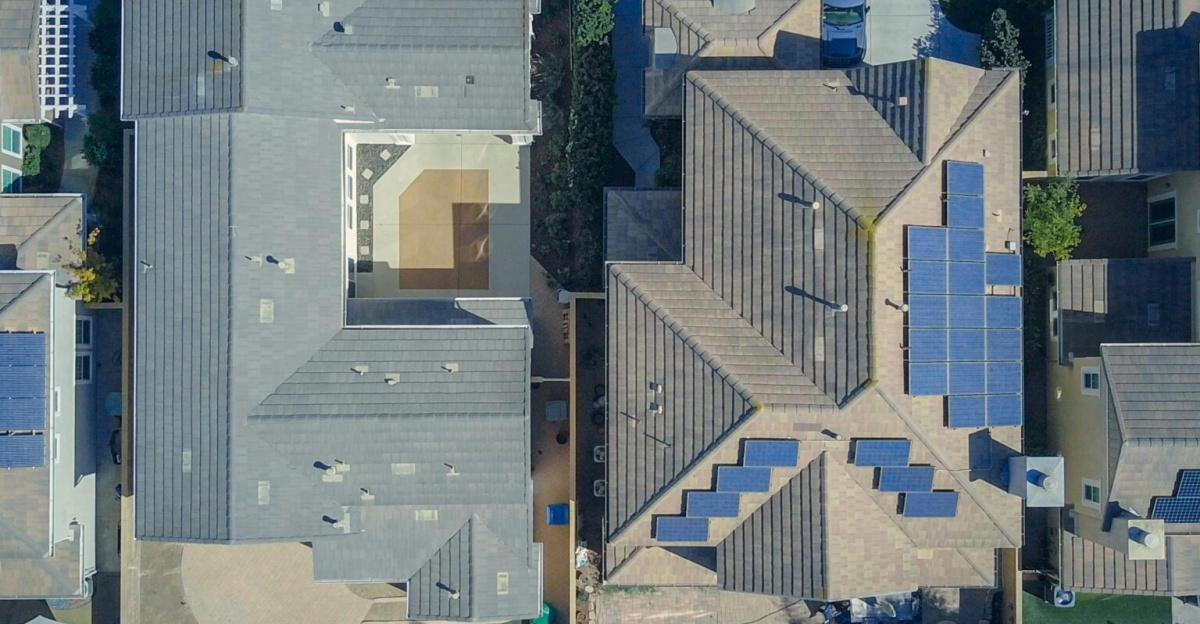
When Ivanpah launched, it was supposed to produce 392 megawatts, enough to power about 140,000 homes. But the numbers didn’t add up. Production was lower than expected, and costs were higher, making it hard to keep going.
“Ivanpah stands as a testament to the waste and inefficiency of government-subsidized energy schemes,” Jason Isaac, CEO of the American Energy Institute, an American energy advocacy group, told Fox News via statement this past February. It “never lived up to its promises, producing less electricity than expected, while relying on natural gas to stay operational.”
An Expensive Clean Energy Lesson

Ivanpah proved that playing with new energy ideas can be risky and costly. The project had budget overruns and did not produce enough electricity to repay what was spent to build it.
Analysts say that while Ivanpah pushed technology forward, it wasn’t a smart bet financially.
Not Entirely “Green”
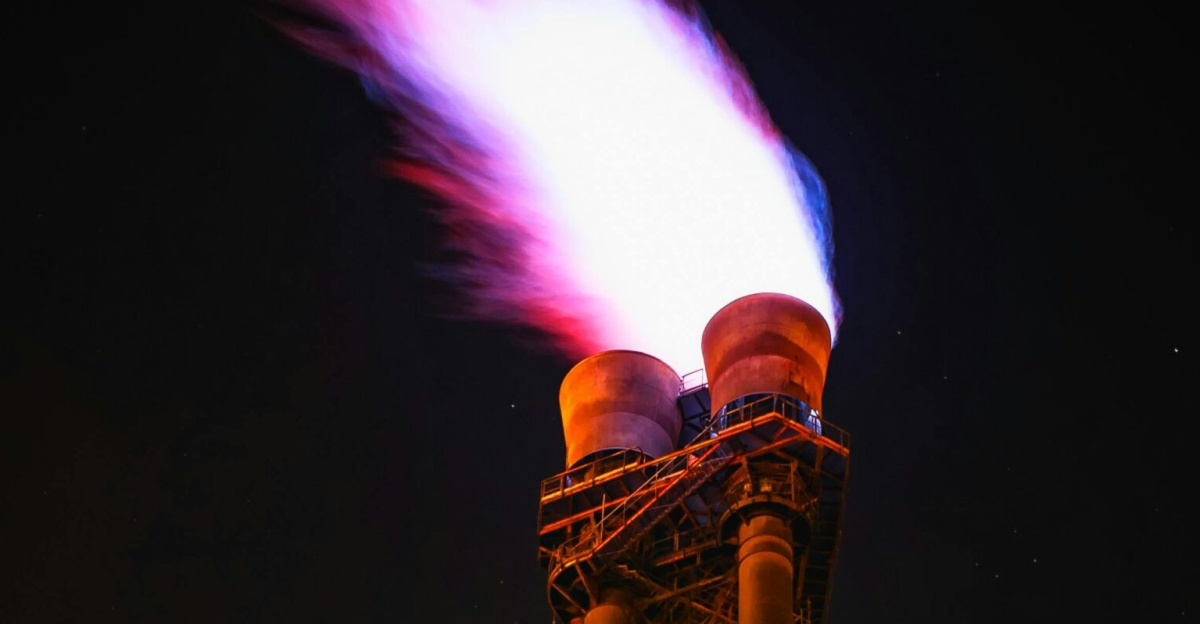
Despite its renewable image, Ivanpah regularly needed natural gas to start its boilers, especially on cloudy days or early mornings. This reliance meant that it wasn’t as clean as advertised, disappointing those hoping for zero-emissions energy.
Outpaced by Cheaper Solar Panels
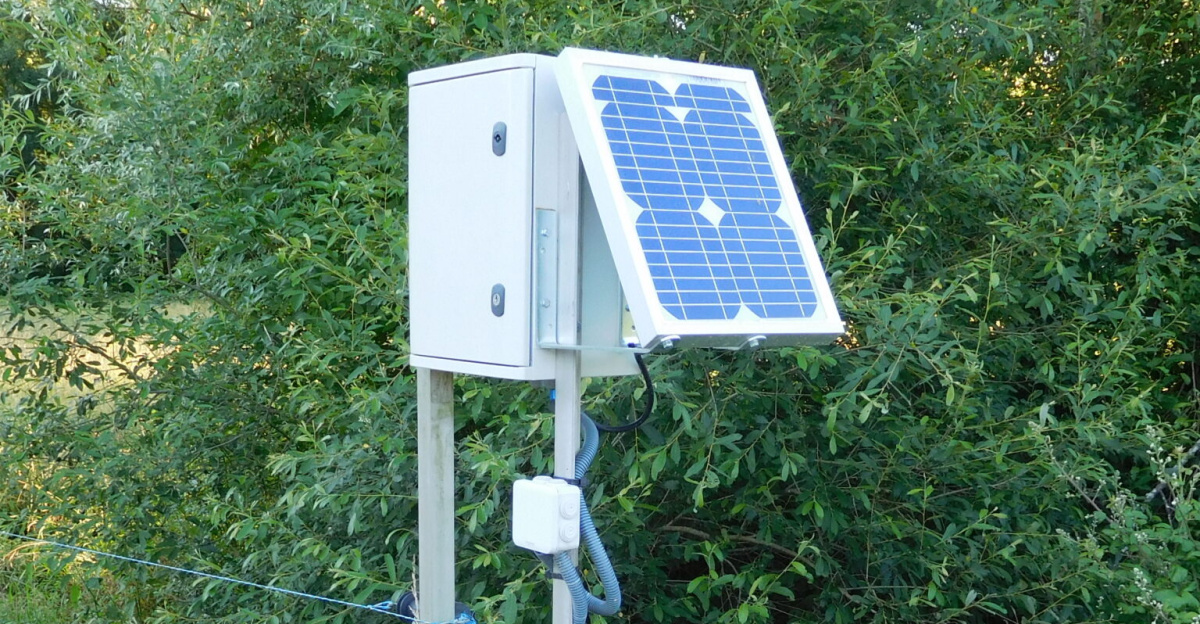
While Ivanpah was running, the world of solar power changed fast. Regular solar panels, or photovoltaics (PV), got much cheaper and better, pushing CSP like Ivanpah out of the spotlight.
“It simply did not scale up,” said Smeloff. “It’s kind of an obsolete technology that’s been outpaced by solar photovoltaic technology.
Wildlife Got Hurt

Ivanpah’s footprint was huge, and its intense sunlight created problems for wildlife, especially birds that crossed its path. Some animals lost their homes in the desert, while birds sometimes got caught in the concentrated beams and died, leading to controversy from environmentalists.
Too Much Land for Too Little Power

Environmentalists also pointed out that Ivanpah used a massive area for not-so-great results. Conservationists worried that the project “destroyed fragile desert habitats to a degree not justified by its output,” according to Environmental Health News.
Jobs and Local Impact
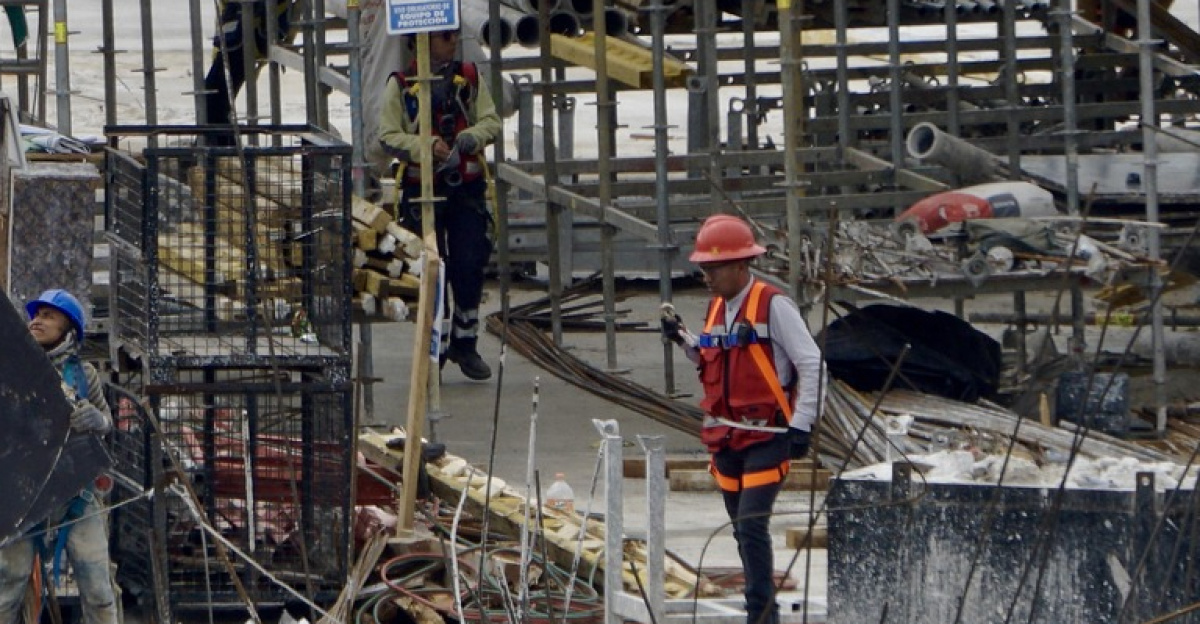
While building Ivanpah created around 1,000 construction jobs and 61 permanent ones, the closure means job losses for the local community.
There’s concern about what will happen next as employees look for new work, and the region loses a source of economic activity.
California’s Watchdog Role

Government agencies, including the California Public Utilities Commission, shaped Ivanpah’s life from funding to approval to closure. They had to weigh new policies and regular reviews that led PG&E to walk away from its contracts in the end.
A Government Cautionary Tale

Some critics say Ivanpah proves the risks of pouring public money into cutting-edge energy technology. They compare it to previous government-backed projects that failed, such as Solyndra. Yet others say these setbacks are part of testing what works best for the future.
Mixed Reviews from Environmentalists

Environmental groups are split. Some call Ivanpah a financial boondoggle and environmental disaster, while others point out that it helped inspire progress in solar energy technology overall.
Ivanpah’s mixed legacy is a reminder that innovation often comes with tough lessons.
The Market Moves On
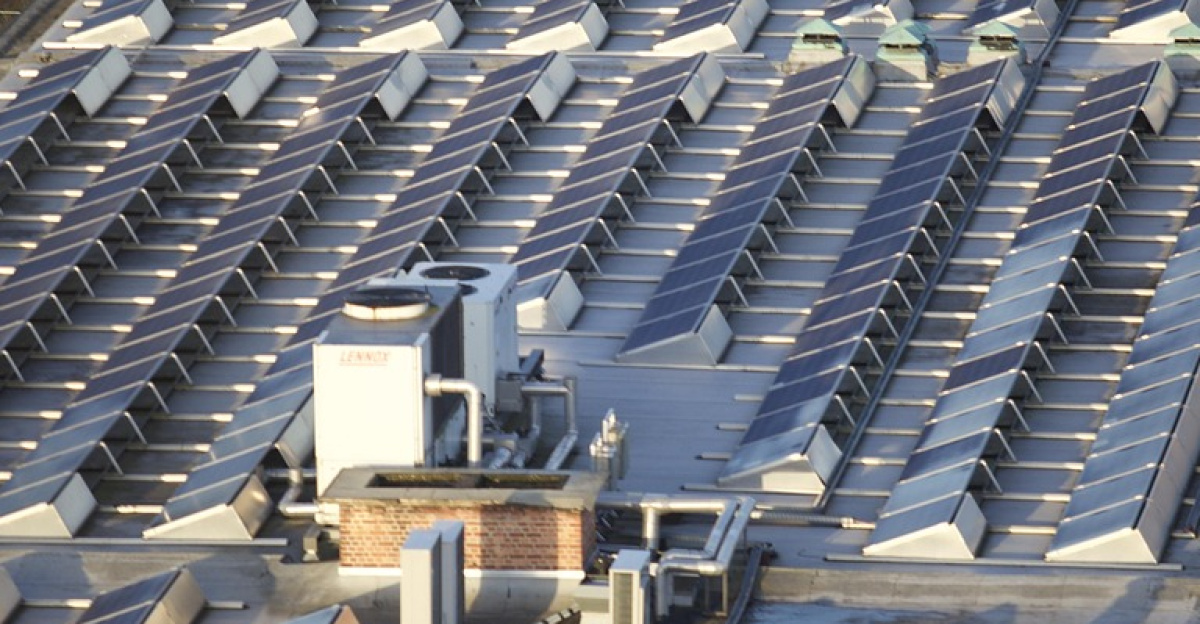
Ivanpah’s struggle highlights how fast the energy market can shift. As solar panels and batteries got better, older technologies were left behind. It’s not clear in the early stages what technologies will work best and be most affordable for customers.
What Comes After Ivanpah?

Decommissioning will begin in 2026. There are hopes that some of Ivanpah’s infrastructure and land can be used for new, more efficient solar projects. This could help limit the loss of money and resources already spent on the plant.
Costs and Consequences for Californians

For most energy users in California, Ivanpah’s closure should actually mean lower costs, as utilities buy power from cheaper sources.
But for taxpayers, its story is a reminder of the risks that come with big government bets on unproven technology.
Change Can Be Messy
Ivanpah’s early shutdown doesn’t mean solar power is failing, far from it. It’s a lesson that energy innovation is fast, sometimes messy, but always moving forward.
California is already leading the way with new PV solar and battery storage, showing the future is still bright for clean energy.