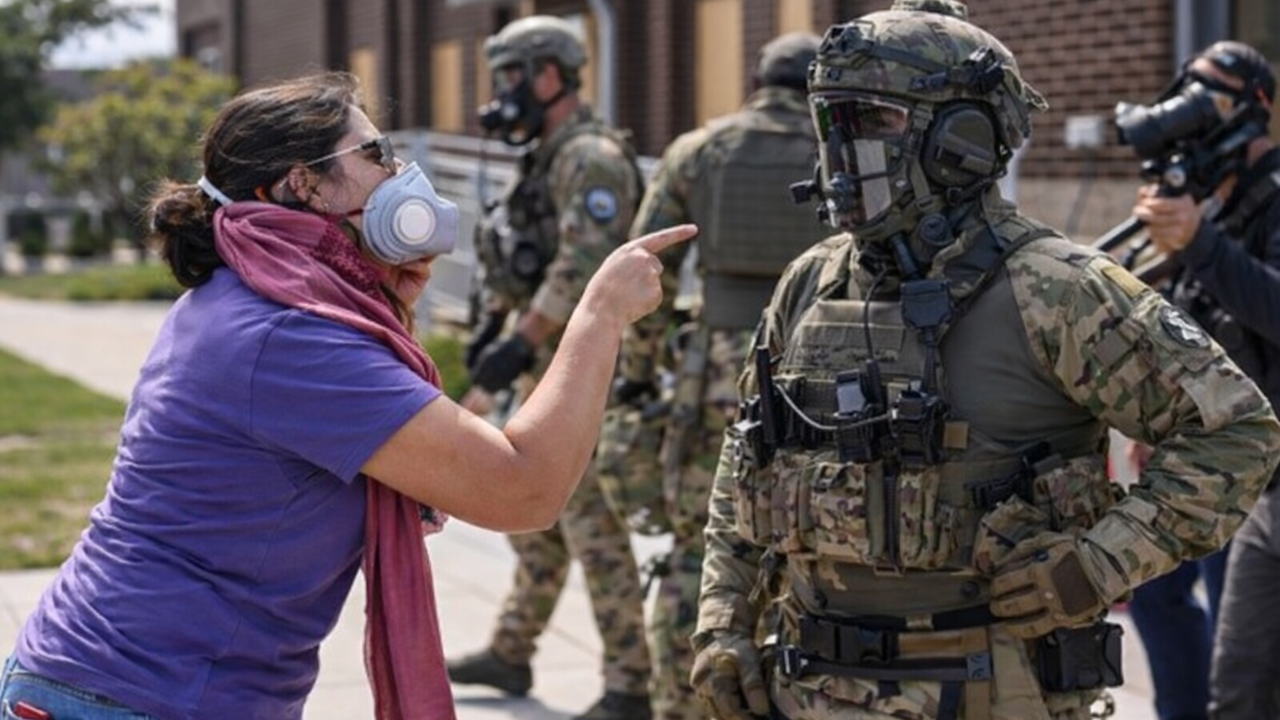
A 37-year-old mother of three sat in her car monitoring federal immigration operations in south Minneapolis when an ICE agent fired through her windshield, killing her instantly.
Renee Nicole Good, a U.S. citizen acting as a legal observer, died on January 7, 2026, during a 40-second encounter that President Trump would later characterize as “domestic terrorism”. But what officials called next would震 the entire federal-state relationship.
Minnesota Launches Unprecedented Legal Challenge
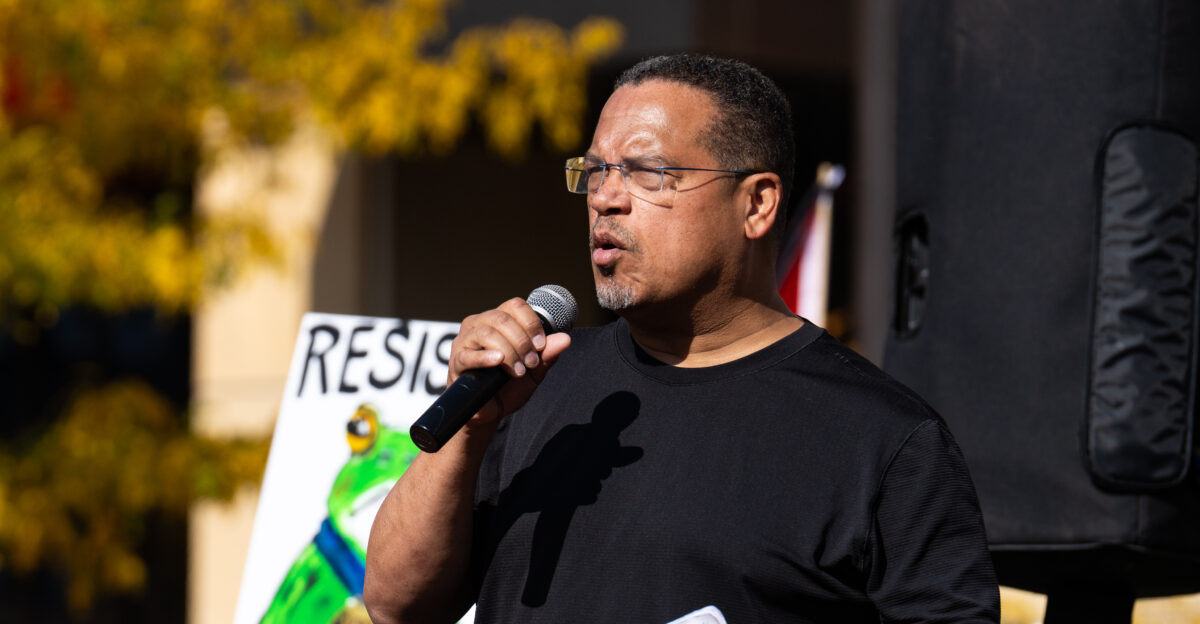
Four days after Good’s death, Minnesota Attorney General Keith Ellison filed federal litigation calling the Trump administration’s immigration operation an unconstitutional “federal invasion”.
The January 11 lawsuit, joined by Minneapolis and St. Paul, seeks a temporary restraining order against Operation Metro Surge and names the Department of Homeland Security, Secretary Kristi Noem, ICE, CBP, and Border Patrol as defendants. Ellison stated the administration is “persecuting the state of Minnesota because of our political beliefs”.
Largest Immigration Enforcement Operation in U.S. History
Operation Metro Surge represents the Department of Homeland Security’s largest immigration enforcement operation ever, deploying over 2,000 armed federal agents to the Twin Cities since December 2025.
The Trump administration announced plans to surge an additional 1,000 Border Patrol agents to Minnesota, bringing total federal enforcement personnel to unprecedented levels. By mid-January, more than 2,000 arrests had been reported across Minneapolis-St. Paul. The scale prompted one former law enforcement official to describe the deployment as “extraordinary”.
Constitutional Violations at the Heart of Lawsuit

Minnesota’s 83-page complaint asserts the federal government violated the Tenth Amendment by commandeering state resources, the First Amendment through political retaliation, and equal sovereignty principles by targeting one state.
Minneapolis police worked over 3,000 overtime hours in just three days responding to federal enforcement chaos, costing taxpayers more than $2 million. The lawsuit argues this forced commandeering of local law enforcement violates states’ reserved powers over policing and public safety.
“Domestic Terrorism” Label Sparks Outrage

Homeland Security Secretary Kristi Noem defended the fatal shooting, claiming Good had “weaponized her vehicle” and attempted to run over an officer.
President Trump amplified this narrative, calling Good a “domestic terrorist” who “violently, willfully and viciously” tried to kill a federal agent. But what Minneapolis officials saw on video told a dramatically different story.
Mayor Calls Federal Claims “Bullshit”
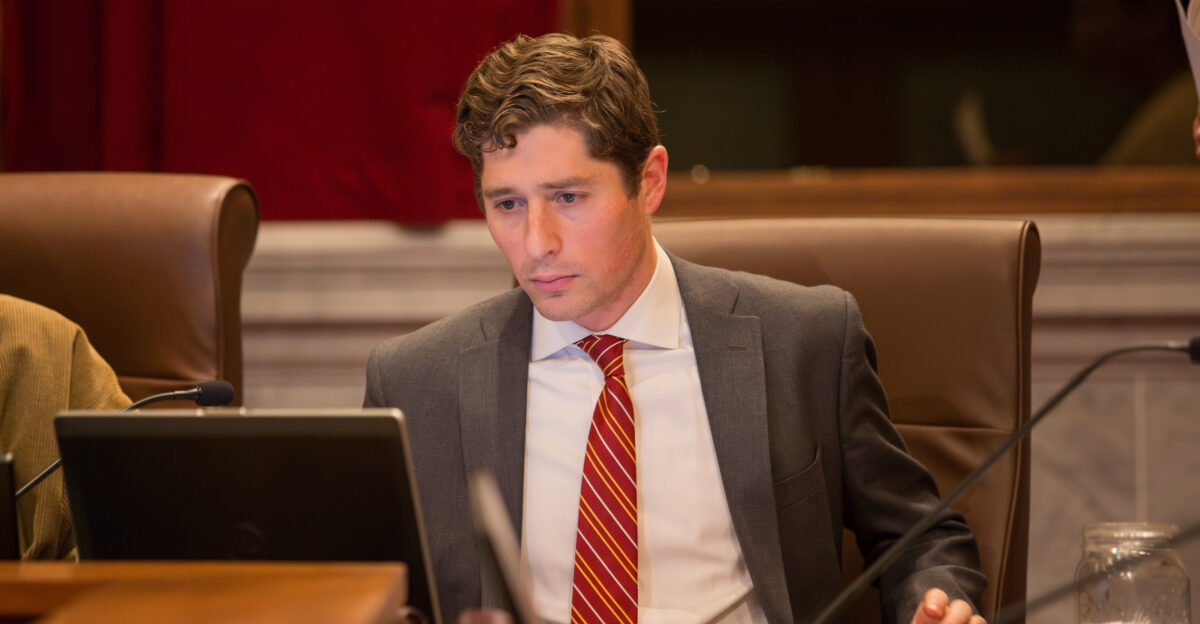
Minneapolis Mayor Jacob Frey rejected the federal narrative, calling it “bullshit” and describing the ICE agent’s actions as a “reckless abuse of power”. Video footage of the encounter contradicts federal characterizations, according to state officials reviewing the evidence.
The shooting ignited protests across Minneapolis and nationally, with demonstrators demanding accountability and an end to what they describe as militarized immigration enforcement tactics. Tensions between federal agents and protesters have escalated daily since Good’s death.
Militarized Raids Transform Twin Cities Streets

Armed, masked federal agents have conducted sweeping raids throughout Minneapolis and St. Paul using tactics Minnesota officials characterize as military operations in civilian neighborhoods. The lawsuit alleges agents execute warrantless arrests, deploy excessive force, and raid sensitive locations including schools, churches, and hospitals without following established DHS policies.
Multiple schools have been forced into lockdowns when ICE operations occurred nearby, disrupting education for thousands of students. But the alleged violations go even deeper.
Racial Profiling and Warrantless Detentions

Minnesota’s complaint documents agents detaining individuals based solely on perceived ethnicity, particularly targeting Somali and Hispanic communities across the Twin Cities.
The lawsuit describes a Somali American man named Mubashir arrested despite requesting to show legal identification proving his citizenship. Minneapolis police reported approximately 20 incidents characterized as apparent kidnappings by federal agents, requiring emergency law enforcement response. The lawsuit seeks to prohibit roving patrols, biometric scanning, and enforcement at sensitive locations without probable cause.
Immigrant Communities Gripped by Fear
Businesses have shuttered, families remain barricaded in homes, and children miss school as fear permeates immigrant neighborhoods throughout Minnesota. The lawsuit documents residents afraid to venture outside, emergency services overwhelmed responding to federal operations, and community networks fractured by enforcement actions.
State officials describe a climate of terror that has paralyzed normal life for thousands of Minnesotans, regardless of immigration status. The economic and social costs continue mounting daily.
Trump Administration Defends “Necessary” Operation
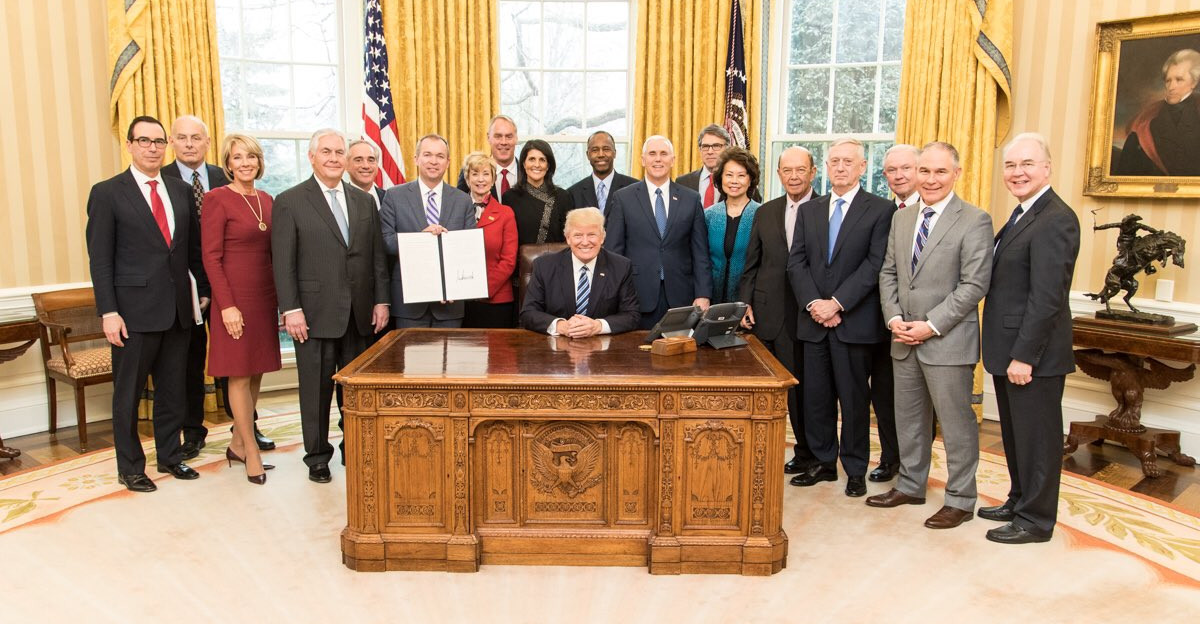
DHS spokesperson Tricia McLaughlin dismissed Minnesota’s lawsuit as “baseless,” stating: “We have the Constitution on our side on this, and we look forward to proving that in court”.
McLaughlin accused state officials of “putting politics ahead of public safety” and defended the massive agent deployment as necessary to investigate alleged widespread fraud in federally funded programs. The administration maintains sanctuary policies in Minnesota created the conditions requiring federal intervention.
Political Retaliation or Public Safety?
Minnesota argues the Trump administration is retaliating against a Democratic-led state that supports sanctuary policies and immigrant communities, violating First Amendment protections against viewpoint discrimination.
The lawsuit contends Minnesota faces disproportionate enforcement while other states with similar immigrant populations remain untouched, violating constitutional equal sovereignty guarantees. This political dimension transforms the case from immigration policy dispute into fundamental questions about federal power and state autonomy.
Illinois Joins Multi-State Legal Resistance
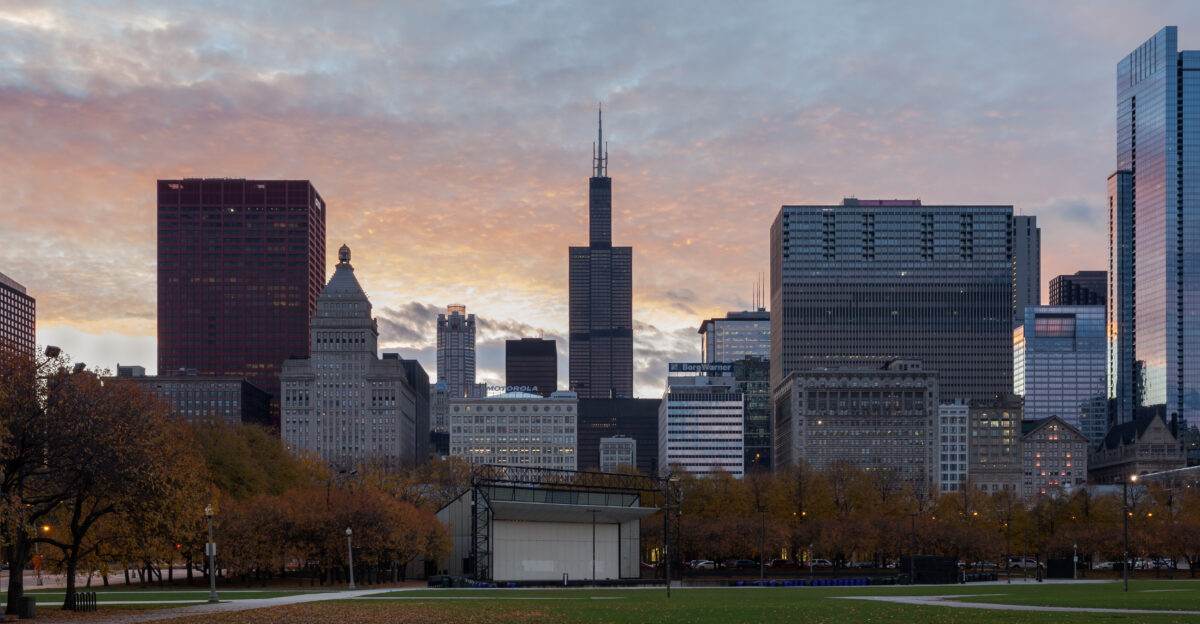
Illinois filed parallel litigation against the Trump administration on January 11, alleging similar constitutional violations from immigration enforcement operations in Chicago. Both Democratic-led states seek court orders halting or severely restricting DHS operations within their borders.
The coordinated legal strategy signals an escalating confrontation between state governments and federal immigration authorities with potential implications for enforcement nationwide. Additional states are reportedly considering similar legal action.
$2 Million Price Tag for Three Days

The financial burden on Minneapolis extends beyond overtime costs, encompassing diverted emergency services, cancelled public programs, and economic losses from business closures. State and local law enforcement resources have been commandeered to respond to federal operations rather than serving community needs.
Minnesota argues this financial commandeering without reimbursement violates basic principles of federalism and state sovereignty. The costs continue accumulating as operations expand.
Expert Analysis: Constitutional Crossroads

Legal scholars describe Minnesota’s lawsuit as testing fundamental boundaries between federal immigration authority and state sovereignty protections. Immigration law experts note the Tenth Amendment claims represent novel legal territory, challenging whether federal enforcement can effectively conscript state resources without consent.
Constitutional law professors suggest the First Amendment retaliation allegations could prove most compelling if Minnesota demonstrates enforcement patterns correlating with political opposition. The case may ultimately require Supreme Court resolution of competing constitutional principles.
Legal Battle Enters Critical Phase

Minnesota’s request for a temporary restraining order remains pending in federal court as of January 13, 2026, with no ruling yet issued. The outcome could establish precedent determining federal immigration enforcement boundaries versus state sovereignty protections nationwide.
Both Minnesota officials and Trump administration representatives indicate preparation for protracted litigation potentially reaching the Supreme Court. As ICE operations continue expanding across Minneapolis, the legal clock ticks toward a judicial showdown that could reshape federal-state relations for decades.
Sources:
“Minnesota and the Twin Cities sue the federal government to stop Trump’s immigration crackdown.” PBS NewsHour, January 12, 2026.
“Minnesota sues Trump to block ICE agent surge in Minneapolis.” Politico, January 12, 2026.
“Key claims from Minnesota and Illinois’ new lawsuits challenging Trump’s immigration crackdown.” CNN, January 13, 2026.
“Renee Nicole Good: Mother of 3 who loved to sing and dance killed by ICE agent.” CNN, January 8, 2026.
State of Minnesota Attorney General lawsuit filing, January 11, 2026; Department of Homeland Security official statements; Minneapolis city government press releases.