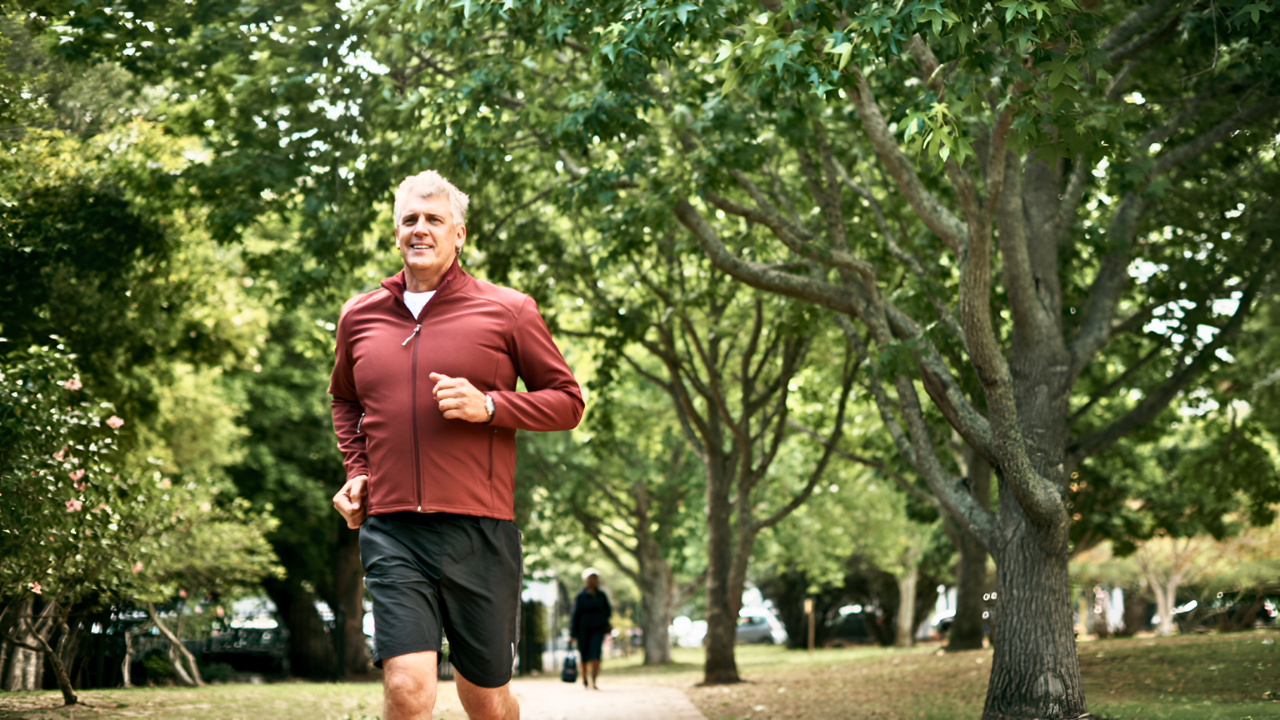
A financial analyst who logs 20-30 miles weekly on mountain trails noticed something unsettling. The runners regularly outpacing her weren’t her age—they were in their 70s, moving with grace and endurance. That’s when Avery White realized that aging isn’t a single thing. It’s two completely different paths.
Some people surrender abilities they could have kept. Others keep building. The difference? It isn’t luck. It’s the 10 things you’ll discover in this article that separate the exceptional senior from the struggling one.
The Capability Gap Nobody Talks About
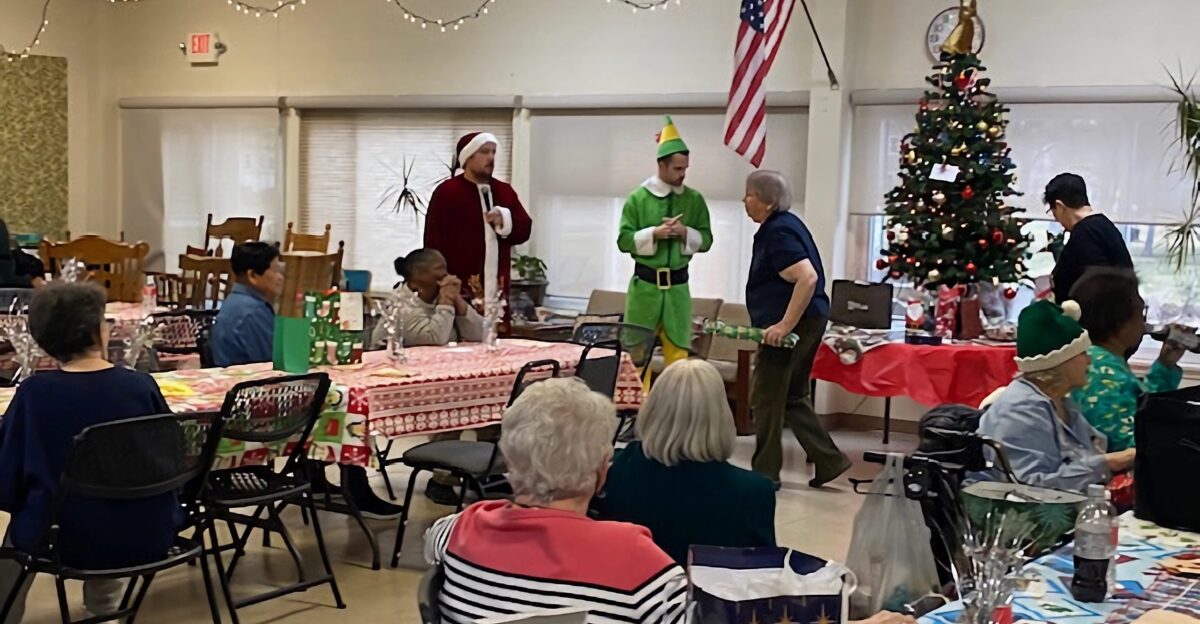
Walk into any senior center, and you’ll see it: a massive difference between people the same age. One couple is booking solo travel. Another can’t manage online banking. One friend cooks elaborate dinners. Another relies on takeout. Both groups are 70. Both groups assume their abilities are “just how aging works.” They’re wrong.
According to research, these aren’t random. They’re markers of choices made decades earlier. And they’re predictive.
The “Rare Gem” Status You’ve Never Heard Of
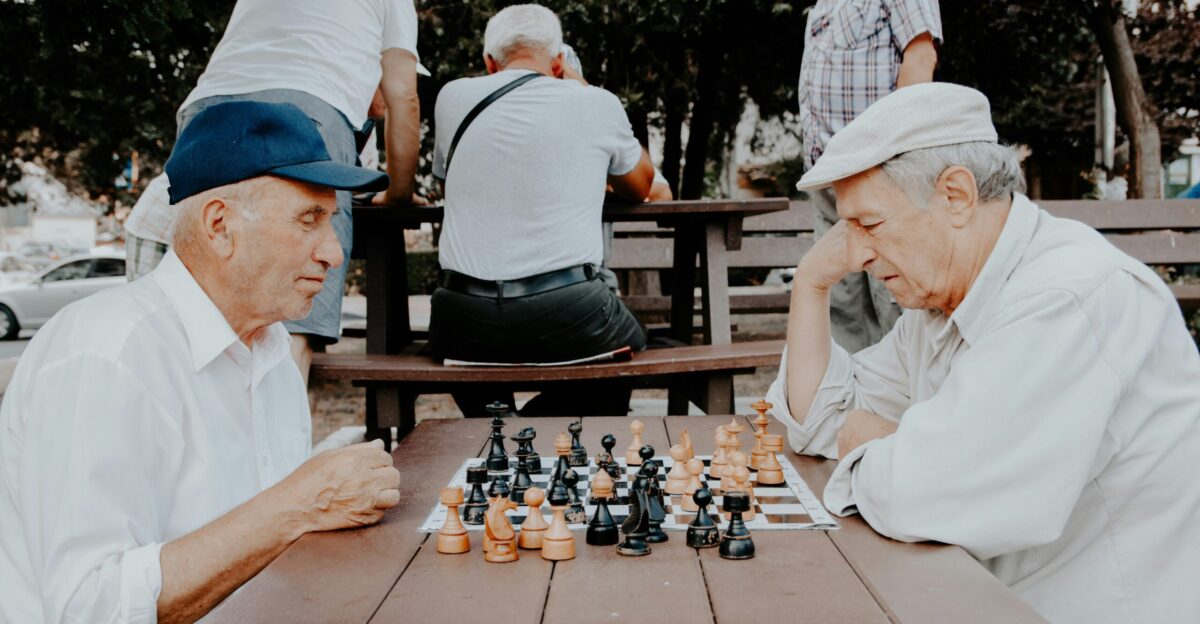
Social scientists have a notable finding: most seniors lose multiple independent abilities by the age of 75. Not because they have to. Because they stop trying, but a smaller group—the exceptional ones—keep going. They still drive at night. Still cook elaborate meals. Still learn new technology. Still travel alone. Still advocate for themselves in medical settings.
These aren’t superhuman feats. They’re daily choices that signal exceptional cognitive and physical function.
Genetics Isn’t the Answer
Here’s what most people get wrong: they assume exceptional aging is a matter of genetic luck. A 2022 review of longevity studies published in Immunity & Ageing confirmed the scientific consensus: only about 25% of the variation in human lifespan is determined by genetics. The other 75%? Lifestyle, choices, and environment.
This means that for most seniors, the ability to perform these 10 tasks isn’t about being born “lucky.” It’s about what they chose to do—or not do—for the last 40 years.
Your Brain Is Literally Changing Right Now
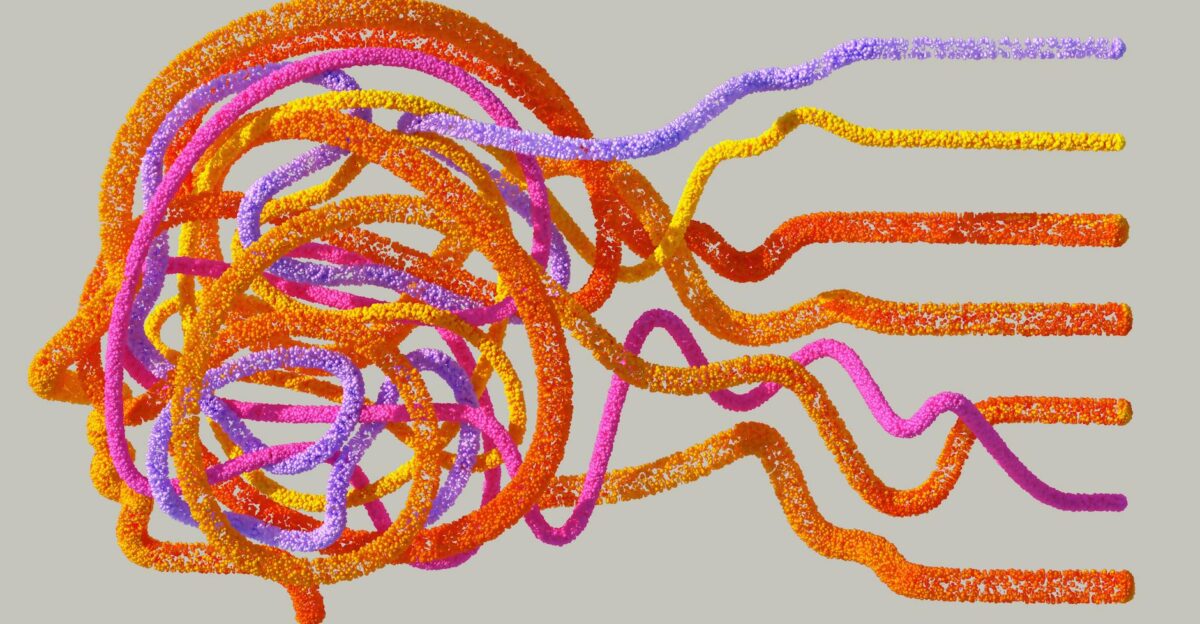
Neuroscience has a principle called neuroplasticity, which means that your brain can rewire itself in response to demand. The skills you practice get stronger. The skills you abandon atrophy. This is why so many seniors lose abilities they could have kept. They stopped driving at night, so their visual processing speed declined. They stopped cooking, so their executive function weakened.
Here’s the flip side: every time you engage in one of these 10 abilities, you’re sending a signal to your brain that this neural pathway is essential. You’re building resilience against decline.
1. The Financial Litmus Test
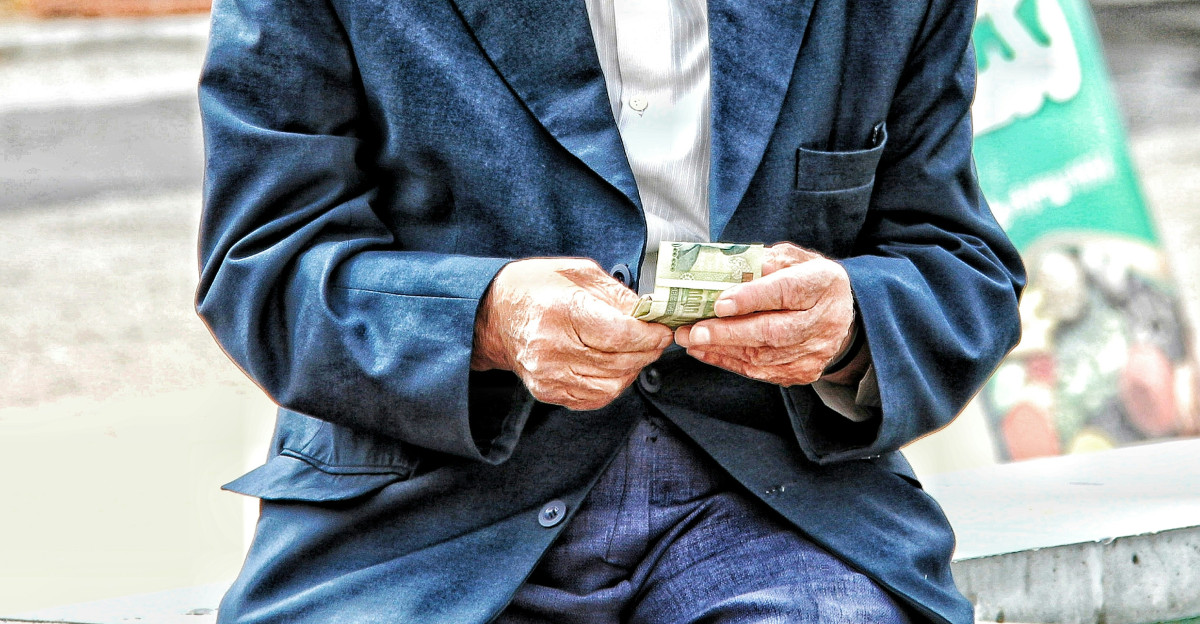
Managing finances independently—balancing checkbooks and spotting fraud—is often the first skill to slip. A 2025 study published in The Gerontologist found that older adults with developing dementia often lose awareness of their financial decline long before they realize it, a condition researchers termed “financial anosognosia.”
If you’re still confidently managing your own money, you’re passing a complex cognitive test every single day.
2. Tech Adoption as a Brain Shield
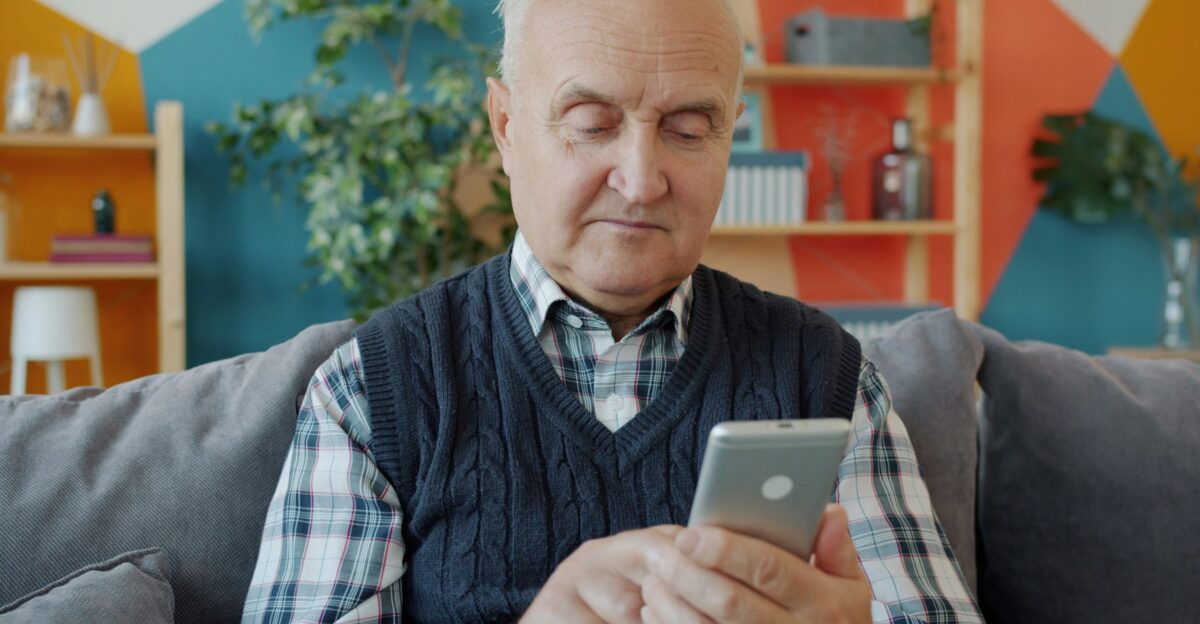
If you’re still troubleshooting your own smartphone and learning new apps, your brain is functioning at an elite level. A 2025 study on technology adoption found that seniors “reluctant to technology” displayed lower crystallized intelligence scores than their tech-embracing peers.
The willingness to learn new tools signals cognitive flexibility—the brain’s ability to adapt to new situations and challenges. It also protects against the “internalization of negative aging stereotypes.”
3. Mastering the Night Road

Driving at night requires rapid visual processing and split-second decision-making. These are the exact cognitive skills that fade first. A 2023 study published in Transportation Research found that while drivers over 75 face a 23% increase in injury odds overall, driving at night specifically raises those odds by 1.78 times.
If you still feel confident navigating unlit roads, your visual acuity and reaction times are performing well above average. This ability indicates that your brain is still processing the world in real-time.
4. The Muscle of Independence
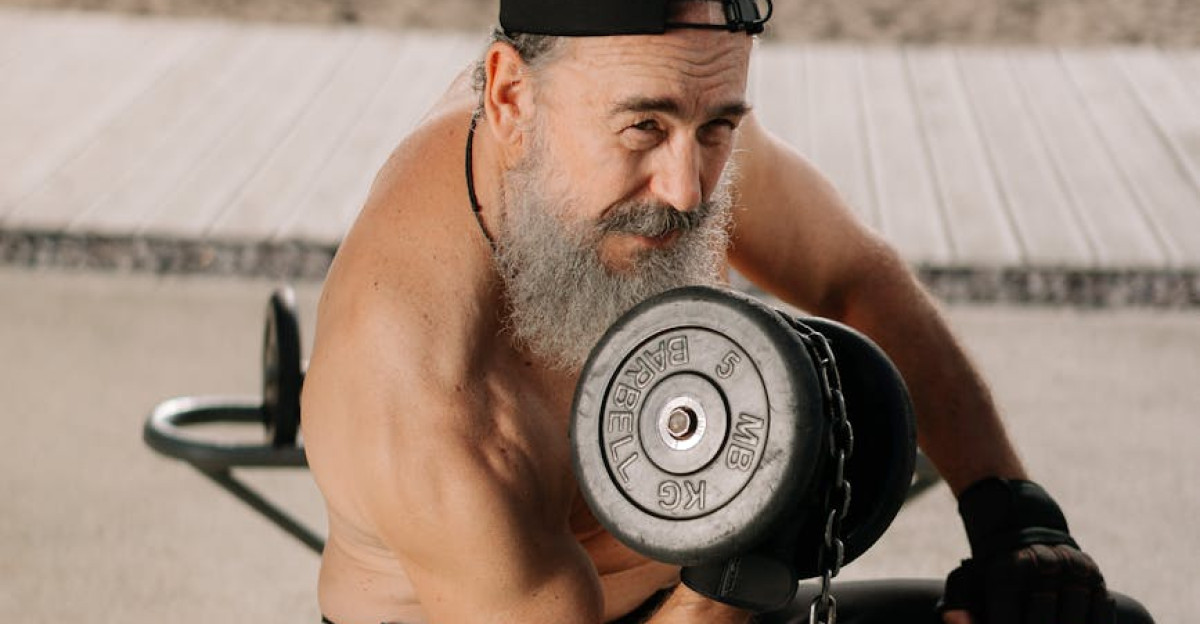
Adults naturally lose up to 8% of their muscle mass per decade starting in their 30s or 40s. This condition—sarcopenia—is the primary physical driver of frailty and loss of independence. But seniors who maintain rigorous exercise routines are doing something remarkable: they’re actively reversing this biological tide.
According to the Cleveland Clinic, strength training at any age can rebuild muscle and restore function. If you’re still lifting weights or swimming laps, you’re not just staying fit. You’re fighting the exact biological process that forces most seniors into assisted living.
5. The Alchemy of Cooking
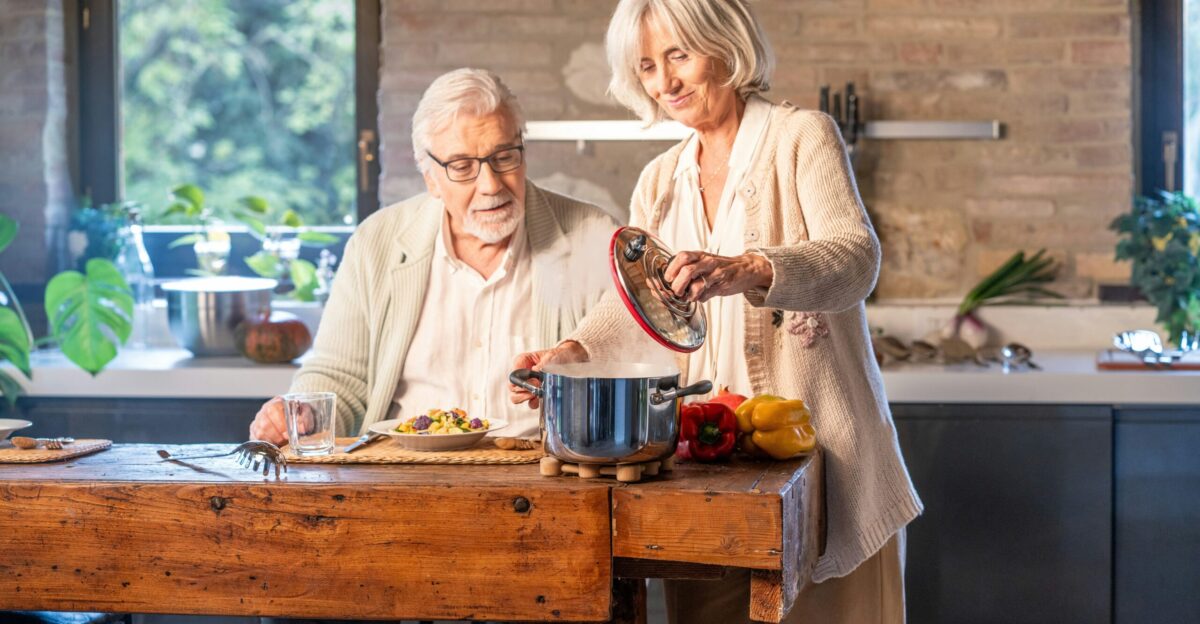
Cooking from scratch involves planning, timing, and multitasking—a daily cognitive workout many seniors abandon. A 2022 study published in Frontiers in Nutrition found that a 7-week healthy cooking class improved participants’ mental health for six months afterward.
Cooking engages your sense of smell, taste, and touch—all sensory pathways that decline with age. If you’re still preparing elaborate meals instead of relying on processed foods, you’re engaging in a form of daily brain therapy that boosts both vitality and cognitive reserve.
6. The Solo Traveler’s Resilience
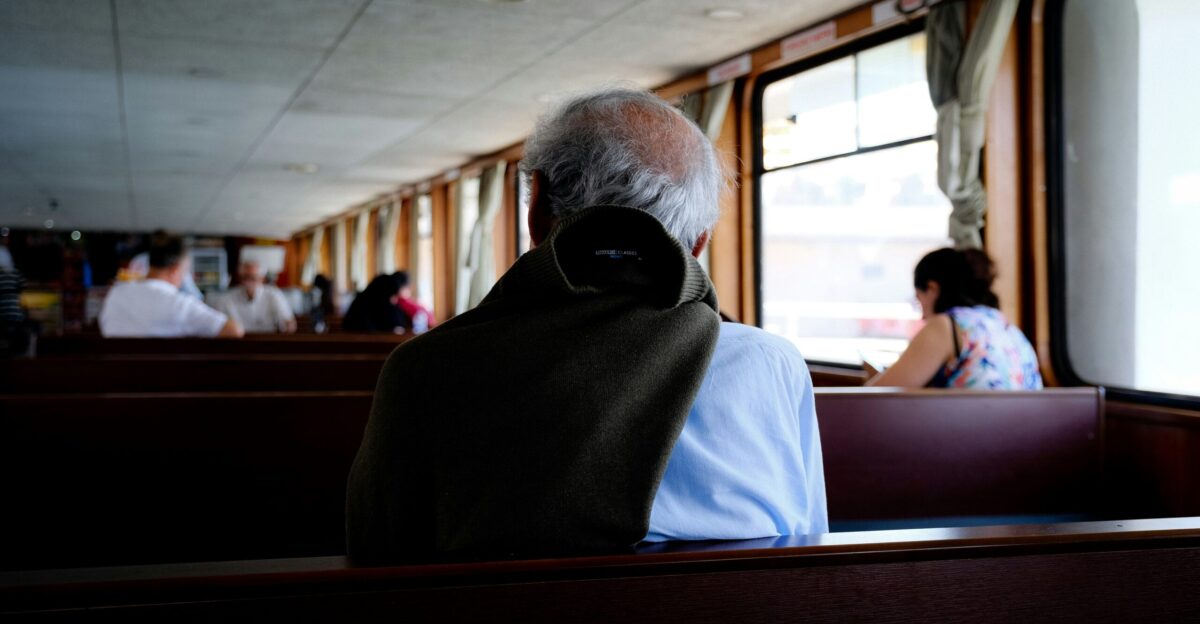
Solo travel requires self-reliance and problem-solving at every turn. You’re navigating foreign transit systems and managing complex logistics on your own. The seniors who travel solo are demonstrating remarkable physical resilience and cognitive flexibility.
According to a Road Scholar report, 85% of their solo travelers are women, and the majority of them are over 65, challenging the stereotype that older adults stop exploring.
7. The Friendship Paradox
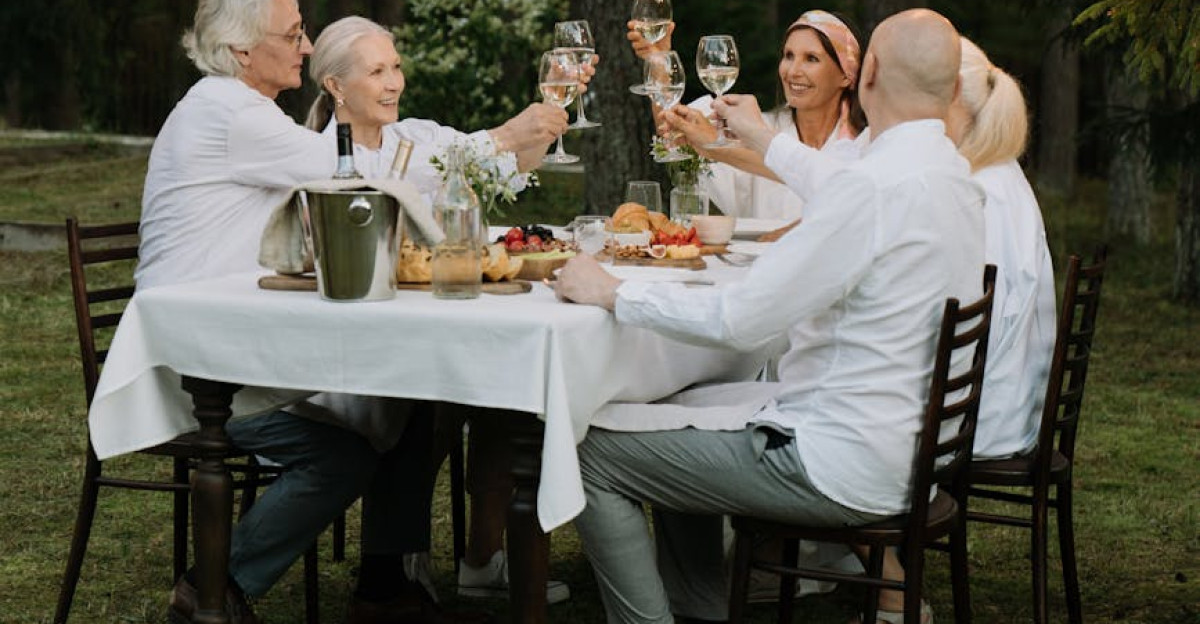
Maintaining friendships requires active engagement—planning meetups, being interesting, and reciprocating care. A landmark meta-analysis published in Perspectives on Psychological Science found that living alone—a key proxy for isolation—increases mortality risk by 32%.
If you’re actively nurturing a social circle, you’re doing a significant amount of cognitive work. You’re staying socially engaged, which studies show delays cognitive decline, and building a survival mechanism that protects you from health crises.
8. The Reader’s Survival Advantage
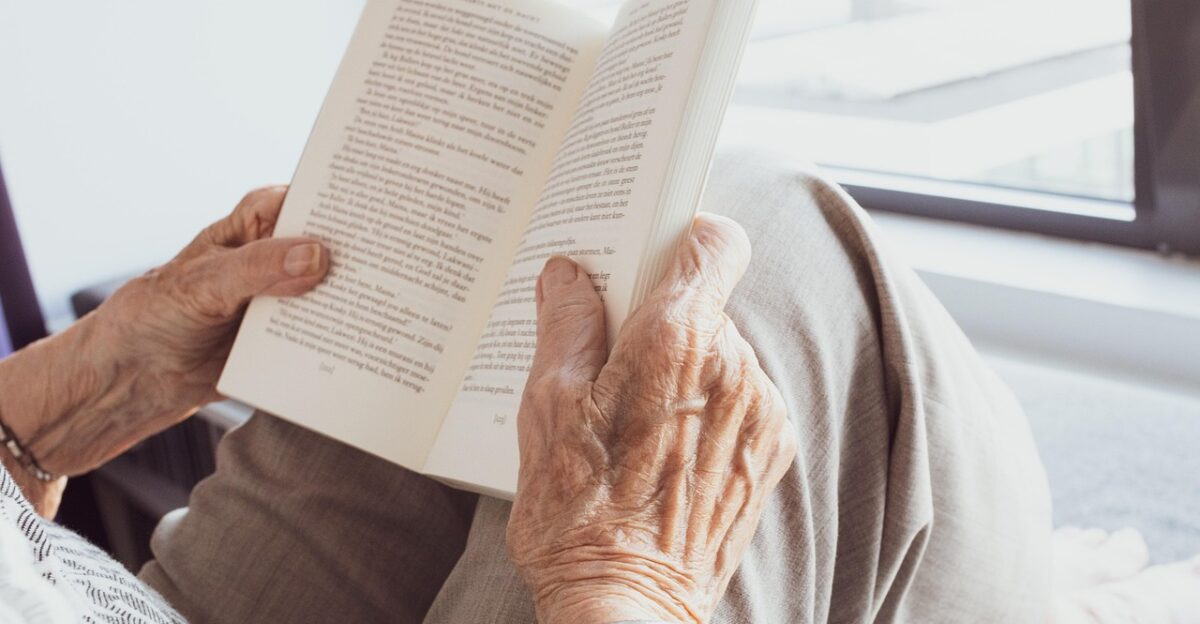
A study published in Social Science & Medicine by Yale University found that individuals who read books experienced a 20% reduction in mortality compared to those who did not read books. The difference between book reading and reading newspapers was statistically significant.
Why? Deep reading builds what neuroscientists call “cognitive reserve.” When you read a challenging novel, you’re engaging sustained attention and memory.
9. The Fortress of Home
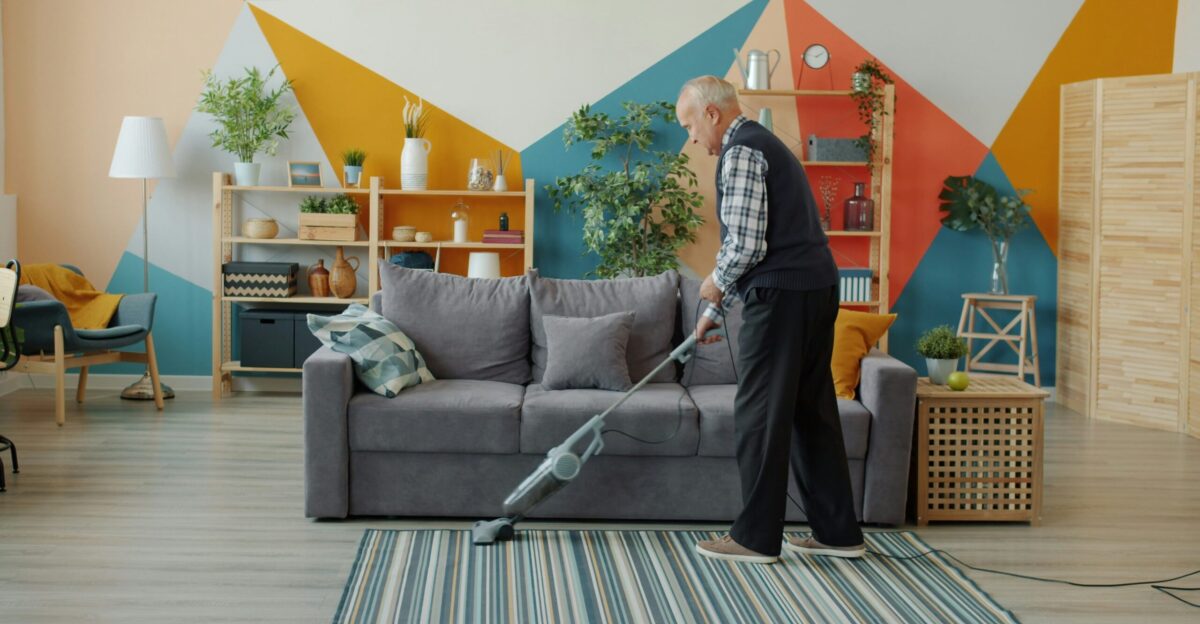
Aging in place requires the physical ability to handle repairs and deep cleaning. A 2024 survey found that 37% of older adults struggle with cleaning, and 32% find outdoor maintenance difficult. These are the breaking points that often force seniors into assisted living.
Seniors who maintain their homes are doing more than staying independent. They’re maintaining balance, dexterity, and strength.
10. The Medical Captain
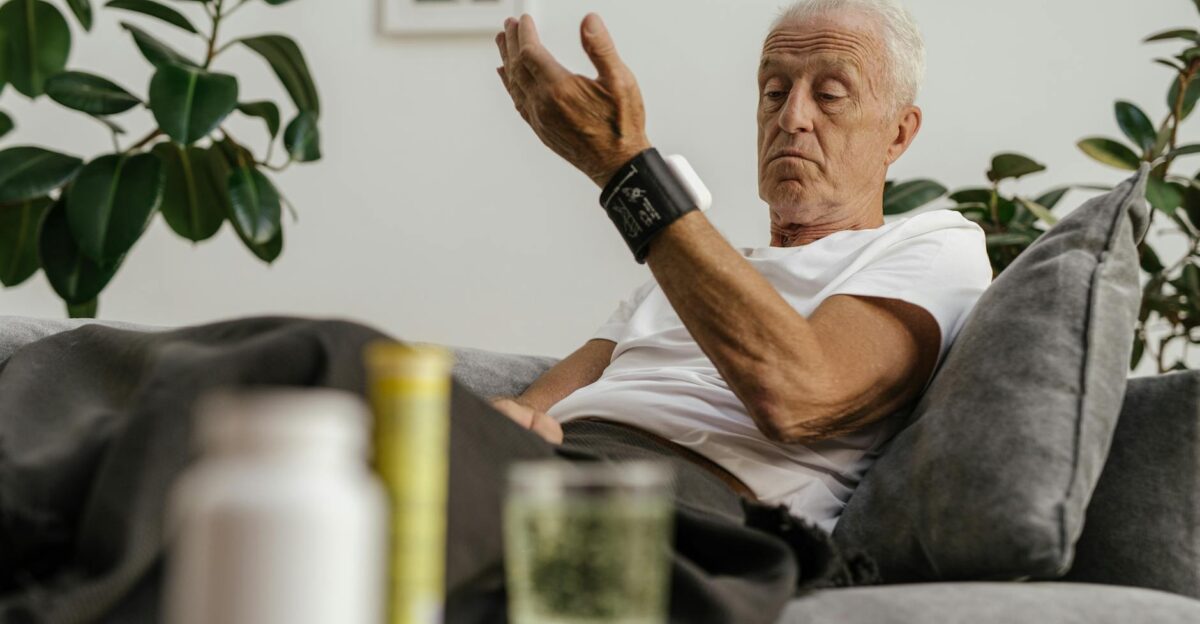
Advocating for yourself in medical settings—asking tough questions and challenging doctors—is a rare occurrence. According to the 2003 National Assessment of Adult Literacy, only 12% of American adults have proficient health literacy overall. For adults over 65, this number drops to just 3%.
If you’re the captain of your own healthcare ship, you’re an exceptional outlier. This ability requires confidence and knowledge—qualities that decline when people accept a passive role.
The Cumulative Fortress Effect
These abilities don’t exist in isolation. They reinforce one another. Physical exercise builds stamina for travel. Reading complex books sharpens the cognitive focus for financial management. Strong friendships keep you motivated to cook. Health literacy ensures you stay physically well enough for everything else.
If you possess all 10, you’ve built what researchers call a “resilience ecosystem.” Each habit protects and amplifies the others, creating a formidable defense against frailty.
The Attitude Factor—Your Invisible Superpower
Your attitude toward obstacles acts as a self-fulfilling prophecy. When you view a broken appliance as a problem instead of a puzzle, you’re signaling a broader withdrawal from engagement. Seniors who maintain these 10 abilities tend to view challenges differently.
A new smartphone is a puzzle to solve, not a hassle to avoid. A broken fence is a project, not a reason to give up. This mindset matters more than you think.
The Invisible Decline Nobody Warns You About
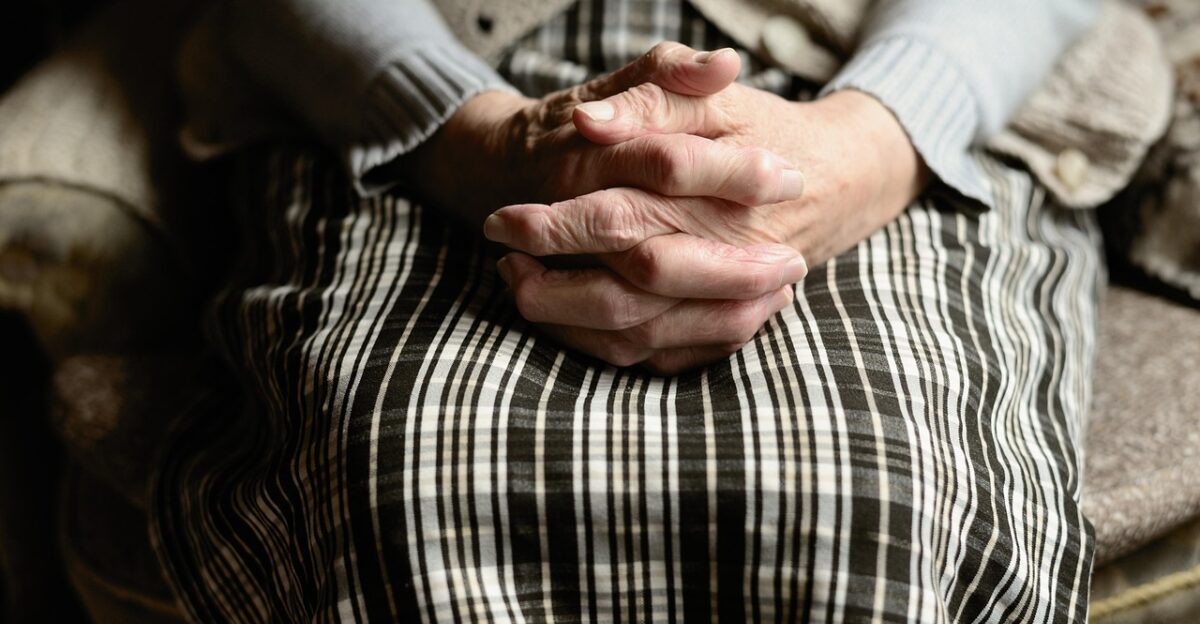
One of the most dangerous aspects of aging is that capacity often erodes invisibly. You don’t notice when you stop driving at night. You don’t realize when cooking becomes “too complicated.” By the time you understand you’ve lost abilities, the neural pathways have already atrophied.
This is why White emphasizes the importance of honest self-assessment. If you’re monitoring your own performance and honestly asking whether you can still do these things, you’re protecting yourself from the “invisible decline” that catches so many off guard.
It’s Never Too Late to Restart
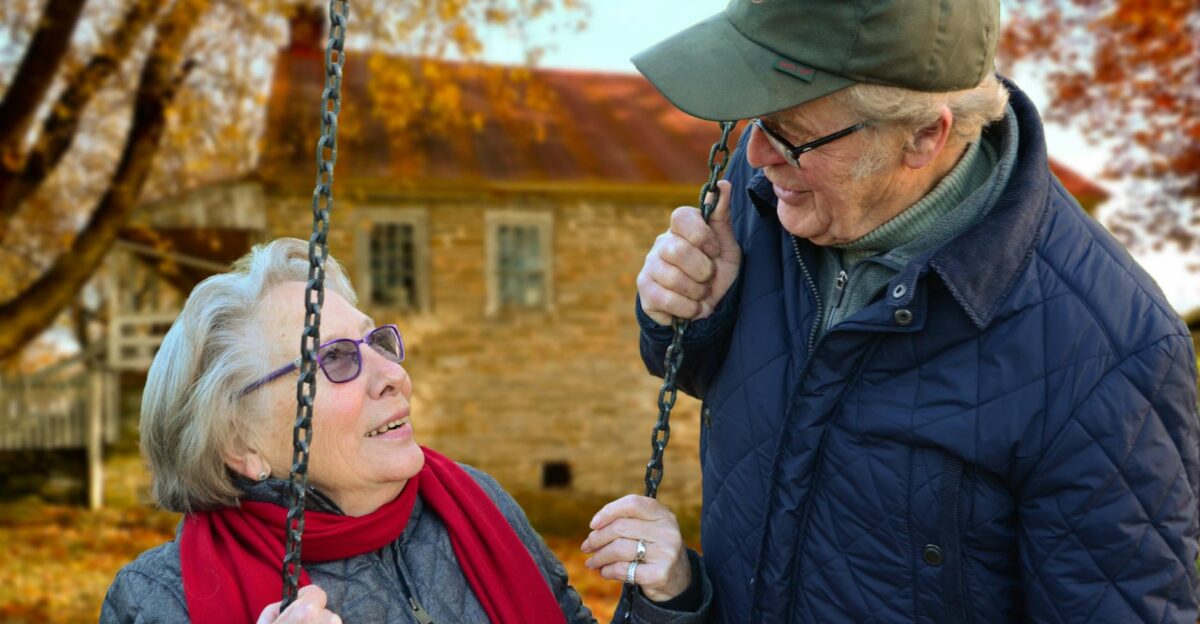
If you find yourself missing a few of these 10 abilities, the research offers genuine hope. The 2022 cooking intervention resulted in measurable improvements in mental health. Sarcopenia can be reversed with strength training at any age. Technology skills can be relearned. Solo travel can be rebooked.
These aren’t permanent losses. They’re paused abilities waiting to be reactivated. The “rare gem” status isn’t an exclusive club you’re born into. It’s a status you can earn—or re-earn.
The Choice That Defines Your 80s

“There’s a massive difference between simply aging and aging well,” White concludes. It’s easy to let these 10 things slip one by one. You hire a cleaner instead of doing the cleaning yourself. You give up the car keys instead of driving at night. You let a spouse handle the money. You stop cooking. You stop traveling. You stop trying.
Fighting to keep these abilities is what separates the average senior from the exceptional one. The research is clear: genetics loaded the gun, but your lifestyle pulls the trigger.
Sources:
Immunity & Ageing 2022 longevity review
The Gerontologist 2025 financial anosognosia study
Transportation Research 2023 night driving study
Frontiers in Nutrition 2022 cooking intervention study
Perspectives on Psychological Science isolation meta-analysis
Social Science & Medicine Yale University reading study