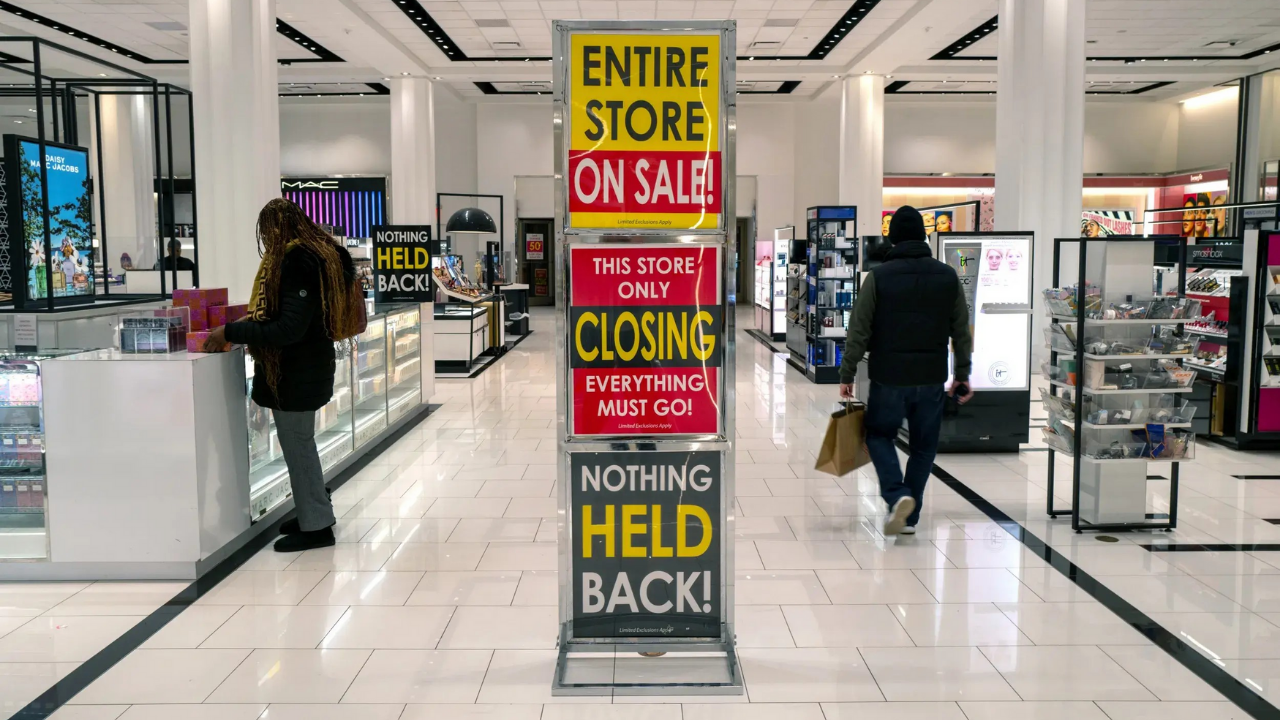
The carousel’s last turn echoed through the once-bustling halls of Westminster Mall on October 29, 2025. After 51 years of serving as a retail hub, the iconic mall’s doors are shutting for good. What once housed hundreds of stores and attracted millions of visitors is now on its final breath, marking the end of an era.
The mall’s 1 million square feet of retail space—home to generations of shoppers—is being replaced by housing, green spaces, and a new vision for the future.
But how did Westminster fall to this fate? What happened to make this once-thriving center of commerce and community vanish? And what does its closure reveal about the future of American malls?
Why Is Westminster Mall Closing?
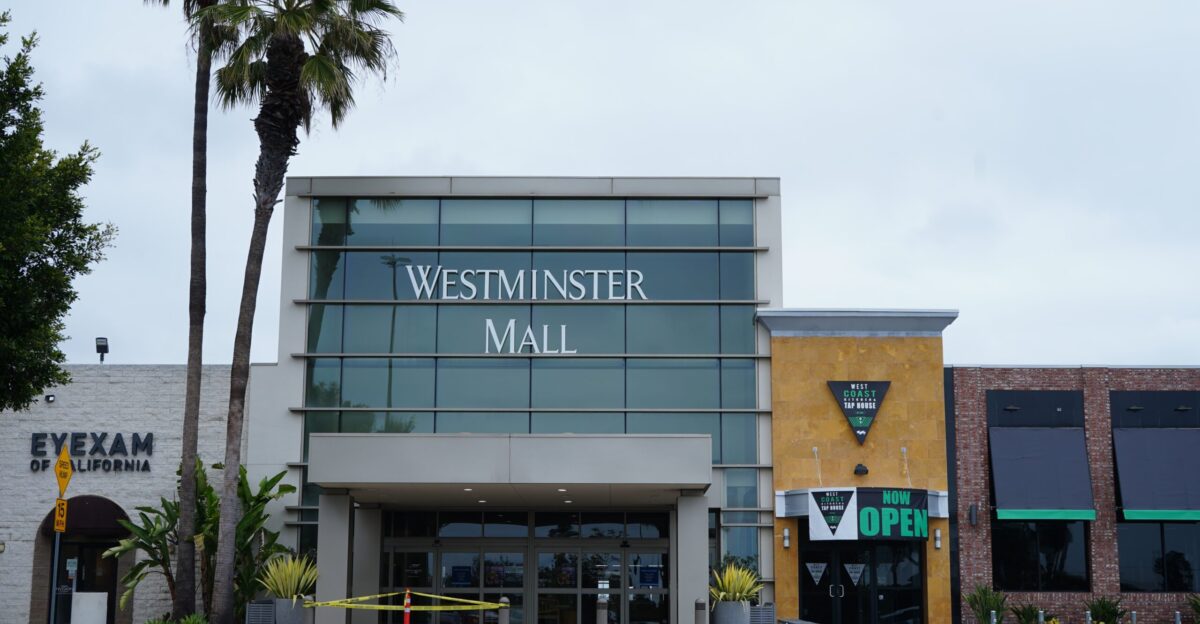
E-commerce, declining foot traffic, and shifting shopping habits contributed to Westminster Mall’s decline.
In 2022, the Westminster City Council approved a plan to redevelop the 100-acre site into a mixed-use neighborhood.
The new project includes 3,000 housing units, shops, and parks. City leaders hope this transformation will meet local housing needs, attract new residents, and shape a more sustainable and connected community for the city’s next generation.
Hundreds Face Layoffs
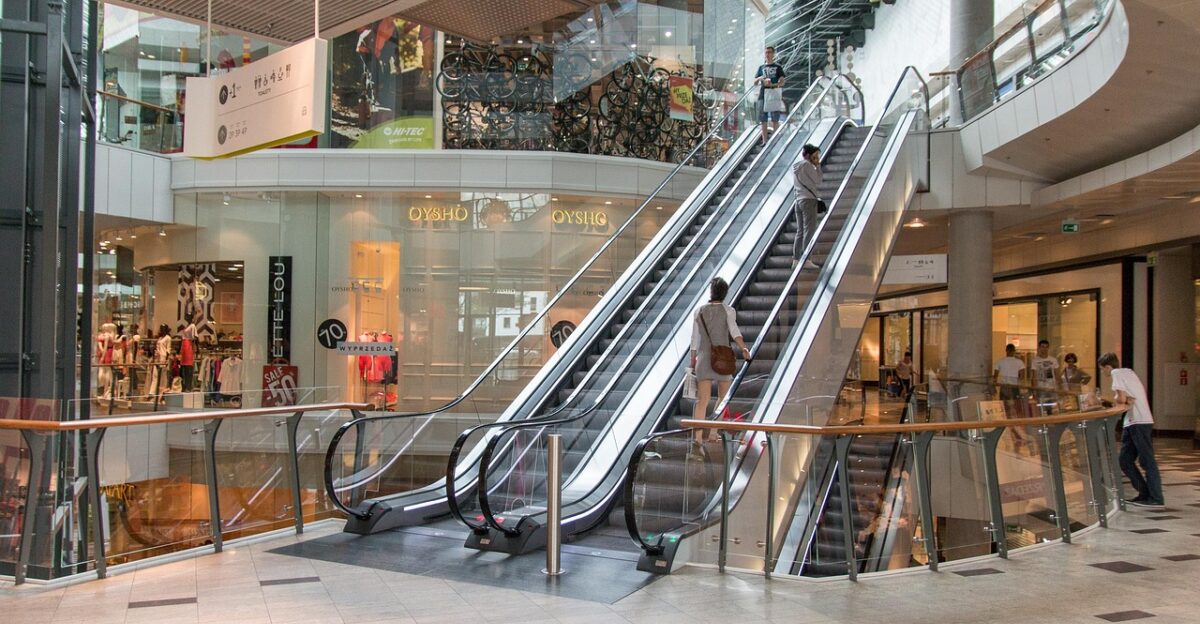
Hundreds of workers lost their jobs when Westminster Mall closed. Stores like Victoria’s Secret, Vans, and Kay Jewelers shut down, leaving employees uncertain about their futures.
Target remains open during early redevelopment phases, offering limited job continuity. The closures demonstrate how retail changes disrupt local economies.
Workers now face the challenge of finding new employment as the county transitions toward mixed-use developments and online-driven retail systems.
Retailers Pivot

Retail chains continue adjusting to survive. JCPenney closed its Westminster Mall store in 2023, while Target remains open.
Many brands now focus on smaller locations and online sales. They’re investing in technology, improving delivery networks, and streamlining operations.
This shift reflects a nationwide strategy to meet customers where they are—online and in local neighborhoods—rather than rely on outdated mall traffic and large-scale retail spaces.
Rise of Mixed-Use Developments
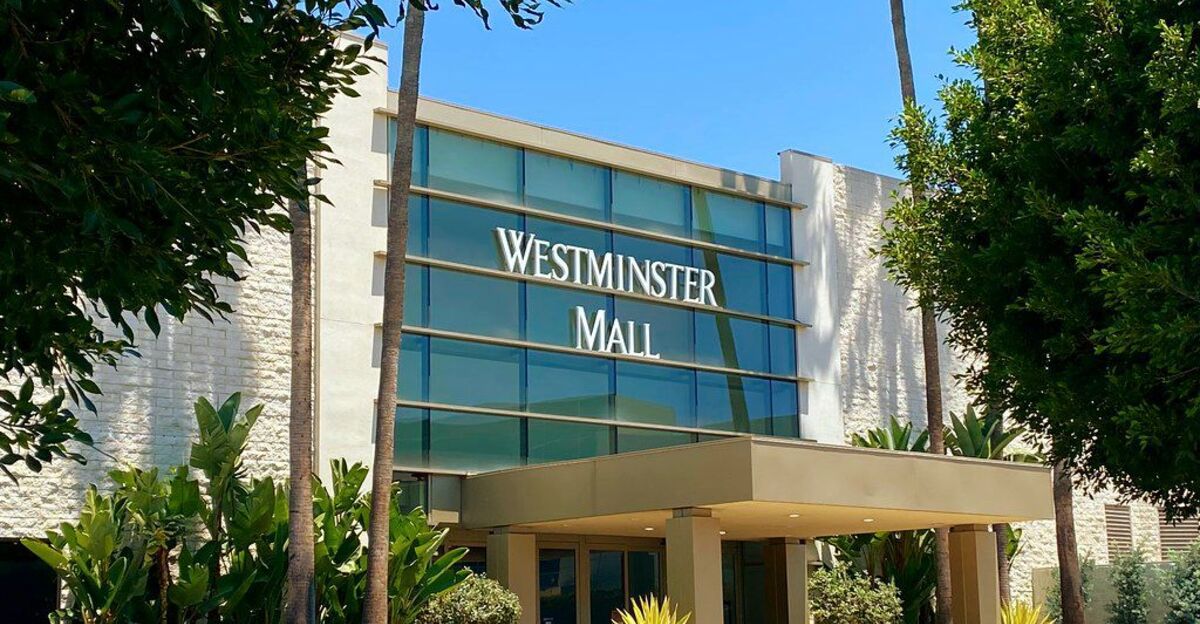
The redevelopment of Westminster Mall marks a new chapter in American urban design. Its 100-acre site will become a walkable mixed-use district with homes, green spaces, and modern retail.
This trend is spreading across California as cities replace aging malls with vibrant, community-focused developments.
These projects blend shopping, dining, and living areas, offering residents both convenience and a stronger sense of local identity.
International Trade Effects: Global Retail Shifts

Westminster’s closure mirrors a worldwide shift in retail. Global brands like Victoria’s Secret and Vans are reducing their store counts and increasing e-commerce investments.
They’re redesigning sales strategies to reach customers directly online and reduce reliance on large physical spaces.
The transformation represents how the U.S. retail market influences global trade, encouraging companies to innovate through digital platforms, sustainability, and localized brand experiences.
Community Farewells
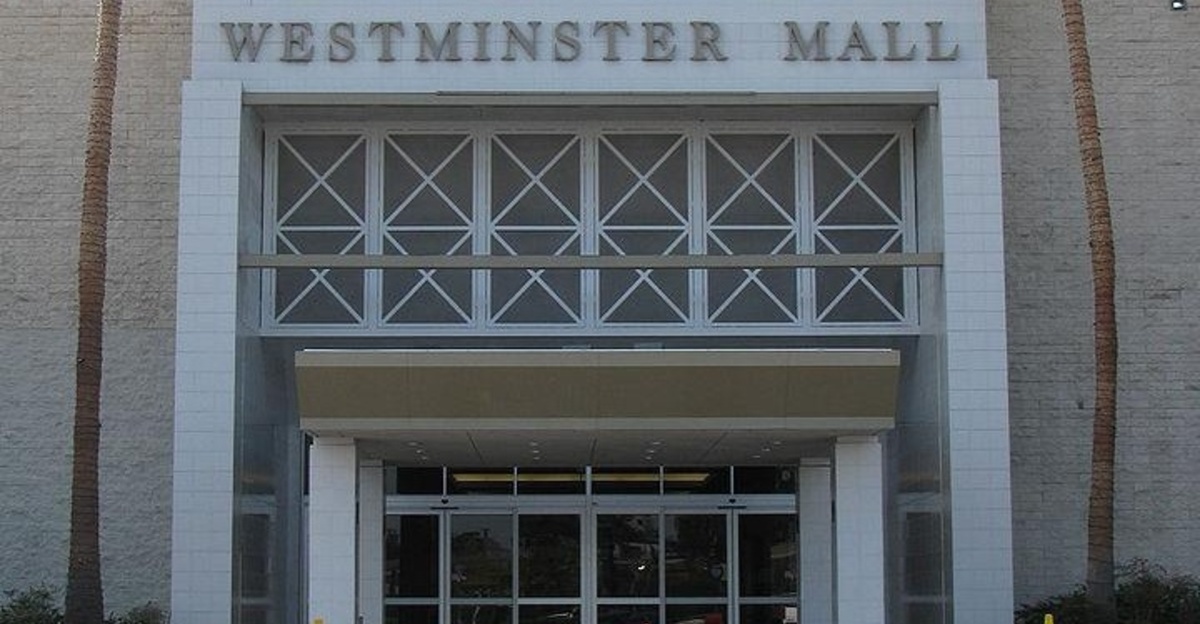
Community members gathered to say goodbye to Westminster Mall. Many grew up shopping, working, or meeting friends there. Farewell events and local tributes celebrated its history while capturing a sense of loss.
Residents shared memories of visiting the carousel, the food court, and holiday displays. Their reactions show how malls once served as more than shopping centers—they were emotional anchors for suburban social life.
City Council’s Redevelopment Vision
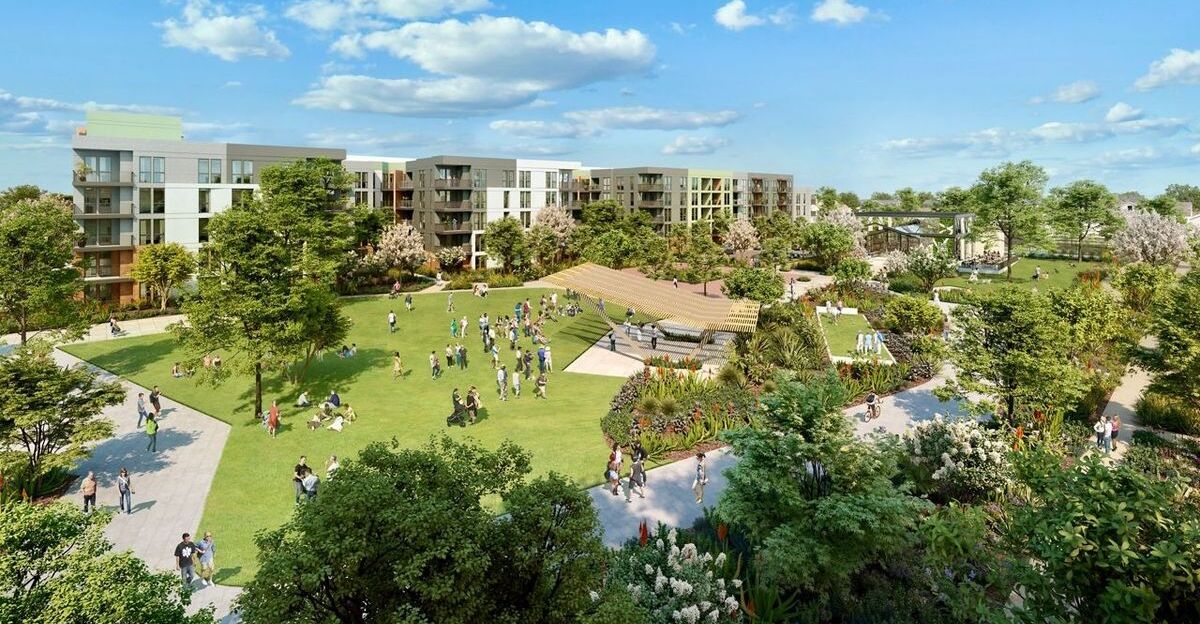
The Westminster City Council’s 2022 decision to redevelop the site set a bold direction for the city’s growth. The plan envisions 3,000 housing units, parks, and retail spaces designed to support smart, sustainable living.
Officials want to attract new residents and create balanced urban ecosystems. By replacing aging infrastructure with mixed-use designs, Westminster aims to blend economic revitalization with improved quality of life.
Nationwide Store Closures
Store closures are sweeping across the country. Analysts expect more than 15,000 U.S. stores to close in 2025—double 2024’s total. Rising costs, inflation, and online competition drive many retailers out.
Westminster Mall’s shutdown is one piece of this national puzzle. The retail landscape is evolving rapidly as traditional malls give way to open-air centers, micro-hubs, and hybrid spaces that cater to the demands of the digital era.
Shopping Habits Evolve
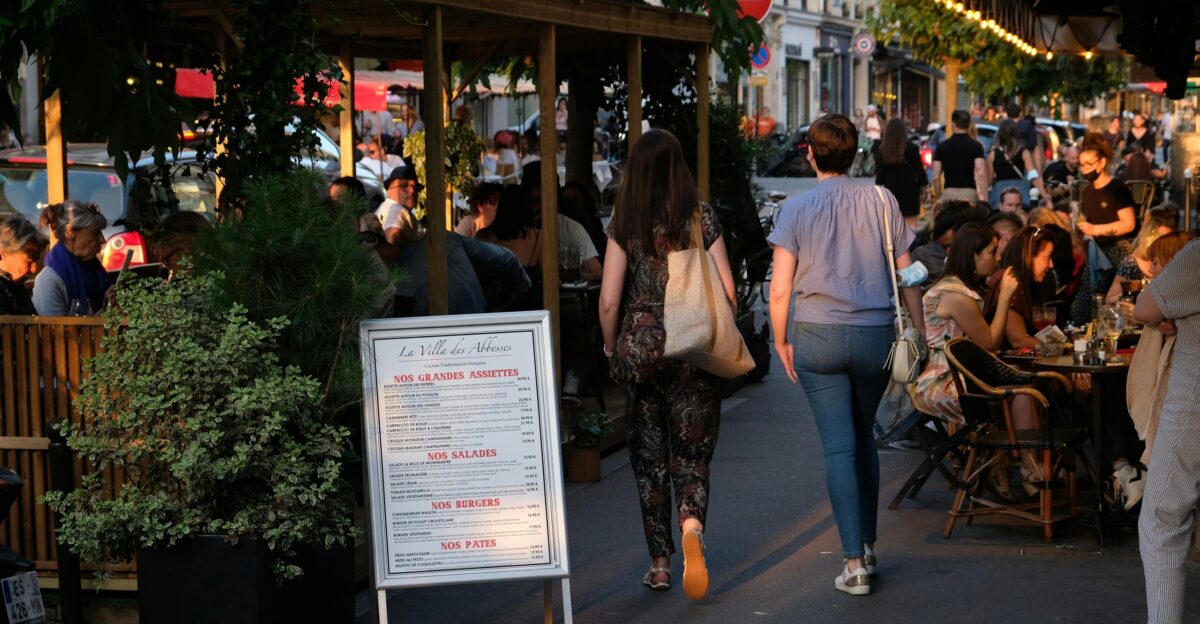
Shopping habits are evolving quickly. Consumers now prefer open-air centers and mixed-use developments where they can shop, dine, and socialize together.
Online sales continue to dominate, changing how people spend time and money. Westminster Mall’s closure reflects this cultural pivot.
Retail is evolving into a more experiential, community-oriented, and flexible landscape, focusing on everyday experiences rather than single-purpose shopping trips.
Nostalgia vs. Progress
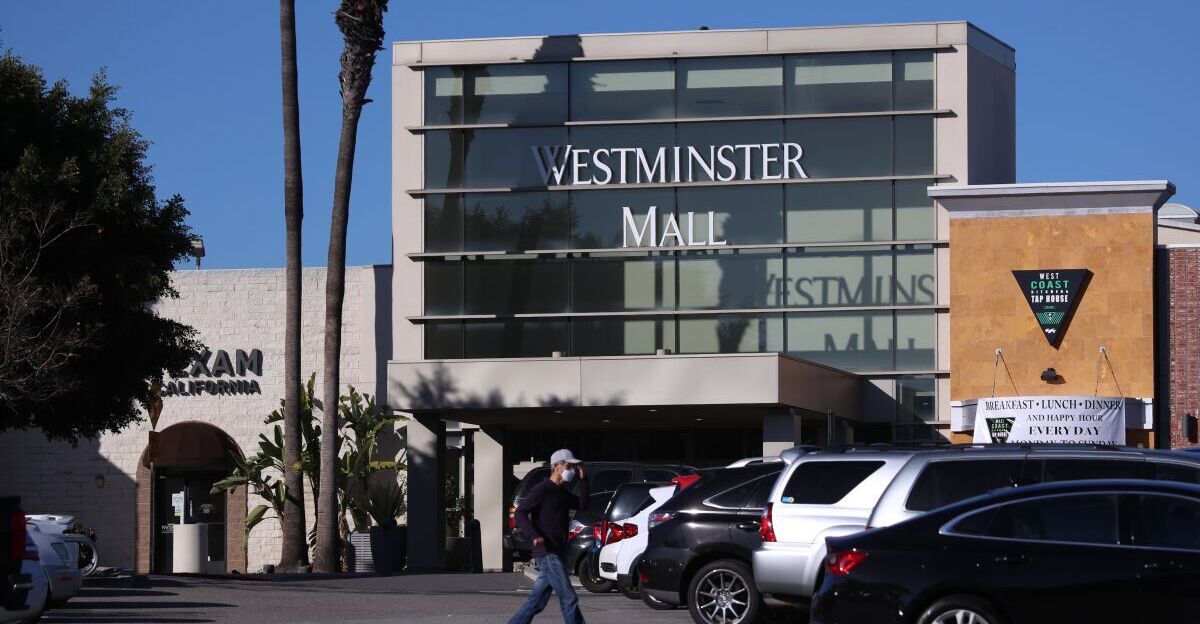
The closure sparks mixed emotions across Orange County. Older residents feel nostalgia for childhood memories inside Westminster Mall. Younger ones see progress in redeveloping outdated spaces into modern communities.
This divide represents America’s broader debate between preserving the past and shaping a sustainable future. While some mourn the loss of familiar landmarks, others welcome innovation and new opportunities for local growth.
Adapting to Retail Change

Retail experts worldwide look to the U.S. for lessons in adaptation. Malls like Westminster symbolize a global transition from physical to digital retail. International brands now favor hybrid models—smaller stores combined with online experiences.
This evolution demands flexibility, creative design, and stronger customer engagement. Westminster’s story highlights how global retailers reinvent physical spaces to match emerging consumer lifestyles and cultural expectations.
Who Benefits?
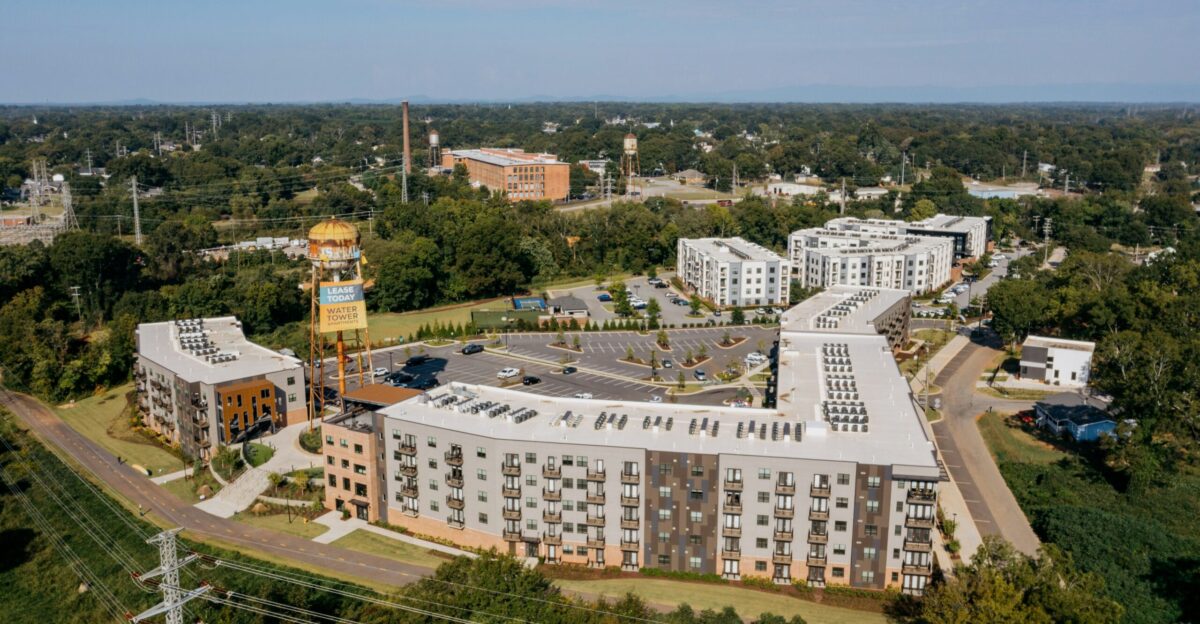
Developers and online retailers can benefit from mall redevelopments. New housing, retail, and entertainment zones promise higher tax revenues and jobs in construction and logistics.
However, workers displaced by closures face steep challenges. Legacy retailers that failed to adapt struggle to compete.
The shift from mall-based shopping to digital commerce marks a decisive financial and cultural turning point in U.S. retail.
Navigating Retail Change

Customers can find deep discounts during store liquidations as malls close. Workers affected by layoffs should explore reskilling opportunities in sectors such as logistics, technology, and real estate.
The retail economy is changing rapidly, and adaptability is crucial. Staying informed about new industries and adopting flexible work paths can help individuals manage uncertainty and prepare for emerging opportunities in this reshaped marketplace.
The Future of Retail and Community

Westminster Mall’s closure represents both an ending and a beginning. The mall once embodied suburban prosperity. Now, its transformation shows how cities evolve to meet modern needs. Mixed-use developments are replacing traditional malls, blending commerce with community living.
The story of Westminster reflects America’s shift toward sustainability, digital integration, and local connection—a blueprint for the next era of urban and retail life.