
Southern California’s agricultural backbone is under strain as unemployment soars three times the national average to nearly 19% in June 2025.
Imperial County, home to California’s most productive sugar beet farms, struggles with chronic economic instability that threatens entire communities dependent on agricultural employment.
Industry Giant

The Spreckels Sugar Company is responsible for processing more than a million tons of sugar beets are processed every year from the 20,000 across Imperial Valle, which ends up generating $243 million in economic activity.
Seven hundred workers are employed full-time and seasonally, making it the cornerstone of regional industrial employment in California’s poorest county.
Sweet Legacy

California saw the production and processing of sugar beets over a hundred years ago, in the 1890s. The first U.S. factory was built near San Francisco in Alvarado.
At the industry’s peak, eleven facilities operated statewide, processing hundreds of thousands of acres from Orange County to the Sacramento Valley before economic pressures forced widespread closures.
Escalating Challenges
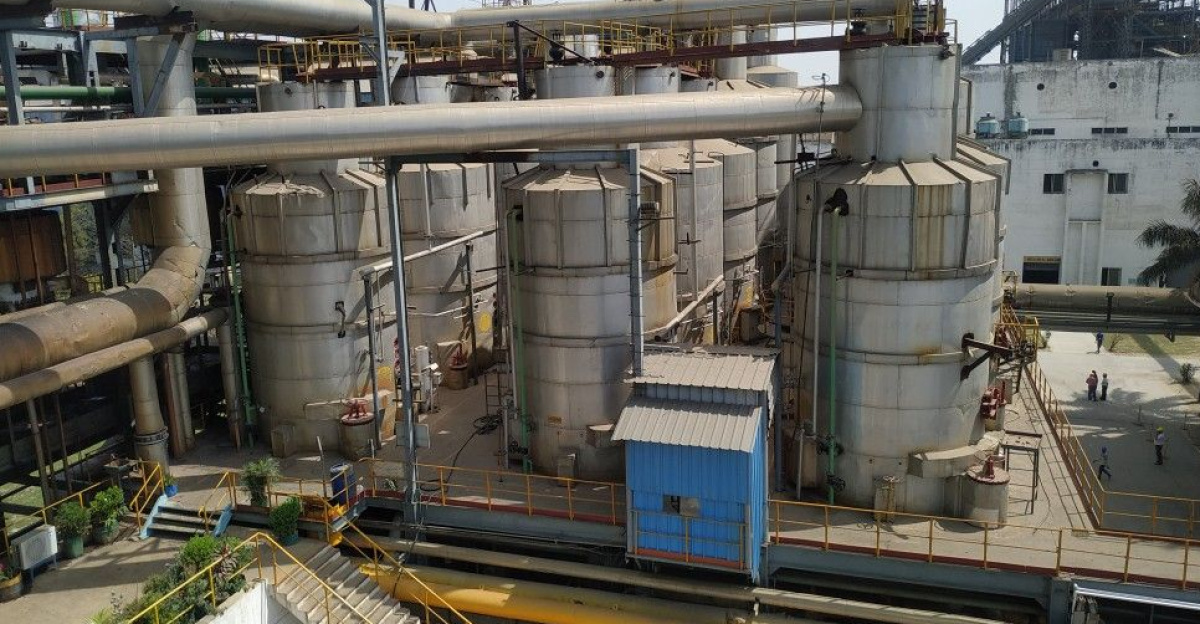
Today, the domestic sugar industry faces harsh competition from foreign rivals in countries like Brazil and Thailand. These two countries dominate exports and have lower production costs than the American industry.
Domestic producers struggle against “tier-2 imports” flooding American markets while federal loan rates fail to keep pace with inflation and rising operational expenses.
Final Chapter

Southern Minnesota Beet Sugar Cooperative is an example of this strain from competitors, with the company announcing the permanent closure of the Spreckels Sugar factory on April 22, 2025.
The facility, which opened in 1947 as Holly Sugar, represents California’s last remaining sugar beet processor and marks the end of nearly a century of sugar production in the state.
Workforce Devastation

The seven hundred workers who are facing job losses when the factory closes include 180 full-time positions and more than 500 seasonal workers. These employees’ livelihoods depend on harvest-season employment.
The plant’s closure eliminates the region’s highest-paying blue-collar jobs, with many workers earning $25-30 per hour during peak operations compared to minimum-wage agricultural alternatives.
The Effects On People
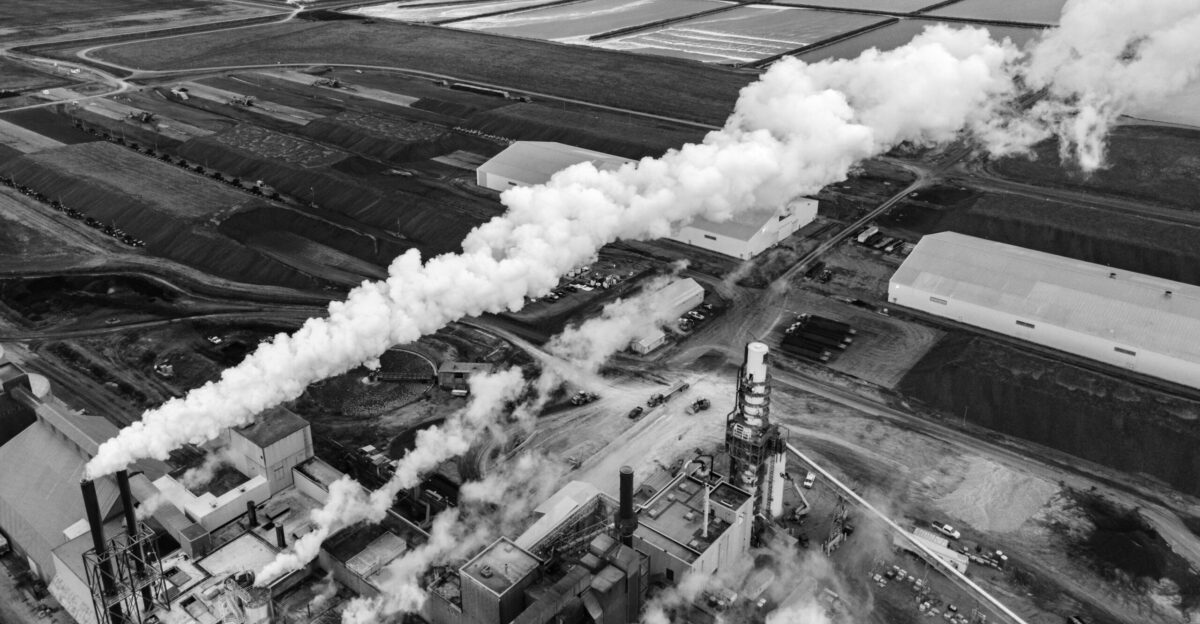
People living across Imperial Valley are in the shadow of limited job prospects in a region where the unemployment is already three times higher than the national average.
EO Paul Fry acknowledged the difficult decision in the company’s official statement: “This was a difficult decision brought about by factors largely out of our control. Despite our extensive investments in the facility, the economic challenges facing the sugar industry have been building for several years as the costs of operating the Spreckels facility have continued to escalate.”
Global Context
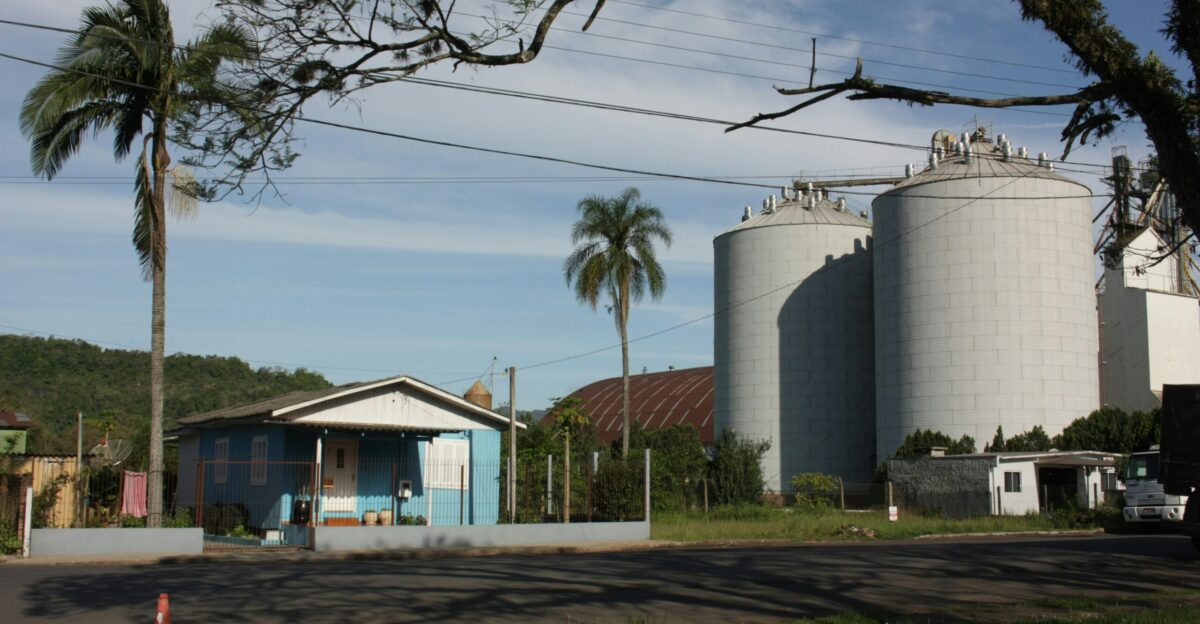
Brazil is the leading country of sugar production at 43 million metric tons every years. Thailand and India are close behind and are major exporters in their own right. Foreign sugar supply creates intense price pressures on domestic producers.
Market analysts report that the global sugar market experiences extreme volatility, with prices fluctuating dramatically, making it one of the world’s most unstable commodity sectors.
Federal Framework

In America, new sugar producers are barred from being created, no matter how much demand there is. Strict federal sugar quotas limit the processing rights to just seven companies across the nation.
USDA data shows that beet sugar production quotas are carefully managed, with Southern Minnesota’s closure transferring California’s allocation permanently to Minnesota operations.
Agricultural Decline
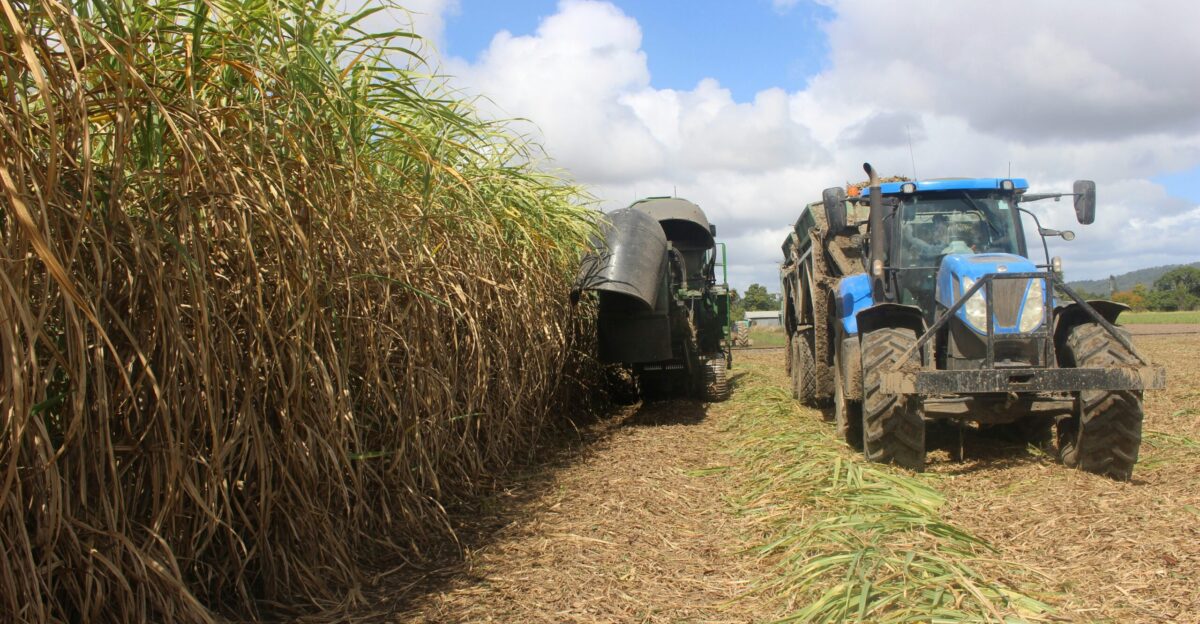
California’s sugar beet acreage has fallen dramatically in the last 80 years, dwindling from 50,000 acres to just 20,000 today.
The state once ranked among America’s top sugar beet producers alongside Michigan and Minnesota, but is now exiting the industry entirely after supporting local agriculture for over a century.
Communication Breakdown

Imperial County supervisors discovered the closure through worried employees rather than official company notification, creating tension between local officials and Southern Minnesota executives.
The lack of advance consultation frustrated county leaders who had previously worked with the company on tax incentives and infrastructure improvements to support operations.
Leadership Profile

Paul Fry assumed leadership of Southern Minnesota Beet Sugar Cooperative in July 2022, bringing 25 years of experience in sugar processing optimization and plant management.
Professional profiles reveal his engineering background, which includes efficiency improvements at American Crystal Sugar Company and Minn-Dak Farmers Cooperative, where he specialized in cost reduction strategies.
Political Gambit

Imperial County supervisors embarked on a Washington, D.C. lobbying trip seeking congressional intervention to allow construction of a new sugar processing facility under different ownership.
Chairman John Hawk acknowledged the uphill battle ahead, telling KPBS reporters: “It’s going to be very tough” to overcome federal quota restrictions that currently prevent new sugar processing operations.
Expert Assessment

UC Davis agronomist Stephen Kaffka emphasized Imperial Valley’s unique advantages, calling it “probably the most efficient place in the world to grow sugar,” as reported by KPBS.
Despite optimal growing conditions, including year-round sunshine and rich soil, financial realities favor consolidation in Minnesota, where overhead costs and transportation logistics create better profit margins.
Farmer Dilemma

Sugar beet growers must now decide between converting 20,000 acres to less profitable crops like alfalfa or leaving fields fallow, both economically damaging options.
Water rights allocated for sugar beet irrigation may become stranded assets, as alternative crops require different water schedules and volumes than the intensive sugar beet growing cycle.
Regulatory Roadblock

The federal sugar program’s quota system, designed to protect domestic producers, paradoxically prevents new facilities from entering the market even when demand exists.
Policy analysts suggest that congressional action may be required to modify allocation rules that lock production rights to existing companies rather than geographic regions.
Trade Implications

America’s shrinking domestic sugar production increases reliance on imports from Brazil, Thailand, and Mexico, potentially affecting food security during global supply disruptions.
Trade data indicates that reduced U.S. processing capacity strengthens foreign producers’ negotiating position with American food manufacturers who require consistent sugar supplies.
Water Resources

The closure affects over 100,000 acre-feet of Colorado River water rights historically used for sugar beet cultivation, creating uncertainty about future water allocation and conservation strategies.
Research from UC Davis shows that sugar beets efficiently utilize irrigation water compared to other crops, making their elimination potentially problematic for regional water management.
Community Impact
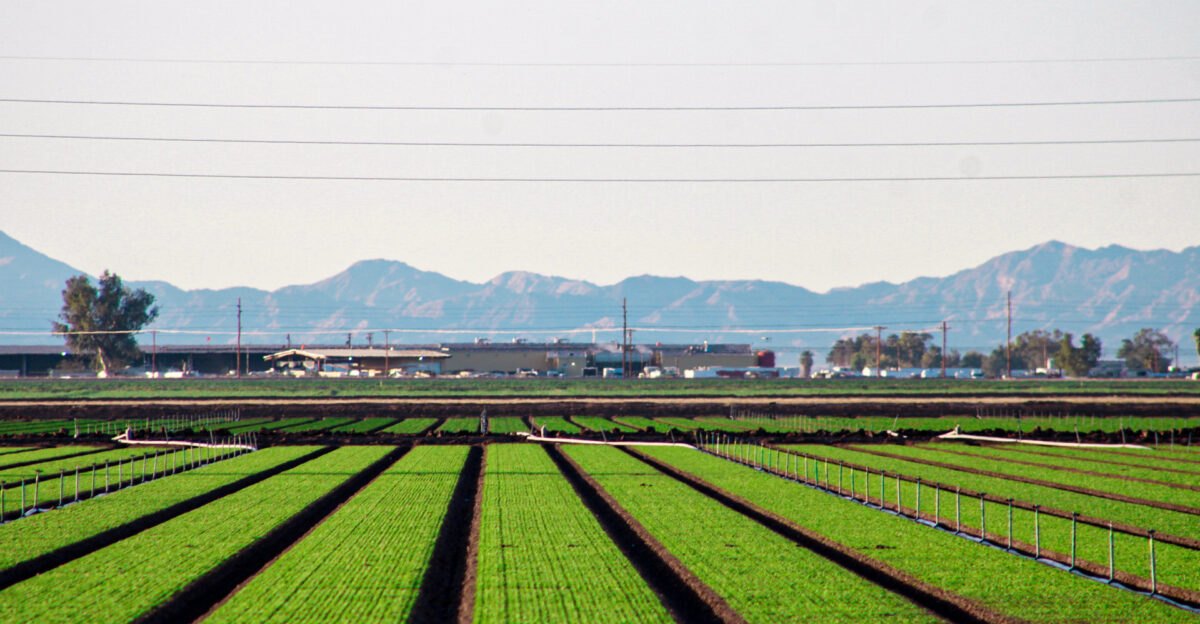
The factory’s closure accelerates Imperial Valley’s decades-long population decline as younger residents migrate to urban areas with better economic opportunities.
Local businesses that depended on sugar industry workers face reduced customer bases, while schools and healthcare systems must adjust to shrinking tax revenues and demographic changes.
National Reckoning

The Spreckels Sugar factory closure forces America to confront whether current agricultural policies adequately protect food security and rural economic stability in an interconnected global market.
This moment highlights tensions between free trade benefits and the strategic importance of maintaining domestic food production capacity across diverse geographic regions.