A red Honda Pilot idled crooked across a south Minneapolis street as federal immigration officers closed in. One agent reached for the driver’s door. Another stepped in front of the SUV with his gun drawn. When the vehicle inched forward, he fired at least two shots at close range. Within minutes, 37-year-old Renee Nicole Good lay mortally wounded in a neighborhood still defined by the memory of George Floyd’s killing.
Federal officials quickly characterized the January 7, 2026 shooting as an act of “domestic terrorism,” alleging Good used her vehicle as a weapon and struck an officer. Local leaders, after reviewing video, sharply disputed that account. The clash over what happened in those few seconds has now become a focal point in a much larger fight over immigration enforcement, public safety, and federal power in American cities.
Escalation During Massive ICE Operation
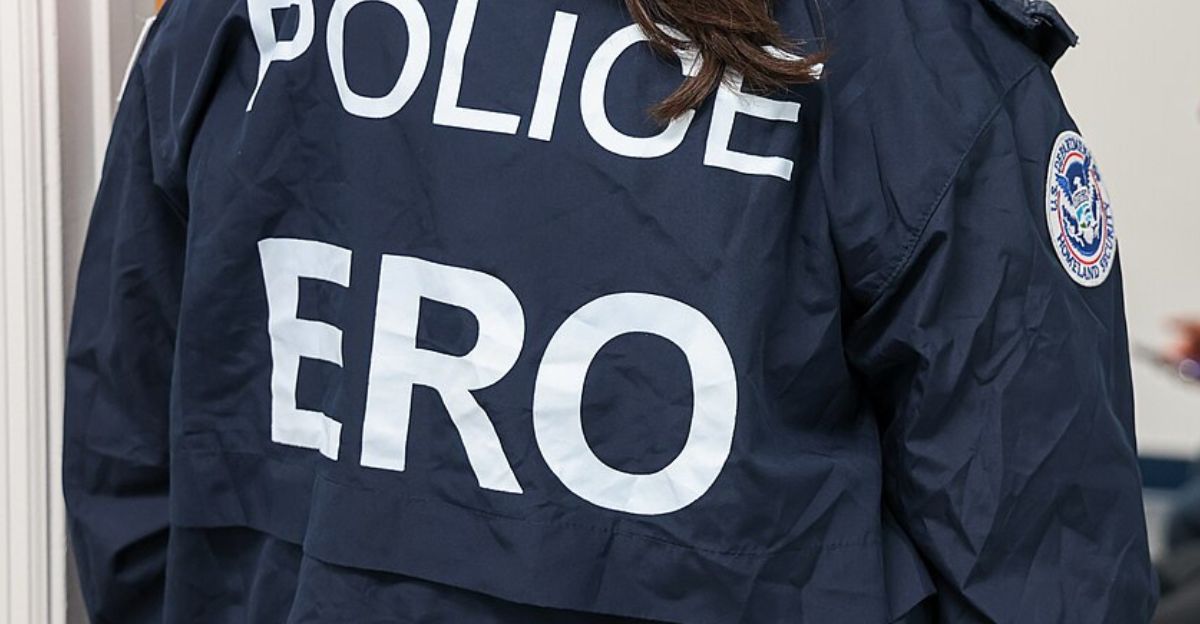
The shooting occurred amid what federal authorities called the largest single-city deployment of immigration agents in U.S. history. Beginning January 6, between 2,000 and 2,100 federal officers were sent into the Minneapolis–St. Paul area under a Department of Homeland Security initiative. Officials said about three-quarters were drawn from Immigration and Customs Enforcement’s deportation arm, with the rest focused on fraud investigations.
Within a day, authorities reported “hundreds and hundreds” of arrests across the metro area. Heavily armed teams moved through residential neighborhoods, sometimes near schools, as word spread that part of the operation targeted alleged fraud involving Somali communities. The Twin Cities are home to an estimated 80,000 to 84,000 Somali residents, most of them citizens or legal permanent residents. Advocates warned that the highly visible presence of unfamiliar federal units would heighten fear in a community with longstanding concerns about policing and surveillance.
In that tense atmosphere, residents described seeing unmarked or little-known federal vehicles on side streets and near family homes. Community groups cautioned that any misunderstanding during these encounters could escalate quickly, especially where language or cultural barriers were already present.
A Brief Encounter Turns Deadly
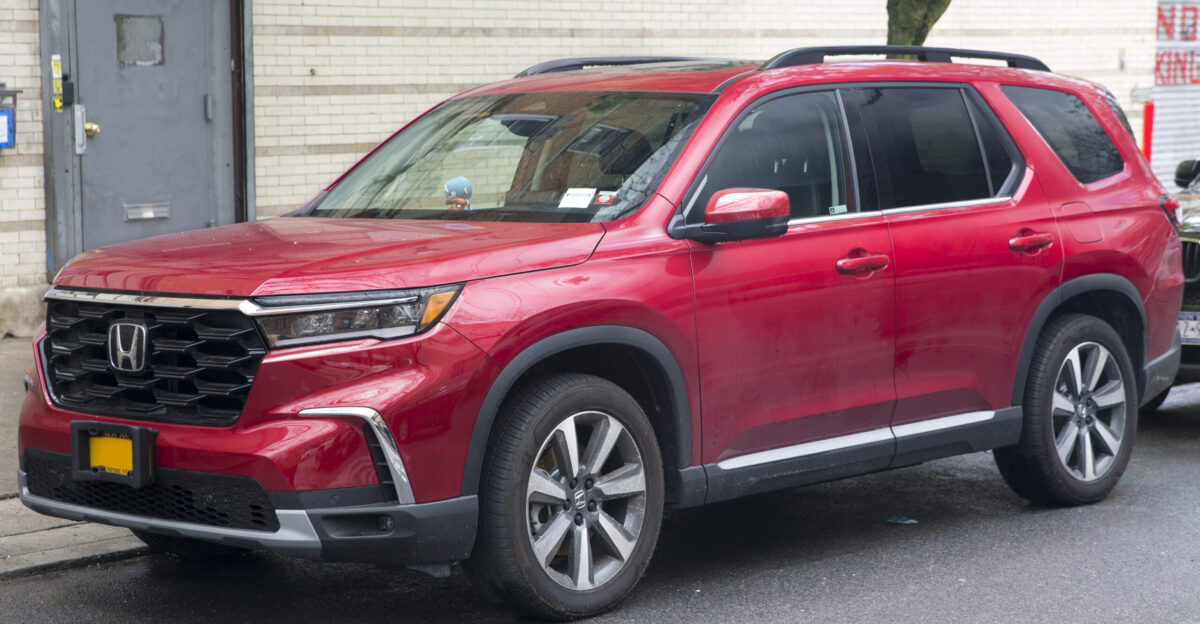
Shortly after 9:30 a.m. on January 7, ICE officers converged near East 34th Street and Portland Avenue South. Video recorded by bystanders and security cameras shows Good’s red Honda Pilot stopped at an angle across the narrow roadway. One agent walked to the driver’s side, shouted for the door to be opened, and grabbed the handle. As the SUV began moving forward, a second officer positioned directly in front of the vehicle fired at least two shots from close range.
The SUV lurched ahead after the gunfire, striking parked cars and a light pole before coming to a stop. Good, hit in the head, was transported to Hennepin County Medical Center and later pronounced dead. Federal officials said one agent was struck and injured, describing the shots as a defensive response to an attempted ramming, though they did not immediately release detailed medical information about the injury.
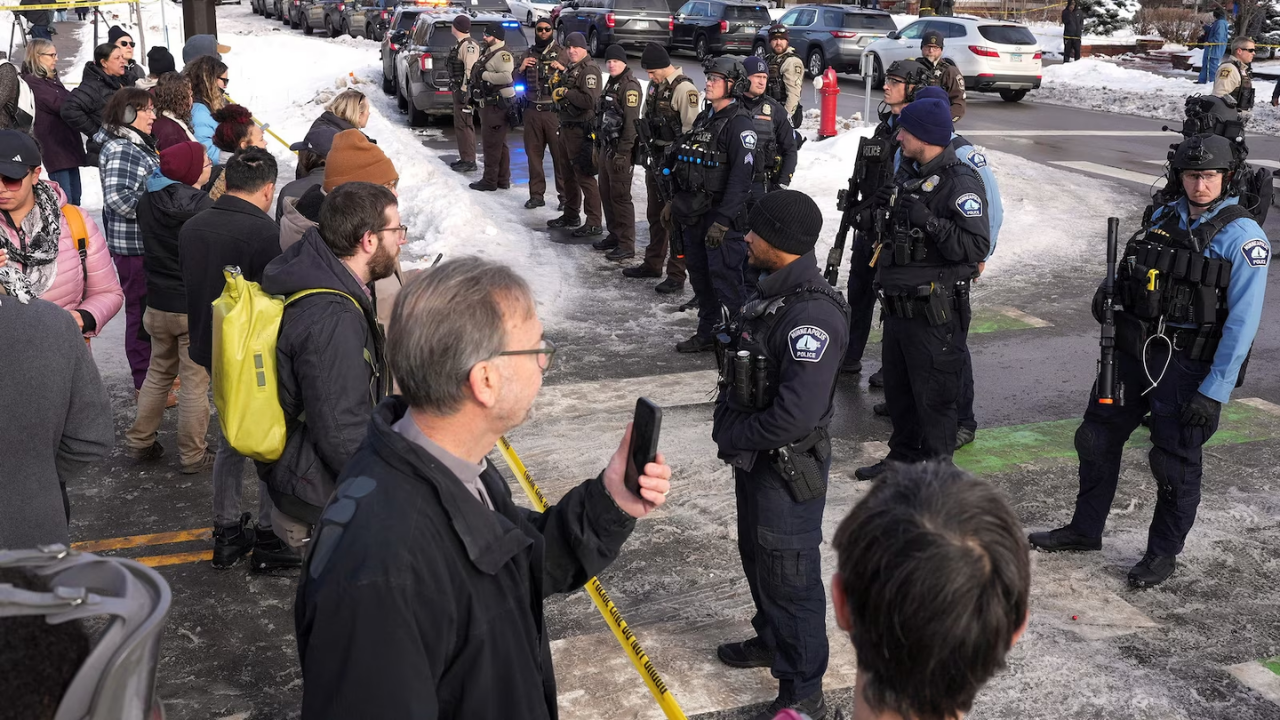
The confrontation unfolded just a mile from George Floyd Square, linking the site of Good’s death to a broader history of deadly encounters involving government force in Minneapolis. It also took place in view of Good’s partner, who was nearby and saw the shooting. Video from the scene captured a woman sobbing near the crashed SUV in the minutes after the gunfire ended.
A Mother’s Life Cut Short
Good was a U.S. citizen born in Colorado who had recently relocated to Minneapolis from Kansas City with her partner and children. Friends and relatives said she had three children, ages 15, 12, and 6, and had just dropped her youngest at school that morning. Family members described her as a devoted parent and neighbor, with no criminal record beyond a traffic infraction.
Her mother later portrayed her as loving and protective, someone who looked out for those around her. Neighbors in her south Minneapolis community, only blocks from where she was killed, knew her as warm and helpful. Candles, flowers, and photos soon appeared at the crash site, turning the intersection into an improvised memorial. At vigils, speakers pushed back against federal descriptions of Good as a terrorist, remembering her instead as a mother and community member whose children are now left without their primary caregiver.
Competing Accounts And Rapid Backlash
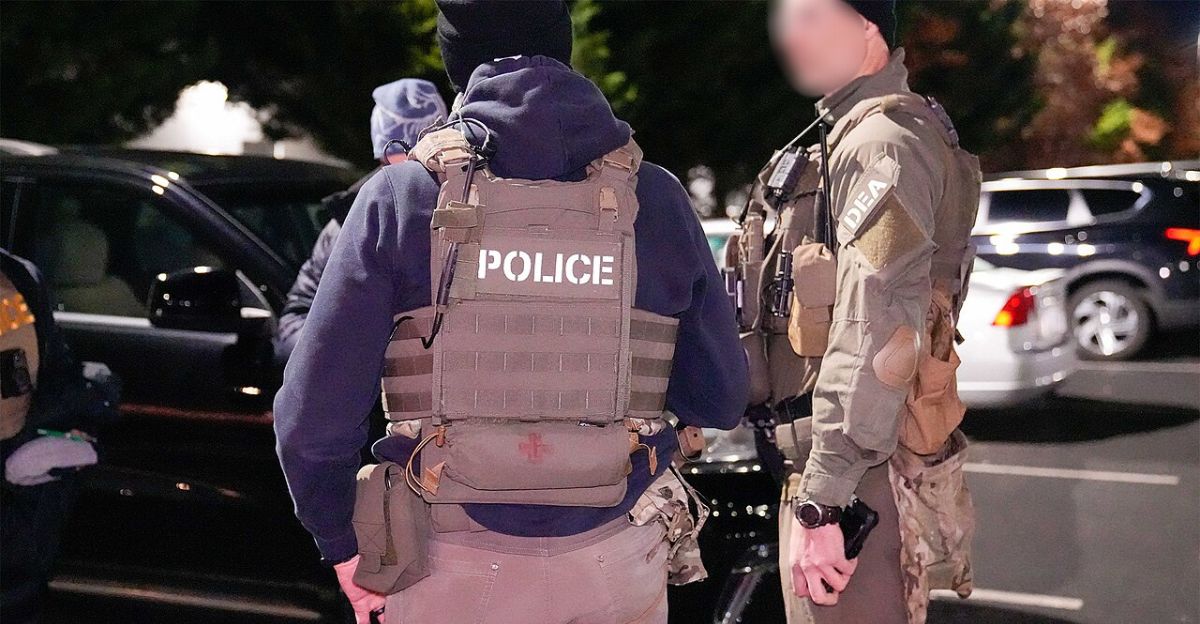
Within hours of the shooting, Homeland Security Secretary Kristi Noem publicly labeled the encounter an “act of domestic terrorism,” asserting that Good had deliberately tried to run over officers with her SUV. The Department of Homeland Security said an agent was injured by the vehicle, and President Donald Trump amplified that framing on social platforms, calling Good a violent agitator. Those early statements effectively cast a U.S. citizen as a terrorist before state and federal investigators had completed even a preliminary review of the incident.
Local officials who saw the video offered a starkly different view. Minneapolis Mayor Jacob Frey said the footage did not support claims that Good had weaponized her vehicle. Governor Tim Walz urged Minnesotans not to “believe this propaganda machine” and called the shooting predictable and avoidable. Police Chief Brian O’Hara said the SUV had been blocking the roadway and then started to drive away, without directly alleging an intentional attack on officers or confirming severe injuries to agents.
Public reaction was swift. Hundreds of people gathered near the scene within hours, many chanting “Shame!” and “ICE out of Minnesota.” Demonstrations and vigils continued into the night and in the days that followed. Video from elsewhere in the federal operation showed officers in gas masks deploying chemical irritants after objects were thrown at them on residential streets, imagery that deepened community mistrust and revived memories of earlier confrontations between law enforcement and protesters in Minneapolis.
Civil-rights organizations argued that Good’s death reflected a broader pattern of disputed shootings during immigration enforcement actions, particularly those involving vehicles. In one widely cited case from September 2025, ICE agents in Chicago fatally shot Silverio Villegas-Gonzalez after saying he struck an officer with his car, a claim that was later questioned by video analysis. Journalists and advocacy groups have tracked at least 14 ICE shootings during enforcement operations in 2025 and early 2026, several of them deadly and many occurring around traffic stops or attempted departures.
Multiple Probes And Uncertain Future
The political fallout in Minnesota was immediate and unusually blunt. Mayor Frey accused ICE of abusing its power and told federal agents to leave the city. The Minneapolis City Council issued a statement saying anyone who kills someone within city limits should be subject to arrest and prosecution. Walz called for calm demonstrations while criticizing the scale and tactics of the federal operation.
At the same time, state and federal authorities opened formal investigations. The Minnesota Bureau of Criminal Apprehension launched a probe into the shooting, joined by the FBI’s Minneapolis field office. Officials emphasized that the inquiries were at an early stage and urged the public to withhold final judgment until investigators had fully reviewed video, physical evidence, and witness accounts. The ICE officer who fired the shots now faces both potential criminal review and internal administrative scrutiny.
Sources:
Star Tribune – “She was an amazing human being: Mother identifies woman shot, killed by ICE agent” – January 7, 2026
PBS NewsHour – “2,000 federal agents sent to Minneapolis area to carry out ‘largest immigration operation ever’” – January 6, 2026
NPR – “What we know so far about the fatal ICE shooting of a Minneapolis woman” – January 7, 2026
CNN – “What we know about the woman killed in the Minneapolis ICE shooting” – January 8, 2026
BBC News – “Renee Nicole Good: Who was the woman killed by ICE?” – January 8, 2026
The Trace – “How Many People Have Been Shot in ICE Raids?” – January 6, 2026