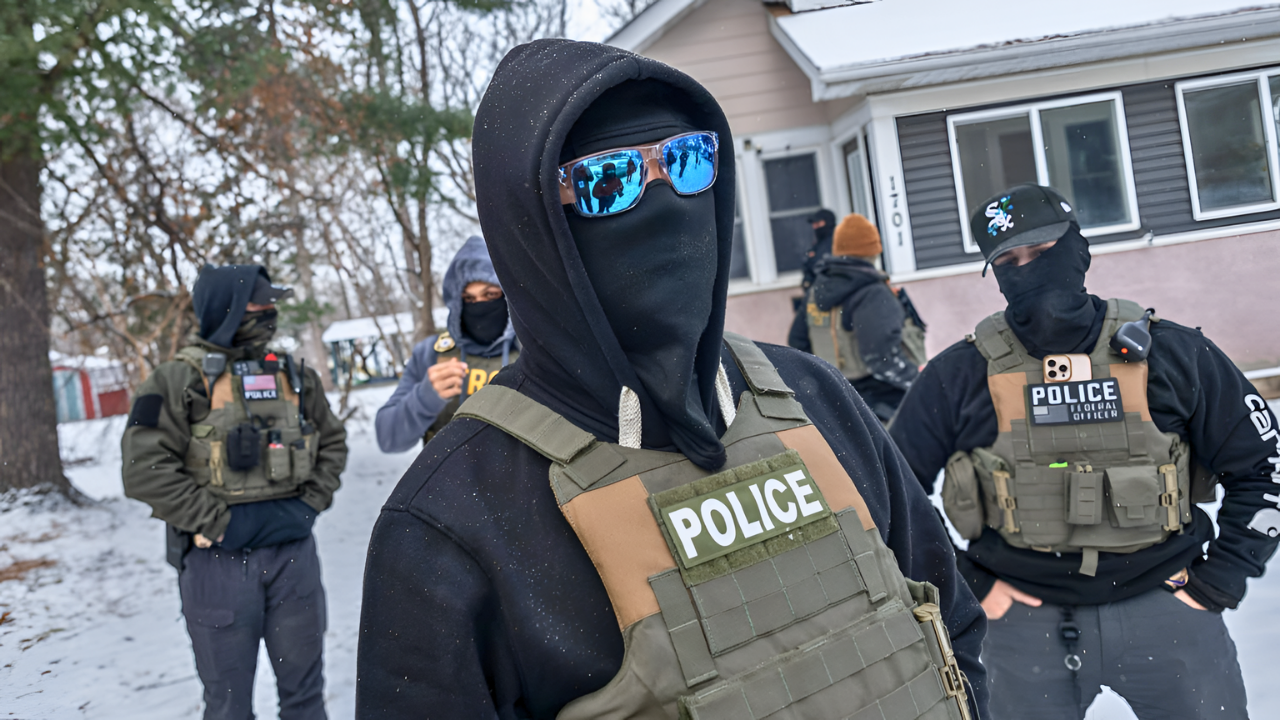
It started with a sharp knock at the door. On January 21, federal agents in Maine descended on homes, rounding up about 50 individuals described as having criminal records or prior criminal convictions. Agents moved quickly, their operations unfolding at dawn, leaving families startled and anxious.
In just one day, the Trump administration’s latest immigration crackdown in Maine had begun, with officials saying there are roughly 1,400 individuals identified as targets across the state. With each arrest, local leaders braced for what might come next as this expansive operation sent waves of fear through immigrant communities.
What was just the beginning would test Maine’s approach to cooperation with federal immigration authorities and leave both sides questioning their next move.
The Fishing-Themed Offensive

The Department of Homeland Security named the operation “Operation Catch of the Day,” playing on Maine’s fishing culture. The stated aim is to target people officials describe as dangerous offenders, including those convicted of crimes like aggravated assault, false imprisonment, child endangerment, and operating under the influence.
Governor Janet Mills, a Democrat who has criticized federal immigration actions in the state, expressed frustration at being kept in the dark about the operation’s details and demanded more information from federal officials. Portland’s Mayor Mark Dion also publicly questioned and opposed an expanded ICE presence in the city.
Trump’s Enforcement Machine

This operation is part of President Donald Trump’s broader nationwide immigration enforcement push, a central pledge of his campaign and presidency.
Following a similar crackdown and protests in Minnesota, the Maine effort also focuses on individuals whom officials say have criminal histories.
The federal push concentrates on jurisdictions Washington portrays as limiting cooperation with ICE, with Maine now joining the list of Democratic-led states facing intense federal scrutiny.
Federal vs. Local
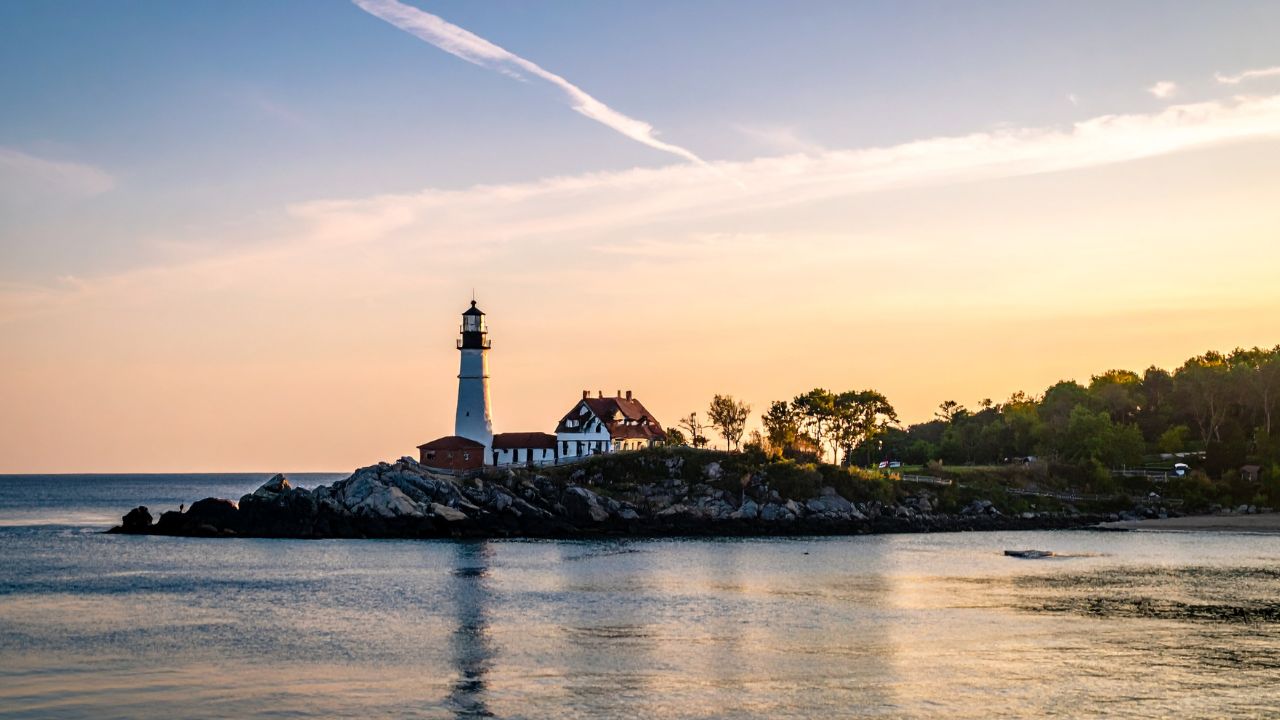
Maine’s largest cities, Portland and Lewiston, have policies and political leadership that have at times limited or criticized cooperation with ICE, even if they are not formally designated as “sanctuary cities” under federal law.
Governor Mills’ administration has pushed back against federal efforts and pressed for transparency, while DHS officials have accused Maine leaders of enabling “criminal illegal aliens.”
The lack of coordination between local and federal authorities sparked tensions, leaving local leaders frustrated and communities uneasy.
50 Arrests, 1,400 Targets, Day One

On January 21, ICE officials said they had arrested about 50 individuals in Maine under Operation Catch of the Day, with approximately 1,400 targets in the state still to be pursued.
The operation prioritizes suspects linked by federal officials to violent crimes and public-safety offenses, including assault, child endangerment, and serious DUI cases.
The pace suggests this operation could extend for weeks, potentially affecting many families and communities across the state.
Four Cases Publicized by DHS

DHS highlighted four cases to demonstrate the severity of the operation. Individuals such as Dominic Ali, convicted of false imprisonment, aggravated assault, and other offenses, were showcased to underline the operation’s focus on serious offenders.
Others named in federal releases include Ambessa Berhe, convicted of aggravated assault and drug possession; Elmara Correia, previously arrested in a child-endangerment case; and Dany Lopez-Cortez, convicted of operating under the influence.
Publicizing these cases aimed to bolster public support but also raised questions among critics about how representative they are of everyone being arrested or targeted.
Voices from Portland and Lewiston
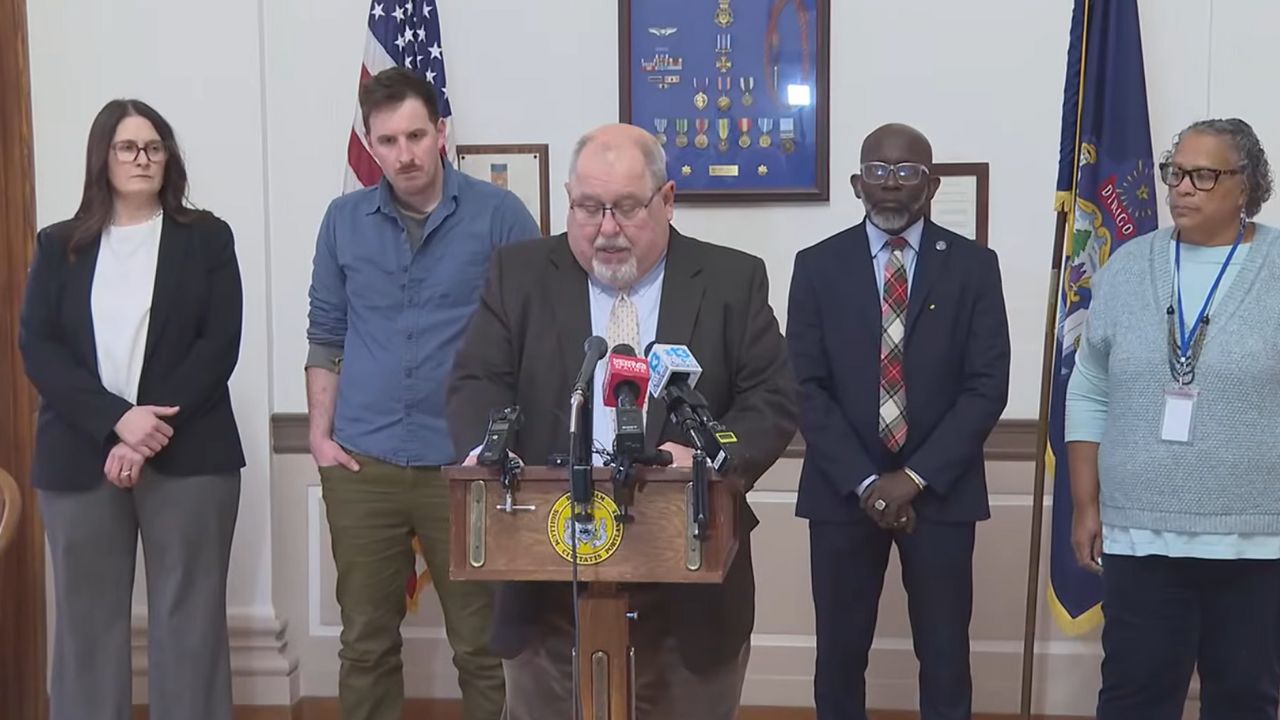
Portland’s Mayor Mark Dion criticized ICE’s deployment, arguing that federal officials had not demonstrated a level of unchecked criminal activity that warranted such an aggressive presence.
Immigrant advocates and local officials reported heightened fear in the community, with some residents advised by organizers and lawyers to stay indoors and avoid unnecessary travel.
Tensions escalated as federal authorities framed the operation as a necessary public safety measure, while many local leaders and advocates viewed it as a disruptive overreach that eroded trust.
Why Maine? Why Now?

The operation appears deeply political as well as law-enforcement driven, with DHS Assistant Secretary Tricia McLaughlin publicly criticizing Maine’s Democratic leadership and accusing “sanctuary politicians” of putting “criminal illegal aliens” ahead of public safety.
Critics and analysts noted that Maine, with its Democratic governor and vocal local officials, has been singled out in federal messaging.
The timing, coming on the heels of Trump’s immigration campaign rhetoric and his administration’s broader crackdown, frames Maine’s operation as both a policy move and a political statement.
A Nationwide Pattern Emerges
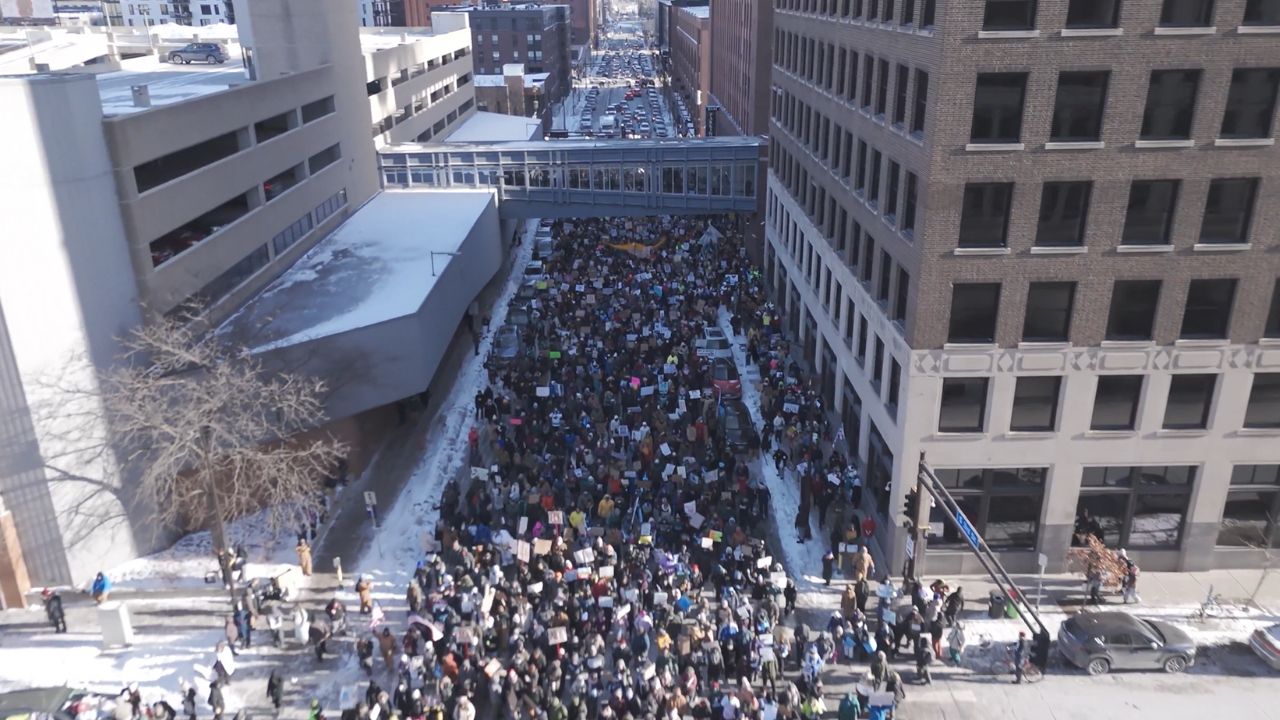
Minnesota’s recent immigration enforcement clashes and protests set the stage for Maine’s operation. Both situations involve federal crackdowns that emphasize arresting people with criminal records and have unfolded in states and cities with large immigrant populations and leaders critical of ICE.
This pattern signals a nationwide strategy to apply pressure on Democratic-led jurisdictions and intensify immigration enforcement where local cooperation with ICE is limited or contested.
A Community Under Pressure

Maine’s Somali-American and broader African immigrant communities, concentrated in Portland and Lewiston, feel particularly affected by the operation.
Somali immigration to Maine increased in the 2000s, and the state now has one of the nation’s higher concentrations of Somali-origin residents.
Community members and advocates say the emphasis on arresting “criminal illegal aliens” has stoked fears that their ethnic or immigrant background will be conflated with criminality, even as DHS insists arrests are based on immigration status and criminal records.
Local Officials Left Out
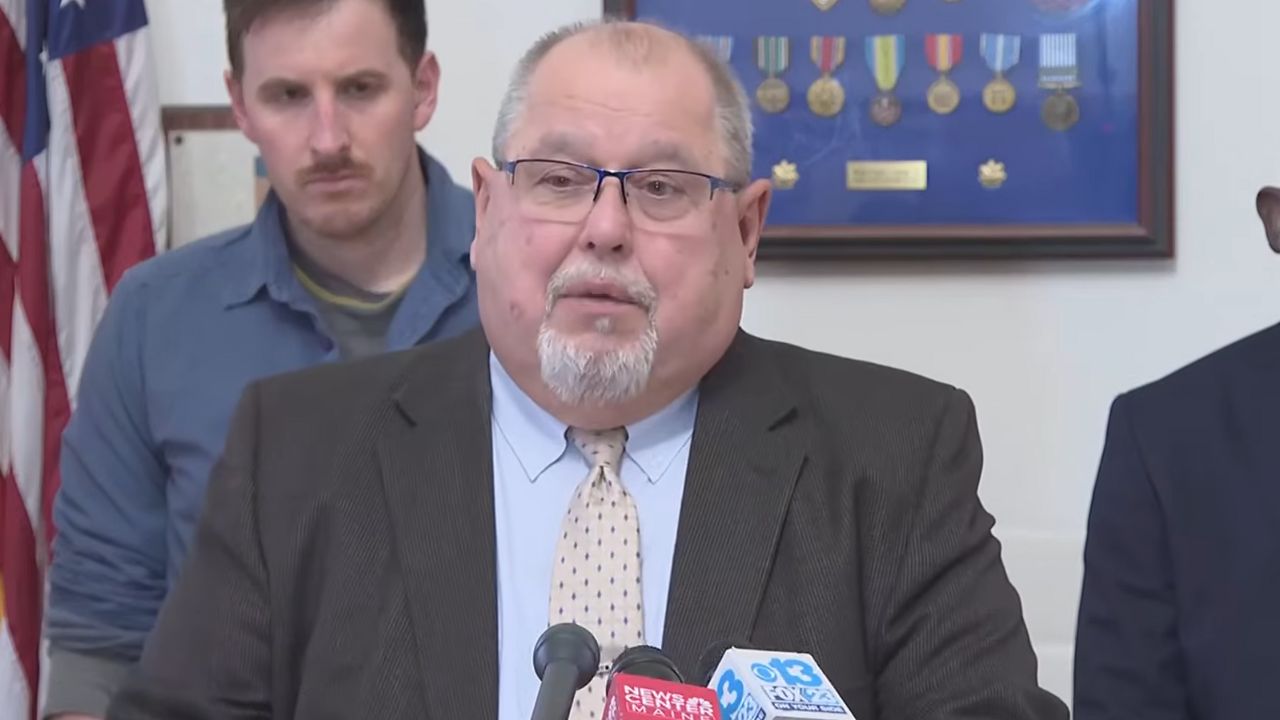
Governor Mills has repeatedly expressed frustration over the limited coordination between federal and state officials, noting that her administration was left without details about timing, targets, or scope as arrests began.
Local law enforcement leaders likewise said they were not fully briefed beforehand, creating challenges in planning and communications with residents. The lack of prior communication has fueled perceptions that federal authorities are operating “in secret,” further straining relations.
Strategic Framing by DHS
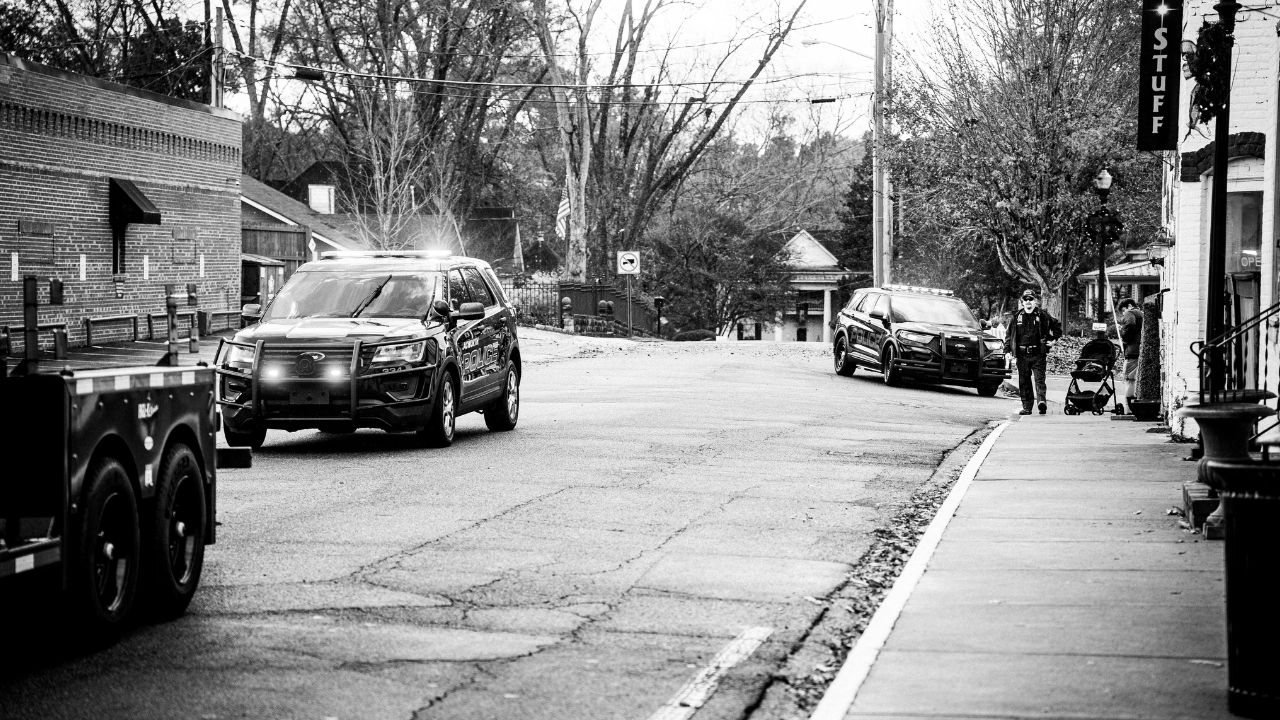
DHS has emphasized that it is targeting “the worst of the worst,” describing those arrested as dangerous criminals with violent or serious public-safety histories.
This messaging has been central to the administration’s defense of the operation, but critics worry it is not fully representative of everyone on the list of roughly 1,400 targets and note that some individuals highlighted by DHS have mixed or unresolved case histories.
Advocates argue that the framing can obscure the nuance of individual cases and the impact on families and communities.
From Arrest to Deportation

Those arrested under Operation Catch of the Day are being placed into immigration proceedings, including detention and potential deportation, depending on their individual cases.
ICE can issue detainers requesting that local jails hold people with pending immigration actions, although state and local policies may affect how those detainers are handled.
While some individuals could face relatively swift removal, others may challenge their deportation in court, citing family ties, fear of return, or other legal defenses. Processing hundreds or more arrests over time will require substantial federal and legal resources.
What Comes After Maine?

As Maine’s operation unfolds, questions loom about its sustainability and scope. Advocates, local officials, and analysts are asking whether ICE can maintain this pace nationwide as similar crackdowns and protests continue in places like Minnesota.
Federal detention capacity, ongoing litigation, and political pushback could all shape how long and how aggressively Operation Catch of the Day and similar efforts continue.
Who Wins in the Sanctuary Wars?

Operation Catch of the Day exemplifies the ongoing battle between federal immigration enforcement and local leaders who favor more limited cooperation with ICE.
The future of immigration enforcement in Maine and beyond will hinge on the balance between public safety, local autonomy, and national political agendas.
The outcomes of this operation could influence debates over “sanctuary” policies, shape community trust in government, and affect the direction of U.S. immigration laws in the months and years ahead.
Sources:
“ICE confirms Maine immigration surge, tells Fox News nearly 50 arrests have been made so far.” Maine Public, 20 Jan 2026.
“Nearly 50 people arrested in federal immigration enforcement surge in Maine.” The Hill, 21 Jan 2026.
“‘Operation Catch of the Day’: ICE launches major enforcement effort in Maine.” WBUR, 20 Jan 2026.
“Governor Mills Statement on Federal Law Enforcement Operations in Maine.” Office of Governor Janet Mills. 21 Jan 2026