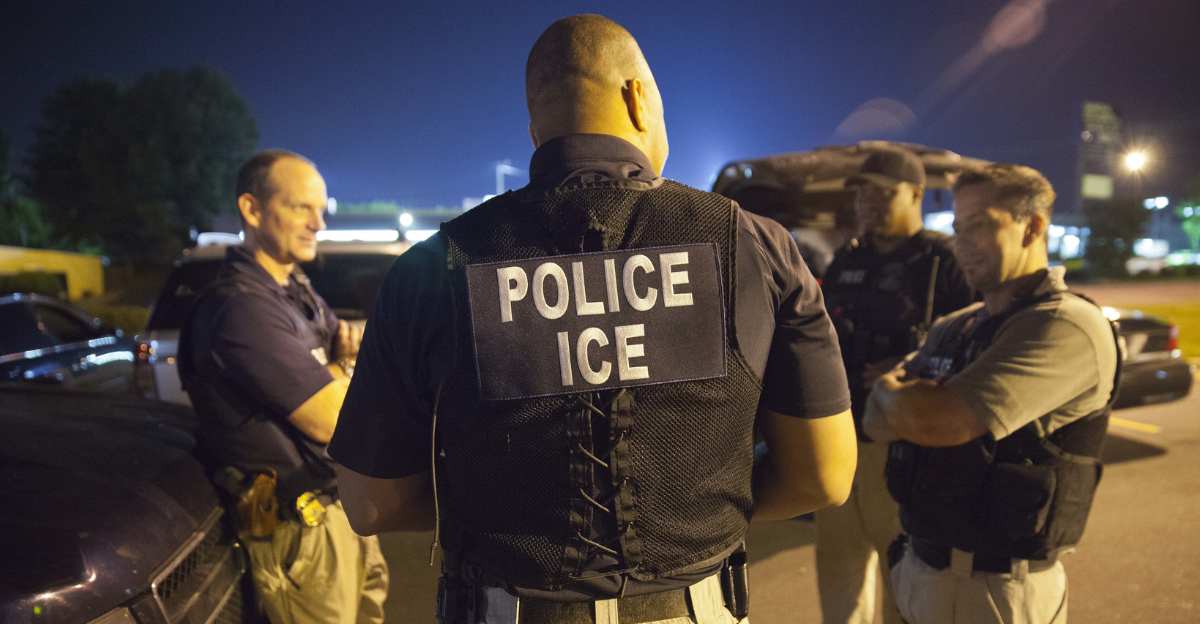
In early September 2025, the Department of Homeland Security announced a Chicago immigration “surge” named Operation Midway Blitz, signaling an unprecedented escalation of federal enforcement in a major sanctuary city.
DHS officials said agents would use Chicago’s Naval Station Great Lakes (in North Chicago) as a staging ground for the week-long operation. The department vowed to target “the worst of the worst criminal illegal aliens in Chicago”.
Around 250–300 ICE and Border Patrol agents and scores of vehicles reportedly assembled at the base, under a temporary “no-fly zone” set up over the facility. This highly visible buildup was by far the largest federal immigration operation in Chicago’s history.
Sanctuary Standoff
Chicago quickly became the epicenter of a national showdown over sanctuary policies. Mayor Brandon Johnson and Governor JB Pritzker both publicly refused to cooperate with the raids. Neither local nor state leaders received any advance notice from Washington – they learned of the operation only through Trump’s social media posts and news reports.
Pritzker’s office complained that officials were “learning of operations through [Trump’s] social media,” and described the crackdown as less about crime-fighting than “scaring Illinoisans”.
Mayor Johnson likewise denounced any “militarized immigration enforcement without due process,” vowing Chicago police would not assist federal raids. The city’s leaders have framed the clash as a politicized “war” on their community, setting up a tense face-off between Trump and one of the nation’s largest Democrat-led cities.
Historical Context
Chicago’s sanctuary status dates back to 1985, when Mayor Harold Washington first barred city workers from inquiring about immigration status or aiding federal deportations.
The current Welcoming City Ordinance, enacted in stages and strengthened over decades, explicitly prohibits Chicago police from questioning individuals about immigration or turning them over to ICE unless there is a valid judicial arrest warrant.
Local officers do not enforce civil immigration law at all. In recent years, City Council amendments further tightened these rules, requiring that immigrants’ rights be upheld at every encounter. These long-standing policies are at the heart of the dispute.
Rising Tensions
The political temperature had been rising for days. Over Labor Day weekend, President Trump fanned the flames by sharing an “Apocalypse Now”–style meme of himself with war helicopters over Chicago, warning ominously, “Chicago is about to find out why it’s called the Department of WAR”. Illinois Democrats exploded at the threat.
Gov. Pritzker blasted Trump on social media: “The President is threatening to go to war with an American city… Illinois won’t be intimidated by a wannabe dictator.”.
Trump subsequently backpedaled on some of the rhetoric, but he did not tone down the operation. City officials still had no advance word from DHS; as one spokeswoman put it, Chicago was learning of the surge “like the public and press” – via social media and news accounts. Amid the bluster, the stage was set for a direct confrontation over who really calls the shots on immigration enforcement in Chicago.
Katie Abraham
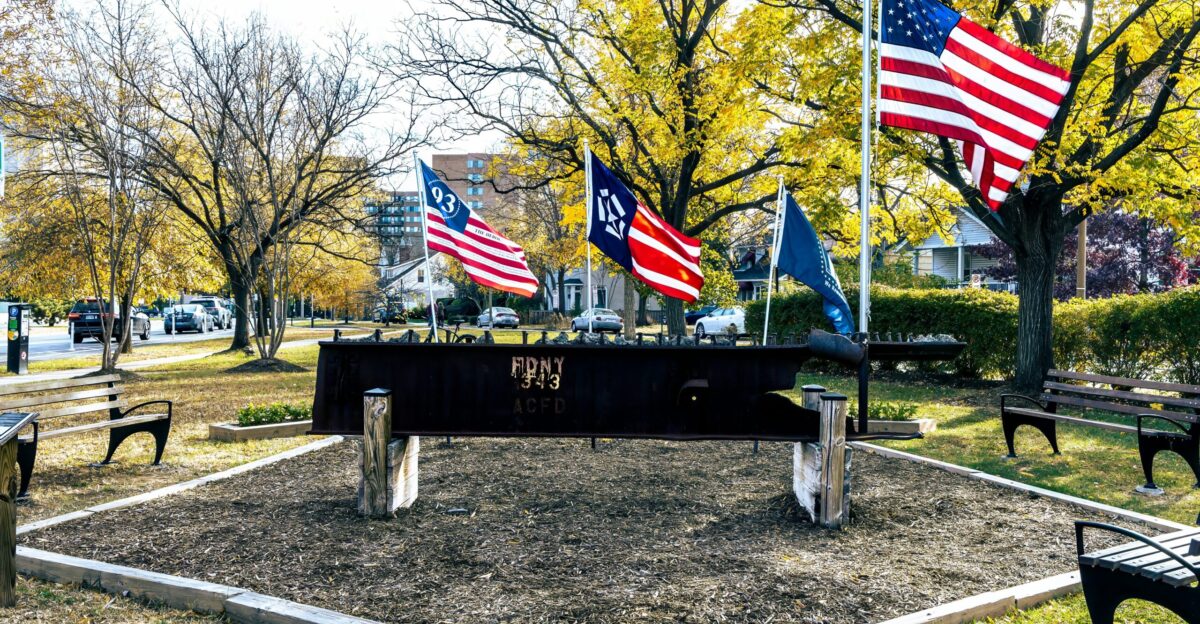
The operation’s name came with personal symbolism. DHS announced that Operation Midway Blitz would be carried out “in honor of Katie Abraham,” a 20-year-old University of Illinois student killed earlier in 2025 in a hit-and-run crash. Katie and her friend were struck by a drunk driver, identified as Julio Cucul-Bol, an undocumented Guatemalan whom authorities say had been stopped for traffic violations multiple times.
This tragedy became a rallying point for Trump allies. Katie’s father, Joe Abraham, spoke out publicly. In an emotional CBS interview, he said, “I have a life sentence now, without my daughter,” and hoped “no other family will have to go through this”.
The president and DHS repeatedly cited Katie’s killing to argue that sanctuary policies “protect” dangerous criminals.
Southwest Impact

Almost immediately, federal agents struck in Chicago’s predominantly Latino Southwest Side neighborhoods. By Monday, DHS confirmed at least four arrests, including “four Mexican nationals… on Sunday,” with two of those on the Southwest Side.
Witnesses and lawmakers say agents pulled people over at random – for example, taking into custody a local flower vendor near a school.
Alderman Jeylu Gutierrez reported that about “five members of [my] community had been detained in what I call a federal assault”, among them a day-laborer picked up while waiting for a bus. In one case, protesters say, ICE agents swarmed a busy street corner during the day.
Community Fear
Locals say even minor enforcement has unleashed widespread fear. “This was never about arresting the worst of the worst,” Ald. Gutierrez told reporters. “It’s been about terrorizing our community”.
Schools in these neighborhoods saw attendance plummet as families kept children home rather than risk an encounter with ICE.
Business owners likewise noted emptier streets: one study found Mexican Independence events had far fewer participants than usual. An analysis showed foot traffic in Little Village and Pilsen was sometimes less than half normal. With many immigrant workers uncertain whether it was safe to leave home, local businesses and restaurants reported sharp drops in customers.
Naval Staging
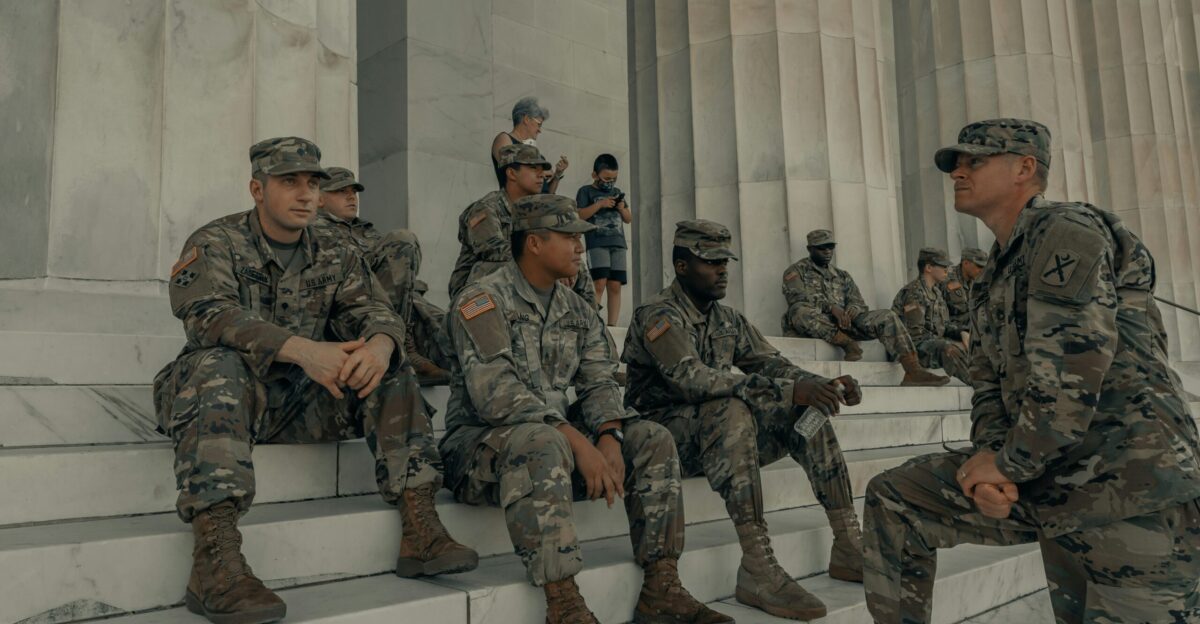
The U.S. military base at Great Lakes, about 50 miles north of Chicago, became the command center. In late August, the Navy agreed to grant ICE use of the base’s facilities for roughly a month. By Sept. 5, more than 230 federal agents and around 140 unmarked vehicles were on site. (ABC Chicago reported the Department of Defense even arranged for office space and parking for some 250–300 officers.)
A Navy memo confirms the window runs through Oct. 5 – a 28-day period – and explicitly bars any lethal weapons on base. This logistics hub also reportedly includes a “no-fly zone” overhead. Civil libertarians have raised concerns about using a military installation for domestic policing, even in a support role.
Legal Authorization

Amid the Chicago surge, the Supreme Court quietly cleared the way for aggressive tactics. On Sept. 8, the justices (6–3) lifted a federal judge’s restriction on immigrant stops in Los Angeles, effectively greenlighting ICE’s “roving patrol” strategy. The Court allowed agents to detain people solely based on factors like appearance, accent, occupation, or location – criteria a lower court had deemed unconstitutional.
Sotomayor’s dissent warned this would ensnare “countless individuals” based on ethnicity alone, but the majority did not explain its reasoning. In practical terms, this gives ICE more cover nationwide.
Federal agents in Chicago can now argue that the LA ruling offers “legal cover” for similar stops, even though critics call it nothing less than a judicial blessing of racial profiling.
Crime Statistics
Federal officials have repeatedly called Chicago a “killing field,” but the data tell a different story. Chicago’s own crime reports show sharp declines: by mid‑2025, homicides were down ~32% and shooting incidents down ~37% versus a year earlier.
These figures translate to roughly 278 homicides so far this year – about 118 fewer than all of 2024, putting Chicago’s rate at roughly 15 per 100,000 residents.
Compared to other large U.S. cities, Chicago’s violent crime rate is mid-range rather than exceptional. In fact, a recent analysis ranked Chicago’s per-capita homicide rate well outside the top 10 worst among big cities.
Executive Resistance

Long before the raids began, Mayor Johnson had moved to blunt federal encroachment. On September 1, he signed the “Protecting Chicago” executive order. The city now mandates that the Chicago Police will not assist ICE or any National Guard deployment on civil immigration cases without a judicial warrant.
The order reaffirms the Welcoming City law and bars city workers from alerting federal agents in almost all situations. It also specifies that CPD officers must be in uniform and unmasked, so residents can’t confuse them with disguised ICE agents.
At the signing ceremony, Johnson warned bluntly: “We do not want to see tanks in our streets,” and pledged the city would use “every tool at our disposal…including the courts” to defend its people’s rights.
Federal Response
Homeland Security officials have portrayed Chicago as a magnet for criminals under sanctuary laws. Assistant Secretary Tricia McLaughlin has repeatedly blamed Illinois’s policies for attracting violent offenders.
She promised Midway Blitz would go after “gang members, rapists, kidnappers, and drug traffickers – the worst of the worst criminal illegal aliens” in the city.
DHS specifically cited foreign syndicates like Venezuela’s Tren de Aragua gang to justify action. (The State Dept. declared Tren de Aragua a Foreign Terrorist Organization this year.) ICE alleges members of that gang have slipped into U.S. cities, from New York to Miami, carrying out crimes ranging from robberies to murders.
Tactical Deployment
Local officials note that ICE’s tactics in Chicago mirror those used in national operations. Federal teams arrived in unmarked vans with agents wearing masks and tactical gear, arousing alarm in communities accustomed to visible police. By law, those agents cannot carry heavy weapons, and in fact, the Navy explicitly forbade any “lethal munitions” from the Great Lakes staging area.
Still, the presence of masked officers has been unsettling. Chicago protesters have reported crowds of agents in plain clothes sweeping through street corners and parking lots.
One community organizer complained that agents were essentially performing random mass stops, “look[ing] at the color of people’s skin… and at least having a conversation about that person’s immigration status”. The Biden administration’s promised onus of proof has shifted to Chicago’s residents, many of whom feel they must carry paperwork to prove they are U.S. citizens or legal residents after the Supreme Court’s ruling.
Political Backlash
The sweep has drawn swift criticism from Democrats, even as Republicans cheer it on. Illinois Senator Tammy Duckworth blasted the raids as “wasteful, ineffective, inhumane and [making] Illinoisans less safe”. Gov. Pritzker likewise accused Trump of theater, warning “he wants to occupy our city” and calling the war rhetoric “not normal”.
Meanwhile, GOP lawmakers counter that sanctuary mayors are endangering citizens. House Oversight Chair James Comer declared sanctuary policies “reckless, illegal” because they “shield criminal aliens” and endanger public safety.
He even suggested federal grants be withheld from non-cooperative cities. So far, Democratic officials have largely united against the operation, while most Republican voices have endorsed it as needed to enforce federal law.
Uncertain Duration
Perhaps the biggest unknown is how long this will last. On Monday, Trump’s border czar Tom Homan made clear DHS plans to operate quietly: “We probably won’t give you a heads up if it’s happening… We’re not going to broadcast what we’re doing,” he said.
Federal contracts and memos suggest the effort could stretch for weeks – one base request called for a 28-day deployment.
Advocates, therefore, prepare for a protracted campaign, not a quick sweep. Chicago community groups warn that without transparency, normal life may be disrupted well into October, as immigrant families brace for an extended period of round-ups. The uncertainty itself has become a flashpoint.
Constitutional Questions
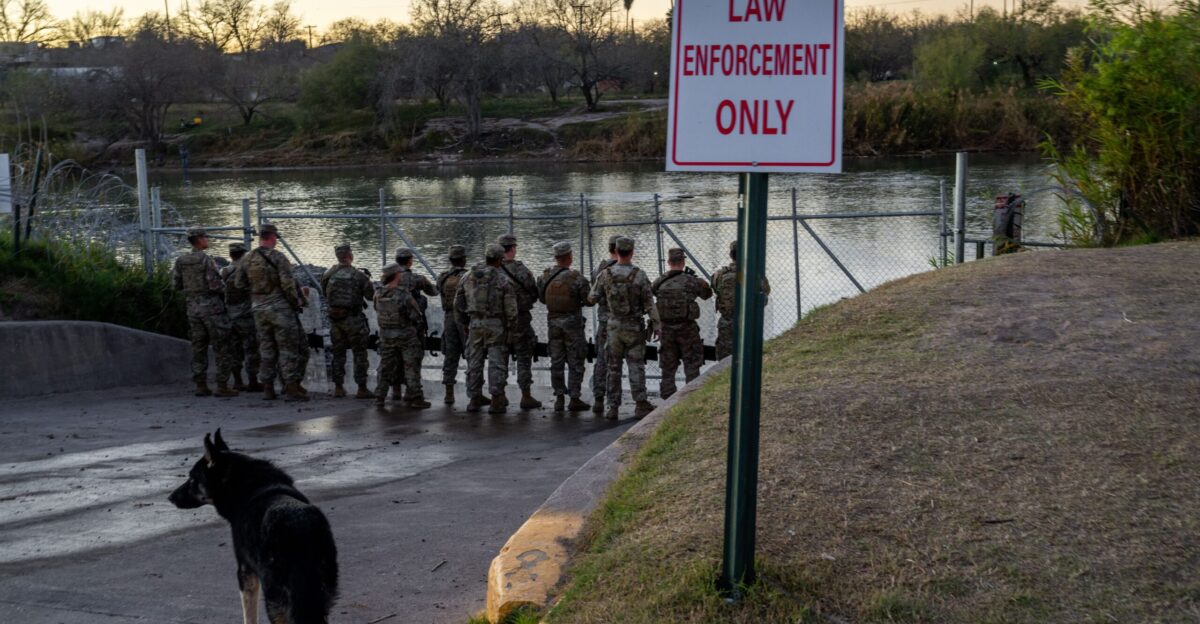
The use of federal force in Chicago raises thorny constitutional issues. Critics note that under the Posse Comitatus Act, active-duty military cannot generally enforce civilian law – a principle recently reinforced by a federal judge’s ruling against Trump’s deployment of troops in Los Angeles.
That judge condemned the proposed Chicago deployment as an illegal “national police force”.
Scholars say the Supreme Court’s latest order allowing profiling-based ICE stops in LA does not override Posse Comitatus for actual troop deployment. Even DOJ lawyers have hinted they may try to invoke the 1807 Insurrection Act to authorize forces, but law professors call that a “pretty arcane” argument.
International Implications
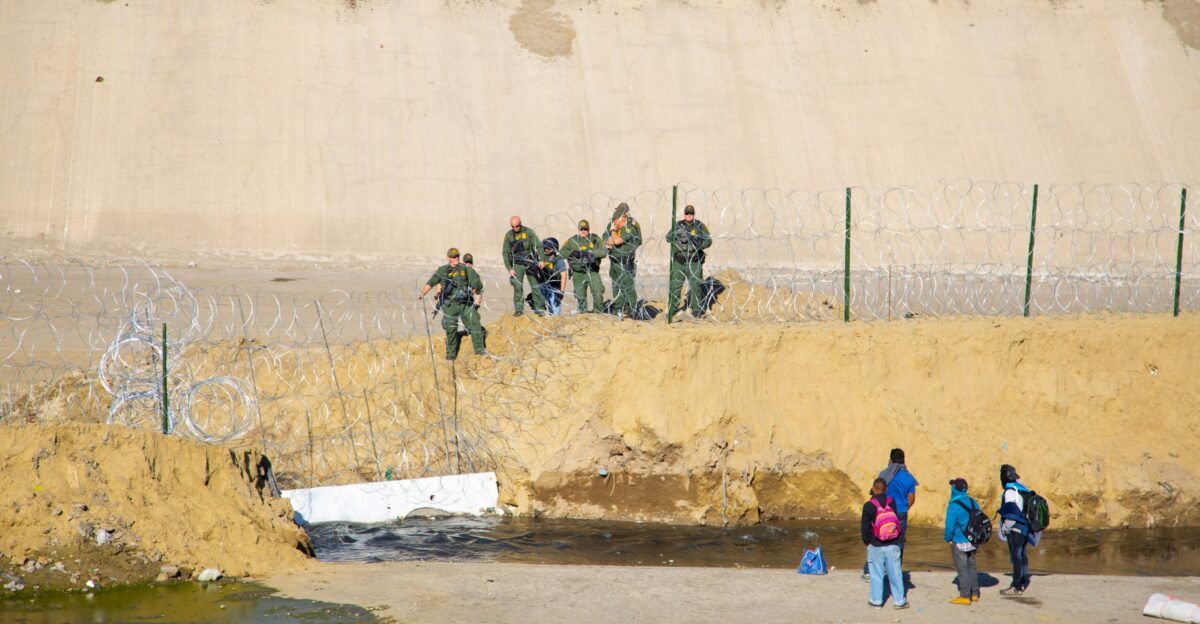
Operation Midway Blitz also plays into a broader international storyline. DHS has repeatedly cited the Venezuelan Tren de Aragua gang as an example of criminal elements flowing into American cities. This gang began in a Venezuelan prison, then spread across the Americas as millions fled Venezuela’s collapse.
U.S. officials point to Tren de Aragua’s role in transnational crimes – human trafficking, extortion, kidnappings, and contract killings from Panama to Mexico. In February, the State Department officially declared Tren de Aragua a Foreign Terrorist Organization.
ICE claims members of that gang have shown up in states like New York, and uses those arrests to justify its crackdown. (Critics note that many deportees rounded up under the gang label are migrants with weak evidence of direct crimes.) Either way, the operation is being cast as part of a hemispheric fight against international crime networks, not just a Chicago-local issue.
Fourth Amendment Concerns
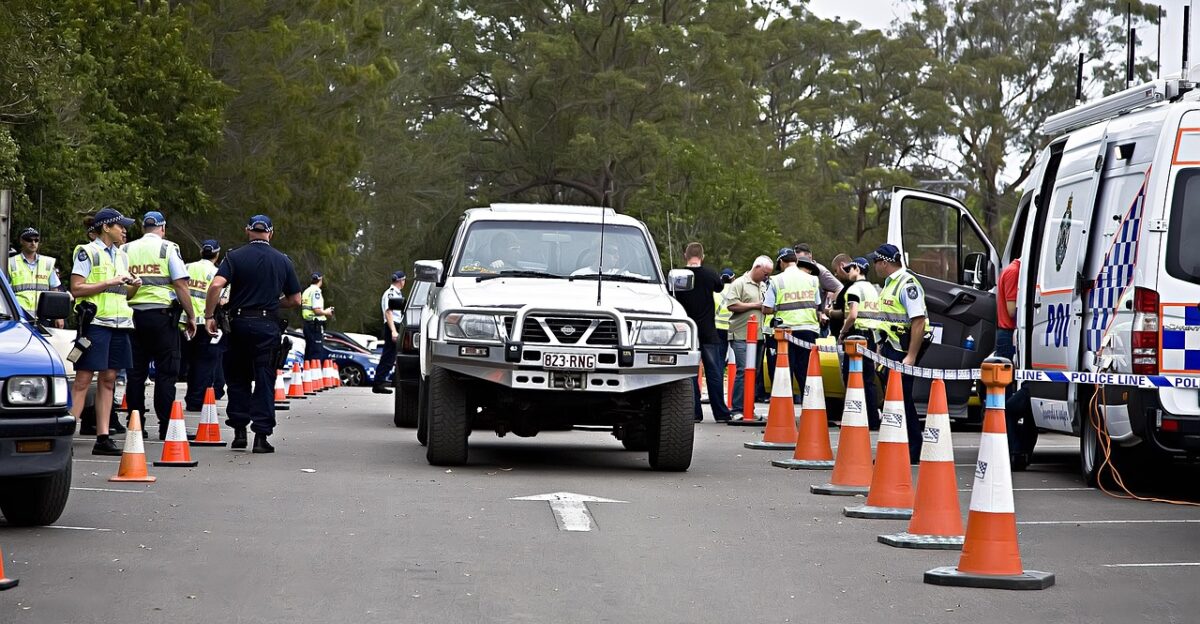
Civil rights advocates have warned that the new enforcement standards threaten basic liberties. Justice Sonia Sotomayor’s dissent in the Supreme Court’s LA case put it bluntly: “We should not have to live in a country where the Government can seize anyone who looks Latino, speaks Spanish, and appears to work a low wage job”.
The NBC analysis of the decision argued that it gives ICE agents a license to approach people by matching those very criteria. 4th Amendment experts worry this effectively legalizes racial profiling.
Latino community organizers in Chicago have announced plans to sue if ICE conducts broad, suspicionless stops. As one Loyola law professor observed, the ruling now lets agents “go to car washes and construction sites and look at the color of people’s skin… and… have a conversation about that person’s immigration status”.
Cultural Impact
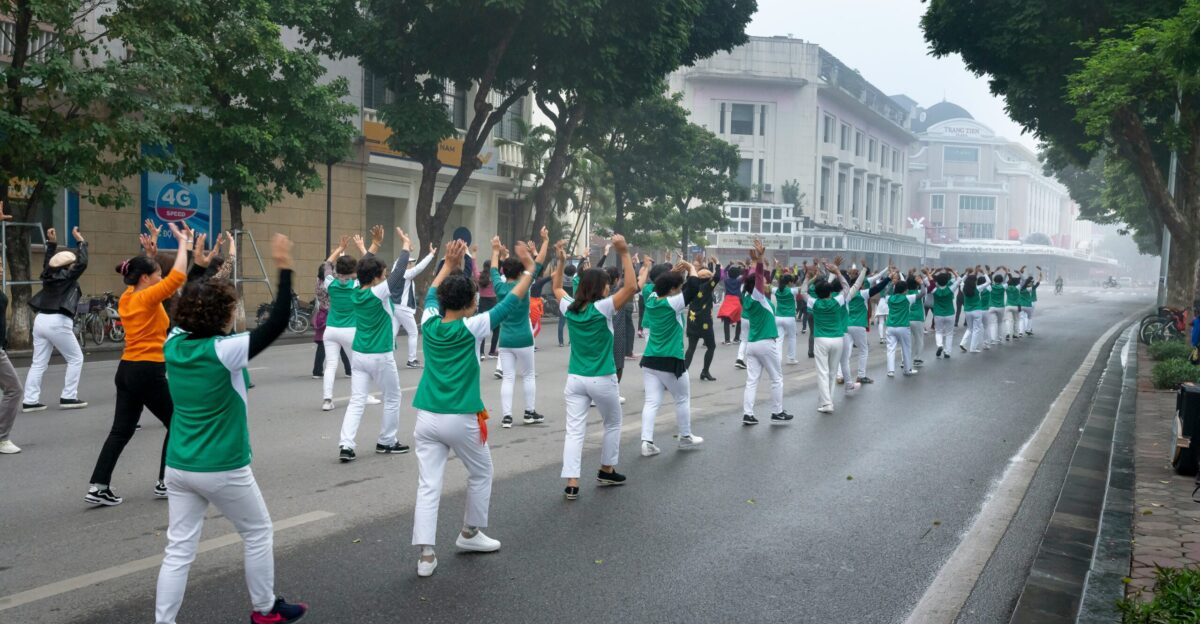
Even celebrations have been affected. Chicago’s Mexican Independence Day parades went on as scheduled, but under a cloud of fear. Organizers recruited volunteer safety teams along the parade route, every so often sounding whistles to warn dancers and seniors if federal agents approached.
One march in Pilsen drew a visibly smaller crowd than usual, as families kept low profiles. Paradegoer Jasmine Martinez explained: “We still need to be out here… not scared of anyone trying to scare us.”
Some suburbs chose to cancel Latino heritage festivals altogether, openly citing concerns about potential ICE activity. The result: many in Chicago’s Latino community spent September on edge, combining cultural pride with nervous vigilance in case raids encroached on public gatherings.
Precedent Setting
Midway Blitz is seen by many as a nationwide bellwether. If the Trump administration can push federal agents into Chicago despite mayoral and gubernatorial objections, that would mark a major shift in federal–local power.
Immigration experts warn this could set a new precedent of federal overreach, effectively forcing cities to divert resources to a “mass deportation agenda” against local wishes.
The outcome in Chicago may determine whether President Trump can deliver on his promise of the “largest mass deportation in American history,” even in defiant sanctuary jurisdictions. Dozens of other cities are watching closely: the balance of authority over immigration enforcement – long contested – could be fundamentally reshaped by what happens here