
Experts warn that the U.S. trucking industry could face a driver shortage in 2025, potentially the biggest labor gap recorded in its history. Projections from industry groups and analysts suggest that the loss could reach significant levels if current trends continue, with industry discussion citing the risk of up to several hundred thousand drivers affected under worst-case immigration enforcement scenarios.
Even a loss of 100,000 drivers could disrupt deliveries, slow down supply chains, and lead to higher prices for groceries, fuel, and goods. The shortage comes as new immigration rules focus on drivers born outside the U.S., sparking concern in an already strained industry.
The Supply Chain on Shaky Ground

The American Trucking Associations estimates that the country will need over 80,000 more drivers by 2025, a number that’s expected to rise. Immigration crackdowns are among the factors making it harder to fill seats, with reports of slower freight deliveries for essential items like food, clothing, and medical supplies.
Every missing driver can result in delayed shipments and increased costs across various industries. Without enough qualified drivers, the economy’s wheels turn more slowly.
A Shortage Years in the Making

Truck driver shortages are not new, but current conditions are described by experts as the most severe since tracking began. In 2024, the industry reported a shortfall of about 60,000 drivers. Many older drivers retired early post-pandemic, while fewer young people entered the field.
Without enough new entrants to replace retirees, this could become the largest gap on record. “There’s no quick fix in sight,” says labor economist Richard Hanley. “It’s a combination of aging, burnout, and policy changes.”
Pressure from All Sides

Trucking companies confront several issues like an aging workforce, long hours, and challenging regulations. Fewer young workers enter trucking as older drivers retire in growing numbers.
Federal rules prevent those under 21 from driving across state lines, limiting new recruitment. The pandemic accelerated retirements, leaving companies to urgently recruit replacements.
Immigration Crackdown Sparks Alarm

In 2025, new federal immigration policies were introduced, including stricter documentation checks and higher English proficiency standards. Industry associations caution that such policies could disqualify many foreign-born drivers, potentially hundreds of thousands, according to the broadest estimates, although exact numbers are debated. This move has prompted warnings about possible freight disruptions nationwide.
Regional Impacts Hit Hard

States like California, Texas, and Illinois, where a large proportion of truckers are immigrants, are expected to face significant challenges. Reports note delivery delays impacting food distributors, construction, and retailers.
Higher transportation costs are already a concern for some small businesses. In border regions, ports and warehouses are experiencing increased pressure to stay on schedule.
The Human Cost

These policies affect many immigrant drivers, who often have strong safety records. Sikh, Latino, and Eastern European drivers say they feel caught between new rules and their livelihoods. Families face uncertainty over possible deportation or job loss.
Companies Fight Back

To retain staff, trucking companies are increasing pay, offering signing bonuses, and trying more flexible schedules. Some attempt to fill gaps with overseas recruits, but visa processes are slow.
Automation remains years away from replacing most human driving. Recruiters are vying for every available, qualified driver.
Economic Domino Effect

Shortages in trucking affect almost every sector of the economy. Retailers face empty shelves, prices rise, and deliveries slow. The boom in online shopping has only increased demand for trucking services. Increased logistics costs are passed along to consumers.
New Rule Raises Barriers

For the first time, English proficiency is a requirement for some commercial drivers. Critics argue that this change disproportionately affects experienced, non-native-speaking truckers with strong safety records. Companies have expressed concerns about losing valued employees due to new paperwork requirements.
Frustration Inside the Industry

Driver turnover remains extremely high, with large carriers losing a significant portion of their workforce each year. Many drivers leave due to long hours, family separation, and burnout.
Trucking increasingly competes for workers with other industries. Companies acknowledge that internal culture is as important as wages.
Rethinking Leadership

Companies are updating their recruiting, with an emphasis on better training and inclusivity. Partnerships with technical colleges have created apprenticeships for younger workers and veterans. Diversity programs aim to bring in a wider range of new drivers.
New Paths to Retain Drivers

Some employers focus on improving working conditions, offering more predictable schedules, health benefits, and user-friendly technology. Others update compensation to reward performance and safety.
Upgraded equipment, better communication, and enhanced mental health support have boosted retention in some trial programs.
The Road Ahead Looks Tough
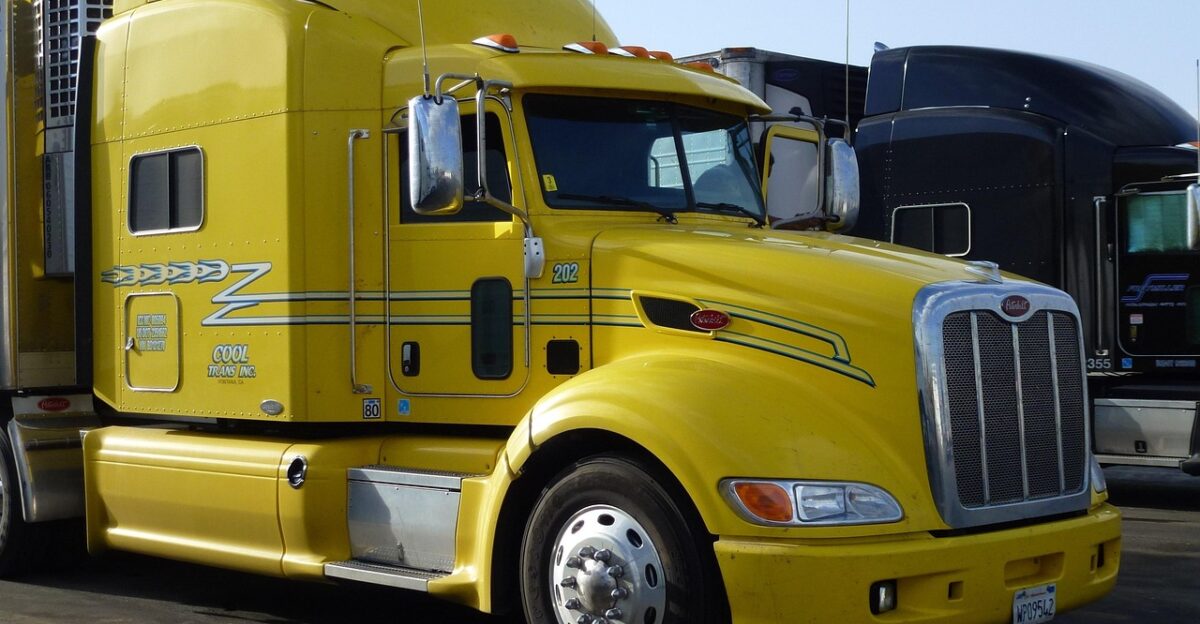
Despite recruiting efforts, the American Trucking Associations estimate that the industry will need to hire over a million drivers in the next decade to keep up with demand, roughly 100,000 each year.
This level of hiring is considered challenging. “The numbers don’t lie,” says ATA economist Bob Costello. “Without broad solutions, the shortage will persist.”
Can Recovery Catch Up?
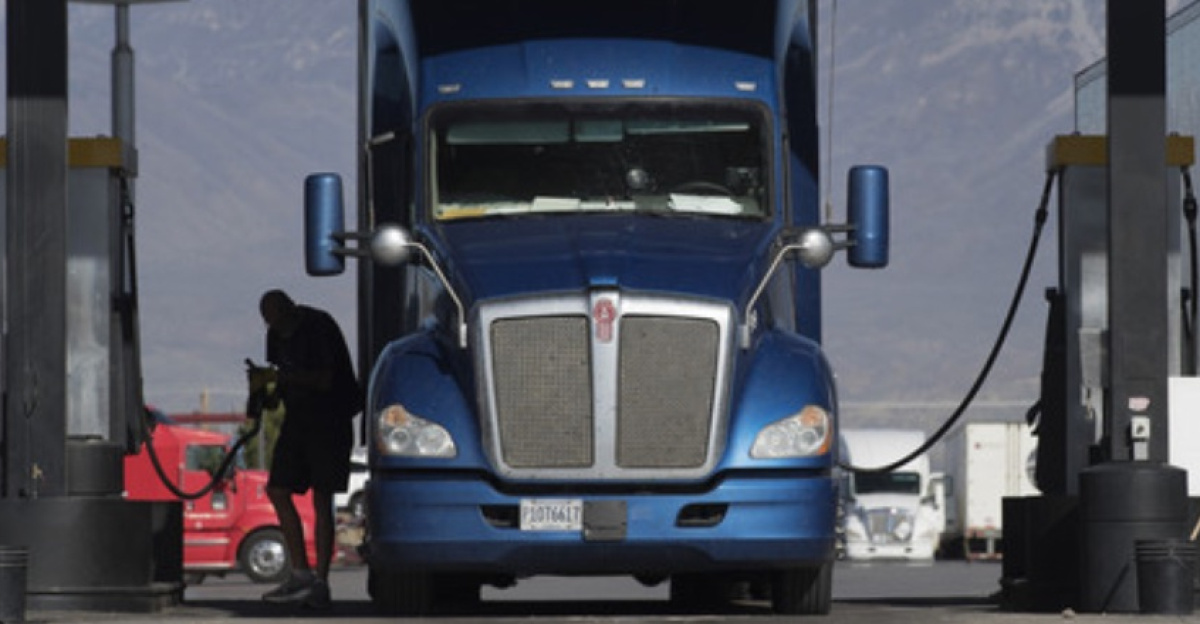
Progress is being made with apprenticeships and training centers, but experts warn these steps aren’t keeping pace with retirements. Industry leaders say ongoing improvements in pay, job quality, and driver respect are needed to make a difference.
Political Spotlight Intensifies
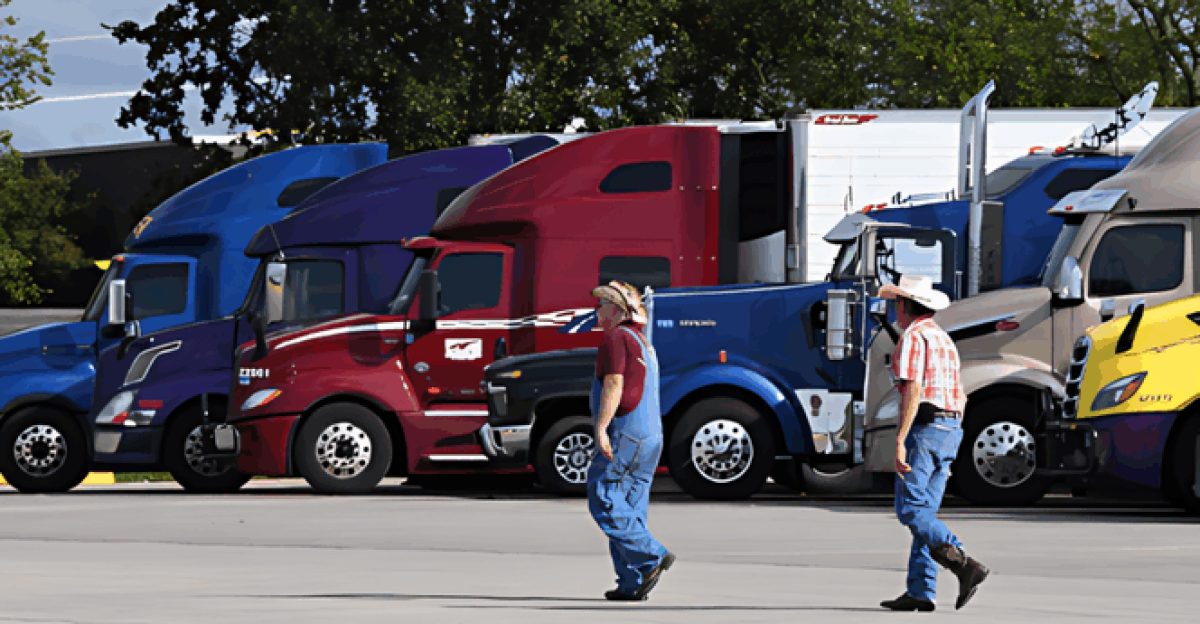
As the labor shortage continues, lawmakers must balance immigration policy enforcement with economic needs. Trucking associations are advocating for flexible immigration and workforce policies to protect supply chains. With elections approaching, trucking remains a hot political topic.
Chain Reaction Across the Globe
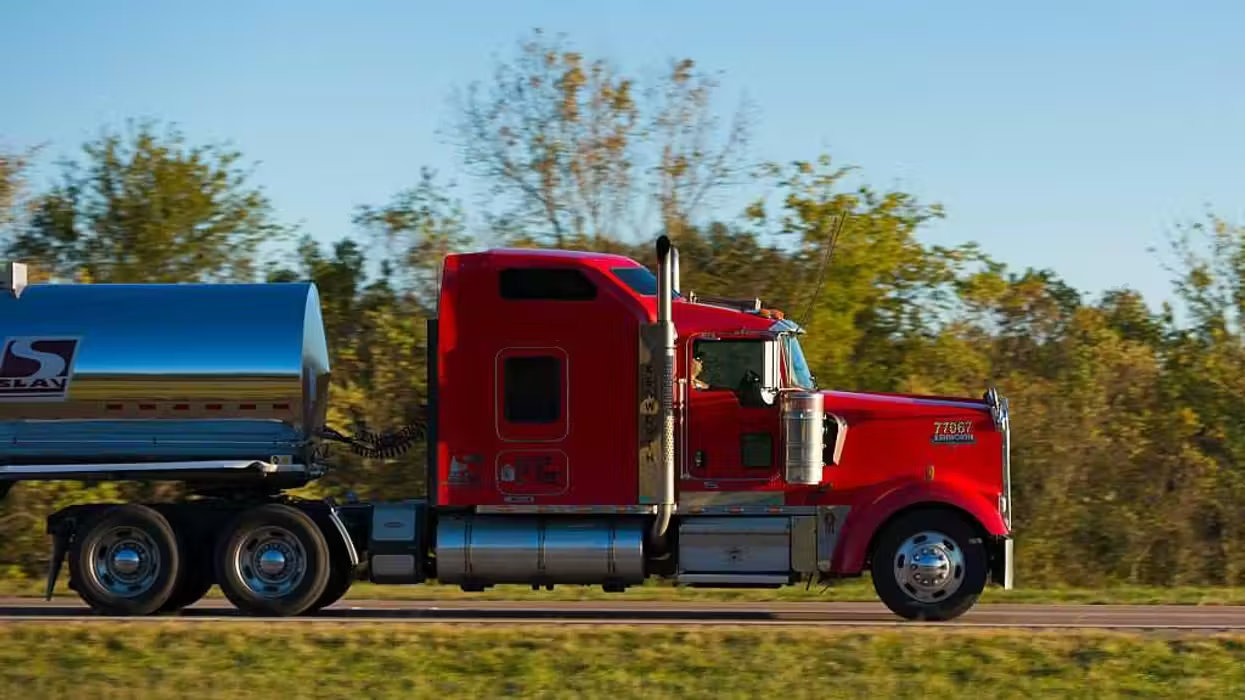
U.S. trucking challenges now have global effects. Slower agricultural exports, port buildups, and international shipping delays impact trade partners worldwide.
Legal and Green Challenges

Advocacy groups are contesting the new English language rules, arguing they could unfairly limit chances for safe immigrant drivers. Meanwhile, environmental concerns are growing as more idling trucks contribute to pollution, especially during supply chain disruptions. Reformers seek solutions that protect both jobs and air quality.
Changing Culture of Trucking
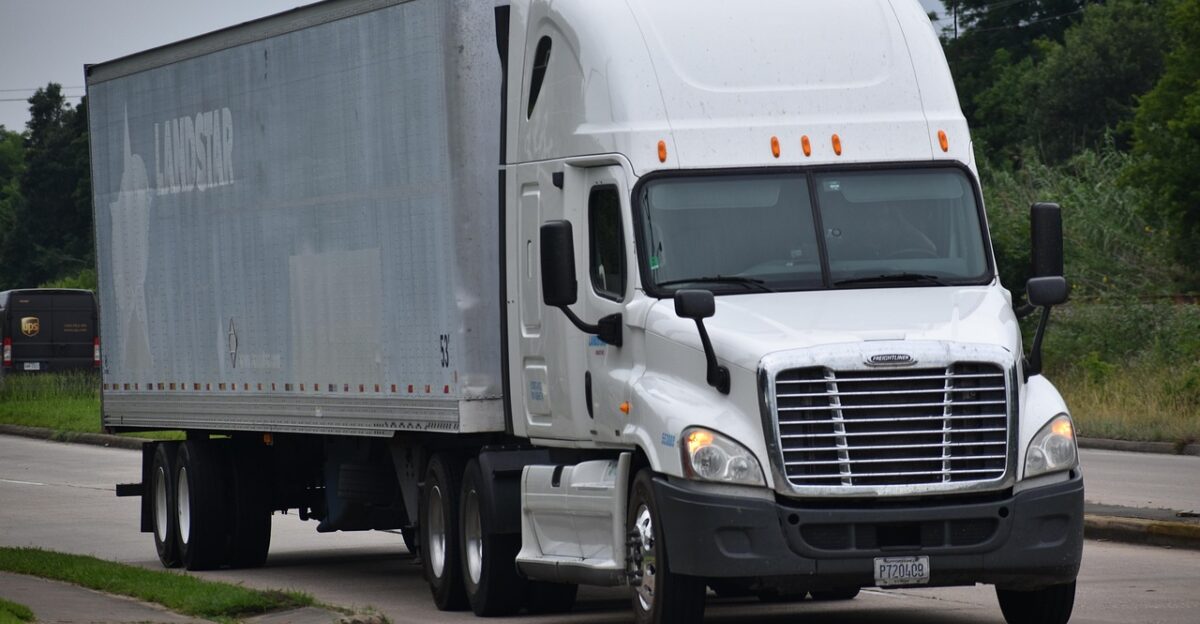
The trucking industry’s image is evolving. Outreach campaigns promote the industry to women, veterans, and minorities. Issues like sexism, job isolation, and entry-level pay are under greater scrutiny.
Mentorship and storytelling are helping to build a sense of belonging among new drivers.
America at a Crossroads
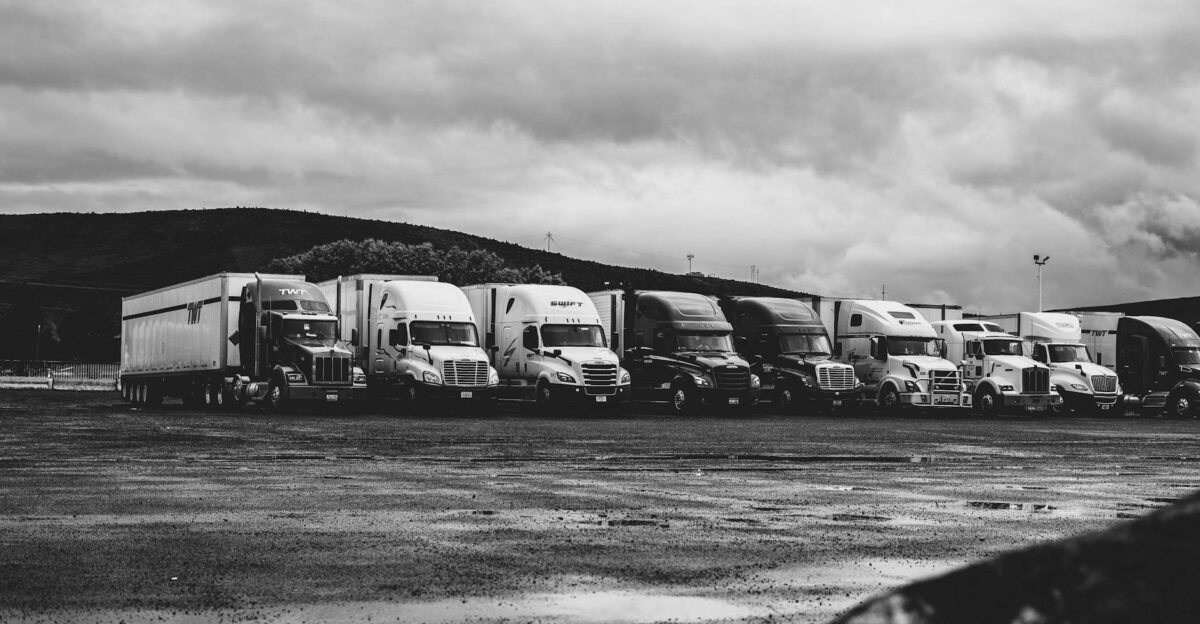
The outlook for truck driver retention and recruitment may shape the future of logistics in the U.S. Every shipment, from groceries to online orders, depends on solutions to this workforce challenge. Political leaders, businesses, and communities must work together to stabilize the system.