From minor league promise to federal custody, Juan Miguel Castillo’s arrest underscores the perils of America’s fentanyl crisis and intensifying immigration enforcement.
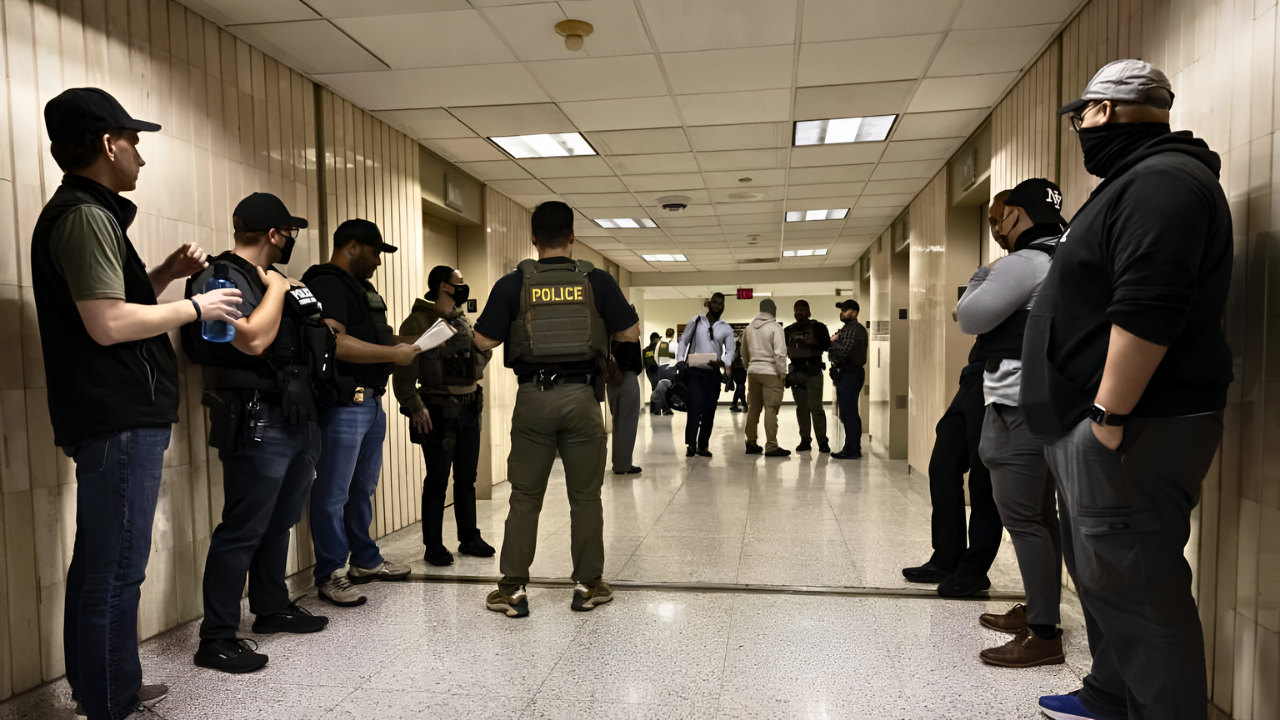
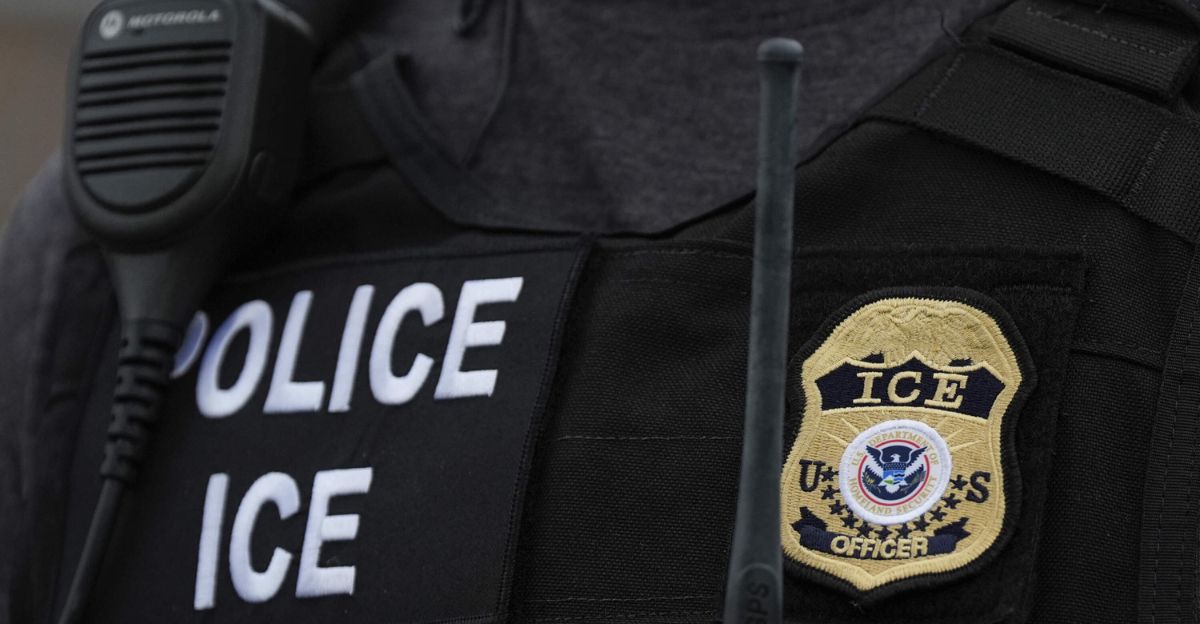
On January 15, 2026, U.S. Immigration and Customs Enforcement officers in Boston detained the 36-year-old Dominican national, a former catcher who played seven professional baseball seasons. Publicly announced on January 19, the operation targeted him as part of ICE’s campaign against criminal noncitizens in New England. Castillo, born December 13, 1989, in Santo Domingo, now faces federal charges including fentanyl trafficking involving 10 grams or more—a quantity equating to about 5,000 lethal doses, based on the 2-milligram average lethal threshold—and two counts of assault and battery. He remains in ICE custody as an unlawfully present immigrant.
Baseball Ascent and Decline
Castillo’s career spanned 2009 to 2013 in the St. Louis Cardinals and Kansas City Royals systems, where he posted a .283 batting average, 341 hits, 17 home runs, 155 RBIs, and 1,206 plate appearances. He earned mid-season All-Star nods in the New York-Penn League in 2011 and Midwest League in 2012. His path began in the Dominican Summer League Cardinals, progressing through teams like Johnson City Cardinals, Batavia Muckdogs, Quad Cities River Bandits, Palm Beach Cardinals, and Springfield Cardinals. Retiring at 23 on July 5, 2013, he never reached the majors despite solid defensive skills behind the plate.
The Dominican Republic fuels MLB’s talent pipeline, supplying 144 players—9.8% of 2025 rosters—and over 130 top prospects. Organizations like the Cardinals maintain facilities such as the Las Américas Complex in Santo Domingo, nurturing stars like Juan Soto and Vladimir Guerrero Jr. Castillo’s trajectory, however, veered sharply after retirement.
Fentanyl’s Lethal Grip
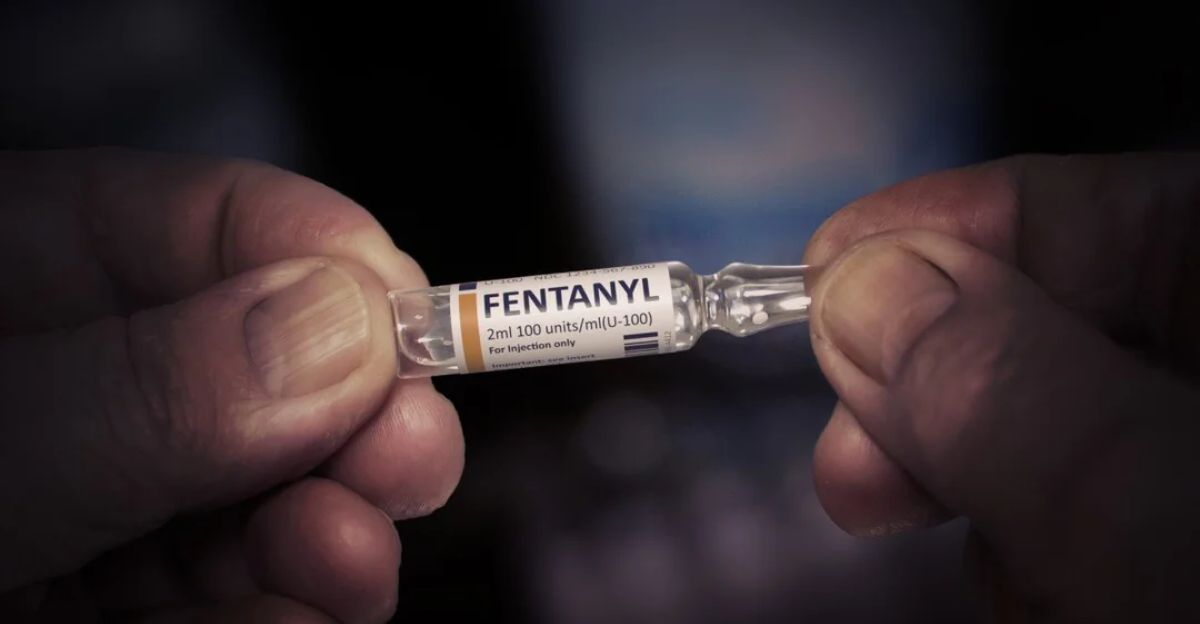
Fentanyl, a synthetic opioid 50 to 100 times stronger than morphine, drives the U.S. overdose epidemic. A mere 2 milligrams can kill via respiratory failure or cardiac arrest. The 10 grams in Castillo’s charges vastly exceeds thresholds triggering mandatory minimums under 21 U.S.C. § 841: 5 years for 40 grams, 10 years for 400 grams. For comparison, heroin requires 1 kilogram for the same 10-year minimum.
In 2022, fentanyl caused 70,813 unintentional overdose deaths—a 31-fold rise from 2,139 in 2012—accounting for nearly 70% of over 107,000 annual U.S. drug fatalities. It tops causes of death for ages 18-45, with 72,776 deaths in 2023 (199 daily). The 25-44 group bore 53.6% of 2022 fatalities, costing 2.0-2.6 million life-years and $57-67 billion economically. Rates vary sharply, with West Virginia’s 15 times South Dakota’s. DEA tests showed six in ten counterfeit pills lethally laced in 2022, up from four in ten in 2021.
ICE’s Aggressive Push
ERO Boston framed the arrest within its “worst of the worst” focus on narcotics-linked noncitizens fueling the opioid surge. Nationwide, ICE ramped up at-large arrests to 17,500 in September 2025, with October likely higher—the most since 2011. From June to mid-October, 67,800 such arrests doubled prior months, though over 60% involved no convictions, and nearly a quarter of criminal cases were traffic offenses. The Trump administration aims for 1 million deportations in the second term’s first year, shifting from jail-based to public-space apprehensions.
Boston intensified as a hotspot: 54 courthouse arrests in 2025, 20 at East Boston’s facility alone. ICE visited Moakley Federal Courthouse 147 times through mid-October, detaining 110. Tensions rose with local leaders; Mayor Michelle Wu bars police-ICE data sharing to build trust, while Governor Maura Healey decried federal tactics as cruel. The Justice Department sued over Boston’s Trust Act limiting cooperation.
Lingering Mysteries
Key details elude public view: Castillo’s immigration lapse date, post-2013 trafficking duration, and arrest specifics. ICE withheld further information on his status or circumstances. Federal proceedings—prosecution before deportation or vice versa—remain pending, amid sentencing disparities highlighting fentanyl’s potency.
Castillo’s case spotlights intertwined immigration, sports, and drugs. From Dominican fields to Boston streets, his downfall mirrors broader stakes: curbing a killer epidemic, enforcing borders, and questioning paths of unfulfilled promise. As proceedings unfold, they test enforcement priorities amid public health and local-federal frictions.
Sources:
New Bedford Guide ICE Boston arrest report January 2026
ERO Boston official social media announcements January 2026
MiLB.com Juan Castillo player profile and career statistics
Baseball America player records
DOJ fentanyl trafficking sentencing guidelines documentation
DEA fentanyl facts and lethal dose data
Northwestern Medicine fentanyl public health information
European Union Drug Agency fentanyl profile
Health Affairs Scholar American fentanyl epidemic study 2025