
Sweltering summer days drive many to leave water bottles in their cars without a second thought. Yet, research reveals that even just one hour in a hot car can spur rapid chemical changes in the water.
Public health experts warn this simple act can unleash harmful substances faster than people realize—raising new worries over what we sip when we least expect it.
Escalating Danger
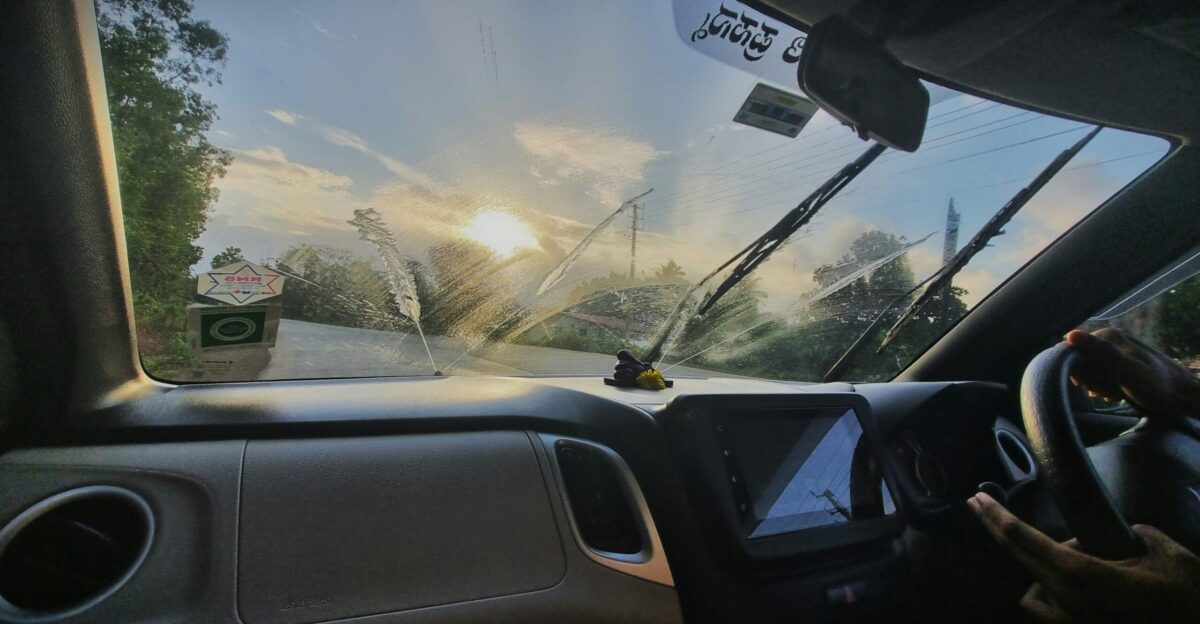
Inside a parked vehicle, temperatures can skyrocket to 110°F in less than 30 minutes, far surpassing outdoor air temperature. Scientists say this level of heat significantly activates chemical migration from the plastic bottle into the water.
So, while bottled water seems practical, those high temperatures transform hydration into a potential risk—especially on sunny days when thirst is at its peak.
Bottled Water History
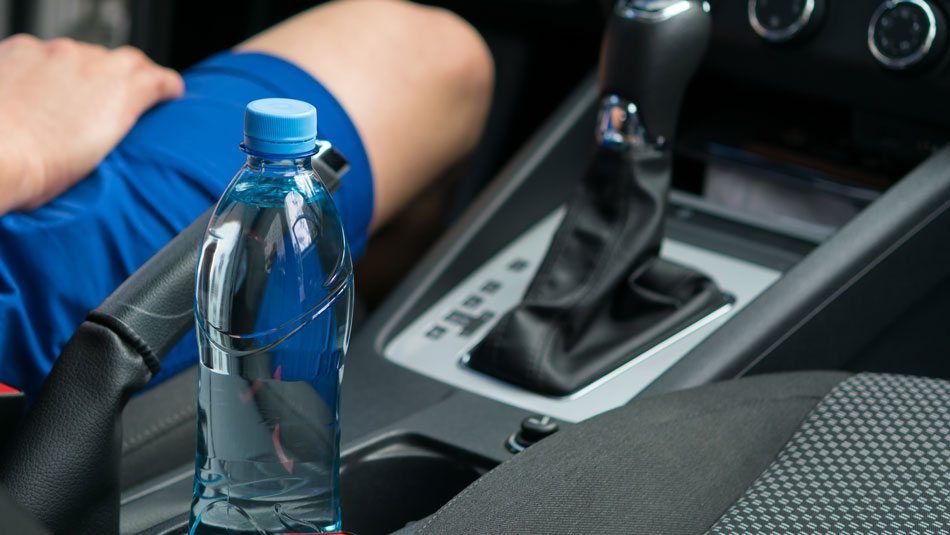
Bottled water emerged as a global staple in the 1980s, reshaping hydration habits worldwide. Today, Americans alone consume nearly 15 billion gallons annually, with most bottles made from polyethylene terephthalate (PET).
This lightweight, durable plastic is prized for cost and convenience—but for decades, its tendency to leach trace chemicals has quietly nagged at scientists, regulators, and consumers.
Mounting Pressures

Recently, evidence linking plastics to hormone disruption, cancer, and microplastic contamination has accelerated concern.
Governments and advocacy groups increasingly push food and beverage companies to prove safety and disclose risks.
Stringent labeling laws and environmental regulations are debated worldwide, as more reports call for urgent action to safeguard public health and reduce plastic reliance in everyday life.
Study Nugget Unveiled
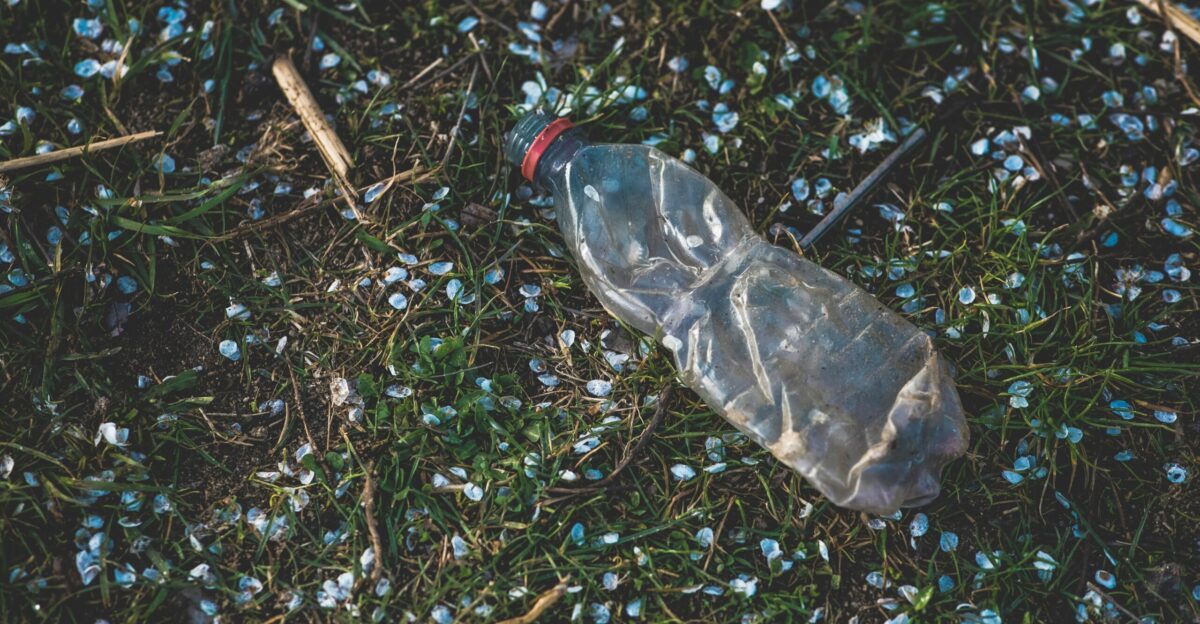
A pivotal 2024 study shocked the public: plastic water bottles heated in sun or a hot car can discharge substantial quantities of volatile organic compounds (VOCs), the hormone disruptor BPA, the toxic metal antimony, and trillions of nanoplastic particles—sometimes in under an hour.
Lead scientist Dr. Huase Ou warned, “Sunlight exposure can release toxic compounds that pose health risks.”
Regional Impacts
Risks spike in hot-weather regions, where even modest car exposure can turn bottled water hazardous. In Kuwait, for example, bottled water stored at 50°C (122°F) for 24 hours recorded antimony levels above some national safety limits.
Urban commuters and outdoor workers in southern U.S. cities and the Middle East experience these dangerous bottle conditions daily, amplifying potential exposures.
Human Side
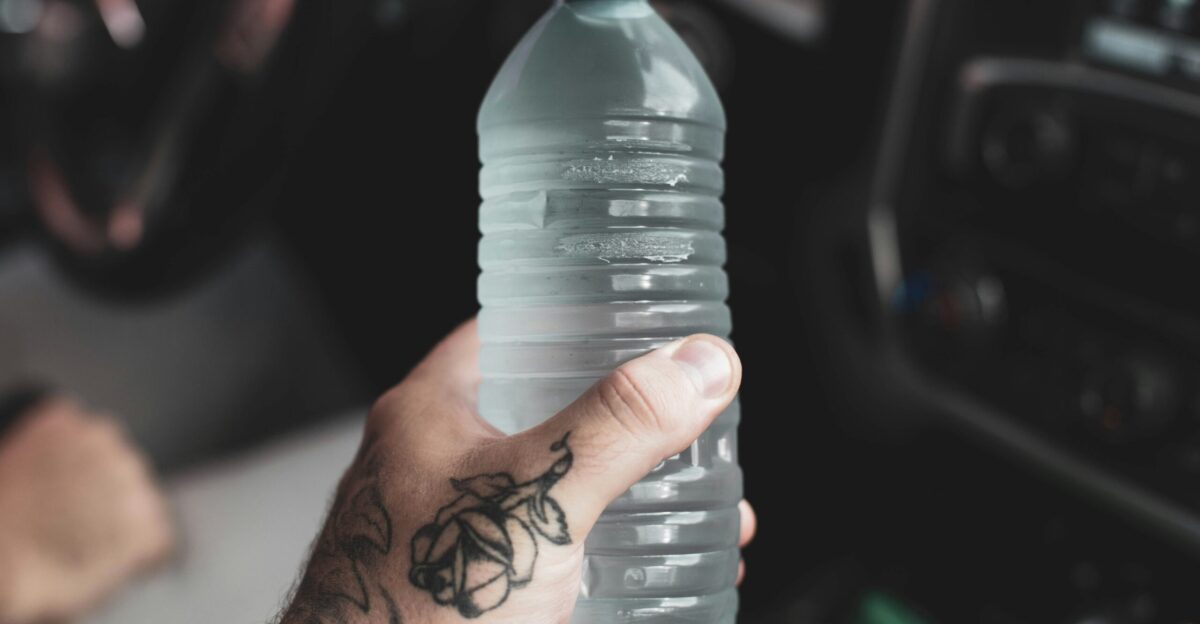
Busy schedules mean countless people keep bottles in their cars for convenience. Dr. Manjusha Agarwal cautions that this widespread habit is “not as harmless as it seems,” noting growing evidence that heat-exposed bottles can disrupt hormones and increase long-term health risks.
Consumers, she says, should avoid reusing bottles left in hot places, especially during warm summer months.
Competitor and Regulator Response
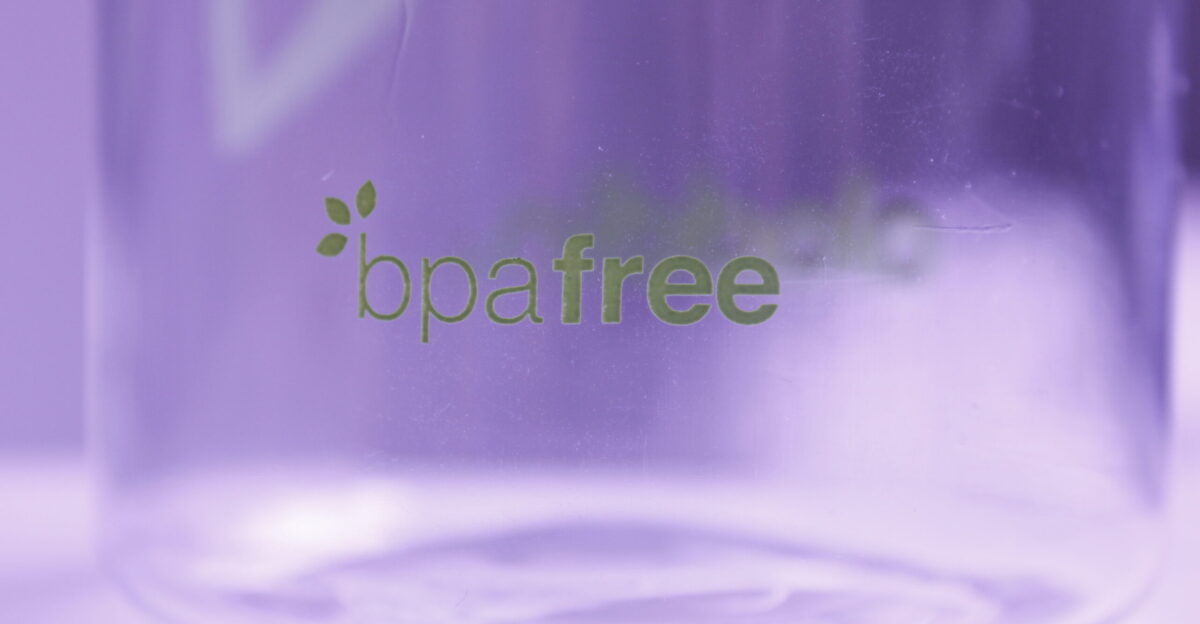
In response, beverage giants promote “BPA-free” packaging, while U.S. regulators maintain BPA exposures are “safe at current levels.”
However, the European Union and some Asian countries have launched ongoing reviews and consider stricter oversight.
Industry’s move to offer alternative materials like glass or plant-based plastics reflects mounting consumer demand for safety and transparency from top brands.
Macro Trend
Microplastic contamination is a global crisis, with bottled water now identified by the National Institutes of Health as the primary dietary source of micro- and nanoplastics.
Studies measuring commercial bottled water found an average 240,000 plastic particles per liter, most less than one micron and undetectable by the naked eye, making ordinary filtration and regulation especially challenging.
Collateral Finding
Recent scientific discoveries confirm that nanoplastics can enter the human bloodstream and accumulate in various organs, including the brain.
Though the ultimate health impacts remain under study, early research links chronic nanoplastic exposure to inflammation and potential organ dysfunction, placing added importance on understanding and reducing our cumulative plastic intake.
Stakeholder Frustration
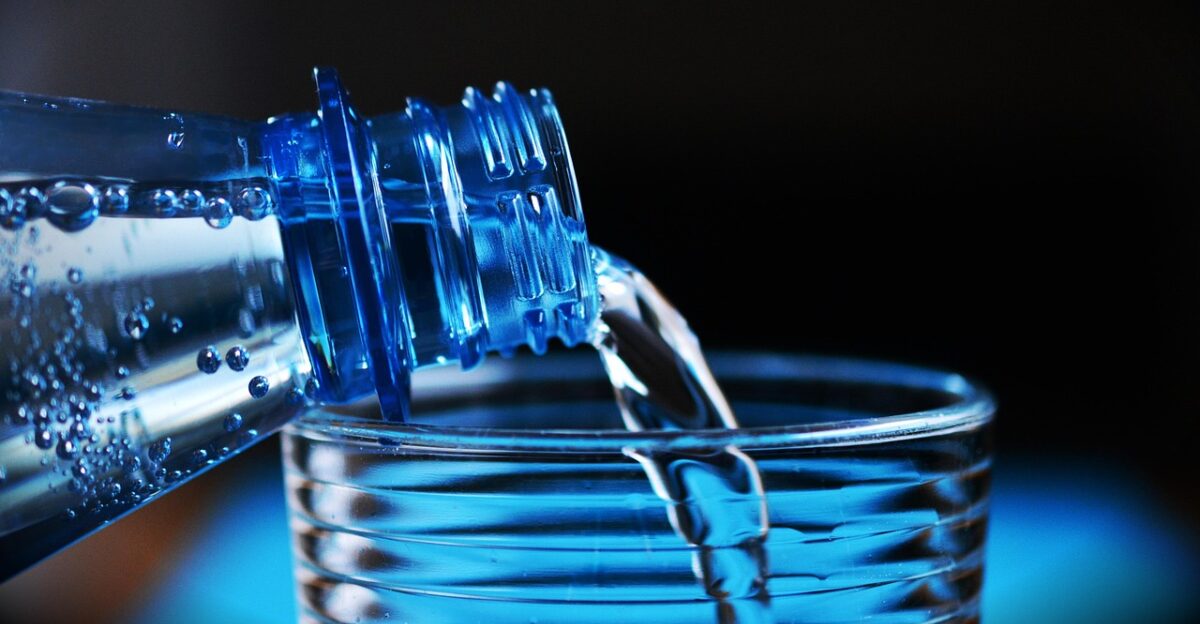
Beverage manufacturers insist they comply with all recognized safety standards and accuse critics of overdramatizing risks.
However, independent analyses find significant differences in chemical leaching across brands and even between batches, especially after heat exposure.
These inconsistencies make it difficult for consumers to identify the safest—and riskiest—products without better transparency from producers.
Leadership Shifts
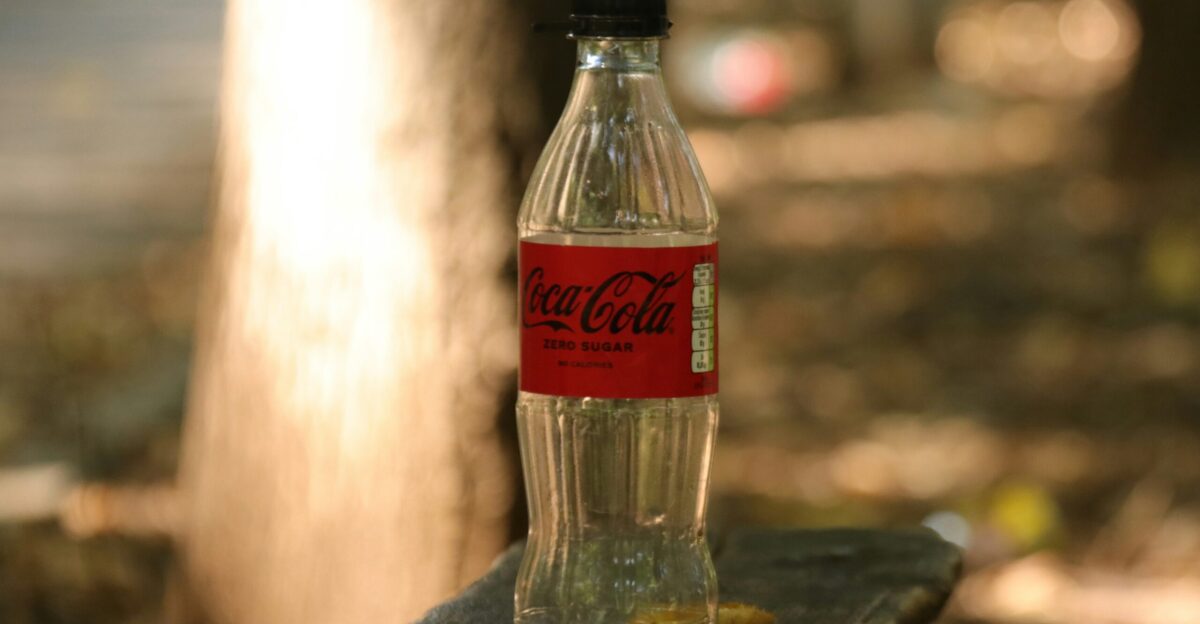
Facing mounting scrutiny, major brands like Nestlé and Coca-Cola have started investing in alternative packaging such as glass, recycled aluminum, and biomaterials.
They are also supporting new research into safer polymers and logistics that minimize heat exposure. These shifts reflect a blend of public pressure, leadership strategy, and the growing economics of environmental responsibility.
Comeback Attempts
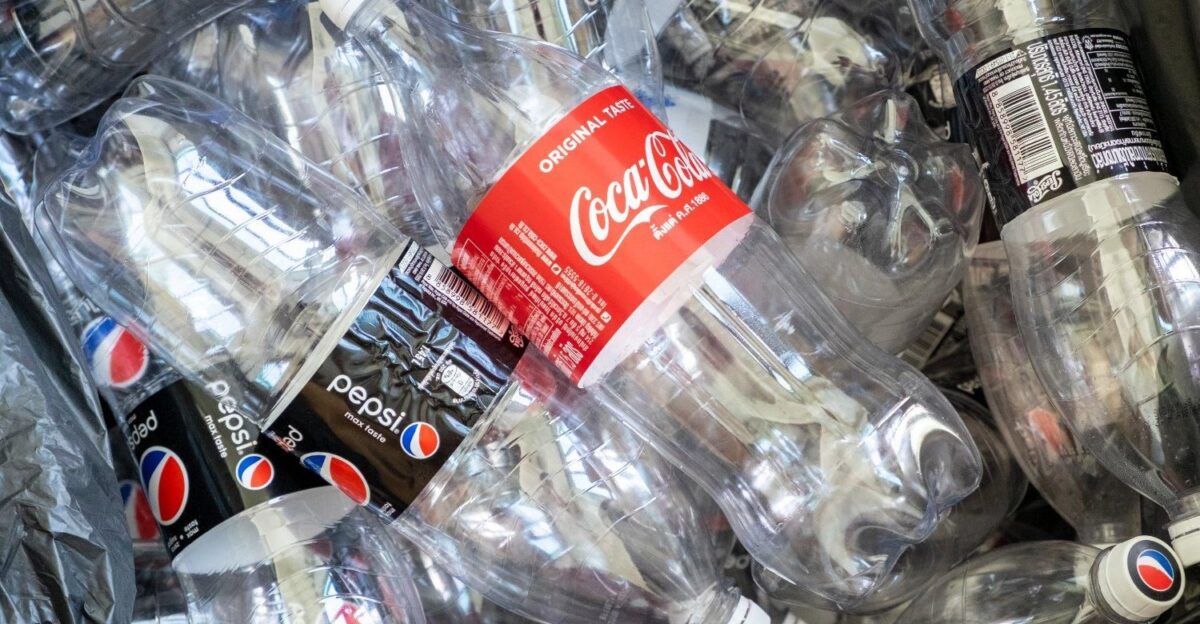
Some beverage companies now offer reusable stainless steel or glass bottles and have updated consumer guidelines. Coca-Cola, among others, states, “We are committed to safety and innovation,” highlighting customer education campaigns on heat risks while pushing forward with climate-resilient supply chains and next-generation bottle technology as core elements of their long-term strategy.
Expert Skepticism
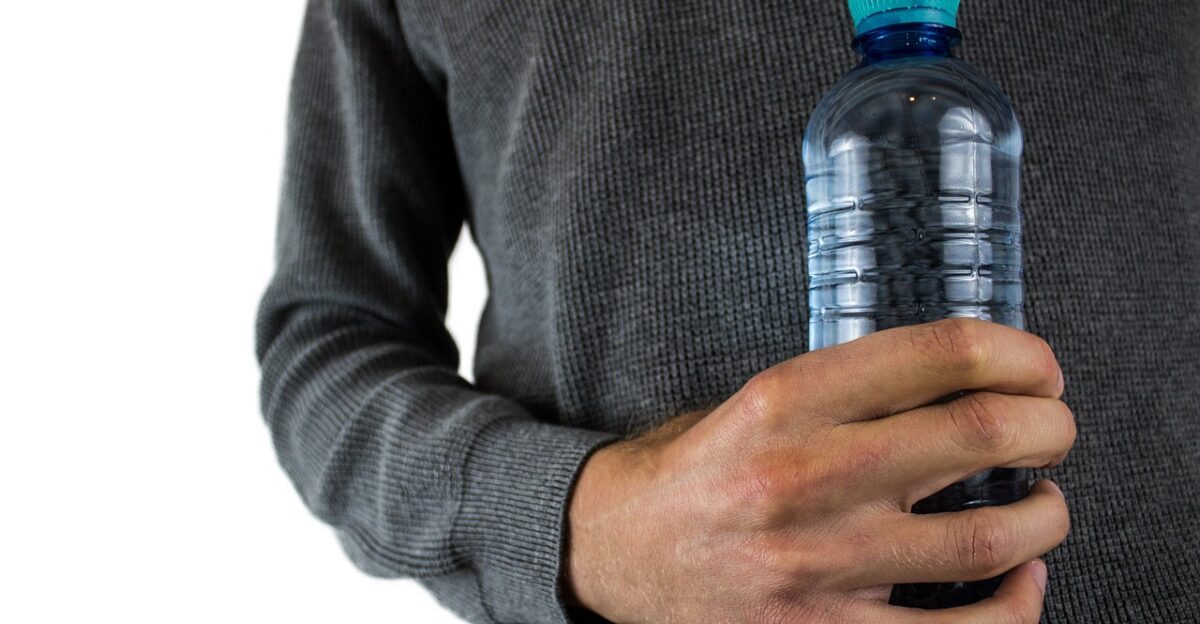
Despite industry efforts, many scientists remain cautious. Toxicity researcher Dr. Rituja Ugalmugle notes that “even BPA-free plastics can leach other hormone-mimickers under heat,” since reformulated plastics often bypass full toxicity testing.
As companies shift away from legacy chemicals, experts urge stricter oversight and more research to ensure new materials are genuinely safer for consumers.
Looking Ahead
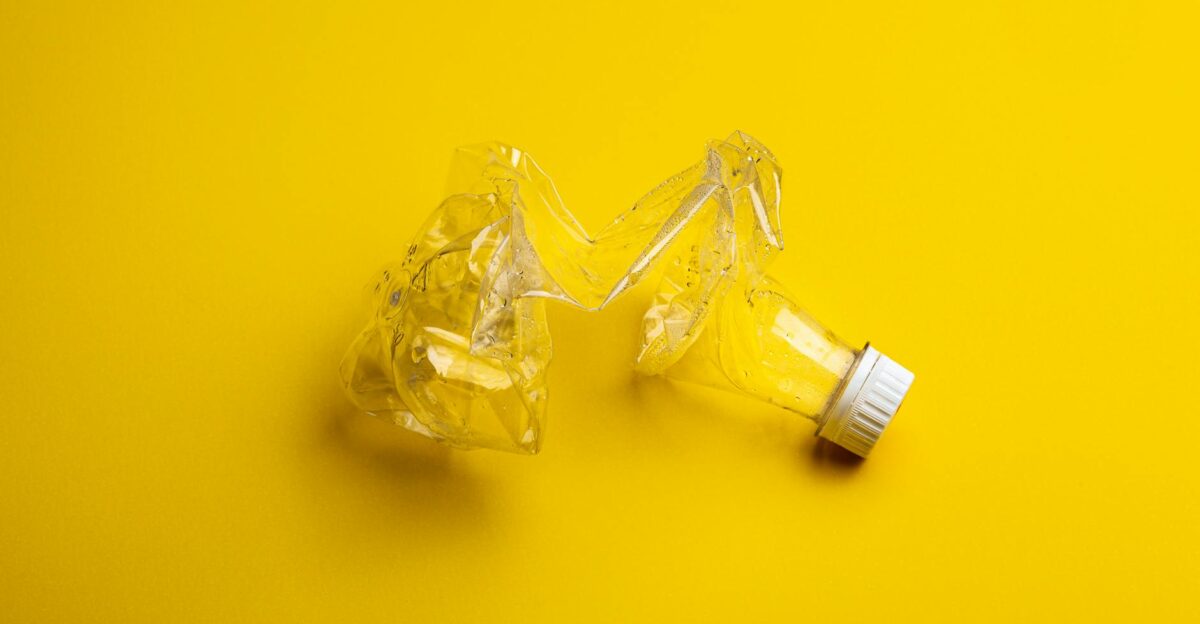
As global plastic bottle consumption is projected to double by 2034, researchers and regulatory agencies debate the next move.
Some scientists advocate real-time warning labels that indicate heat exposure, while policy proposals range from tighter leachate testing standards to seasonal or regional bans on single-use PET bottles, especially during extreme heatwaves in vulnerable environments.
Political Implications

This issue is now a major political talking point in the European Union and across Asia. Lawmakers have begun examining not only BPA, but also antimony, phthalates, and nanoplastics.
Food and beverage trade groups typically resist regulatory expansion, arguing that the evidence for severe risk “remains inconclusive,” even as public health groups push for tighter controls.
International Ripples

Internationally, new standards are emerging. For instance, Norway and China mandate batch testing and temperature tracking for bottled water exposed to heat during transport.
Multi-country studies have found up to 100 billion nanoplastic particles per liter, intensifying calls for harmonized global rules on plastic bottle safety and transparent reporting across markets.
Legal and Environmental Angle
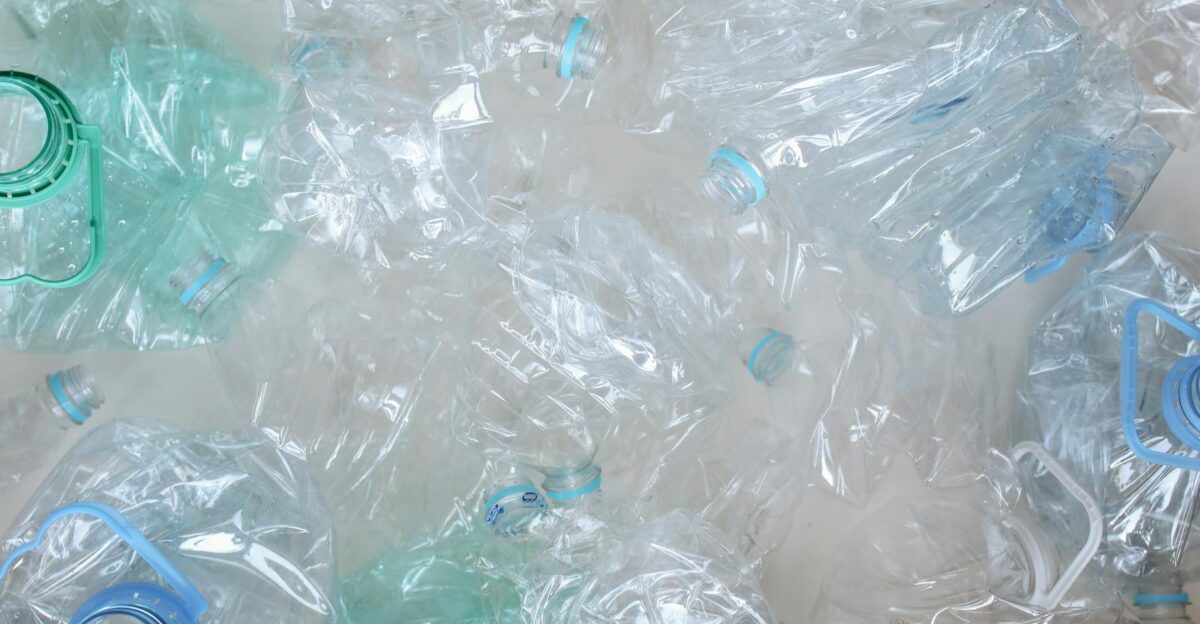
Plastic bottle contamination has sweeping legal ramifications. U.S. lawsuits citing “failure to warn” about heat-triggered leaching are in early stages, alleging disregard for consumer safety.
Meanwhile, environmental agencies have found that antimony and nano plastics from disposed bottles leach into waterways, harming ecosystems and raising the stakes for sustainable package engineering.
Culture Shift
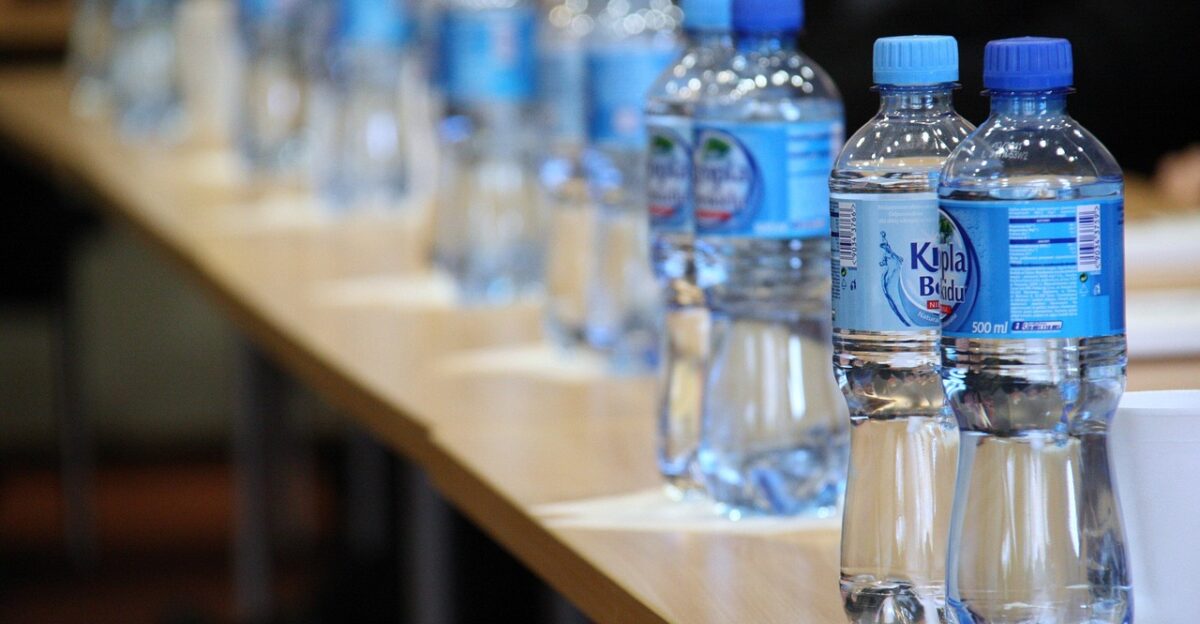
As public awareness grows, a generational shift is underway in hydration habits. Millennials and Gen Z consumers demand sustainable options and transparency about microplastics, fueling online movements like #SorryNotPlastic.
Schools in several countries now actively discourage single-use bottles during summer, citing heat safety and environmental responsibility as top priorities for future generations.
Final Reflection
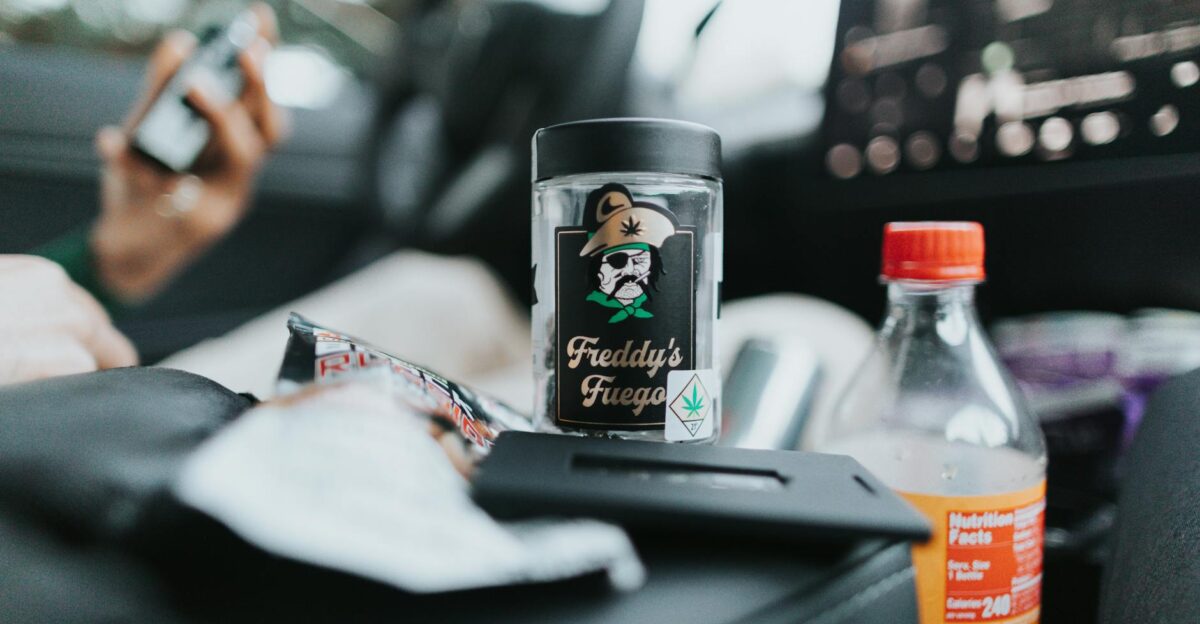
Leaving a plastic bottle in the car may seem innocuous, but science now shows it sparks a cascade of chemical changes, exposing us to particles and toxins unseen.
As researchers uncover new risks, society confronts bigger choices about convenience, health, and the future of plastic—turning attention from what we drink to how, and where, we store it.