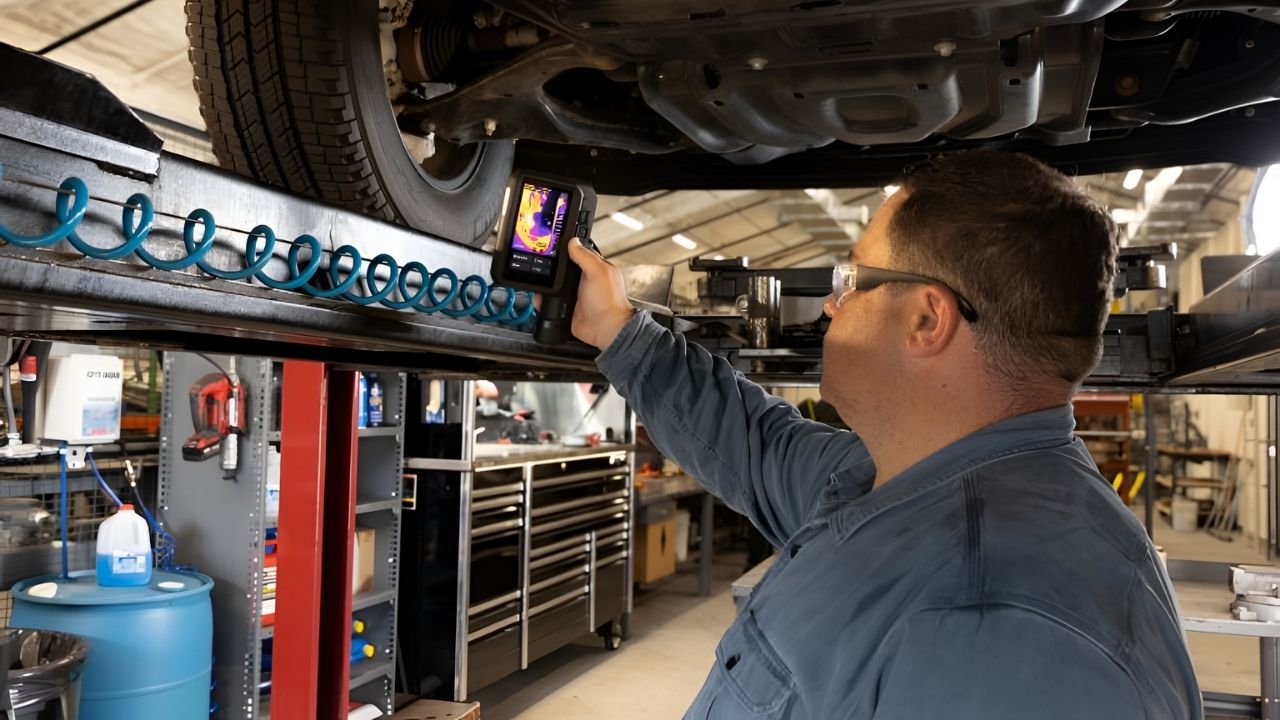
In Florida, a Hyundai Ioniq 5 N owner pops his trunk, ready to swap out worn brake pads—a routine task for generations of car enthusiasts. But this time, the process halts before it begins. Despite investing $2,000 in a specialized adapter and paying a $60 weekly software fee, he’s met with a blunt message: “DIYers are not permitted access.” For the first time, a simple brake job is blocked not by mechanical complexity, but by software restrictions, signaling a dramatic shift in how Americans can maintain their vehicles.
Digital Barriers Replace Wrenches
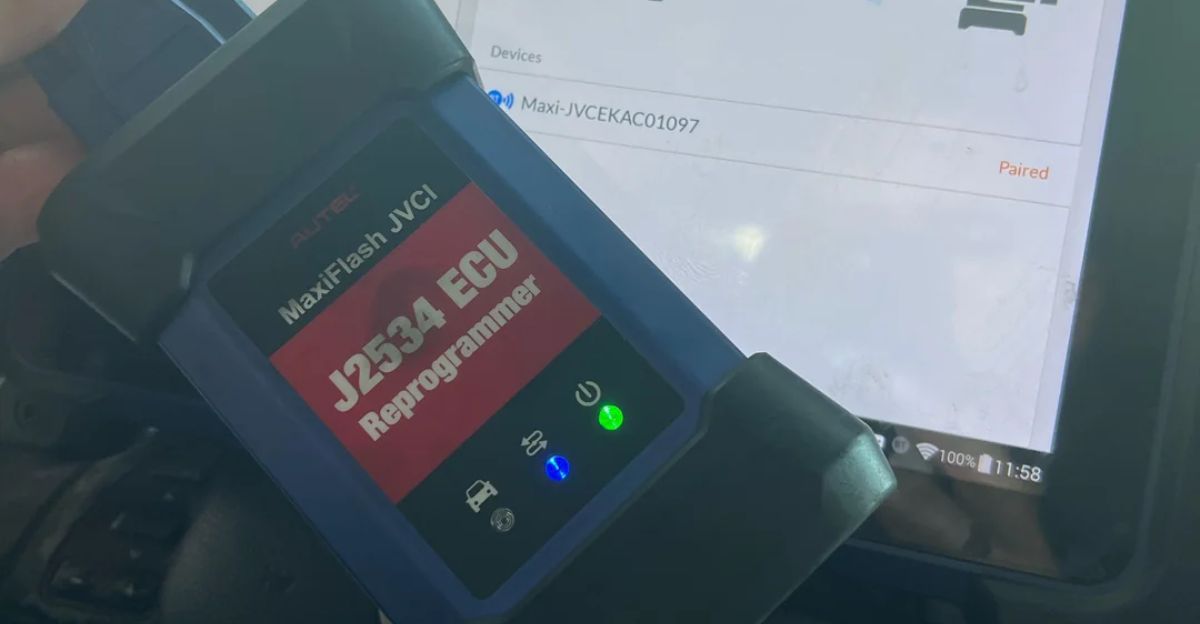
Hyundai’s latest electric models, including the 2025 Ioniq 5 N, require digital disengagement of the electronic parking brake before brake pads can be replaced. The company insists this step is necessary for safety, as interacting with software-controlled components demands secure authentication and specialized tools. Yet, while dealerships use a straightforward Android-based device to complete the procedure in seconds, private owners face steep costs and strict credential requirements—only to find themselves locked out of essential functions.
For many longtime DIYers, this marks a jarring loss of autonomy. Even after purchasing the required hardware and subscriptions, owners are denied access, with some having their accounts terminated by the National Automotive Service Task Force. The message is clear: routine maintenance is no longer a given right, but a privilege controlled by the manufacturer.
Dealerships and Independent Shops: A Growing Divide
The new system creates a two-tiered landscape. Hyundai dealerships enjoy seamless access to brake service mode, reinforcing their position as the default—and sometimes only—option for repairs. Meanwhile, independent garages and small shops face mounting hurdles. Although they can theoretically use the same J2534 devices as dealerships, doing so requires not just expensive hardware and ongoing fees, but also professional credentials that many small operators lack.
This shift threatens the viability of independent repair shops, which have long relied on accessible diagnostics and affordable parts. As software-locked repairs become more common, these businesses may be forced to invest heavily in new tools or pivot to servicing older, less restricted vehicles. For the broader aftermarket sector, the move raises concerns about reduced competition and higher costs for consumers.
Global Implications and Consumer Backlash
While the lockout currently affects U.S. Ioniq 5 N owners, the implications are global. Hyundai sold approximately 28,000 Ioniq 5 units in the U.S. in 2024, and right-to-repair advocates warn that this model could spread to other markets and brands. If adopted widely, millions of electric vehicle owners worldwide could see their ability to perform basic maintenance sharply curtailed.
The backlash has been swift. Owners describe the experience as “infuriating,” with some expressing a sense of betrayal after years of brand loyalty and hands-on maintenance. For many, the issue is not just technical—it’s cultural. The tradition of fixing one’s own car, a symbol of independence and self-reliance, is being eroded by digital gatekeeping.
Economic and Industry Ripple Effects
The financial impact is significant. DIYers now face a minimum outlay of $2,060 for a single week of access, with annual costs exceeding $3,000 if year-round service is needed. In contrast, the parts themselves typically cost $50–80, and dealership brake jobs range from $150–300. For the estimated 14,000 U.S. owners likely to attempt their own brake work, this translates to millions in added expenses.
Auto parts retailers and independent garages are rethinking their business models. Some may invest in the necessary diagnostic tools and seek manufacturer authorization, while others may shift focus to older vehicles or non-software-locked repairs. Fleet operators and rental companies, accustomed to in-house maintenance, now face higher costs and logistical delays, potentially leading to increased rental prices or reduced vehicle availability.
A Turning Point for Car Ownership
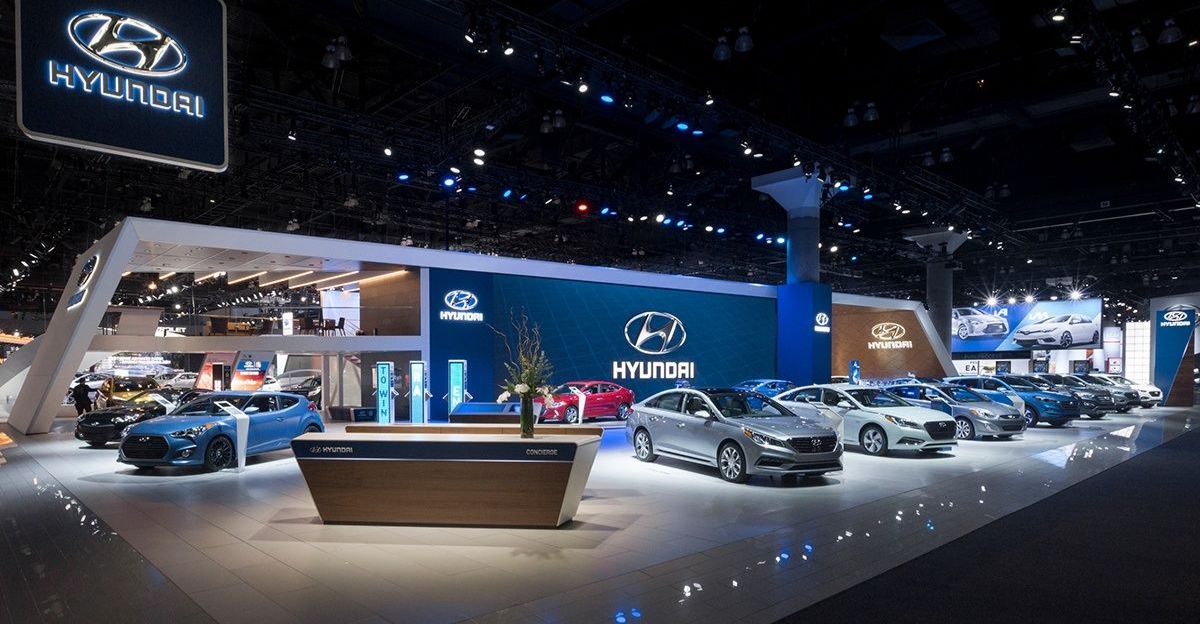
Hyundai’s move has ignited calls for regulatory intervention. Right-to-repair advocates urge lawmakers to investigate whether placing routine, safety-critical service behind expensive hardware and subscriptions undermines consumer rights. With electric vehicle adoption accelerating, the debate over who controls repair access is intensifying.
Industry analysts are watching closely. If Hyundai’s approach proves profitable or defensible, other automakers may follow suit, reshaping the economics of vehicle ownership and consolidating control over maintenance ecosystems. For consumers, the stakes are high: the future may hold a world where vehicle ownership is defined not by possession, but by software licenses and subscription fees. Whether this becomes the new normal or sparks a broader push for repair rights will depend on regulatory decisions, market reactions, and public pressure in the years ahead.