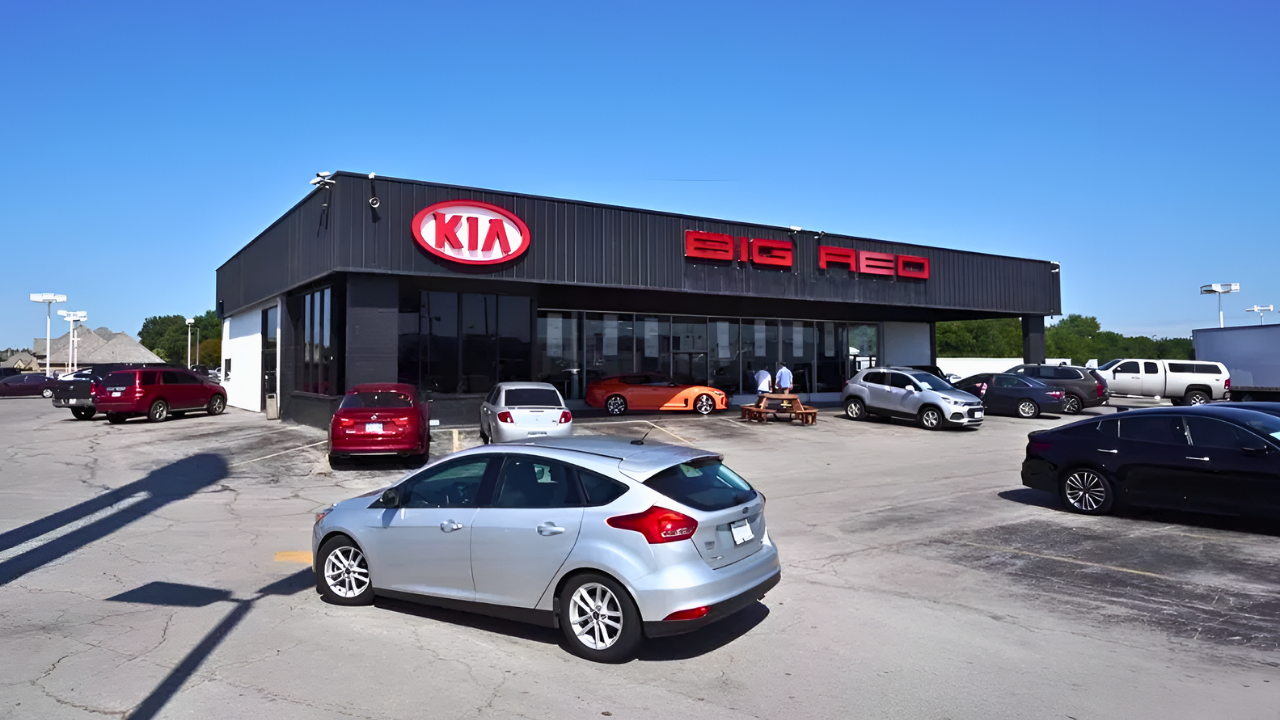
A row of Hyundai and Kia vehicles sits disabled along a city street—windows shattered, steering columns torn open, ignitions exposed. Police reports log the same damage again and again, sometimes dozens of times in a single night. By 2023, cities were reporting vehicle theft spikes exceeding 1,000 percent.
Investigators traced the pattern back to viral social media videos showing how to steal specific cars in minutes. What began online had exploded into one of the largest auto-theft crises in U.S. history.
Billions in Damage, Millions of Vulnerable Cars
The so-called “Kia Boys” phenomenon inflicted billions of dollars in losses nationwide. Costs include stolen vehicles, police overtime, insurance claims, property damage, and crimes committed using stolen cars. Law enforcement linked these vehicles to robberies, drug trafficking, and fatal crashes.
More than 7 million Hyundai and Kia vehicles remain vulnerable. Agencies in over 30 states now treat the theft wave as a coordinated crisis, requiring multistate and federal-level responses.
The Missing Safety Feature
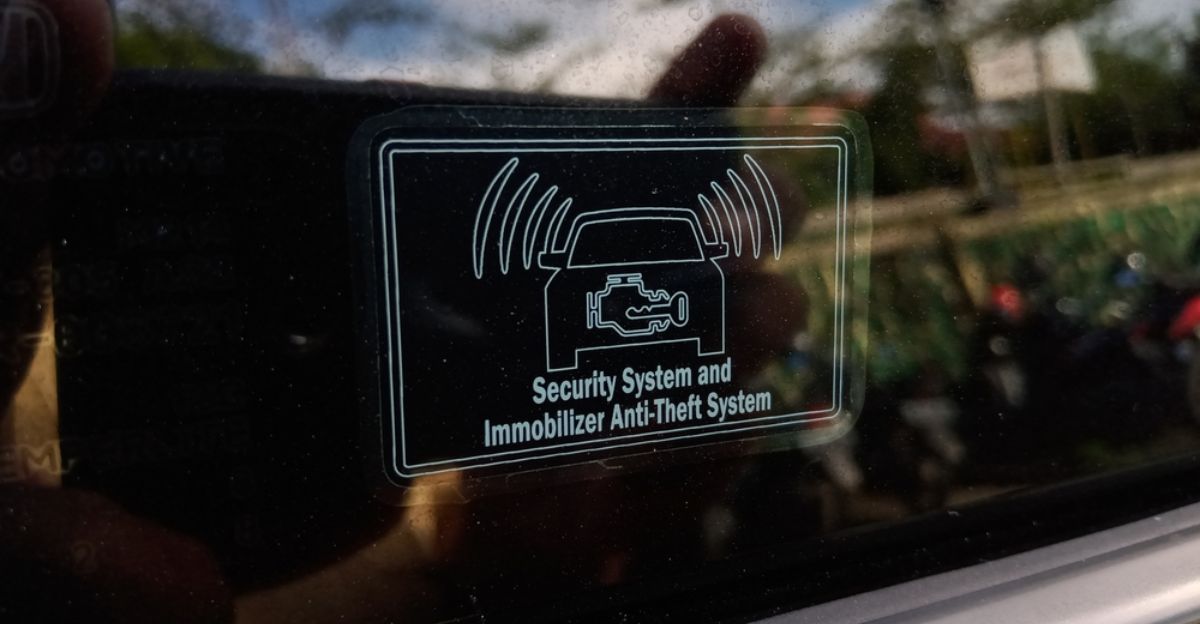
Engine immobilizers have been an industry standard for decades, preventing vehicles from starting without a coded electronic key. Hyundai and Kia omitted this feature from many 2011–2022 models. In 2015, only 26 percent of Hyundai and Kia vehicles had immobilizers.
By comparison, 96 percent of competitors like Toyota and Honda had already adopted the technology. The decision reduced manufacturing costs but created a major security gap—one competitors had closed years earlier.
How the Exploit Works
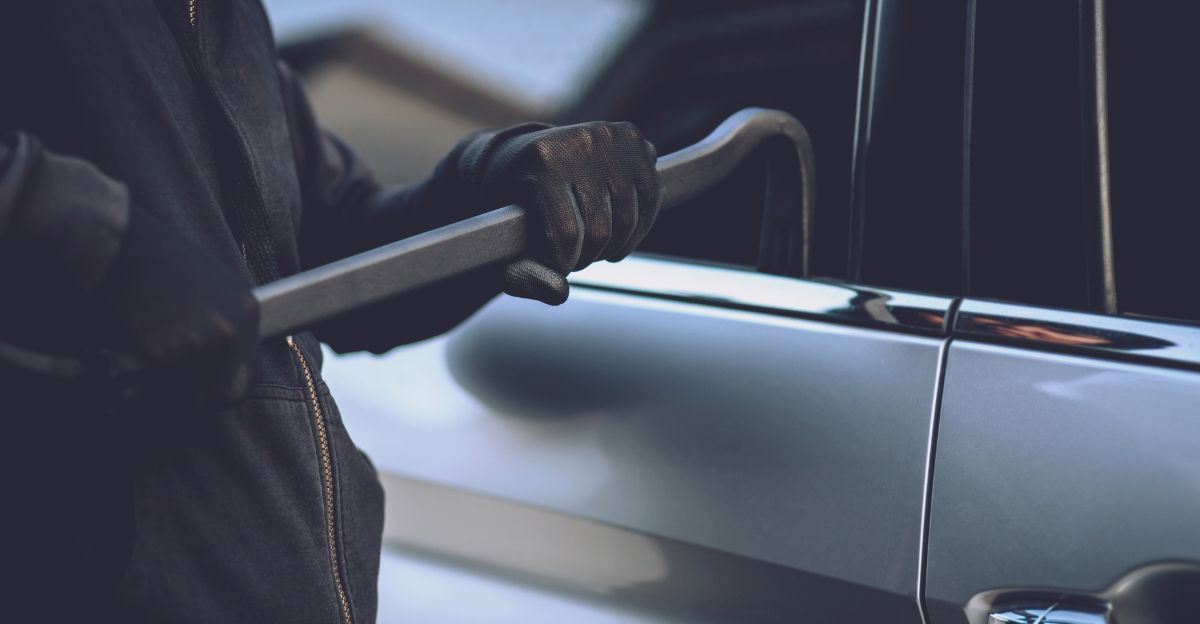
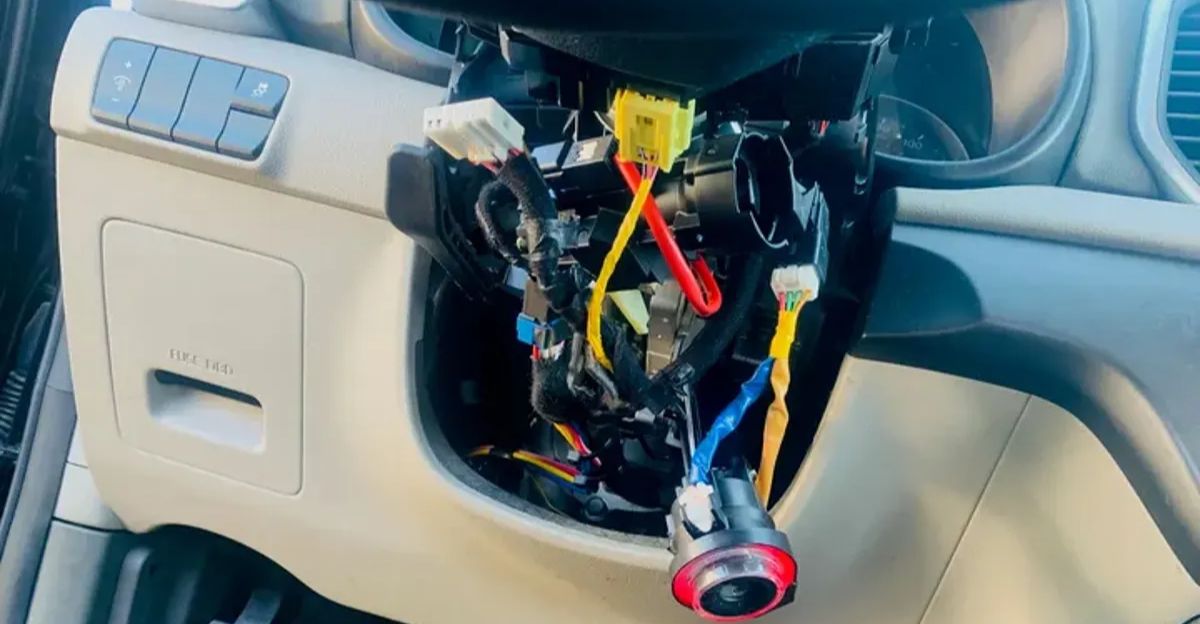
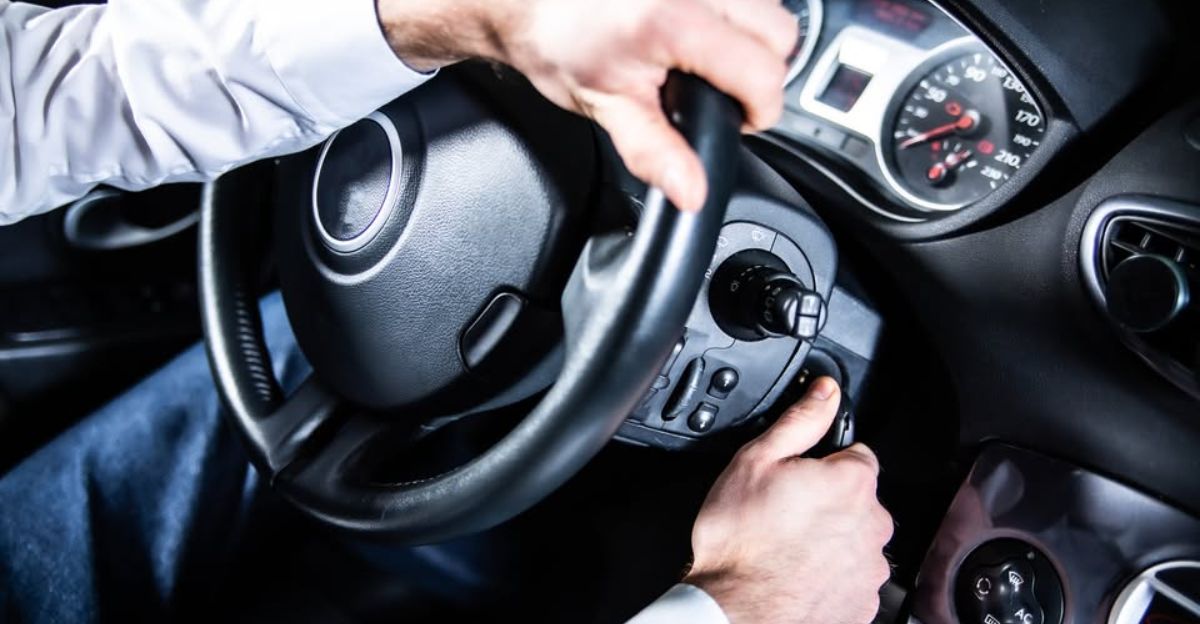
The theft method requires no advanced tools. Thieves break a side window, remove the steering column cover, and access the ignition mechanism. Without an immobilizer, a USB cable or plug can turn the ignition.
The process takes minutes. TikTok, Instagram, and YouTube videos provided clear demonstrations. Even failed attempts often cause thousands of dollars in damage, leaving owners with repair bills despite retaining their vehicles.
7.1 Million Vehicles Affected
In December 2025, Hyundai and Kia finalized a binding settlement with 35 states and Washington, D.C. The agreement covers approximately 7.1 million vehicles—about 4 million Hyundais and 3.1 million Kias from model years 2011–2022.
The companies must provide free anti-theft retrofits and pay $4.5 million in restitution to consumers, part of a broader $9 million state settlement, on top of a $200 million class-action settlement finalized earlier.
Regional Hotspots and Community Impact

Certain cities became epicenters, including Milwaukee, Columbus, Chicago, and Denver. Police documented multiple thefts on the same block in a single night. Stolen vehicles were frequently used in follow-on crimes.
Neighborhoods with high concentrations of Hyundai and Kia models saw disproportionate crime increases. Departments diverted officers and funding toward theft response, reducing resources for other public safety needs.
Victims Left with Wreckage
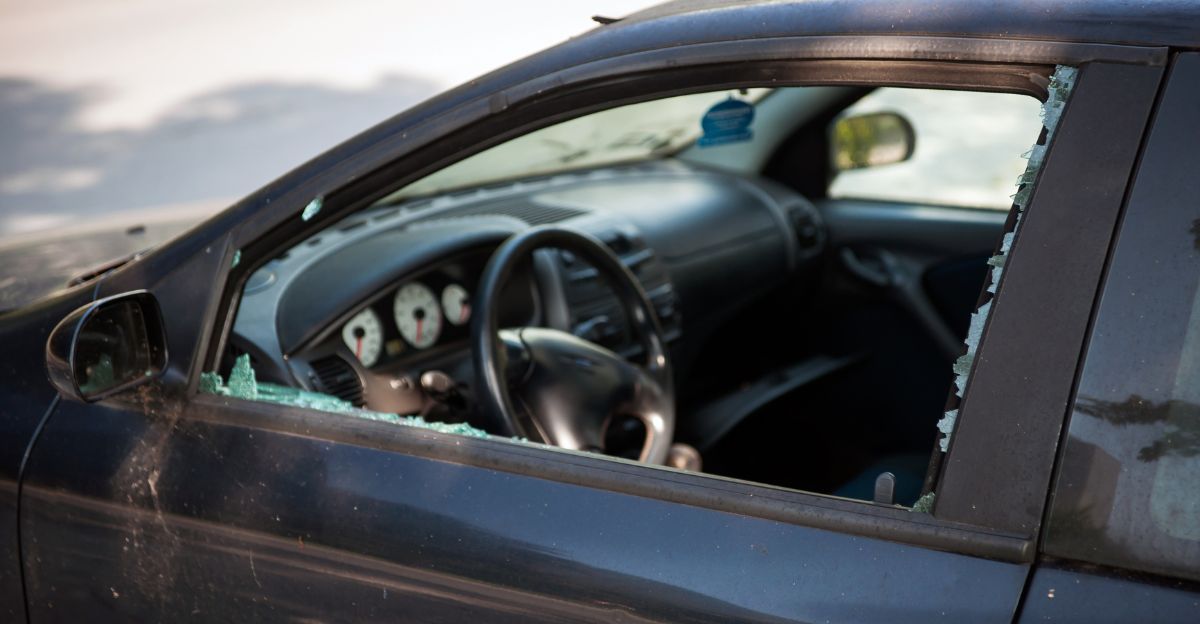
Recovered vehicles often returned stripped, damaged, and filled with trash or drug paraphernalia. Steering columns were torn apart and ignitions destroyed. Unlike high-tech car thefts, these relied on force.
Insurance claims surged, but deductibles and coverage limits left many owners paying out of pocket. Beyond financial loss, owners described a lasting sense of insecurity, knowing their cars—and neighborhoods—were repeatedly targeted.
Competitors’ Advantage and Industry Pressure
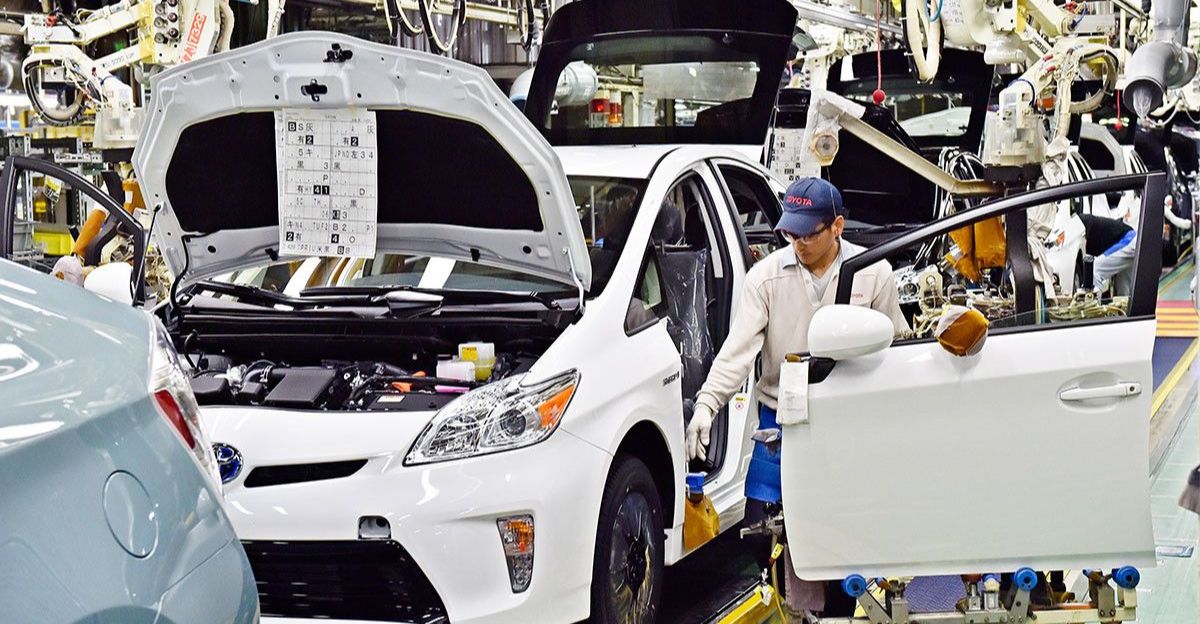
Automakers like Toyota, Honda, and Ford had long installed immobilizers and encrypted key systems as standard equipment. Their vehicles did not experience comparable theft surges. Analysts pointed to Hyundai and Kia’s cost-cutting decisions.
Regulators began examining whether other manufacturers had similar vulnerabilities. The settlement reinforced expectations that basic anti-theft protections must be universal, not optional add-ons.
The Social Media Accelerant
Social media platforms rapidly amplified the exploit. Hashtags like “Kia Boys” and “Kia Challenge” amassed millions of views. Videos showed thefts and joyrides framed as entertainment.
Platforms eventually removed much of the content, but the knowledge had already spread. Law enforcement struggled to keep pace with how quickly the technique circulated.
Future Prevention
A central provision of the settlement requires Hyundai and Kia to install engine immobilizers in all future U.S. models. This closes the design gap that enabled the crisis.
While the mandate prevents future vulnerability, millions of existing vehicles remain at risk until owners complete retrofits, which must be installed by March 2027.
Hyundai and Kia’s Defensive Posture
Initially, both companies downplayed the scope of the issue, suggesting thefts were isolated. As data accumulated and lawsuits mounted, their position shifted. Free steering wheel locks and software updates were offered.
The settlement forced acknowledgment that the problem was systemic. Critics accused executives of responding only after public pressure, legal action, and reputational damage made denial untenable.
The Retrofit Plan: Hardware and Software
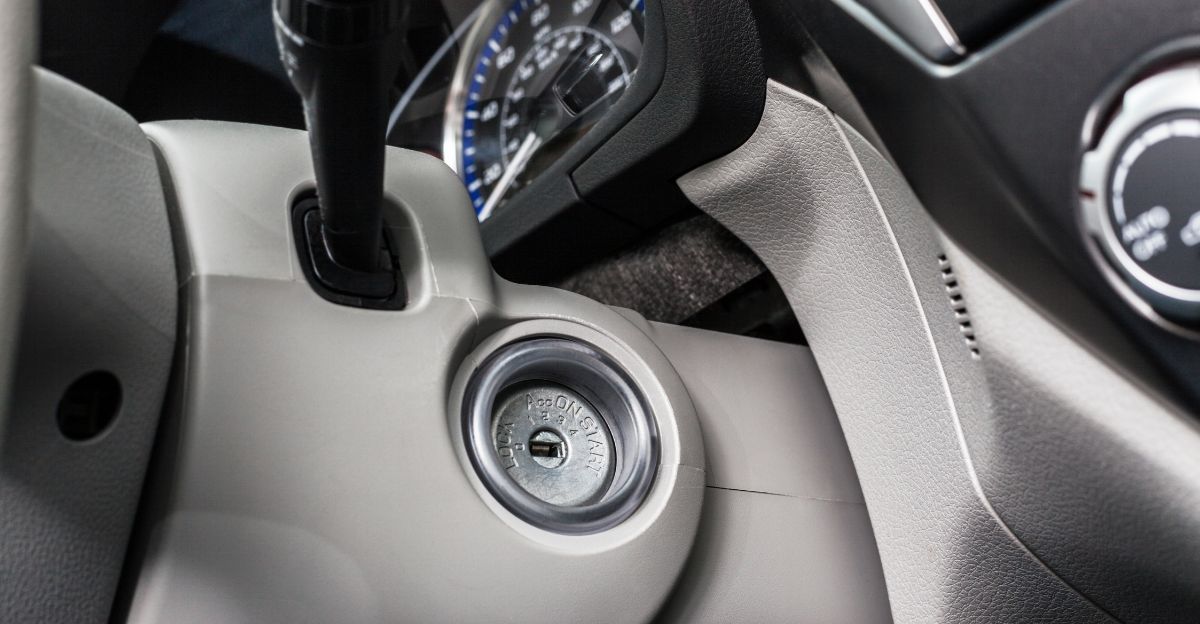
The fix combines hardware and software. A zinc-reinforced sleeve protects the ignition cylinder, while software updates block unauthorized starting methods. Vehicles that received updates saw theft rates drop.
Owners will receive eligibility notices starting in early 2026, with a March 2027 deadline. Although free, limited appointment availability may leave some vehicles exposed.
Steering Wheel Locks and Visible Deterrents
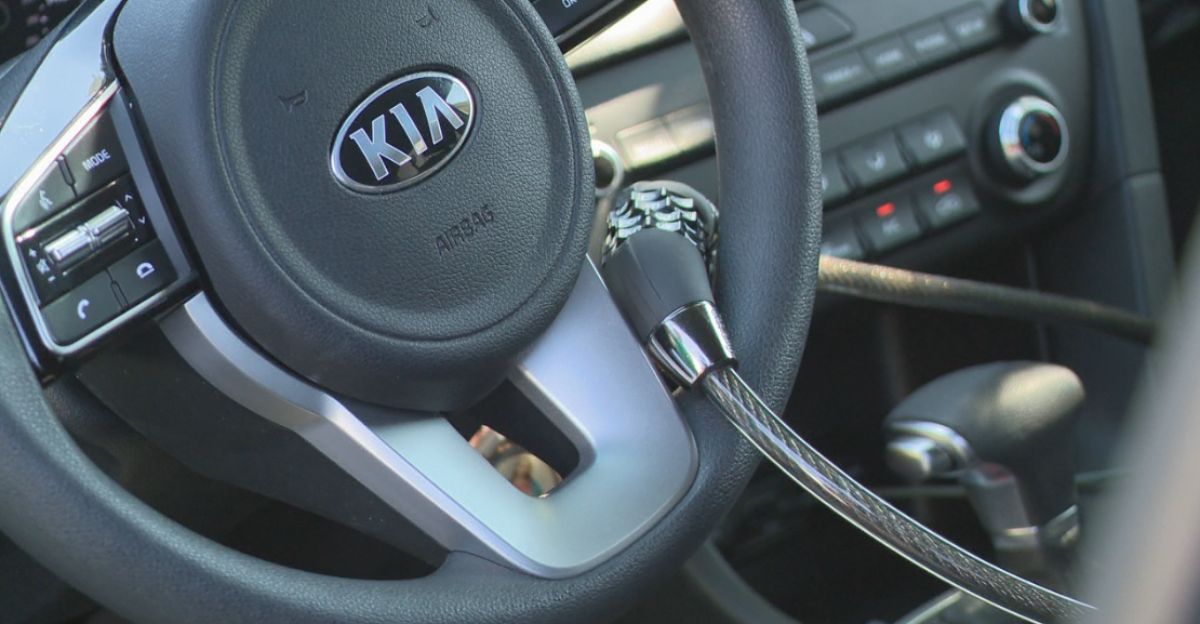
As an interim measure, Hyundai and Kia distributed hundreds of thousands of steering wheel locks. These devices prevent steering even if a vehicle is started. Police recommended visible deterrents.
While effective in many cases, some thieves damaged vehicles anyway. These tools reduce theft risk but do not prevent window damage or attempted break-ins.
Expert Skepticism and Ongoing Vulnerability

Security experts caution that retrofits alone may not end the problem. Thieves often cannot tell which vehicles are patched and may attempt theft regardless.
Success depends on widespread owner participation before the 2027 deadline. Experts warn that assuming the issue is solved could invite future security failures.
What Happens to Unpatched Vehicles?
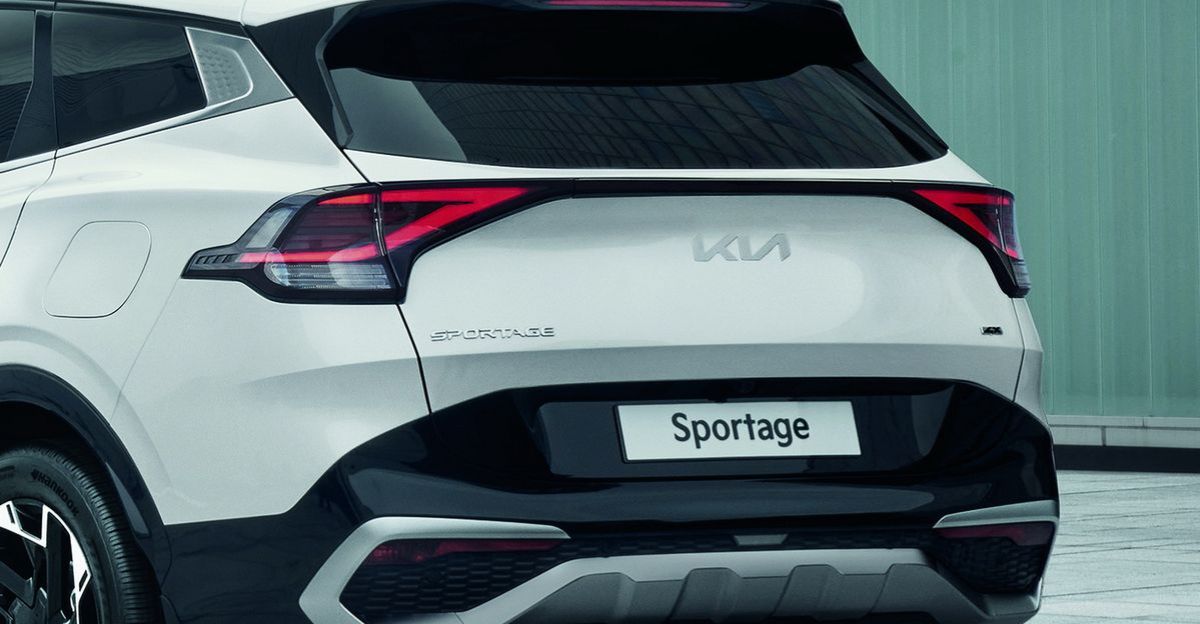
Millions of owners may delay or miss the retrofit entirely. After March 2027, unpatched vehicles technically fall outside settlement compliance.
Insurers may raise premiums or deny coverage. Resale values could drop, creating a divided market and new liability questions.
Political Pressure and State-Level Action
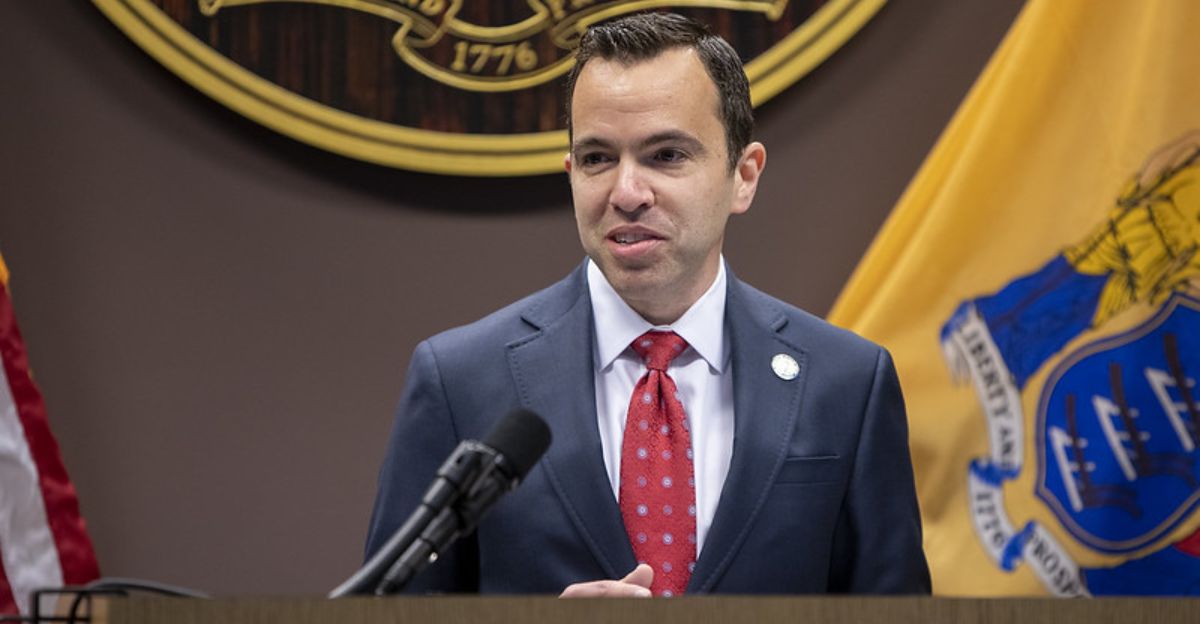
New Jersey Attorney General Matthew Platkin labeled the omission of immobilizers a “deliberate failure.” Attorneys general from more than 30 states coordinated the settlement.
The case became a political symbol of corporate negligence, damaging Hyundai and Kia’s public image and raising regulatory concerns.
International Implications and Global Standards
Hyundai and Kia sell vehicles worldwide, and the U.S. settlement may influence global practices. The European Union already mandates immobilizers in new cars.
The action brings American standards closer to international norms and demonstrates how U.S. enforcement can ripple across global manufacturing.
Criminal Justice and Prosecution Challenges
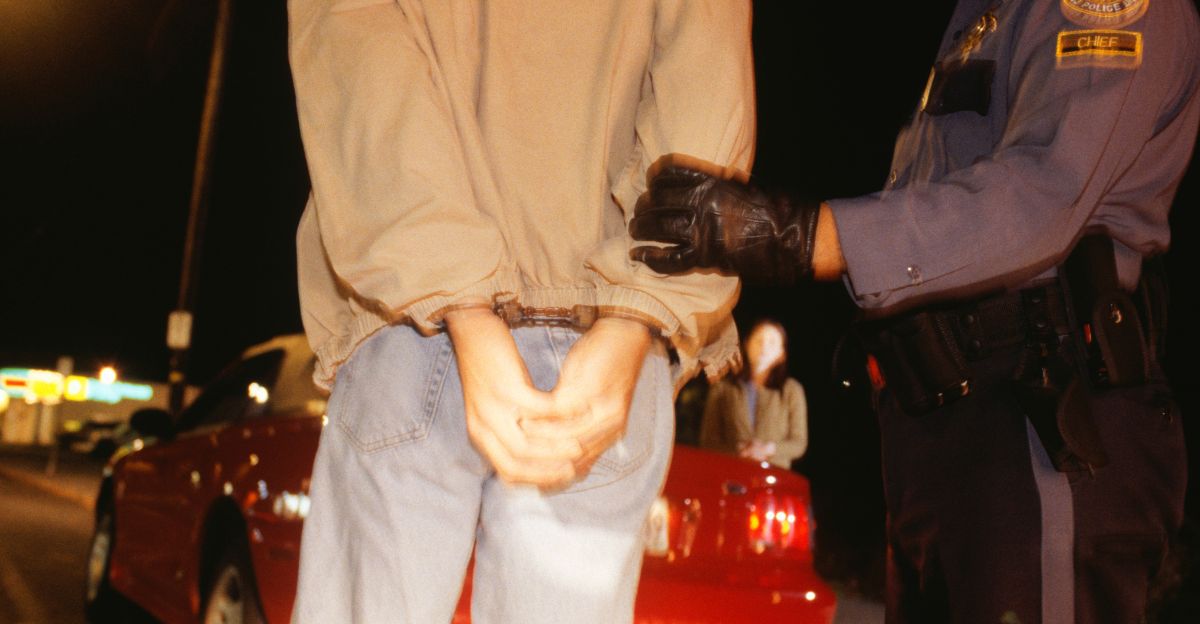
Police arrested many suspects, including teenagers carrying tools used in the exploit. Juvenile justice policies complicated prosecution.
Organized theft rings crossed state lines, making cases harder to pursue. Law enforcement continues to call for stronger penalties and coordination.
From Challenge to Consequence
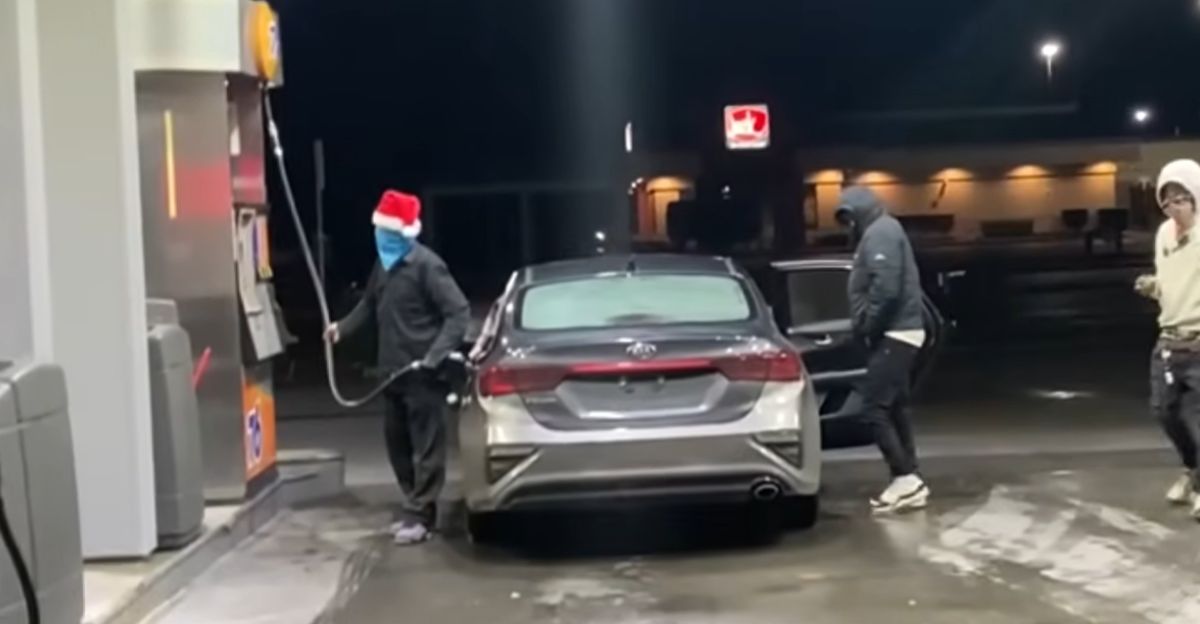
The “Kia Boys” trend reflected a moment where crime was gamified online. Joyrides and thefts were framed as entertainment.
The settlement signals a turning point, with outreach programs reframing the narrative toward real legal and community consequences.
What the Settlement Really Signals
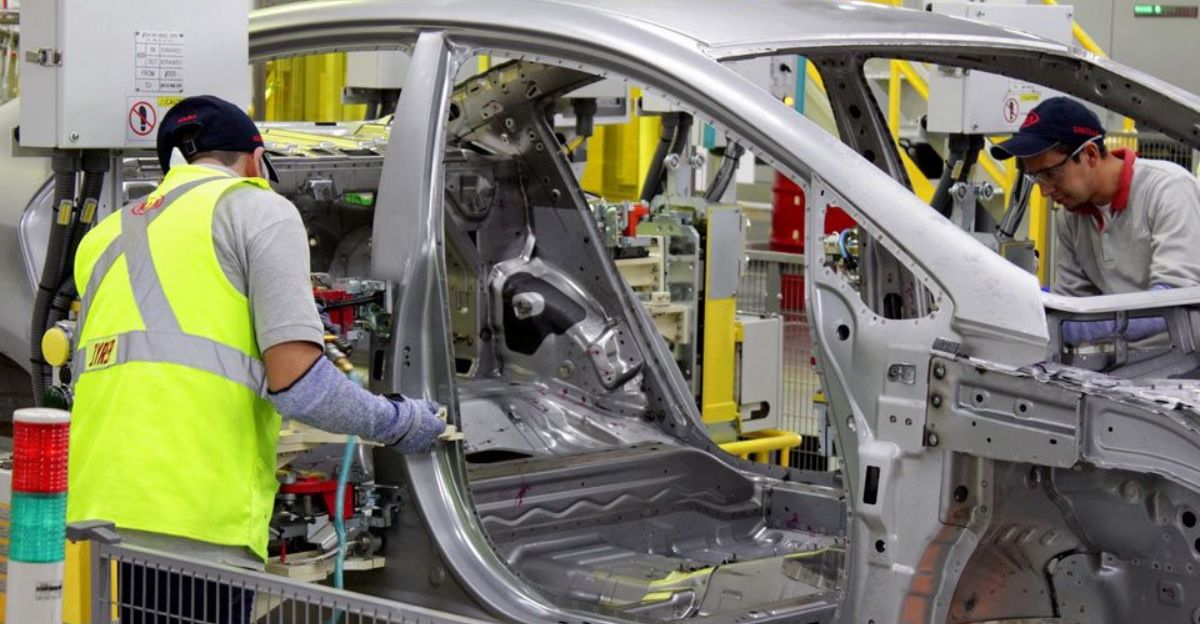
This case marks a watershed in automotive accountability. Skipping industry-standard security features now carries massive consequences.
As vehicles become increasingly software-driven, the lesson is clear: design shortcuts can scale into national crises faster than regulators can react.
Sources:
CBS News – “Millions of Hyundai and Kia owners can get free repairs from settlement” (December 16, 2025)
Insurance Institute for Highway Safety (IIHS) – “Hyundais, Kias are easy targets amid boom in vehicle thefts” (September 21, 2022)
Road & Track – “Hyundai, Kia Theft Rates Cut in Half Thanks to Anti-Theft Software” (August 2024)
New Jersey Attorney General Office – “AG Platkin Announces Settlement Requiring Key Anti-Theft Upgrade” (December 15, 2025)
Seattle University Law Review – “America’s ‘Kia Boys’: The Problem, Responses, and Recommendations” (January 2024)
Oregon Public Broadcasting (OPB) – “Hyundai and Kia agree to repair millions of vehicles” (December 17, 2025)