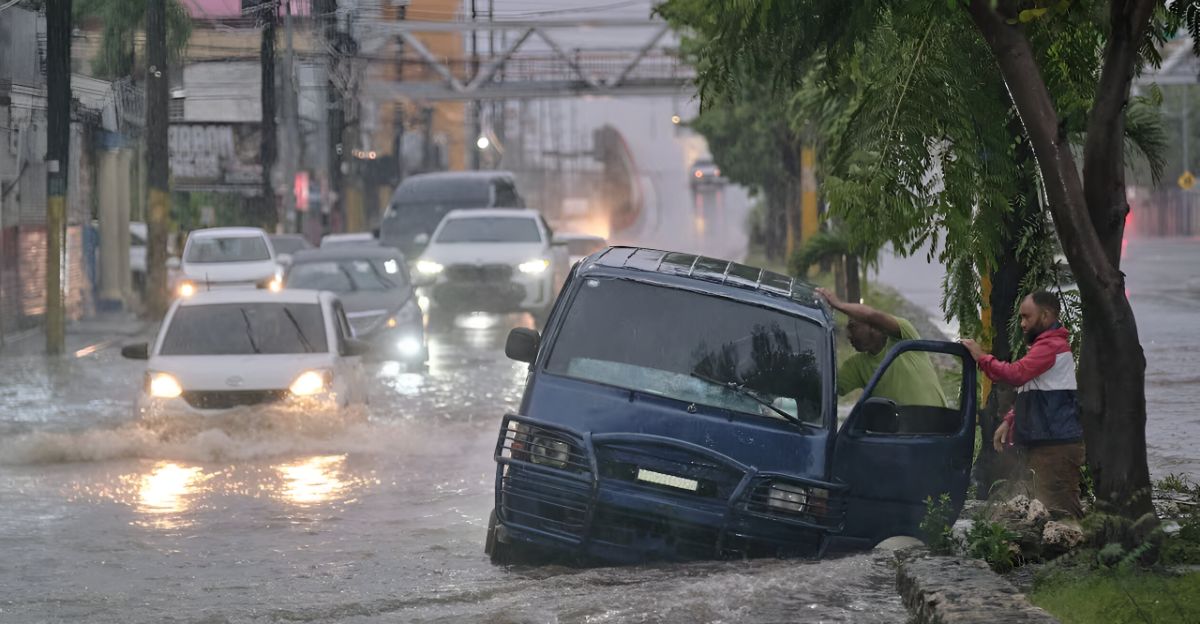
Jamaica began to feel the force of Hurricane Melissa, one of the strongest storms ever seen in the Caribbean. Slow-moving at just 3 mph, Melissa already battered Jamaica’s south coast with wind gusts and bands of heavy rain. Sustained winds hit 160 mph.
Both of Jamaica’s airports shut down on Sunday, actively disrupting travel and emergency plans. Buses worked around the clock, moving people from high-risk coastal areas to shelters.
Prime Minister Andrew Holness issued urgent appeals, stressing that the storm’s slow pace would exacerbate flooding and destruction, particularly in the capital and mountain communities.
Historic Threat
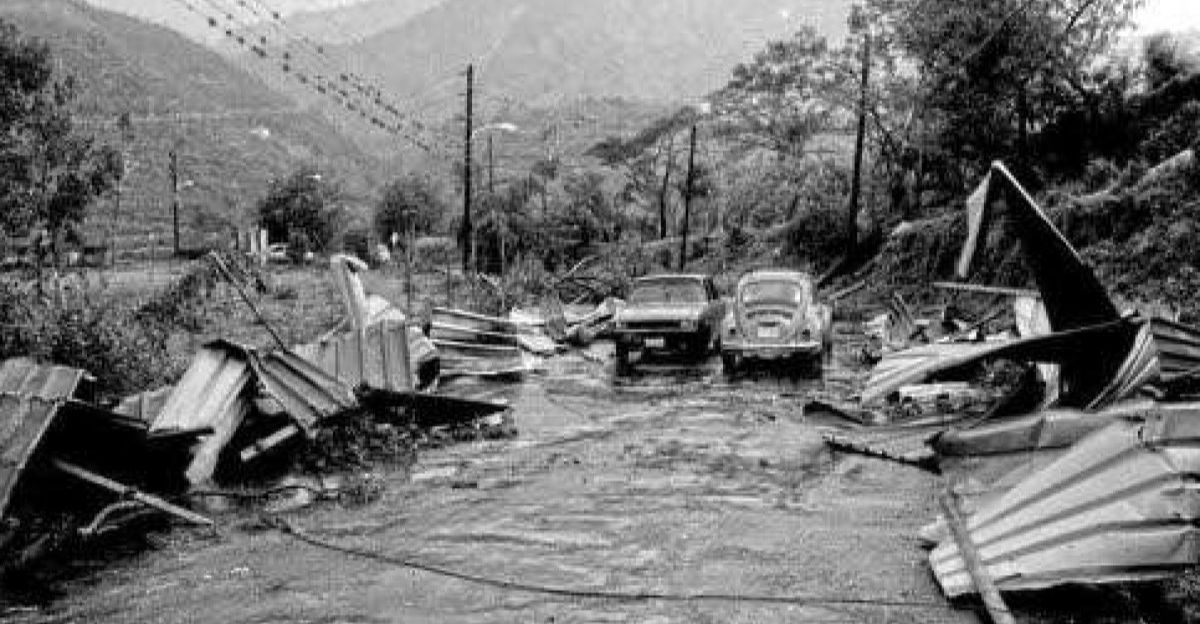
Not since Hurricane Gilbert in 1988 has Jamaica faced such a massive threat. That storm killed 45 and put the island’s economy into crisis. Forecasters expect this time to be even worse.
Melissa grew quickly, roaring from a tropical storm to a Category 5 hurricane in just 24 hours.
Forecasters warned that some parts of Jamaica’s mountains could get up to 40 inches of rain, shattering all previous rainfall records and putting the island on high alert for flooding and mudslides.
Climate Context
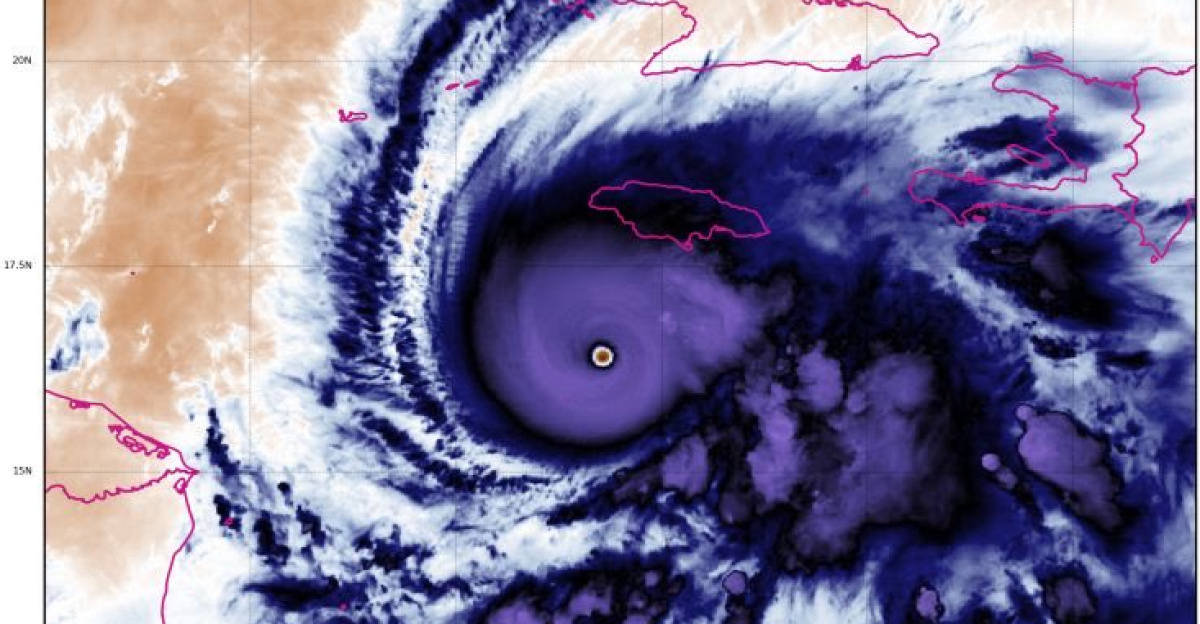
Hurricanes in the Caribbean have become increasingly potent in recent years due to warmer ocean waters. A group of thunderstorms near Africa a week ago, then spun across the Atlantic and “exploded” in strength over extra-warm water.
Scientists say that water temperatures similar to these are now far more likely due to climate change, and storms are becoming bigger and stronger as a result. Jamaica is a relatively small contributor to global carbon emissions, but it faces the full impacts of the climate crisis.
Forecasters have observed three Category 5 hurricanes in the Atlantic this year, matching records set in 2005.
Vulnerability Mounting
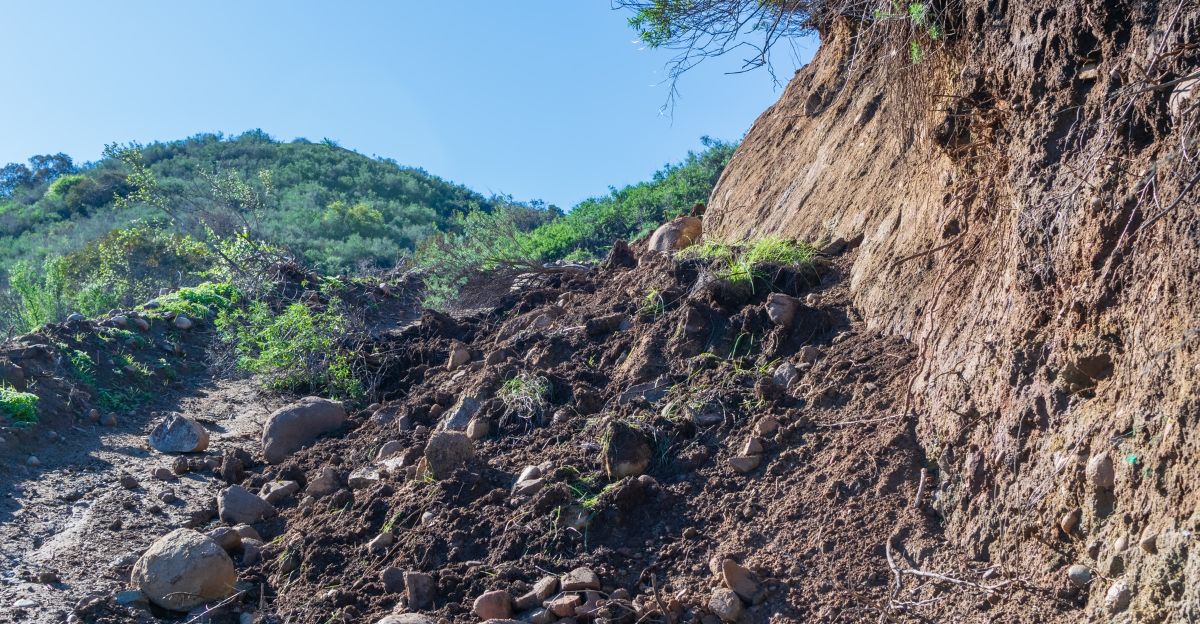
Jamaica’s geography makes it especially vulnerable. The southern capital, Kingston, is situated at sea level, and large mountains, such as the Blue Mountains, funnel rain, which can cause devastating floods and mudslides when hurricanes strike.
Many vital buildings are located on the flood-prone coast, alongside poorer neighborhoods and fishing villages.
Officials said that almost every part of Kingston would be severely affected, and the enormous surge and flooding might thoroughly wash out some communities.
Category 5 Confirmed
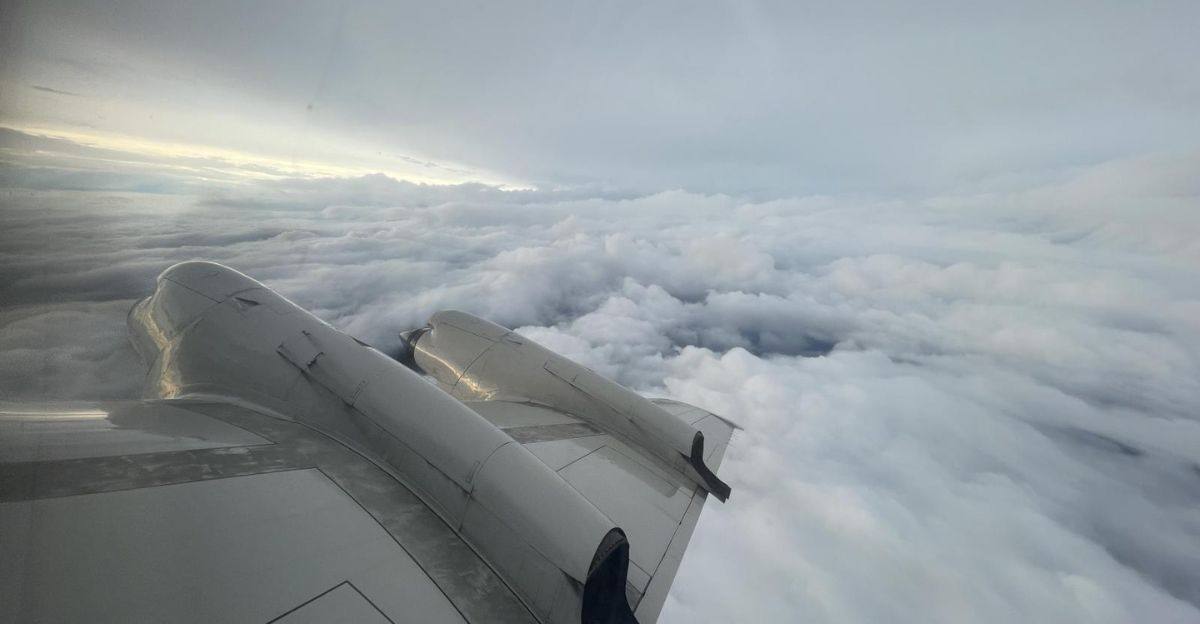
Early on Monday morning, the storm was officially upgraded to Category 5, the highest rating on the hurricane wind scale, with winds holding steady at 160 mph.
That makes Melissa the strongest hurricane to ever directly strike Jamaica, surpassing even Gilbert. Planes flying into the storm measured an extremely low central pressure—one sign of a mighty cyclone.
A Category 5 hurricane destroys houses, uproots trees, and sweeps away coastal areas with catastrophic force.
Southern Coast Bracing
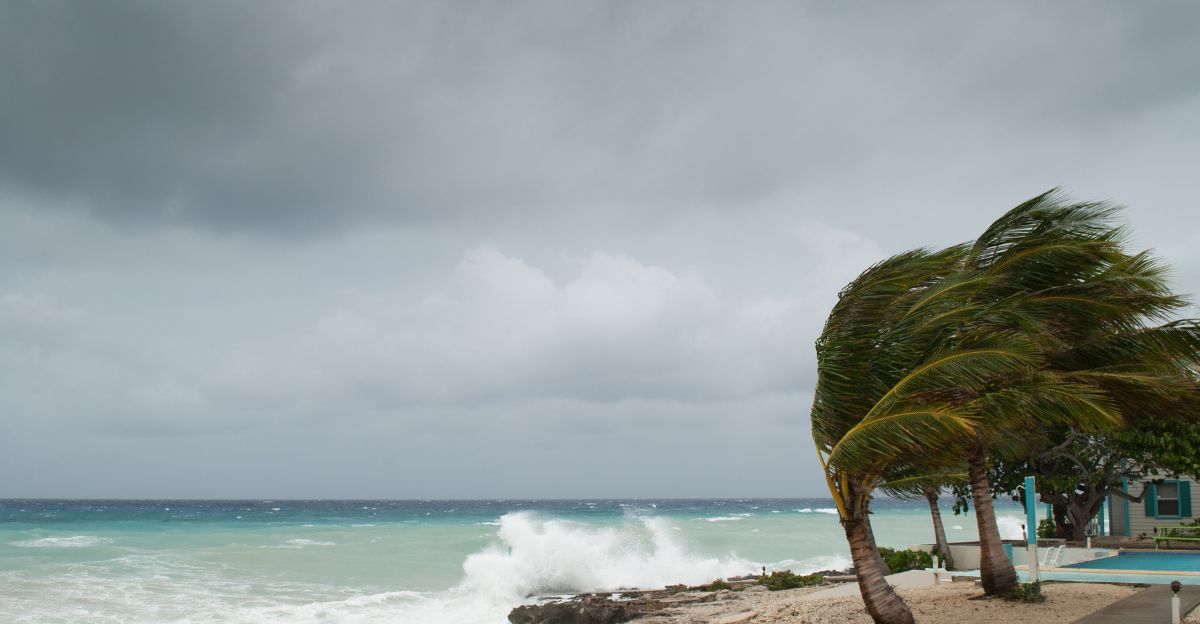
Forecasts said the eye (center) of Melissa would reach Jamaica’s south coast, probably between Manchester and Clarendon.
It would push waves 9–13 feet above normal and send wind gusts even higher into mountainous parishes, similar to a powerful tornado.
The western and central parts of Jamaica, along with the west-facing parishes, were considered to be at the most significant risk.
As the storm slowly crossed Jamaica, more northern districts would eventually feel the full force of the storm and flooding as well.
Residents Defying Orders

Despite urgent warnings and buses provided for evacuation, many residents refused to leave their homes. Some worried about looting; others simply wanted to “watch the storm.”
Older adults, first-time hurricane survivors, and local families prepared in their own ways—stockpiling food staples like corned beef and mackerel, and blocking windows with wood and metal sheeting.
Many younger residents were distraught, telling reporters they’d never faced a storm like this before.
Regional Cascade
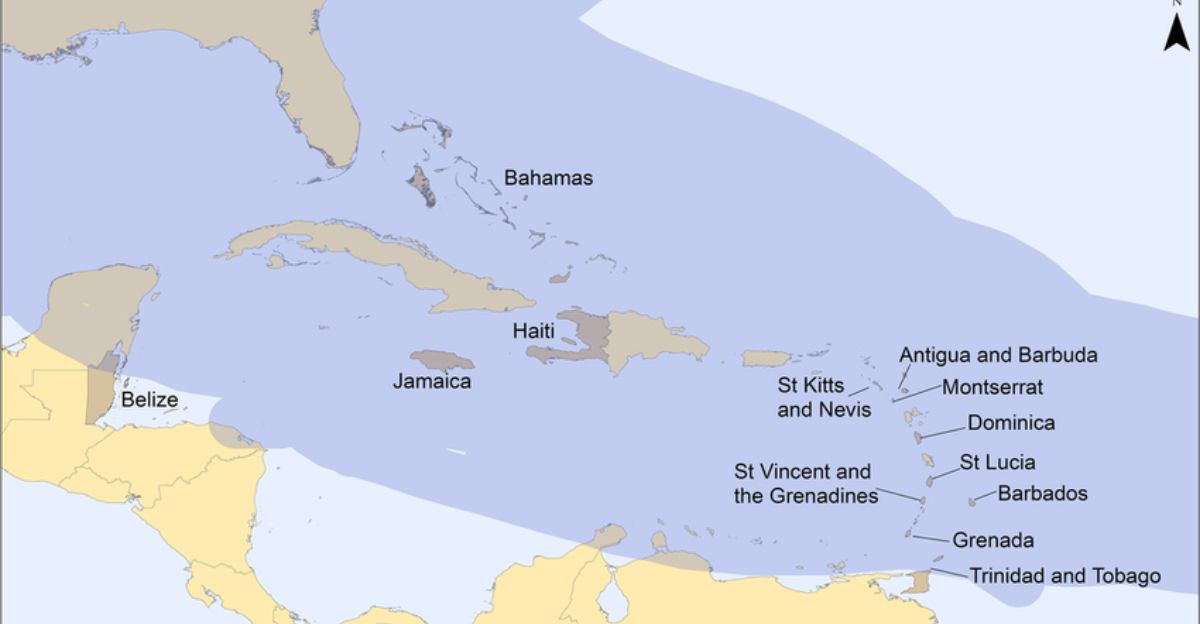
Melissa has already killed six people in the Caribbean before striking Jamaica—two in Jamaica (while getting ready for the storm), and others in Haiti and the Dominican Republic.
It damaged hundreds of homes and cut off dozens of communities. Cuba and the Bahamas were next in line, with red alerts and hurricane watches issued.
In some places, the rain was so intense that entire villages were isolated or forced to evacuate. Forecasters do not expect Hurricane Melissa to make direct landfall in the United States.
Rainfall Catastrophe
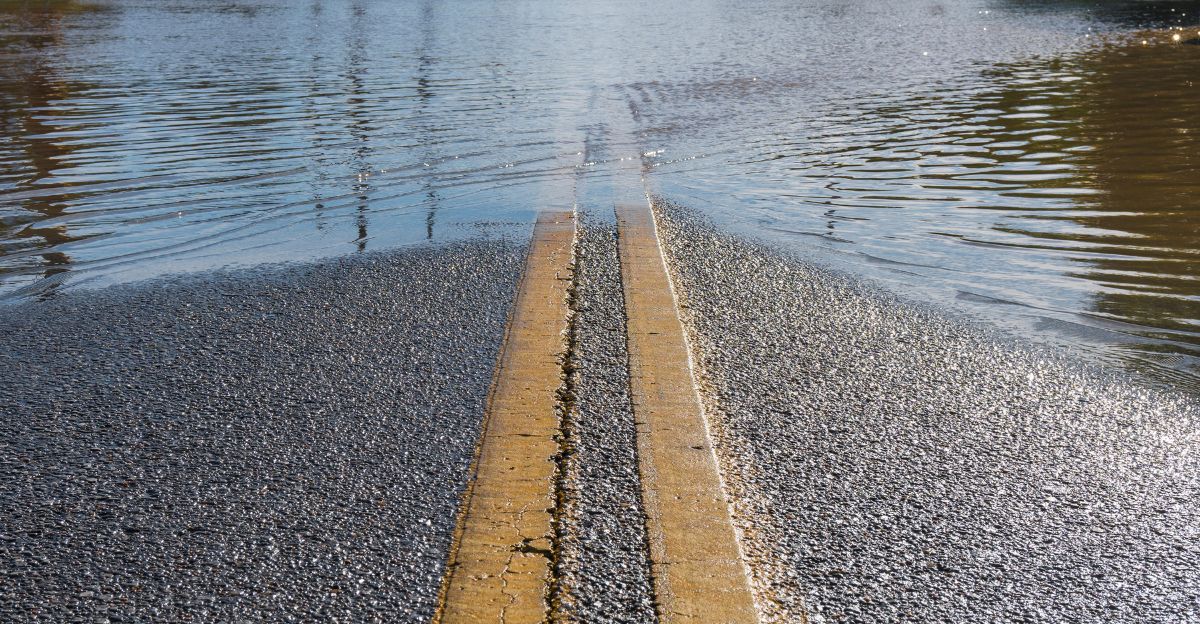
The National Hurricane Center warned that Jamaica would see up to 30 inches (and in some mountains, possibly 40 inches) of rain over a single storm—more than half of Kingston’s annual total, coming in just three days.
That much water, especially when trapped by slow-moving winds and tall mountains, threatens to overwhelm all drainage and create destructive landslides and lasting flood damage.
Emergency officials said they expect severe road blockages and delayed response throughout the storm’s path.
Infrastructure Knockout
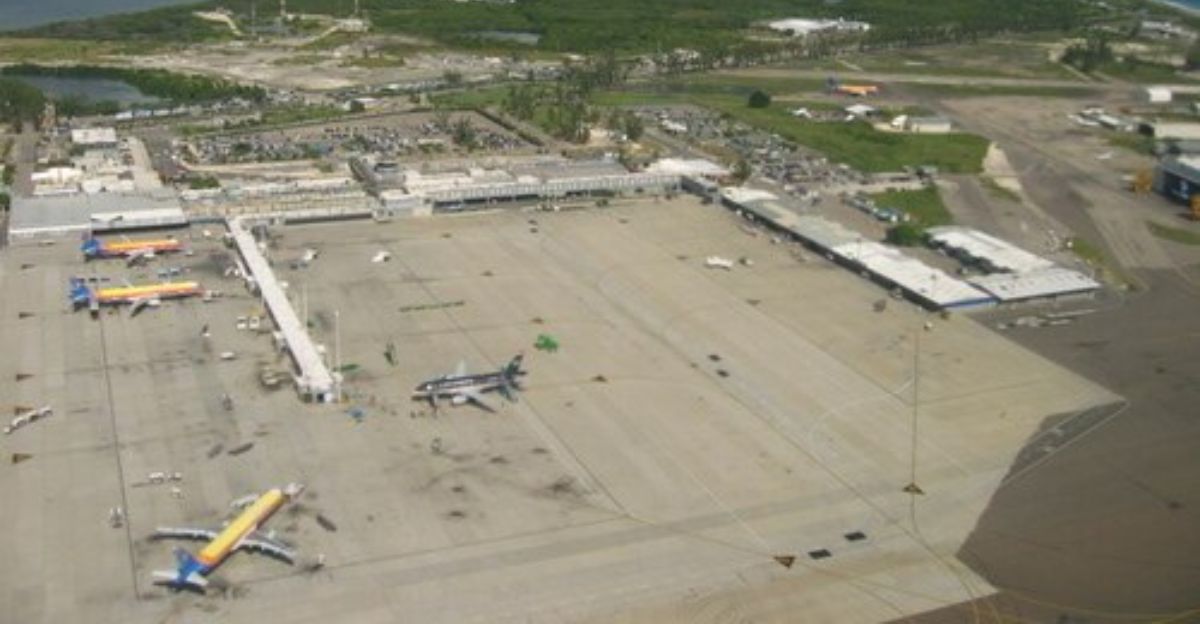
Kingston’s airport, power plants, and water supply facilities are located in low-lying coastal zones, making them vulnerable to hurricane-driven waves and flooding, which will likely cause significant damage and threaten these critical sites.
The main airport is situated on a narrow peninsula and is connected to the city by only one main road, which increases the risk that authorities could lose access or the airport could become unusable during a storm.
If floodwaters rise, it could become impossible to bring in relief or send help, worsening the humanitarian crisis. With so much critical infrastructure exposed, repairs will take longer and recovery will be significantly more challenging.
Shelter System Strained
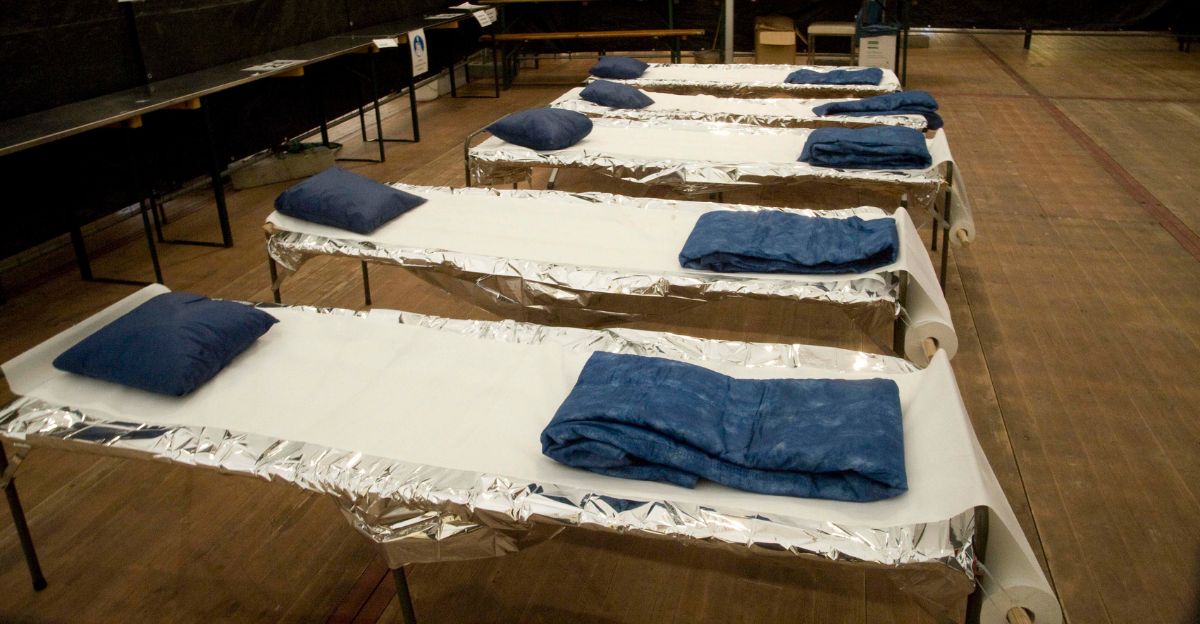
Jamaica opened hundreds of emergency shelters and pressed buses into service to take people from flood-prone areas.
But most people stayed home, worried about looting or simply wanting to ride out the storm. During past hurricanes, most families had only used shelters as a last resort.
As the storm drew near, thousands of beds and food parcels were ready, but the majority of residents tried to wait out Melissa at home instead of evacuating early.
International Mobilization
International aid groups rushed supplies to Jamaica before landfall, including water, food, tents, and sanitation kits.
UNICEF shipped in thousands of containers, while the United Nations sent money for families in need, and the Red Cross stored aid in high-risk districts. Other Caribbean islands, like Cuba and the Bahamas, also received emergency supplies as the storm’s path became clearer.
Evacuations, cash transfers, and other relief preparations began in Haiti as well, following the heavy rains in Melissa, which triggered landslides.
Economic Devastation Looming

Jamaica’s tourism-dependent economy was already taking a huge hit even before the storm.
All flights and cruises stopped, both major airports closed, and many tourists were sent inland or to emergency lodging. Hotels shut down and evacuated staff.
Experts predicted millions in lost revenue and the risk of long-term damage to businesses, exports, and agriculture—especially since the storm might surpass Hurricane Gilbert, which cost Jamaica $700 million in 1988 alone.
“Humanitarian Crisis” Warning
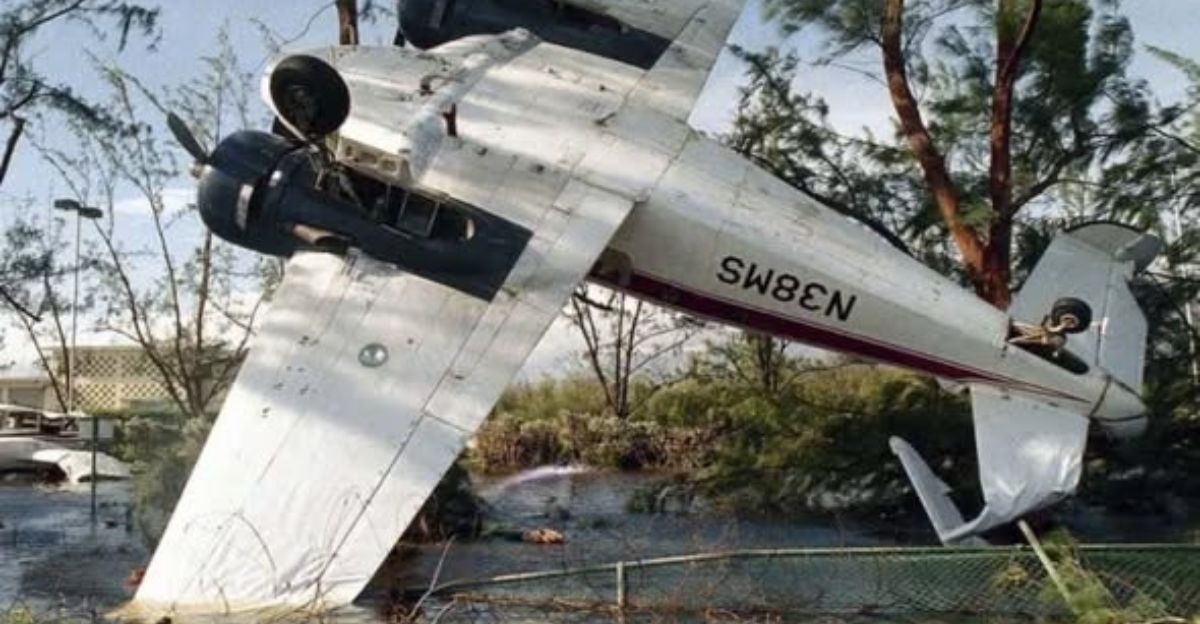
Meteorologists and disaster experts warned that Hurricane Melissa could easily overwhelm Jamaica’s ability to cope with the storm.
Food, water, medicine, shelter, and health care—all could be in dangerously short supply if damage is as widespread as anticipated.
Officials feared that entire neighborhoods might lose their roofs, houses, and even basic services for weeks, echoing the devastation seen in places like the Bahamas (from Hurricane Dorian) and Florida (from Hurricane Andrew) in past years.
Before and After
Experts said Jamaica faces a “before Melissa” and “after Melissa” moment, just like the U.S. after Katrina or Sandy. Melissa’s impact will test how Jamaica’s shelters, roads, power, and water systems withstand a direct Category 5 strike, rather than just measuring wind speeds or rainfall totals.
The following 24 hours may decide the future of communities across the island.
Recovery will test Jamaica’s resilience in a new era of stronger, more dangerous storms driven by a changing climate.