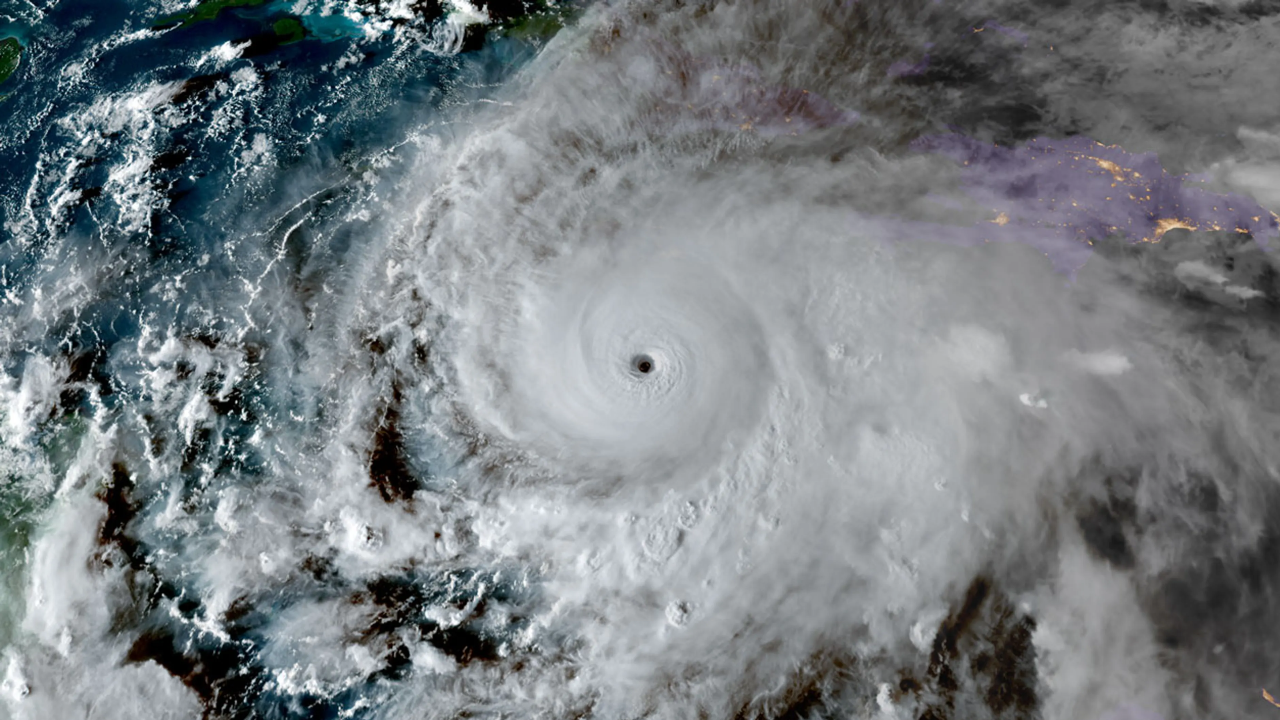
Jamaica braced for catastrophe as Hurricane Melissa, one of the most powerful storms ever recorded in the Caribbean, made landfall on the island’s southern coast. Moving at a sluggish 3 mph but packing sustained winds of 160 mph, Melissa forced both of Jamaica’s international airports to close and triggered a mass evacuation effort. Buses ran nonstop, ferrying residents from vulnerable coastal communities to emergency shelters, while Prime Minister Andrew Holness issued urgent warnings: “The storm’s slow pace will worsen flooding and destruction, especially in Kingston and the mountain parishes.”
A Storm Unlike Any Since Gilbert
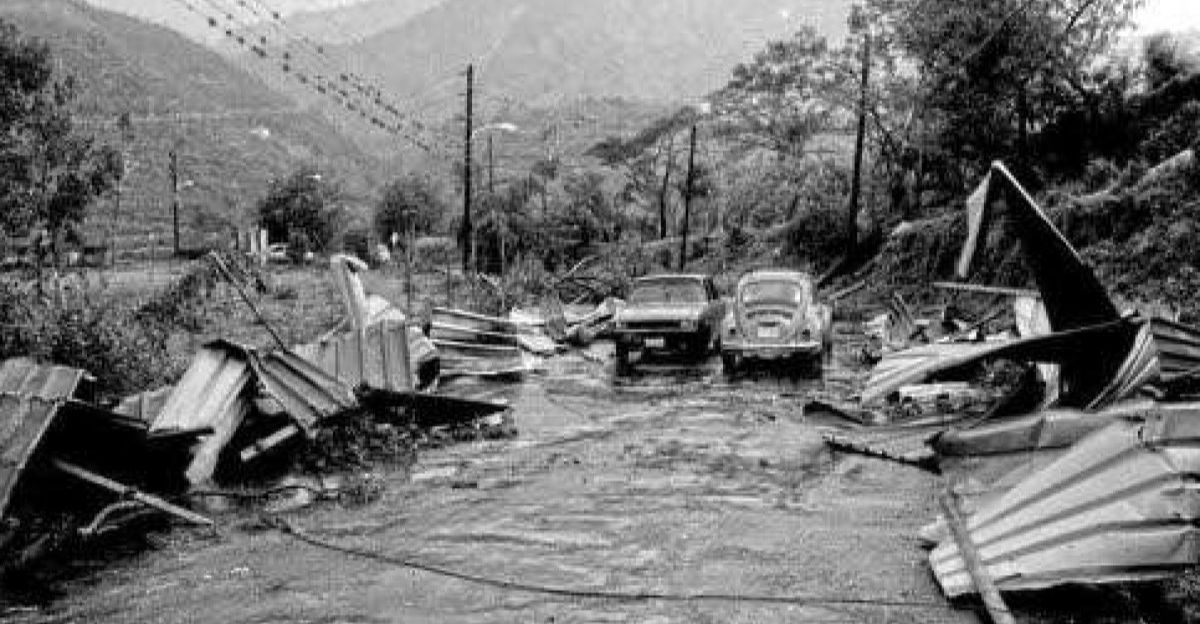
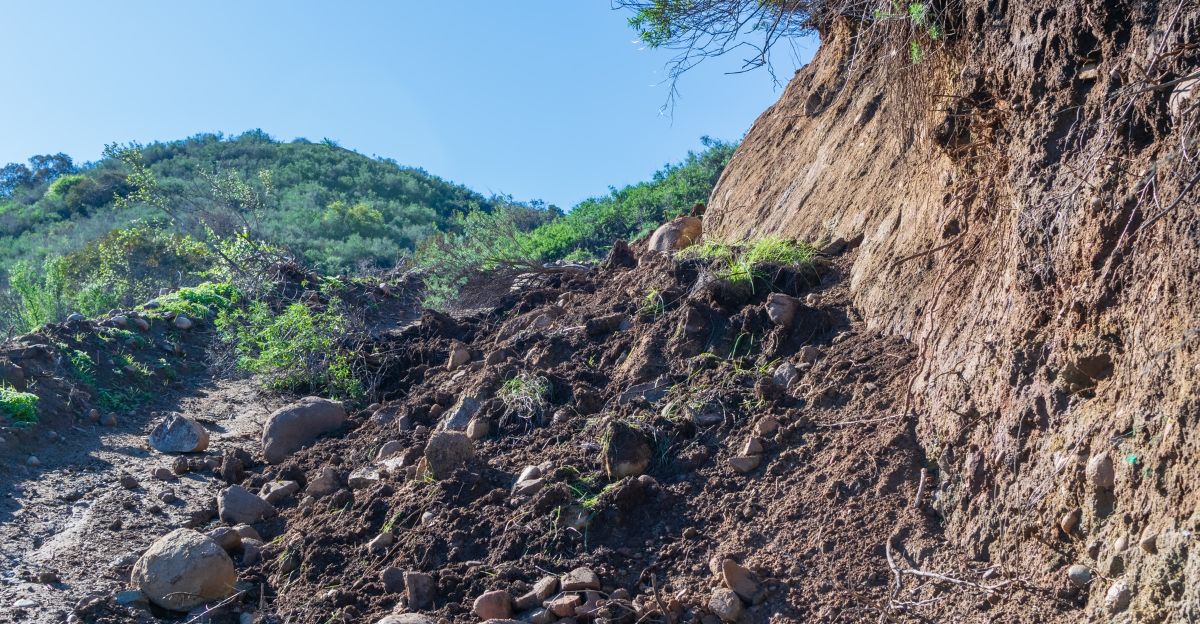
Not since Hurricane Gilbert in 1988—a disaster that claimed 45 lives and crippled Jamaica’s economy—has the island faced such a dire threat. Meteorologists noted that Melissa intensified with alarming speed, escalating from a tropical storm to a Category 5 hurricane in just 24 hours. Forecasts predicted up to 40 inches of rain in some mountainous areas, a deluge that could shatter rainfall records and unleash deadly floods and landslides. “This is a storm of historic proportions,” said Dr. Carla James, a climate scientist at the University of the West Indies. “The rainfall alone could be catastrophic for communities in the Blue Mountains and beyond.”
Jamaica’s geography amplifies its vulnerability. Kingston, the capital, sits at sea level, while steep mountains funnel rainwater into low-lying neighborhoods. Many essential facilities—including power plants, water treatment centers, and the main airport—are located on the flood-prone coast, raising fears of widespread infrastructure failure.
Climate Change and a New Era of Hurricanes
Hurricane Melissa’s explosive growth was fueled by unusually warm Atlantic waters, a phenomenon scientists increasingly link to climate change. “We’re seeing more storms reach Category 5 strength, and they’re doing so faster than ever before,” explained Dr. James. This year alone, the Atlantic has produced three Category 5 hurricanes, matching the record set in 2005. While Jamaica contributes little to global carbon emissions, it faces the full brunt of the climate crisis—a reality echoed across the Caribbean.
For comparison, the Bahamas suffered similar devastation from Hurricane Dorian in 2019, and Florida’s experience with Hurricane Andrew in 1992 remains a cautionary tale. “Small island nations like Jamaica are on the front lines,” said Dr. Michael Chen, a hurricane researcher at the National Hurricane Center. “They bear the consequences of a warming world, even though they’ve done little to cause it.”
Communities Under Strain
Despite government pleas and the availability of hundreds of emergency shelters, many Jamaicans chose to stay home. Concerns about looting and a desire to protect property kept some residents in place, while others simply wanted to witness the storm firsthand. “I’ve lived here all my life, but I’ve never seen anything like this,” said Kingston resident Marcia Brown, who was boarding up her windows with neighbors. “We’re scared, but we have to look out for each other.”
The storm’s impact was already being felt before landfall. Two Jamaicans died while preparing for the hurricane, and Melissa had claimed additional lives in Haiti and the Dominican Republic. Hundreds of homes were damaged, and entire villages in the region were cut off by floodwaters. Cuba and the Bahamas issued red alerts as the storm’s path became clearer, with emergency supplies and aid pre-positioned by international organizations such as UNICEF and the Red Cross.
Infrastructure and Economic Risks
Kingston’s Norman Manley International Airport, perched on a narrow peninsula, was especially vulnerable. With only one main road connecting it to the city, authorities worried that rising floodwaters could sever access, hampering relief efforts. Power plants and water facilities faced similar risks, raising the specter of prolonged outages and a humanitarian crisis.
Jamaica’s tourism-driven economy was already reeling. All flights and cruises were suspended, hotels evacuated guests and staff, and millions in revenue were at stake. Experts warned that the economic fallout could surpass the $700 million in damages caused by Hurricane Gilbert in 1988. “The recovery will be long and difficult,” said local economist David Sinclair. “Businesses, agriculture, and exports are all at risk.”
Looking Ahead: A Test of Resilience
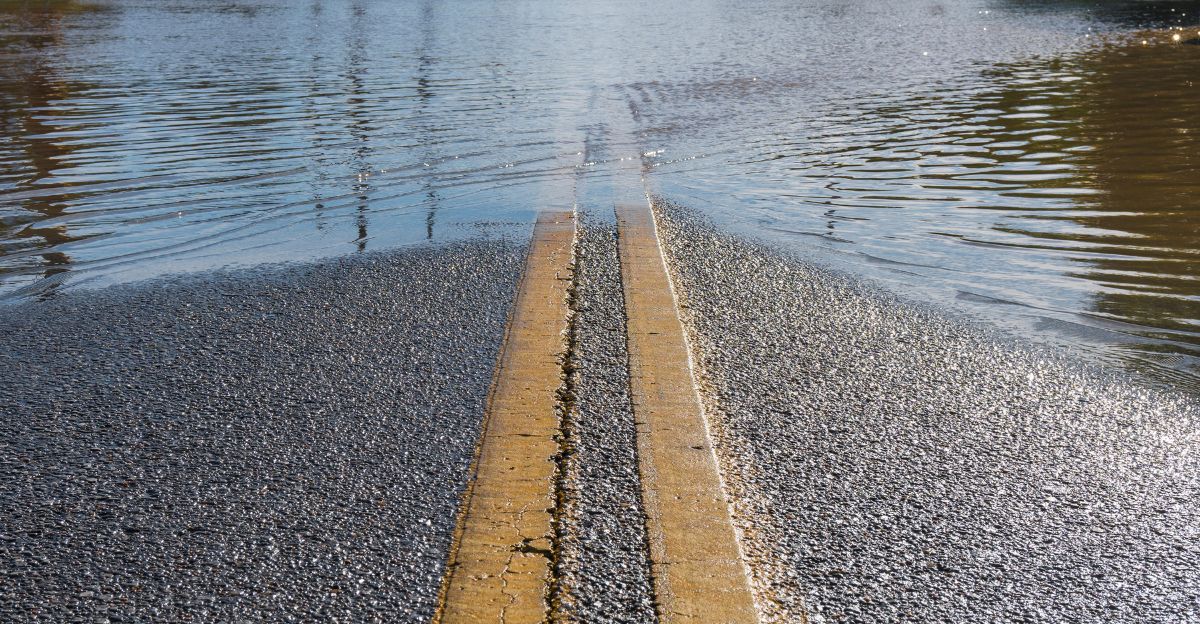
As Hurricane Melissa’s eye moved slowly across Jamaica, the nation faced a defining moment. Emergency officials warned of severe road blockages, delayed response times, and the possibility that some communities could be isolated for days. “This is a before-and-after event for Jamaica,” said Dr. James. “How we respond and rebuild will shape our future in an era of stronger, more dangerous storms.”
With the storm still unfolding, the stakes remain high. The coming days will test Jamaica’s resilience, its infrastructure, and its ability to protect its most vulnerable citizens in the face of a changing climate.