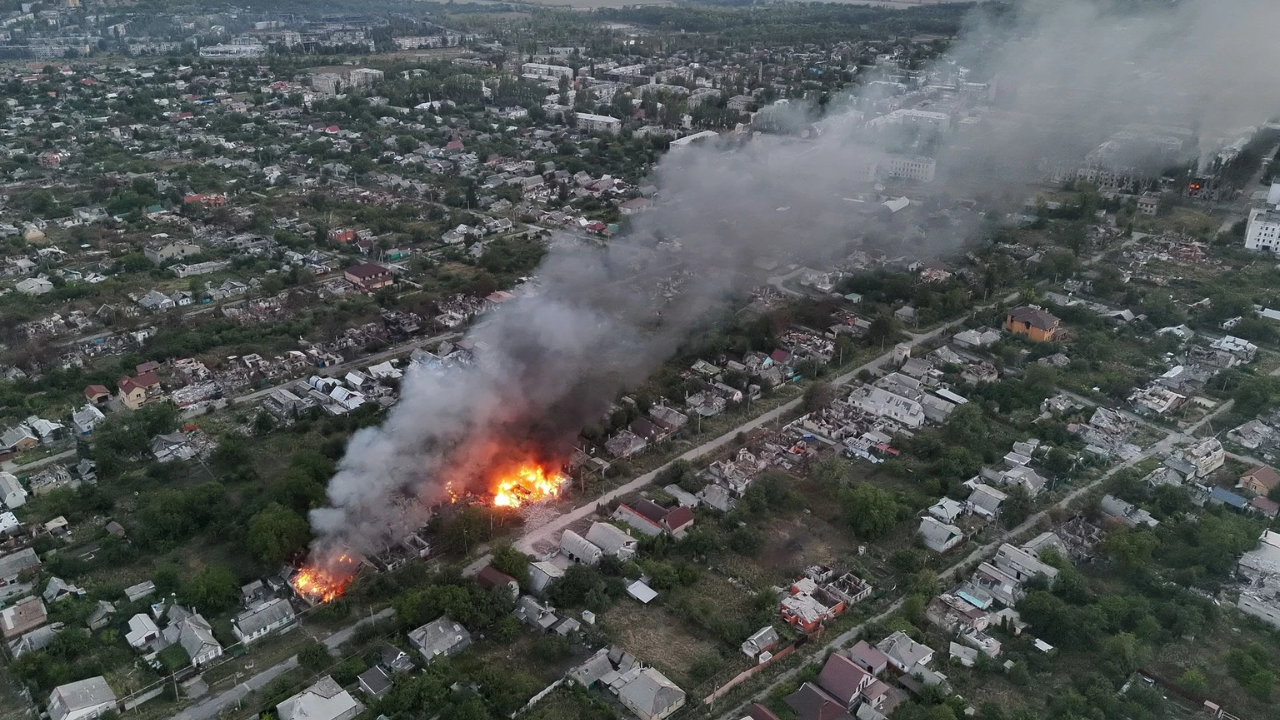
The night air in Oryol Oblast, a quiet region deep inside Russia, was shattered by the roar of engines and the blare of sirens as convoys of military trucks sped through the countryside. Soldiers barked orders and loaded munitions in a frantic rush, evacuating one of Russia’s largest ammunition depots near Maloye Dumchino.
The urgency of the operation, captured by local partisans and shared widely on social media, revealed a new reality: even Russia’s interior is no longer immune to the expanding reach of Ukraine’s war effort.
Fear Drives a Hasty Retreat
The evacuation began after intelligence suggested Ukraine might target rear-area military facilities, according to reports from Defence-ua.com. The Atesh partisan movement, operating covertly within Russia, documented the exodus and relayed details to Ukrainian forces. “Fear of Ukrainian missiles is paralyzing the enemy’s supply chain,” the group declared in a recent statement.
Their agents observed Russian troops working around the clock, moving explosives and munitions to undisclosed locations. The scale and speed of the withdrawal mark a dramatic shift from confidence to crisis management within Russia’s military logistics.
Partisan Networks and Real-Time Intelligence
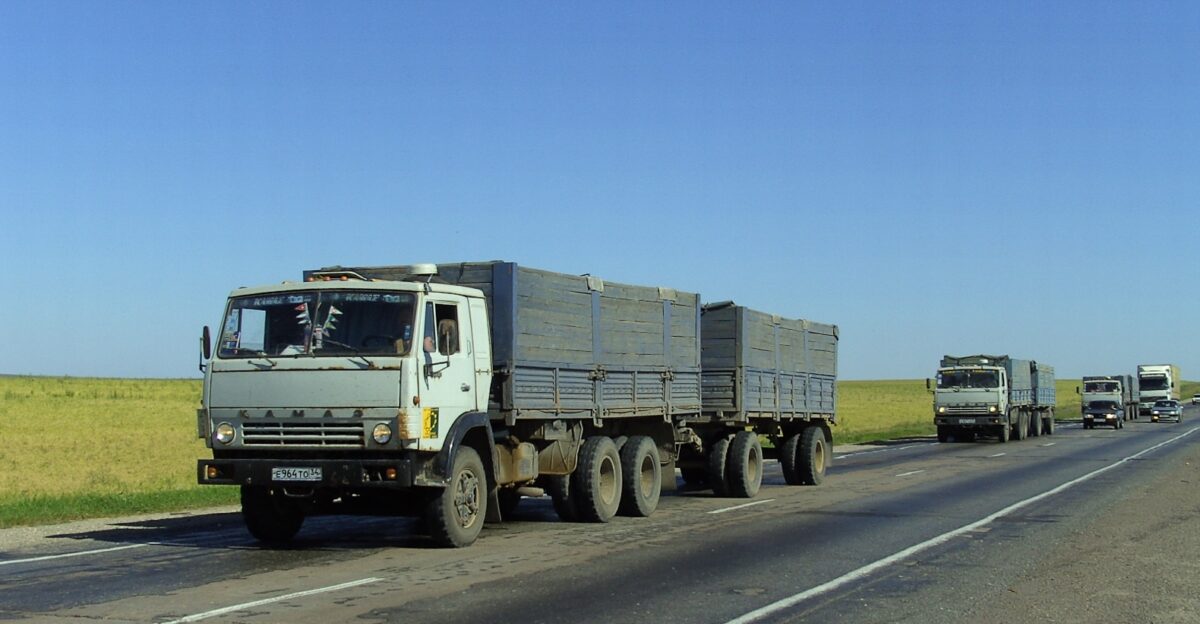
The Atesh movement’s role in the evacuation highlights the growing influence of partisan networks inside Russia. Using encrypted channels, Atesh agents tracked convoy movements and new storage sites, passing coordinates directly to Ukraine’s military planners. This real-time intelligence loop allows Kyiv to pressure Russian logistics without launching a single missile, forcing costly and disruptive relocations.
Ukrainian partisan operations have expanded significantly throughout 2025, with resistance groups conducting reconnaissance, sabotage operations, and intelligence gathering across Russian-occupied territories and within Russia itself. These networks provide critical targeting data that enables Ukrainian forces to strike military infrastructure deep in Russian-controlled areas.
Expanding Strike Capabilities
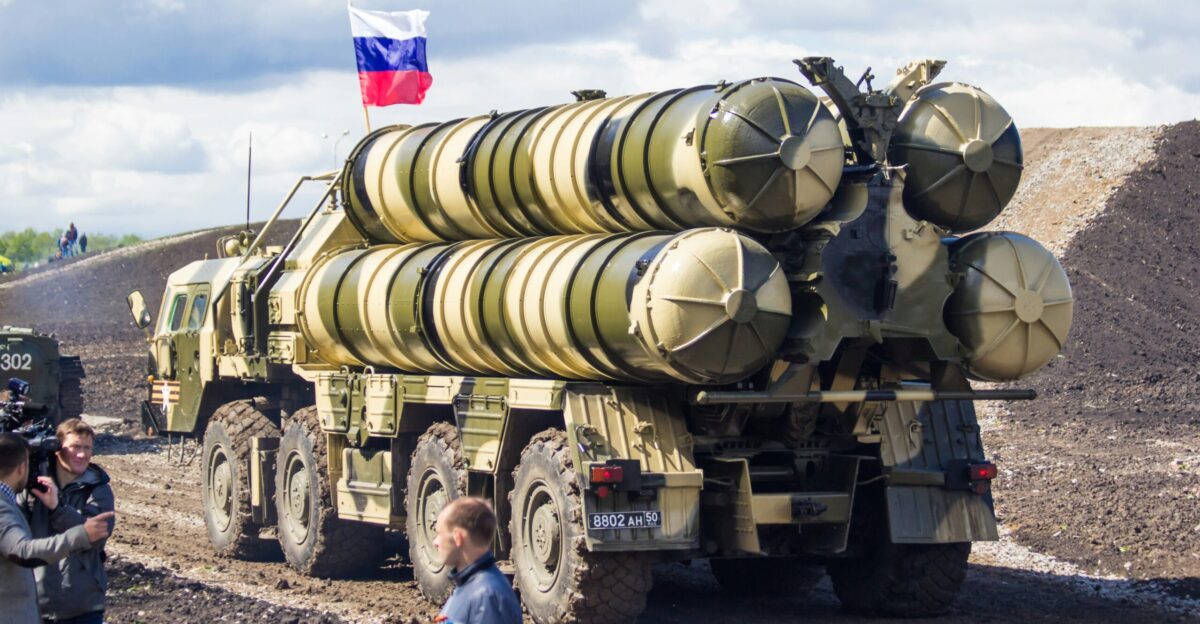
The evacuation from Oryol coincided with a surge in Ukrainian deep-strike operations. Recent attacks have hit ammunition plants, oil terminals, and weapons depots across multiple Russian regions. Ukraine has demonstrated growing capabilities with long-range missiles and drones, including domestically produced Neptune missiles with ranges exceeding 300 kilometers. The Ukrainian Navy confirmed striking the Oryol Thermal Power Plant with Neptune cruise missiles in late October 2025.
Ukrainian drones have successfully struck targets hundreds of kilometers from Ukraine’s border, including the Sverdlov ammunition plant in Nizhny Novgorod, approximately 750 kilometers away, and ammunition depots in the Voronezh region, 300 kilometers from the border. These operations demonstrate Ukraine’s capacity to reach deep into Russian territory.
Ripple Effects on Russia’s War Machine
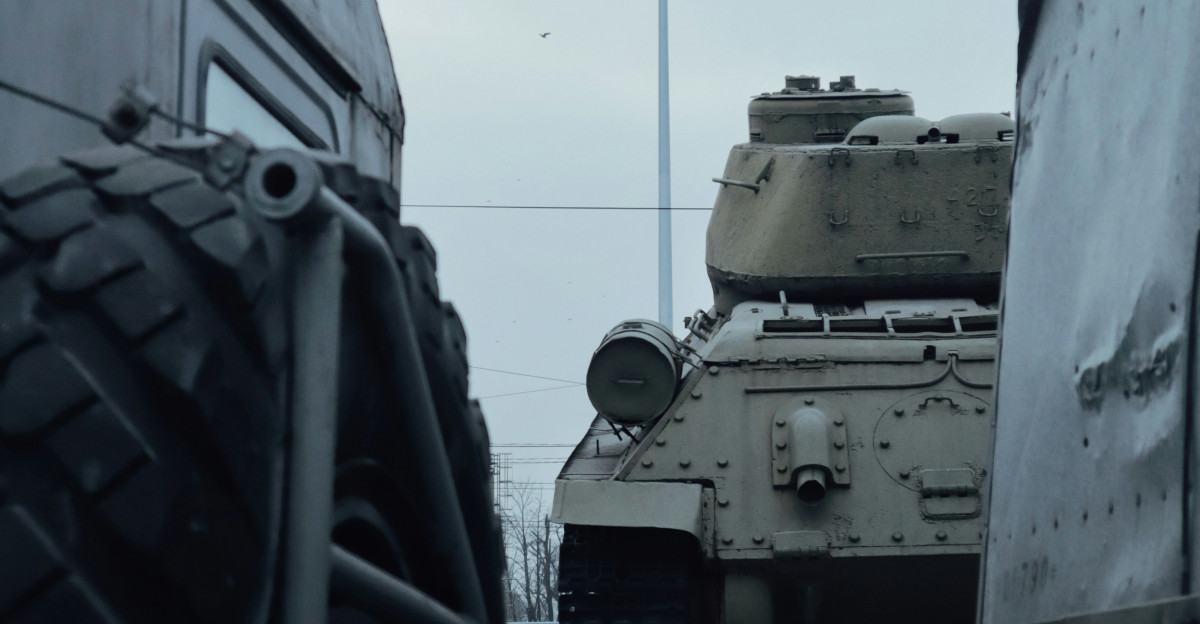
The hurried relocation of munitions from Oryol has strained Russia’s already overextended supply chains. Each convoy requires fuel, manpower, and security, diverting resources from the front lines. Military analysts note that such disruptions undermine Russia’s ability to sustain defenses across multiple fronts.
The Russian Ministry of Defense announced in October 2025 plans to deploy active reservists to protect infrastructure in the Russian rear, acknowledging vulnerabilities from Ukrainian drone strikes on energy, transportation, and oil facilities. This marks a significant shift as Russian authorities work to defend critical infrastructure that previously felt secure due to geographic distance from Ukraine.
A New Phase of Uncertainty

Oryol Oblast, once a quiet logistical hub, now finds itself at the center of a strategic shift. Ukrainian strikes on the region’s energy infrastructure and military facilities have become increasingly frequent throughout 2025. The city of Oryol is located approximately 110 kilometers from the nearest point on the Ukrainian border, placing it well within range of Ukraine’s expanding strike capabilities.
The construction of new drone defenses and the expansion of partisan reconnaissance suggest that both sides expect the conflict to intensify far from the traditional front lines. Despite Russian claims of intercepting Ukrainian drones, attacks continue to succeed, exposing the limitations of existing air defenses.
As the war enters this new phase, the stakes are rising for both militaries and civilians. The evacuation at Oryol is a stark reminder that, in modern conflict, distance offers increasingly diminished protection. With partisan networks growing and Ukraine’s strike capabilities expanding, Russia’s sense of security in rear areas is eroding.
Ukrainian intelligence operations show no signs of stopping, with continued expansion of long-range stealth drone capabilities and clandestine missions deep behind Russian lines. The coming months will test whether Moscow can adapt to a battlefield where the front is everywhere, and nowhere is truly safe.