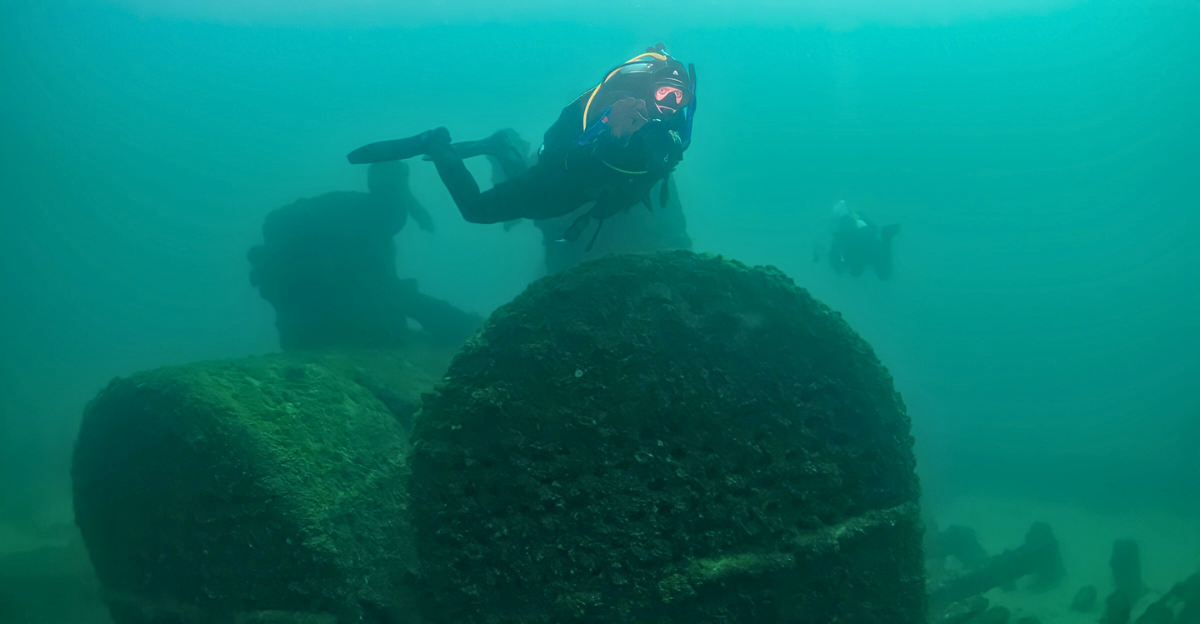
In 2001, a significant underwater discovery off the coast of Cuba captured the attention of scientists and the public alike. Sonar scans revealed geometric stone structures sitting 2,000 feet deep, leading many to speculate about the existence of a lost civilization.
This stunning revelation sparked diverse theories and ignited global fascination with underwater exploration. As marine engineer Paulina Zelitsky and her team studied the site, excitement swirled around the possibility that it could be a vast, ancient urban center, setting the stage for years of debate and investigation into the depths of history and human achievement.
Rising Stakes of Exploration
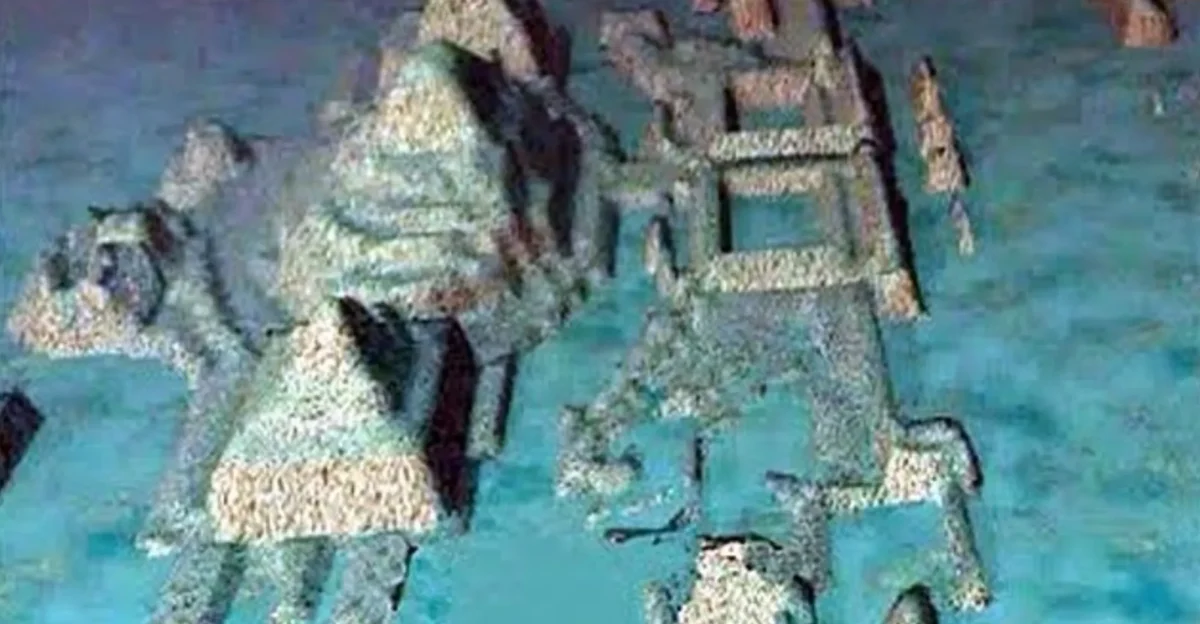
As claims about the Cuban formations spread, comparisons to ancient pyramids and urban layouts intensified, fueling hope that this discovery could rival the world’s famous archaeological wonders. However, with great potential came caution.
Researchers expressed concerns about the depth of the site and the absence of direct artifacts, which made the scientific community hesitant to draw definitive conclusions. “We must approach this with care,” noted Dr. Elena Cruz, a marine archaeologist. The rising stakes highlighted the balance between excitement and academic rigor in exploring the intriguing underwater structures.
A Broader Context of Underwater Wonders
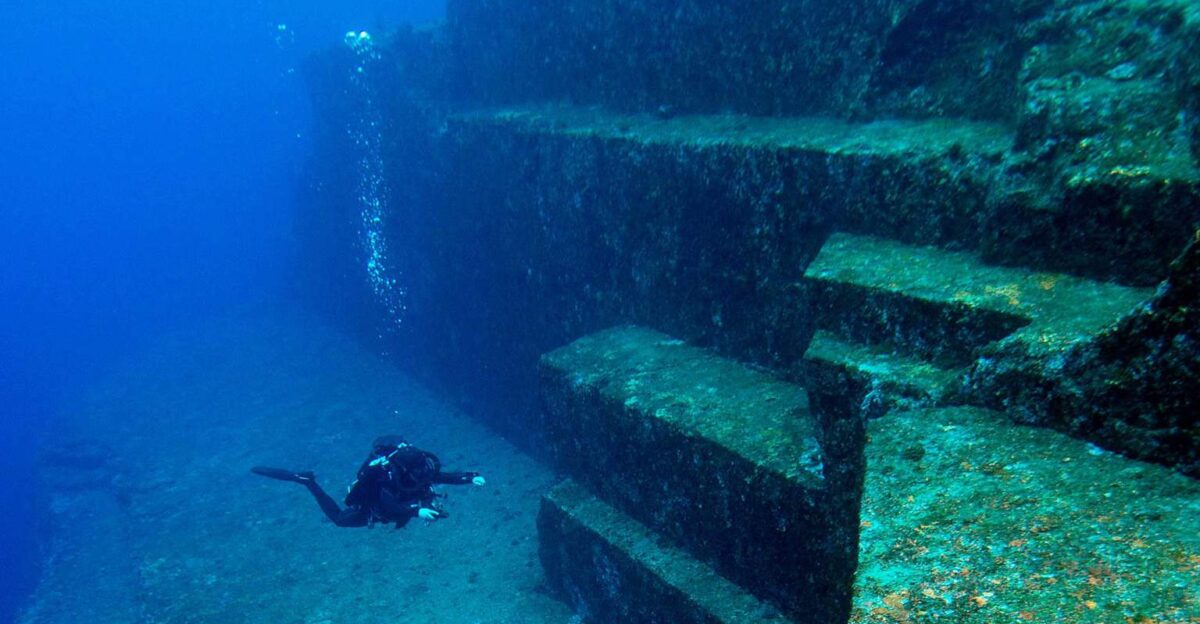
The intrigue surrounding the Cuban site is part of a larger narrative involving underwater archaeological discoveries worldwide. Pavlopetri, an ancient submerged city in Greece, captured historical interest after its identification in 1967. For around 5,000 years, Pavlopetri has preserved remarkable streets and buildings that provide crucial insights into ancient urban life.
As researchers like Dr. Nikos Papadopoulos indicate, “Each underwater site tells a unique story, reshaping our understanding of past civilizations.” The parallels between Pavlopetri and the Cuban formation underline the global importance of preserving these submerged remnants of history.
New Discoveries in Ancient Origins
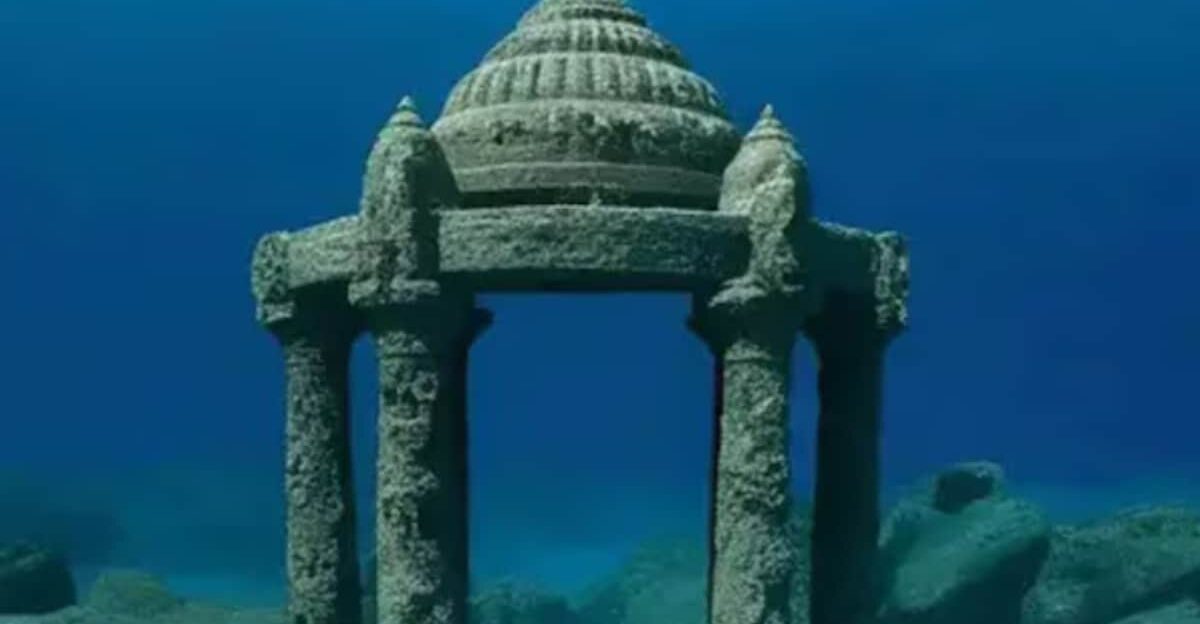
Simultaneously, the Gulf of Khambhat in India brought its headlines when marine scientists uncovered what could potentially be the remains of a 9,500-year-old city. These findings challenge conventional timelines about the dawn of organized societies, stirring discussions about the routes humanity took to establish complex communities.
“We are rewriting history,” exclaimed Dr. Arjun Patel, a leading marine archaeologist in the region. As researchers dive deeper into the past, discoveries like these prompt a rethink of the rich tapestry of human civilization, adding further significance to sites like the one near Cuba.
The Center of Attention
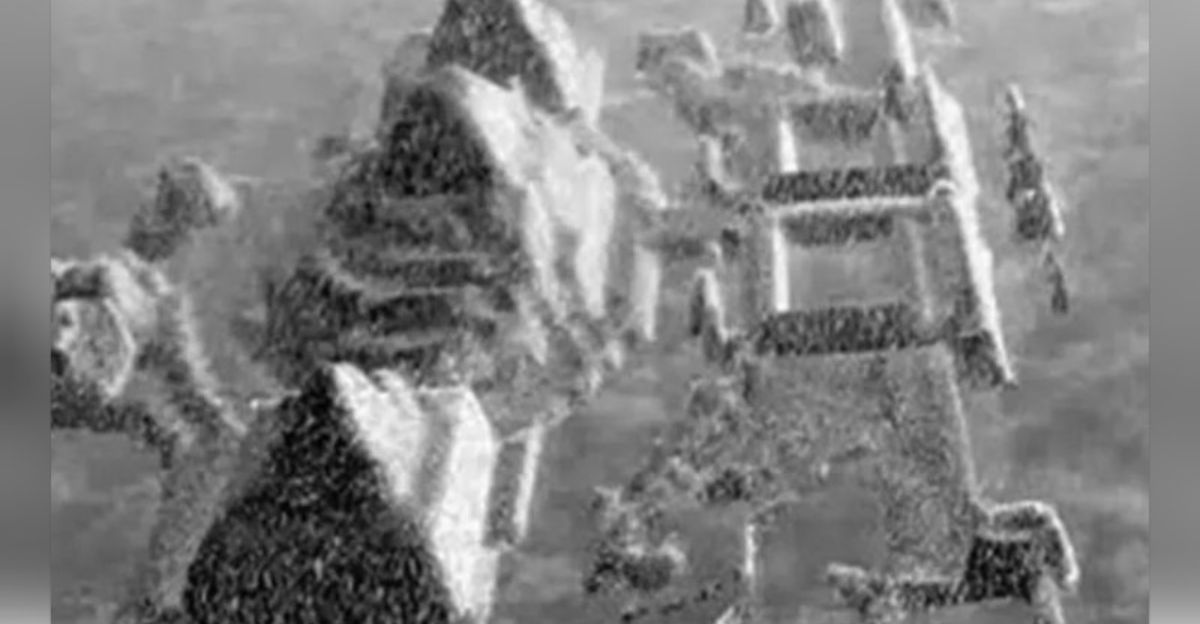
The essence of the Cuban discovery lies in its surprising origins. In early 2001, Canadian marine engineer Paulina Zelitsky and her dedicated team utilized advanced sonar technology to map the area near Cuba’s Guanahacabibes Peninsula, uncovering vast stone blocks arranged in geometric patterns.
This remarkable find sparked claims of a 6,000-year-old megacity, igniting intrigue among historians and archaeologists. Zelitsky stated, “What we found challenges everything we thought we knew about civilization’s timeline.” This critical moment marked the beginning of a complex path of exploration and scrutiny while raising questions essential to understanding ancient human history.
Awakening Local Interest
The discovery reignited enthusiasm for Cuba’s submerged heritage among local researchers and historians. This sparked efforts to survey coastal waters for other hidden archaeological sites. “It’s time we take full advantage of our natural resources,” remarked Carlos Mendes, a Cuban historian working on maritime heritage.
While the find’s significance was clear, extraordinary ocean depths hindered immediate tourist activity, reminding locals about the potential treasures lying below. As investigations continued, there was hope that further discoveries could add notable chapters to Cuba’s rich historical narrative, weaving modern enthusiasm with ancient legacies.
Insights from the Explorer

Lead explorer Paulina Zelitsky offered a poignant perspective during an interview about the formations. She said, “It’s a wonderful structure reflecting a large urban center.” Her enthusiasm revealed the wonder accompanying the investigation, even as she acknowledged the need for caution and scientific rigor.
“Eager as we are to unravel this mystery, evidence must guide our claims,” she insisted. This blend of hope and responsibility clarified the tension between the excitement of discovery and the scholastic duty to substantiate the claim with solid evidence, indicating a budding relationship between exploration and academic integrity.
Voices of Skepticism

Skepticism surrounding the find came from geologists like Manuel Iturralde-Vinent, who stated, “It’s strange, it’s weird; we’ve never seen something like this before.” His doubts and other geological interpretations suggest that natural processes could account for the formations, underscoring the divide among experts scrutinizing the Cuban site.
“Without direct sampling, we cannot leap to conclusions,” Iturralde emphasized, offering a counterpoint to the more enthusiastic claims circulating. This respectful yet profound tension illustrated the complexities and uncertainties embedded in archaeological investigation, where conjecture competes with the demand for empirical evidence.
Prehistoric Patterns Unearthed
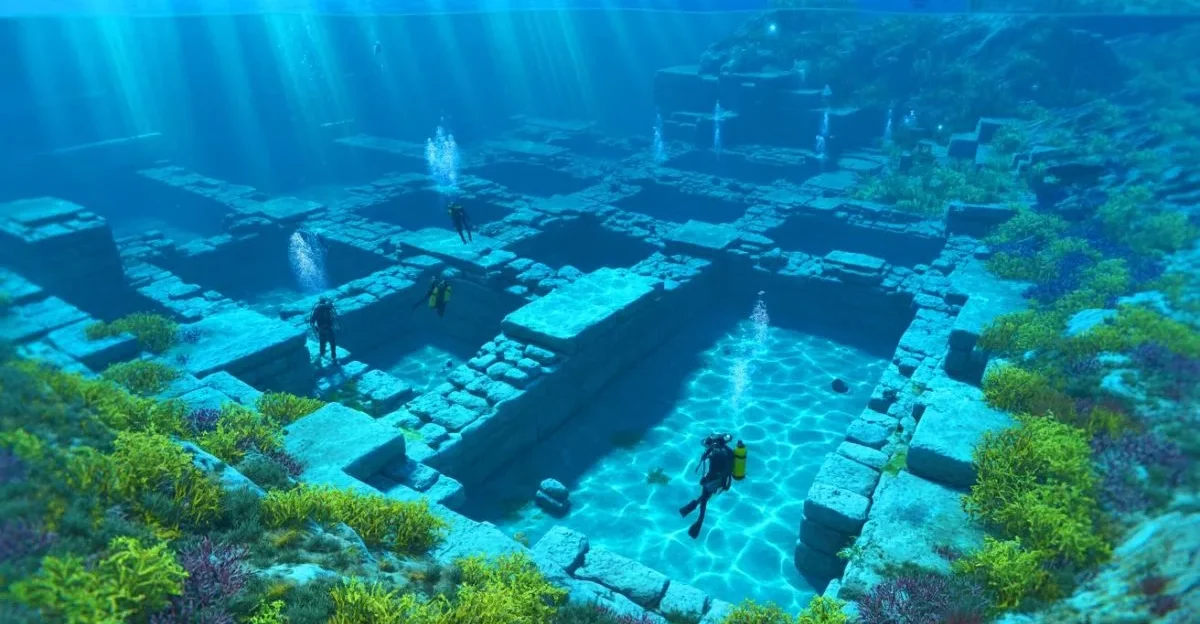
More than 3,000 submerged prehistoric sites have been documented globally, revealing extensive insights into settlement patterns, trade routes, and human adaptability. These discoveries reshape our understanding of ancient civilizations and offer unique glimpses into how societies evolved.
As archeologist Sarah Liu remarks, “Each site is a piece of a much larger puzzle, illuminating our past.” Exploring such submerged wonders revolutionizes historical narratives and encourages a collaborative approach among archaeologists worldwide to piece together human history, contributing to the overarching story that connects diverse cultures across time and space.
Impact of Global Discoveries
The revelations surrounding the Cuban site ignited renewed enthusiasm in underwater archaeology worldwide. Following the discovery, international teams revisited sonar maps utilizing advanced dive technologies to unearth submerged sites. “The potential for what lies beneath is enormous,” expressed Dr. Martin Reyes, a marine exploration leader.
The Cuban find encouraged a global anticipation of new underwater discoveries that could shed light on humanity’s complex heritage. This exploration momentum reflects a fusion of technological advancements and a deeper appreciation for maritime archaeology, heralding an era where the oceans become both a source of mystery and an opportunity for revelation about our shared past.
Challenges of Media Hype

The excitement generated by the Cuban discovery has sometimes overshadowed sober research practices, leaving many archaeologists frustrated. Retraining focus on meticulous methods is crucial, as critics point out that the absence of direct sampling and analysis makes definitive claims precarious.
“We risk sensationalizing what should be a careful study,” cautioned Dr. Ana Torres, an archaeologist dedicated to underwater research. This dynamic underscores the importance of maintaining academic integrity amidst public interest, highlighting the necessity of patient research methods as scholars navigate the waters of discovery, media scrutiny, and the quest for historical truths.
Navigating Ownership Complexities
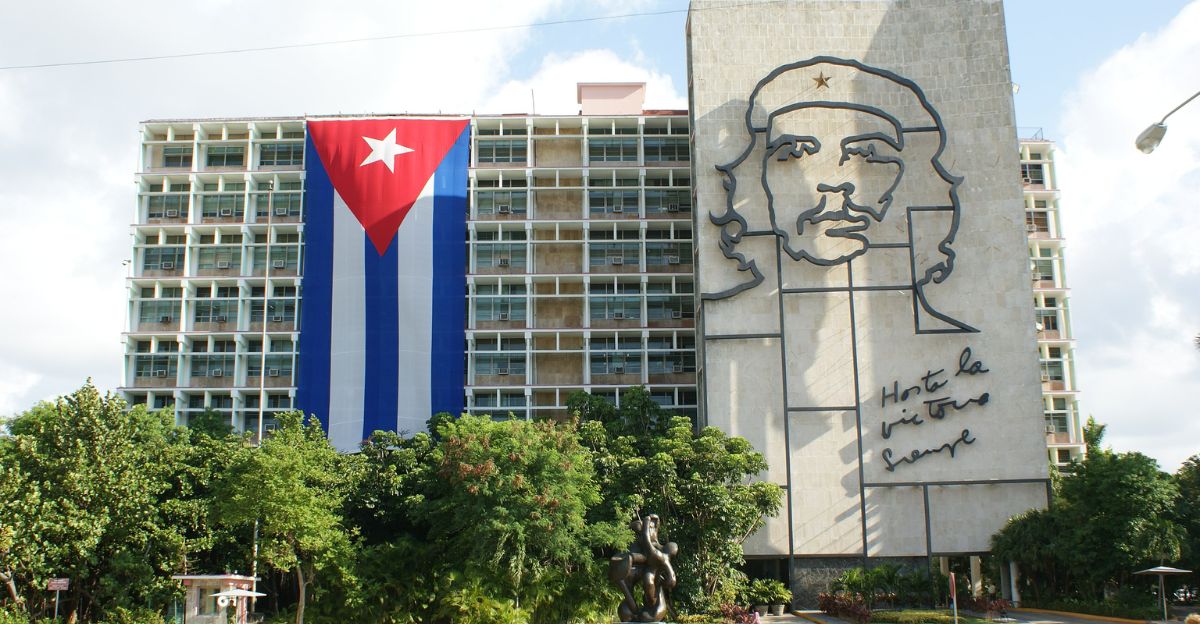
Ownership and stewardship of the Cuban site rest with local authorities and the original discovery team, fostering an environment of ongoing debate and resource disputes. While authorities have facilitated some research, the absence of major independent expeditions raises concerns about future study. “A collaborative approach may be beneficial,” suggested historian Alicia Perez.
The complexities of navigating international interests and claims to the site, alongside the value of independent inquiry, highlight the intricate relationship between politics and archaeological research, complicating efforts to deepen our understanding of this underwater treasure trove.
Calls for Collaborative Efforts
In the wake of the Cuban discovery, advocates are rekindling calls for multinational surveys enriched with the latest technology. Supporters believe an international partnership could unlock the potential truth behind these underwater formations, provided logistical and geopolitical barriers can be bridged.
“Let’s work together to dive deeper,” urged Dr. Kareem Al-Amin, advocating for collective exploration. The potential for collaboration reflects a broader sentiment within the archaeological community, where shared expertise may pave the way for groundbreaking discoveries, enhancing our understanding of historical narratives beneath the ocean’s surface.
The Need for Critical Evaluation

Many leading archaeologists caution against jumping to conclusions regarding the nature of the Cuban site. Zelitsky reiterated, “Until we can sample and analyze material from the site, it would be irresponsible to say what it was.” This sentiment resonates with geologists like Iturralde, emphasizing the necessity for careful examination before drawing definitive conclusions.
This call for restraint serves as a reminder that the challenge of interpreting complex archaeological findings requires essential, methodical approaches, balancing excitement about potential discoveries with the rigorous pursuit of empirical evidence necessary to gain legitimate insights into our past.
Anticipating Future Technologies
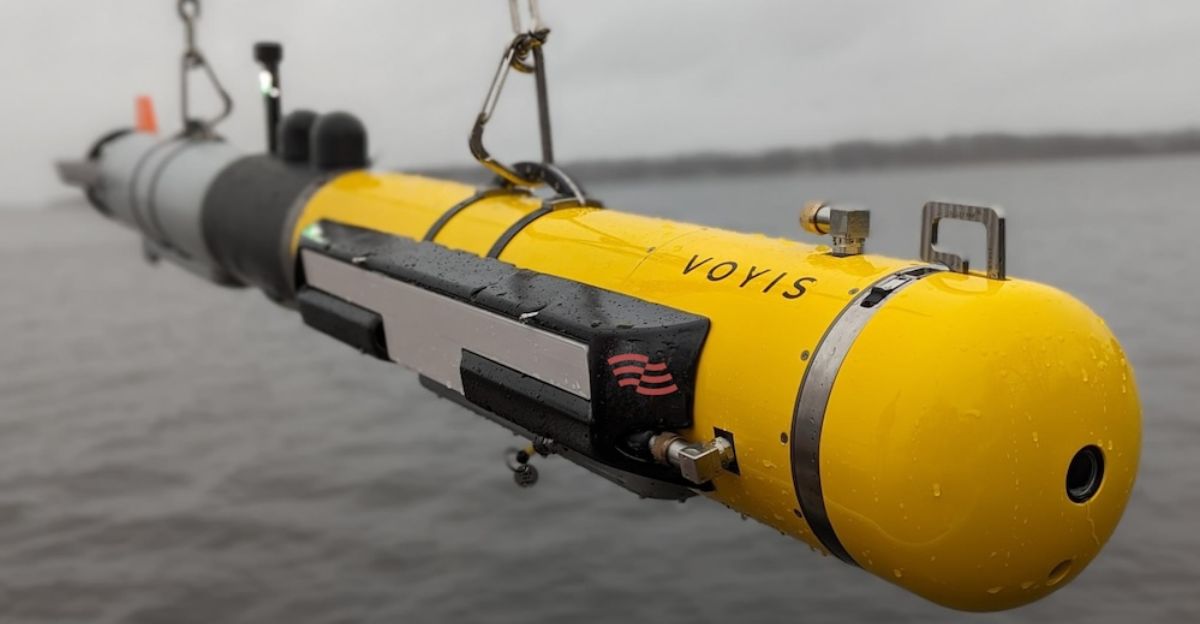
As technology in underwater exploration progresses, the hope for new submarine innovations grows. Will emerging collaborative dives finally unravel the Cuban formations’ mysteries? These structures represent a profound inquiry into human history and a case study illustrating the importance of patience, skepticism, and the scientific process.
As Dr. Elena Cruz articulated, “Each discovery opens doors, but it must be approached with respect for the past.” Underwater archaeology stands poised at a pivotal moment where patience and advanced technologies may intersect, illuminating paths into the depths of historical understanding.
Political Sensitivities Emerge
Amidst the excitement surrounding the Cuban discovery, international political interests began to surface. Researchers from Cuba, Canada, and the U.S. made competing claims about the site’s ownership and significance, complicating further investigation. “Political complexities shouldn’t eclipse our pursuit of knowledge,” lamented historian Roberto Silva.
These sensitivities pose significant challenges to future research and international collaboration, reminding us that the politics of archaeology can be just as complex as the science itself. Navigating these waters requires delicacy and diplomacy, as scientists aim to balance discovery with respectful regard for local heritage and interests.
Global Reflections and Connections
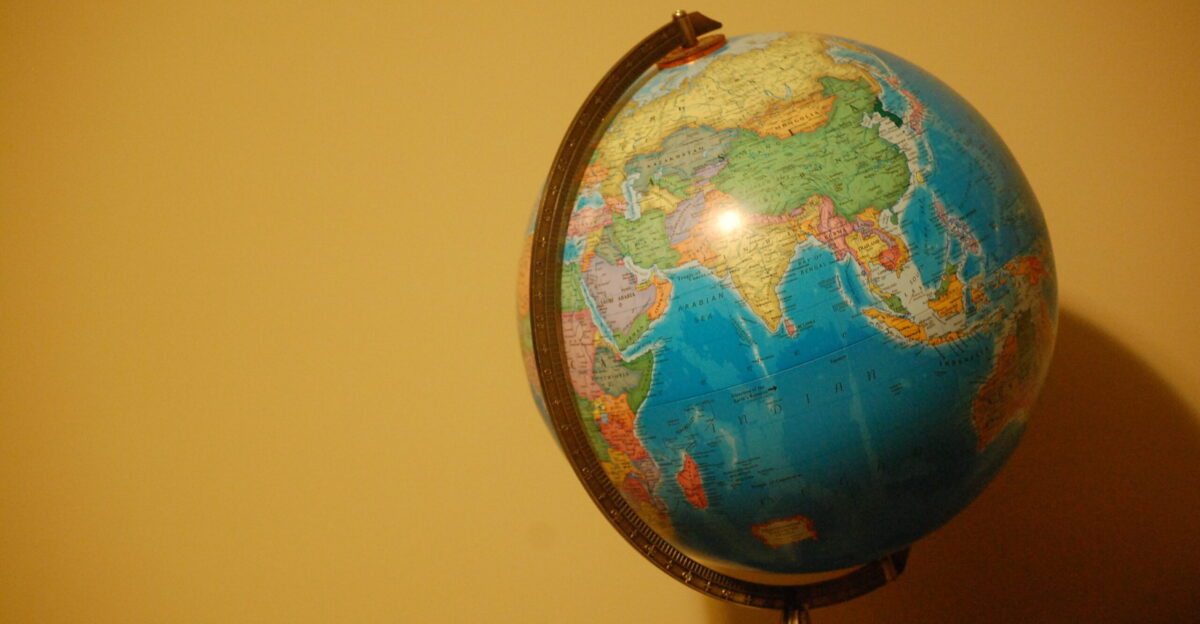
The discussion around the Cuban find reverberates across the globe, impacting debates about underwater archaeology in diverse regions. In India, for instance, aspirations surrounding the ancient submerged city echo the themes of skepticism and excitement found in Cuba.
“What if we unearth a past more intricate than we imagined?” pondered researcher Priya Joshi as she explored her coastal waters. This transnational dialogue reflects a desire to connect experiences and findings, illustrating a shared commitment among historians and archaeologists to unlock the secrets lying beneath our seas.
The Quest for Knowledge Continues
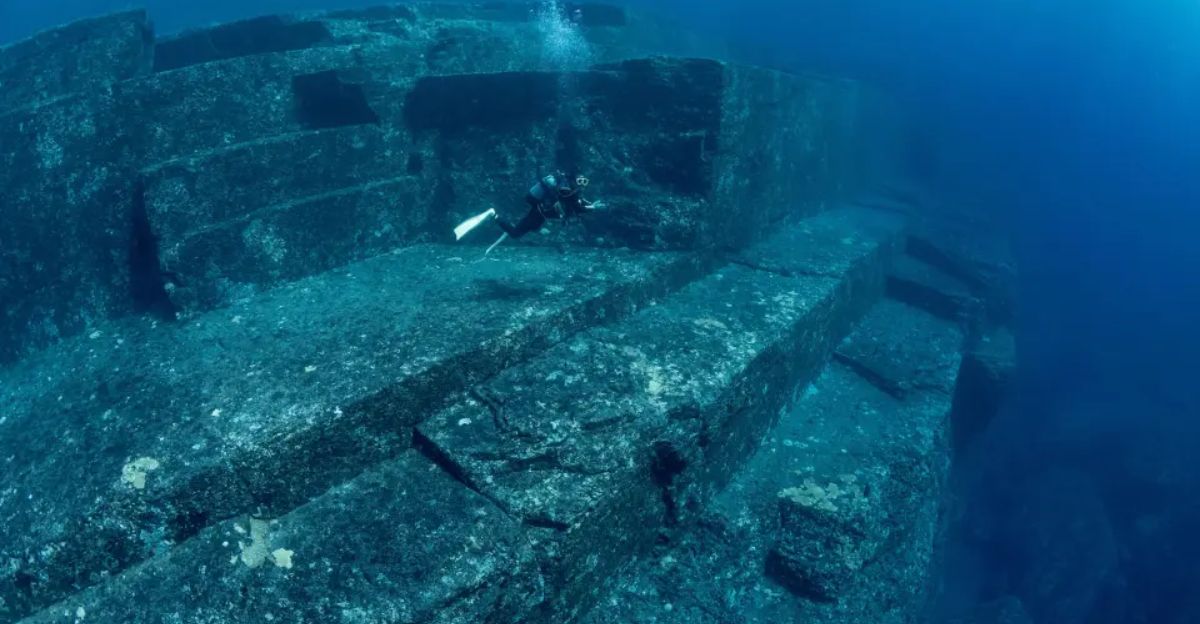
As research into the Cuban underwater site persists, the broader implications of such explorations expand. The potential to reshape narratives surrounding human civilization and migration patterns amplifies the importance of these investigations.
“Every stone, every artifact, could tell stories we have yet to uncover,” remarked marine archaeologist Timothy Chan, emphasizing the rich tapestry of human history. The quest for knowledge remains a driving force in archaeological endeavors, where each discovery contributes to a more nuanced understanding of who we are and where we come from, continuously forging connections across temporal and cultural divides.
Bridging Disciplines and Collaboration

The interplay of technology, archaeology, and politics amplifies the significance of the Cuban discovery. Collaborative efforts not only advance archaeological methodologies but also foster intercultural understanding. “Working together is the key to unveiling the mysteries of our shared past,” stated environmental scientist Dr. Laura Insley.
As experts from diverse backgrounds unite, they enhance the potential for groundbreaking revelations, ensuring that the discourse around submerged heritage remains dynamic and inclusive. The critical engagement with history urges a deliberate synthesis of different disciplines, fostering a sense of shared responsibility to uncover and preserve collective human memory.
A Story Still Unfolding
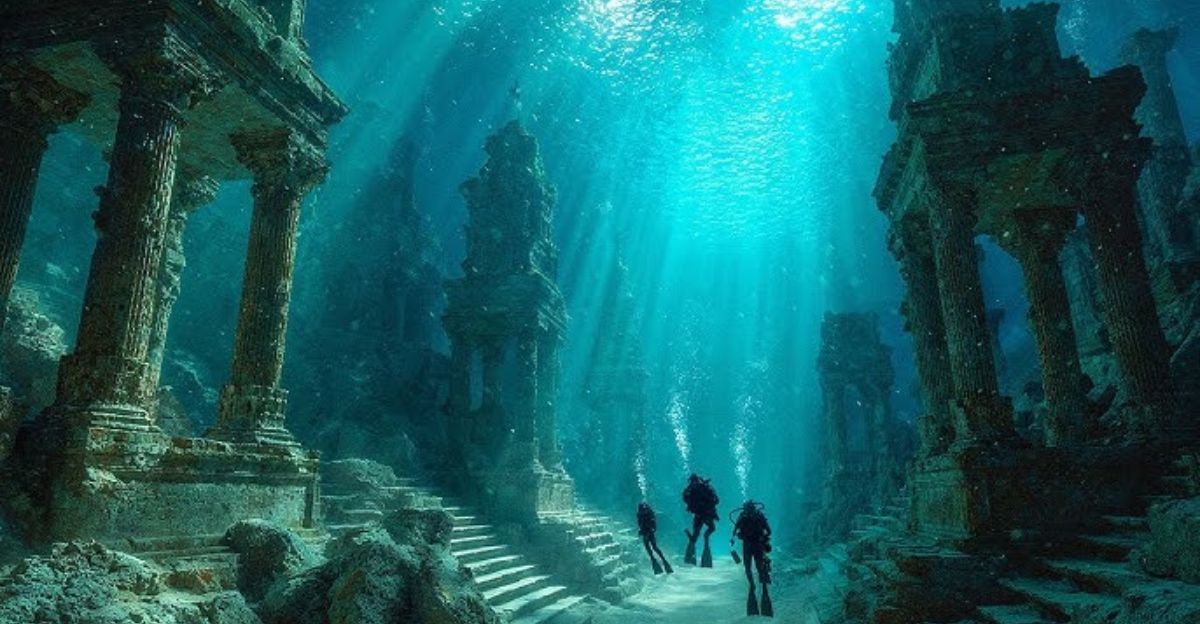
Each year, the story of the underwater formations near Cuba unfolds, representing more than a mere archaeological puzzle. It embodies the aspirations, conflicts, and revelations that characterize human desire to understand our past.
“This isn’t just about finding stones; it’s about discovering our identity,” stated Paulina Zelitsky, reflecting the deeper meanings embedded in their exploration. As scientists and researchers build on earlier efforts, navigating through skepticism and enthrallment, the narrative remains firmly rooted in the quest for knowledge. This ongoing journey promises new insights awaiting those brave enough to dive deep.