In July 2025, a monumental policy shift reshaped America’s energy sector. The passage of a $559 billion bill led to a drastic reduction in renewable energy support, arriving at a time when global investment in clean energy was soaring. This sudden change created alarm among analysts and industry leaders, with concerns mounting over potential job losses, reduced energy security, and an overall decline in U.S. competitiveness.
One analyst said, “This policy reversal will have cascading effects that we cannot fully understand.” As stakeholders grappled with the new landscape, the bill’s implications became increasingly apparent, setting the stage for a turbulent period ahead.
The Ripple Effect
The immediate consequences of the rollback were stark. Analysts projected that up to $22 billion in renewable energy projects could be canceled, resulting in the loss of 16,500 jobs within the first quarter following the new law’s enactment. The urgency was palpable, as companies and workers nationwide braced for impending turmoil.
“We had ambitious expansion plans, but this change slashed our projections,” remarked a project manager at a solar firm. As the dust began to settle, the reality of these cancellations sparked concern about the future of clean energy in the U.S. workforce and the economy.
Reflecting on Growth
Until this drastic legislation, the U.S. clean energy sector was thriving, experiencing unprecedented growth driven by federal incentives like the Inflation Reduction Act. Solar power alone had created seven times more jobs than the coal industry, showcasing the shift towards renewable sources. The expansion of clean energy manufacturing and installation bolstered jobs and invigorated local economies.
However, this momentum abruptly shifted following the policy change, leaving many to ponder: how quickly could we unravel the progress in cleaning the nation’s energy supply after years of substantive advancement?
Supply Chain Challenges

As uncertainty swirled in the renewable sector, industry leaders raised alarms about tightening supply chain regulations and the impending expiration of existing credits. These developments complicated project timelines for many companies, resulting in cancellations or significant delays before construction could begin.
A manufacturing executive expressed frustration: “We had everything lined up, but now our plans are all in question.” Installers and manufacturers were ill-prepared for the rapid shifts, resulting in misaligned startup lead times and a sense of instability within the market. The tension in the air was palpable as the clock ticked down to project deadlines.
The One Big Beautiful Bill Act

On July 4, 2025, President Trump signed the One Big Beautiful Bill Act, epitomizing the seismic shift in U.S. energy policy. This Act slashed renewable credits and imposed foreign-sourcing bans that experts warned would “fundamentally restructure” energy support. The fallout was immediate and stark, with record cancellations and a marked slowdown in investment occurring overnight.
One industry analyst noted, “The repercussions of this legislation are unprecedented.” Stakeholders across the renewable sector were left scrambling to adapt to the sudden changes, producing feelings of chaos in a market that had been on an upward trajectory.
State-Level Repercussions
The impact of the new legislation rippled quickly into various states. Georgia, Arizona, and Minnesota, boasting significant battery and solar projects, were reeling as major plans were suddenly abandoned. An executive from a solar company lamented, “The uncertainty over credits and sourcing forced us to halt our developments completely.”
Billions in intended investment vanished almost overnight, highlighting the localized fallout resulting from a federal policy. As uncertainty loomed, states were left grappling with job losses and a chilling halt in project development that could have bolstered their economies.
Facing Layoffs
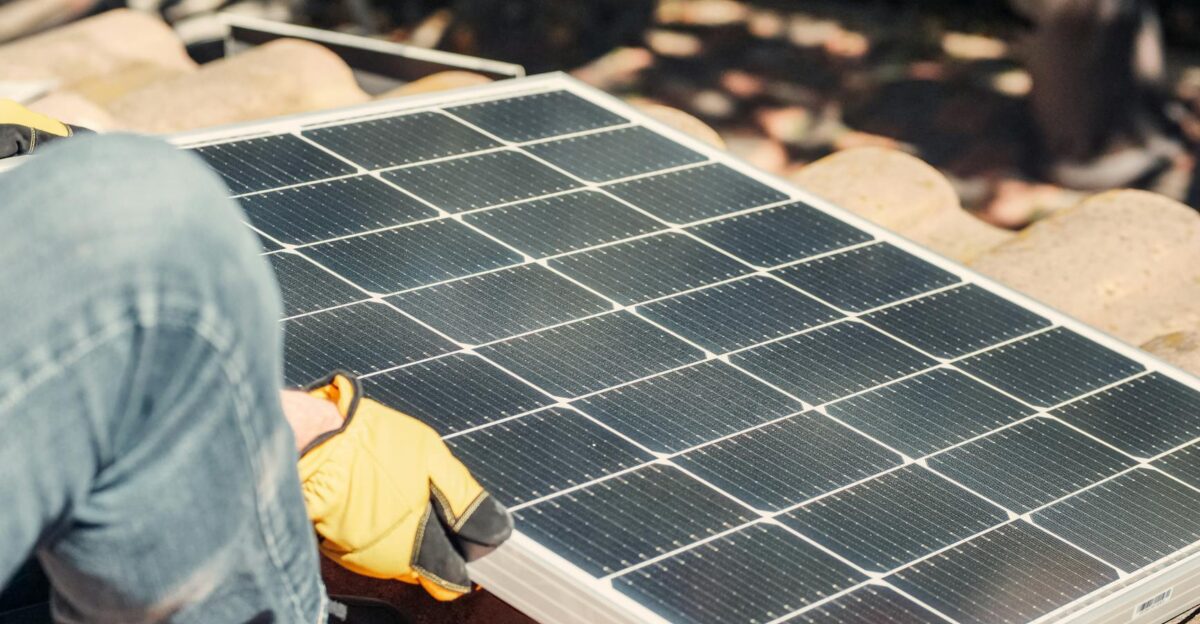
The human cost of these policy changes began to manifest as layoffs across the nation. Thousands of skilled workers in states like Colorado and Michigan faced job insecurity as projects were shelved. An engineer laid off from a national lab expressed despair: “My project was thriving, but it was abruptly shut down just two weeks after the law changed.”
Economists warned that up to 330,000 clean energy jobs could evaporate by 2030 if conditions didn’t improve. The emotional toll was significant, as families braced for the fallout from decisions made at the legislative level.
Navigating Supply Chain Disruptions
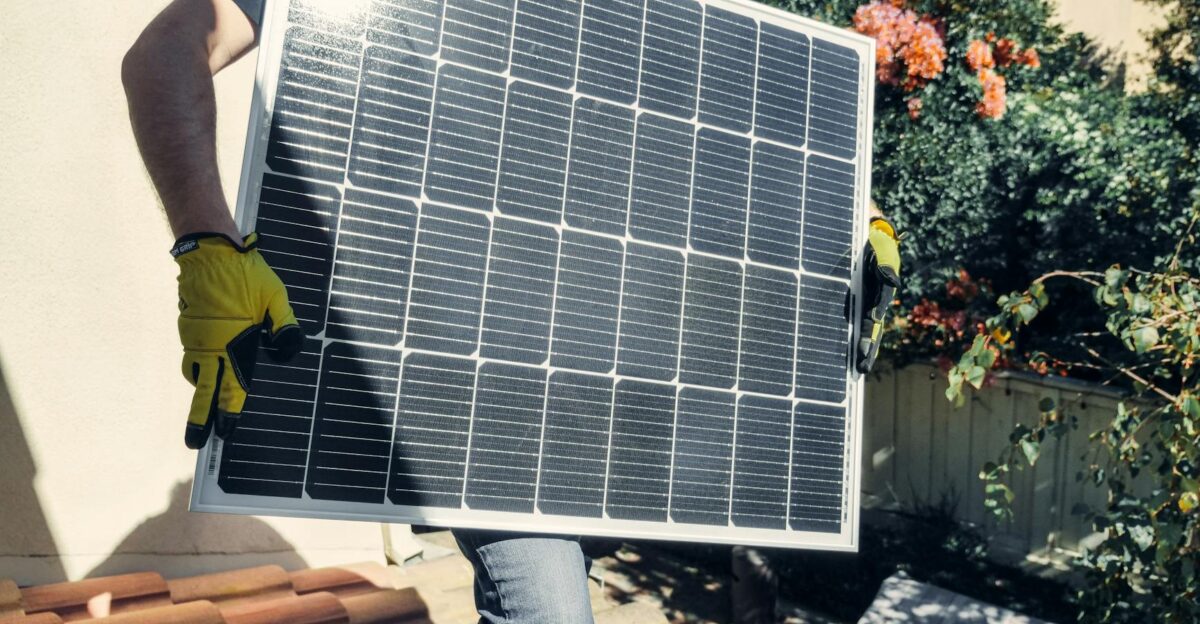
The new Act’s bans on components sourced from countries like China, Russia, and Iran created significant operational challenges for U.S. developers, particularly as domestic alternatives remained scarce. With approximately 80% of the world’s solar panels and 77% of batteries produced in China, American companies faced an uphill battle to meet supply demands.
A solar developer noted, “We’re scrambling to find reliable alternatives just as timelines tighten.” As project deadlines approached, the industry faced a critical juncture where the lack of materials threatened to derail advancements in renewable energy initiatives when they needed to ramp up the most.
Global Investment Trends

While the U.S. grappled with policy-induced turmoil, clean energy investment continued to thrive around the globe. In 2024, China alone allocated over $940 billion toward renewable technologies, nearly triple that of U.S. investments. During this period, 86% of all new power capacity in China came from renewable sources, a record that remained unparalleled elsewhere.
One industry leader observed, “The rest of the world is moving forward while we’re left trying to play catch-up.” It became clear that America’s hesitance could undermine its role in the global renewable energy arena.
China’s Ascendancy
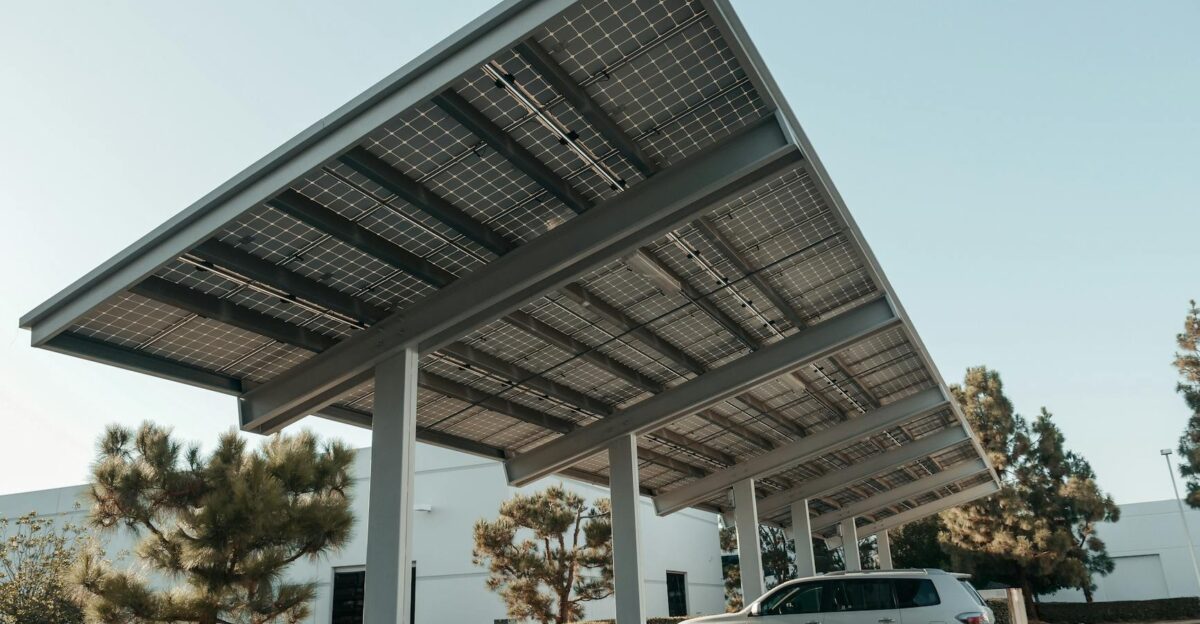
China’s escalating dominance in green energy stems not only from its high levels of investment but also from its substantial progress in renewable electricity generation. By 2025, over 25% of China’s electricity will be derived from renewables, a significant milestone that underscores its commitment to a sustainable future.
Furthermore, the country controls over 80% of global solar manufacturing and 95% of critical silicon wafer production. Analysts noted, “China is setting the terms of competition in renewables, and America’s influence is slipping.” The stark contrast in commitment and outcomes illustrated a growing leadership gap that demanded urgent attention.
Solar Installations Surge
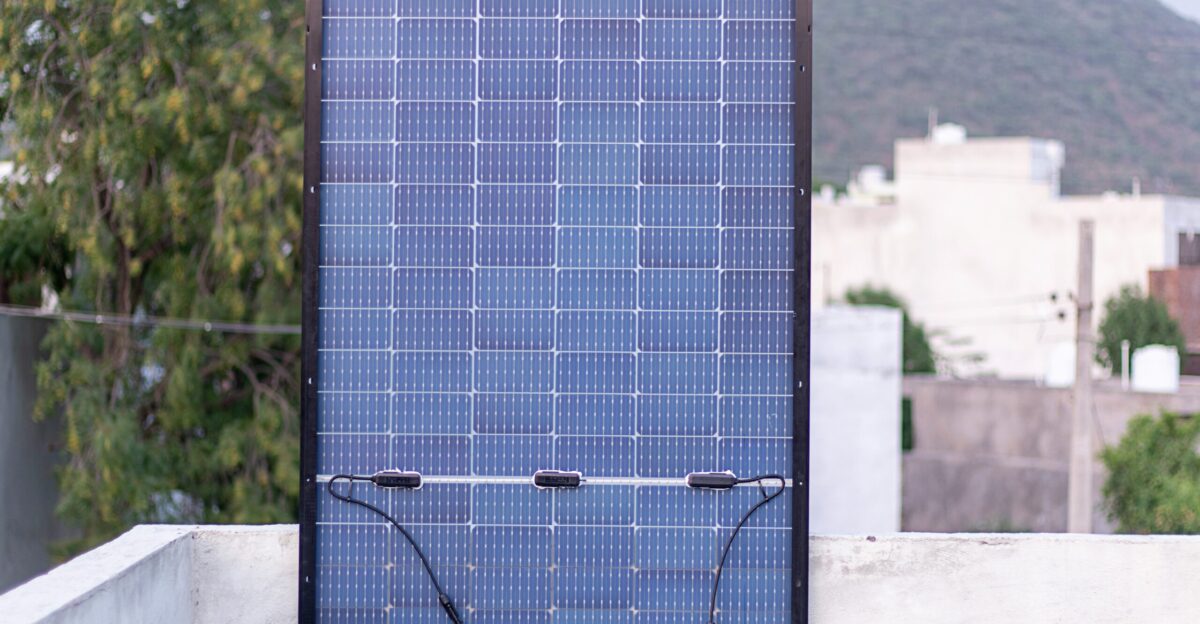
Under diminishing incentives, solar companies were pressured to expedite installations before credits were phased out. Many reported full booking schedules stretching into December, but they also warned that the viability of new projects hinged on pre-existing incentives.
“If you want panels, you’d better get in line now,” one installer urged customers. This rush to secure projects highlighted a frantic atmosphere in the industry, as market dynamics shifted rapidly. Stakeholders recognized the situation’s urgency, hoping to capitalize on the fleeting window before budget constraints stifled potential.
Foreign Investment Hesitates
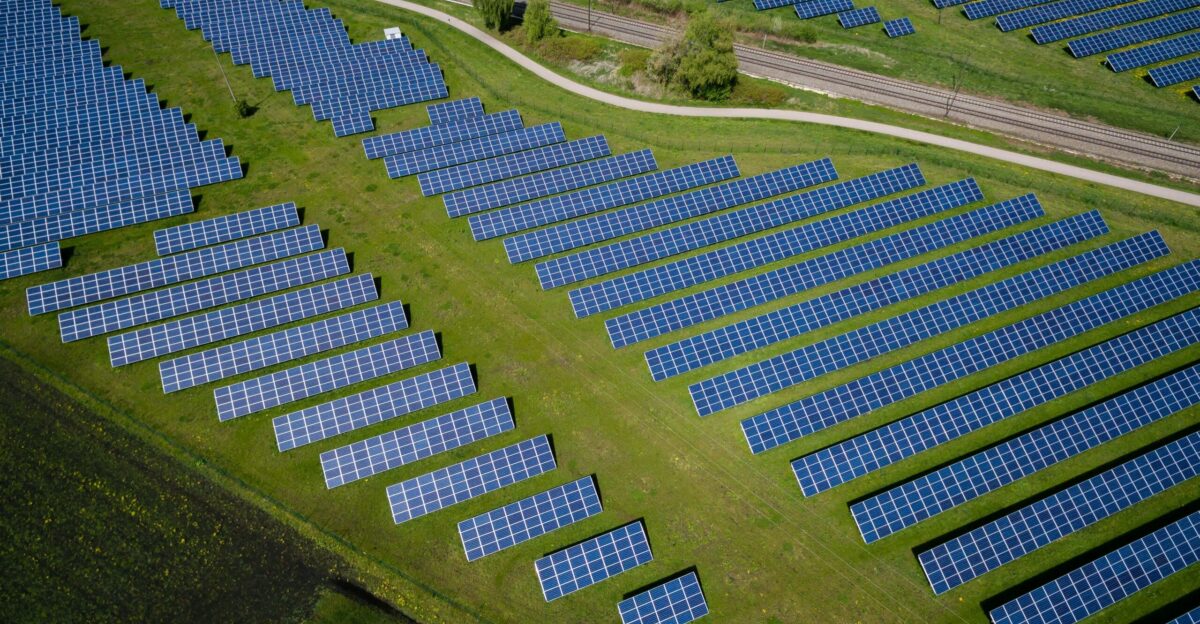
Alongside rising internal challenges, foreign investment in American clean technology saw a notable decline. The increased regulatory complexity discouraged new entrants, leaving many U.S. companies pondering the option of relocating or offshoring their planned factories. “We can’t compete without the same incentives other countries offer,” admitted one entrepreneur.
This shift threatened American innovation and raised concerns about the long-term viability of domestic clean energy jobs. The competitive disadvantage magnified as companies weighed their options, prompting calls for policy revision to restore investor confidence and market stability.
Grassroots Efforts for Recovery
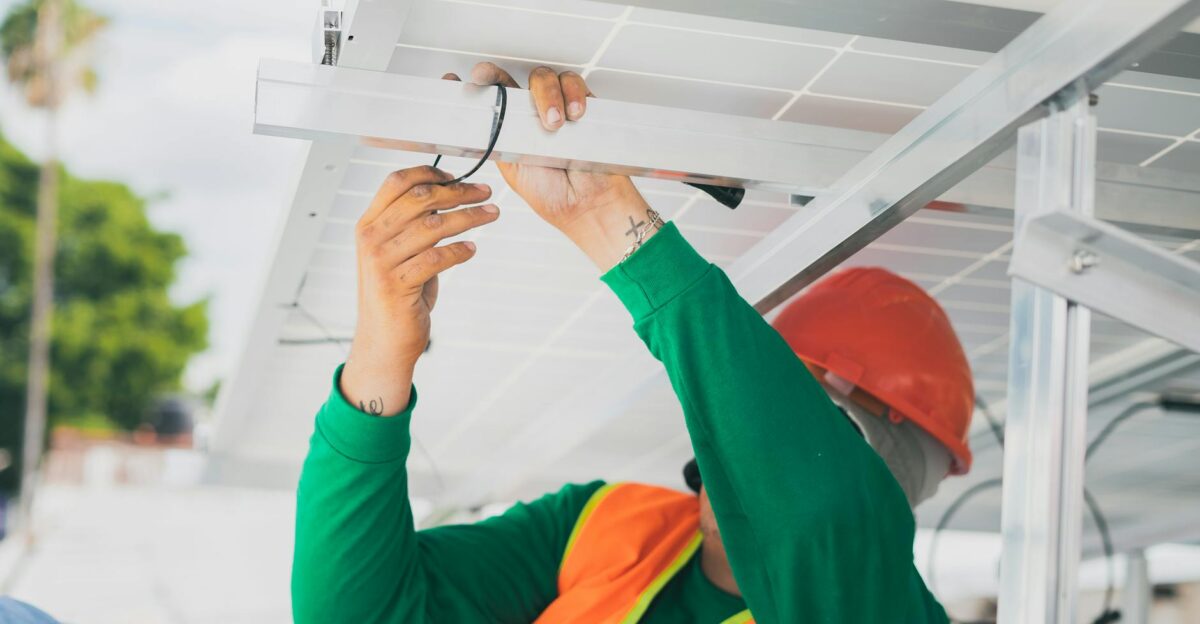
In response to the unfolding crisis, state governments and industry advocates rallied for modified local incentives and intensified workforce training initiatives. Regions like California began implementing stopgap grant programs to stave off immediate job losses while setting the stage for future growth.
“We know this is a tough moment, but we’re determined to mitigate the damage,” remarked a local official. These grassroots efforts underscored a commitment to preserve jobs and adapt and innovate in light of the fading federal support, signaling resilience among stakeholders in the renewable sector.
Financial Outlook
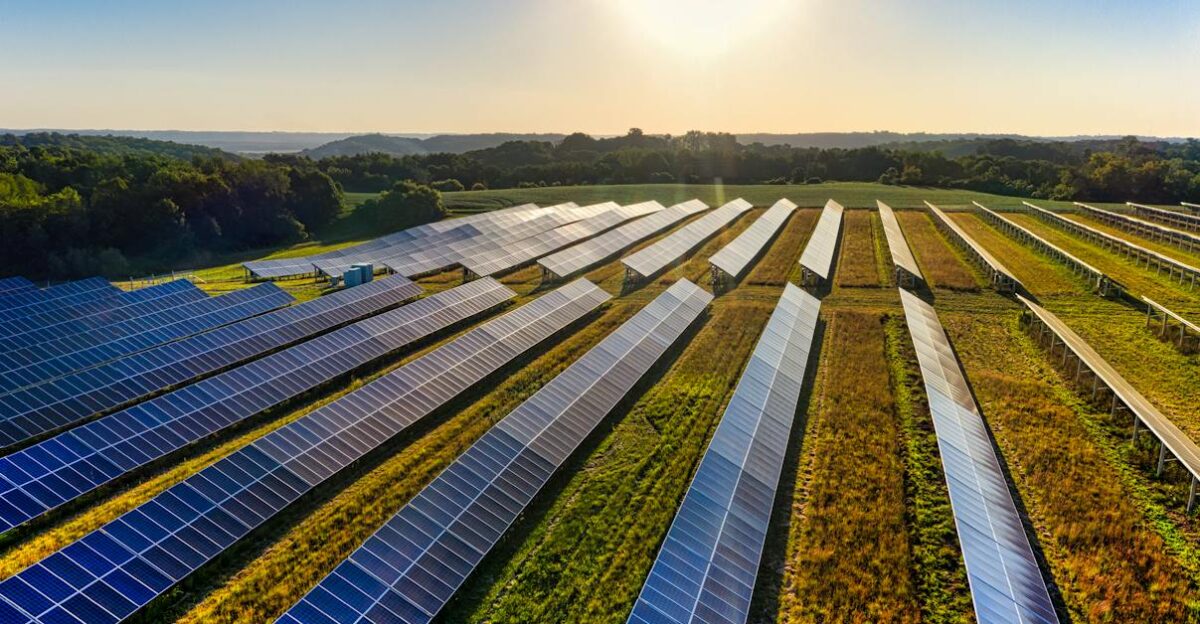
Despite the proactive local efforts, financial analysts expressed skepticism about the recovery speed. “Pulling back now forfeits growth in the fastest-moving sector,” one expert cautioned. Projections indicated that the global renewable energy market could reach a staggering $4.86 trillion by 2033.
However, the current trajectory suggested that America could miss out on this explosive growth if it failed to adapt to the rapidly changing landscape. Stakeholders recognized that swift policy changes would play a critical role in ensuring the nation wouldn’t be left behind as others rushed ahead in realizing their clean energy goals.
Time-Sensitive Actions

With significant deadlines approaching, solar credits set to expire on December 31, and electric vehicle credits by September 30, experts urged swift action for participants hoping to achieve discounts. Unsurprisingly, the call for consumers to double-check eligibility and timelines before committing surged, reflecting the moment’s urgency.
“Time is of the essence. We’re talking about potential losses that could have lasting impacts,” one industry representative emphasized, with multiple stakeholders aware of the precarious balance. The moment for decision-making had arrived, laden with urgency and concern about future viability.
Policy Debates Intensify
As the policy ramifications became clearer, discussions among policymakers intensified. The legitimacy of linking U.S. energy independence to sourcing restrictions was now under the microscope. Industry advocates urged a more nuanced approach that would ensure a stable energy transition while supporting domestic innovation.
“We need a strategy that embraces independence and collaboration,” a renewable energy advocate stated. As debates continued, it became evident that addressing these complex issues was essential to restoring confidence and stability within the energy sector, ultimately leading to more robust and forward-thinking energy policies.
Economic Resilience and Adaptation

While challenges posed by the recent policy changes felt overwhelming, many entities sought innovative approaches to build economic resilience within the renewable sector. Local businesses began strategizing on how to pivot amidst adversity, leaning on community-based solutions that could propel them forward.
One small solar firm shared, “This industry was built on collaboration and community. We must lean into that and support each other now more than ever.” The notion of fortifying local economies through collaboration exhibited a glimmer of hope even amid significant trials, emphasizing the importance of adaptability and resilience.
Innovations on the Horizon
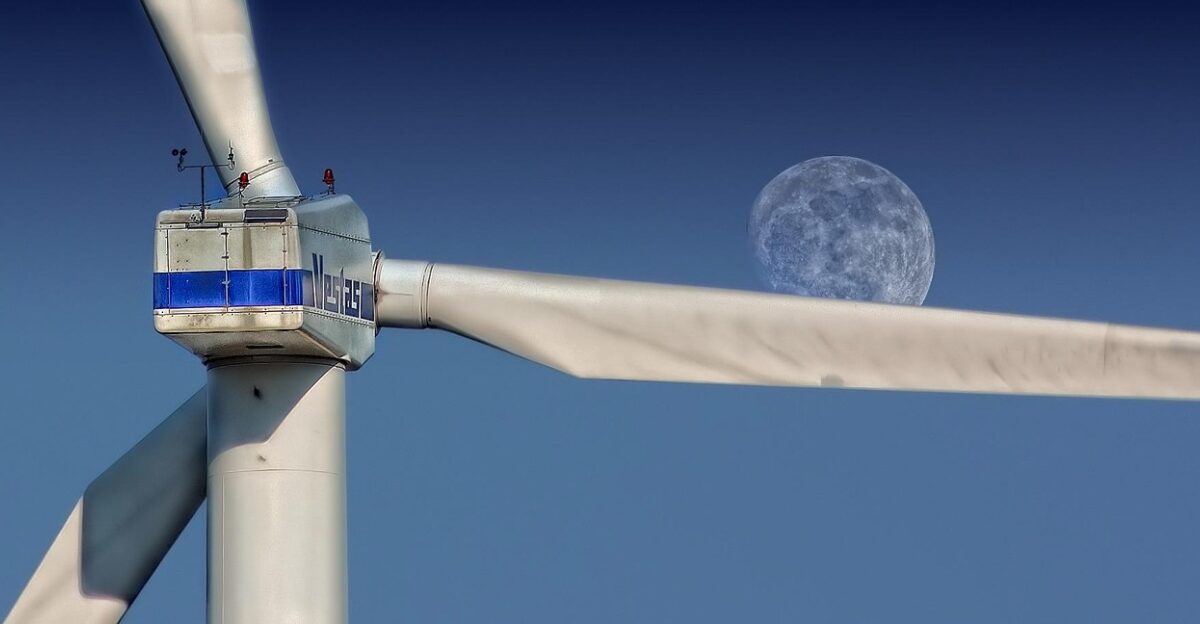
As stakeholders worked through setbacks, many positioned themselves to leverage new opportunities. Emerging technologies within the clean energy sector, including advanced storage solutions and innovative recycling processes for renewable materials, promise to enhance efficiency and sustainability. Executives across the industry expressed cautious optimism for what was ahead.
“Innovation drives our future, and we’re committed to finding pathways that redefine how we approach energy,” noted a leading sustainability executive. A renewed sense of hope emerged, highlighting that even in turbulence, creativity and ingenuity would pave the way forward.
Preparing for Future Policy Changes
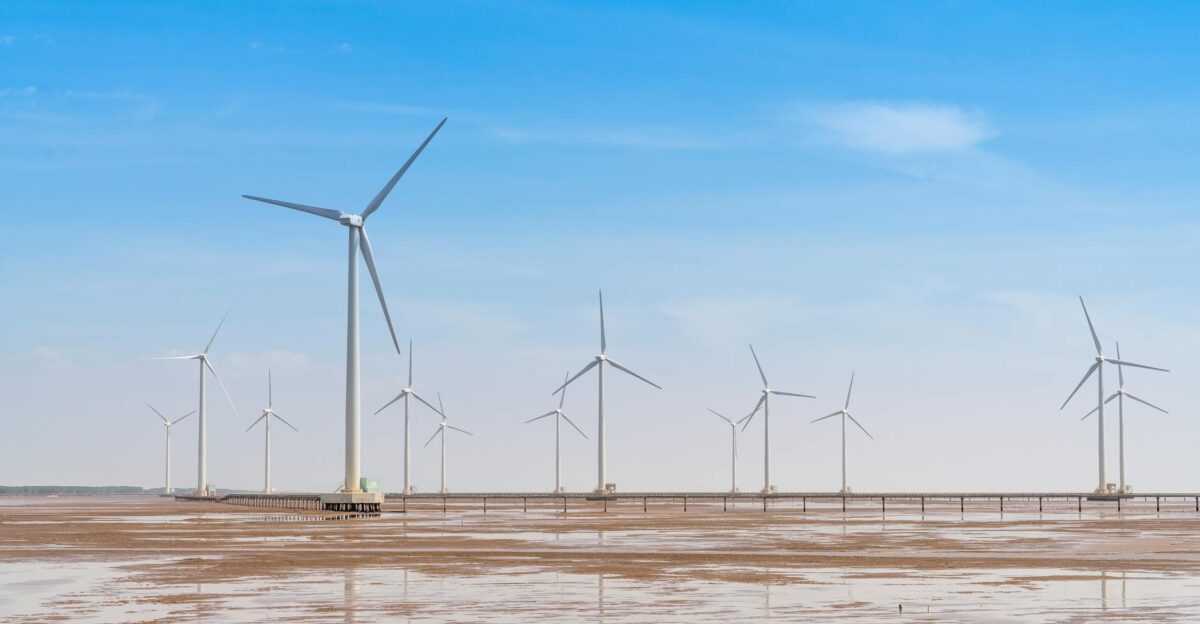
Amid the evolving landscape, stakeholders understood that preparing for future policy changes would be critical to maintaining momentum in the renewable energy sector. Companies began to actively participate in lobbying efforts, advocating for more favorable conditions and reexamining existing legislation.
“We can’t afford to sit back anymore if we want to ensure a clean energy future; we need to engage actively,” urged an industry leader. These proactive measures indicated a shift in the narrative, encouraging a collective focus on fostering policy environments conducive to sustainability and economic growth.
A Call for Collective Action
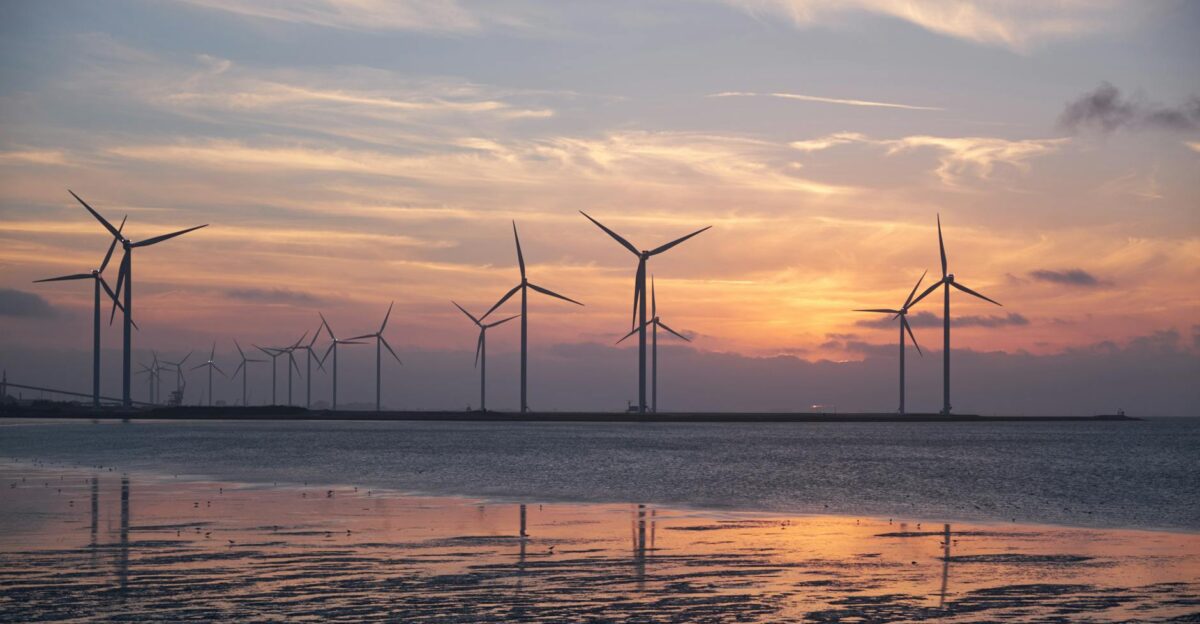
As the situation within the renewable energy sector continued to unfold, it became clear that collective action, collaboration, and a commitment to innovation would be essential for navigating the new reality. Stakeholders across various sectors, from policymakers to industry leaders and community organizations, were encouraged to unite to build a sustainable energy future.
With each voice adding to the conversation, the pathway towards restoration and growth was illuminated. “When we come together, we drive change not just for ourselves but for our communities and the next generations,” a community organizer emphasized. The urgency to act was palpable, highlighting a renewed commitment to renewable energy initiatives.