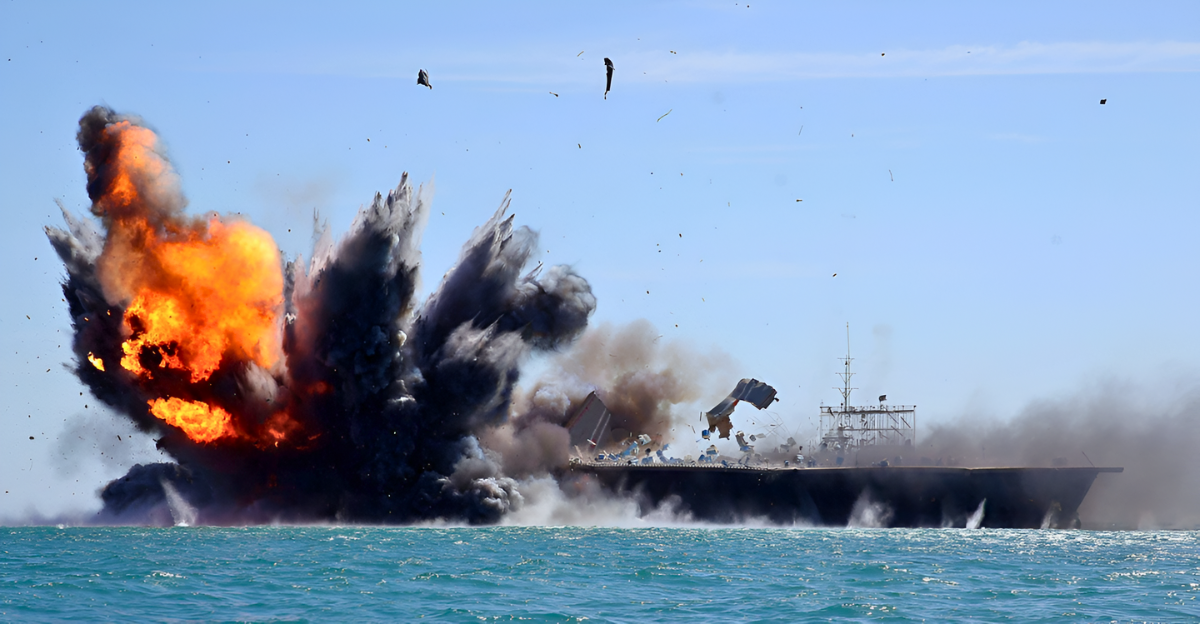
The massive air strike that destroyed the largest ship in the world is a prime example of how modern warfare technology and sheer naval power are evolving together. Precision air strikes using sophisticated missiles and coordinated tactics can destroy large ships, which were once thought to be nearly impregnable symbols of military might because of their size, armor, and onboard defenses.
The conventional wisdom that size and weaponry alone confer survivability is called into question by this idea. Even the strongest defenses can be overpowered by combining air power, long-range missiles, and intelligence targeting. Naval forces around the world are being forced to reconsider their fleet compositions, defense systems, and doctrinal approaches to maritime dominance as a result of this shock to naval supremacy.
Historical Patterns of Vulnerability in Large Ships
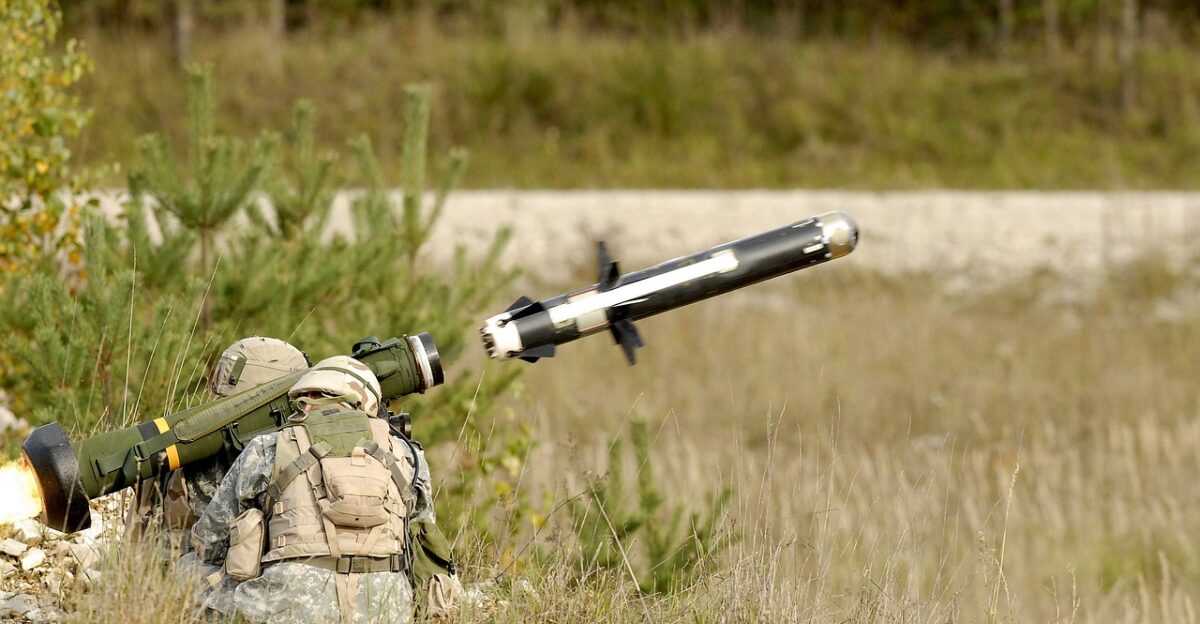
Sobering examples of missile attacks and huge ships plummeting to the ground can be found throughout history. The 1941 Pearl Harbor attack on the USS Arizona was a turning point in history when air power severely damaged a heavily armored battleship, sinking it with a devastating loss of crew.
Similarly, massed air attacks using bombs and torpedoes in 1945 sank the Japanese battleship Yamato, even though it was the heaviest and most heavily armed battleship. These incidents marked the shift in naval warfare from gunfire to air and missile dominance and undermined the notion that battleships were invulnerable.
The Development of Precision Strike Capabilities and Air Power
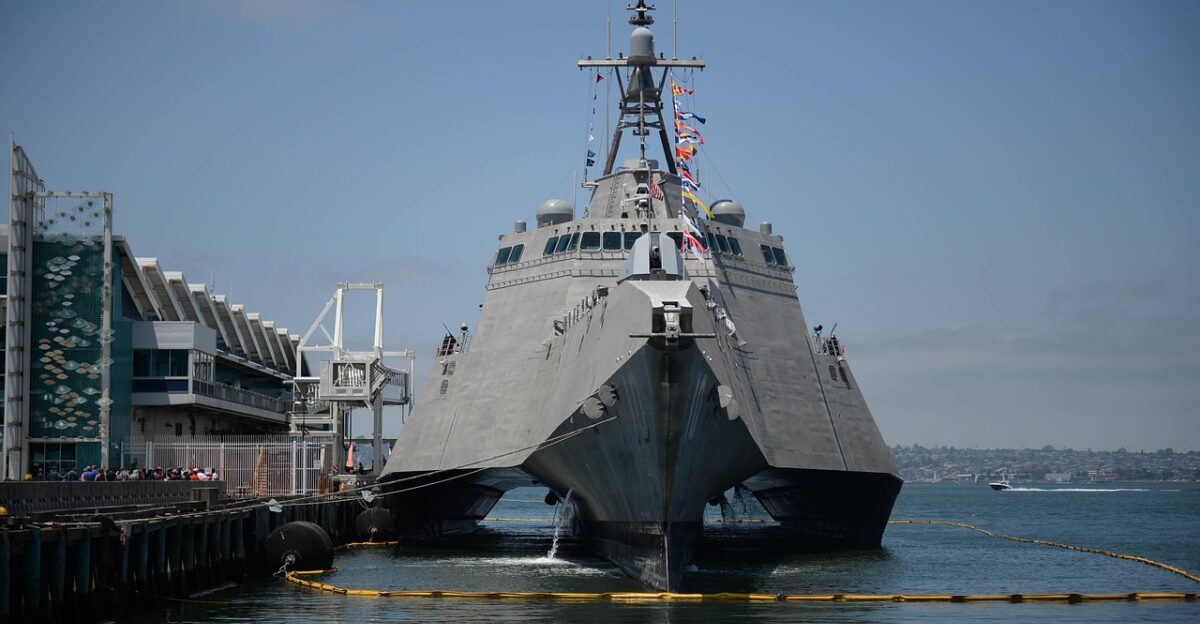
The dynamics of naval combat have changed as a result of modern air power, particularly precision-guided munitions. Coordinated air strikes by aircraft carriers can carry heavy loads and hit enemy ships farther away than can be reached by conventional naval guns.
The ability to launch the biggest airstrikes with hundreds of thousands of pounds of ordnance, destroying targets while keeping a safe standoff distance, has been proven by US Navy operations from carriers such as USS Harry S. Truman. Certain devastating hits on large ships are made possible by precision targeting and sophisticated missile technology, such as anti-ship cruise missiles, which frequently target vital systems to deliver mission kills without actually sinking the ship.
The Russian Cruiser Moskva’s Sinking
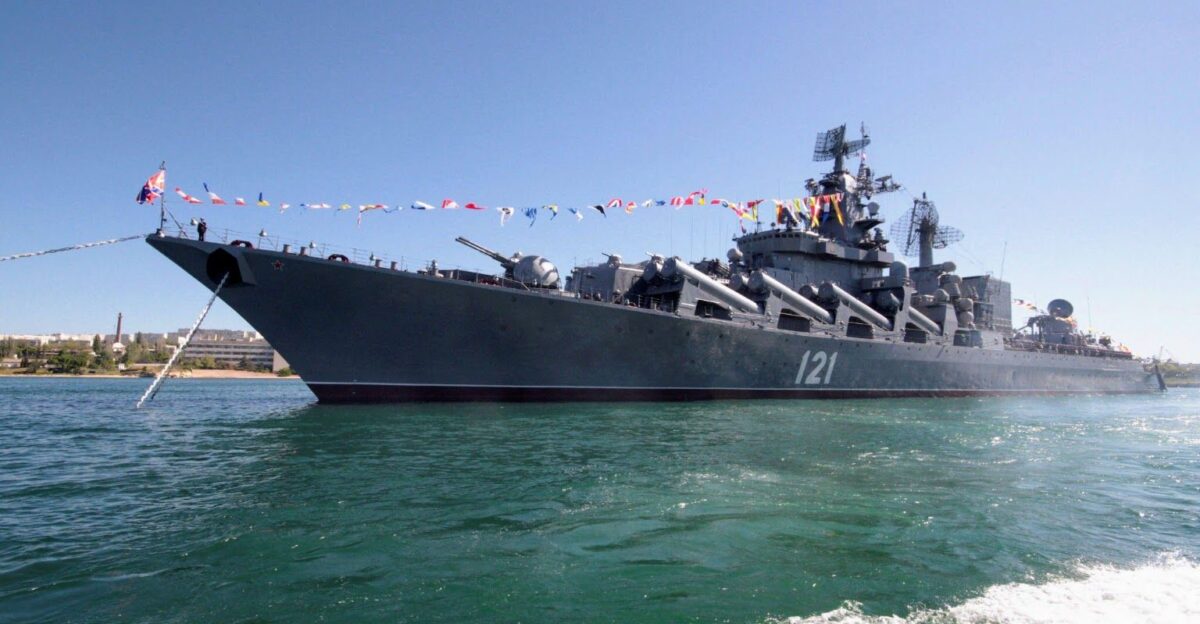
Using two R-360 Neptune anti-ship missiles fired from shore-based platforms, Ukrainian forces sank the Russian flagship Moskva in April 2022, displacing more than 12,000 tons. The Moskva caught fire in spite of its size and defenses, and the ship was eventually sunk by an ammunition explosion that followed.
This incident serves as a clear example of how large, heavily armed surface combatants can be neutralized using contemporary missile technology and battlefield tactics. The defeat severely affected the strategic balance in the Black Sea and damaged Russian naval prestige.
Vulnerabilities in Technology in Large Ships
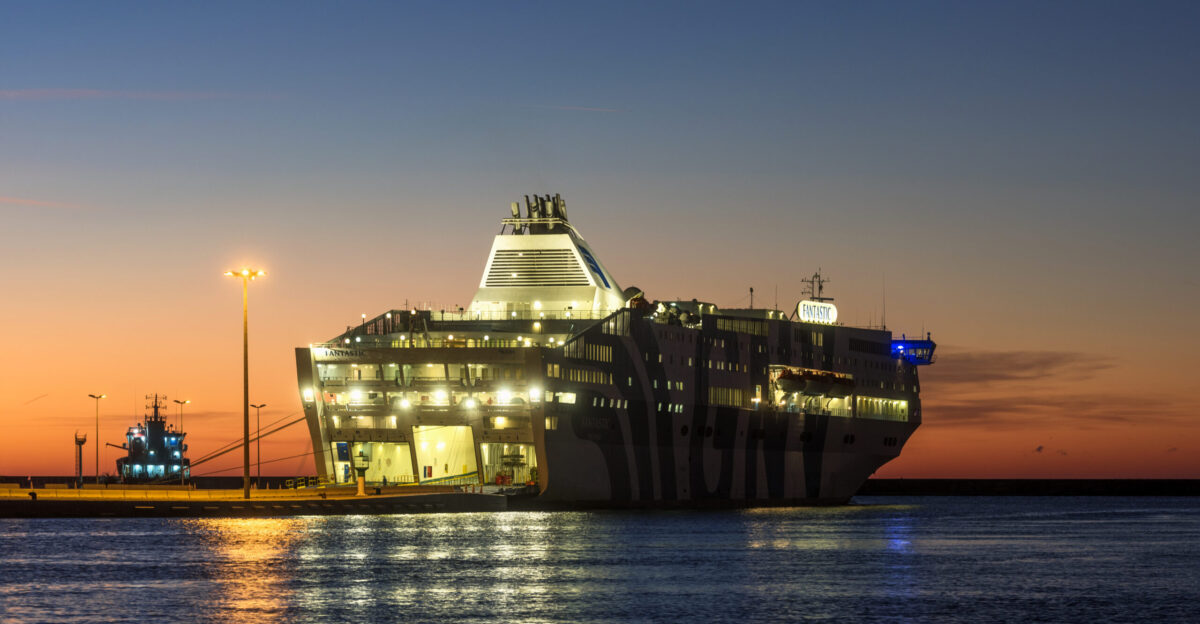
Despite multiple layers of defense, large ships, such as battleships and carriers, have vulnerabilities. Saturation attacks can overwhelm missile tracking and radar systems. Reinforced armor and compartmentalization slow but do not stop penetration.
The storage of ammunition poses a serious risk because magazines that catch fire can result in devastating secondary explosions. The sinkings of the USS Arizona and the Moskva show how internal explosions and fires increase damage. Targeting radar returns and vital systems, advanced anti-ship missiles demonstrate that no area of these floating fortresses is impregnable.
Strategic Consequences for Projecting Naval Power
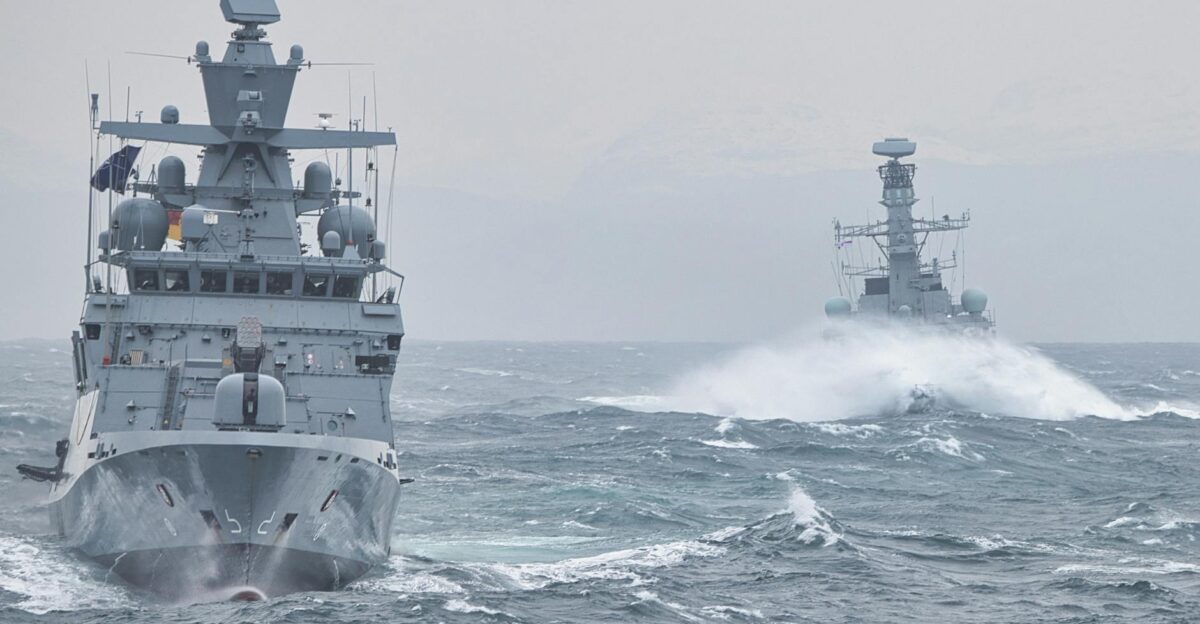
The capacity to demolish or incapacitate the biggest ships reorients naval strategy globally. The effectiveness of carrier strike groups close to contested shores is limited by anti-access/area denial (A2/AD) strategies enabled by missile technology. This calls into question doctrines based on forward naval presence and carrier dominance.
From a distance, nations possessing missile arsenals can pose a threat to significant naval assets, necessitating adjustments to defense spending, fleet movements, and even doctrine. Traditional naval power is asymmetrically challenged by the strategic reach of missiles launched from the air and those based on land.
The Moral and Psychological Effects of Devastating Attacks

There are significant psychological repercussions for both military forces and public opinion when big symbolic ships are destroyed. These ships represent military resolve, technological superiority, and national strength.
Their passing depresses spirits and has the power to influence public opinion regarding the course of the conflict. This effect is further amplified by the high death toll from incidents like Pearl Harbor and the sinking of the Moskva. Such attacks impact strategic communications and enemy calculations by conveying a message about vulnerability and the evolving nature of warfare.
Defense Innovations and Countermeasures
To safeguard large ships, navigators consistently invest in layered defense systems, including damage control training, decoys, electronic warfare to interfere with targeting, and missile defense systems (like CIWS). Cyber defense, autonomous drone countermeasures, and integrated sensor networks are examples of recent developments.
Threats are growing, though, due to developing offensive technologies like swarming drones and hypersonic missiles. Since no single system currently provides immunity against a coordinated massive air strike, defensive saturation is still a significant challenge.
The Future of Fleet Composition and Naval Warfare
The proven susceptibility of the biggest ships in the world to airstrikes forces future naval fleet designs and tactics to be reexamined. To make targeting more difficult, the focus might move toward smaller, more agile ships with distributed lethality and missile capabilities.
Integration of unmanned systems, electronic warfare, and improved stealth will become crucial. From heavily armored flagships to nimble command centers backed by layered, networked assets, carriers may undergo a transformation. By distributing power rather than concentrating it, this future trend promotes resilience.
Wider Geopolitical Consequences of Significant Ship Losses
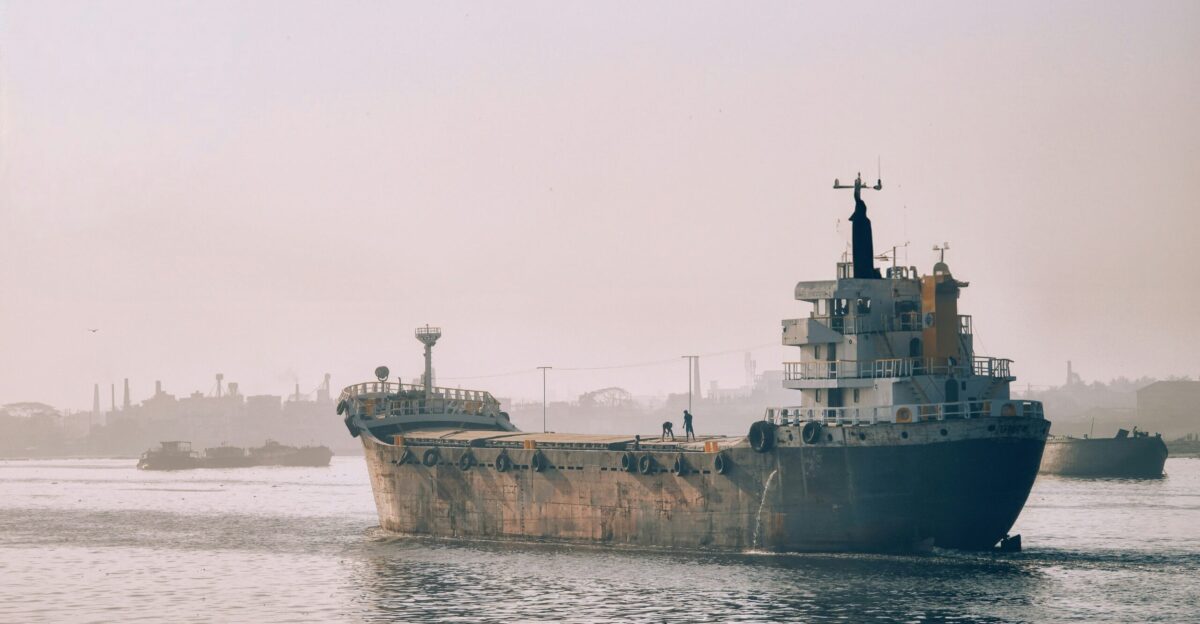
Geopolitical balances are frequently reset when significant naval assets are successfully targeted and sunk. The sinking of the Moskva damaged trust in regional control by highlighting Russian naval power weaknesses and empowering Ukrainian resistance.
The loss of symbolic ships has the power to change deterrence postures around the world, influence alliances, and spur missile technology arms races. Regional powers’ growing anti-ship missile arsenals change naval engagement tactics and may limit the operational flexibility of superpowers.
Economic Effects of Losing the Biggest Ships in the World
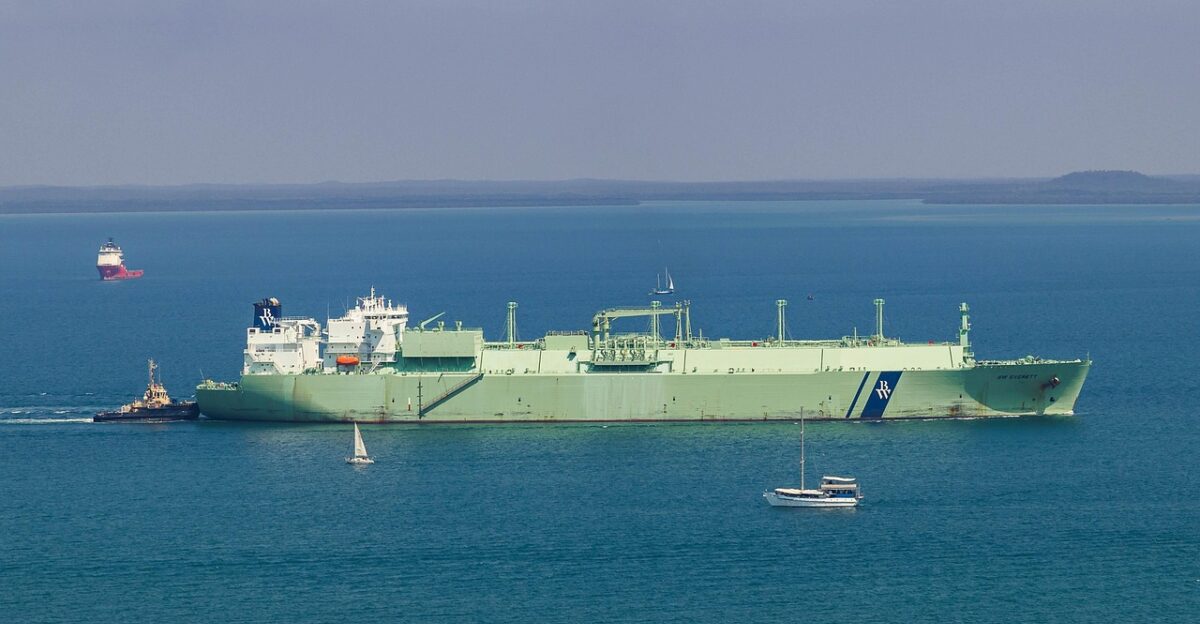
The loss of large ships has significant economic repercussions in addition to military and political ones. Operational costs are added to the billion-dollar construction and maintenance costs.
These vessels also act as insurance for national interests and trade routes that have an impact on the economy. Supply chains, insurance rates, and maritime commerce may all be impacted by their loss, particularly if the strike takes place close to important waterways or as a conflict is intensifying. Governments are forced by this financial impact to defend the risky use of these resources.
Unusual Combat and Hybrid Strategies
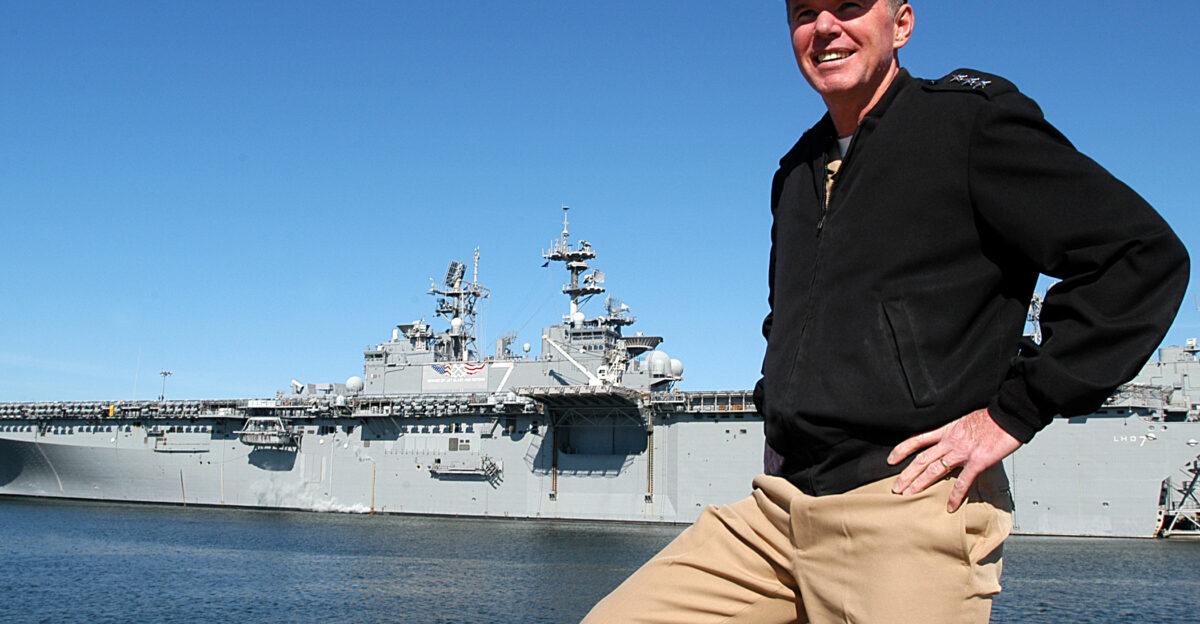
Hybrid warfare components, such as electronic warfare, disinformation, cyberattacks to weaken defenses, and the use of proxy or irregular forces for intelligence, are frequently used in massive ship destruction by airstrikes.
For example, disinformation campaigns can be used to hide intentions or mislead enemy targeting, while cyber interference can hinder coordinated drone reconnaissance and missile guidance. This intricacy necessitates multifaceted countermeasures and increases the strategic depth of air strike operations against large ships.
Are Big Ships Going Out of Style?
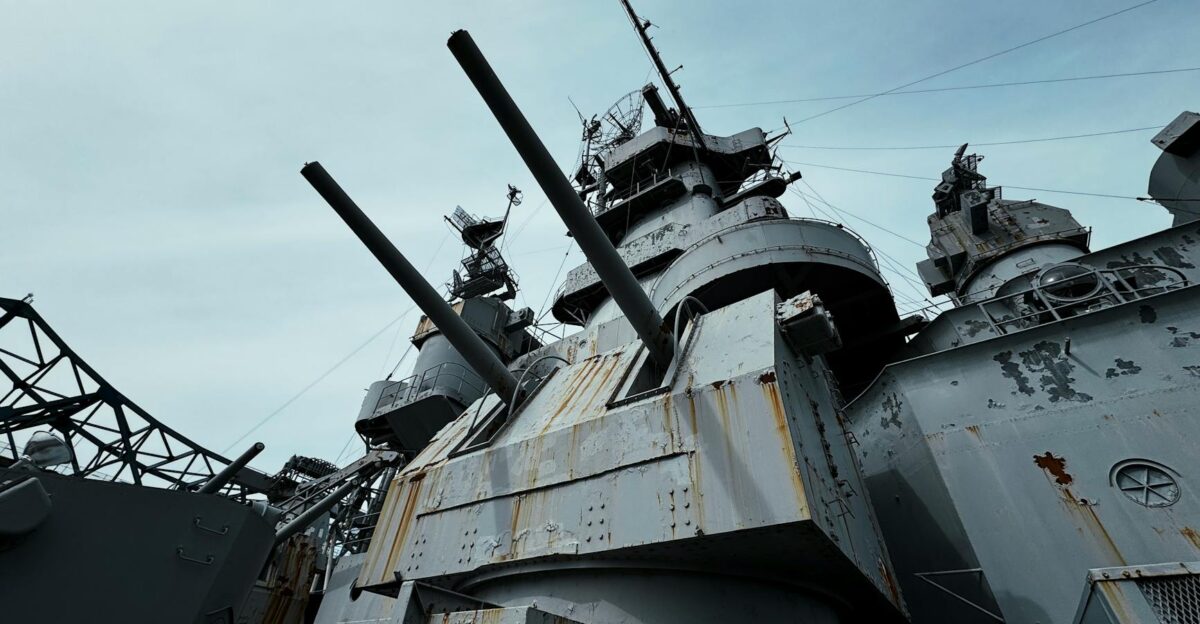
According to a contrarian viewpoint, in the age of precision strikes and asymmetric threats, dependence on massive surface vessels is outdated. Critics claim that carriers and battleships are attractive targets because of their significant financial and personnel commitments.
A move toward distributed lethality, on the other hand, implies that dispersed networks of smaller, less expensive, and more covert platforms could better preserve combat effectiveness and survivability. This discussion encourages fleet architecture innovation while challenging established naval doctrines.
Takeaways from Severe Case Studies
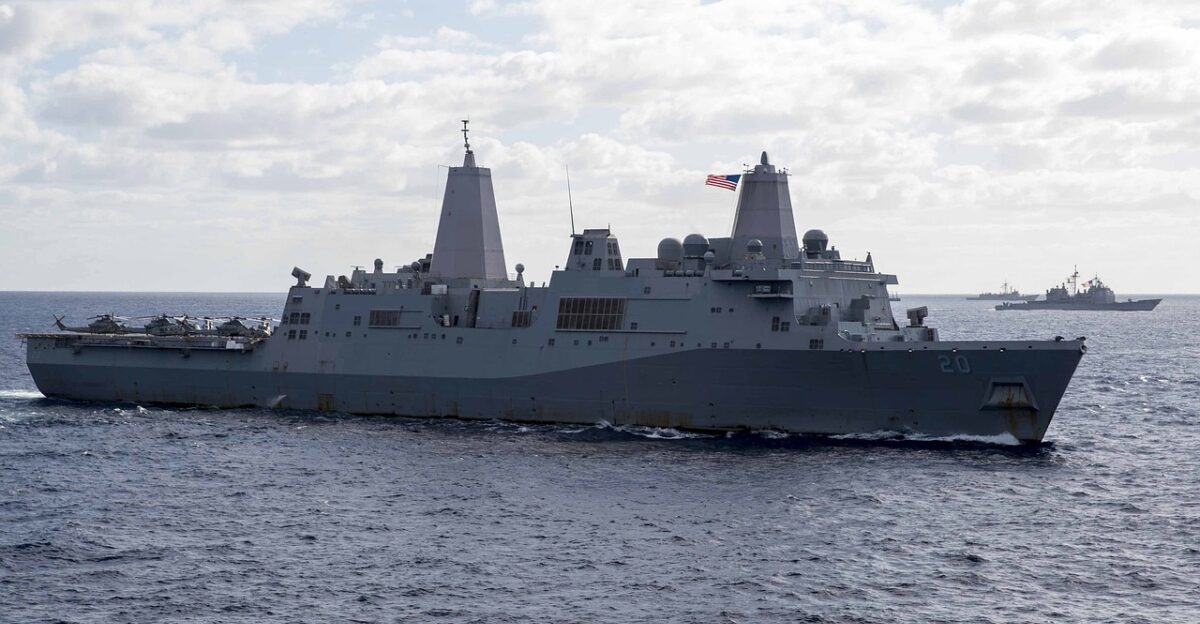
Crucial lessons can be learned from extreme examples such as the attack on Pearl Harbor, the sinking of Yamato, and the destruction of Moskva. These incidents highlight the critical functions of damage control, fire discipline, air superiority, and intelligence under extreme stress.
They also demonstrate how ammunition explosions or malfunctioning vital systems can cause initial damage to escalate into catastrophic loss. Comprehending these situations aids in guiding present naval tactics and instruction to steer clear of similar mistakes while adjusting to changing dangers.
Model of the “Floating Fortress to Floating Target”
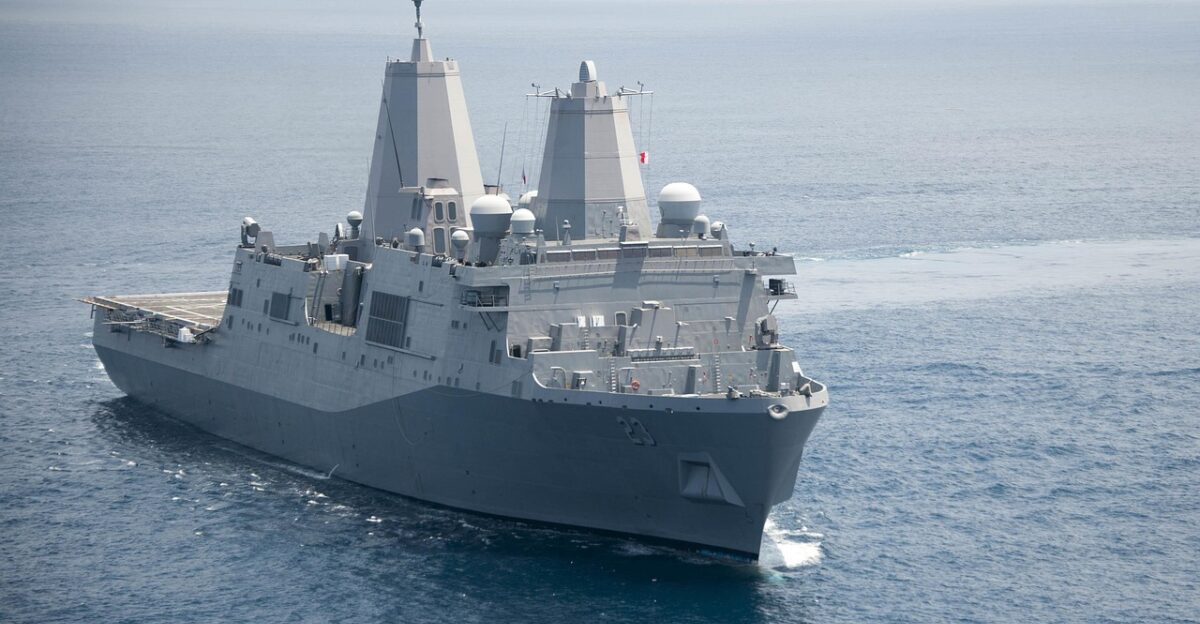
The “Floating Fortress to Floating Target” model is a new framework for analyzing the survivability of large ships. According to this theory, big ships that were once thought of as impregnable strongholds are now obvious targets with fixed vulnerabilities made visible by sophisticated air and missile technologies.
It highlights how the paradigms of battle have changed from concentrating on armor and firepower to avoiding strikes with precision, mobility, and stealth. In contemporary warfare, this model is used as a lens to evaluate the deployment of naval assets and defense tactics.
Unexpected Air Strike Effectiveness Data
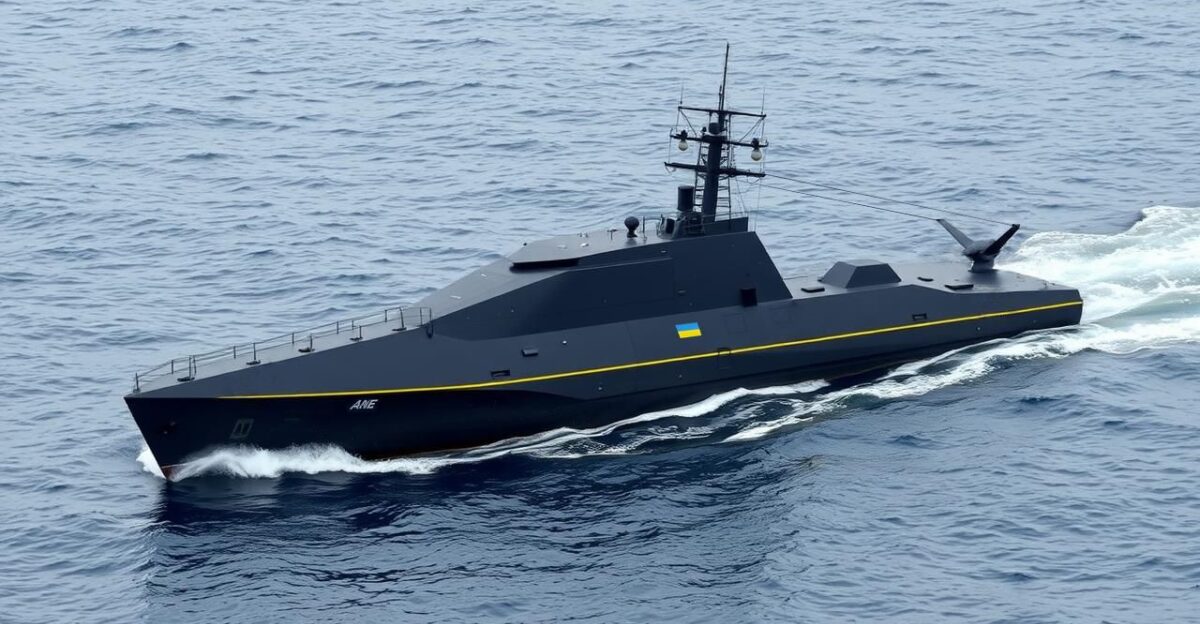
When using coordinated missile salvos and electronic warfare, air strikes have a success rate of more than 70% in sinking or mission-killing large surface combatants, according to data from recent conflicts. For instance, the Moskva experienced overwhelming defense saturation as a result of missile salvo tactics.
Furthermore, without sinking aircraft carriers, precision strikes on flight decks and radar hubs momentarily neutralize their operational capabilities, successfully accomplishing strategic goals at a lower risk and expense.
Future Technology Hypotheses Affecting the Survivability of Large Ships
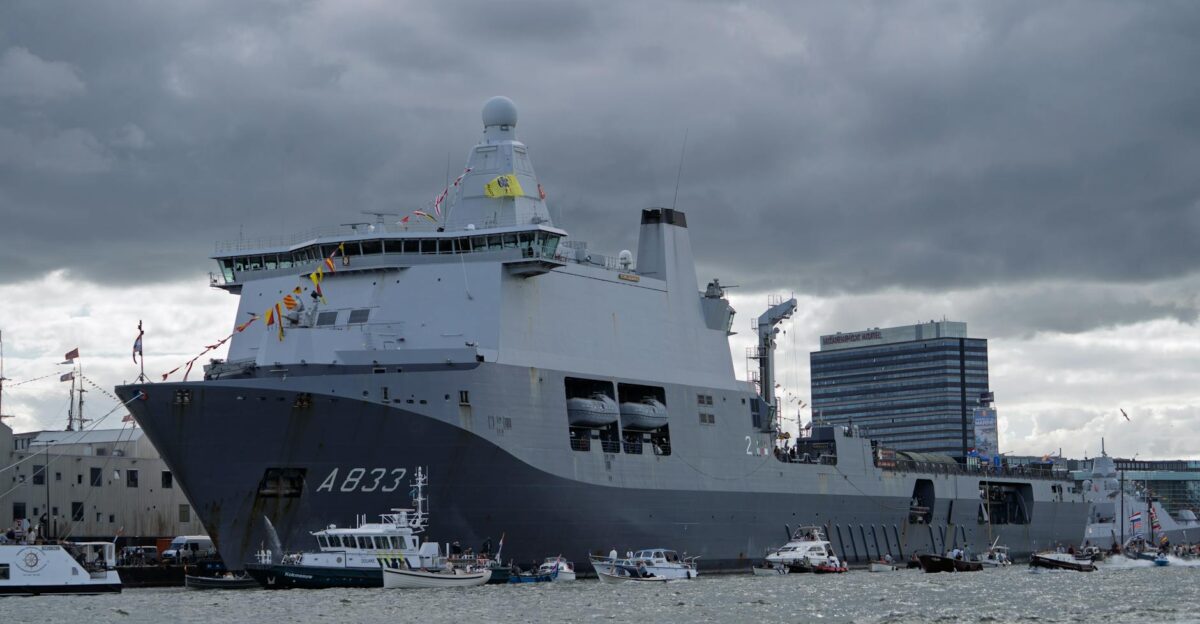
Though mostly experimental, emerging technologies have the potential to change this battlefield completely. Autonomous drones with artificial intelligence capabilities could carry out constant surveillance and missile attacks, outpacing defenses in terms of speed and volume. The interception of hypersonic missiles with evasive maneuvers is more difficult.
Despite their potential to strengthen ship defense, directed energy weapons are currently constrained by their power and range. Future large ship survivability is becoming more uncertain due to the interaction of these technologies and is dependent on quick technological adaptation.
Dimension of Psychological Warfare in Ship Devastation
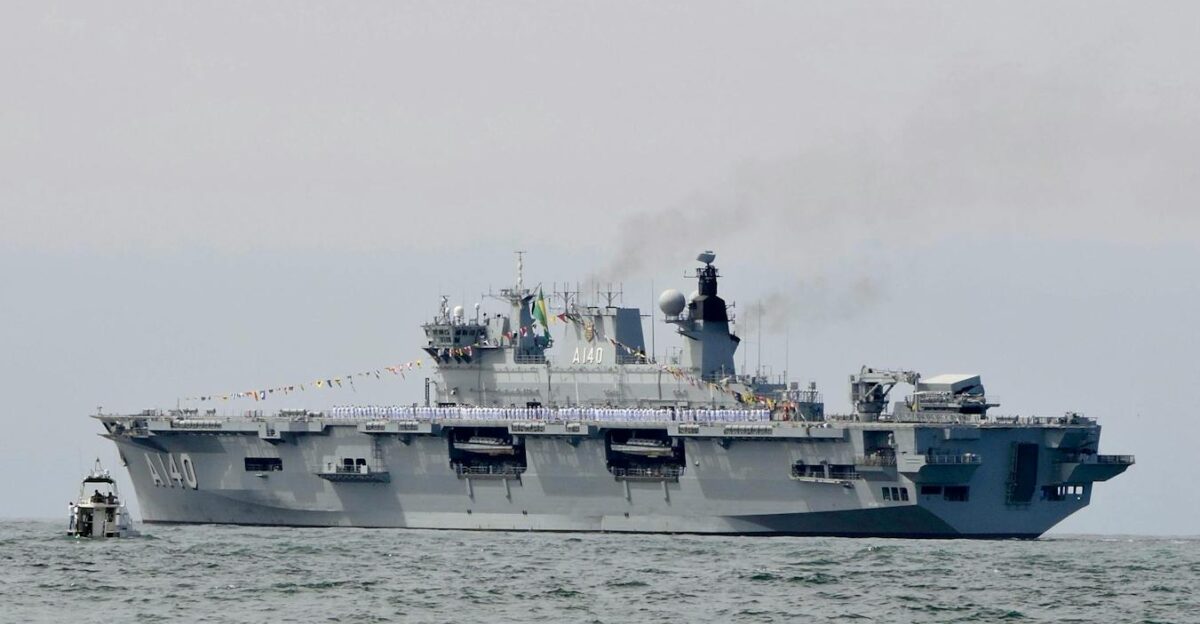
The sight of a vast ship being destroyed by an airstrike is more than just physical harm; it is a psychological weapon.
It causes enemies to be afraid and hesitant, shattering ideas of military superiority. Social media and state media magnify effects, influencing stories both at home and abroad. In addition to kinetic damage, this psychological component influences enemy decision-making, morale, and public support throughout the course of the conflict.
The Function of Reconnaissance and Intelligence
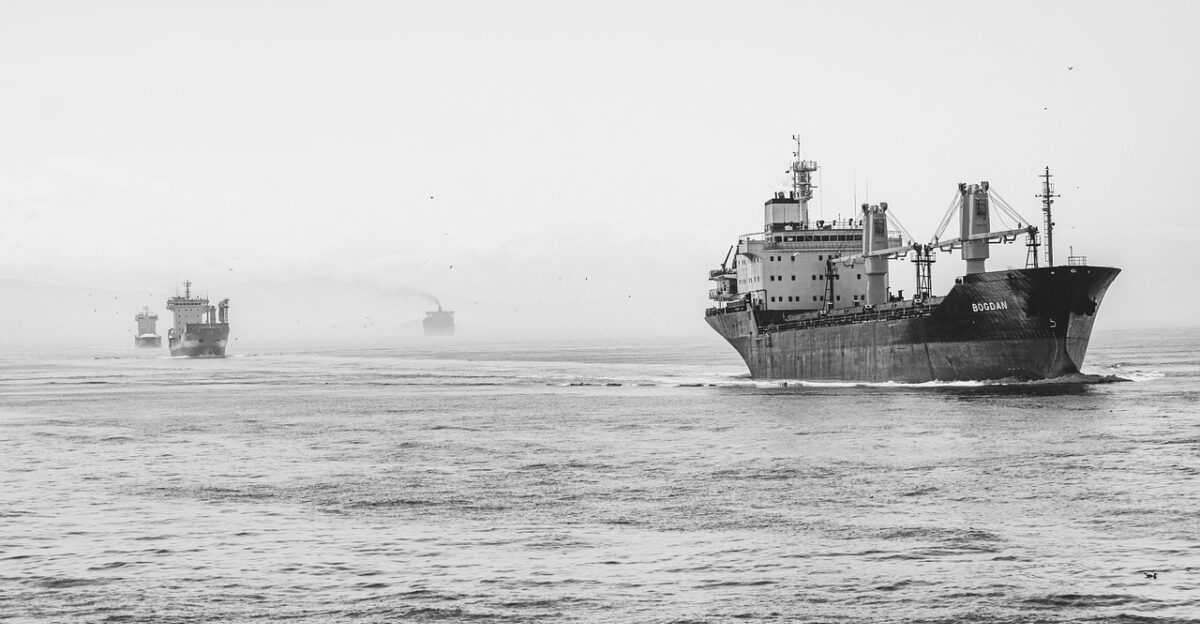
Highly effective intelligence and reconnaissance are critical to the success of devastating airstrikes against large ships. The effectiveness of strikes is maximized by early detection of ship movements, defensive posture vulnerabilities, and ideal timing.
Targeting data is obtained by combining drone surveillance, satellite imagery, and signal interception. Even the most powerful missile salvos run the risk of failing or being counterattacked in the absence of timely intelligence. This demonstrates how integrated ISR (Intelligence, Surveillance, Reconnaissance) is becoming increasingly valuable in naval operations.
Conclusion
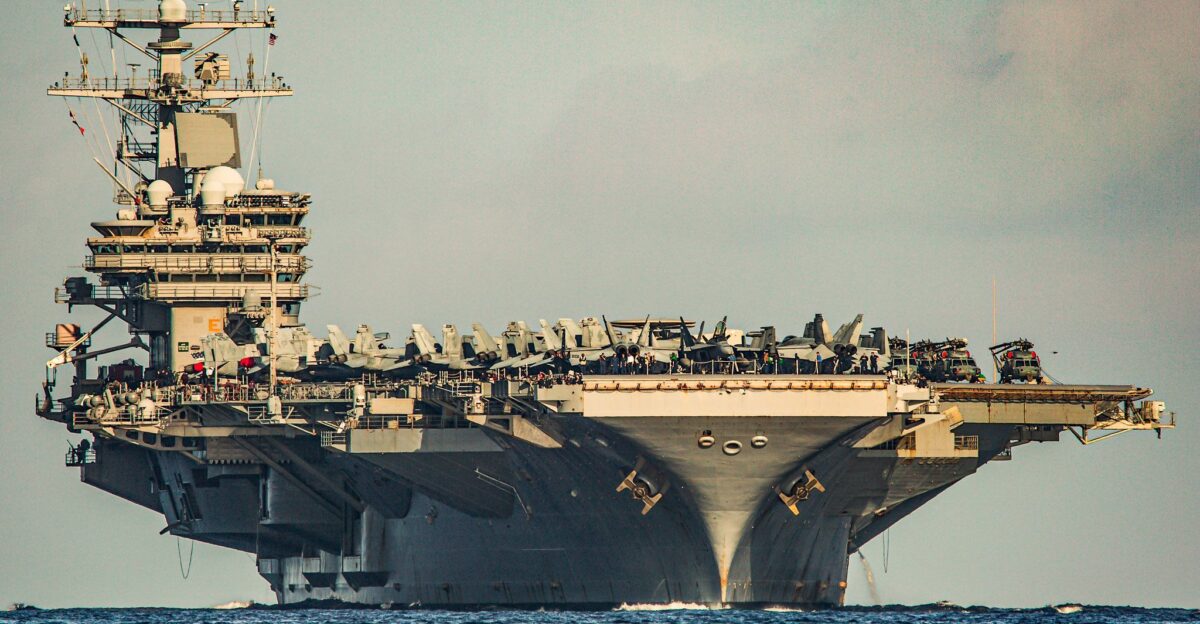
The destruction of the biggest ship in the world by a powerful airstrike is a turning point in history. It indicates that even the strongest naval forces are susceptible to coordinated, accurate, and overwhelming air and missile power.
This fact necessitates a fundamental reevaluation of defense innovation, fleet composition, and naval strategy. Such occurrences alter the geopolitical, economic, and psychological terrain of contemporary warfare in addition to tactical loss. Adaptability, dispersion, and technological advancement will be key components of naval dominance in the future, upending conventional ideas of strength and invincibility in the maritime sphere.