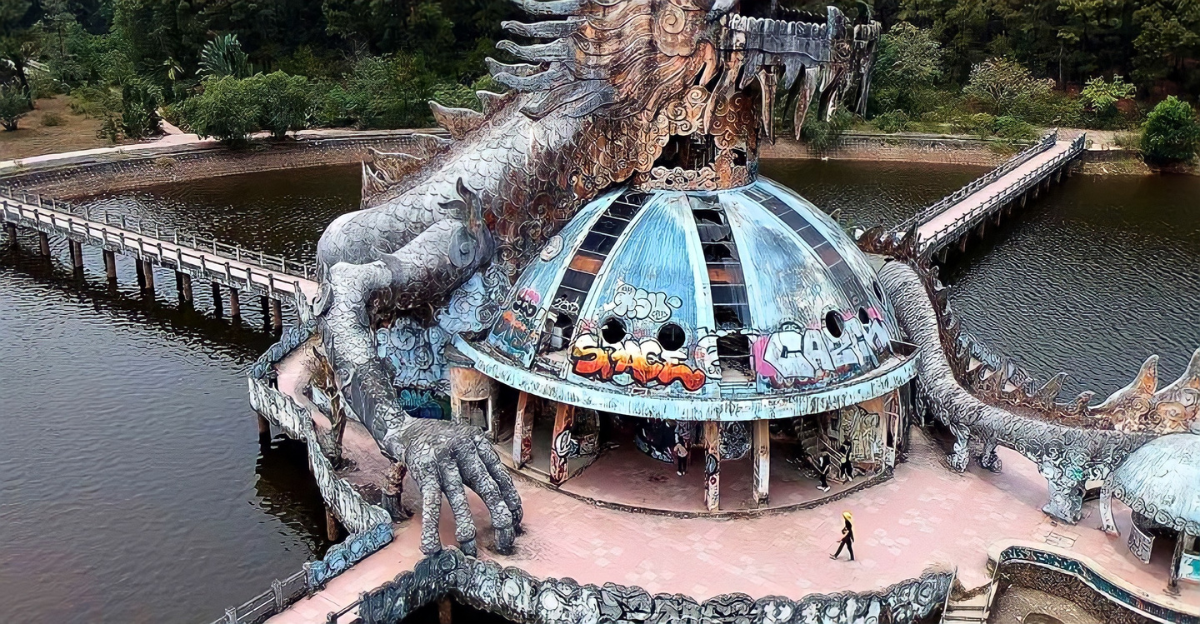
America witnessed a stunning shift when Geauga Lake—the nation’s largest theme park—vanished in less than a decade.
Once boasting the broadest grounds and hosting millions, its legacy speaks to entertainment ambition and rapid decline.
According to USA Today, Geauga Lake “was for decades a destination unmatched in size or scope.” Dr. Colleen Dillon, a leisure studies professor, notes, “It’s an industry lesson in fragility.”
Sudden Downturn
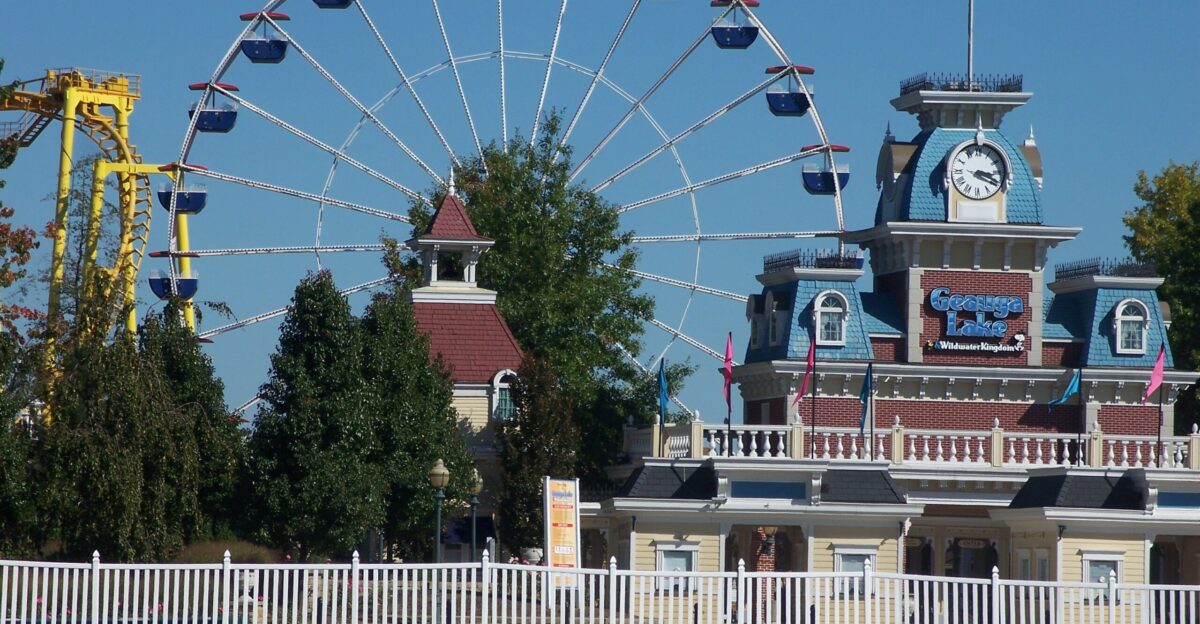
By the early 2000s, rapid expansion put immense pressure on Geauga Lake’s resources, while competition soared nationwide. Attendance began tumbling, and costs ballooned.
“For parks like these, even small misses on attendance hit hard,” says industry analyst Mark Richards. According to The New York Times, 2025 saw similar struggles across the sector.
Ohio’s Entertainment Gem
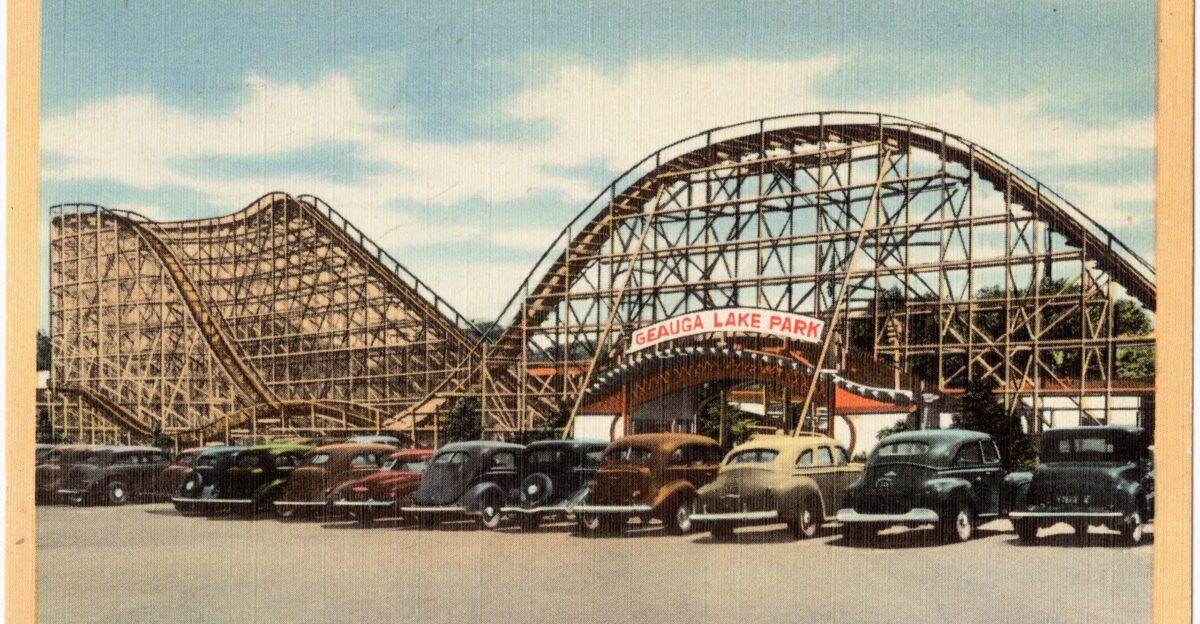
Founded in 1887, Geauga Lake evolved from a lakeside retreat to an entertainment juggernaut. Its journey over more than a century reflected the growth of American popular culture.
Wikipedia documents how the park added everything from impressive wood coasters to marine attractions. Cultural historian Dr. Anne Stein calls it “a living timeline of U.S. leisure.”
Mounting Financial Pressure
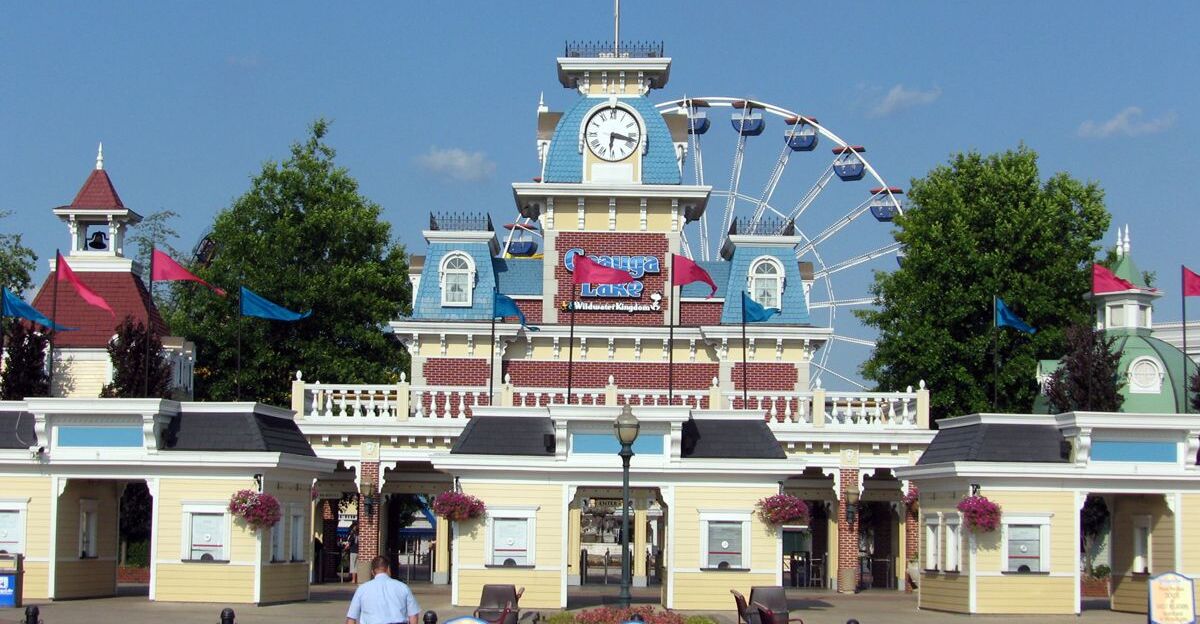
Geauga Lake’s 2001 merger with SeaWorld created high expectations but behind the record attendance lay hidden debts and rising labor expenses.
“Bank loans carried risk—no park is too big to fail,” said Tim Saunders, a park finance consultant. According to USA Today, lenders became wary after 2004 as profits lagged.
The Abrupt Ending
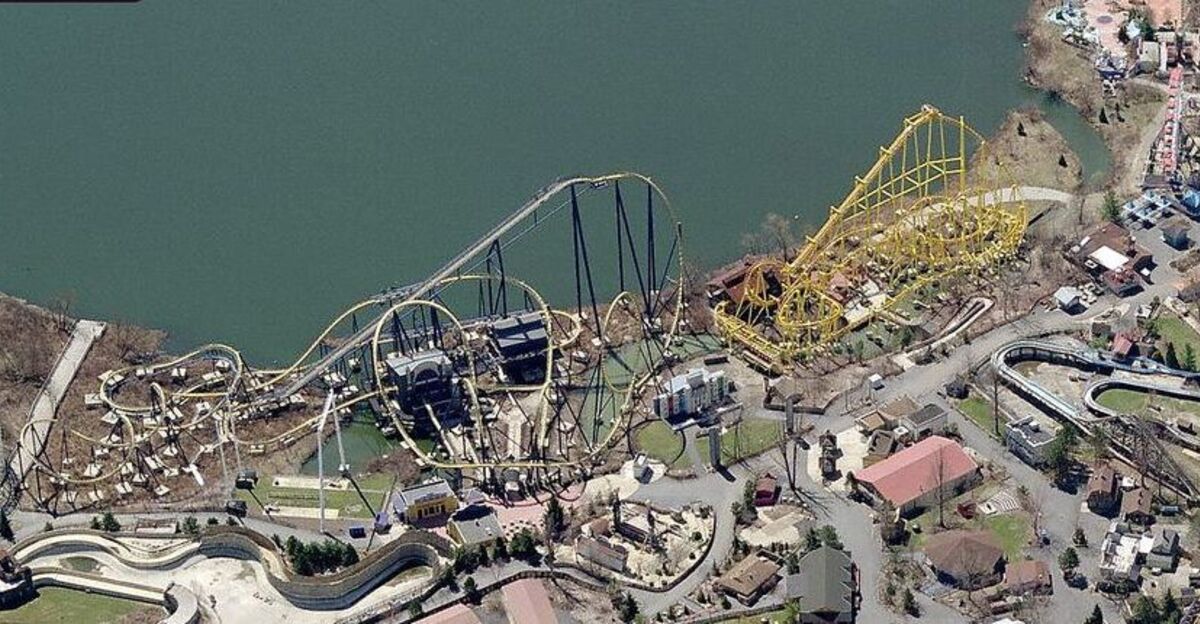
In September 2007, Cedar Fair shocked fans, announcing Geauga Lake’s immediate closure—without a final celebratory sendoff for visitors.
“It ended so suddenly it left everyone reeling,” recalls park historian Tom Smolko in his book. According to USA Today, the land was quietly placed on the market soon after.
Economic Earthquake
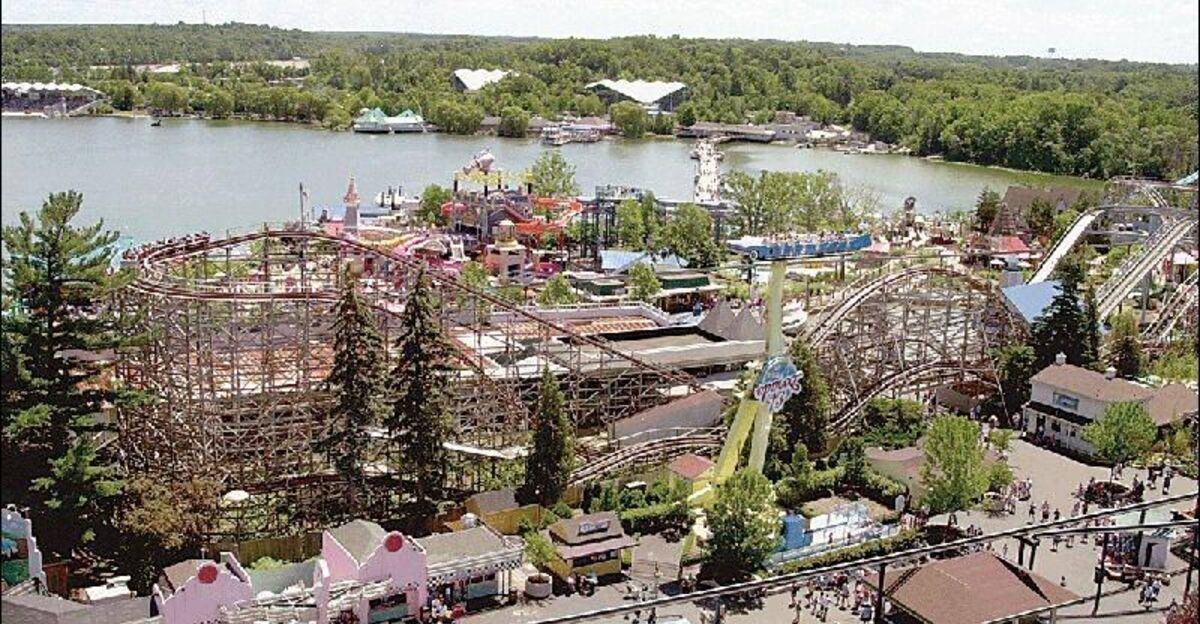
Aurora, Ohio, suffered a sharp economic hit after Geauga Lake’s closure. Local businesses, hotels, and restaurants lost major summer revenues.
“Property values in the area dropped by 13%,” reports The Beacon Journal. Urban development expert Rachel Lin notes, “Closures like this ripple through entire communities.”
Human Toll
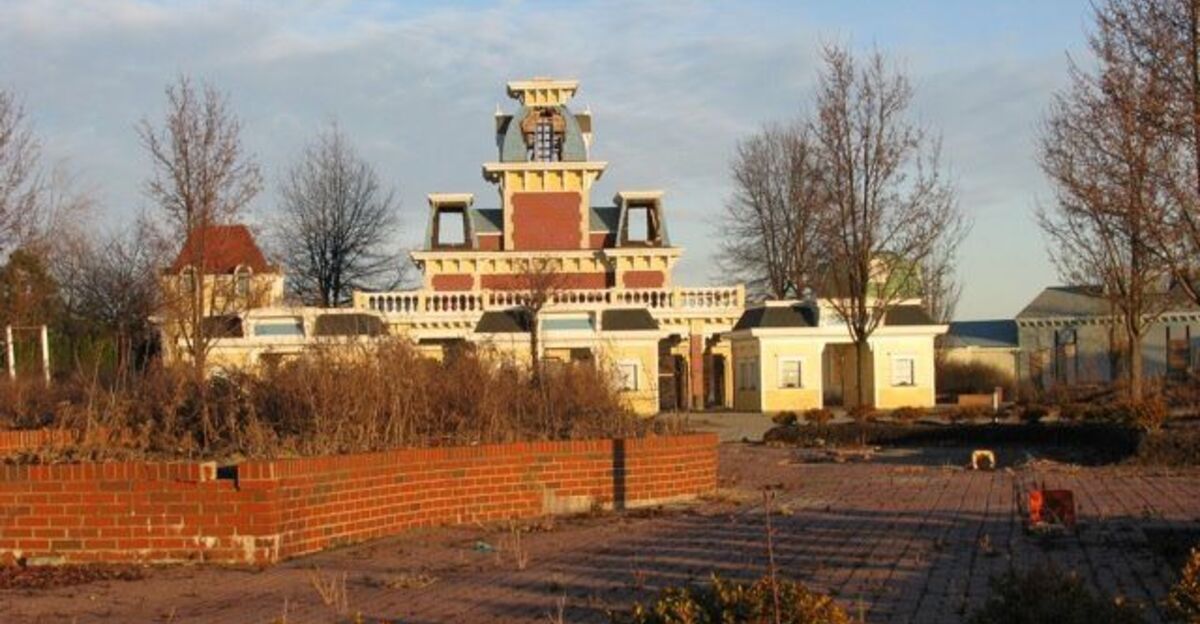
“Working there meant everything to us—a second family was lost,” said former maintenance engineer Jerry Thomas.
Thousands who once relied on the park for steady work were left without jobs. According to USA Today, nearly 1,800 seasonal and full-time roles disappeared overnight.
Industry Scramble
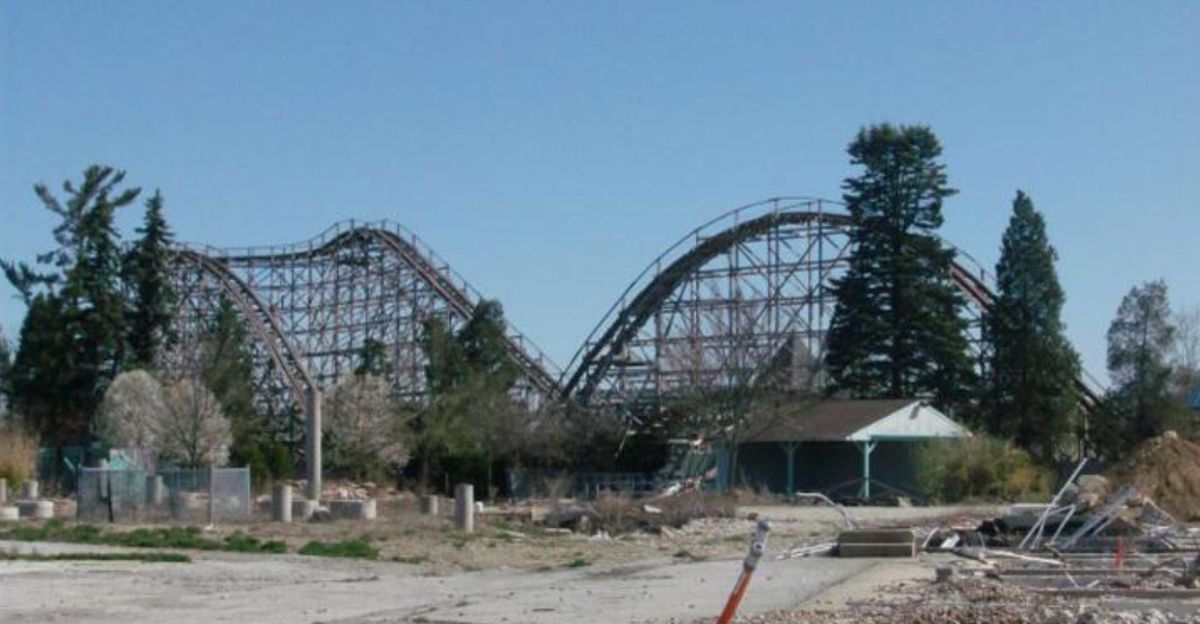
Geauga Lake’s failure prompted rival parks—including Six Flags and Cedar Fair—to reevaluate their business models.
“Everyone took a hard look at attendance and spending,” Six Flags CFO Emily Watkins told Reuters. A 2025 Blooloop report found several operators shifted strategies, emphasizing smaller, themed attractions.
Facing the Digital Age
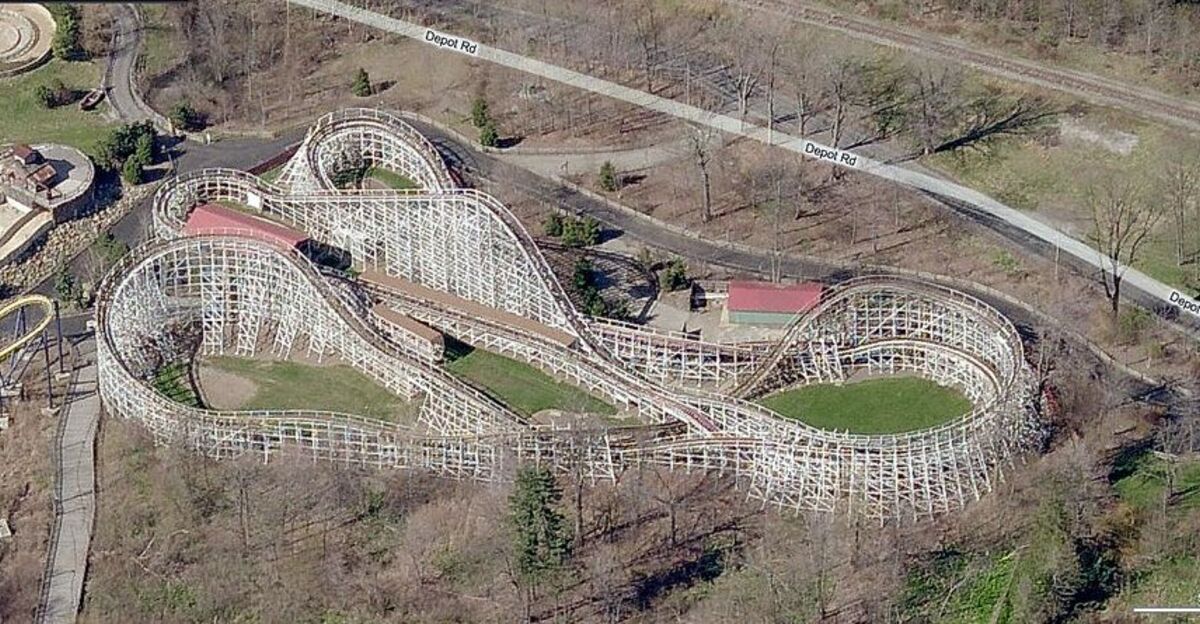
Between 2018 and 2025, U.S. park attendance dipped 12%, as digital entertainment gained ground. Streaming and VR provided competition “no one saw coming 20 years ago,” says amusement economist Dr. Jared Phelps. According to Mordor Intelligence, at-home VR headsets rivaled live attractions in immersive quality.
Land Reborn
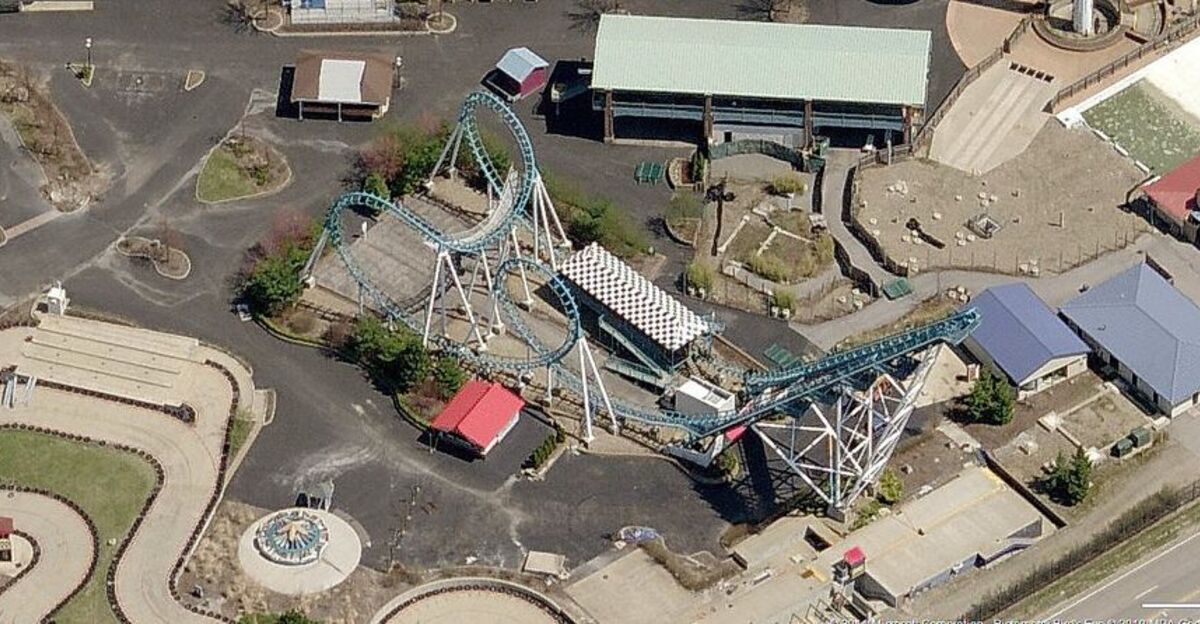
After the closure, local authorities acquired much of Geauga Lake’s land, repurposing areas for parks and mixed-use developments.
City planner Megan Conrad told USA Today, “The site’s future now promises more steady, broad-based economic benefit.” As of 2025, redevelopment programs were fully underway.
Angry Investors

Financial backers absorbed millions in losses, sparking investor lawsuits. “Our trust was shattered,” said investor Daniel Lowe in a Reuters interview.
The NY Post reports a wave of class actions aimed at Six Flags and Cedar Fair over revenue projections and operational transparency.
Leadership Shifts
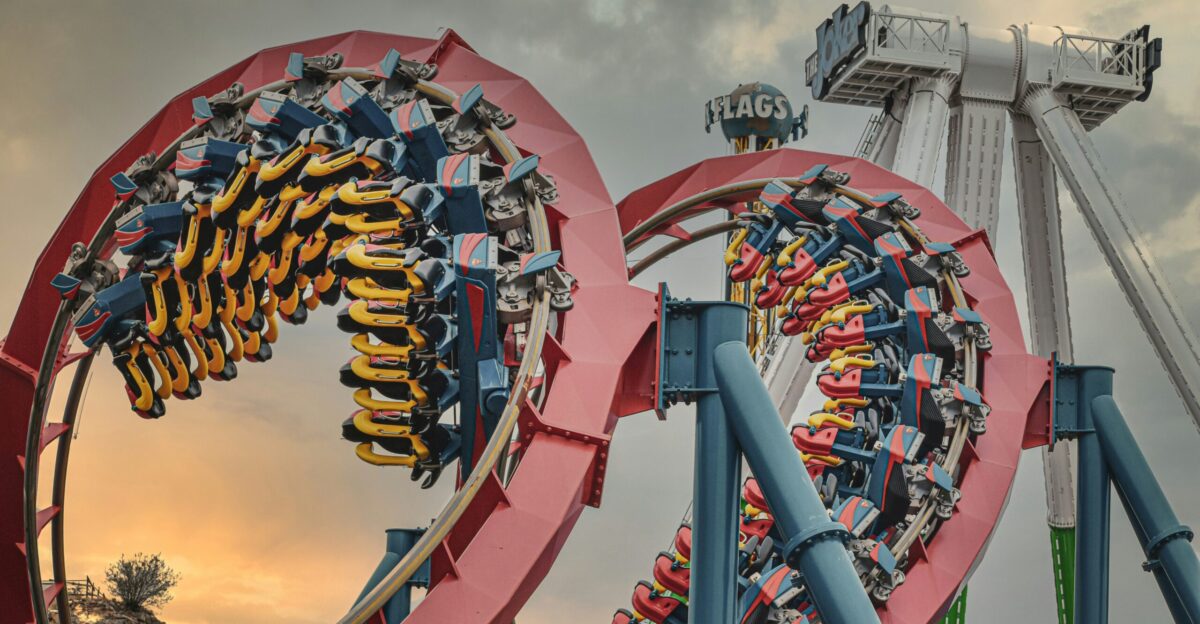
Six Flags CEO Richard Zimmerman announced his resignation after a reported $100 million quarterly loss in 2025.
Investor pressure mounted as stock prices slid. “Turnover at the top was inevitable after such performance,” notes leisure investment advisor Karen Driscoll.
Hopes for Revival

Plans to revive parts of the old Geauga Lake site surfaced repeatedly. Proposals included waterparks, hotels, and retail centers.
“Every town wants to recapture that magic,” community leader Lisa Romer told The Plain Dealer. By 2025, some hotel projects had advanced, but not on the original scale.
Skeptical Experts
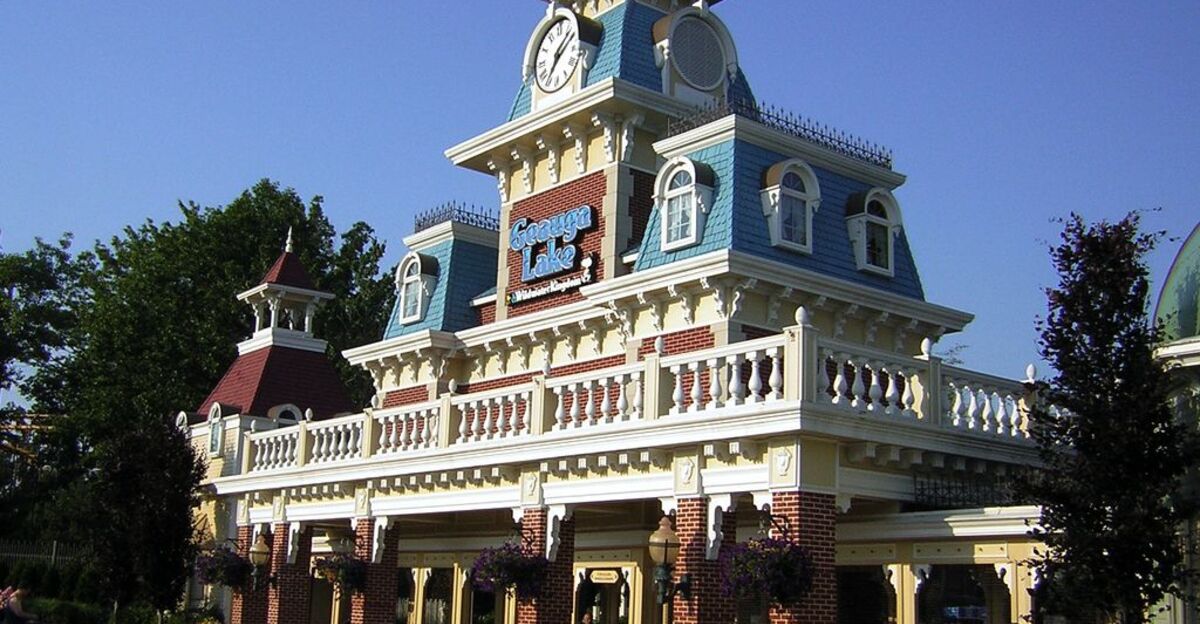
Yet, specialists remain cautious. “Trying to rebuild such a vast park ignores why it failed,” said park design consultant Michael Tan in Blooloop.
Investors hesitate, given lessons from Geauga Lake’s swift collapse and changing consumer priorities outlined in Data Insights Market’s 2024 industry report.
What’s Next?
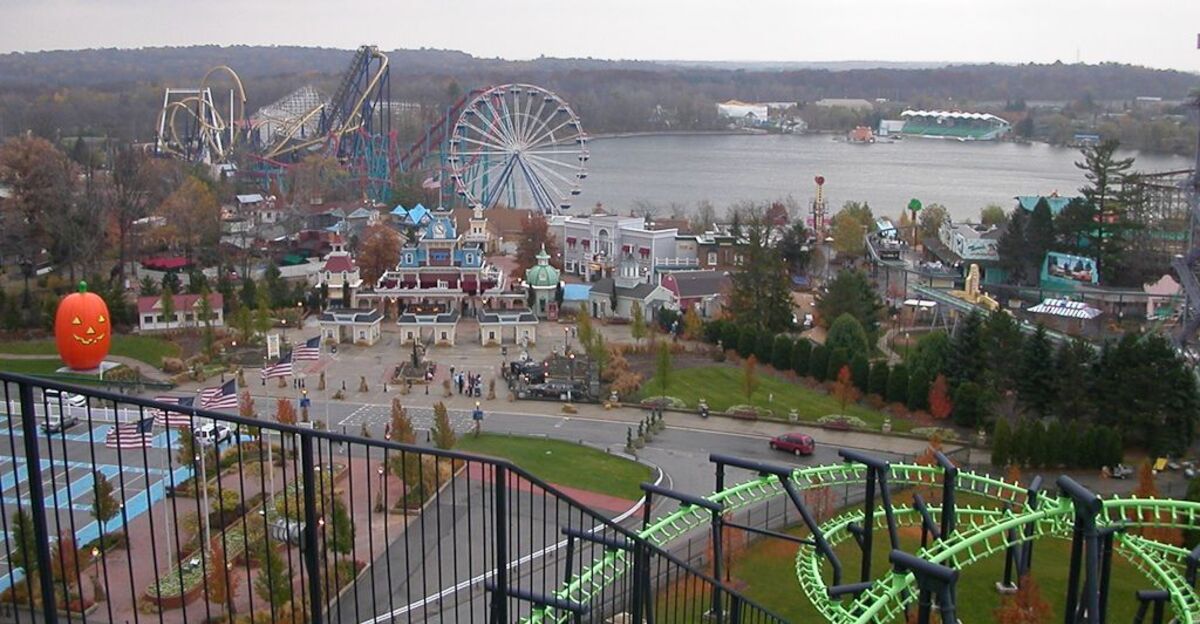
Is another supersized park possible in the U.S.? “Current market trends make giant parks unlikely,” says amusement market analyst Dr. Priya Dev. Attractions Magazine forecasts new parks emphasizing niche, adaptive experiences over sheer size.
Political Flashpoint
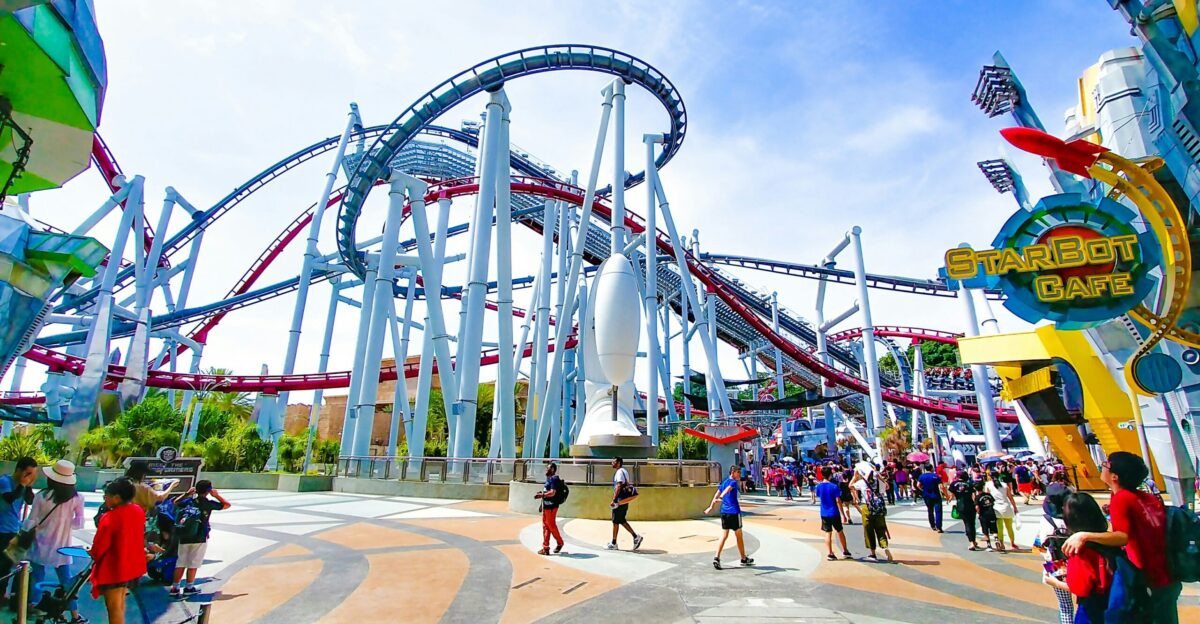
Theme park closures fueled debate over state oversight of safety standards. Senator Ed Markey proposed national regulation for rides, criticizing “self-policing” by operators.
“A baby stroller faces more external scrutiny,” Markey said. The LA Times highlighted growing support for federal reforms in 2025.
Global Watchers
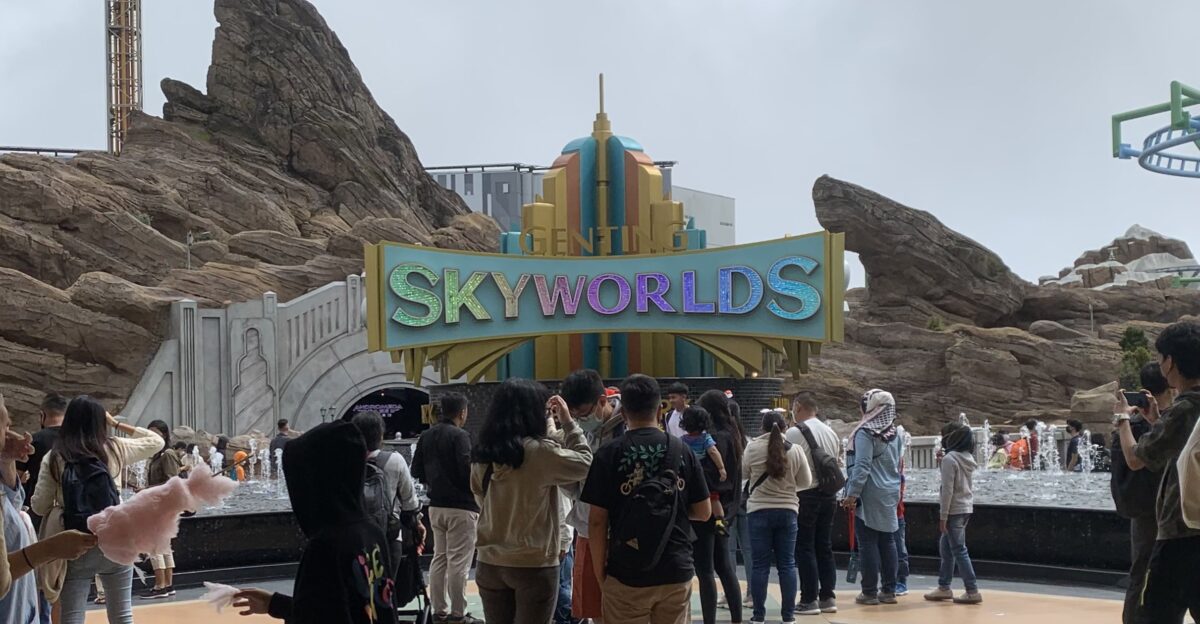
International amusement operators reconsidered U.S. expansion plans after Geauga Lake’s collapse. According to Blooloop, major firms in Europe and Asia pivoted to smaller parks and “boutique experiences.” Analyst Keiko Tanaka noted, “The U.S. market’s volatility is now a red flag.”
Legal Landscape
Litigation mounted against park operators over investor disclosures, safety, and labor practices. “Class action suits test the industry’s willingness to be transparent,” said legal analyst Robert Chu in Law Street Media. NY Post notes verdicts could set precedent for consumer protection.
Innovation is Needed

Younger Americans prefer diverse, flexible options—gaming, pop-ups, or festivals—over massive, static parks. “They want variety, not just spectacle,” says youth studies expert Dr. Tanya Ellis. According to Valens Research, parks face pressure to continuously innovate or risk irrelevance.
Enduring Lessons
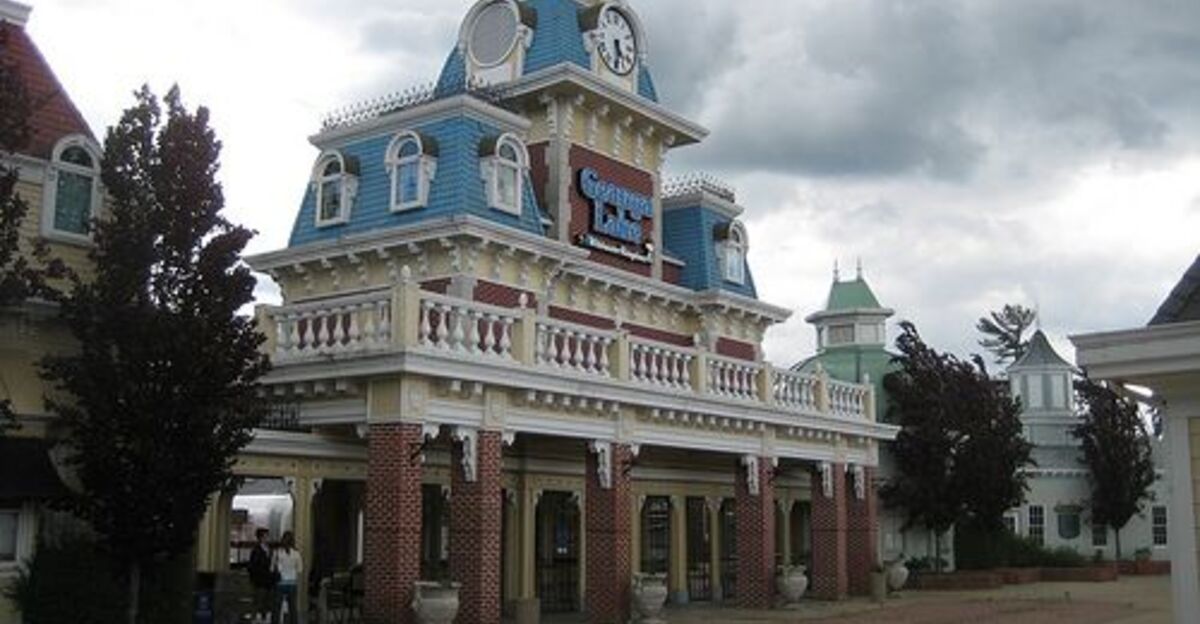
The fall of Geauga Lake marks a turning point for the amusement park sector—signaling the limits of scale and the power of consumer change.
“Even icons aren’t immune to market forces,” economist Joseph Warren told USA Today. The story of America’s biggest theme park endures as a warning and an invitation to adapt.