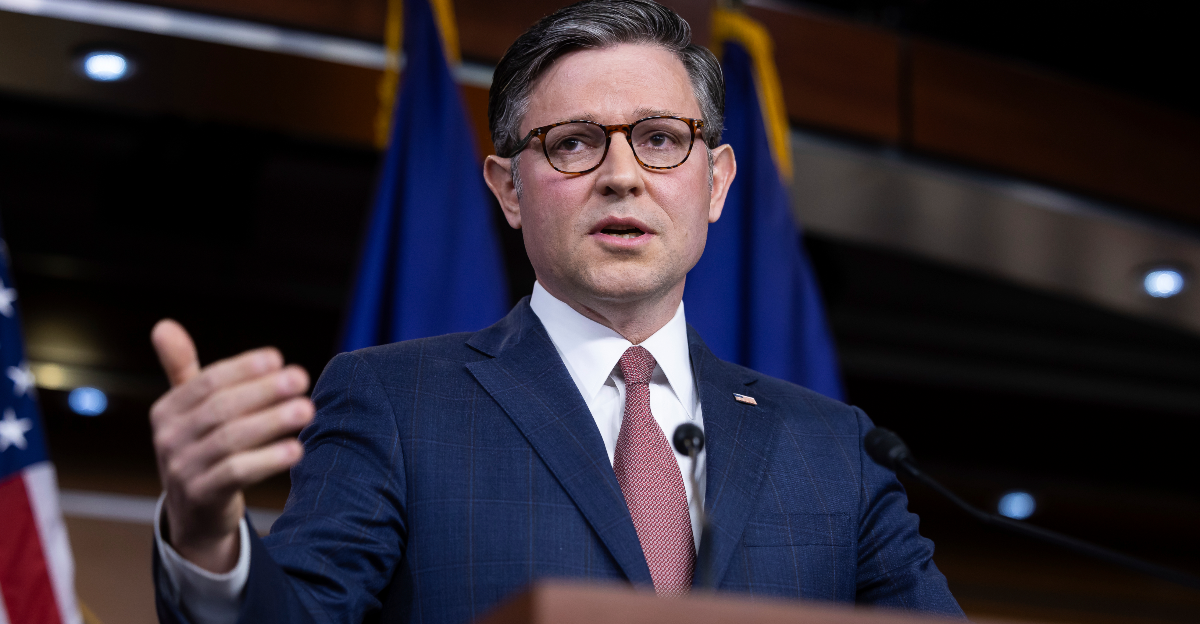
A massive defense policy bill that includes significant provisions to restrict transgender rights and diversity, equity, and inclusion (DEI) programs within the military was recently approved by the US House of Representatives. The bill allots nearly $900 billion for the fiscal year 2025.
The goal of this legislation is to strike a balance between conservative policy measures that restrict gender-affirming care for service members’ children and DEI initiatives deemed divisive or harmful to unity, and strong military modernization and readiness. The bill’s dual focus, which reinforces priorities around troop readiness, lethality, unity, and fiscal accountability while policing changing social norms within the armed forces, is crucial because it reflects both strategic defense imperatives and cultural-political controversies.
The Historical Background of US Military Trans and DEI Policies
Transgender people have historically been excluded from military service; there were no official, explicit prohibitions in place before the 1960s, but there were numerous unofficial obstacles. The Trump administration reversed the transgender army ban through executive orders that reinstated restrictions framed around upholding high military standards and unit cohesion, following decades of gradual inclusion that culminated in the Biden administration’s repeal of the ban.
In a similar vein, DEI initiatives grew during succeeding administrations to address demographic inequalities and foster an inclusive military culture that aims to improve operational capability and adaptability. Conservative lawmakers are now opposing these initiatives, portraying DEI as detrimental to military superiority and merit-based promotion.
Policy Priorities and Military Spending Trends
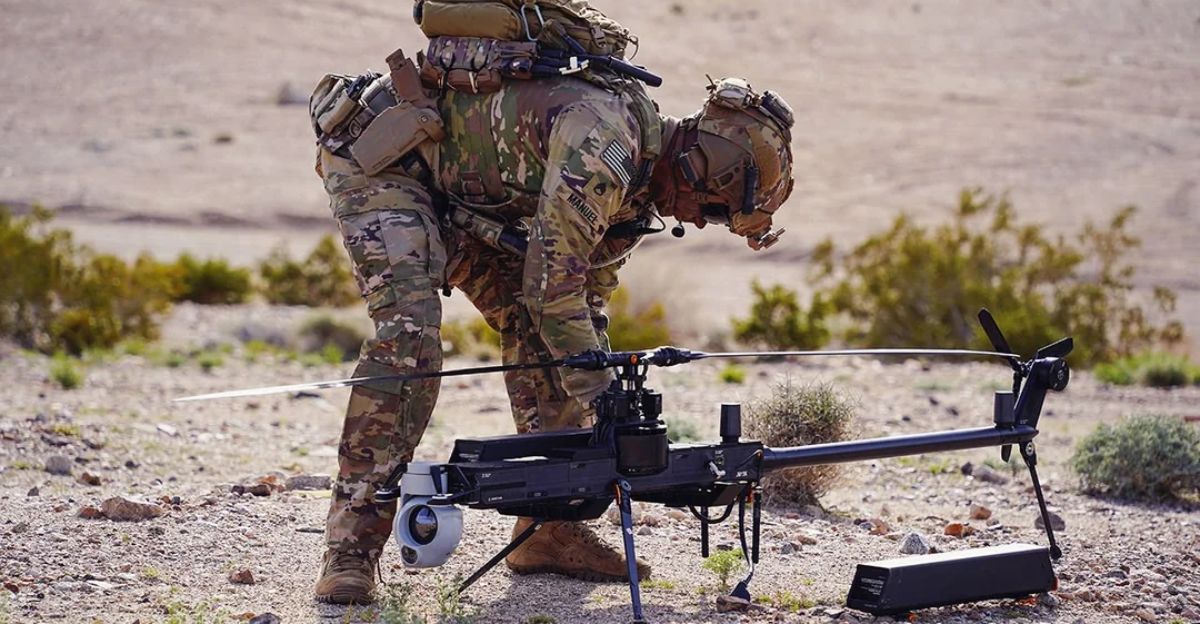
Increased investment in modernization, including cutting-edge technologies like artificial intelligence (AI), quantum computing, and counter-drone tactics, is highlighted by the record $900 billion defense budget. At the same time, a force prepared for strategic competition is required due to increased geopolitical threats from China, Russia, and regional conflicts.
Defense hawks contend that social issues like broad DEI programs and transgender accommodations divert attention from fundamental combat readiness and fiscal responsibility, which feeds policy priorities discussions. The bill’s funding for trauma care, better housing, and a sizable pay increase shows that force welfare is a priority, but it also places restrictions on practices that are thought to go against traditional military culture.
Transgender Policy Issues with Military Readiness
Medical and mental health issues that are said to hinder preparedness and unity are at the center of the controversy surrounding transgender service members. Critics contend that medical restrictions and logistical burdens associated with gender dysphoria and its treatments are incompatible with military requirements.
Concerns regarding sterilization risks and broader effects on unit morale are the reasons behind the bill’s restrictions that specifically target gender-affirming care, especially for minors. In order to maintain a disciplined, cohesive force that can manage high-stress, deadly operations, supporters argue that uniform standards must be applied to all service members, given current exceptions for other medical or fitness issues, while opponents condemn discrimination.
DEI Initiatives and the Debate Over Military Effectiveness
DEI programs have come under heavy fire for allegedly taking resources and focus away from national defense priorities. Although the Department of Defense boosted funding for DEI from $68 million in 2022 to over $114 million in 2024, conservative criticisms claim that DEI initiatives weaken unit cohesion, undermine meritocracy, and encourage divisive identity politics.
According to some analysts, DEI violates the military oath by introducing unfavorable messaging about American values. Detractors view DEI as bureaucratic overreach that undermines the military’s core mission of readiness and lethality, while supporters argue it improves adaptability by expanding perspectives.
Defense Spending’s Strategic and Economic Consequences

In addition to its direct defense benefits, higher military spending stimulates the economy and spurs innovation. According to the Kiel Institute, a 1% GDP increase in military spending can result in a 0.7% increase in GDP overall, fostering technological advancements and productivity that are essential to preserving national security advantages.
Investing in force modernization, research, and defense infrastructure has a positive knock-on effect that boosts overall economic growth. The idea that military effectiveness and fiscal prudence must be combined with cogent personnel policies is reinforced by aligning defense funding with conservative social policies, which seeks to prioritize effective spending on capabilities rather than social agendas.
Bipartisan Tensions and Political Dynamics
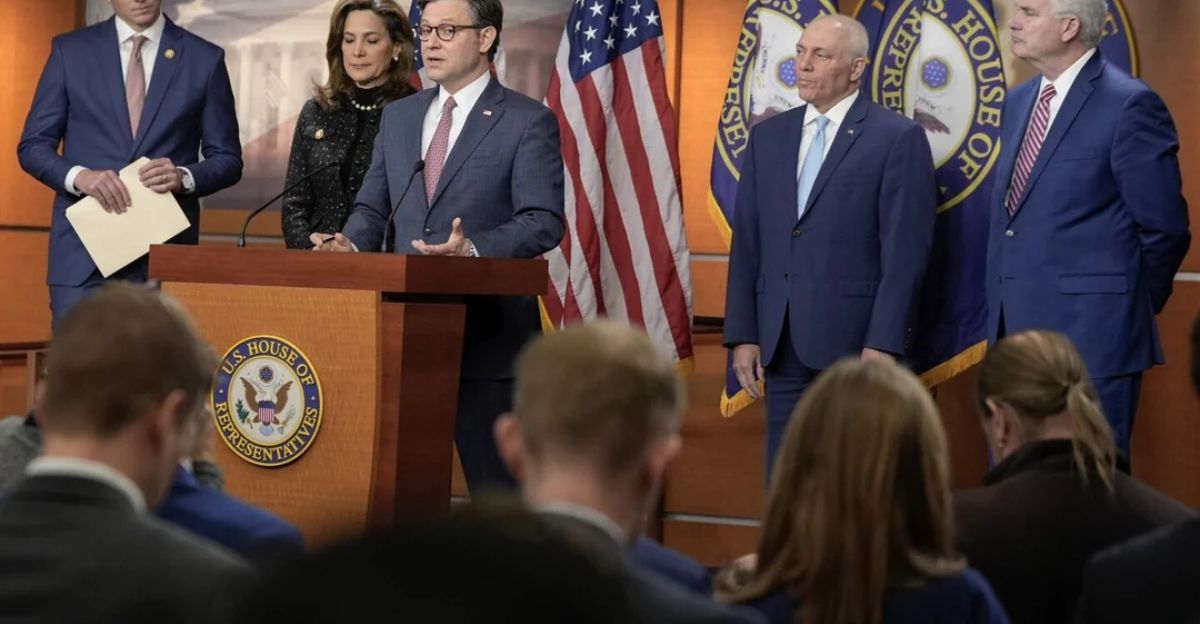
Significant partisan differences resulted from the defense bill’s inclusion of trans and DEI curbs; Republicans argued that the provisions were necessary to maintain military standards, while most Democrats opposed the legislation.
Republican leadership defended the policy as bolstering troop readiness and discipline, while prominent Democrats attacked the bill for putting “right-wing extremist dogma” ahead of national defense. The argument reflects the divisive political environment influencing defense decision-making, where military policy serves as a stand-in for ideological conflicts over gender identity and diversity in Congress.
Effects of Military Policies Regarding Transgender
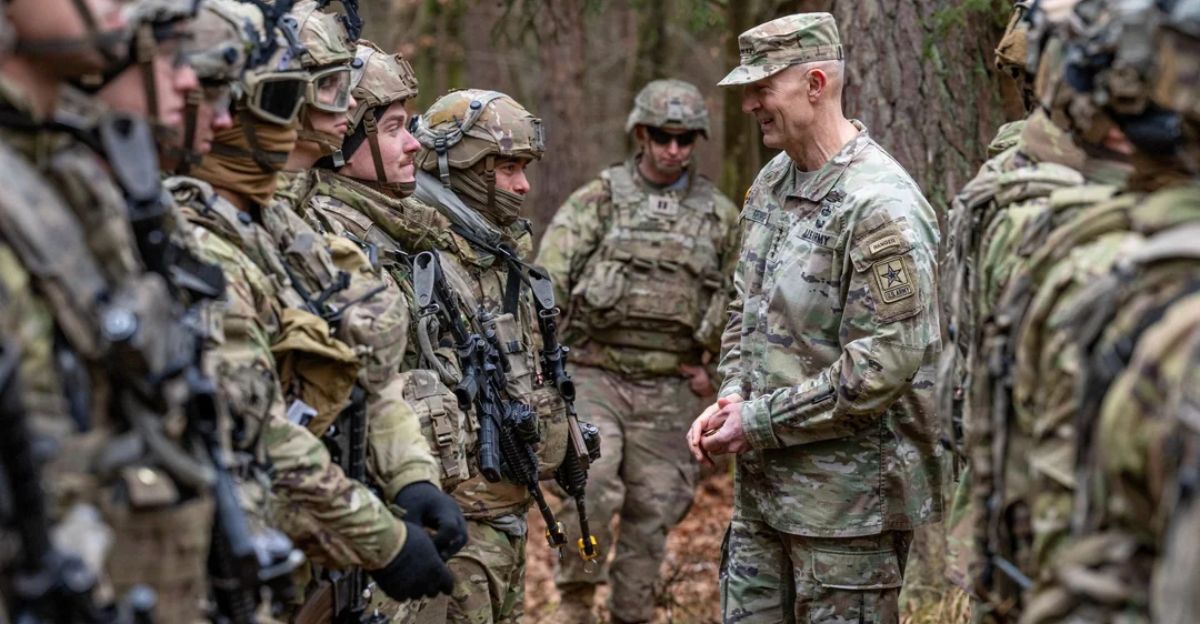
According to studies, transgender bans have resulted in the most significant workforce reduction in military diversity history, affecting up to 8,000 service members. Policies that limit transgender service members’ participation present retention risks and may make recruitment more difficult in the face of a shrinking talent pool, even though there is evidence that many of them serve with honor.
On the other hand, supporters contend that keeping out people who don’t fit rigid readiness standards maintains mission focus and unit cohesion. The deeper question of how contemporary militaries strike a balance between changing social norms and combat effectiveness is exemplified by this case, which highlights the conflict between inclusive diversity and uniform standards.
Wider Consequences for Military Cohesion and Culture
The restrictions on transgender and DEI rights bring to light ongoing discussions regarding the nature of military culture and unity. Expanded inclusion opponents contend that a focus on identity politics takes away from a shared dedication to meritocracy and national security.
The bill’s proponents contend that restricting policies viewed as ideological diversions helps the military refocus on its primary objective. This conflict calls into question how best to strike a balance between diversity and unity, as well as how military institutions’ definitions of discipline, loyalty, and readiness change as society does.
Giving Traditional Cohesion More Weight Than Inclusion
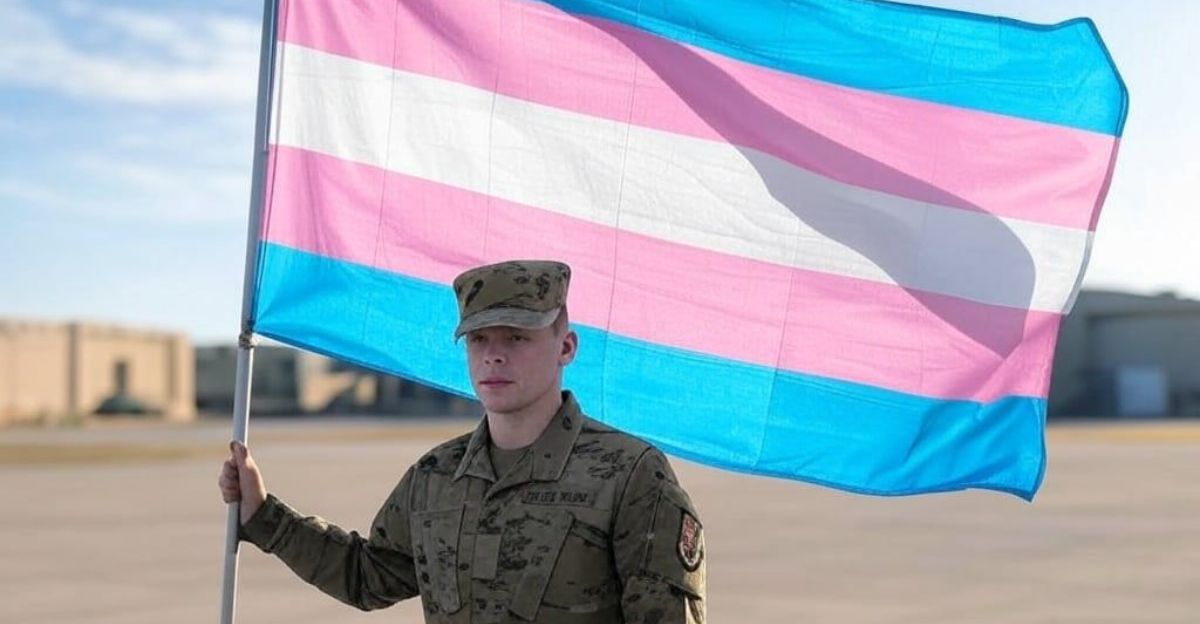
Although many contemporary organizations emphasize the positive effects of diversity, the special requirements of the military may support unusual restrictions on DEI. Under life-threatening circumstances, military units rely on instant trust and uniformity, unlike civilian workplaces. According to the argument, an identity consideration that is too broad could impede the chain-of-command obedience and split-second decisions that are necessary for success on the battlefield.
According to this perspective, limiting transgender rights and DEI initiatives is a calculated decision that prioritizes operational unity and lethality over social experimentation, particularly in light of the threats facing the world today that demand the highest level of military performance.
Historical Comparison of Social Policy and Military Effectiveness

In the past, militaries all over the world have struggled to integrate socially while still being effective in combat. For instance, despite early opposition, racial integration in the US military eventually improved cohesion and performance through intentional policy and cultural reform. But every social integration obstacle has called for striking a balance between cohesiveness and equality.
The ongoing discussions about DEI and transgender equality mark a new turning point that is also putting the military’s development to the test. The bill’s supporters contend that these specific policies run the risk of undermining fundamental military principles without providing commensurate operational benefits, in contrast to previous modifications.
Future Impact Hypotheses: Adaptation of Technology and Doctrine
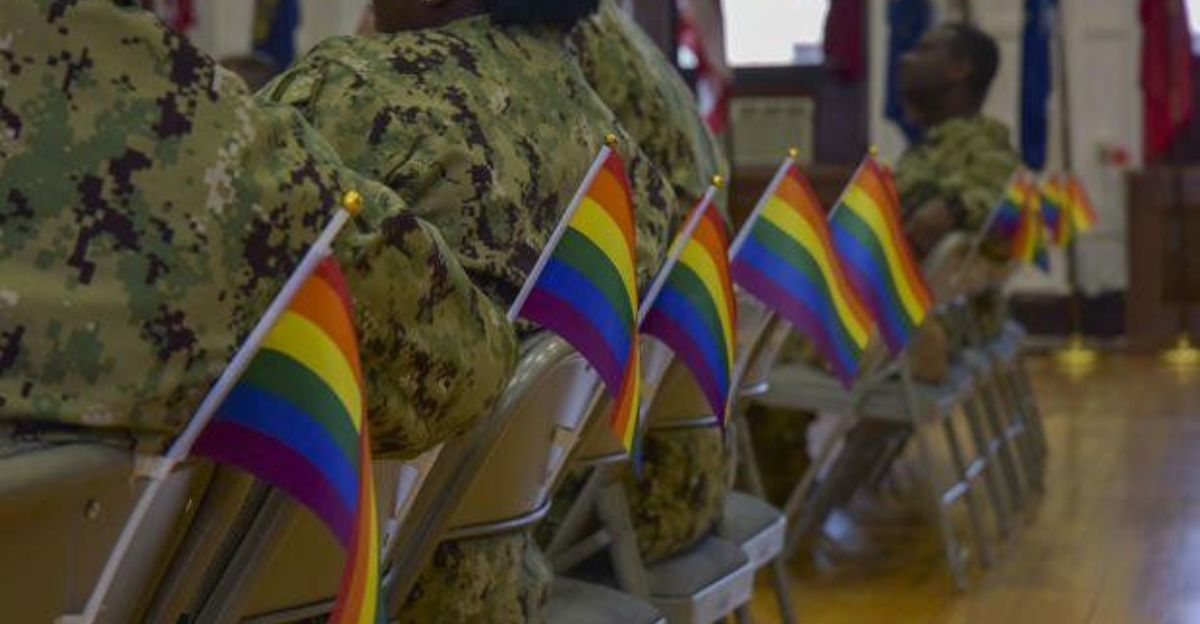
The military may see short-term gains in cohesiveness if the bill’s modifications result in fewer DEI initiatives and the exclusion of transgender service members, but there is a chance that innovations fueled by a variety of viewpoints will be lost. Cognitive diversity may be crucial as warfare depends more and more on cutting-edge technology and asymmetrical strategies.
However, a model that prioritizes technological innovation over social innovation is suggested by the legislation’s emphasis on modernization and strategic deterrence, which includes investments in AI and quantum computing. Future force structure is shaped by a conflict between human-factor innovation and traditional readiness imperatives.
Unconfirmed Theories: DEI’s Effect on Death
Critics speculate that by encouraging identity-based divisions or lowering standards through accommodation pressures, DEI policies may unintentionally lessen combat lethality.
Proponents of restrictions contend that the command environment should minimize any possible distractions or deviations from uniform excellence, despite conflicting empirical evidence. Despite continuous discussions regarding the long-term impacts of inclusivity on military success, this theoretical framing frames the bill’s trans and DEI curbs as proactive steps to maintain peak performance.
Social Cohesion and National Security
When social psychology and national security literature are combined, it becomes clear that morale and group cohesiveness are just as crucial to military success as tangible assets. By restricting practices that are thought to split identity and loyalty, the law reflects an attempt to preserve social cohesion.
In order to preserve a “winning” culture in the face of existential security threats, this strategic calculation prioritizes homogeneity and identity clarity over diversity, which is often celebrated for innovation. It’s a contentious but well-thought-out realpolitik position that combines social dynamics with strict defense priorities.
In Conclusion
The nearly $900 billion defense bill with restrictions on transgender rights and DEI programs was approved by the House, marking a conscious policy decision to prioritize military preparedness, unity, and economic responsibility over the growth of social inclusion programs.
Despite its controversy, the bill reflects the realities of geopolitical threats that call for focused force structure, technological modernization, and maximum combat effectiveness. The conservative criticism that such policies weaken unit cohesion and weaken merit-based standards is reflected in the limitations on gender-affirming care and DEI. In a time of increased strategic competition, the balance achieved by this legislation will influence the identity, culture, and operational capability of the US military as this debate develops.