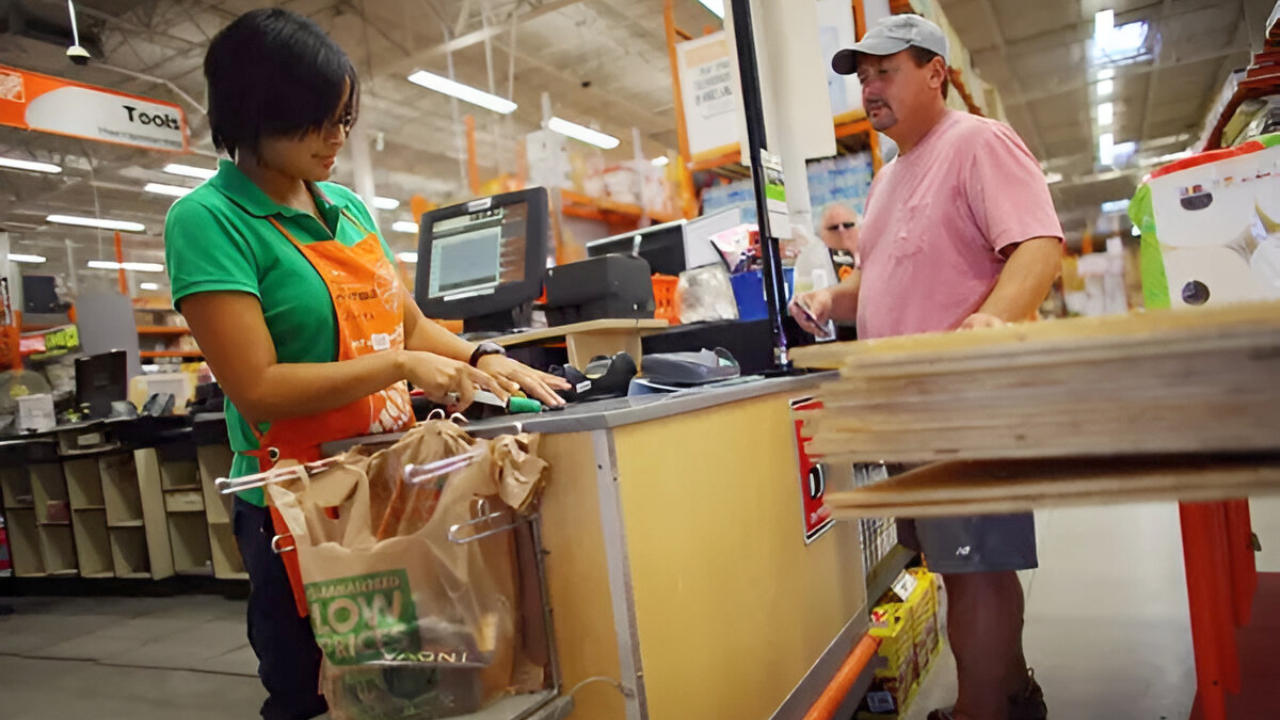
Inspectors in Orange County, California, expected routine price checks when they walked into Home Depot stores. Instead, they found that nearly two-thirds of tested items rang up at higher prices than advertised, triggering a multi-county investigation that has now resulted in a $1.97 million settlement and new price-accuracy requirements for one of the country’s largest home improvement chains.
Scanner Violations and a Growing Case
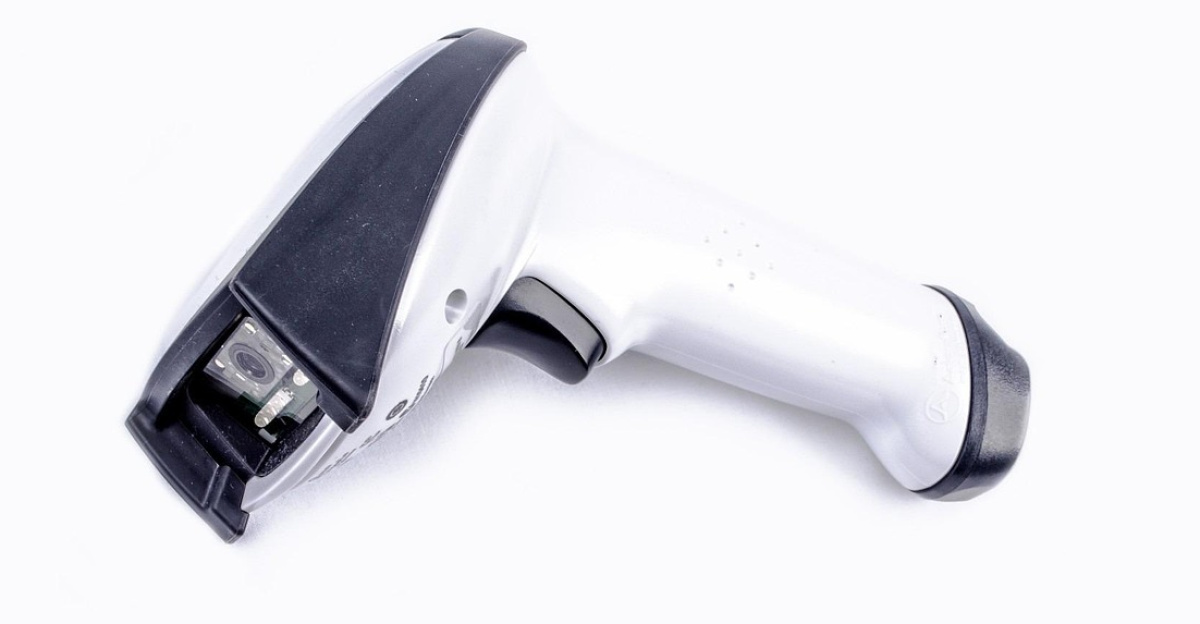
Between 2018 and 2022, County Sealers of Weights and Measures across California conducted inspections and followed up on consumer complaints about checkout prices. In Orange County, inspectors documented scanner errors on 64 percent of items tested at Home Depot, with register prices exceeding the lowest posted or advertised amount.
That unusually high failure rate led district attorneys from Alameda, Los Angeles, Orange, San Bernardino, San Diego, and Sonoma counties to coordinate their efforts. Prosecutors alleged that Home Depot routinely charged customers more at the register than the prices displayed on shelves, signage, or in ads, in violation of California’s price accuracy law.
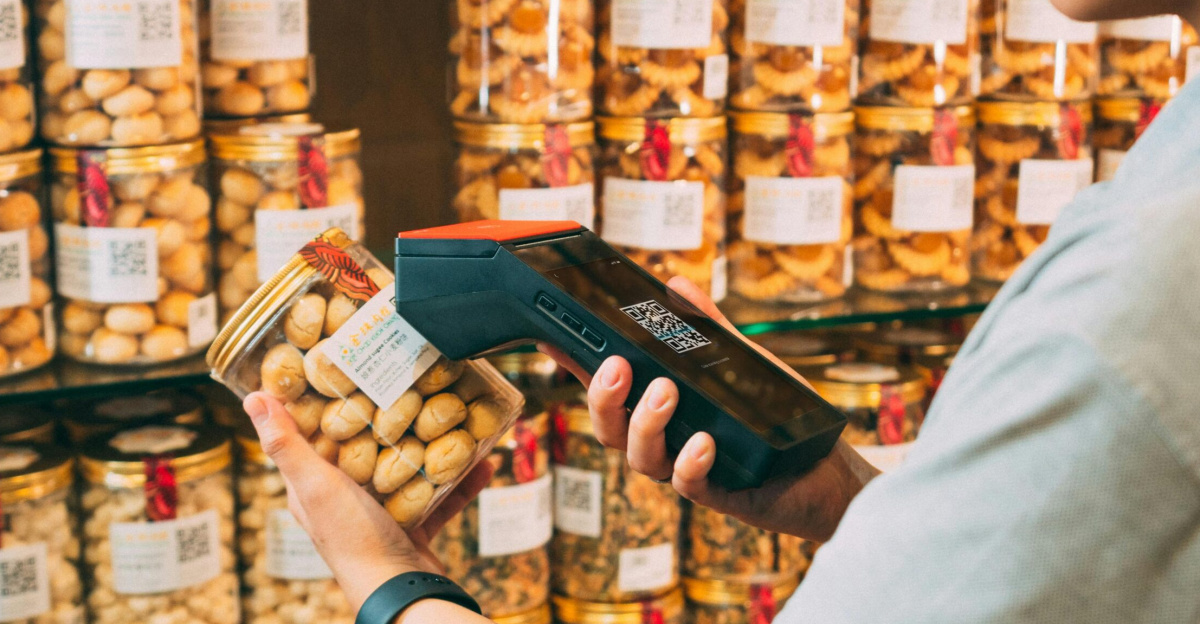
At the center of the case were “scanner violations,” a term used when a product’s shelf tag or posted price does not match the amount charged when its barcode is scanned. These discrepancies often arise when computerized pricing systems are updated but in-store labels are not changed at the same time, leaving customers to discover the difference only at checkout.
Weekend Price Changes and Operational Gaps
Investigators highlighted one operational practice that significantly worsened the problem: timing price changes on weekends. According to prosecutors, Home Depot frequently updated prices in its computer system late on Fridays, while the teams responsible for updating shelf tags did not work again until Monday.
That gap created a window in which shoppers saw one price in the aisle but were charged a higher one at the register. Because Home Depot operates numerous stores with thousands of items each, even a brief misalignment between digital systems and physical tags translated into widespread overcharges.
Although each discrepancy might amount to only a small sum, such as a few cents or a couple of dollars, the cumulative effect grew quickly. With more than 2,300 stores nationwide and thousands of transactions daily, prosecutors argued that these small errors added up to millions of dollars in excess charges each year.
Settlement Terms and New Compliance Obligations
On August 26, 2024, San Diego Superior Court Judge Richard S. Whitney approved a stipulated judgment requiring Home Depot to pay $1,977,251. Of that total, $1.7 million will be paid as civil penalties and $277,251 will go toward investigation costs and restitution.
Under the settlement, Home Depot did not admit liability or wrongdoing but agreed to extensive compliance measures in California. The company must implement a Price Accuracy Program in all of its stores in the state, designed to minimize mismatches between posted and scanned prices.
Key requirements include enhanced internal audits, mandatory employee training on pricing procedures, and continuous monitoring of price accuracy. Each California store manager is responsible for overseeing local compliance and maintaining detailed records for potential review. Home Depot also designated an executive-level manager as an internal price monitor, tasked with supervising statewide adherence to the program.
The judgment further obligates the company to submit regular reports to prosecutors, document employee training efforts, and cooperate with follow-up inspections. Authorities have indicated that failure to comply could result in additional penalties or further legal action.
Part of a Broader Pattern in Retail Pricing Enforcement

Home Depot’s case is one of several high-profile actions California officials have taken in recent years over scanner violations and misleading prices. In March 2022, Target agreed to pay $5 million to settle allegations that it overcharged customers and misrepresented prices, including claims that its mobile app sometimes displayed higher prices to shoppers inside stores than to those browsing elsewhere.
In October 2024, Albertsons, Safeway, and Vons agreed to pay nearly $4 million to resolve accusations that they overcharged customers and displayed inaccurate product weights on some grocery items. Together, these cases suggest that pricing problems are not isolated events but recurring issues across large retail chains.
Data from the California Department of Food and Agriculture’s Weights and Measures program underscores the scope of the challenge. In fiscal year 2022–23, county sealers tested 372,344 items at 23,674 retail locations statewide and found that just over two percent registered overcharges. While that statewide average is relatively low, the 64 percent violation rate seen in Orange County Home Depot inspections stood out as an extreme outlier and helped drive the enforcement action.
Federal Trade Commission research has also found that sale items are especially prone to pricing errors. Studies show that discounted products experience errors at nearly double the rate of regular-priced goods, and when mistakes occur, about two-thirds result in overcharges rather than extra savings for consumers.
Consumer Protections and Retailer Responses
California’s price accuracy law requires stores with automated checkout systems to clearly display prices and to charge customers the lowest advertised or posted price for an item. Retailers must also post notices explaining consumers’ rights, including the right to challenge an overcharge and to request that the lowest price be honored.
County Weights and Measures departments serve as the primary enforcement agencies, inspecting store scanners, shelf tags, scales, and other commercial measuring devices. Consumers who believe they have been overcharged can seek an immediate correction from the retailer and may also file complaints with their local Weights and Measures office.
For retailers, the Home Depot settlement highlights the growing expectation that large chains will invest in technology and procedures to keep prices synchronized. Many companies are turning to real-time price verification tools, electronic shelf labels, and automated alerts that flag discrepancies between register data and posted prices. The goal is to reduce reliance on manual tag changes, which can be delayed by staffing gaps, scheduling conflicts, or simple human error.
Looking ahead, the Home Depot judgment signals that California prosecutors intend to pursue aggressive enforcement when inspections uncover systemic problems. Other states are watching these cases and, in some instances, adopting similar enforcement strategies. For consumers, the settlement may increase awareness of pricing rights and encourage more scrutiny of receipts. For retailers, it underscores that accurate pricing is not only a legal requirement but also a factor in customer trust and long-term competitiveness in a crowded marketplace.
Sources:
“Home Depot Settles Violations Related to California Price Accuracy Law,” Sonoma County District Attorney’s Office, September 2024
“Home Depot Settles Lawsuit Alleging Overcharging and False Advertising,” Los Angeles County District Attorney’s Office, September 2024
“Home Depot to Pay Nearly $2 Million to Settle Suit Alleging It Overcharged Shoppers,” CNBC, September 18, 2024
“California Department of Food and Agriculture Weights and Measures Annual Report,” California CDFA, Fiscal Year 2022-23
“Price Check Report on the Accuracy of Checkout Scanners,” Federal Trade Commission
“Home Depot Settlement Judgment,” San Diego Superior Court (Judge Richard S. Whitney), August 26, 2024