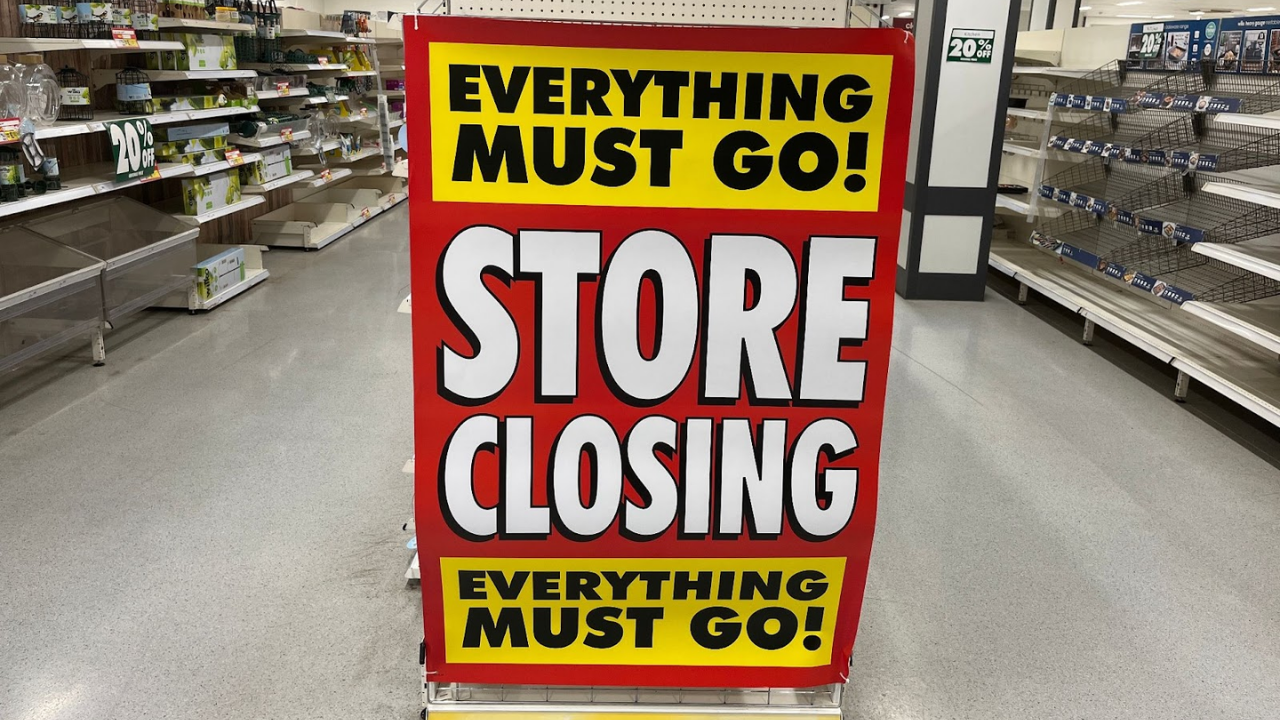
On a warm October morning in Texas, loyal shoppers pulled into their local At Home store to find locked doors and a handwritten “Store Closing Forever” sign taped to the glass. Inside, half-empty shelves and dusty aisles stood as quiet evidence of a collapse few saw coming.
For thousands of employees and millions of customers, the moment marked the end of an era, and the beginning of a corporate rebirth that has erased nearly $2 billion in debt.
How a Retail Favorite Fell So Hard, So Fast
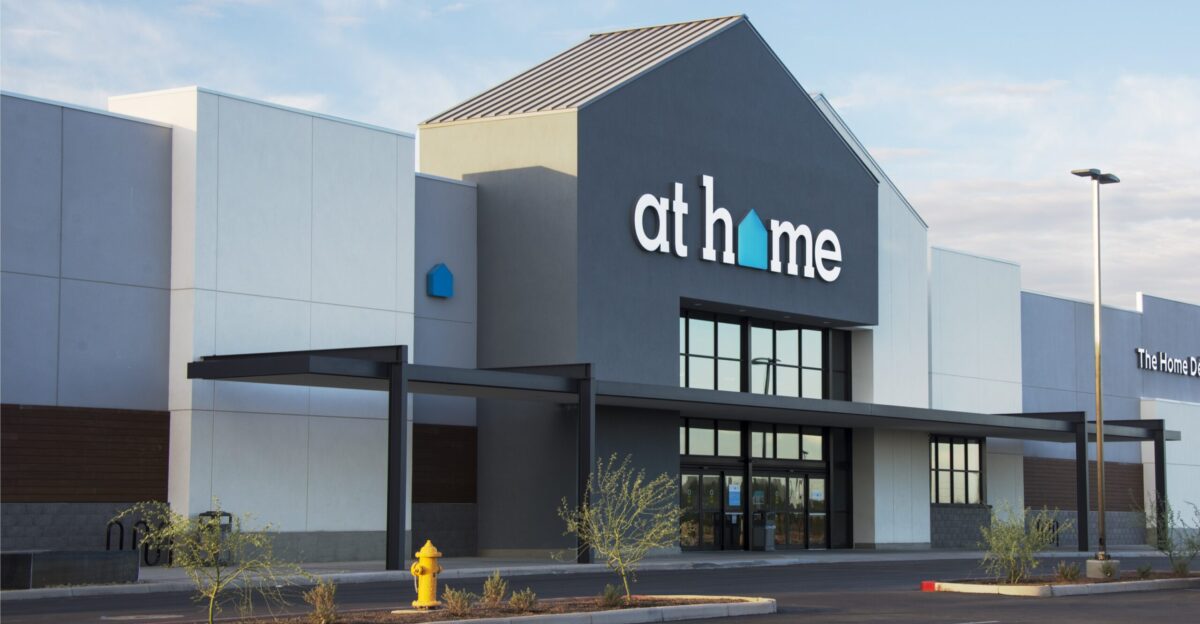
At Home wasn’t a struggling niche retailer; it was a home-decor giant with 260 stores in 40 states. When it filed for Chapter 11 in June 2025, the announcement jolted shoppers and investors alike. Court documents cited heavy borrowing, rising tariffs, and changing consumer habits as the key factors.
CEO Brad Weston, who joined in June 2024, stated the company was “operating against the backdrop of an increasingly dynamic and rapidly evolving trade environment as we navigate the impact of tariffs.” For a company built on scale, those shifts proved devastating.
Pandemic Echoes: From Boom to Bust

The seeds of collapse were sown long before the filing. General pandemic-era trends showed that when Americans splurged on home makeovers during lockdowns, demand for décor later fell sharply once travel and entertainment returned.
Unsold inventory piled up, freight costs soared, and interest rates climbed. Retailers that grew too fast during COVID faced particular challenges. At Home’s balance sheet couldn’t bend far enough.
A Bankruptcy Measured in Days, Not Years
Chapter 11 cases often drag on for a year or more, but At Home pulled off one of the fastest retail restructurings in recent history. As Bloomberg reported, it emerged in October 2025, barely four months after filing, having erased nearly all of its $2 billion funded debt.
That speed wasn’t just efficiency; it was survival. In a landscape littered with liquidations, the retailer found a way to keep its lights on when so many competitors faded to black.
Ownership Changes Hands

That survival, however, came with a dramatic price tag. The original shareholders were wiped out in a debt-to-equity swap that handed control to the lender group—Redwood Capital Management, Farallon Capital Management, and Anchorage Capital Advisors.
Upon court approval, Weston stated, “We are pleased to have reached this important milestone in our efforts to position At Home for future success.” To the employees and investors left behind, it felt more like a clean slate built from ashes.
What 31 Closures Really Mean

Behind every shuttered storefront lies a story. Thirty-one locations closed for good between July and October, eliminating roughly 12 percent of At Home’s footprint. When the company filed for bankruptcy, it employed approximately 7,170 workers.
The closures impacted employees across those locations, though specific job loss figures were not publicly disclosed. Communities lost employers, local landlords lost tenants, and longtime customers lost a weekend ritual.
The Math Behind the Miracle
Shedding $2 billion in obligations across 229 surviving stores equates to roughly $7 million in debt erased per location. Meanwhile, the $500 million in new financing represents about $2 million in fresh capital per store—a rare financial reboot.
Industry analysts have called the move less a rescue than a “complete reset,” which turns At Home from a debt-heavy giant into a lean, lender-owned experiment in efficiency.
Tariffs: The Hidden Villain
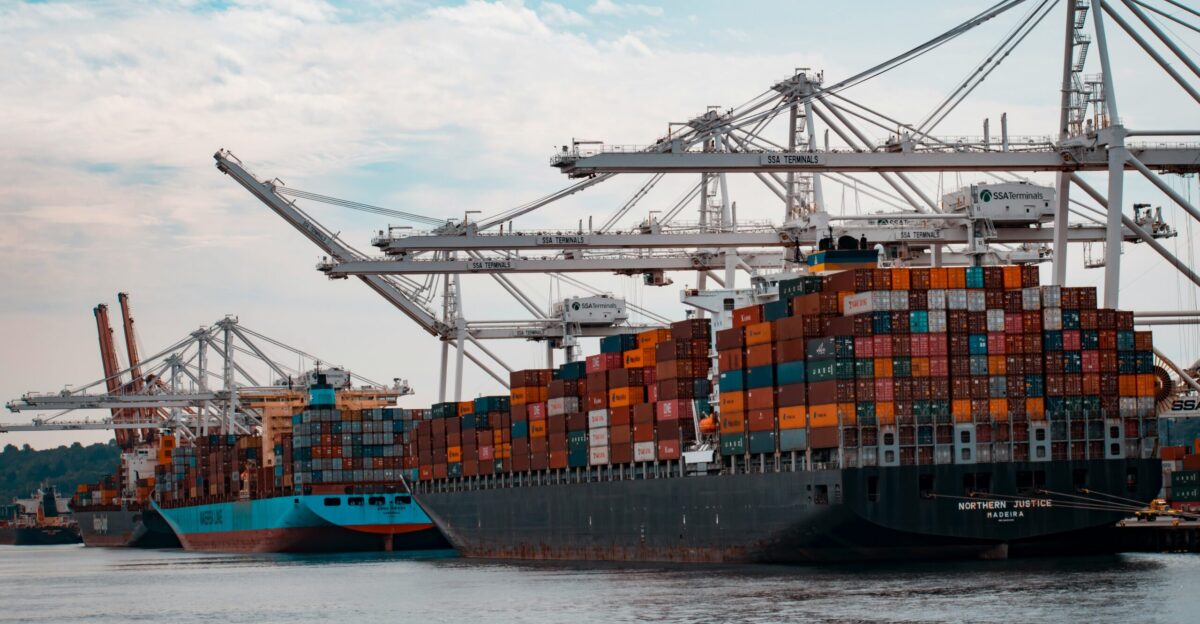
At Home’s troubles weren’t purely self-inflicted. According to Retail Dive, nearly 90 percent of its merchandise was imported. When tariffs rose and global shipping costs spiked, margins evaporated almost overnight.
In bankruptcy filings, the company acknowledged that the evolving trade environment fundamentally altered operations. The company has since worked to diversify its supplier base to protect against future trade shocks, but the scars remain.
A Retail Graveyard and a Survivor
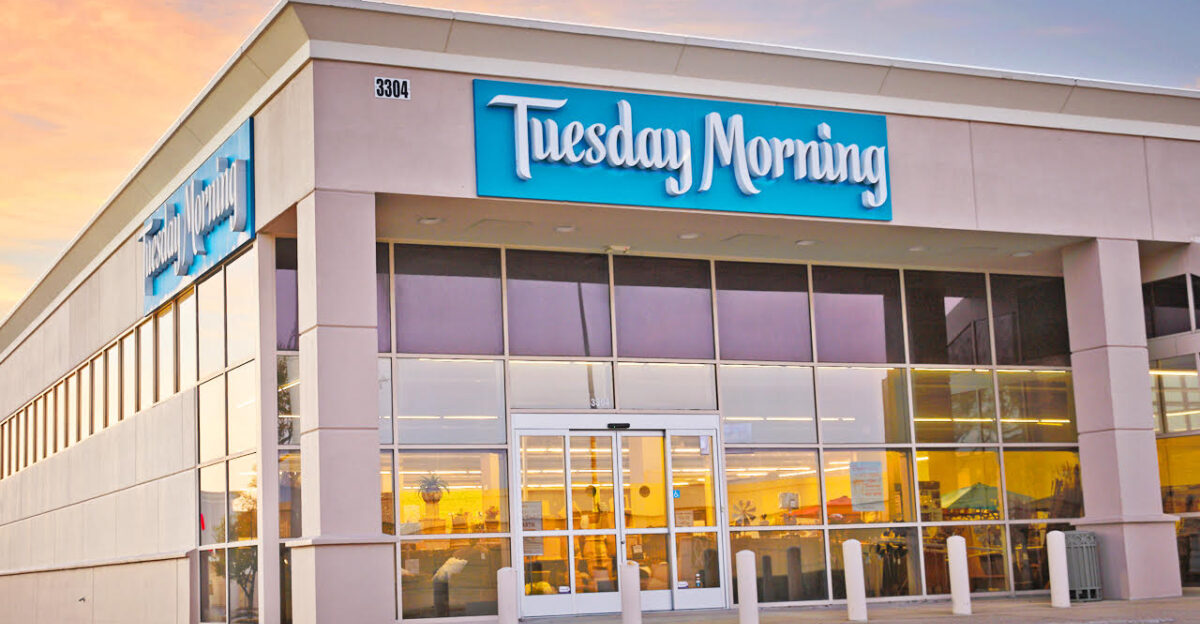
At Home’s turnaround looks even more remarkable against the backdrop of a retail graveyard. Bed Bath & Beyond liquidated in 2023, while Tuesday Morning closed all stores after 49 years in business that same year. Christmas Tree Shops also vanished completely by 2023.
At Home didn’t just survive; it rewrote the script. The difference was speed: cutting losses early, trimming stores quickly, and convincing lenders the brand still had value.
Competitors Move In on Lost Ground
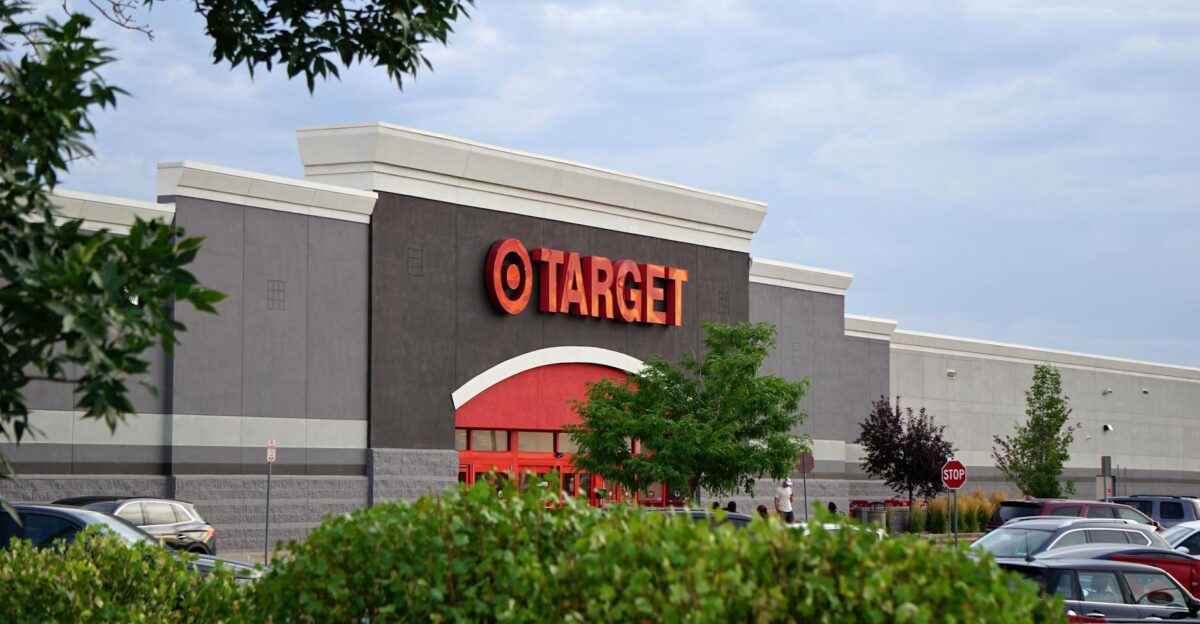
As At Home retrenched, rivals pounced. HomeGoods, Target, and online giants like Wayfair dominate the home décor market alongside other competitors. The landscape shifted, but consumer appetite for cozy homes—and affordable design—never disappeared. Even small independents have benefited as At Home closed locations in their communities.
Inside the Boardroom: A New Playbook

The restructured company’s leadership now signals a focus on discipline and operational precision. According to Retail Dive, executives plan to streamline operations and focus on top-performing markets.
The shift feels surgical: smarter logistics and better efficiency. At Home doesn’t want to be everywhere—just everywhere that counts.
The Human Cost of Reinvention

For employees left jobless, optimism rings hollow. Workers at closed locations faced uncertainty as stores shuttered. Weston publicly expressed gratitude for staff dedication throughout the bankruptcy process, stating that team members “remained unwavering in their focus on continuing to serve and inspire our customers.”
For many affected workers, gratitude couldn’t replace paychecks. The company’s new era begins atop the uncertainty of those it left behind, a reminder that financial recovery often costs more than money.
Tariff Wars and Washington’s Watchful Eye
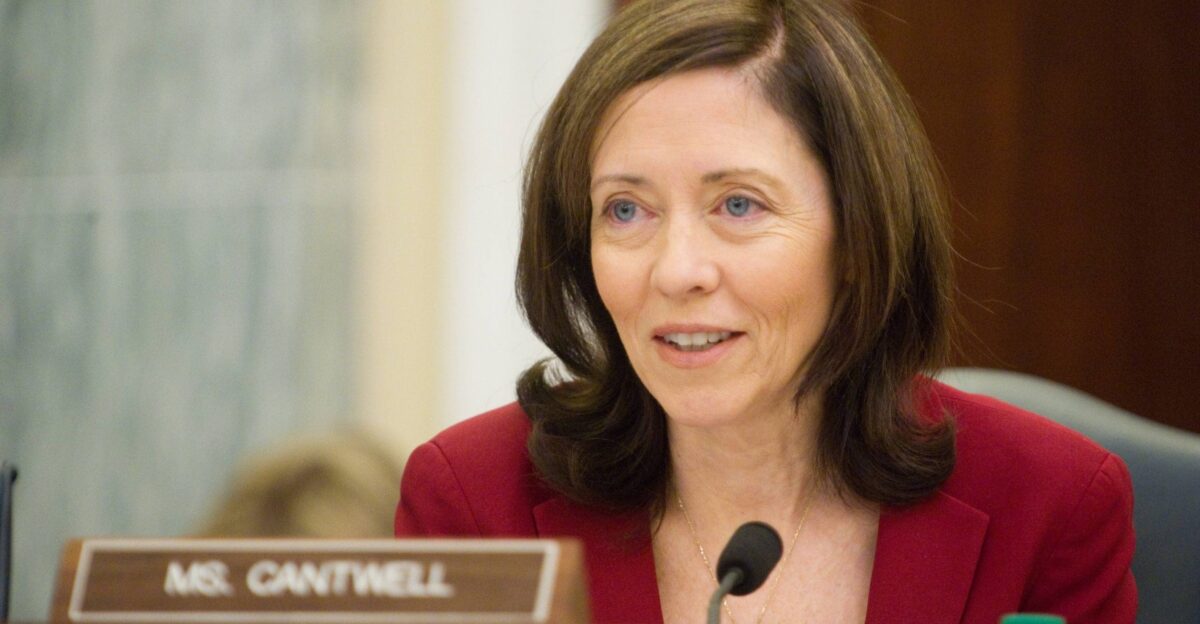
At Home’s downfall rekindled debates in Washington about the unintended fallout of tariffs. Lawmakers, including Senators Maria Cantwell and Chuck Grassley, introduced bipartisan legislation in April 2025 to restore congressional oversight on trade duties, warning that retailers face challenges from tariff pressure.
While no proposal has yet passed, At Home’s story has become a case study in how tariff policies impact domestic retail.
Inflation, Interest, and the Perfect Storm

High interest rates dealt additional blows to retailers. General economic trends showed borrowing costs increased significantly between 2022 and 2024, pushing heavily leveraged retailers toward financial distress just as inflation squeezed shoppers.
That macro squeeze—too much debt, too few buyers—turned an everyday home-goods brand into a headline about corporate survival.
A Cautionary Tale for Every Retailer

At Home’s saga now serves as a lesson in overexpansion and resilience. Retailers dependent on overseas supply chains and short-term loans are especially vulnerable in volatile economies.
Yet, as Bloomberg pointed out, At Home proved that bankruptcy can be “a strategic reset, not a death sentence.” The question is whether others will adapt before they’re forced to follow suit.
Suppliers and Shippers Feel the Squeeze

The ripple effect reached far beyond storefronts. Furniture manufacturers, packaging companies, and freight carriers tied to At Home’s network saw orders change as the company restructured.
For every retailer that faces challenges, a trail of suppliers must quietly adjust their operations to accommodate shifting demand.
Holiday Season: The Do-or-Die Quarter

Holiday and seasonal merchandise represents a significant portion of home décor retailers’ annual sales. That makes this first post-bankruptcy season critical for At Home. Lenders are watching closely.
A strong December could validate the restructuring; a weak one might spark renewed doubt. It’s a high-stakes quarter that will help determine the company’s trajectory.
How Shoppers Are Adapting

Consumers, meanwhile, are rerouting their habits. Some moved online, others turned to local boutiques or discount chains. Yet for those still loyal to At Home, the appeal remains: style at a warehouse-size scale.
The company’s challenge now is emotional—rebuilding trust after closures left shoppers wondering if their favorite décor destination could vanish again.
Fast Décor Faces a Reckoning

At Home’s rise and challenges have sparked conversations about mass-produced home goods. Critics point to concerns about waste and sustainability. In response, younger consumers increasingly seek quality and longevity in their purchases.
If At Home can pivot to meet that mindset—offering affordability without disposability—it may find its footing again.
The Big Picture: Reinvention in Real Time
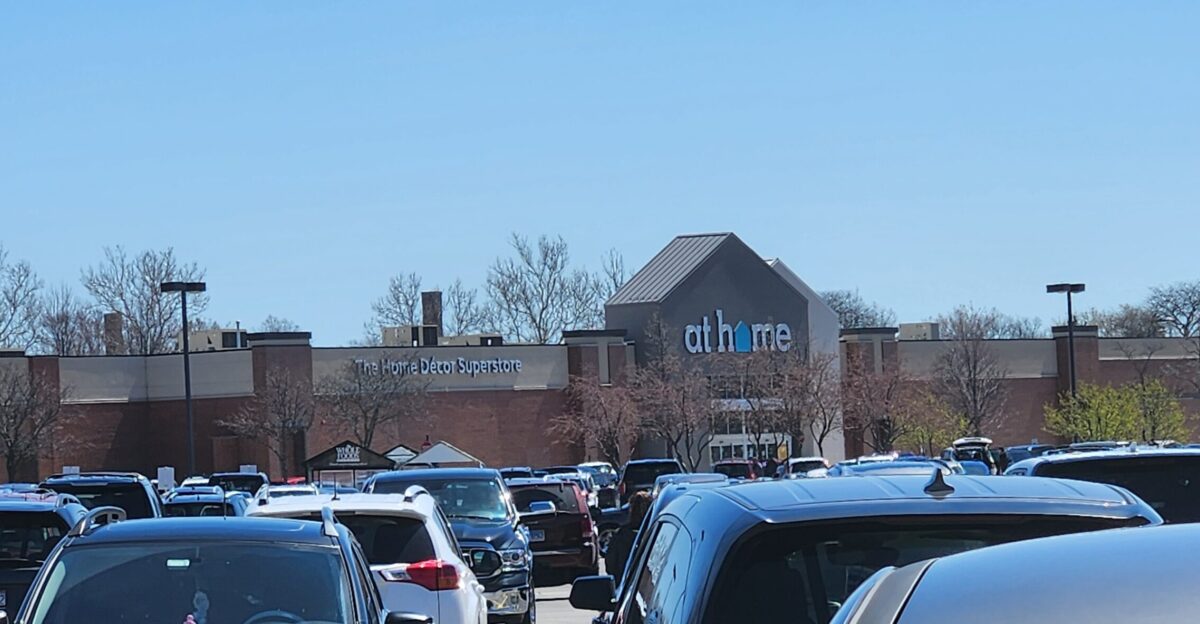
At Home’s $2 billion debt wipeout is more than a corporate comeback; it’s a snapshot of retail in transformation. It shows how trade policy, inflation, consumer trends, and human resilience intertwine. As Weston stated in October: “This new chapter redefines what At Home can be—a brand that helps customers design and create spaces that reflect who they are.”
Whether this new, lender-owned version thrives or fades, its story leaves one lasting truth: survival isn’t about size in modern retail. It’s about knowing when to start over—and daring to do it fast..