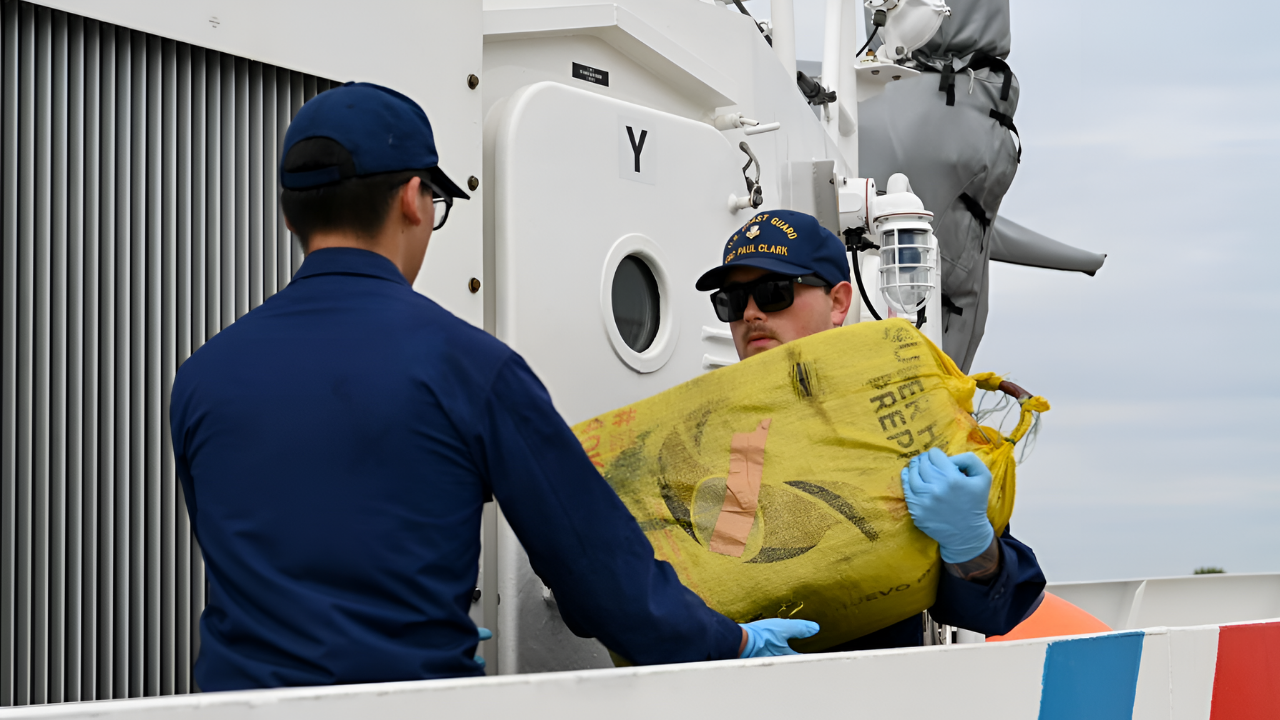
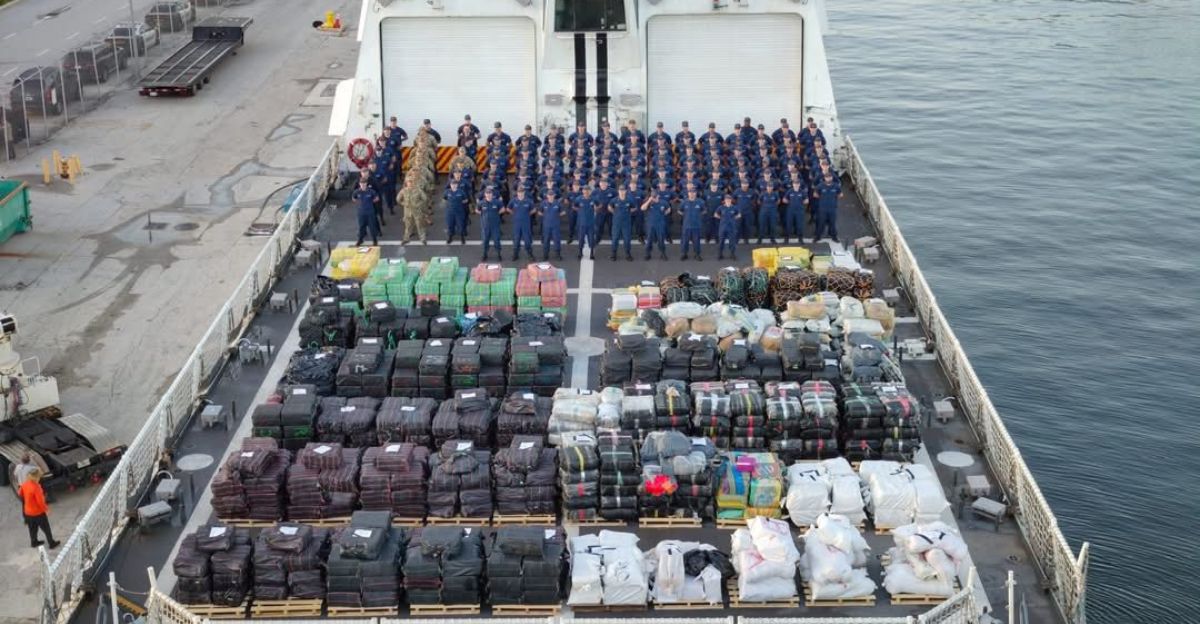
On December 2, 2025, the U.S. Coast Guard Cutter Munro stopped a high-speed boat carrying more than 20,000 pounds of cocaine south of Mexico. The crew found over 10 tons of drugs on board—enough for 7.5 million potentially deadly doses. Officials call this the Coast Guard’s biggest cocaine seizure at sea in 18 years.
The Munro was patrolling the eastern Pacific, a major route that drug traffickers use to move cocaine from South America toward Mexico and the United States. When the crew spotted the suspicious vessel, they sent a Coast Guard helicopter to track it. As the boat tried to escape, a marksman from the Helicopter Interdiction Tactical Squadron shot out the engines, forcing the vessel to stop.
The boarding team then moved in, secured the boat, and recovered all the cocaine. Authorities arrested several people who were operating the vessel. Officials say stopping this shipment prevented massive harm in American communities, where these drugs would have fueled overdoses, addiction, and crime.
The eastern Pacific stretches thousands of miles and remains one of the busiest corridors for drug smuggling. Traffickers use various methods to move their cargo, including fast boats, semi-submersible vessels, and even commercial fishing boats disguised as legitimate operations.
Operation Pacific Viper Drives Record Seizures
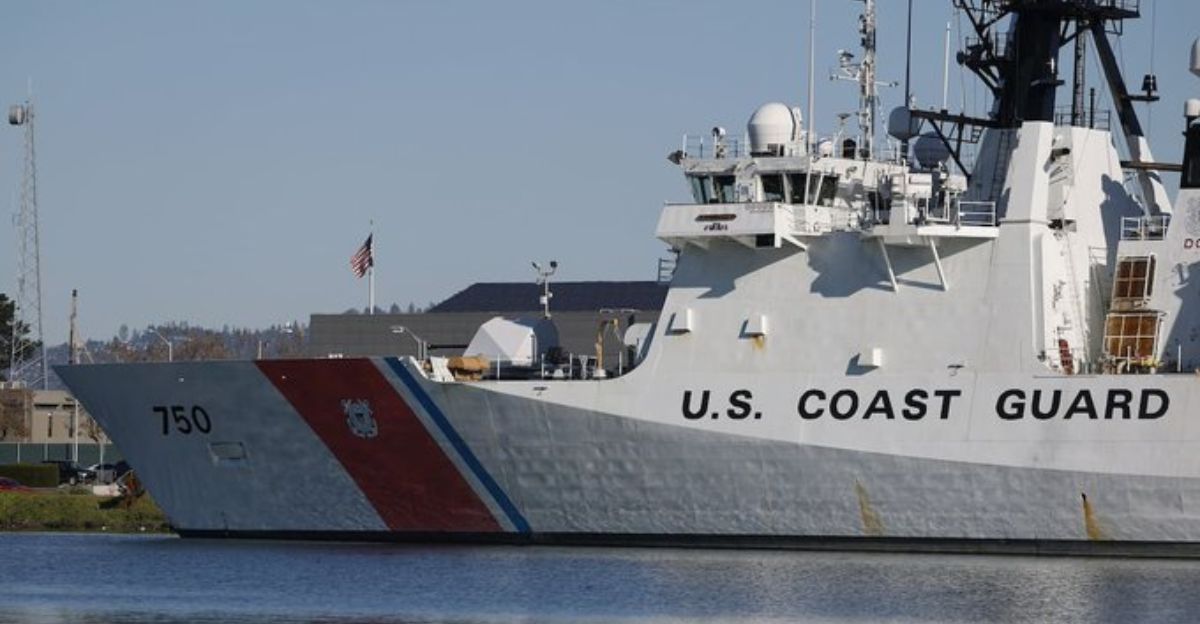
The December bust occurred during Operation Pacific Viper, a joint Coast Guard and Navy partnership that commenced in August 2025. The operation added more ships, aircraft, and specialized boarding teams to the eastern Pacific to increase pressure on drug smuggling networks. By mid-October, Pacific Viper teams had already seized more than 100,000 pounds of cocaine.
For the entire fiscal year 2025, which ended on September 30, the Coast Guard confiscated over 510,000 pounds of cocaine—more than triple the usual annual average of about 167,000 pounds. Officials credit this dramatic increase to new strategies, expanded resources, and faster operations at sea.
The U.S. Southern Command’s Joint Interagency Task Force in Key West, Florida, coordinates surveillance across this vast ocean area. When their systems detect suspect vessels, they alert Coast Guard crews who deploy to intercept them. The Coast Guard now operates with more than 76,000 personnel and uses a diverse fleet of cutters, aircraft, and small boats.
As both a military service and a federal law enforcement agency, the Coast Guard occupies a unique position in the government’s efforts to combat drug trafficking. Following the Munro seizure, Coast Guard officials emphasized their role in leading America’s drug interdiction operations and protecting communities from deadly narcotics.
New Military Tactics Spark Controversy
The record-breaking seizure reflects a major shift in how the U.S. government fights drug cartels. Defense Secretary Pete Hegseth has pushed to treat major trafficking organizations as terrorist groups, which has led to expanded military involvement in counter-drug operations.
Since September 2025, U.S. forces have launched more than 20 strikes against suspected drug vessels in the Pacific and Caribbean, killing nearly 90 people. Hegseth argues that people who transport drugs for these organizations should expect their boats to sink if they run shipments toward the United States. He describes this approach as necessary to stop what he calls the mass poisoning of Americans.
Pentagon officials say Hegseth personally authorized the first lethal strike on September 2 and watched the operation unfold in real time. However, this aggressive approach has drawn criticism from lawmakers, legal experts, and human rights advocates. They question whether these strikes comply with international law and worry about how authorities treat survivors after attacks at sea.
One September operation sparked particular concern when reports emerged that forces launched a follow-up strike despite knowing that survivors were in the water. Critics want more transparency and clearer rules about when forces can use lethal action. Administration officials defend the operations as both legal and necessary for national security.
A bigger question remains unanswered: Will these aggressive tactics actually weaken the cartels, or will the organizations simply absorb their losses and change their methods?
Sources
Reuters, Oct 23, 2025
Defense News, Dec 6, 2025
ABC News 4, Dec 6, 2025
Fox News, Dec 5, 2025
U.S. Coast Guard, Oct 13, 2025
Fox 11 Online, Dec 6, 2025