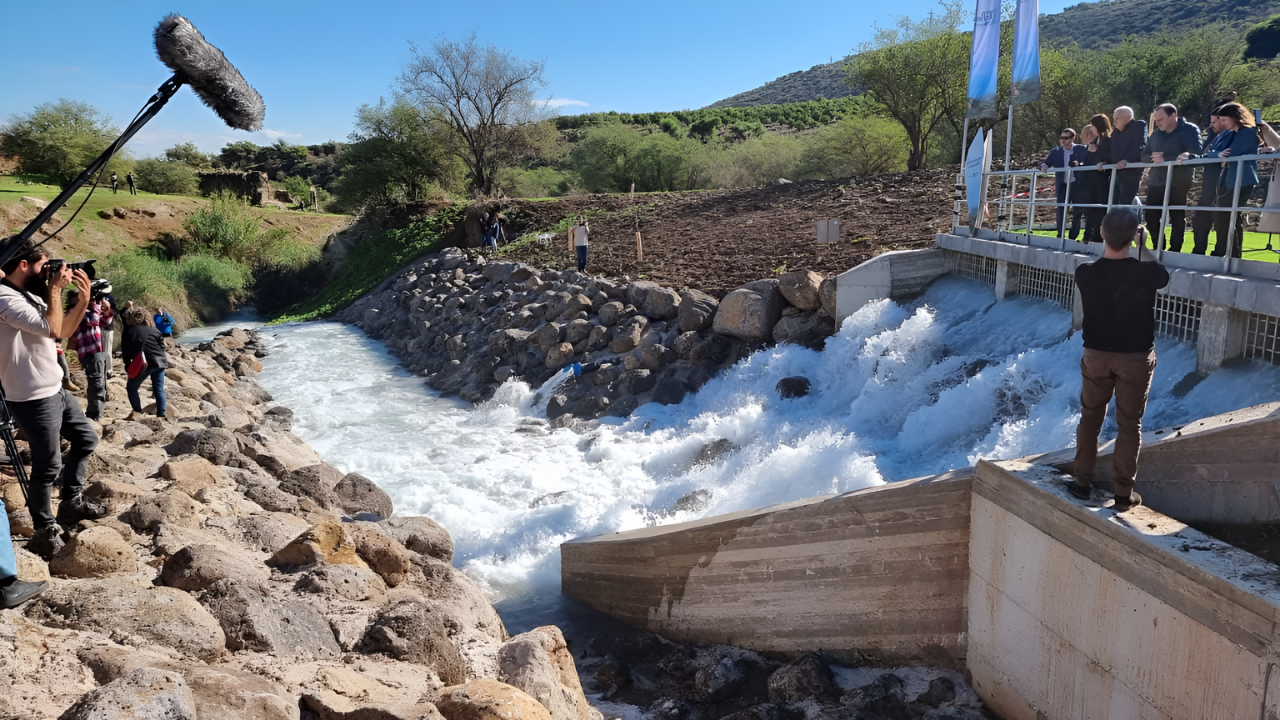
The Sea of Galilee, a cradle of miracles and a site of millennia of faith, is slipping toward crisis. On October 23, 2025, Israel quietly reversed the flow of its National Water Carrier, sending desalinated Mediterranean seawater into the lake for the first time in history.
Northern Water Authority director Firas Talhami said the lake had fallen dangerously close to the “black line,” a threshold of irreversible damage. Faith, history, and technology now collide at the water’s edge.
Thirteen Inches Between Survival and Oblivion
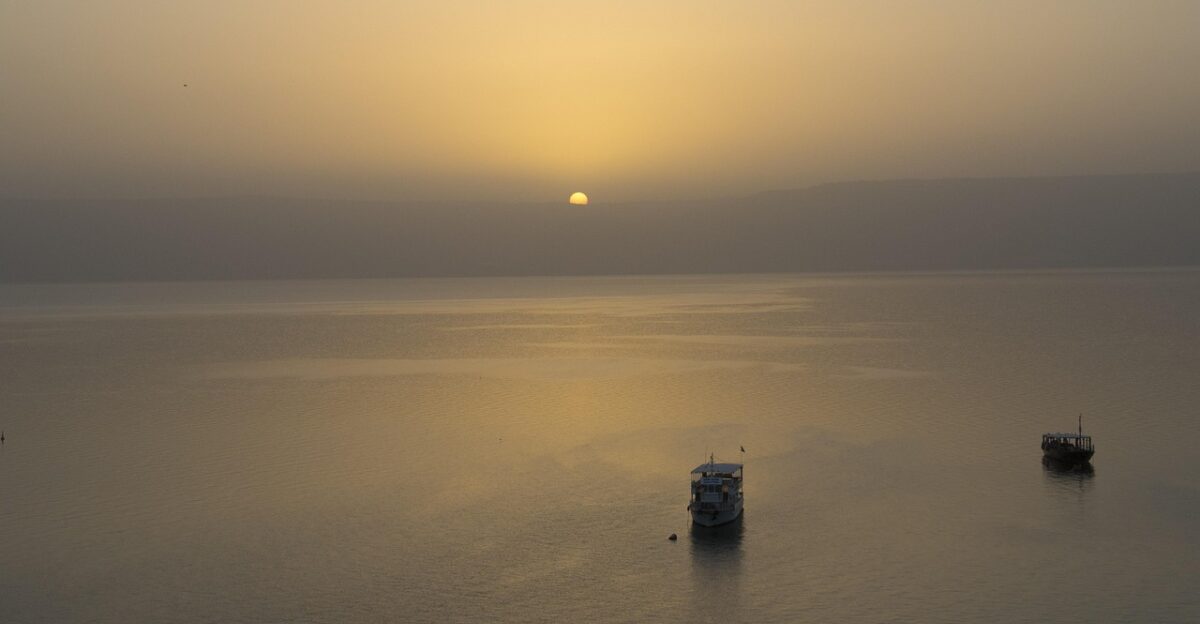
The urgency is stark. According to Talhami, on November 11, 2025, the lake’s surface stood at 213.33 meters below sea level, just 34.5 centimeters below the lower red line, which signals ecological collapse.
The lake is dropping faster than ever before, at a rate of more than 2.5 meters per year, whereas previous droughts had averaged only one meter. “The descent is accelerating,” Talhami warned, showing that centuries of stability can unravel in an instant when climate and demand collide.
A Lifeline Measured in Gallons
To slow the decline, Israel now pumps 1,000 cubic meters of desalinated water per hour, roughly 264,000 gallons, into the Sea of Galilee through a pipeline at Ein Ravid, Talhami said. That adds barely half a centimeter to the lake each month. A second pipeline could double the flow, but national water demand already consumes that capacity.
Engineers admit the lifeline buys time, not salvation, and every drop is contested by both human need and ecological urgency.
Where Miracles Once Moved the Water
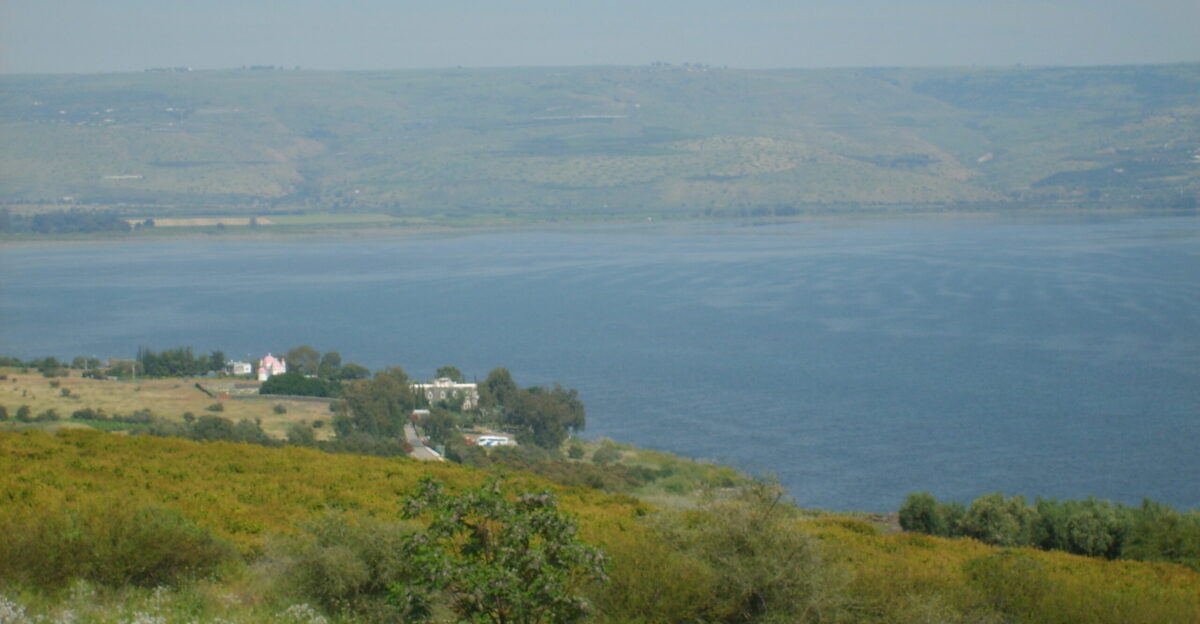
The Sea of Galilee has shaped faith for millennia. According to biblical accounts, Jesus walked on the water and performed miracles along the shore. Pilgrims still travel to Capernaum, the Mount of Beatitudes, and the Church of the Multiplication, yet today the lake depends on desalination and pumps.
Talhami said the mechanical flow of water now maintains what nature once did. Standing on the shores today is to witness the intersection of history, faith, and human engineering.
A Winter That Offered Almost Nothing
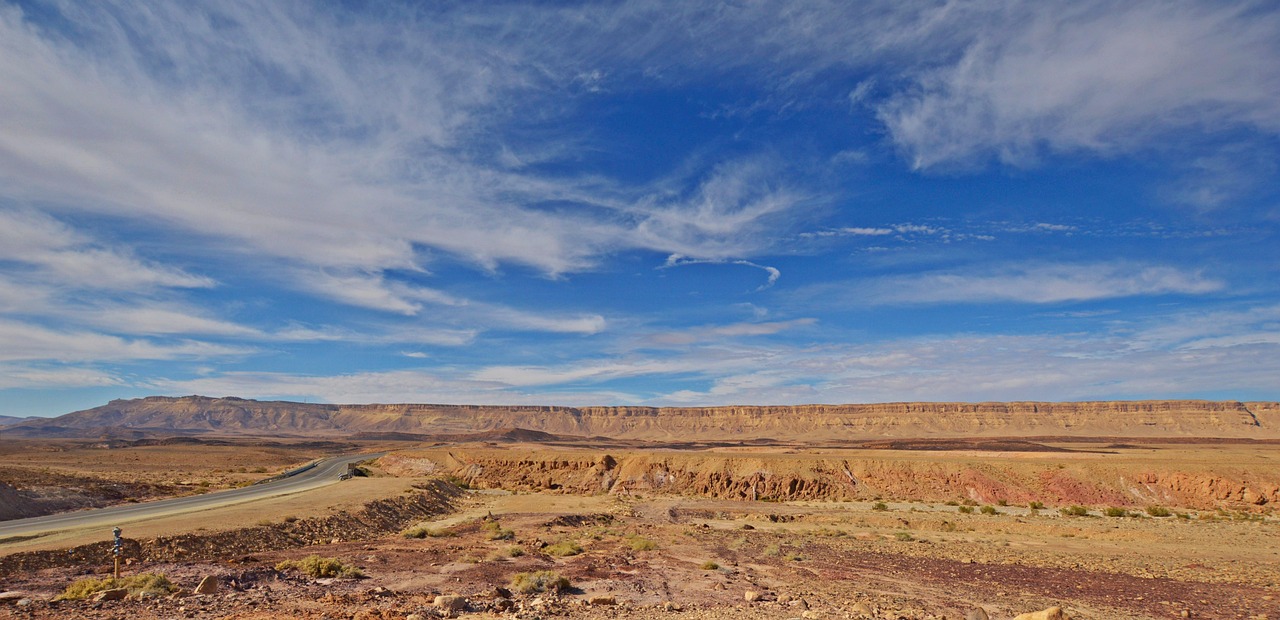
The crisis did not erupt overnight. Last winter brought only half the normal rainfall, with some regions seeing as little as 40 percent, Talhami said. Springs and snow-fed streams weakened, leaving the lake almost entirely reliant on artificial input. Meteorologists noted the same pattern across the eastern Mediterranean, including Lebanon, Jordan, and Turkey.
After unusually wet years between 2018 and 2023, the drought returned with force, revealing just how rapidly nature’s mercy can vanish and human vulnerability become acute.
The Sacrifice of Farmland
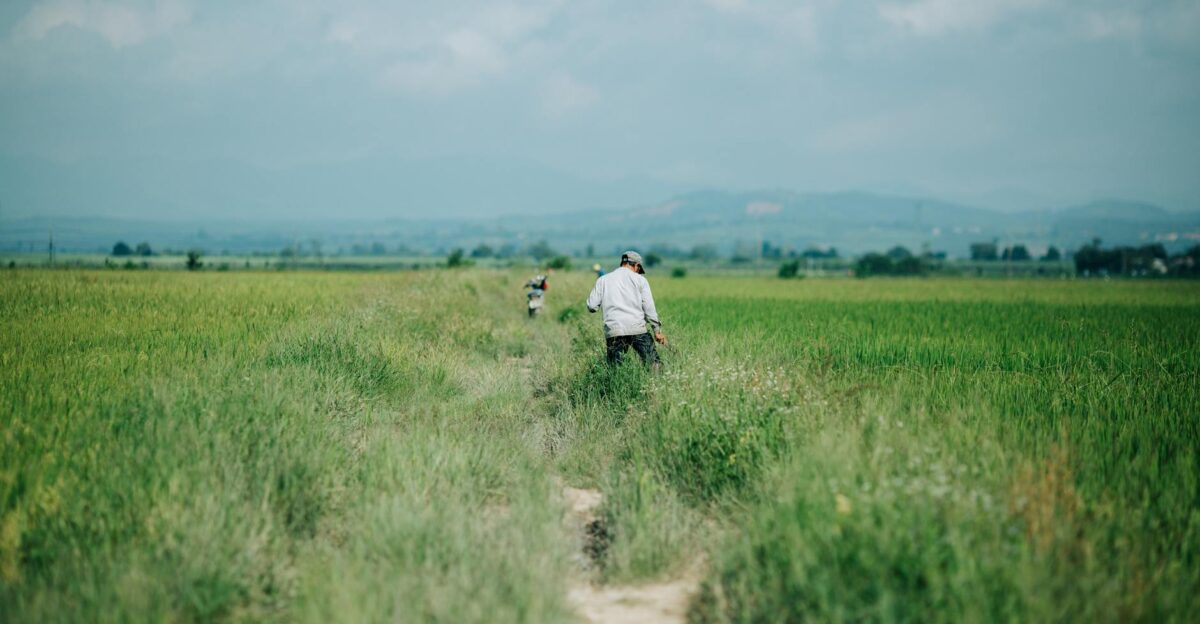
To protect the lake, Israel cut water allocations to nearby farmland by 90 percent, leaving roughly 5,000 acres with no water, Talhami said. Crops withered, irrigation systems ran dry, and farming communities faced devastation. Authorities justified the decision as a stark calculation: feed the fields, or save the reservoir that supplies millions.
Agriculture, centuries of cultivation, and livelihoods became collateral in a larger battle for survival. The lake came first, and every nearby farmer felt the cost.
Even the Lifeline Struggles
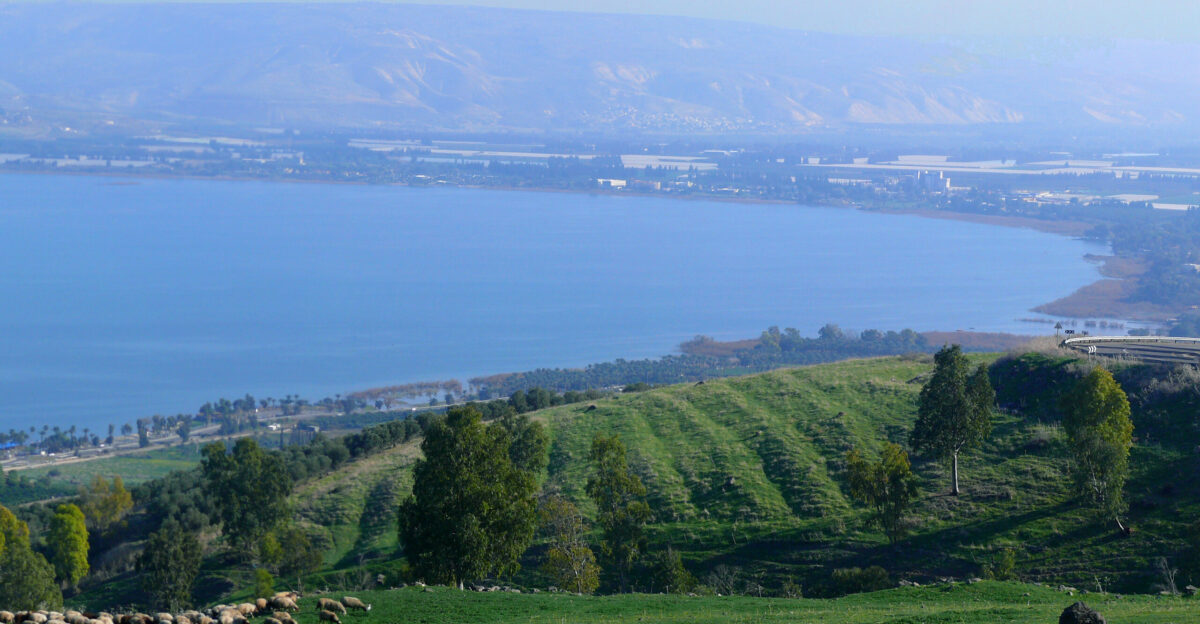
Despite constant desalination, the lake continues to fall. Talhami said during the current heat wave, levels drop nearly half a centimeter per day, almost as much as the inflow adds monthly. To stabilize the lake, inflow would need to increase several hundred percent, far beyond current capacity. Israel’s largest desalination plants operate at full potential, yet the system remains insufficient.
The reverse carrier serves as a tourniquet, temporarily slowing the hemorrhage but unable to restore balance on its own.
The Black Line Looms
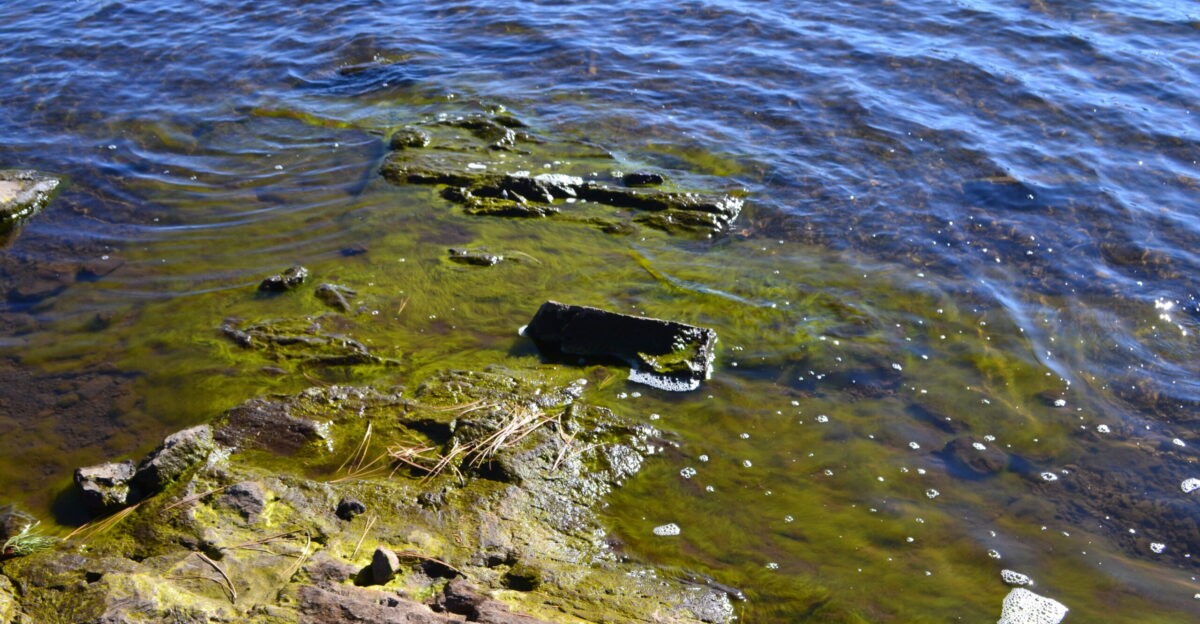
According to Talhami, the black line sits at 214.87 meters below sea level. Cross it, and underground salt springs overwhelm the freshwater, making the lake unsafe for drinking, irrigation, and wildlife. Algae blooms and cyanobacteria flourish, and restoration becomes prohibitively expensive. Experts warn that a failed rainy season or mechanical breakdown could push the lake past this point within months.
Inches now separate the Sea of Galilee from ecological catastrophe, making every measurement a matter of survival.
Reversing a Nation’s Lifeline
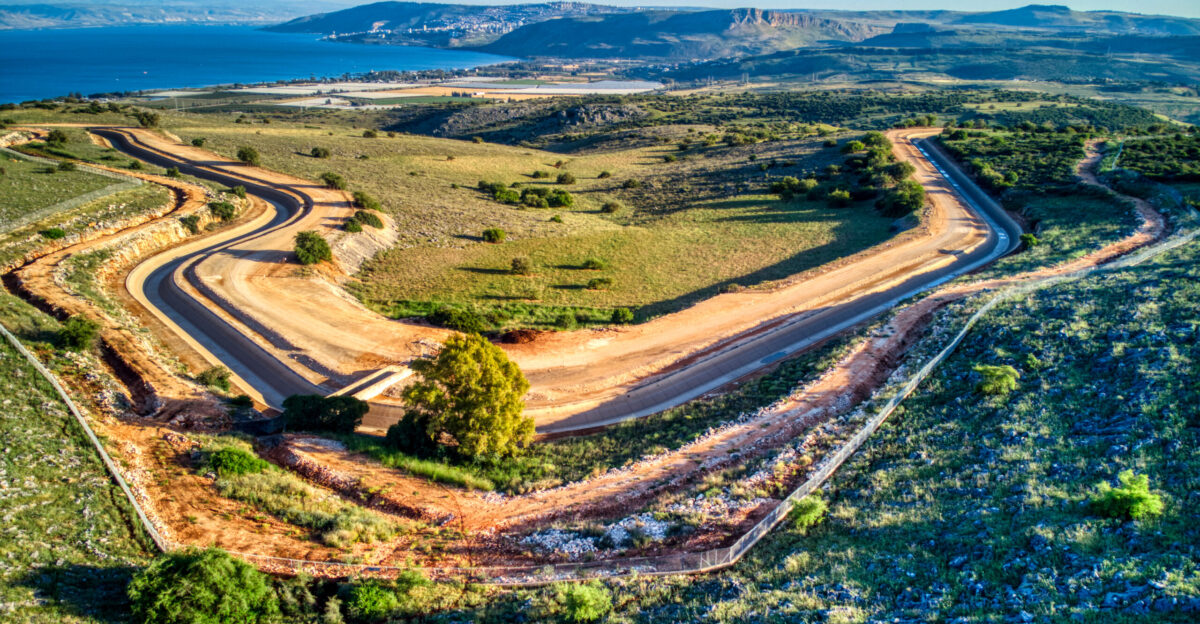
For sixty years, Israel’s National Water Carrier sent Galilee water southward to cities and farms. Reversing it required retrofitting pipelines up to 93 miles long, according to Talhami, and coordinating massive-scale political, technical, and logistical efforts.
The project cost roughly 1 billion shekels, signaling desperation and commitment. A system designed to export life from the lake now delivers life back to it, proving that in moments of crisis, a nation can rewrite its infrastructure to match its existential needs.
Faith Meets Machinery
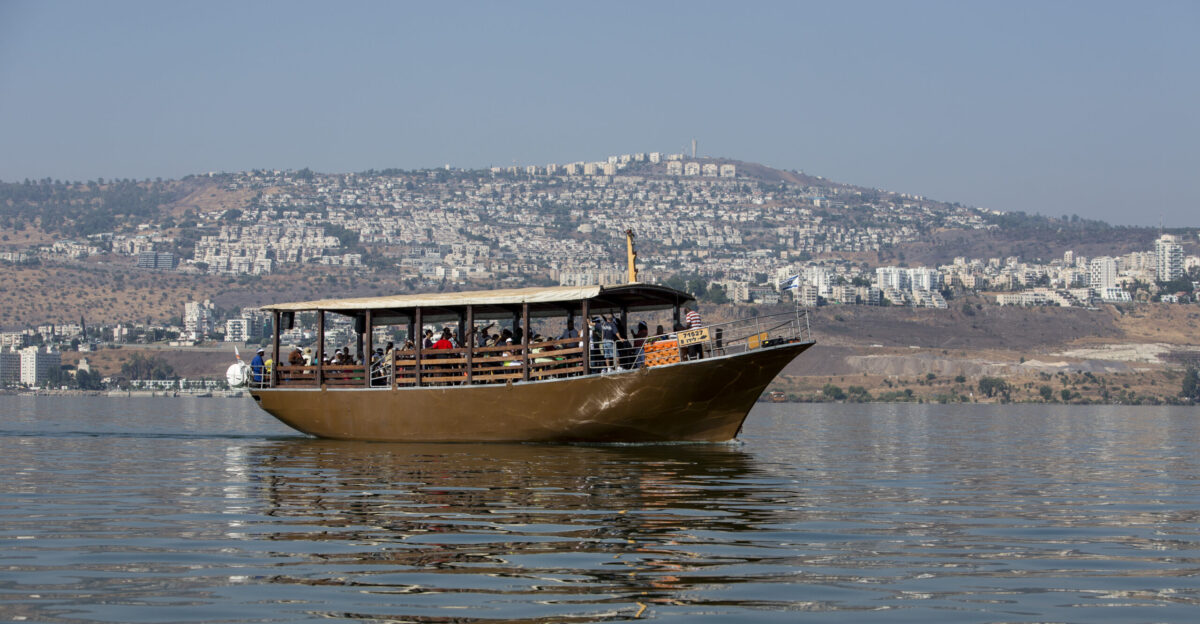
The irony is stark: the lake where miracles were performed now relies on membranes, pumps, and treatment facilities. Pilgrims still stand on ancient stones, yet every drop flowing beneath them is artificial. Talhami said this juxtaposition of sacred and mechanical embodies the modern reality of climate fragility.
Technology has replaced nature in a place that once depended on divine and natural rhythms. Faith remains, but survival now requires human ingenuity more than tradition or ritual.
Six Months on a Countdown
Israel is committed to at least six months of continuous desalinated inflow, Talhami said. This emergency measure functions less as a solution than as a stopwatch. Everything depends on winter rainfall. If precipitation falls short, Israel must either expand desalination, further shrink agriculture, or accept a permanently altered lake.
Time itself has become an instrument of survival. Every passing day adds tension, making the lake a living measure of human foresight against nature’s uncertainty.
A Living Experiment
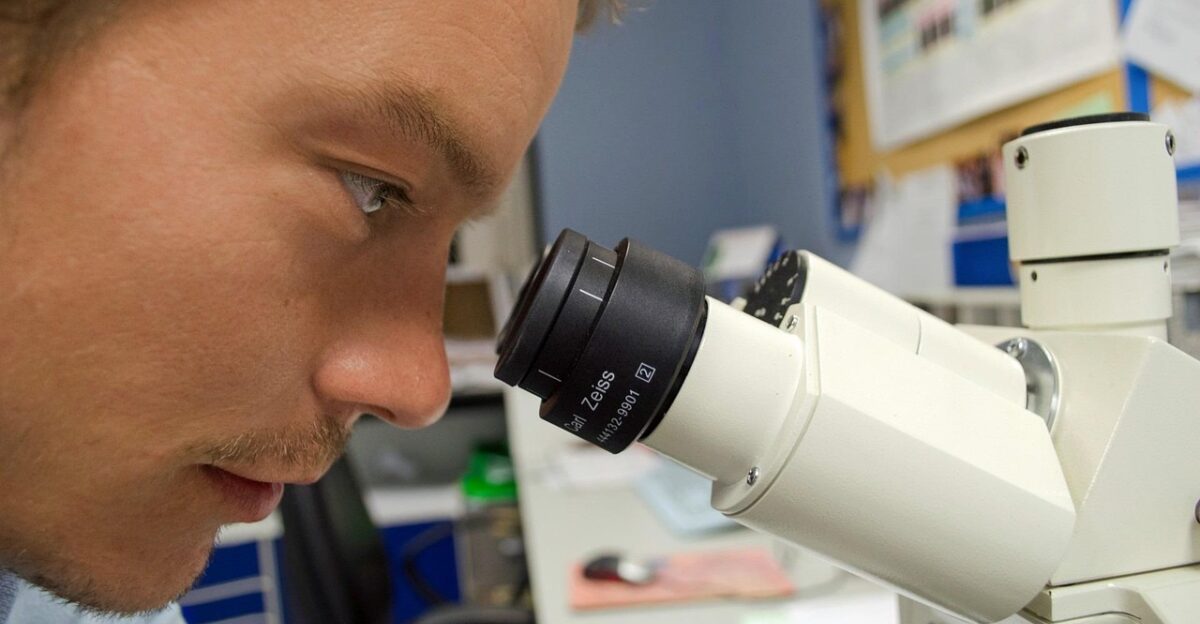
Scientists monitoring the Galilee insist desalinated water is compatible with the ecosystem, but long-term effects remain unknown. Talhami said ultra-pure water subtly dilutes natural salinity, and while lab simulations suggest minimal disruption, real-world consequences are unpredictable. The lake has become a global experiment in ecological adaptation under climate stress.
Researchers closely track algae, microbial life, and water chemistry, watching as billions of gallons of human-engineered water mix with a system that has endured for thousands of years.
St. Peter’s Fish Sound the Alarm
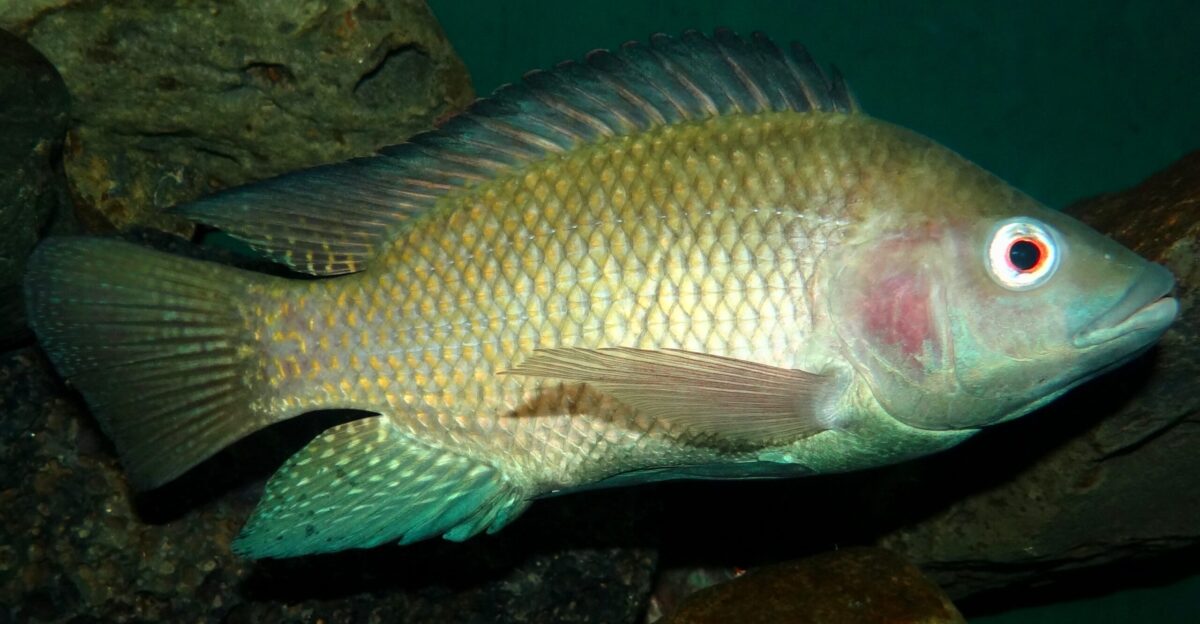
Tilapia, known locally as St. Peter’s fish, has historically sustained Galilee fishermen and served as an ecological indicator. According to Talhami, the shrinking of shallow habitats and fluctuations in salinity threaten their survival. Scientists monitor these populations closely; declines can reveal environmental stress before instruments detect it.
The fish now carry the weight of a larger story, signaling whether human intervention can maintain the lake’s delicate balance or if centuries of biodiversity will falter under the pressure of drought and technological reliance.
A Crisis Returned Too Quickly
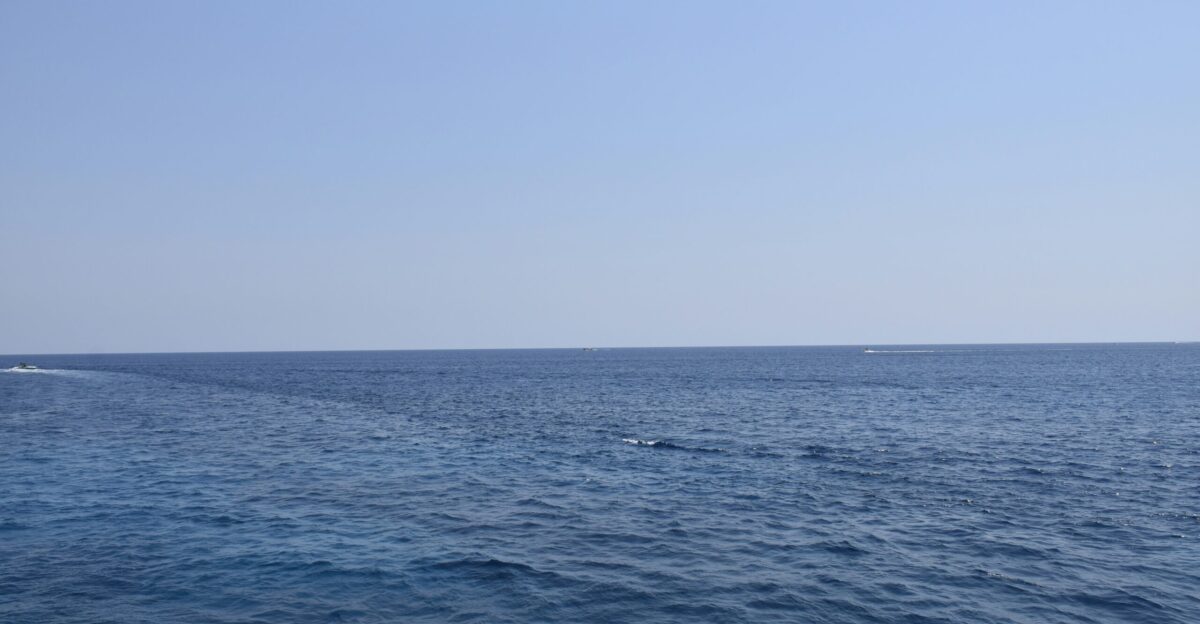
Between 2018 and 2023, unusually heavy rains temporarily lifted lake levels. Officials and locals felt relief. Then 2024 and 2025 arrived, and drought plunged the lake faster than any historical record, Talhami said. The rapid shift underscored the fragility of assumptions about climate stability.
In just two years, optimism gave way to urgent engineering, revealing that even centuries-old water systems can become vulnerable almost overnight. The Galilee became a stark symbol of sudden environmental volatility.
The Nation That Can Attempt This
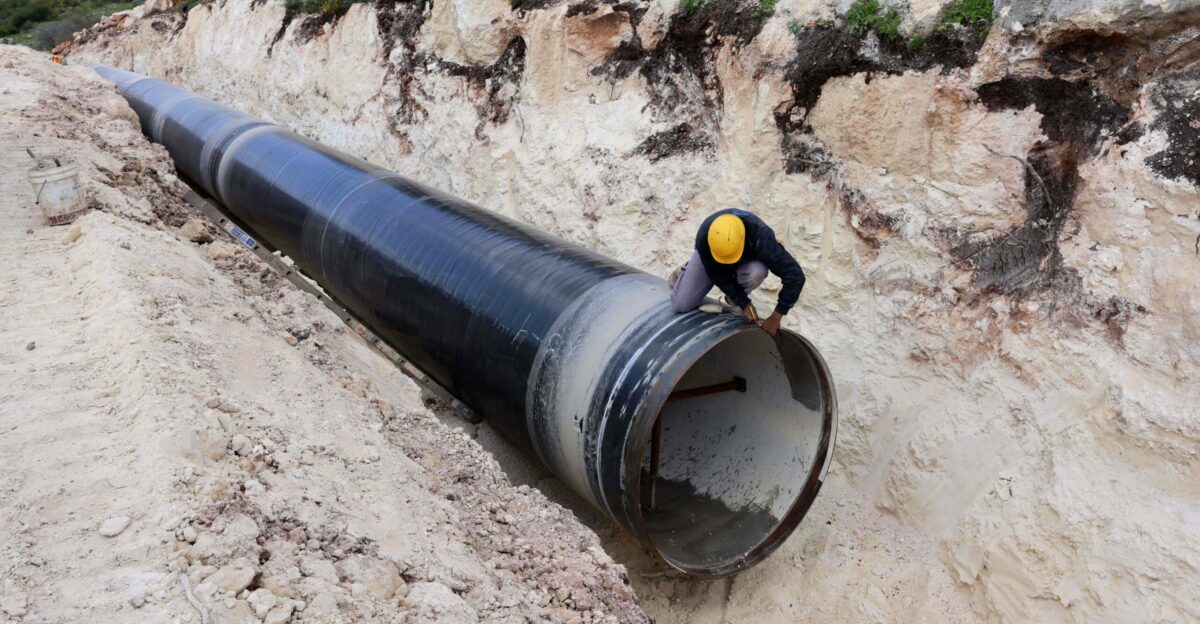
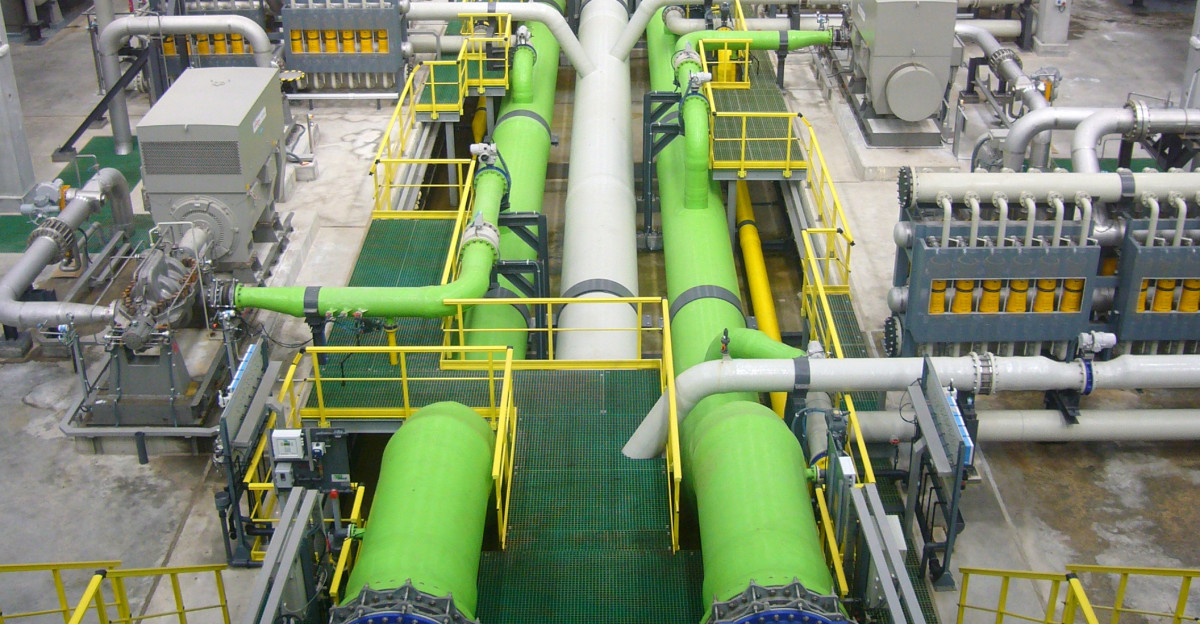
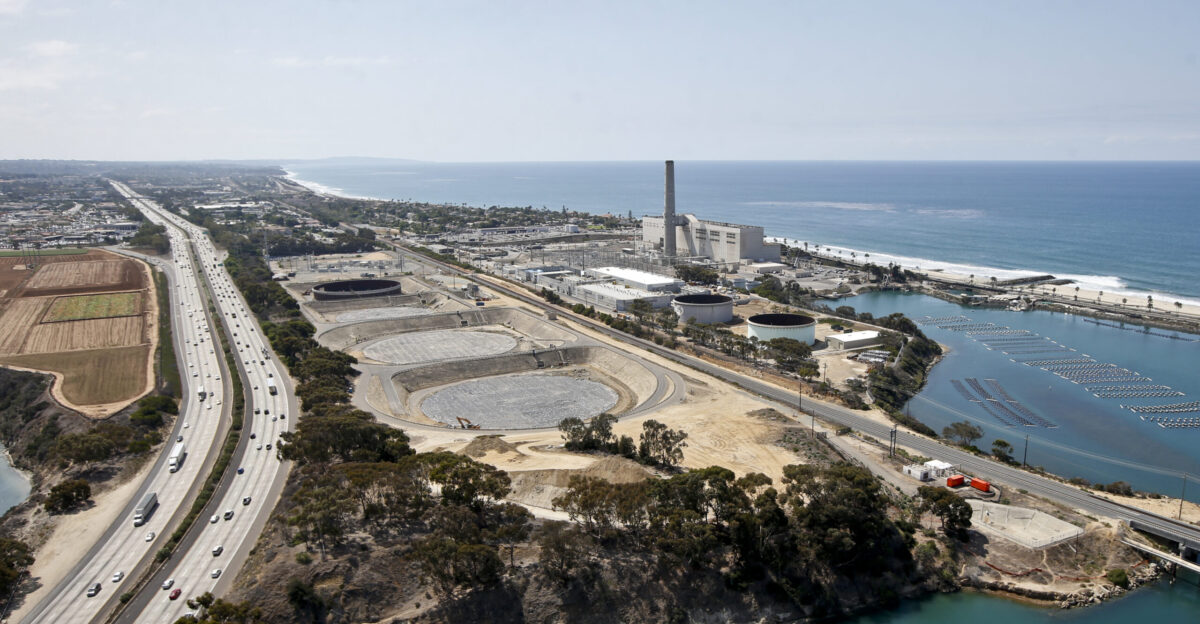
Israel’s desalination infrastructure makes this unprecedented intervention possible. Talhami explained that five major Mediterranean plants produce 600 million cubic meters of water annually, with plans to expand to 900 million cubic meters within a few years. Without this technology, the lake’s collapse would be imminent.
Decades of scarcity-driven innovation uniquely positioned Israel to attempt a freshwater rescue of continental scale, combining engineering skill, long-term planning, and resource prioritization in a way few nations could replicate.
Communities Living in Uncertainty
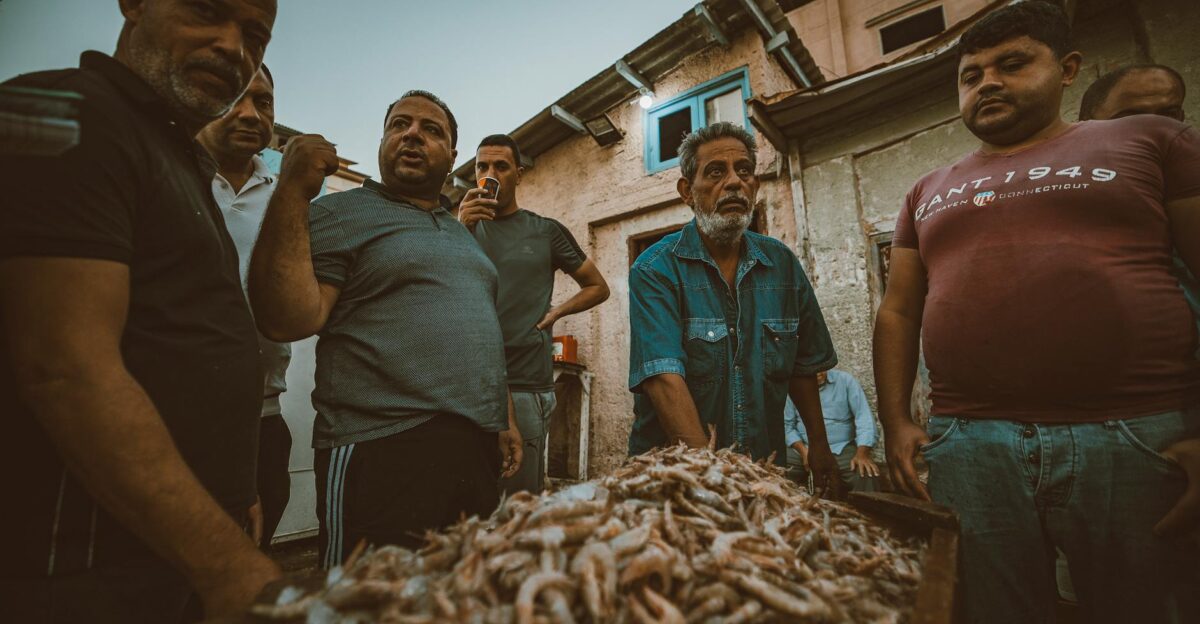
Farmers around the Galilee now face paralyzing uncertainty. Water cuts devastated crops, and Idan Greenbaum, chair of the Kinneret Cities Association, warned that the southern Jordan River may require dam reconstruction to maintain flow.
Local populations must wait for answers that science and infrastructure may not yet be able to provide. Their daily lives hinge on a lake they cannot control, forcing entire communities to live alongside engineers and hydrologists in a suspense that blends ecology, economy, and survival.
The Rescue That Cannot Rest
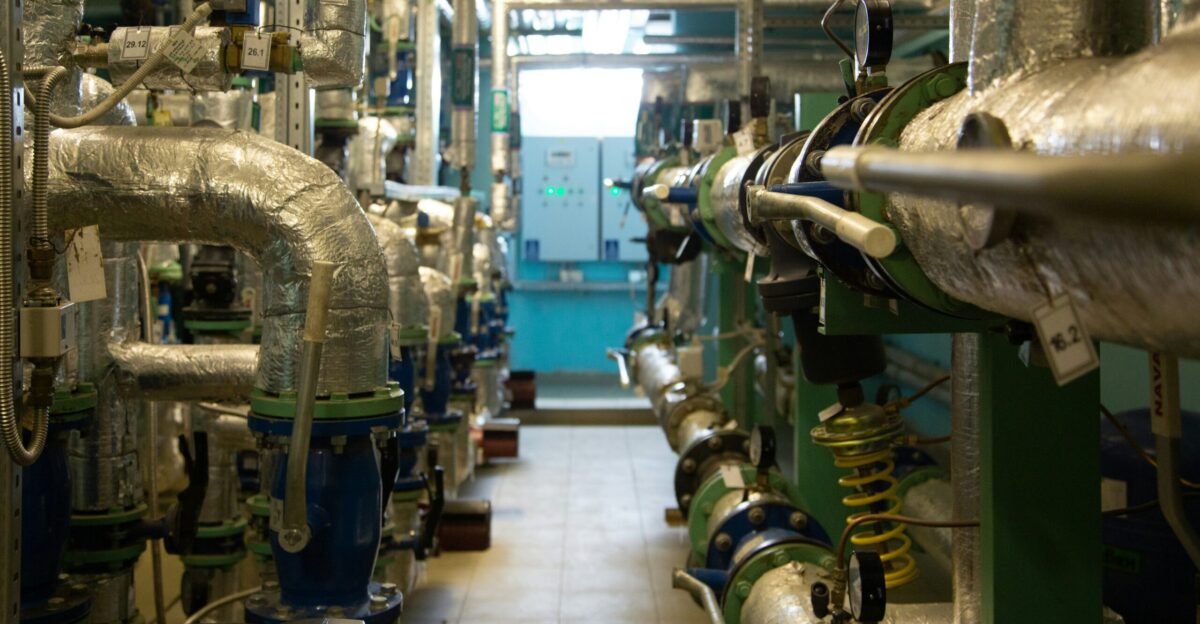
Pumping stations and pipelines operate 24/7. Talhami said operators work through holidays, heatwaves, and emergencies to maintain the inflow. Any disruption risks accelerating the lake’s decline. Energy and personnel are under constant pressure, and the rescue depends on their vigilance.
The operation has become a living mission, combining technology, human endurance, and risk management, each day a tightrope walk against a drought that refuses to relent.
Hope Wrapped in Forecasts
Meteorologists project winter rainfall at around 80 percent of the long-term average, which is better than last year but still below ideal recovery levels, Talhami said. Even with favorable weather, desalination remains essential. A shortfall would lead to permanent dependence on artificial inflows, thereby reshaping Israel’s water policy and the lake’s ecology.
The Sea of Galilee now lives in uncertainty, with forecasts offering cautious hope while every droplet and inch matters in the battle for survival.
The Price of Protecting History

The reversed pipeline system and supporting infrastructure cost roughly 1 billion shekels, about $297 million, Talhami said. Money alone cannot guarantee success; it secures only the attempt. For Israel, the investment reflects the urgency of climate adaptation and the high stakes of preserving both history and water security.
Prevention has been prioritized over reactive rebuilding, a gamble that may define the nation’s approach to future droughts and offer lessons for the world.
The World Watches
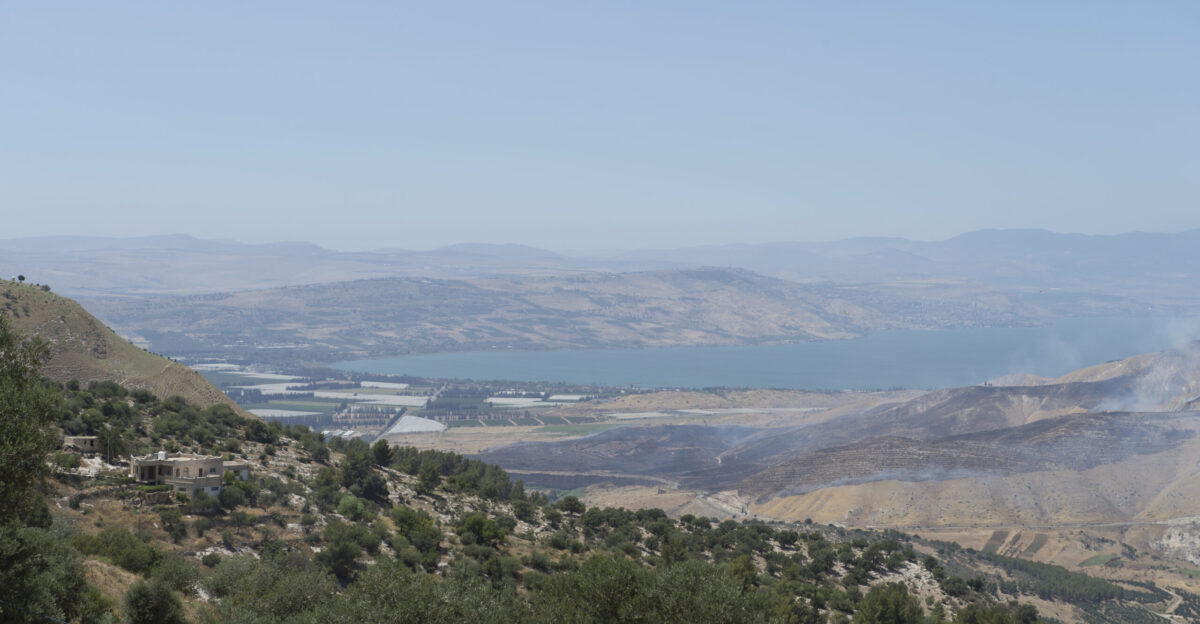
The Sea of Galilee now serves as a global experiment in freshwater preservation. According to Talhami, governments, scientists, and water managers worldwide closely monitor the intervention. Success would demonstrate that technology can safeguard natural lakes under climate stress. Failure would reveal the limits of engineering in extreme conditions.
This ancient lake, once a stage for miracles, now stands as a test case for humanity’s ability to confront environmental crisis with both ingenuity and urgency.