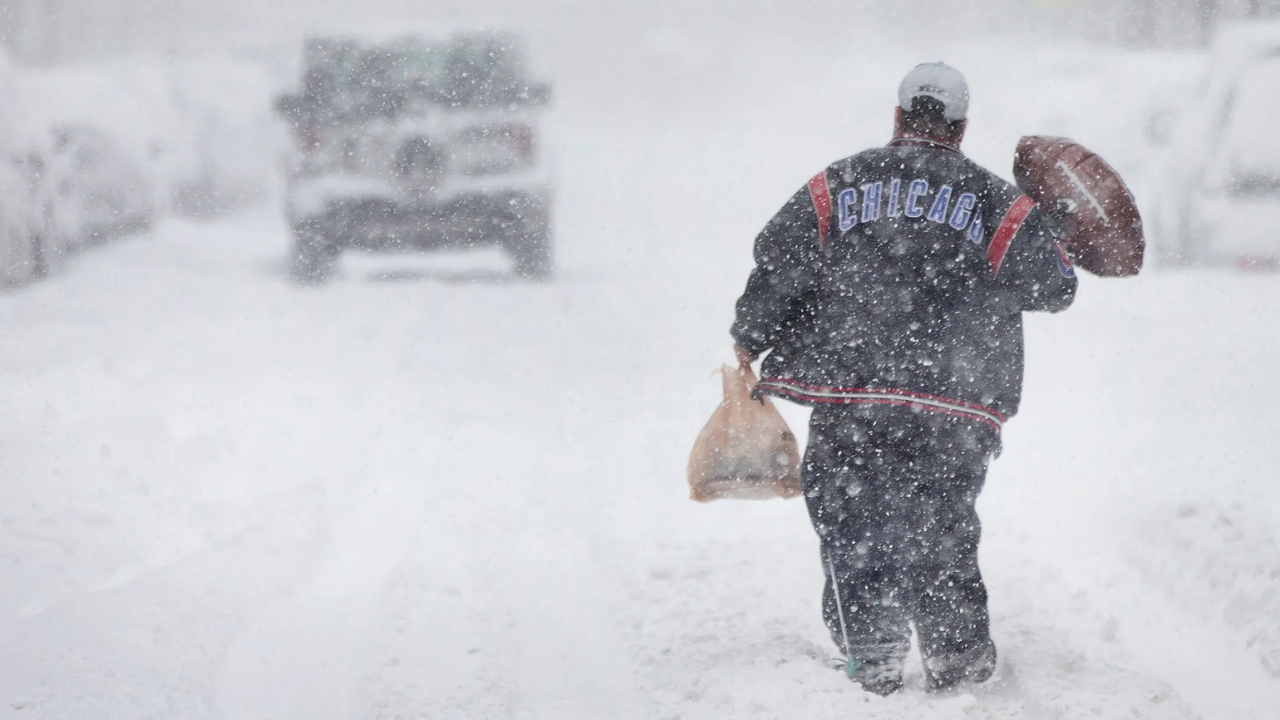
On November 29, 2025, Chicago’s O’Hare Airport set a new record by receiving 8.4 inches of snow, marking the snowiest November day in the city’s 150-year climate history. The intense blizzard, with snow accumulating at rates of up to 1 inch per hour, caused widespread havoc, leaving many holiday travelers stranded.
This event exposed not only the immediate consequences for aviation but also highlighted vulnerabilities in infrastructure and logistics. As businesses scrambled to adapt, the blizzard raised questions about broader climate trends and their implications. What began as a regional weather challenge illuminated the increasing volatility of our climate system.
Why the Midwest Got Hammered So Early
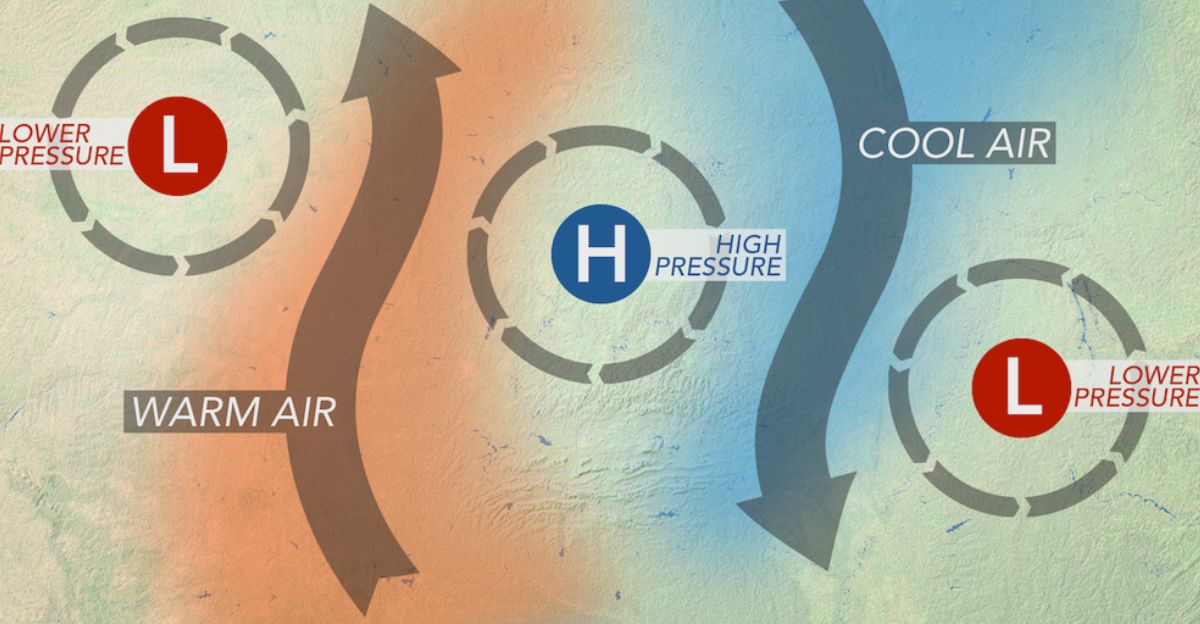
The sudden onset of this major winter storm can be attributed to a clash between a stationary high-pressure system and a deep low-pressure trough. This unusual meteorological phenomenon trapped Arctic air over the Great Lakes, leading to higher-than-normal snowfall for November, an occurrence not seen since 1942.
Experts suggest that the rise in warmer ocean temperatures and weakened jet streams has created ideal conditions for the development of such explosive storms. Meteorologists caution that these early mega-storms could indicate a fundamental shift in seasonal weather patterns, which may become more frequent as climate change progresses.
Travelers Left Stranded: The Human Cost
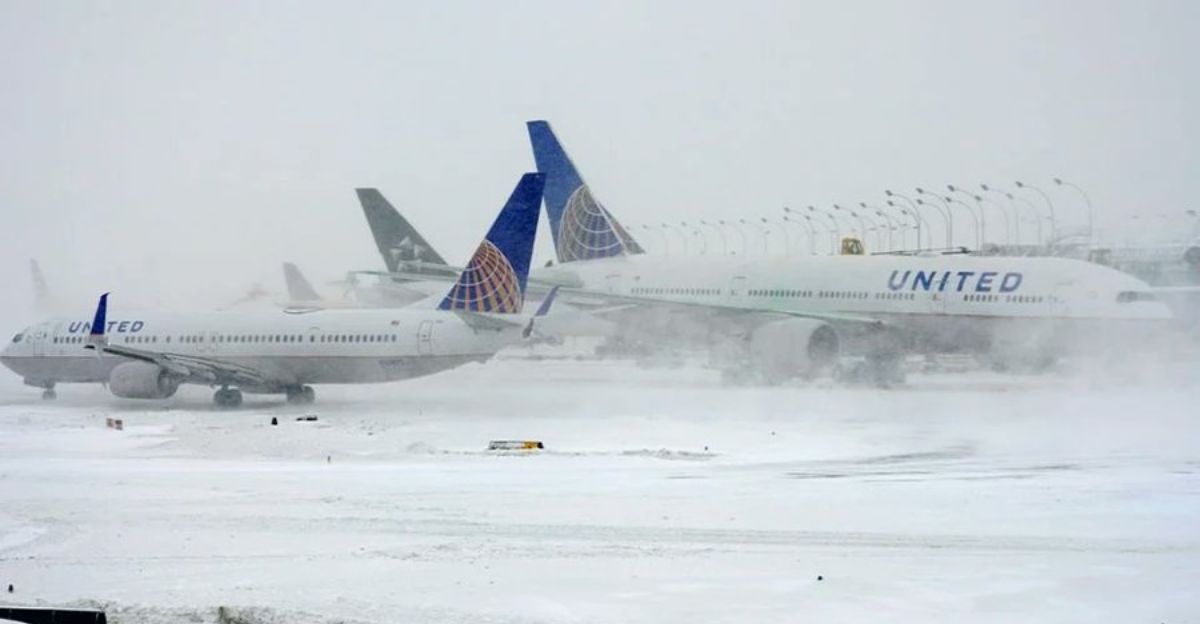
The storm wreaked havoc on air travel, with more than 1,400 flights grounded at O’Hare and Midway airports on November 29 alone. An estimated 100,000 to 150,000 travelers experienced delays averaging over five hours. Families hoping to reunite for the holidays faced heartbreaking cancellations, while business travelers lost critical time.
One frustrated passenger recounted, “I was supposed to be home by dinner. I didn’t leave the airport until midnight.” Airlines waived rebooking fees, but the logistical chaos that followed the storm remained largely unmanageable, underscoring the human toll of extreme weather events.
Airlines and Hotels Mobilize Emergency Response

In response to the overwhelming disruption, major airlines such as United and American prioritized managing the backlog by rerouting flights and extending crew duty waivers. Local hotels near O’Hare and Midway quickly activated emergency protocols, offering discounted rates to accommodate passengers stranded by the closures.
However, rideshare companies capitalized on the situation, increasing prices by up to eight times the normal rate, leading to consumer discontent. Combined, the airlines reported losses exceeding $50 million due to cancellations and delays, an impact that could resonate well into the following months as travel logistics remained compromised.
Retail and E-Commerce Scramble
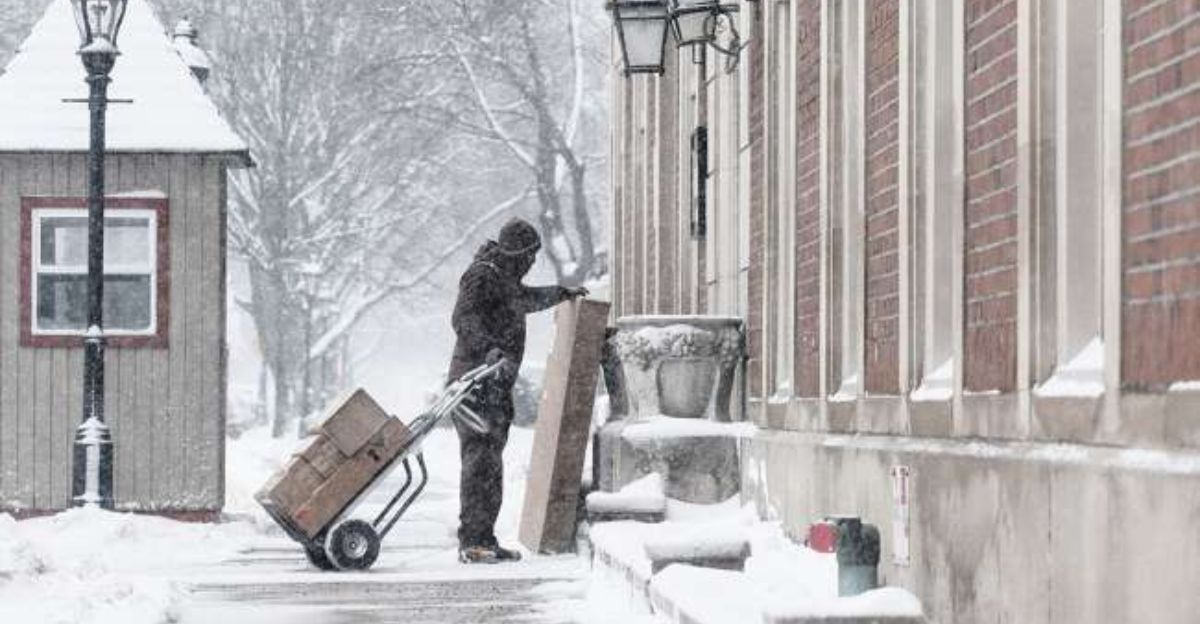
As the storm unfolded, Chicago-area retailers reported significant declines in foot traffic, with indications of drops of 25% to 40% due to shoppers opting to stay home instead of venturing out for Black Friday or Cyber Monday sales. Compounding these issues, Amazon and FedEx announced delays in same-day delivery services across the Midwest.
Additionally, shipping costs surged by 12% to 18% as routes were redirected around affected hubs. These developments put pressure on online retailers, particularly in last-mile logistics, while forcing them to reconsider investments in regional fulfillment centers to offset such disruptions.
Supply Chain Bottlenecks Ripple Nationally
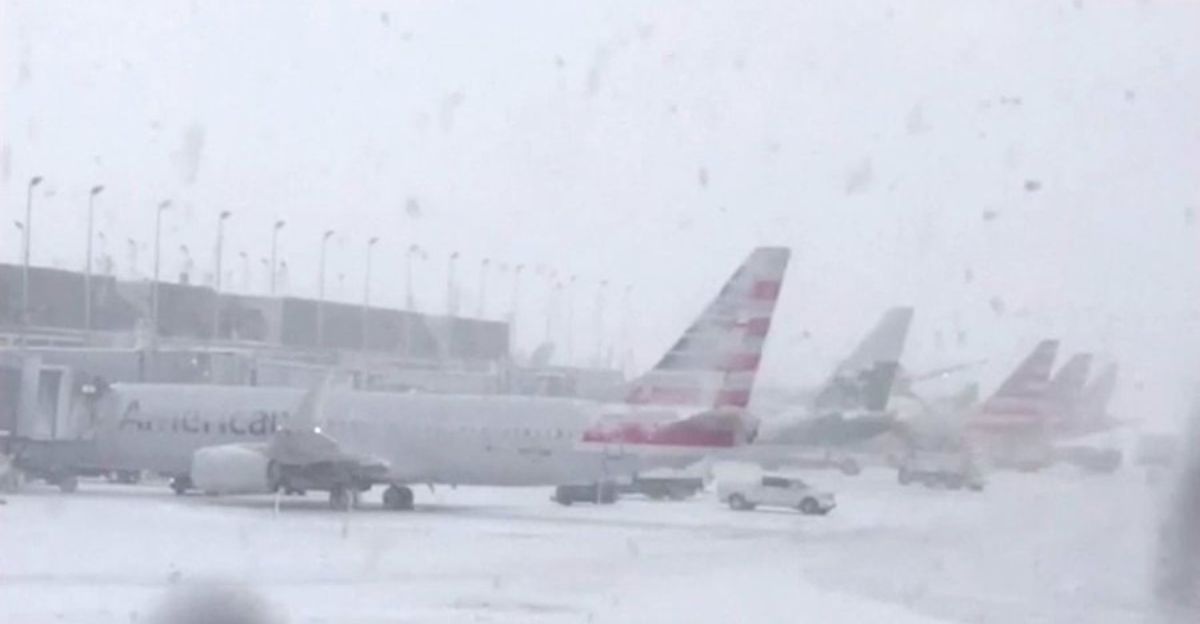
O’Hare Airport, a vital third-busiest cargo hub in North America, experienced a 48-hour stoppage in freight operations due to the blizzard. This interruption left essential shipments stranded, including automotive parts bound for Detroit’s automotive assembly plants and pharmaceutical deliveries intended for hospital chains.
As a result, the ripple effect of these delays extended across multiple U.S. manufacturing hubs and prompted concerns regarding December production schedules within industries such as automotive. Economists are already flagging potential GDP slowdowns for the fourth quarter, particularly if logistics obstacles persist beyond a week.
Farmers and Agricultural Workers Face Winter Pivot
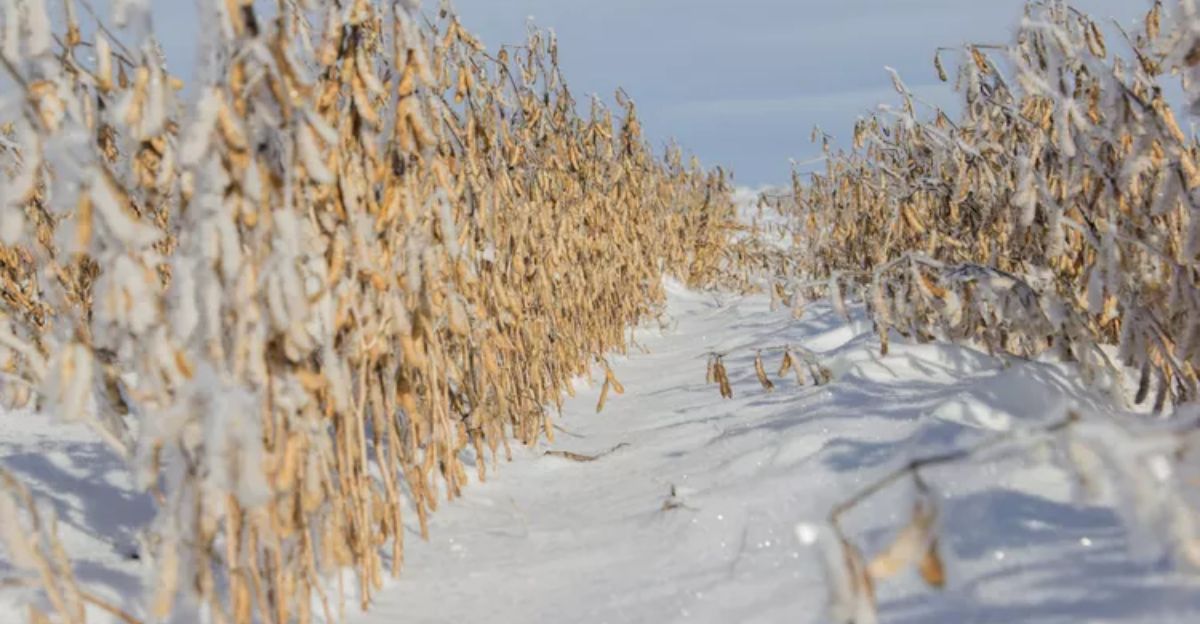
The storm also created turmoil for farmers and agricultural workers in Illinois and Iowa, halting critical harvest operations. Grain elevators in the Chicago area struggled to load trains, exacerbating an industry already under stress.
Commodity prices for corn and soybeans rose by 1.2% as market players reacted to the uncertainty created by the weather event. Farmers without the option for paid leave lost valuable working weeks, and one grain elevator operator highlighted the $2 million in delayed exports that resulted from the storm. Experts warn that such early-season storms threaten harvest schedules and increase production costs.
Chicago Mayor and Illinois Governor Declare Snow Response
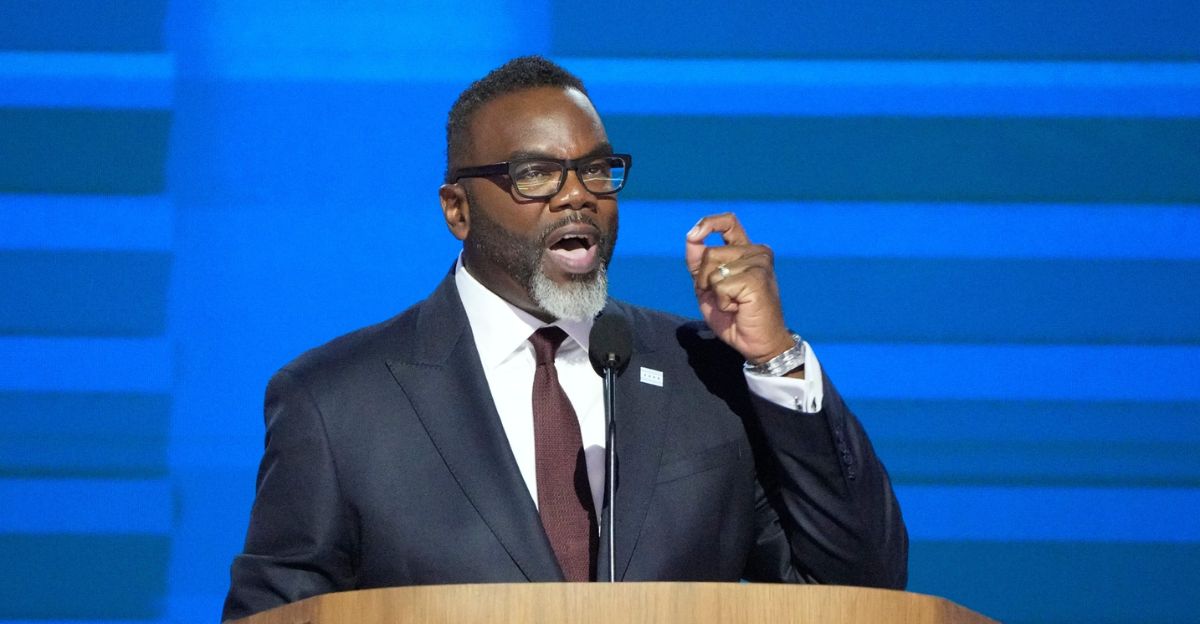
In response to the drastic conditions, Chicago Mayor Brandon Johnson deployed over 225 snow removal personnel across the city’s extensive 9,400 lane miles of roadways. Simultaneously, Illinois Governor J.B. Pritzker issued a disaster proclamation, granting access to emergency funds and National Guard logistical support.
By noon of the storm’s peak day, Illinois State Police reported their response to 191 crashes and motorist assists. Officials predict that the costs associated with the emergency response could reach between $5 million and $8 million, prompting a commitment to review and enhance winter preparedness for future seasons.
Rising Emergency Response Costs
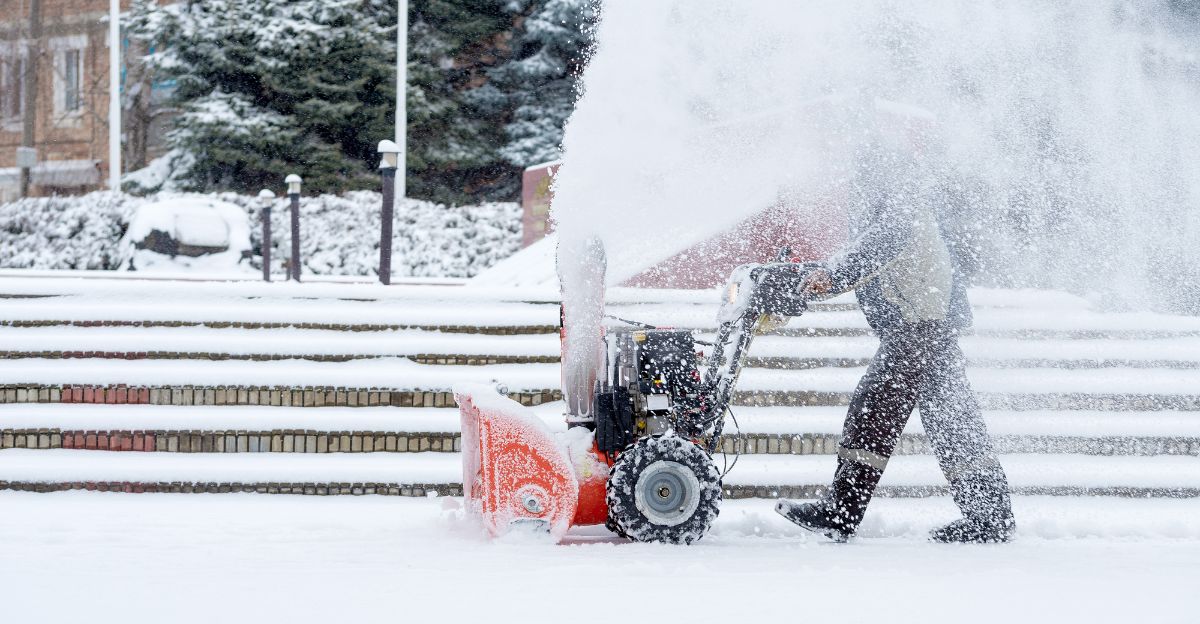
With response efforts directly linked to the chaos brought on by the blizzard, the emergency allocation for snow removal and logistical support represents a significant financial burden for local budgets. The expected costs range from $5 to $8 million, encompassing overtime pay, equipment use, and the procurement of salt reserves necessary for road treatment.
As municipal and state governments grapple with this unexpected expense, they are prompted to reevaluate their current fiscal frameworks. Officials require a comprehensive evaluation of past winter weather readiness to better manage potential future events.
Socioeconomic Implications and Adjustments
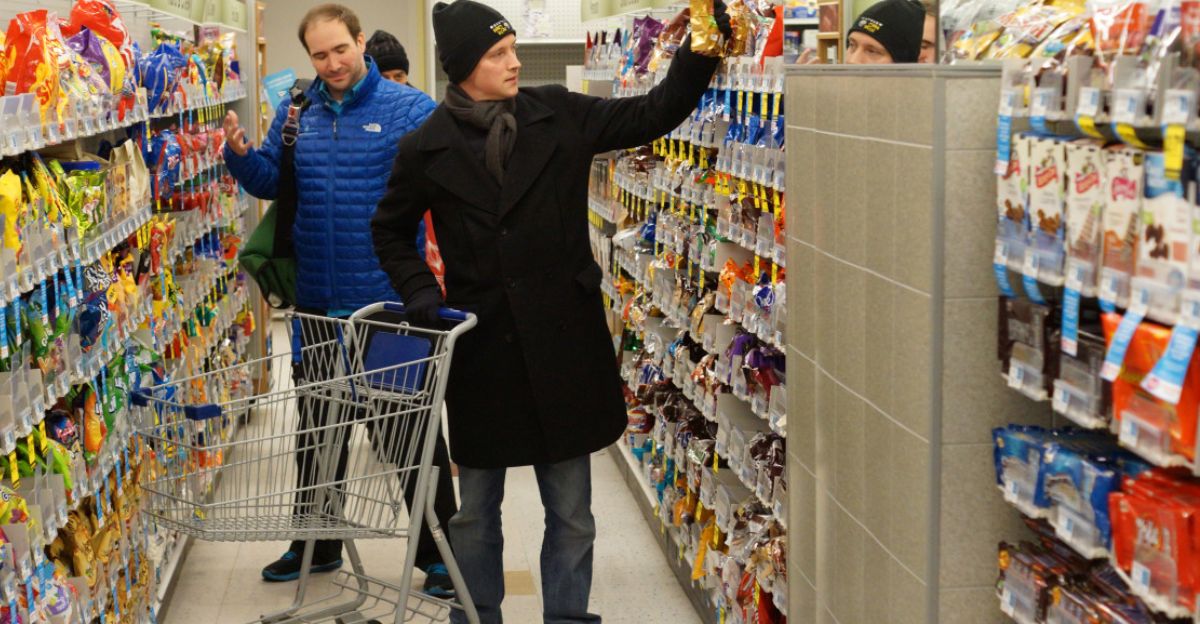
The impact of the early-season blizzard is likely to have far-reaching socioeconomic implications, not just in Chicago but across broader markets along supply chains. Local consumers are adjusting their shopping behaviors in response to the increasing unpredictability of severe weather, while airline policies and transportation strategies are under scrutiny.
Amid rising insurance claims and travel disruptions, private industries are reassessing their risk management frameworks. The event serves as a clarion call for investment in infrastructure capable of resisting climate volatility, emphasizing the need for adaptive strategies to cope with such severe weather patterns moving forward.
Community Response and Resilience
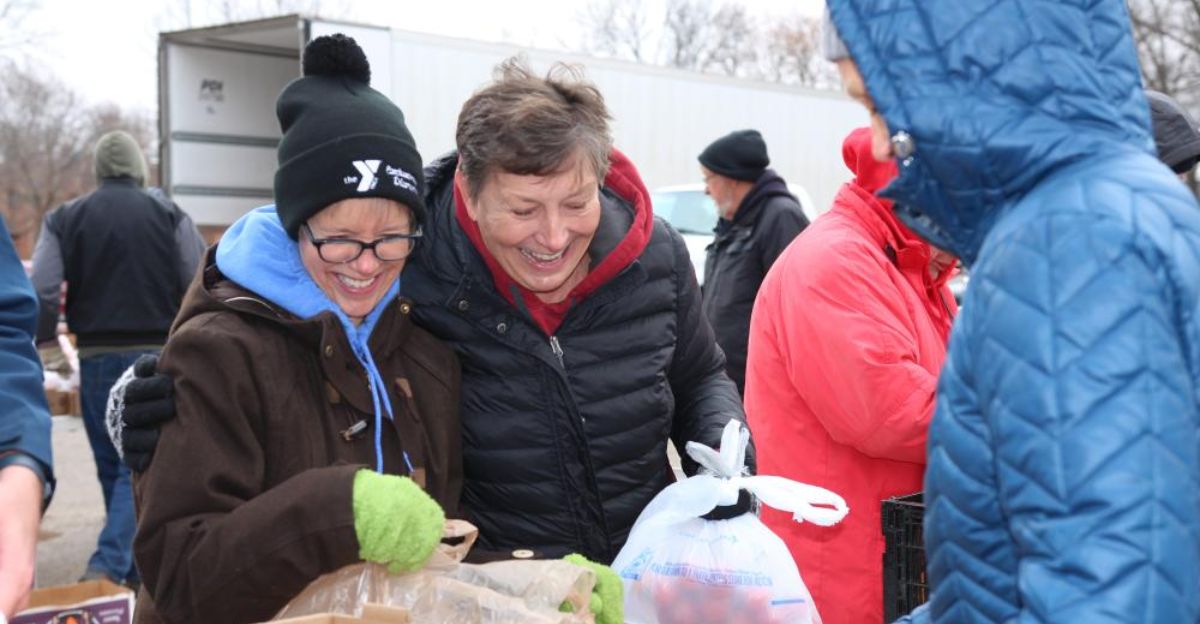
The storm has also spurred community support efforts, with local organizations mobilizing resources to assist those affected by travel disruptions. Chicagoans, recognized for their resilience, are coming together to provide help to those stranded at airports and in neighborhoods.
Mutual aid networks have emerged, distributing food and supplies to those in need. This sense of solidarity amidst adversity highlights the community’s strong fabric as residents strive to mitigate the storm’s aftermath. As agencies and nonprofits respond, the emphasis on compassion and collaboration underscores the city’s spirit and togetherness.
Long-term Climate Outlook
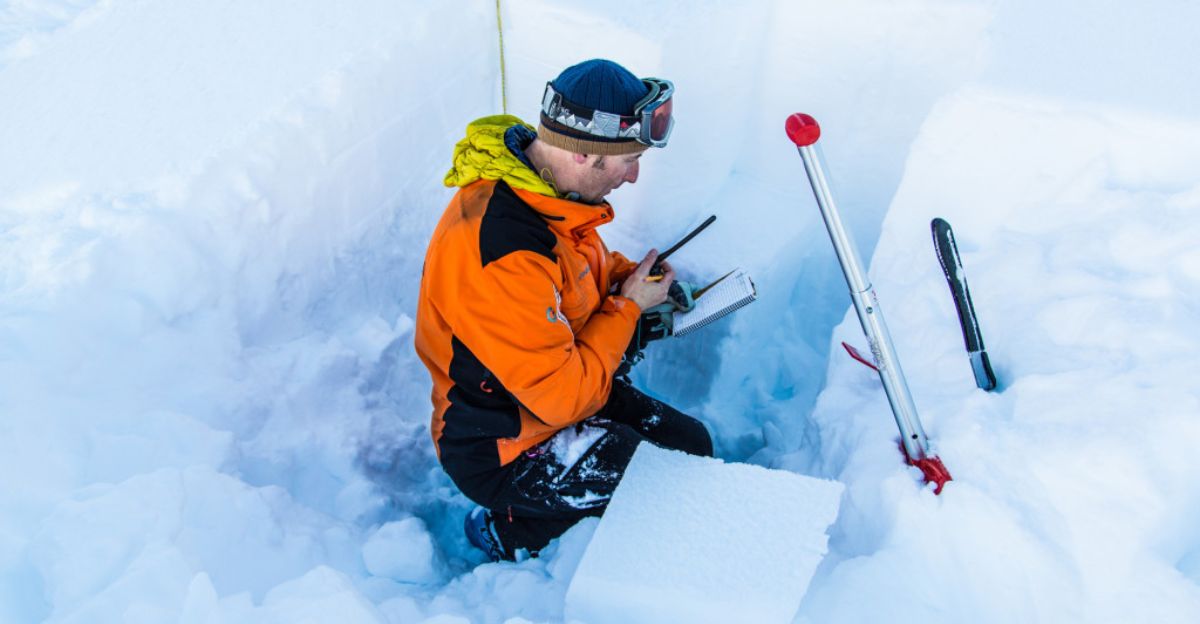
Climate experts are increasingly urging stakeholders in public and private sectors to develop comprehensive strategies to address persistent challenges posed by volatile weather. The November storm in Chicago signals a need for immediate investment in climate resilience infrastructure. Comprehensive plans must accommodate potential shifts in seasonal patterns, strengthen supply chains, and mitigate economic impact.
This includes revisiting construction standards, enhancing emergency response capabilities, and fostering community preparedness initiatives. Policymakers must focus on long-term strategies to adapt to changing climates if Chicago is to sustain its economic and social vibrancy in the years ahead.
The Role of Technology in Future Strategies
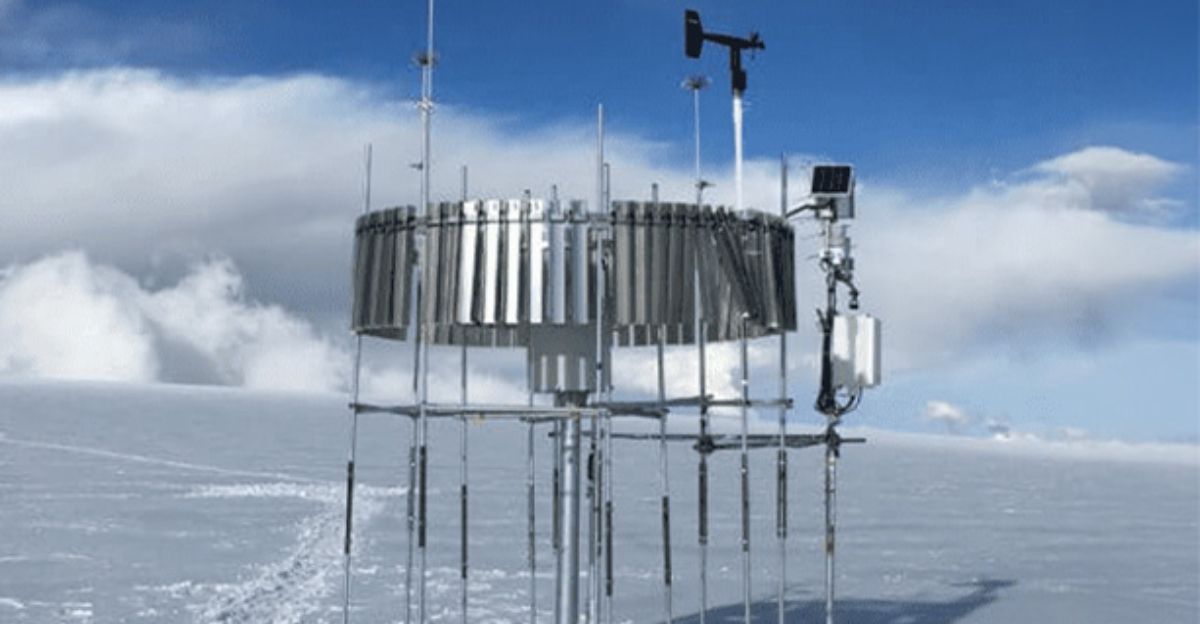
Technological innovation holds promise in enhancing resilience against future snowstorms. From predictive analytics to assist in travel and logistics planning to advanced weather forecasting and real-time monitoring systems, businesses can leverage technology to minimize disruptions. Investment in climate-resilient infrastructure also presents opportunities for green technology firms poised to assist in adaptation efforts.
Collaboration among tech companies, municipalities, and environmental organizations can drive initiatives aimed at enhancing community resilience. As cities like Chicago anticipate more uncertain weather patterns, the integration of technology into strategic planning will be crucial.
A Shift in Consumer Expectations
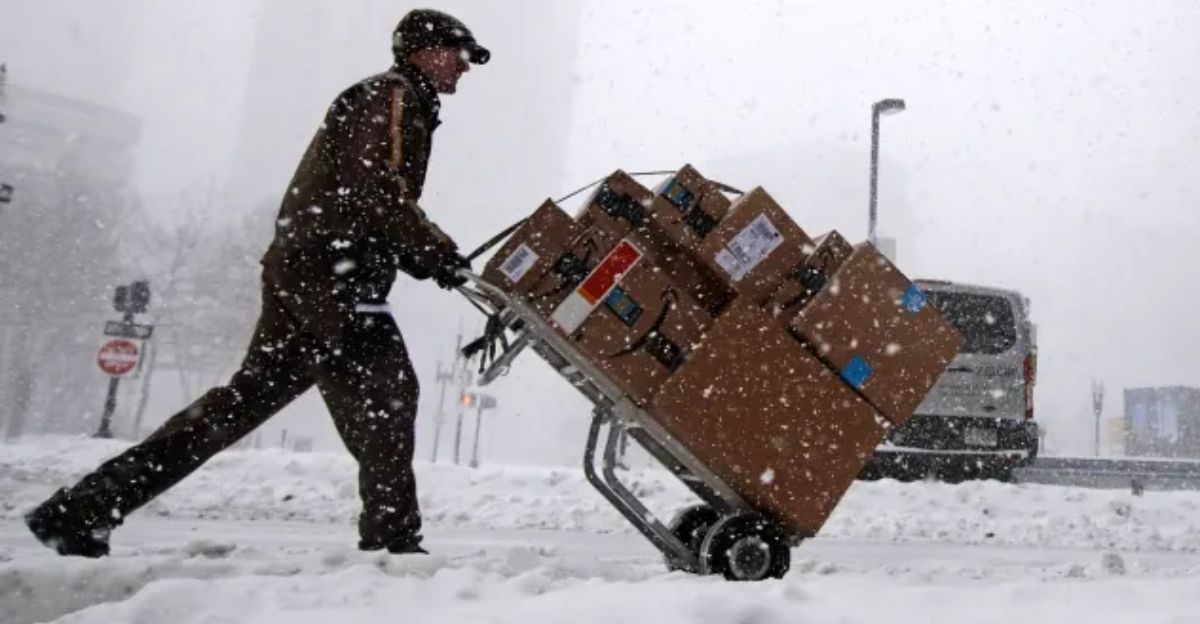
In light of heightened climate volatility, consumers are adapting to changing expectations regarding product availability, delivery timelines, and emergency preparedness. Retailers and service providers must cultivate transparency and resilience in communication with their customers, acknowledging the potential for delays and disruptions.
Building trust through robust contingency planning and proactive engagement will be critical in maintaining customer loyalty. As companies react to this evolving consumer landscape, the experience of the November storm presents a key lesson in understanding how severe weather can shape market dynamics in the future.
Preparedness for the New Normal
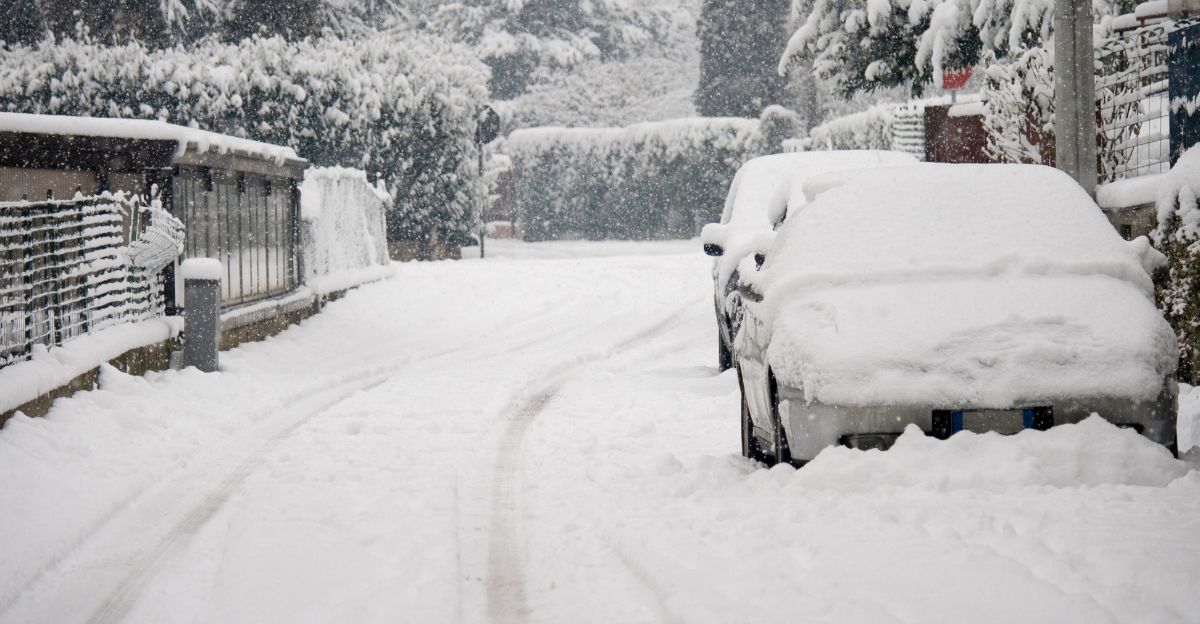
The November 2025 blizzard in Chicago stands as a stark reminder of the changing climate and its implications for everyday life. As regions face unpredictable weather events, preparedness becomes a collective responsibility shared across communities, businesses, and government entities.
From investing in infrastructure to developing adaptive strategies for travel and logistics, everyone plays a role in fostering resilience. Embracing this new normal requires open dialogue and significant action, ensuring that as the climate increasingly impacts our lives, we harness knowledge and innovation to create safer, more sustainable communities.
Sources
National Weather Service Chicago – November 28–30, 2025 Winter Storm Event Summary and Public Information Statements
ABC News – More than 1,400 flights canceled as winter storm hits Midwest’s Chicago
Chicago Tribune – O’Hare, Midway face massive delays; travelers stranded and Emergency response costs estimated $5–8M
Reuters Supply Chain Desk – O’Hare Cargo Hub Experiences 48-Hour Pause
General Motors Investor Update – Q4 Production Schedule Adjustments
Illinois Governor J.B. Pritzker – Disaster Proclamation Statement
National Academy of Sciences – Climate Volatility and Infrastructure Resilience Report, 2025