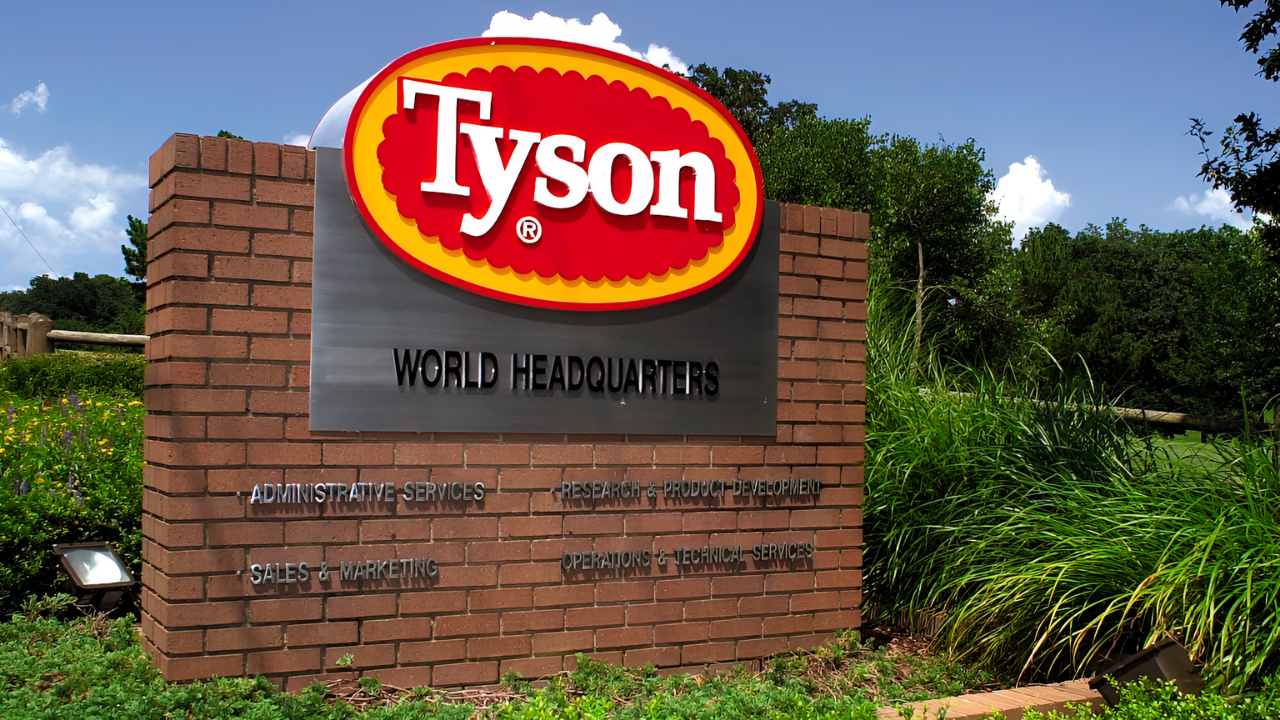
Tyson Foods is permanently closing its beef plant in Lexington, Nebraska in January 2026, cutting about 3,200 jobs and reshaping both the company and the small town built around the facility.
Why Tyson Is Closing the Plant
Tyson is shutting the Lexington beef plant because the company is losing money on beef and there are not enough cattle to keep all its plants busy. The U.S. cattle herd has fallen to its lowest level in roughly 75 years, which means processors must pay very high prices to buy animals. These higher costs have pushed Tyson’s beef division into large losses, including hundreds of millions of dollars in recent years, even though this division used to be a major profit source.
To cut its losses, Tyson is not only closing the Lexington facility but also reducing operations at its Amarillo, Texas plant to a single shift, which cuts another 1,700 jobs. Together, the two actions remove nearly 5,000 jobs and a significant share of Tyson’s beef processing capacity. Investors have generally supported these moves because they see them as a way to run the remaining plants more efficiently and reduce costs.
The Cattle Shortage Behind the Crisis
The deeper problem is a national shortage of cattle, caused mainly by years of drought in key ranching regions. Dry weather has damaged pastures and raised feed costs, pushing many ranchers to sell off animals earlier than planned just to survive financially. As herds shrink, meat companies must compete for fewer animals, driving purchase prices to record highs and squeezing profit margins at packing plants like Tyson’s.
Rebuilding the cattle herd takes several years because ranchers need to keep more female cattle for breeding instead of sending them to slaughter. Experts expect that cattle numbers will not recover in a meaningful way until at least the late 2020s, so the pressure on processors is not likely to end quickly. In this environment, Tyson and other large meat companies feel they must close or scale back older or less efficient plants to match the smaller supply of animals.
What the Closure Means for Lexington
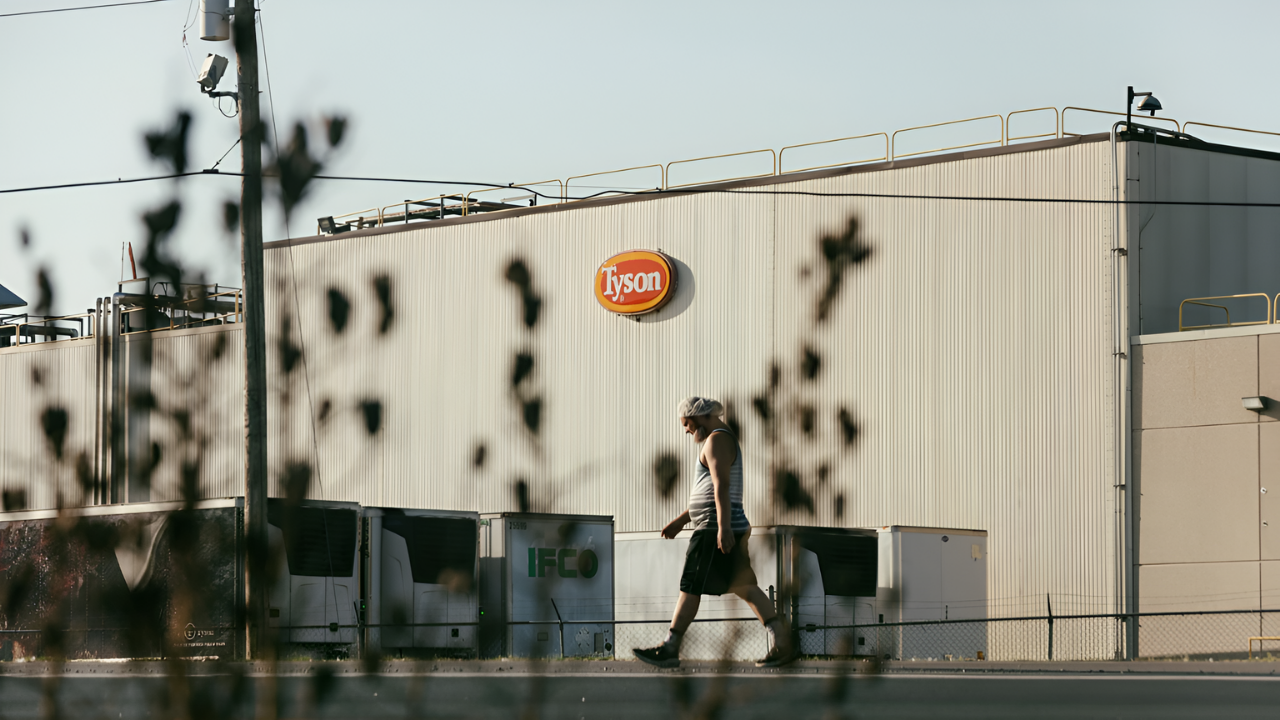
For Lexington, a town of around 10–11,000 people, losing a plant that employs about 3,200 workers is an economic shock. Roughly one-third of local residents work at the plant, and many other businesses, from grocery stores to car dealers, depend on the wages earned there. Local officials have described the closure as a devastating blow because the facility functions as the town’s main economic engine.
Over the past three decades, the plant attracted thousands of immigrant workers, helping the town grow and become much more diverse, with a large Hispanic population. Many families moved to Lexington for steady, unionized jobs and built their lives around the plant, so the shutdown now puts their housing, businesses, and community ties at risk. The school district could also be hit hard, as leaders fear that a large share of the roughly 3,000 students may leave if their parents relocate for new work, which would cut school funding and could lead to program or school closures.
Effects on Shoppers and the Road Ahead
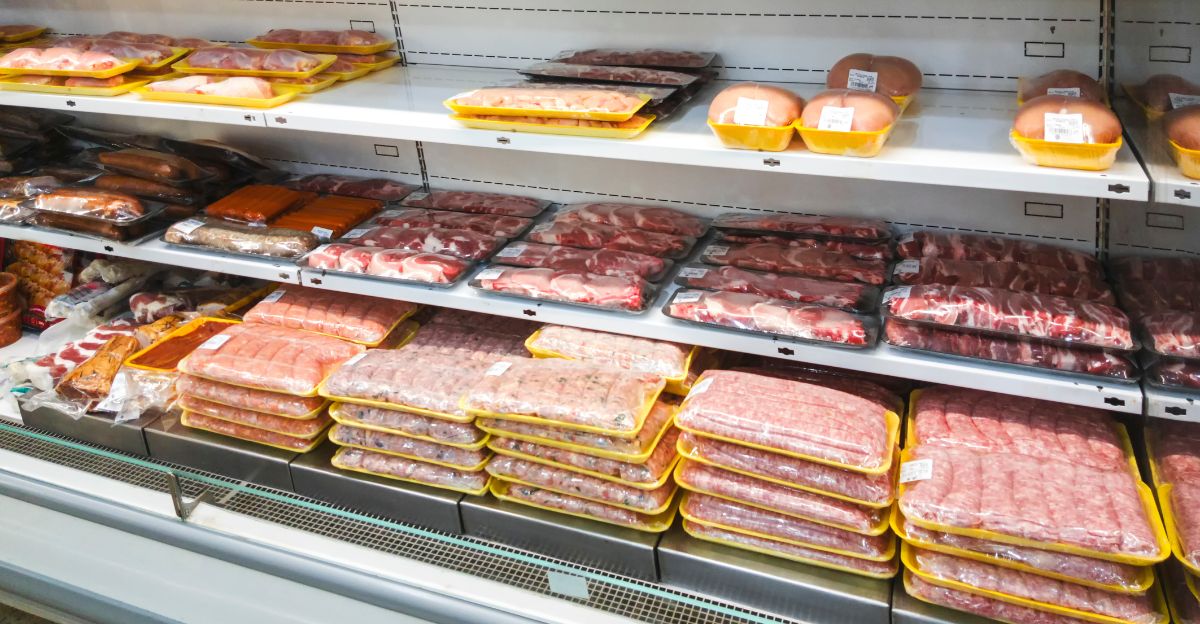
Consumers are already seeing the impact of the cattle shortage in the form of very high beef prices at the store. Ground beef and steak prices have climbed sharply, and Americans have been spending tens of billions of dollars a year on fresh beef, even as inflation strains household budgets. Demand has stayed relatively strong, but the extra revenue from higher prices has not been enough to offset Tyson’s soaring cattle costs and keep the Lexington plant open.
As the January 2026 closure date approaches, thousands of Tyson workers in Lexington must decide whether to move to other company plants or stay and risk unemployment. Tyson has said it will hold job fairs and offer help with relocation, but moving often means uprooting families and leaving behind friends, schools, and local support networks. The company’s large financial losses in beef and the national cattle shortage have now turned into a long-term challenge for Lexington, reshaping the town’s economy and population for years to come.
Sources
Tyson Foods Fiscal 2025 Earnings Release
USDA National Agricultural Statistics Service
Nebraska Department of Labor
Bureau of Labor Statistics Consumer Price Index
AP/Reuters financial reporting