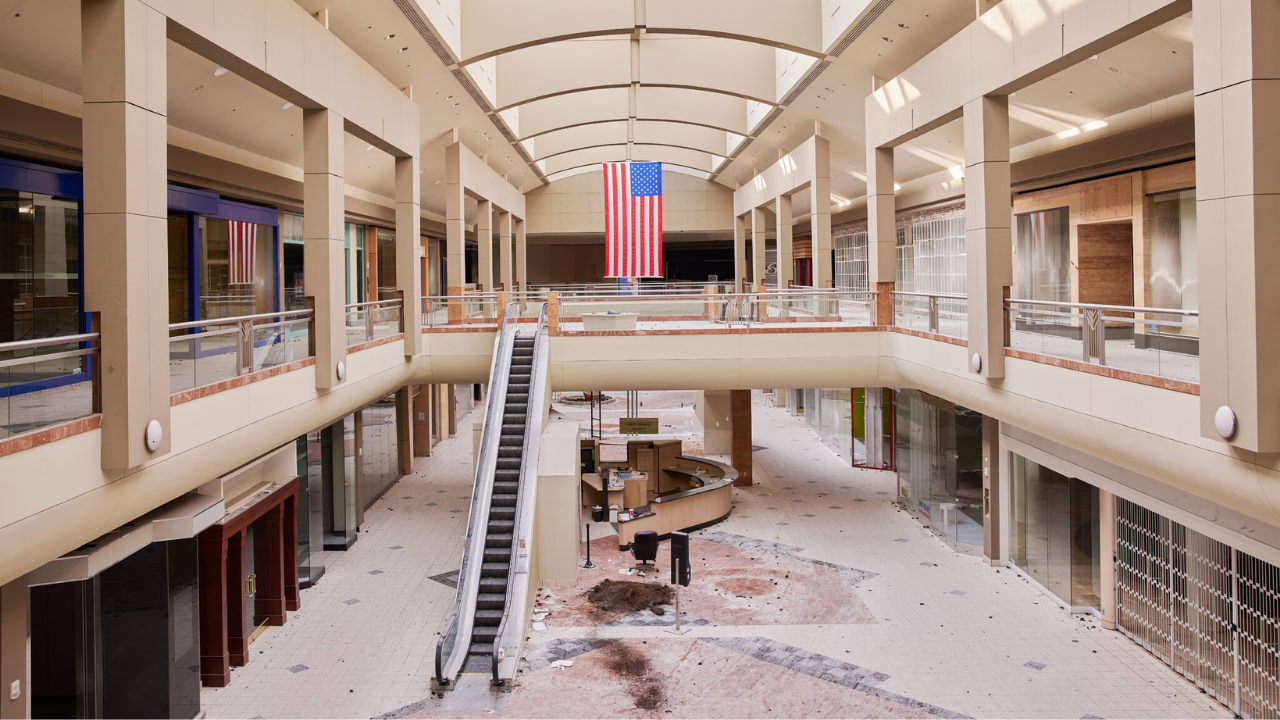
The final echoes of laughter and commerce faded from Westminster Mall on October 29, 2025, as the once-thriving Orange County landmark closed its doors after 51 years. For decades, the mall’s carousel and bustling corridors drew generations of shoppers, serving as both a retail powerhouse and a community gathering place. Now, the million-square-foot complex is set to be transformed into a mixed-use neighborhood, reflecting a profound shift in how Americans live, shop, and connect.
The End of an Era
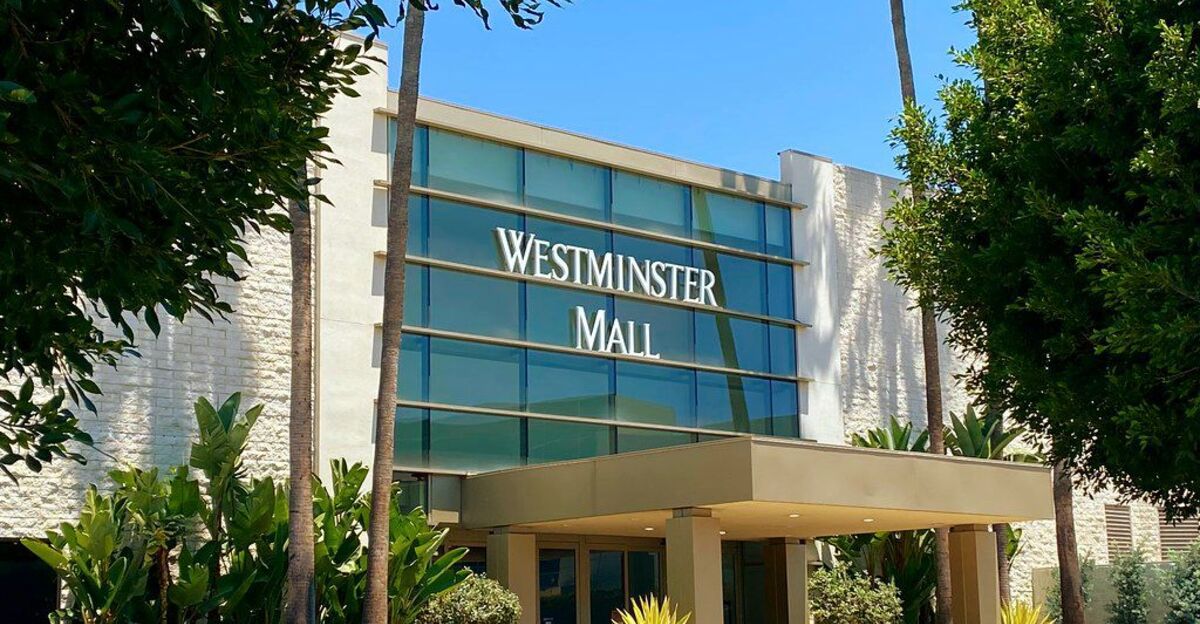
Westminster Mall’s closure is emblematic of a national trend: the decline of traditional shopping malls in the face of e-commerce and changing consumer habits. Once home to hundreds of stores and millions of annual visitors, the mall saw foot traffic dwindle as online shopping surged and preferences shifted toward open-air centers and local boutiques.
In 2022, the Westminster City Council approved a sweeping redevelopment plan for the 100-acre site, envisioning 3,000 new housing units, retail spaces, and expansive parks. The project is designed to meet housing needs and create a vibrant, sustainable future for Westminster.
Economic Upheaval and Local Impact
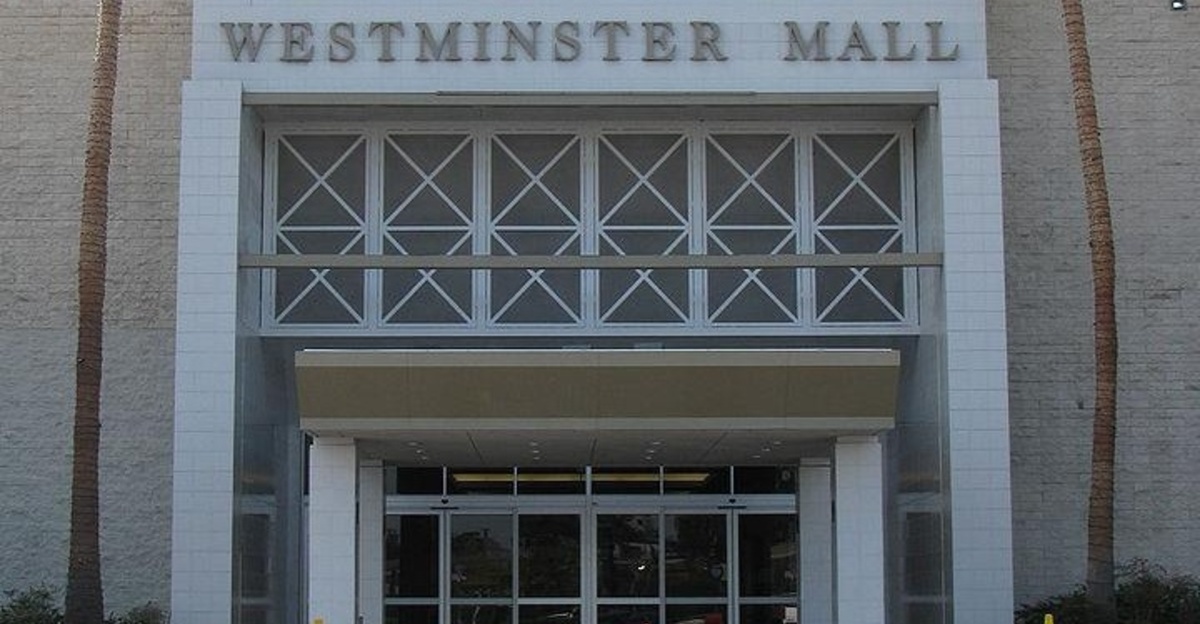
The mall’s closure has left workers facing uncertain futures. National chains like Victoria’s Secret, Vans, and Kay Jewelers shuttered their locations, while JCPenney announced plans to close in November 2025, affecting 76 employees.
Target remains open for now, but most employees must seek new opportunities as redevelopment begins. The loss of retail jobs underscores the broader economic disruption resulting from the shift to online shopping and the rise of mixed-use developments, a trend observed in communities nationwide.
Retailers Adapt to Survive
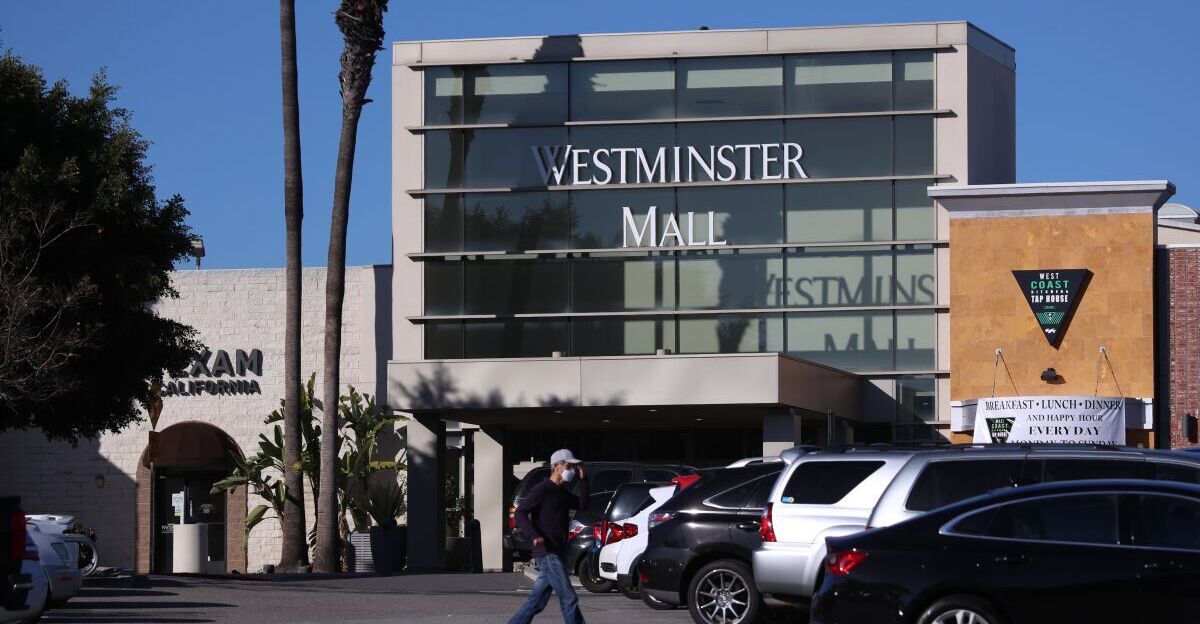
Retailers are responding to these changes by rethinking their strategies. Many brands are downsizing their physical footprints, focusing on smaller stores and investing heavily in e-commerce and delivery networks. The U.S. retail landscape is undergoing a fundamental transformation, as malls like Westminster are being replaced by flexible, community-oriented developments that blend shopping, dining, and living spaces.
Retailers that adapt by meeting customers online and in local neighborhoods are positioned to thrive. This pivot is not unique to Westminster; it mirrors a nationwide movement as traditional malls give way to hybrid spaces and experiential retail.
A New Model for Urban Life
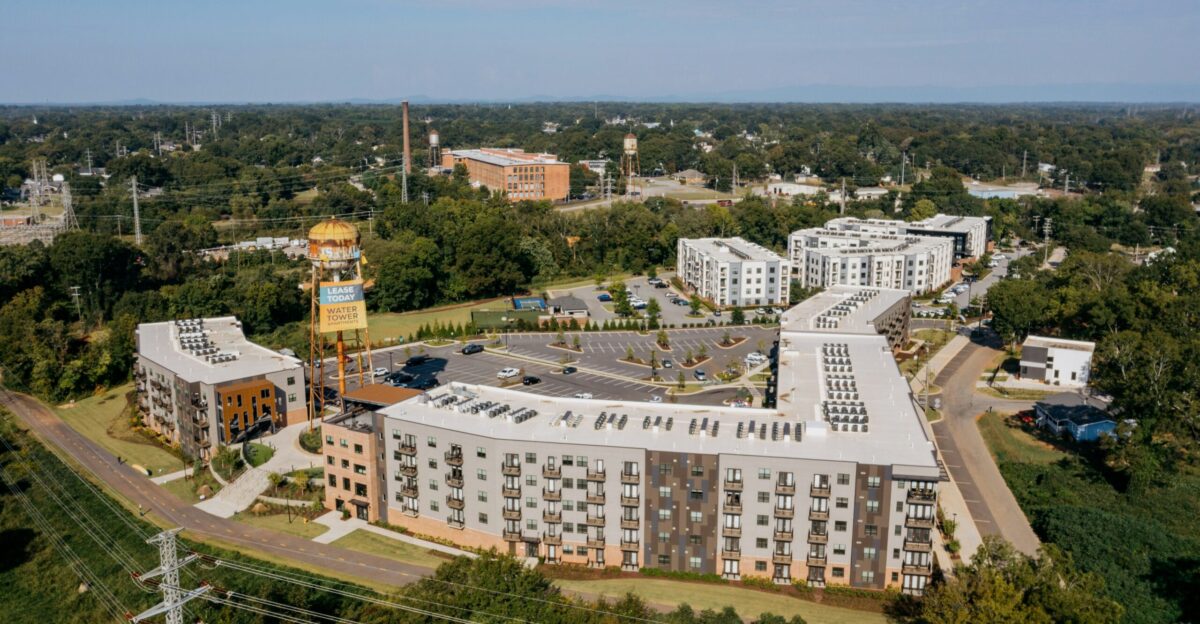
The redevelopment of Westminster Mall is part of a broader trend in California and beyond, where aging malls are being reimagined as walkable, mixed-use districts. These projects aim to foster a sense of local identity and convenience, blending homes, shops, and green spaces.
Communities are transitioning from single-purpose shopping centers to vibrant neighborhoods where people can live, work, and engage in a variety of activities. Similar transformations are underway in cities from San Diego to Atlanta, as communities seek to address housing shortages and revitalize underused commercial land.
Investing in Digital Platforms
Westminster’s story is echoed around the world, as global brands reduce their reliance on large physical stores and invest in digital platforms. Companies like Victoria’s Secret and Vans are closing locations internationally, focusing on direct-to-consumer sales and sustainability.
The mall’s closure has prompted an outpouring of nostalgia and reflection among local residents. Farewell events drew crowds who reminisced about childhood visits to the carousel and holiday displays. The sentiment is bittersweet, as residents understand the need for change as the city grows and adapts to new realities.
A New Era
As Westminster Mall makes way for a new era, its transformation highlights both the challenges and opportunities facing American communities. Developers and online retailers stand to benefit from increased housing and commerce, while displaced workers must navigate a rapidly changing job market.
The debate between preserving the past and embracing progress is playing out in cities nationwide. Westminster’s redevelopment offers a blueprint for blending economic revitalization with community needs, signaling a future where retail, housing, and public spaces are more closely intertwined. The stakes are high—not just for Westminster, but for the evolving identity of suburban America.