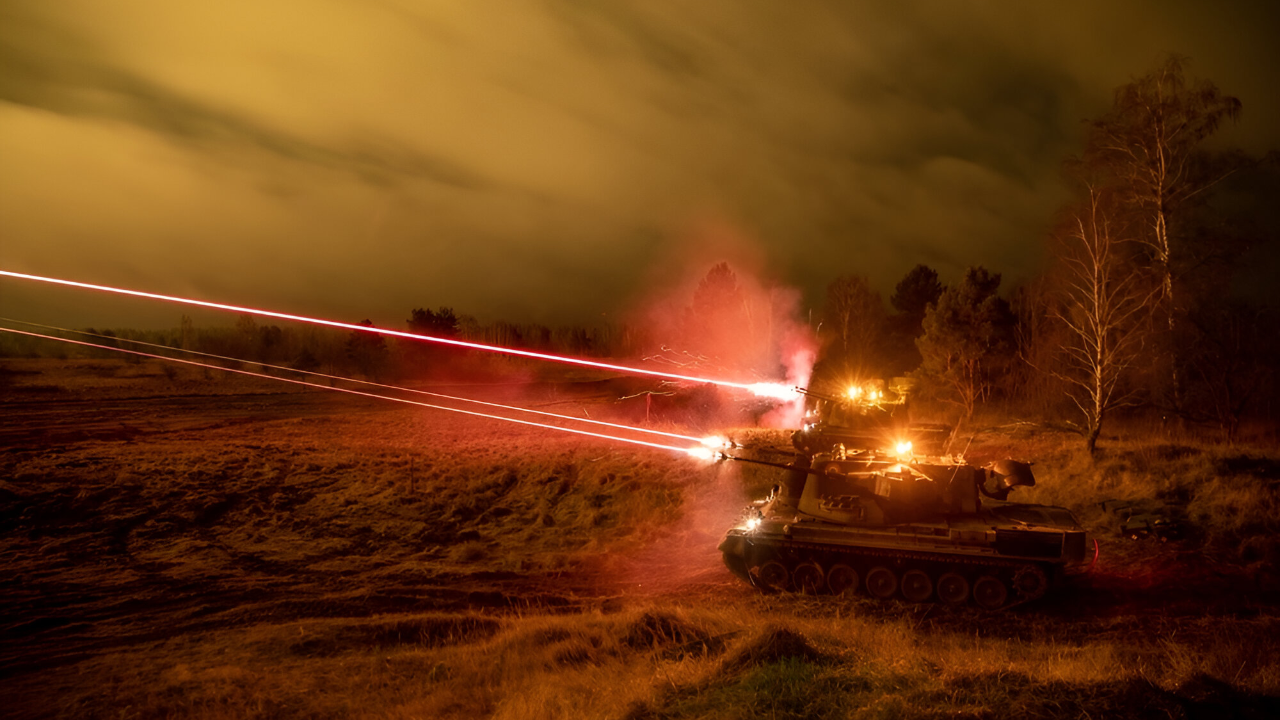
Ukraine has publicly revealed a domestically built laser weapon called Tryzub, which commanders say can shoot down hostile aircraft at altitudes exceeding 2 kilometers. Officials describe the system as a rare battlefield debut of a laser weapon and a symbol of Ukraine’s shift toward high-tech, cost-efficient air defense.
Announced in December 2024, the laser arrives as Russia intensifies drone attacks, highlighting Ukraine’s need to neutralize slow, low-flying threats without depleting expensive missile stockpiles.
Why Ukraine Turned to Directed Energy
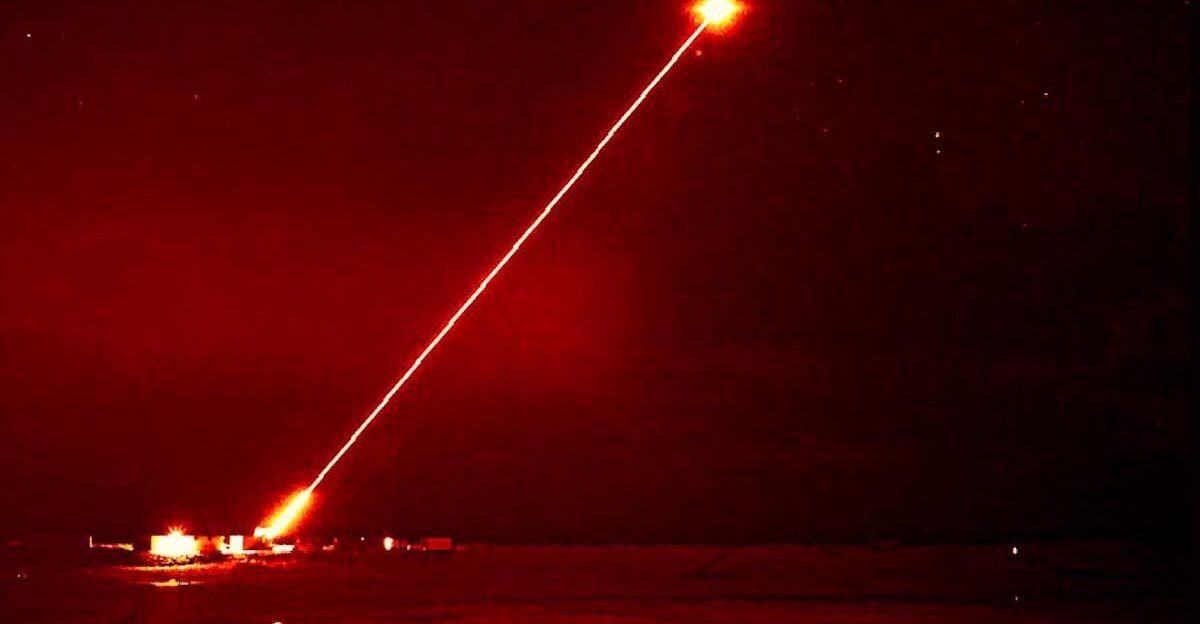
Ukraine turned to laser systems because traditional interceptors are expensive, scarce, and often wasted on cheap one-way drones such as Russia’s Shahed-136. Lasers use electricity instead of munitions, meaning each engagement could cost a fraction of a missile, potentially similar to the U.K.’s DragonFire estimates of roughly $13 per shot.
For a nation fighting high-volume drone barrages, reducing cost per interception is not just attractive—it may prove strategically necessary.
What Tryzub Claims It Can Hit
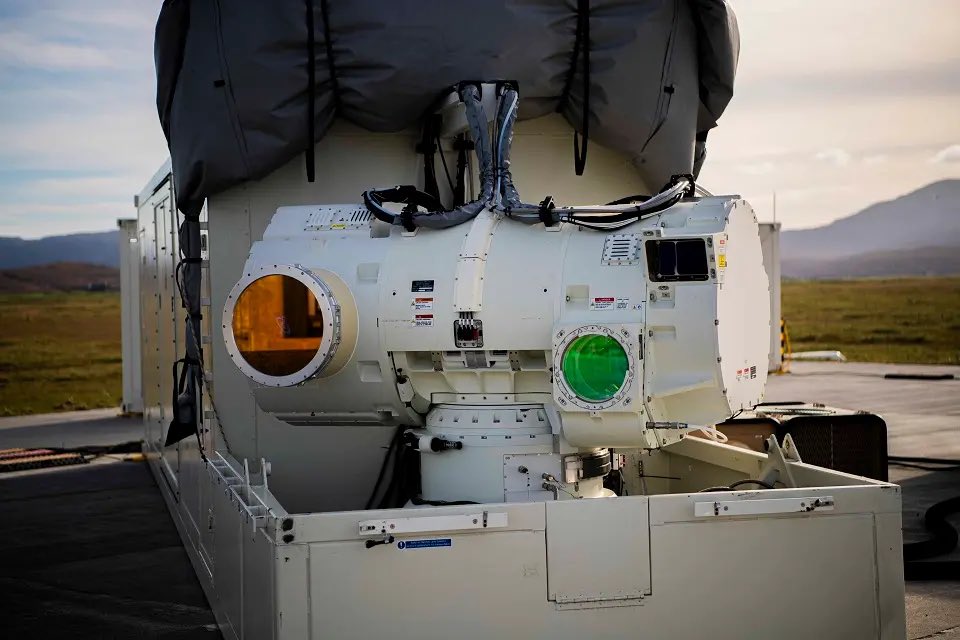
According to Ukrainian commanders, Tryzub can shoot down aircraft at altitudes over 2 kilometers, a feat previously limited to a handful of global militaries. Engineers describe potential engagement of slow drones, aircraft, aerial bombs, and reconnaissance targets, while also hinting at “sensor dazzling” capability over longer distances.
While full specifications remain classified, officials emphasize that Tryzub is real, operational, and currently being tested in environments where drones remain a persistent threat.
Impact on Civilians and Critical Infrastructure

For Ukrainian civilians living under frequent drone attacks, a cheaper, persistent defense system could reduce threats to energy grids, hospitals, and transportation networks. If lasers handle routine drone incursions, commanders could reserve expensive missiles for ballistic or cruise threats, improving overall resilience.
While lasers do not eliminate danger, they expand Ukraine’s layered defense capacity, potentially reducing disruption during long winter campaigns when infrastructure is Russia’s most common target.
Defense Industry Scrambles to Keep Up
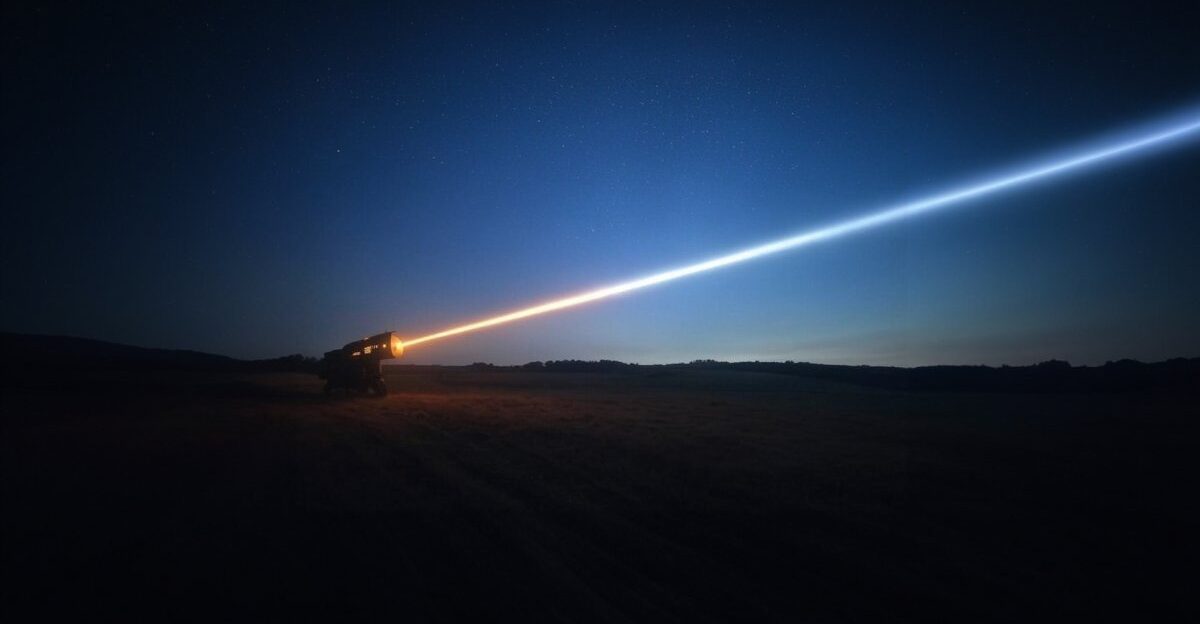
Ukraine’s rapid prototyping contrasts sharply with slower Western development cycles that often span years of testing and cost overruns. Established defense contractors in the U.S., U.K., and Israel have spent decades working on directed-energy systems, yet Ukraine fielded an operational weapon mid-war, using commercial components.
Analysts say this could push global defense firms to accelerate production and rethink whether existing platforms can adapt to cheap, small, and numerous aerial threats.
Why Lasers Won’t Replace Missiles Anytime Soon
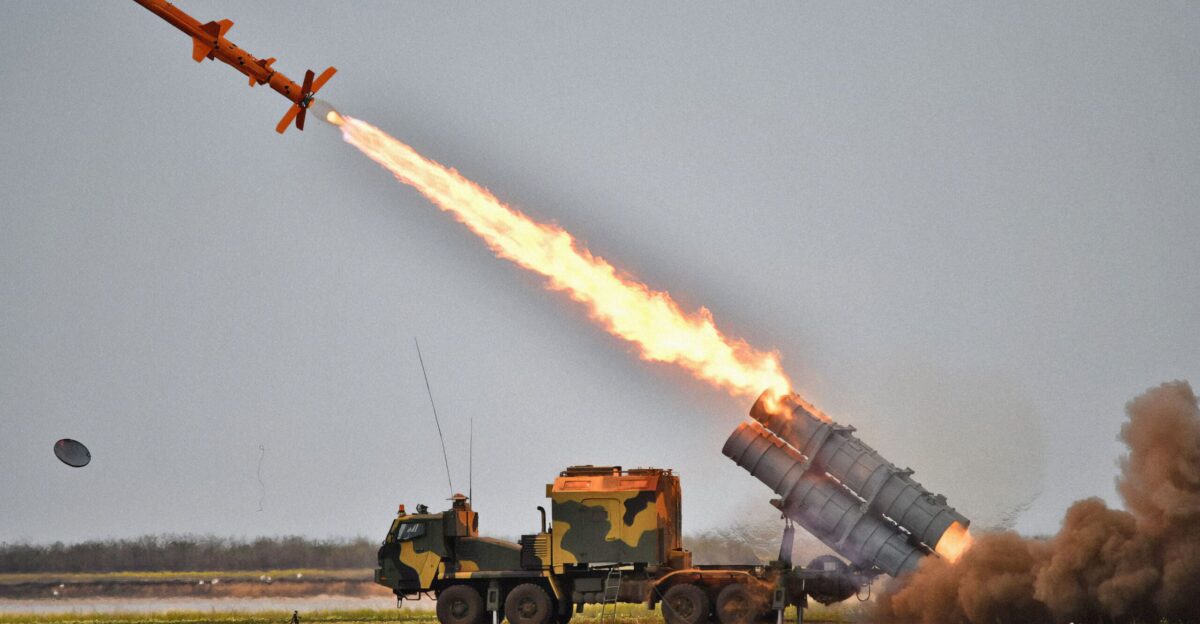
Tryzub is designed for slow, low-flying targets, making it poorly suited for high-speed aircraft or long-range engagements. Fog, rain, and dust can degrade beam performance, meaning lasers will complement—rather than replace—traditional systems.
Analysts expect a hybrid market where radar, jamming, missiles, and lasers each occupy narrow niches. Even in optimal conditions, Tryzub is unlikely to eliminate Ukraine’s reliance on Western munitions, though it may reduce the rate of consumption.
Ukraine Joins an Elite Laser Weapons Club
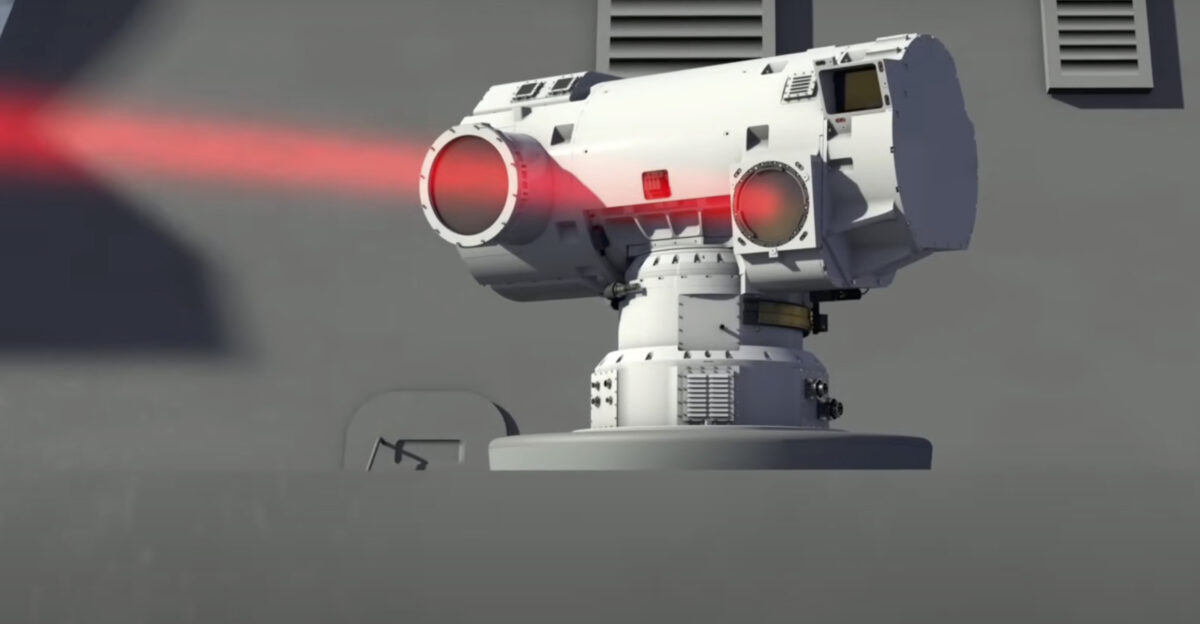
Only a small group of nations—historically including the U.S., China, and Israel—have deployed functional laser weapons. Ukraine’s announcement suggests it has become one of the earliest nations to field a combat-proven directed-energy system during an ongoing conflict.
Analysts view this as a “technology leap” that could reshape export markets and alliance partnerships, particularly if performance data from Ukraine influences future procurement or licensing deals among NATO countries.
Built at Home, With Commercial Tools
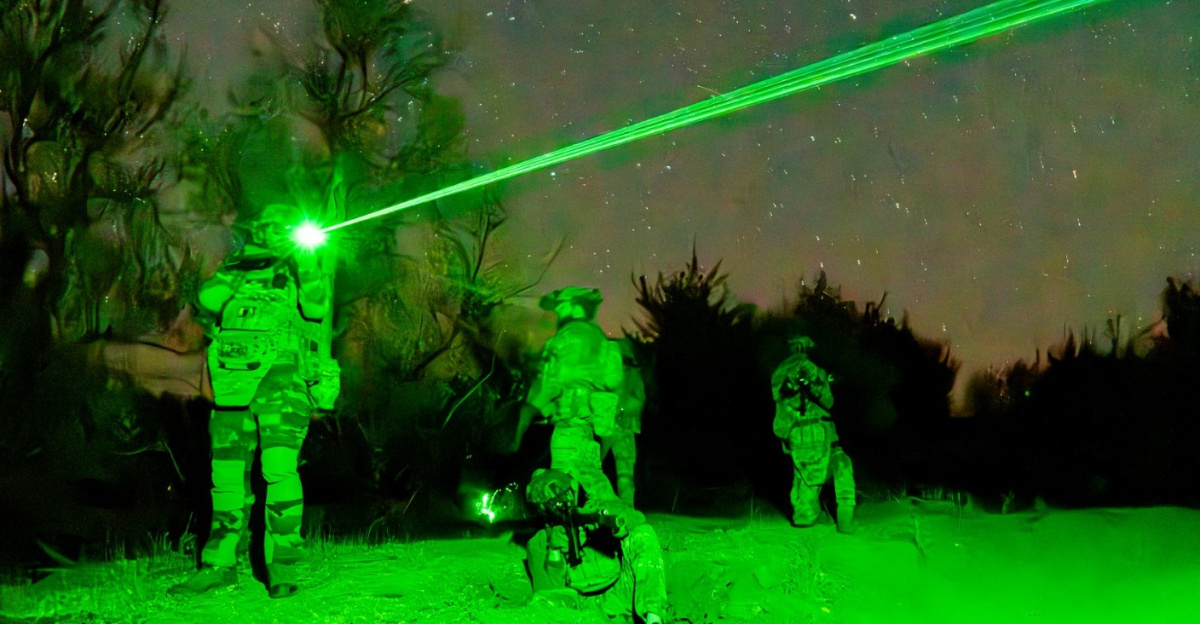
Ukrainian engineers built Tryzub using domestic expertise and commercial components, reportedly including industrial-grade welding lasers. The system’s hands-on operator interface, featuring joystick steering and manual targeting, reinforces its prototype status while allowing rapid field adaptation.
Observers describe a pragmatic, improvisational design philosophy focused on fast iteration under combat pressure, rather than polished, long-term engineering programs favored by Western militaries.
Policy Shift Toward Domestic Production
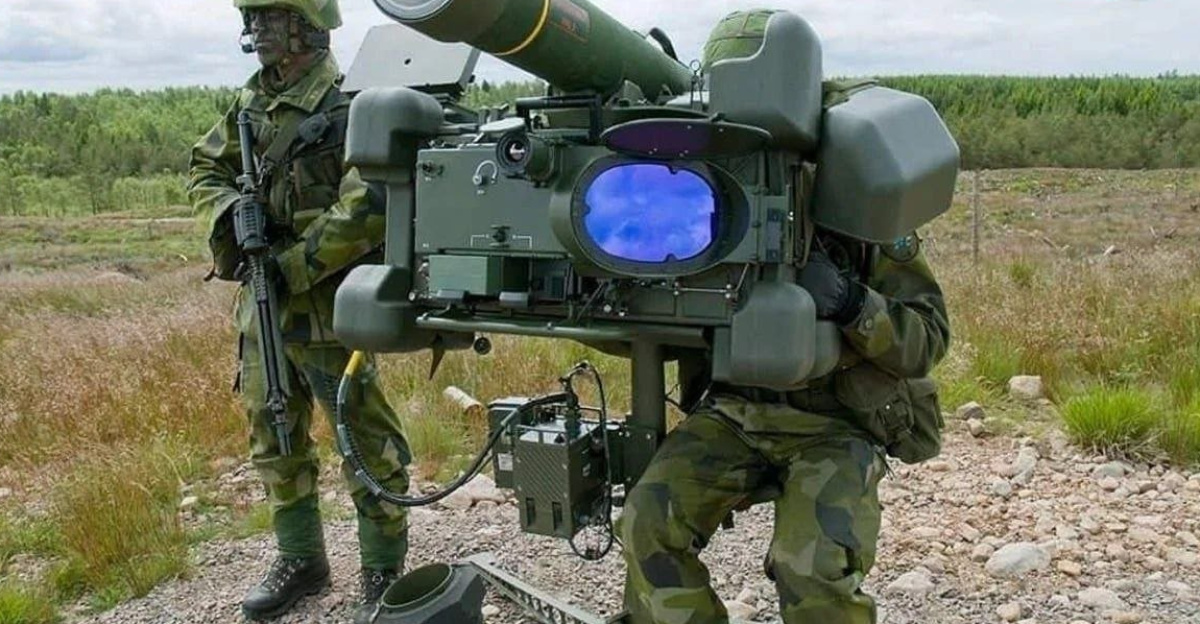
Tryzub’s debut coincides with Ukraine’s establishment of an Unmanned Systems Forces branch and the approval of over 600 domestic weapon systems in nine months—a massive policy pivot driven by wartime necessity.
Officials argue that localized production reduces dependence on aid cycles and allows Ukraine to build capabilities suited to its specific battlefield conditions. Lasers fit a strategy focused on rapid innovation, modular upgrades, and scalable manufacturing.
Budget Pressures and Economic Tradeoffs
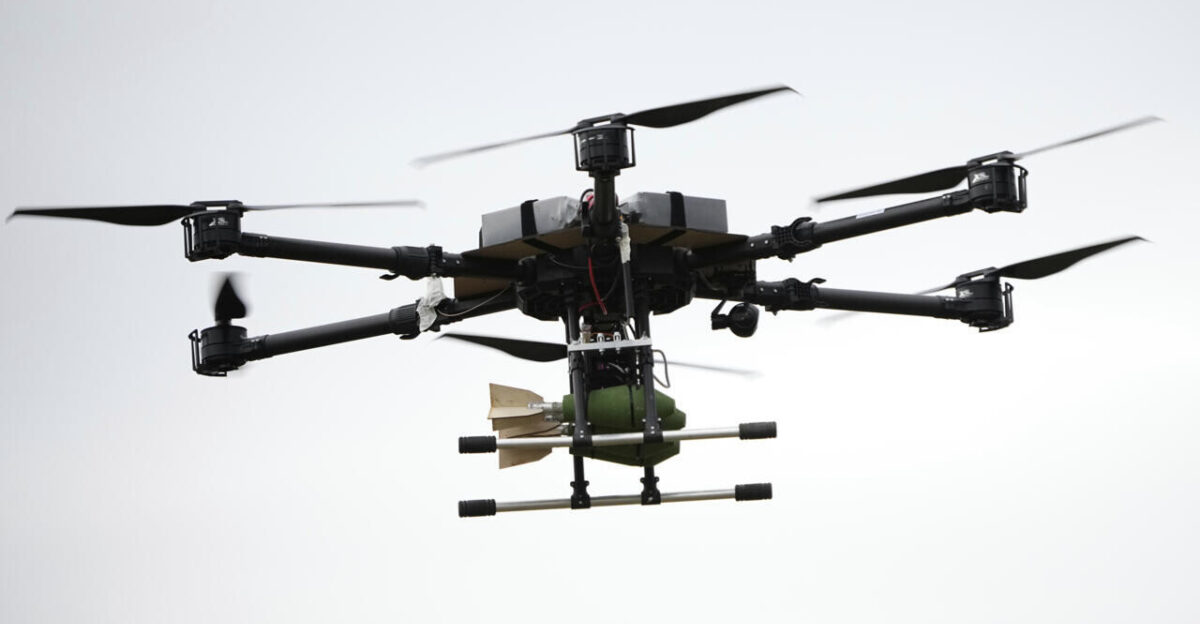
Ukraine faces escalating defense costs as missiles are fired at cheap drones costing a fraction of each interceptor. Lasers promise a near-zero marginal cost per shot, potentially lowering mid-term spending.
However, short-term costs remain high due to development, power systems, integration, and field maintenance. With wartime inflation rising, Ukraine must balance the long-term financial benefits of lasers with immediate demands for traditional weapons and reconstruction funds.
Safety and Urban Deployment Challenges
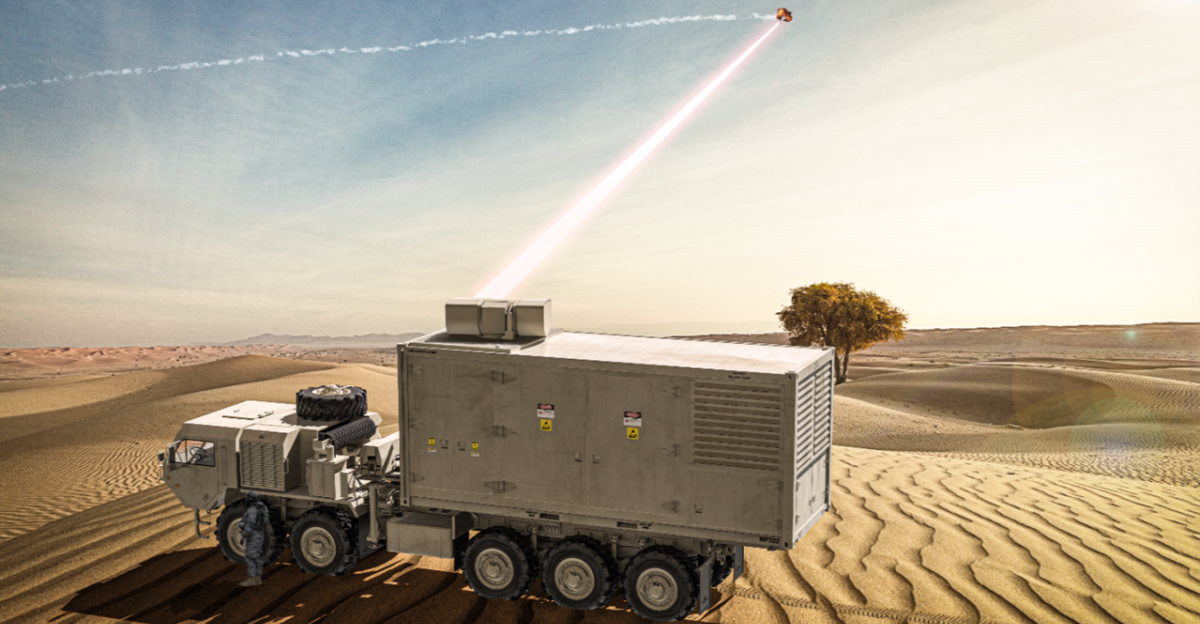
High-energy lasers pose complex safety considerations, especially in cities. Beam control, atmospheric scattering, and accidental exposure risks must be managed to avoid unintended injuries or property damage.
Ukrainian planners must navigate civilian airspace, friendly drones, and aircraft while testing Tryzub closer to populated areas. The system’s deployment raises questions about rules of engagement for directed-energy weapons in urban warfare.
Environmental and Ethical Questions
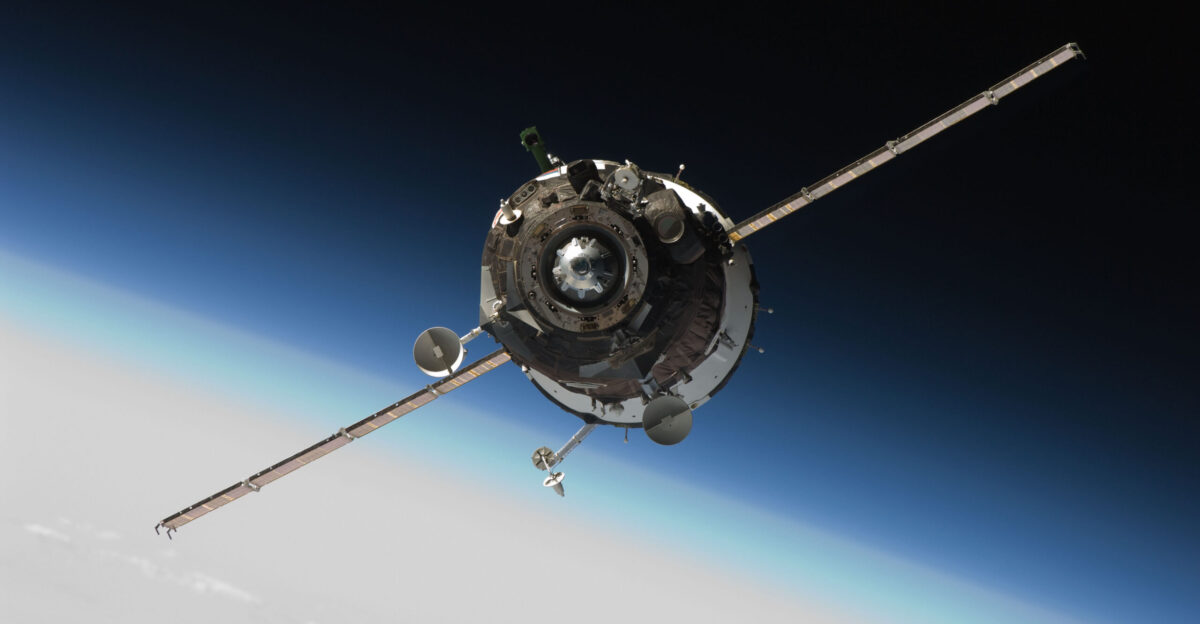
Advocates argue lasers reduce explosive debris, toxic chemicals, and hazardous propellants, potentially lowering contamination risks around infrastructure. Critics warn of an emerging arms race in directed energy, pointing to systems capable of blinding sensors or disabling satellites.
Ethical debates center on whether directed-energy weapons, especially those targeting optics or sensors, align with international legal norms regarding permanent injury and human protections.
Ukraine’s Image as a Tech Innovator

Tryzub has helped shape international narratives portraying Ukraine not just as an aid recipient but as a rapid military innovator.
Comparisons to systems like America’s LaWS and Britain’s DragonFire reinforce the perception that Ukraine is increasingly capable of absorbing, adapting, and co-developing advanced defense technologies. Analysts say this could influence foreign investment, military partnerships, and public opinion among Western allies.
Winners, Losers, and Market Signals
Potential winners include Ukrainian defense startups, optical engineering firms, and global manufacturers specializing in directed energy. Traditional missile producers could face long-term erosion in certain product categories, though lasers remain complementary, not substitutive.
While specific equities are not identifiable, analysts say investors may watch companies working on power systems, optical components, and counter-drone technologies, especially as infrastructure hardens against aerial threats.
What Comes Next for Ukraine’s Lasers
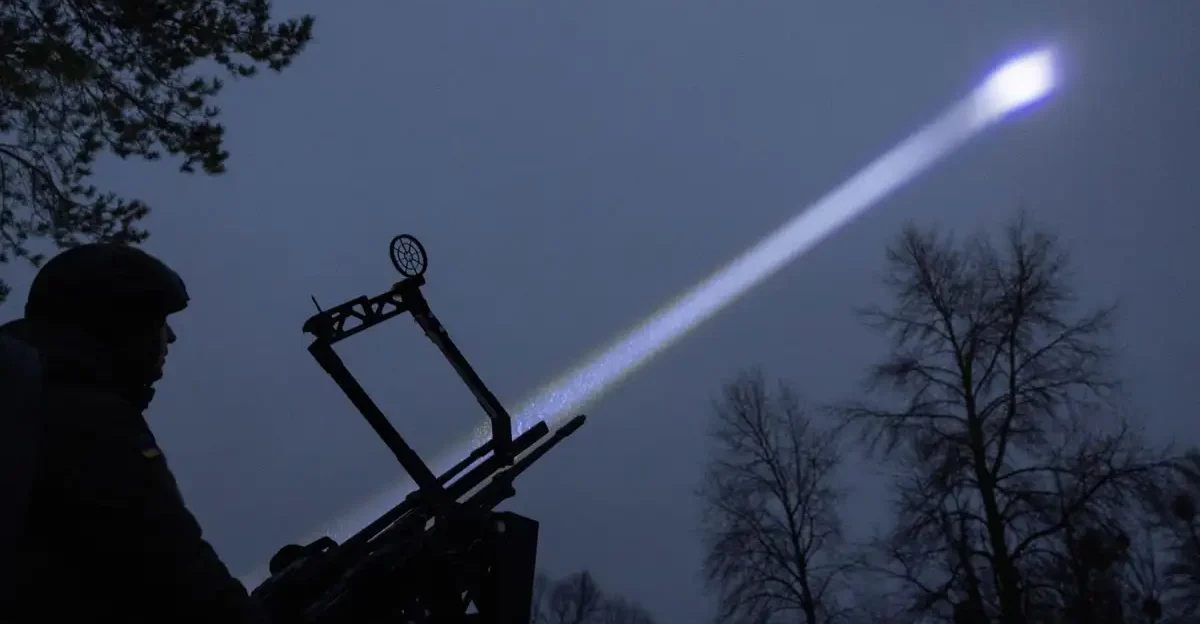
Ukrainian officials stress that Tryzub “works and exists”, but acknowledge its use remains limited and experimental. Analysts expect upgrades in automation, targeting systems, and integration with radar and unmanned platforms.
Rival states will monitor performance closely as they refine their own prototypes. While missiles will remain essential, directed-energy weapons are now widely expected to become a standard layer in future air defense architectures.
Sources:
Ukraine Ministry of Defense Official Statement on 600+ Domestic Weapon Systems
Kyiv Independent – Colonel Vadym Sukharevskyi on Tryzub Laser Weapon (December 2024)
Breaking Defense – UK DragonFire Laser $13 Per Shot Test
United Nations Office in Kyiv – Russia’s Christmas Day Energy Infrastructure Attack (December 25, 2024)