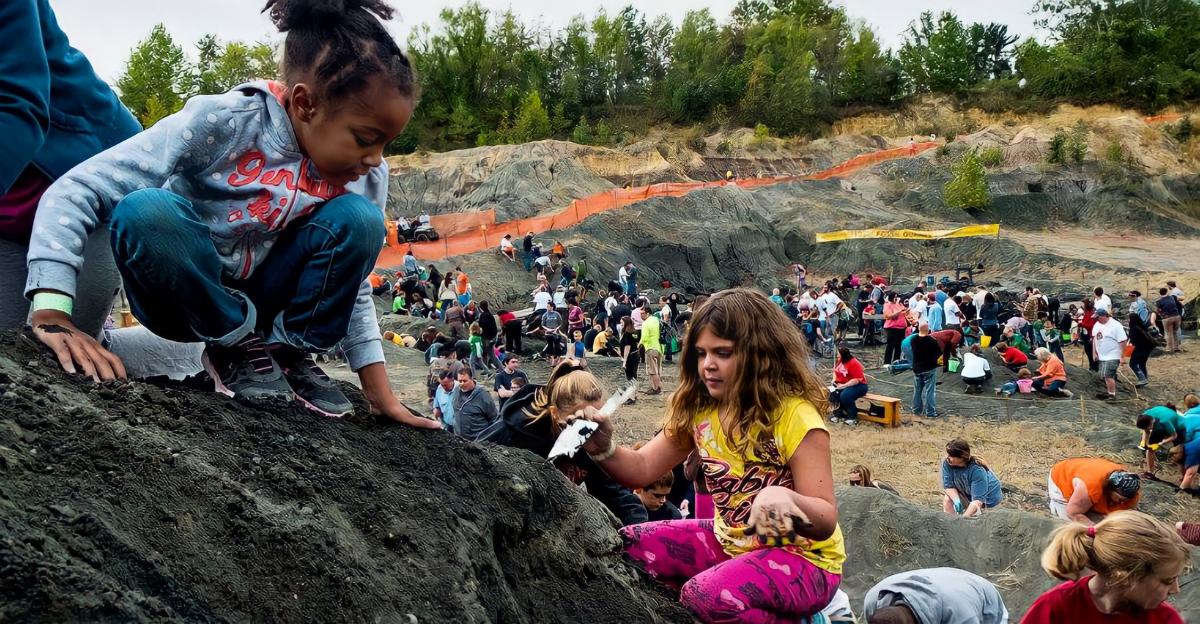
Hidden in the soil of southern New Jersey is a treasure chest from the age of dinosaurs. At Edelman Fossil Park & Museum, a quiet quarry turned out to be one of the world’s most important fossil sites. Over 100,000 fossil remains, from tiny seashells to massive reptiles, have been found here. These fossils date to about 66 million years ago, when dinosaurs vanished from Earth.
Visitors walking through the park are actually standing on what used to be the bottom of a prehistoric sea. Every layer of dirt reveals secrets long locked away.
Unlikely Origins
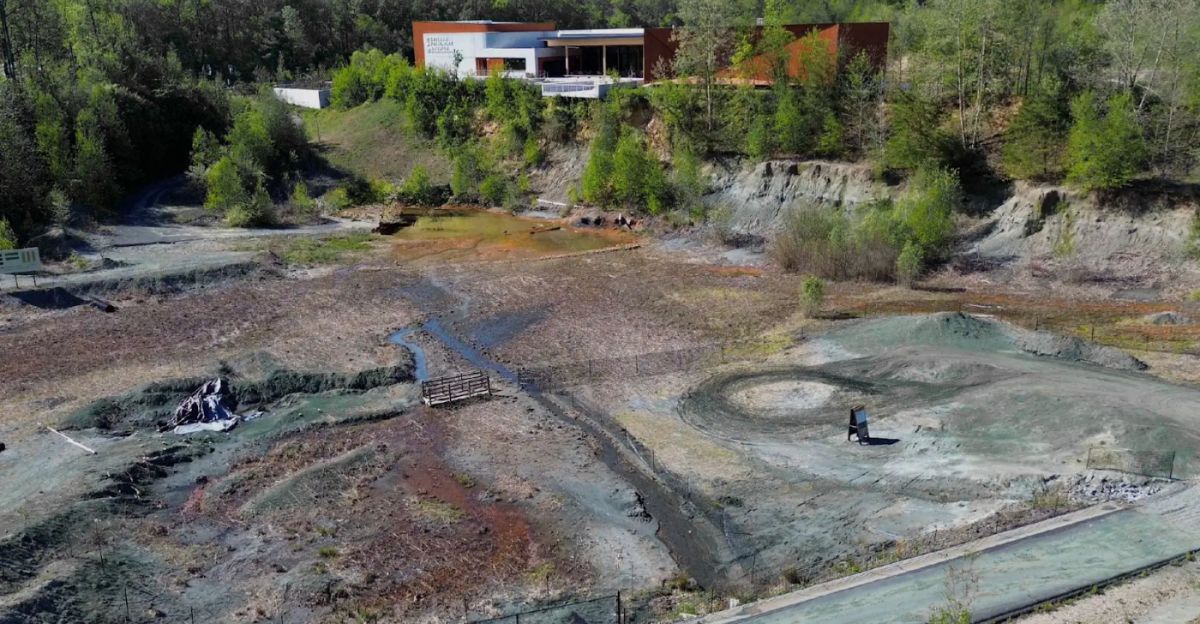
The fossil park doesn’t look extraordinary from the outside. It once was just a sand pit behind a hardware store. It was used for its green marl, a chalky clay that spread across New Jersey for years. Locals occasionally found bones and shells, but scientists eventually realized the site captured one of Earth’s most important extinction events. In 2015, Rowan University stepped in to ensure the quarry wasn’t lost to development.
They bought the land and unveiled a plan to turn it into a world-class museum and an active dig. The idea wasn’t just to protect fossils, but to allow the public to share in the excitement of discovery. “We wanted to change an abandoned pit into a place where people learn and experience science firsthand,” one Rowan University spokesperson explained.
Unearthing a Time Capsule
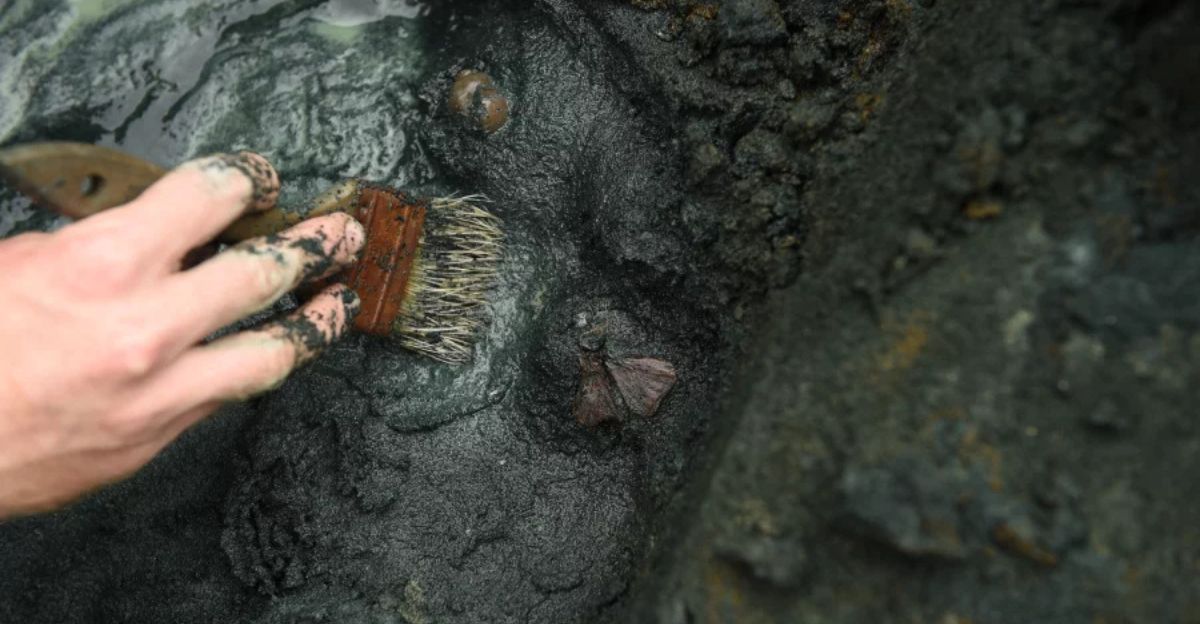
When scientists began to dig beneath the marl, they found far more than dinosaur bones. They pulled up complete sea creatures like mosasaurs with fearsome teeth, ancient sea turtles, schools of prehistoric fish, sharks, and even marine crocodiles. Each fossil looks as if the animals were frozen in time. The layers of earth told a dramatic story that nearly every schoolchild learns but rarely sees so vividly.
Anyone who joins a dig at the park is literally touching 66 million years of history in a matter of minutes. School kids shriek in excitement when they find their first shell or shark tooth. Even for experts, the discovery is overwhelming, proof that New Jersey holds one of the clearest records of ancient catastrophe.
The Big Dig
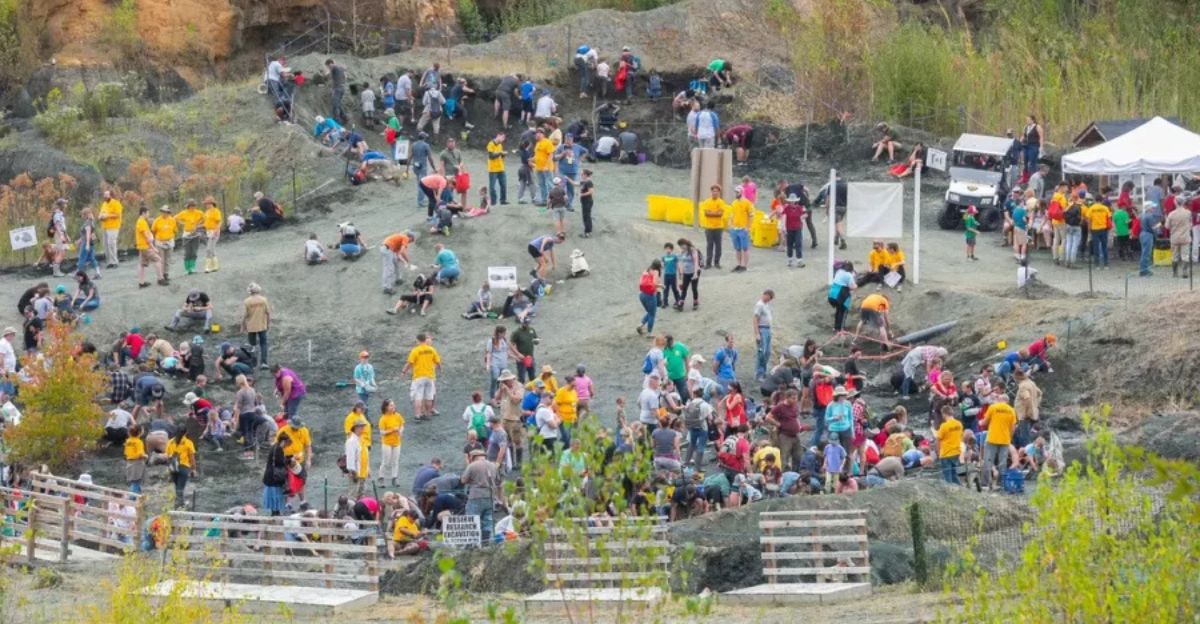
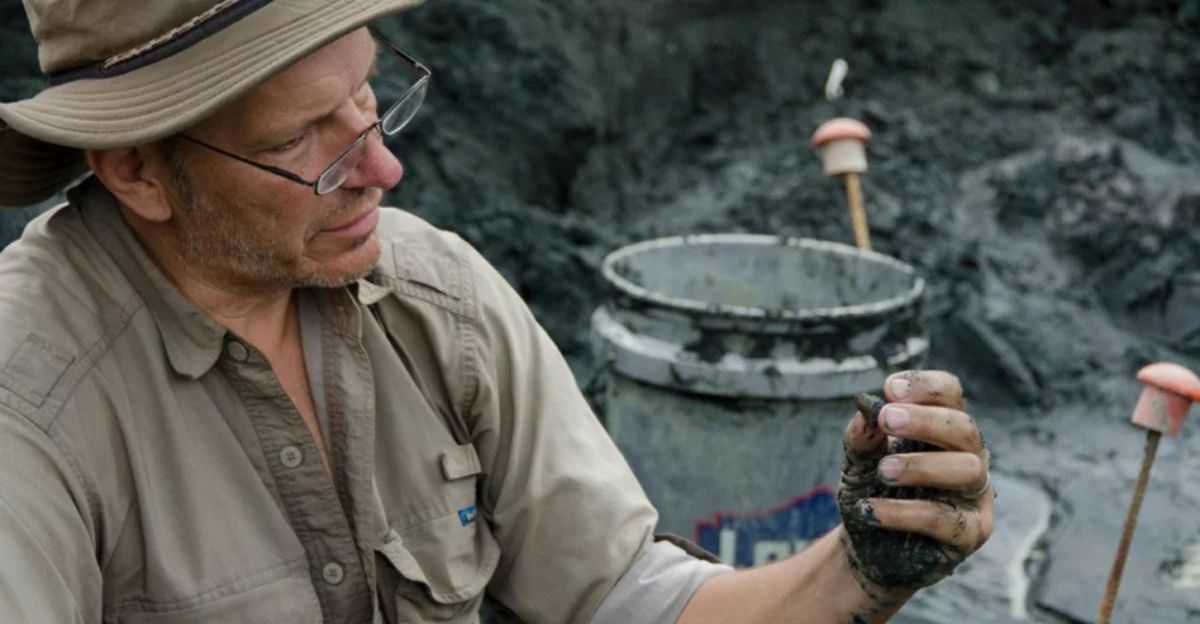
Since the project began, Dr. Kenneth Lacovara and his team have worked tirelessly, carefully combing through layer upon layer of rock and soil. In a relatively small excavation area, just 250 square meters, the team has already uncovered more than 100,000 fossils. These finds represent about 100 unique species, from sea creatures to land animals that died at the same time. What makes this significant is the fossils themselves and what they reveal about a vanished ecosystem.
“It’s the best window into the last moments of the dinosaurs that exists anywhere on Earth,” Lacovara said in an interview with NPR. Every dig season uncovers something new and shifts scientific understanding. For visitors, the thrill is incredible. On some days, amateurs standing alongside paleontologists make discoveries worthy of research publications.
Dinosaur Graveyard
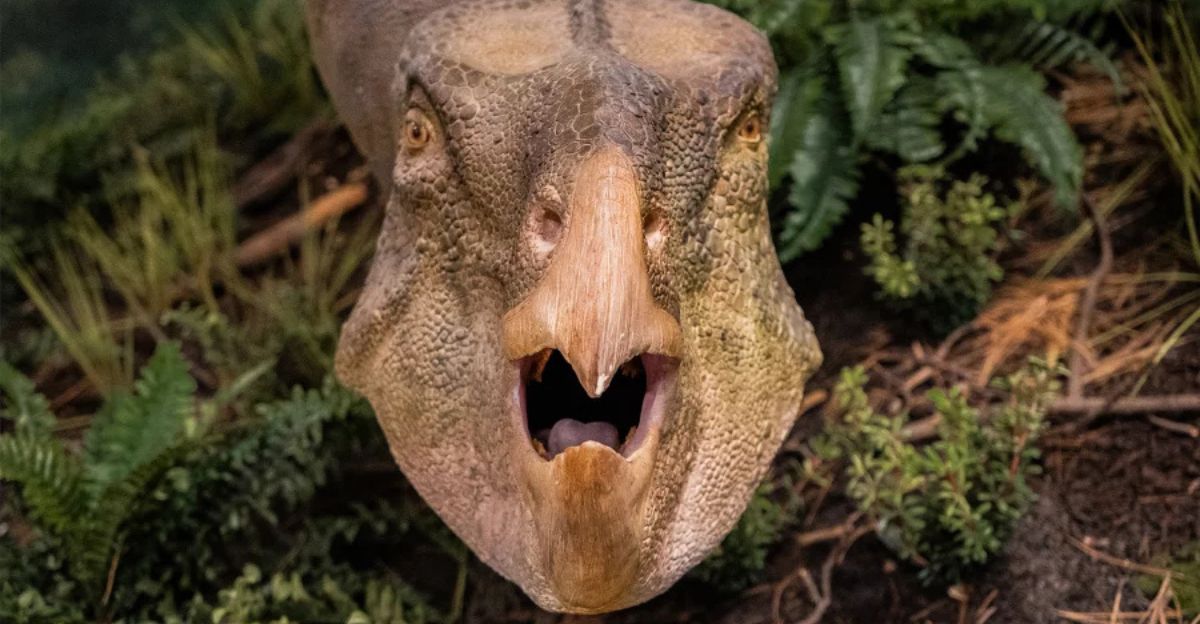
One of the central scientific breakthroughs at Edelman Fossil Park is the discovery of a fossil-rich bone bed directly tied to the Cretaceous extinction event. This is not a random fossil scattering, it’s a carefully preserved “dinosaur graveyard.” The bone bed contains evidence of animals that perished at the exact time when the asteroid struck Earth.
Among the fossils are marine creatures, like fish and reptiles, and terrestrial species that once roamed nearby. Until now, scientists have had fossils from before or after the extinction, but there is rarely such a clear picture of the very moment it happened. Experts call it the first mass fossil bed linked directly to the extinction. “For the first time, we can study the extinction as it happened, not just guess how it unfolded,” researchers explained.
Bringing Science Home
In March 2025, the Edelman Fossil Park & Museum officially opened to the public, turning research into a hands-on adventure. Visitors can participate in actual digs, sift through soil to uncover fossils, or walk among gigantic dinosaur sculptures that bring prehistoric life to scale. For families and school groups, it’s not just about looking at fossils; it’s about experiencing the process of discovery.
“Every footstep takes us back 300,000 years,” says Dr. Lacovara. This interactive approach transforms science from something learned in textbooks into something people feel in their hands.
Community Boom
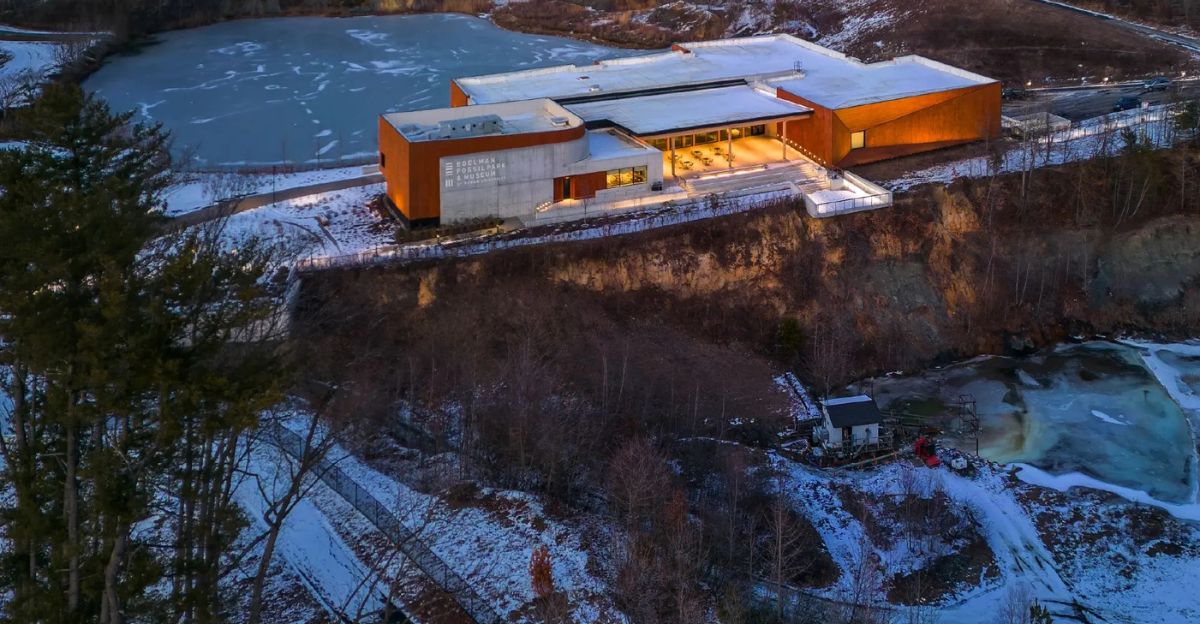
More than a scientific site, the fossil park has already become an economic and cultural engine for southern New Jersey. With its $75 million construction, supported by a $25 million gift from philanthropists Ric and Jean Edelman, the project turned Mantua Township into a new destination. “It’s going to be the place everyone wants to come to,” Jean Edelman said proudly at the opening ceremony. The museum and park have created jobs in education, tourism, hospitality, and public programs.
Tourism boards expect thousands of visitors to tour the park, shop, dine, and stay in nearby towns, boosting local revenue. What was once an abandoned quarry is now a hub of growth, learning, and opportunity.
Fossil Hustle
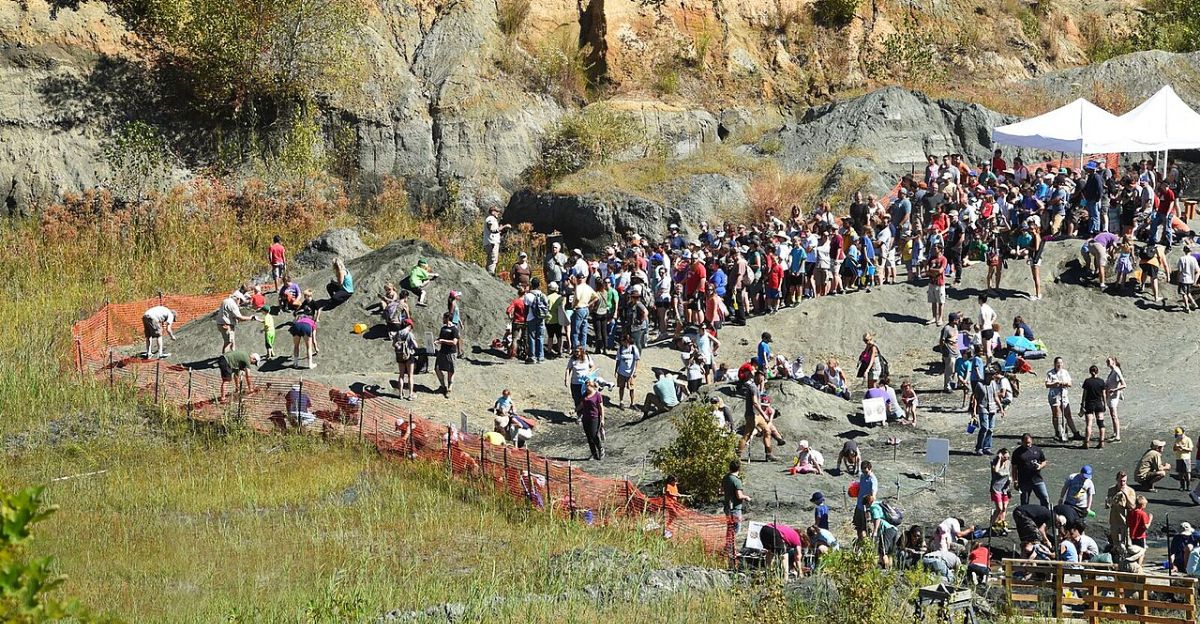
Edelman Fossil Park isn’t just about research, it’s designed for active community participation. Schools bring field trips, allowing kids to leave with fossils they personally uncover. Weekend dig events invite families and citizens to become “paleontologists for a day.” Even casual visitors have the chance to pocket ancient shark teeth or shells as souvenirs.
The park also hosts creative programs, including “Yoga with the Dinosaurs,” stargazing nights, and nature walks. Workshops for children combine fossil digging with storytelling, inspiring young imaginations. These unique community activities have become powerful tools for making science approachable and fun.
Scientific Spotlight
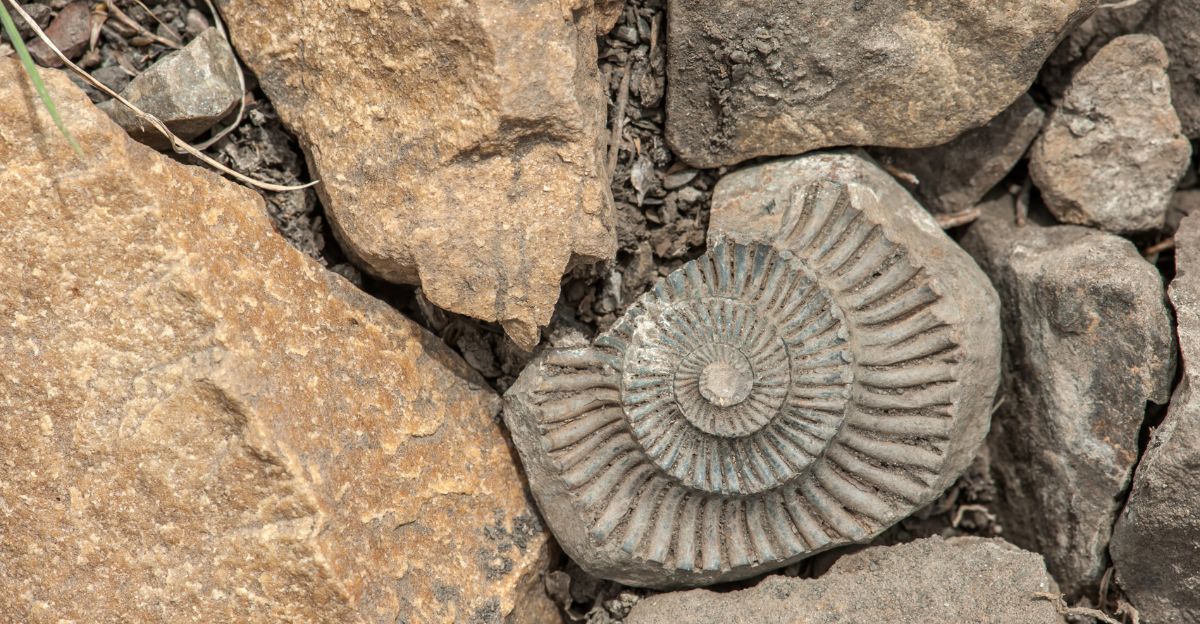
For decades, dinosaur research in the U.S. was focused mainly on the West, places like Montana and Utah, where giant bone beds were uncovered. But Edelman Fossil Park has changed that story. In fact, several new fossils described at the park, including a small relative of the tyrannosaur, prove that New Jersey held unique species as the age of dinosaurs ended.
Yale researchers note that eastern North America developed differently from the West when a vast inland sea split the continent. Studies of the fossil park clarify how animals evolved on this “lost continent.” One expert observed, “Edelman Fossil Park has shown that the East holds as many secrets as the West, if we look closely enough.”
Covered in Water
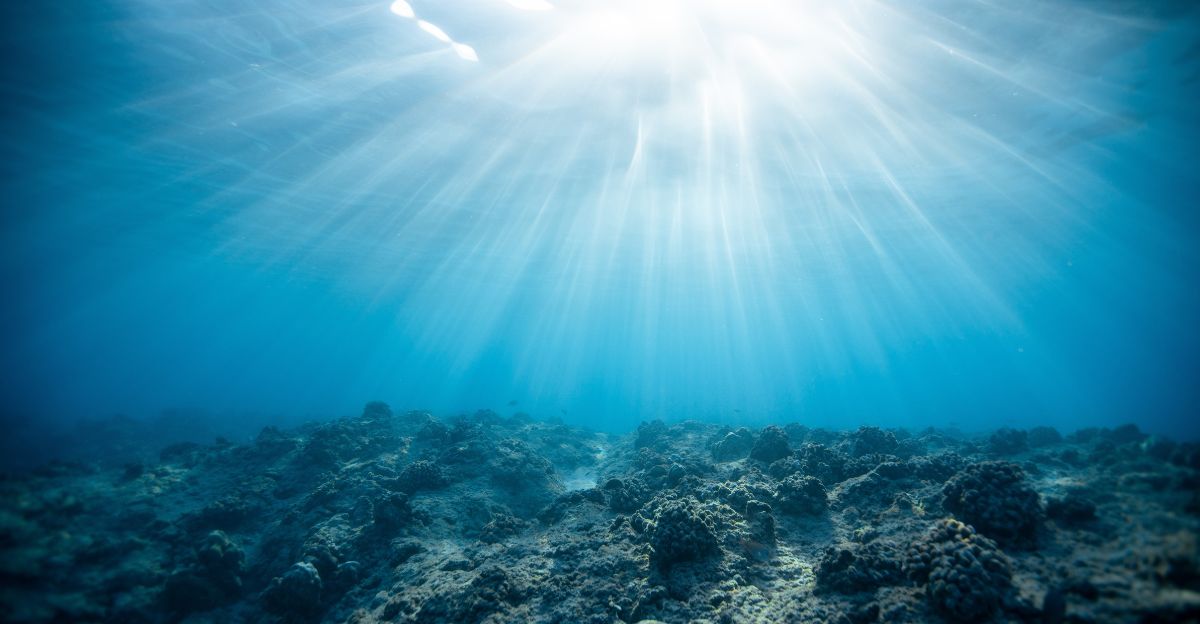
Around 70 million years ago, the region was under a shallow ocean. When animals died, their bodies settled into layers of green marl clay at the sea floor. This environment caused a natural “preservation miracle.” Instead of slowly breaking down, dead animals were quickly trapped in sediment, their skeletons sealed and saved.
Scientists explain that without it, bones would have decayed or been scattered. Instead, the marl turned into rock, encasing whole ecosystems in time. That’s why the fossil park became such a gold mine.
Preserving Heritage
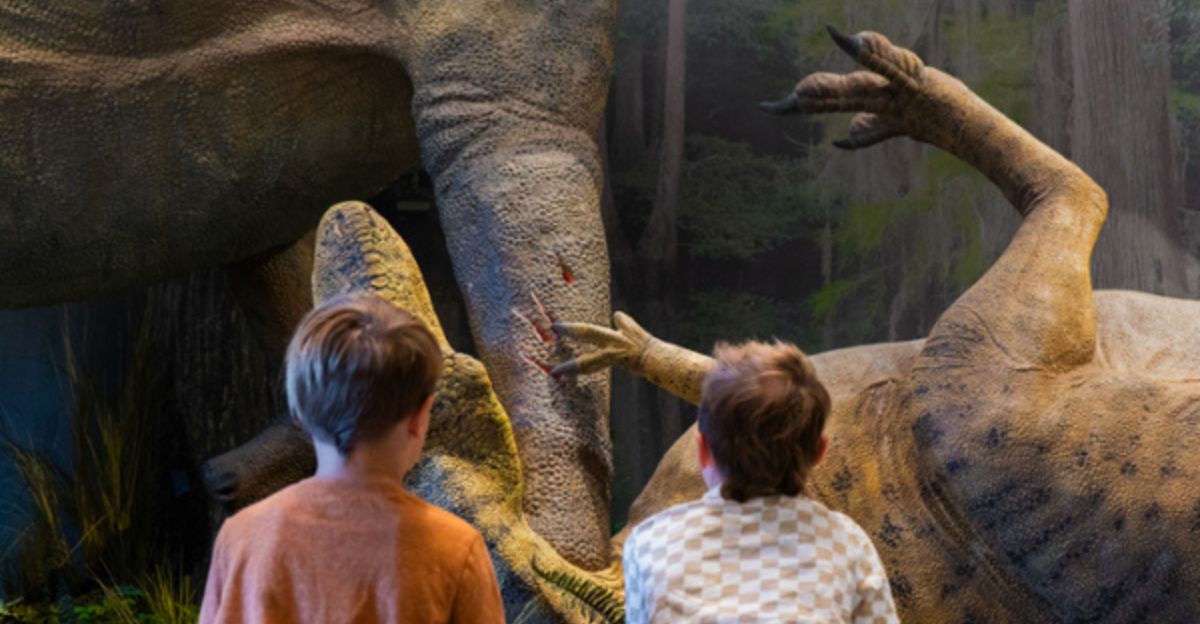
The museum was built with sustainable materials, runs on net-zero carbon emissions, and integrates nature trails that highlight local ecology alongside fossils. Environmental education is tightly woven into the experience. Visitors encounter signs urging them to “Discover the Past. Protect the Future,” reminding them that protecting fossils goes hand in hand with protecting modern ecosystems.
Rowan University staff emphasize that the park teaches more than science—it teaches stewardship. Dr. Lacovara once said, “The past can show us how vulnerable Earth is, and how careful we must be moving forward.” By modeling green design and sustainable practice, the museum proves you can blend scientific research, public engagement, and environmental care in one place. For children, these lessons may shape how they see the natural world—not only as an adventure to explore but also as a responsibility to protect.
New Stewardship

Before Rowan University took over in 2015, the quarry belonged to the Inversand Company, which mined the green marl for industry. Fossils had been found there for decades, but the site was not guaranteed to last. Development or neglect could have forever wiped away one of the world’s richest fossil beds. Rowan’s purchase changed all of that. The move secured the site and transformed its purpose.
Today, the university leads active excavations while opening the experience to students and visitors. Unlike fossil sites closed off for specialists, Edelman Fossil Park thrives on a “learn by doing” model. Guests dig alongside experts, giving them a rare glimpse into the type of research usually hidden inside labs.
Local Voices
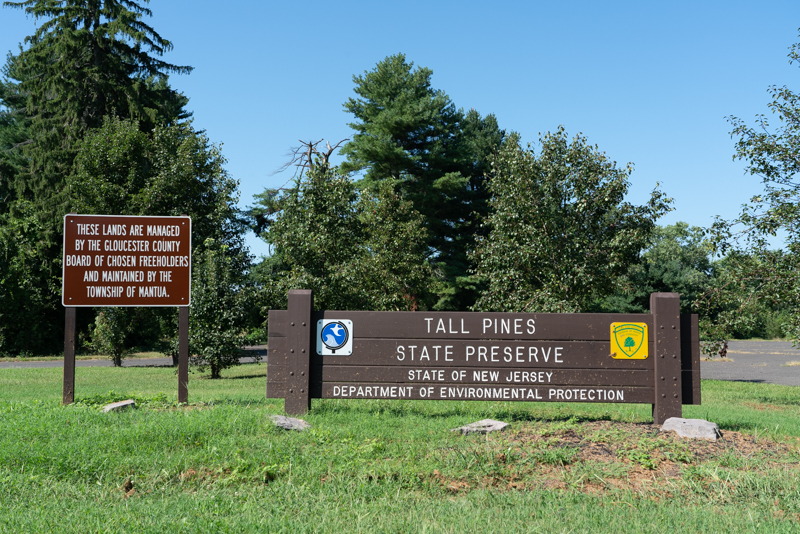
For people who live in and the surrounding area, the fossil park has brought a sense of pride and wonder. Many residents grew up not realizing such treasures lay beneath their feet. Now, families attend digs together and witness their community highlighted in global news.
The community development director, Nick Sena, explained that new events, education programs, and career initiatives keep the park relevant and beneficial beyond science alone. It has turned neighbors into stewards of science, a community bonded by prehistoric discovery and modern opportunity.
Regional Ripple

The opening of the Edelman Fossil Park sparked a ripple effect across the East Coast. Suddenly, hobbyists, fossil clubs, and natural history museums began revisiting the fossil potential of other East Coast sites. Rock clubs have partnered with schools for fossil-hunting trips, while workshops teach proper collection rules and safety.
“What started in one quarry is encouraging new generations to pay attention to their surroundings,” one organizer noted. Fossil hunting, once seen as a niche activity, is quickly becoming a popular way for families to connect to nature and science.
Looking Forward
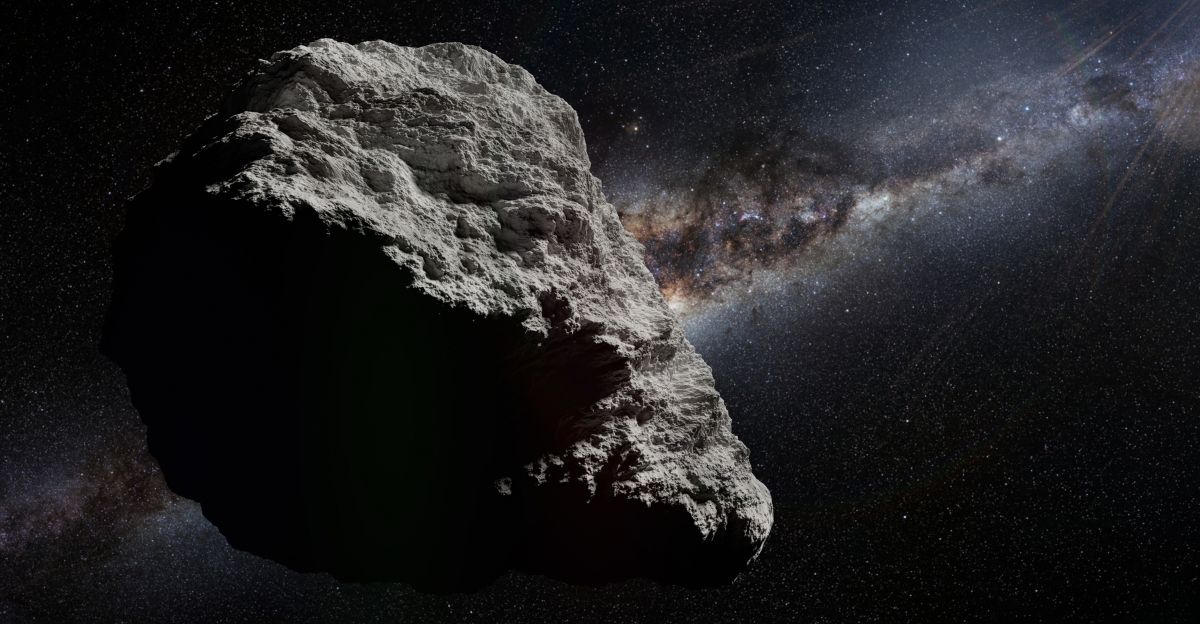
The quarry has given us answers, but it also raises new questions. Did every species die the moment the asteroid struck, or did some populations linger a little longer before disappearing? How quickly did life return after devastation? Fossils from Edelman may help solve this mystery.
Because the bone bed appears to trap creatures at the very moment of extinction, scientists believe it could clarify the exact timeline. Researchers also hope the site may reveal species unique to New Jersey, helping paint a broader picture of ecosystem diversity. “The evidence found here may finally show us how long survival lasted after the asteroid,” one Rowan paleontologist noted.
New Frontiers
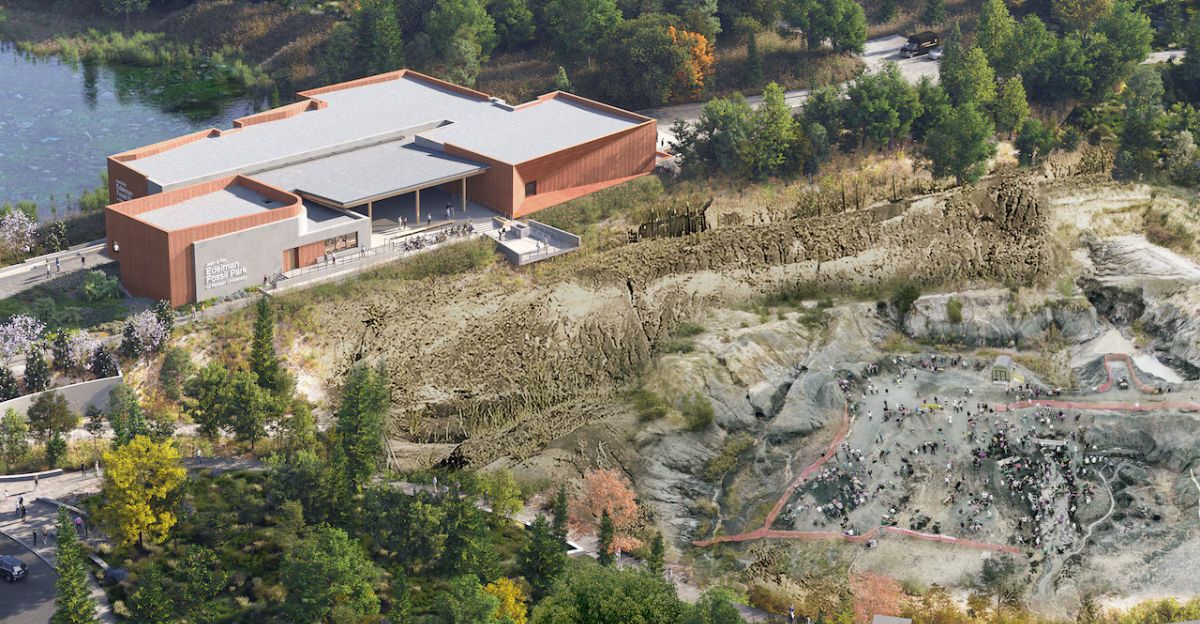
As excitement around fossils grows, so too does the need for policy. Protecting fossil sites has become a new frontier for science and law in New Jersey. The Department of Environmental Protection recently shared new guidelines for collecting fossils, ensuring that public access continues but that sensitive areas are protected. Proposals now call for designated “fossil zones,” where collection is permitted, while richer sites remain off-limits to prevent damage.
This is important because irresponsible collecting can destroy fossils before they’re studied, turning scientific gold into lost opportunities. Experts explained, “We need access for the public, but protection for the resources that belong to us all.”
Industry Connections
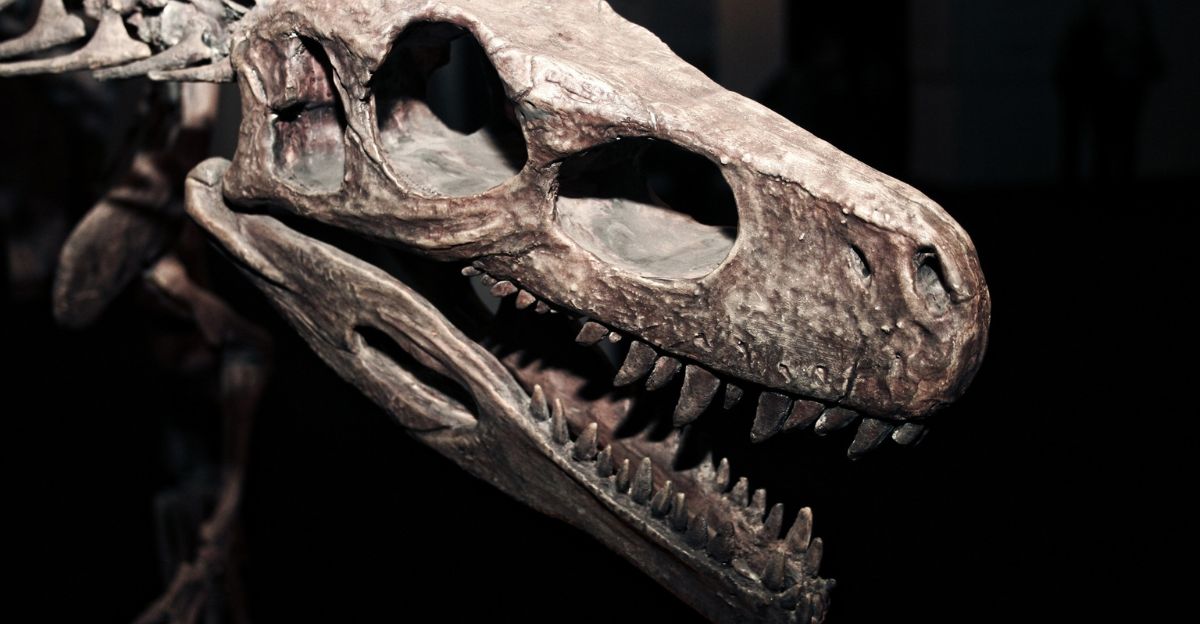
The influence of Edelman Fossil Park is no longer confined to science. Architects showcase the museum’s sustainable design as a blueprint for future cultural spaces. Colleges in New Jersey are launching paleontology or Earth history programs, ensuring that new generations of scientists are trained locally. International institutions have taken notice, forming partnerships for joint digs and collaborative research.
“What began as a quarry is now a global science hub,” says one university official. This cross-pollination strengthens ties between science, education, and even business. By attracting worldwide attention, new audiences are introduced to South Jersey’s communities, raising academic and financial opportunities.
Social Intrigue

Dig after dig, photos go viral, attracting attention from across the globe. While this buzz helps spread awareness, it also highlights a challenge, misinformation. Many still confuse real fossils with movie monsters from “Jurassic Park.” Rowan University staff continuously fact-check and share accurate science to ensure the public gets the real story about New Jersey’s dinosaurs.
“We want people to be excited about fossils, but also to understand what they really mean,” officials explained. The viral interest proves once again that curiosity about dinosaurs never fades.
Lessons from History
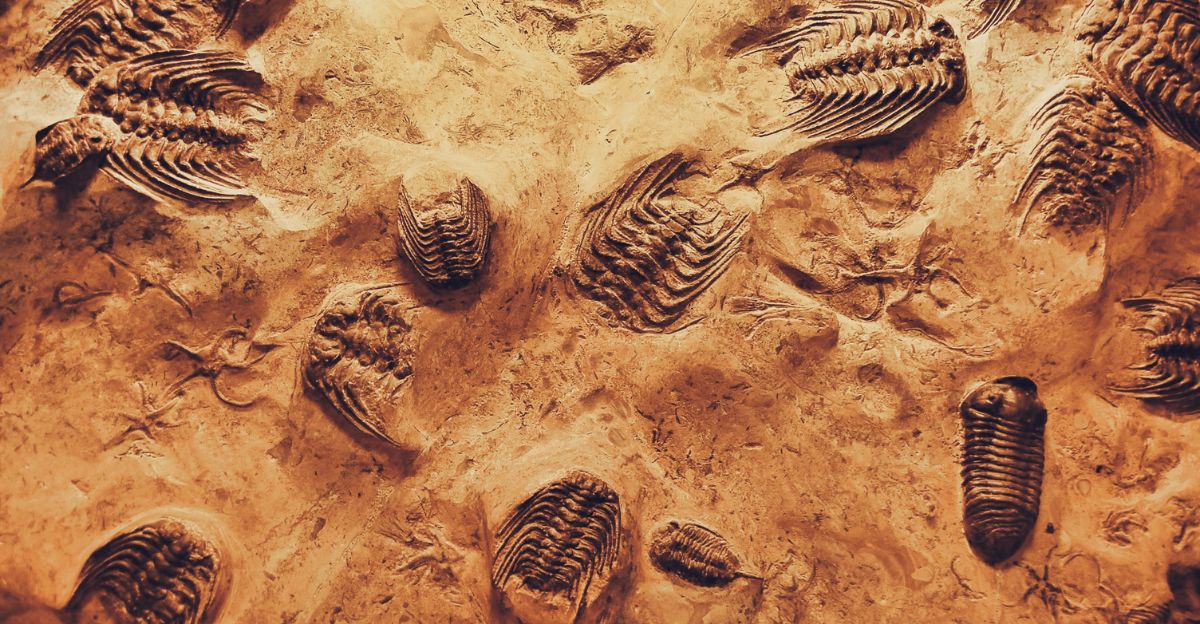
While this park preserves a scientifically valuable site, it also ensures public access, community benefit, and conservation. Smithsonian Magazine highlighted that “Bone beds can create rivalry and exploitation—or they can create culture, learning, and identity.”
South Jersey has shown how fossil history can unite people instead of dividing them by building a museum that blends research, education, and tourism.
Plain Truth
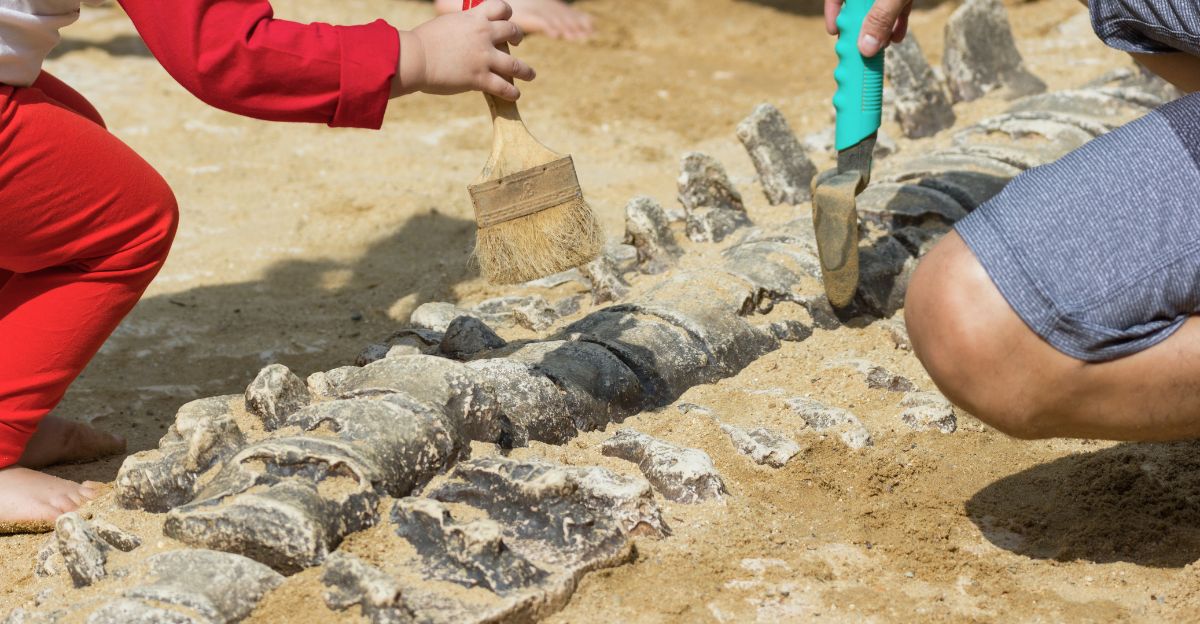
Edelman Fossil Park is more than fossils, it bridges science and society, past and present, extinction and renewal. Within a few short years, it has grown into a place where a child with a shovel, a paleontologist with a theory, and a family with afternoon free time can all share in the thrill of discovery.
New Jersey’s dinosaurs may be long gone, but today, they are more alive in memory and imagination than ever before—thanks to a quarry that invites the world to dig into Earth’s story together.