Deep under Antarctica’s ice, swirling storms called submesoscale eddies are quietly carving away at Thwaites Glacier, the so-called Doomsday Glacier. These whirlpools, up to 6 miles wide, suck warm deep water right up to the ice’s belly, speeding up melt in wild ways scientists just nailed down. A bombshell December 2024 study in Nature Geoscience shows these fast-changing vortices caused 20% of Thwaites and nearby Pine Island Glacier’s melting over nine months.
Researchers like Yoshihiro Nakayama from Dartmouth and Lia Siegelman from UC San Diego’s Scripps Institution zoomed in on weather-like changes happening in hours or days, not just slow seasons. This revealed chaotic forces we’d missed. As eddies spin under the ice, they kick off a nasty loop while melting spits out cold freshwater that mixes with salty warm water, stirring more turbulence and racing the ice toward collapse.
What Are These Invisible Underwater Storms?
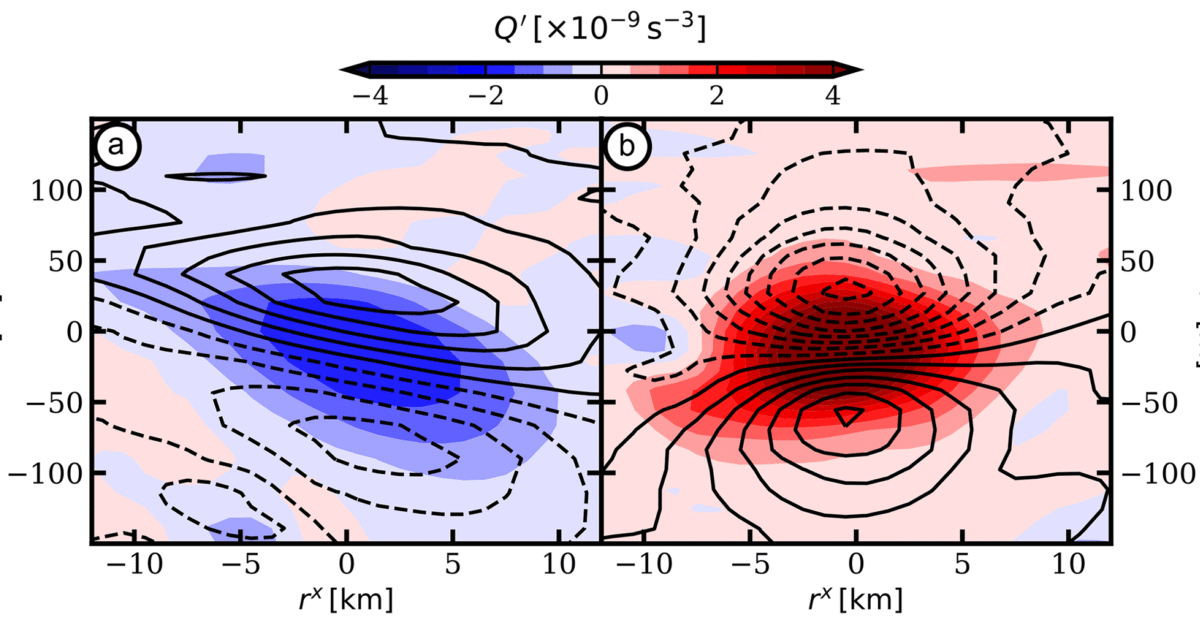
These spinning whirlpools are born where cold meltwater clashes with warm ocean currents in Antarctica’s remote thumb zone, these are submesoscale eddies. They shove heat straight at fragile ice shelves, hidden in pitch-black depths under hundreds of feet of ice.
Stretching up to 6 miles wide, these eddies shift fast and slam ice with random bursts of warm water from below. The surface looks calm, but underneath, it’s an invisible killer melting ice shelves quicker than old predictions. Without spotting them sooner, we’ve underestimated the melt.
The Cork Stopping a Flood of Ice
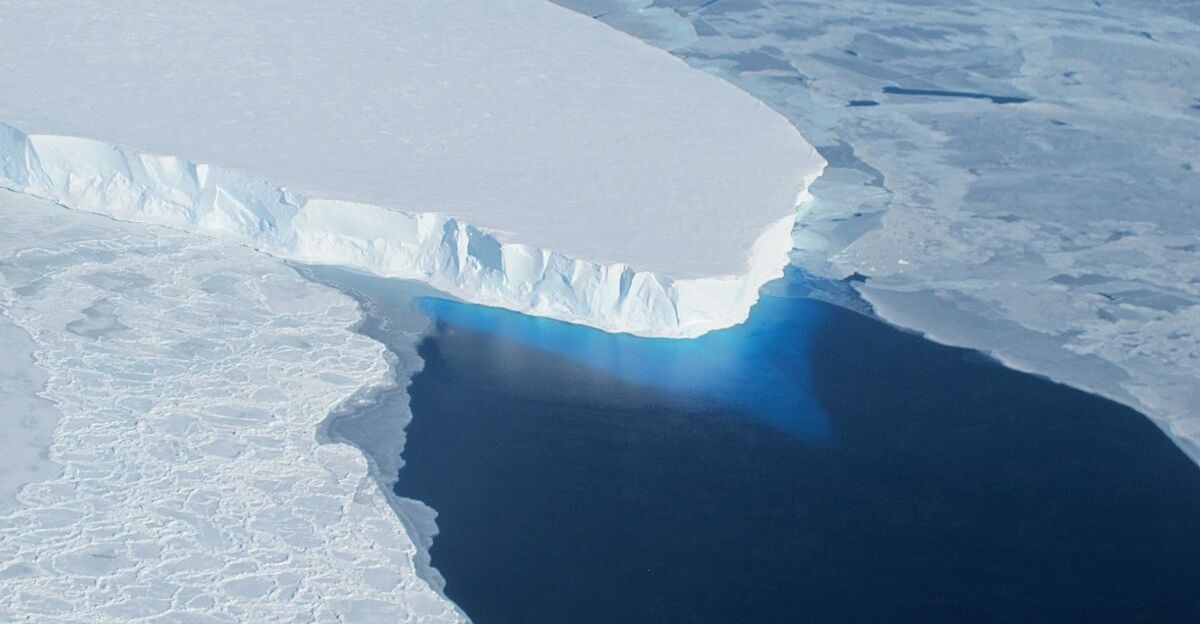
Thwaites Glacier is like a cork jammed in a bottle, blocking huge inland ice piles that could raise global seas by 2 feet if it pops. Next to Pine Island Glacier in West Antarctica, it props up the whole ice sheet. If it goes, dominoes fall, potentially dumping 10 feet of water worldwide from the full sheet’s melt.
The nine-month study pinned 20% of Thwaites’ melt on these eddies, but warming amps them up. As ice pulls back, eddies sneak closer to the grounding line where glacier meets rock, speeding retreat by 20-30%.
The Nasty Loop Speeding Up the Melt
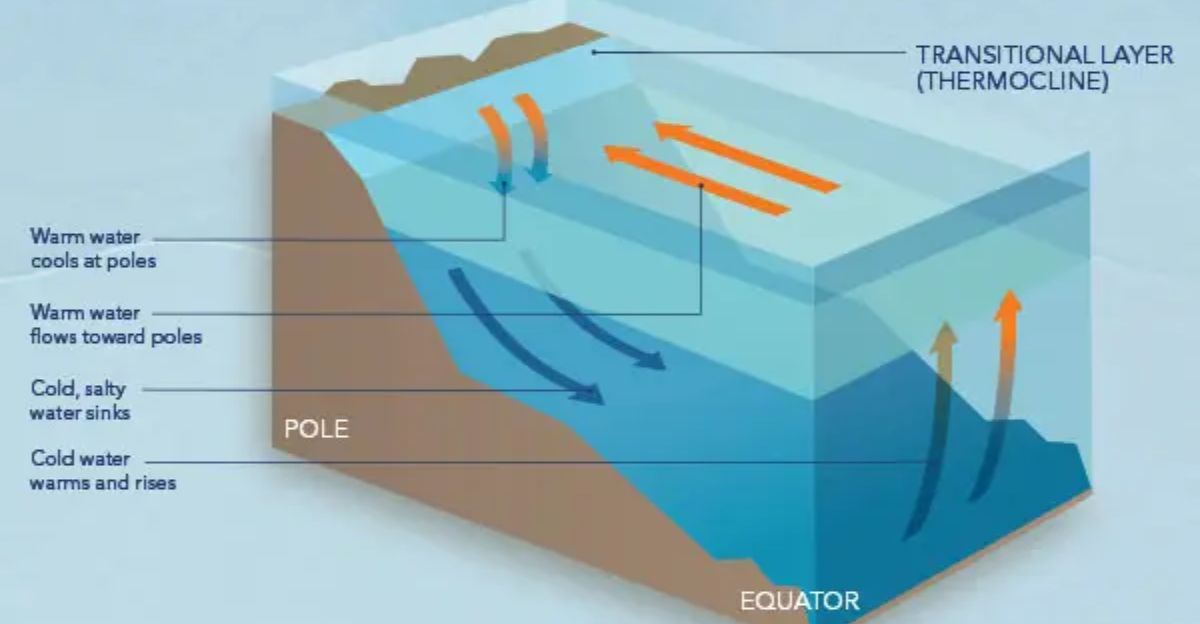
Here’s the twist, the ice melt pumps out cold freshwater that layers over warmer, saltier ocean water, trapping heat below, until eddies mix it up and blast more melt. This self-feeding loop turns cold against the ice into a heat accelerator. Over nine months, it drove 20% of Thwaites and Pine Island’s ice loss.
Old studies missed it, fixating on slow seasonal shifts. These eddies thrive on the clash, churning salty depths into fresh layers. Without brakes, it spirals toward a tipping point.
Game-Changing Study Spots Hourly Ice Attacks
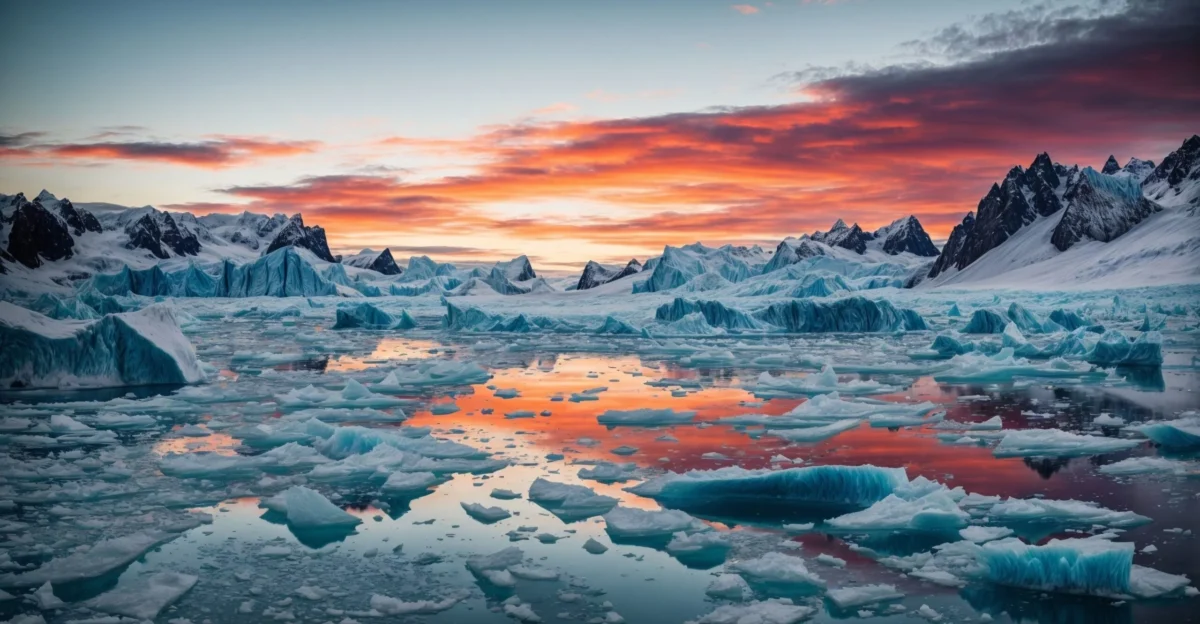
For the first time, scientists tracked ice shelf melting hour by hour and day by day, unmasking submesoscale storms as prime suspects. Yoshihiro Nakayama, Marianna Poinelli, and Lia Siegelman led the Nature Geoscience charge, fusing models with spotty Antarctic data.
They nailed 20% of nine-month melt at Thwaites and Pine Island to these bursts. Seasonal models can’t catch eddies zipping in hours. Now, we need fresh tools to forecast these ice weather events.
20% of Melt Strikes in Hidden Bursts
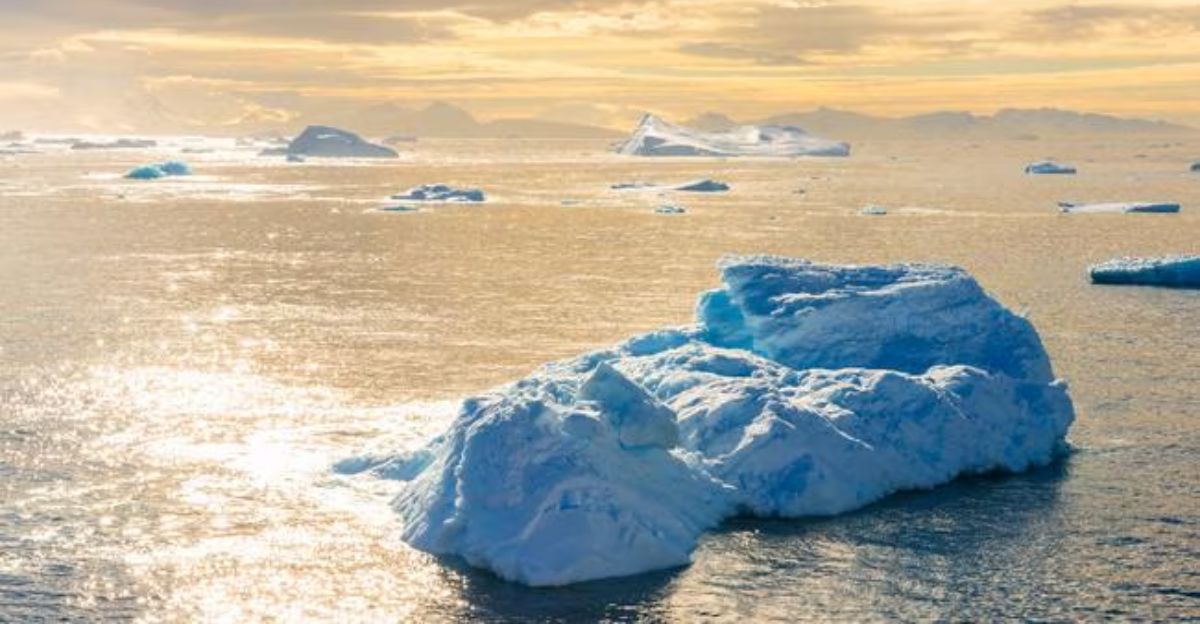
In just nine months, short-lived ocean chaos, like 6-mile-wide eddies, sparked 20% of Thwaites and Pine Island’s melt. These pulses dwarf constant dripping, surging warm water in wild spurts. Ocean sensors caught eddies racing under shelves, cranking up heat flow.
Forget gradual loss; chaotic storms rule on timescales ignored for decades. Warming could boost melt 20-30% as these events strengthen. Data shatters old ideas, showing bursts, not averages, drive the crisis.
2 Feet from Thwaites, But 10 Feet Total Horror
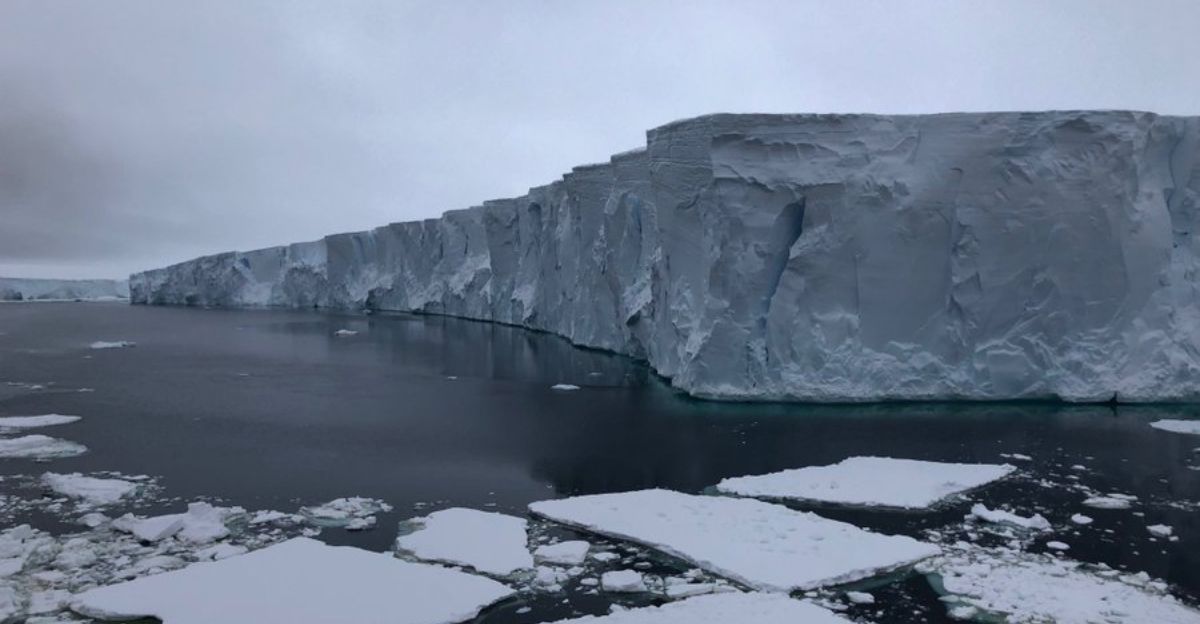
Thwaites alone packs enough ice for over 2 feet of sea rise if it fully collapses. But as the cork, its fall risks the whole West Antarctic Ice Sheet, adding 8 more feet, for 10 feet total. Pine Island next door doubles the dread in Antarctica’s thumb.
Partial pullback lets eddies hit more ice, snowballing the melt. Models predict a 10-foot jump floods lowlands, displacing 240 million people, 3% of humanity, in coastal zones, per NOAA’s 2022 sea-level report.
3% of Us in the Path of Floods
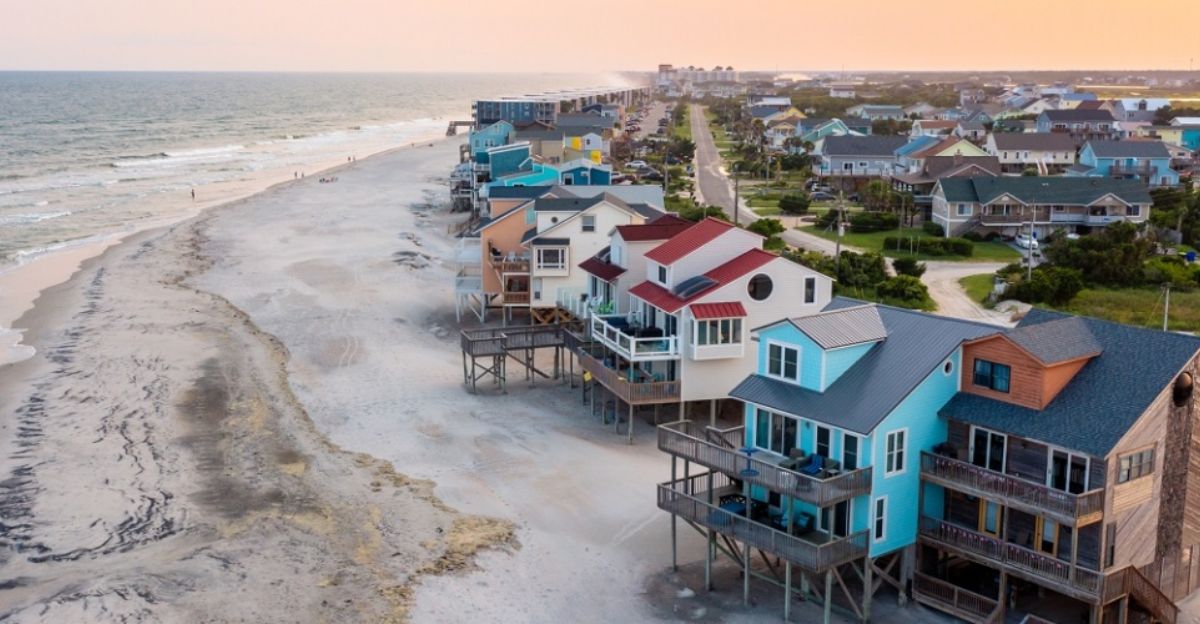
About 3% of Earth’s people, live on coasts primed for Thwaites-fueled rises. NOAA data flags 150-200 million Americans in vulnerable counties. Hotspots like Miami, New Orleans, and New York stare down 10-foot doom, with floodplains exploding to swallow 40-50 million in today’s U.S. 100-year flood zones.
Mass moves and economic hits crush packed shores hardest. Warming turbocharges eddy storms, nudging us toward no-return lines.
$1-2 Trillion U.S. Homes Drowning
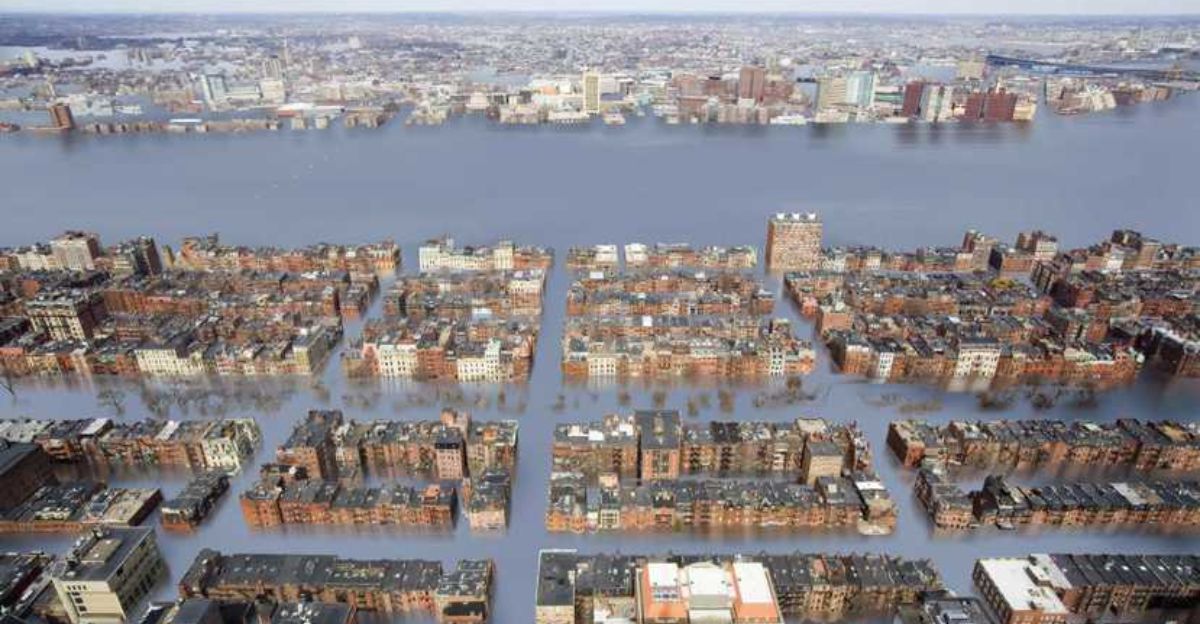
A 10-foot rise puts $1-2 trillion in U.S. coastal real estate at risk, say NOAA and Zillow estimates. Homes in Boston, San Francisco, Seattle, plus six to eight big cities face submersion. Atlantic, Gulf, and Pacific fronts get hammered.
Insurance crumbles, locking billions in stranded value. Thwaites’ eddy loop shifts this from maybe to must-prep.
Miami, New Orleans Face Doomsday Floods
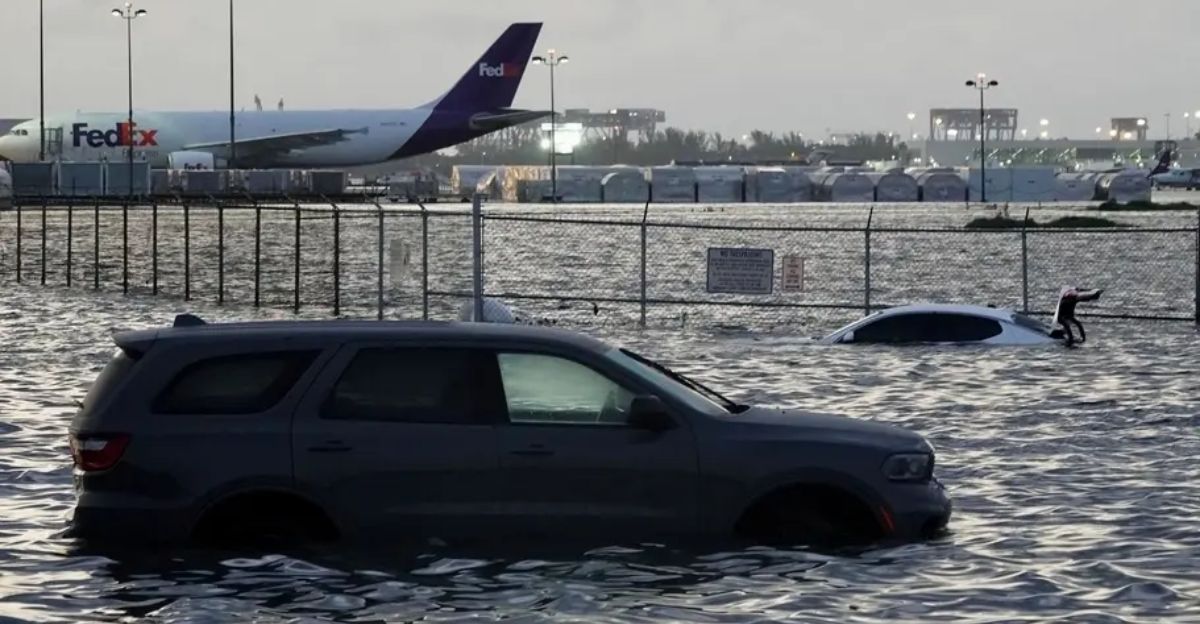
Miami’s flatlands mean 10 feet drowns airports and roads. New Orleans’ levees can’t hold endless surges. Add Charleston, Norfolk, Savannah, Atlantic City, and chunks of NYC/Boston, six to eight U.S. cities on the brink.
Why Experts Missed This for Decades

For years, research locked on seasonal or yearly melt, blind to hourly weather chaos under ice. Antarctica’s wilds meant leaning on models that lowballed submesoscale frenzy. The Nature Geoscience study broke through with short-scale sleuthing, spotting 20% hidden melt.
Eddies hid under ice, amping the blind spot. Now, better gear hunts answers in the deep freeze. Oversight ends here.
Antarctica’s Thumb
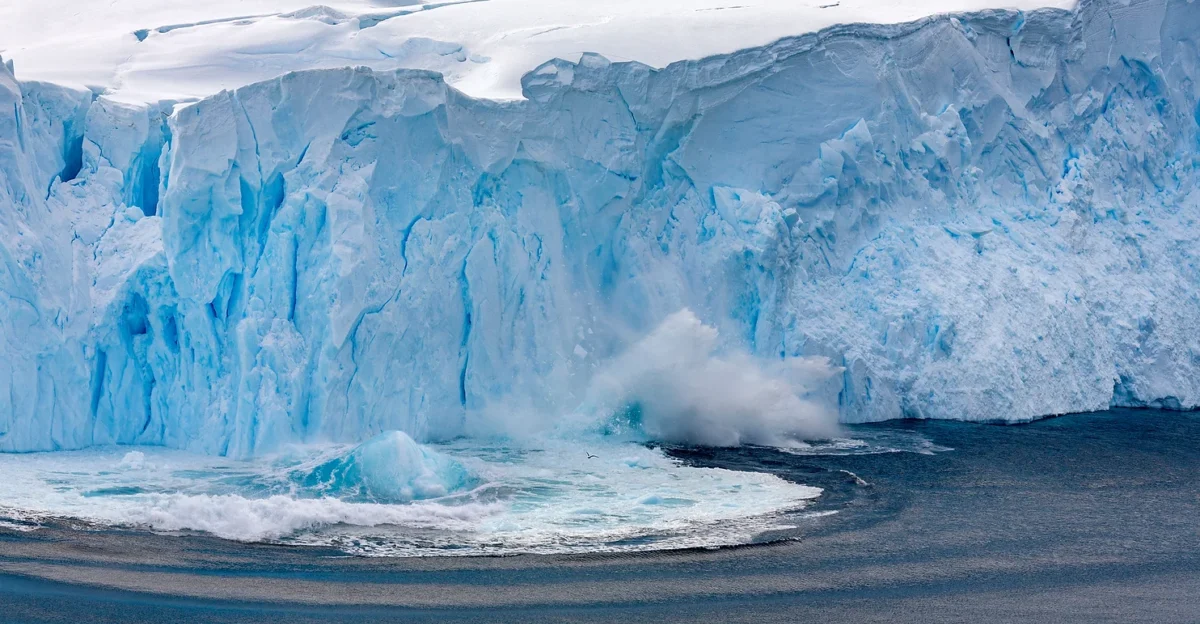
Antarctica’s thum, the protruding western region of the continent, serves as ground zero for potential ice sheet catastrophe, anchoring Thwaites and Pine Island Glaciers against relentless ocean assault. This narrow landmass juts into the Amundsen Sea, where warm circumpolar deep water funnels northward, colliding with cold meltwater to spawn destructive submesoscale eddies up to 6 miles wide.
Over the nine-month study period in the Nature Geoscience analysis, these eddies drove 20% of melting here, far outpacing seasonal baselines and signaling accelerated instability.
Can We Spot the Tipping Point?
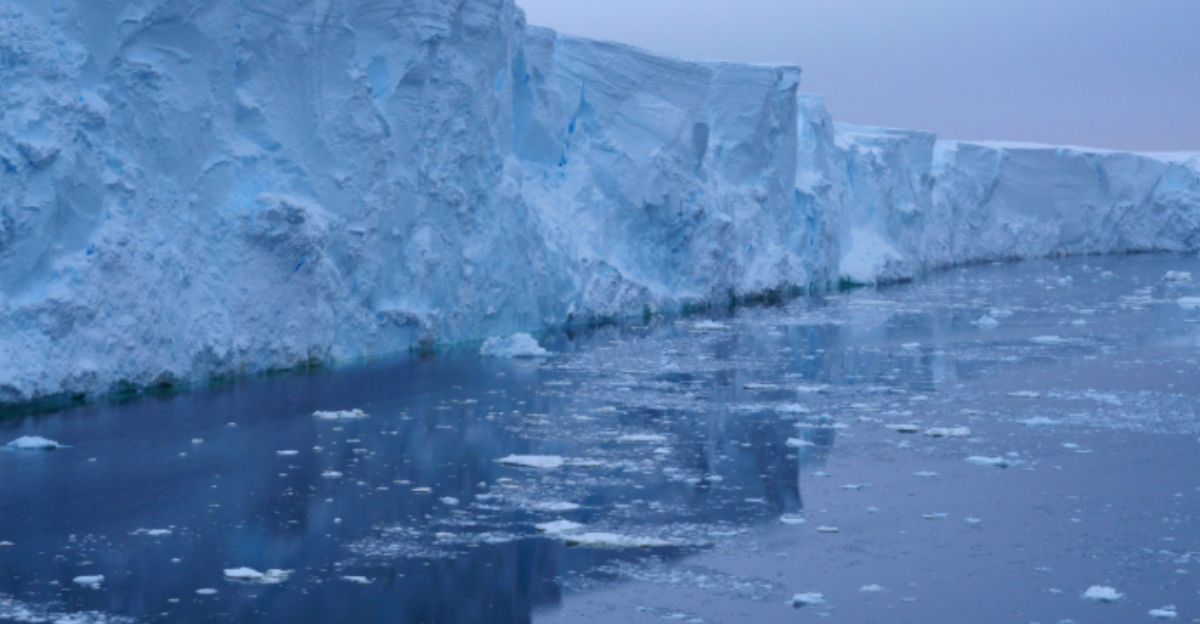
Predicting Thwaites Glacier’s tipping point remains elusive, as submesoscale eddies introduce chaotic, hour-by-hour variability that overwhelms traditional seasonal models. These 6-mile-wide underwater storms surge warm deep water against the ice shelf unpredictably, eroding the grounding line where glacier meets bedrock and potentially triggering rapid retreat.
No definitive threshold exists and retreat might accelerate from stable to unstoppable in years, not decades, mirroring past rapid collapses documented in pre-satellite records.
How Warming Supercharges the Loop
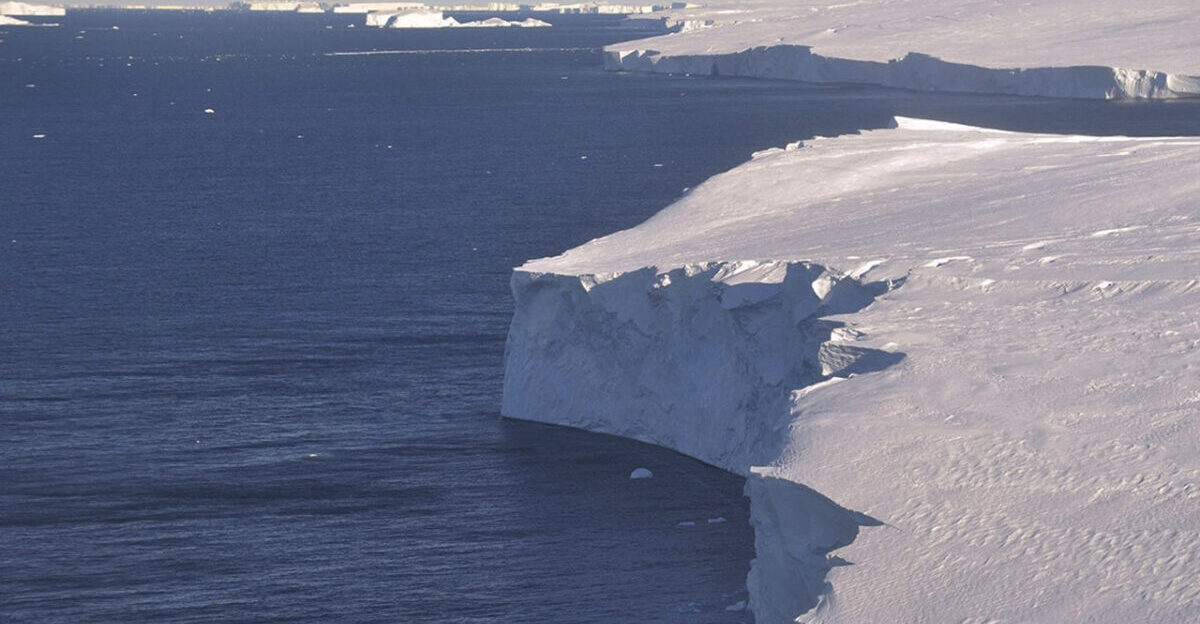
Warming oceans act as a turbocharger for Thwaites Glacier’s deadly feedback loop, intensifying submesoscale eddies that already claim 20% of melt over nine months. As global temperatures rise, circumpolar deep water grows hotter and more voluminous, flooding Antarctica’s thumb with energy that spins faster, larger 6-mile-wide storms beneath ice shelves.
This heat surge stratifies the water column further, trapping warm layers below cold meltwater, until turbulence erupts, mixing them violently and slamming warmth against vulnerable ice.
Time for Action and Ocean Watchdogs
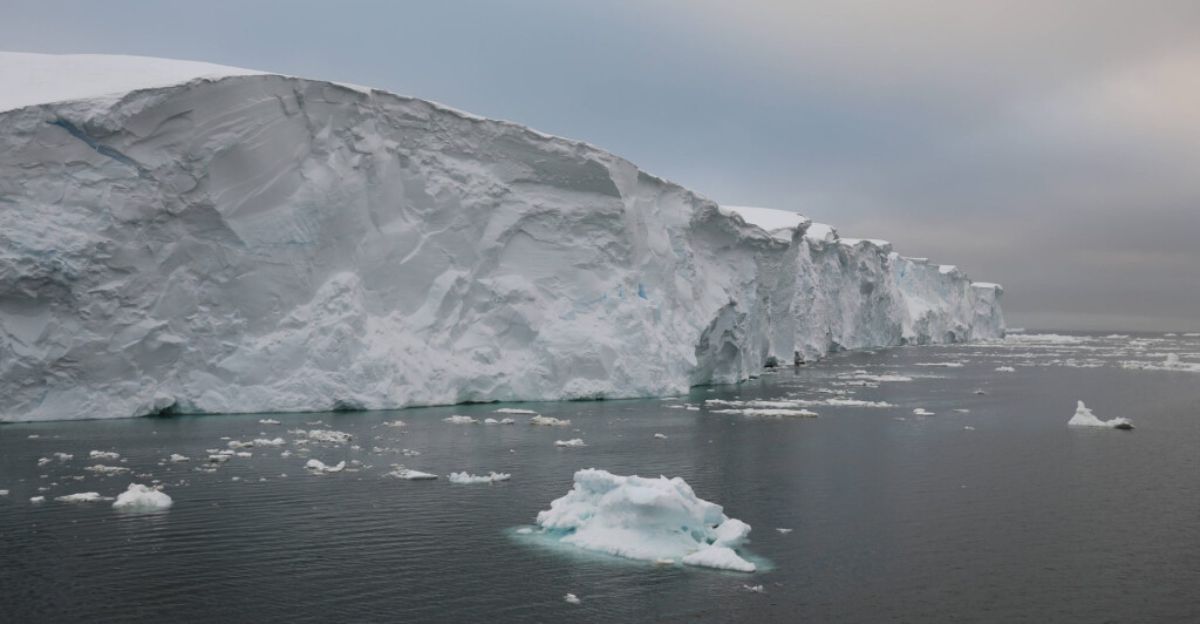
The Thwaites Glacier crisis demands immediate global action, with experts calling for expanded networks of ocean watchdogs, autonomous underwater vehicles, moorings, and gliders, to monitor submesoscale eddies in real time.
These instruments would track the 20% melt contribution from hourly storms, filling data gaps in Antarctica’s remote thumb where models alone fall short. Investing billions now in such surveillance could refine predictions, buying time before the feedback loop unleashes 2–10 feet of sea level rise on 3% of humanity’s coastal populations.
Sources:
Nature Geoscience, Tipping point in ice-sheet grounding-zone melting due to ocean water intrusion
Nature Geoscience, Rapid retreat of Thwaites Glacier in the pre-satellite era
Phys.org, Antarctic ice loss linked to ‘storms’ at ocean’s subsurface
Climate Adaptation Platform, Thwaites Glacier’s Melting Could Trigger Fatal Sea Level Rise
ABC News, Antarctic glacier retreating at rate 10 times faster than previously measured
Project Censored, Antarctic Ice Sheets Approaching Tipping Point