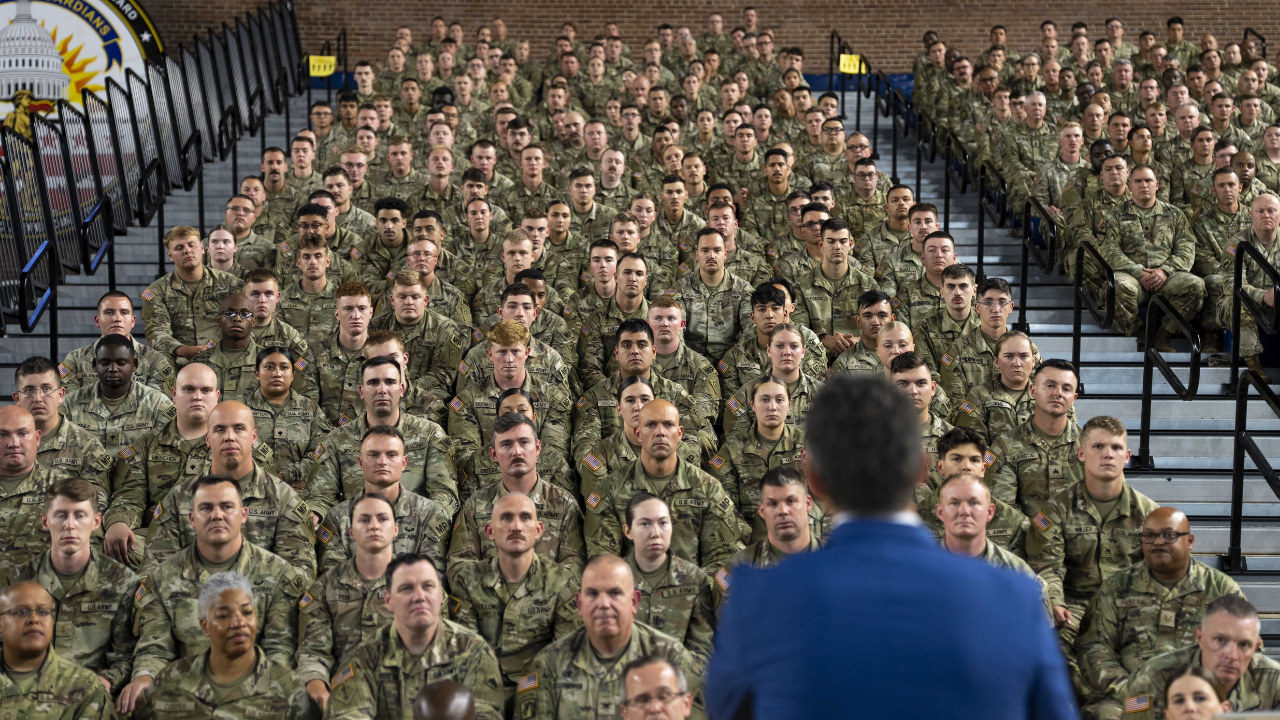
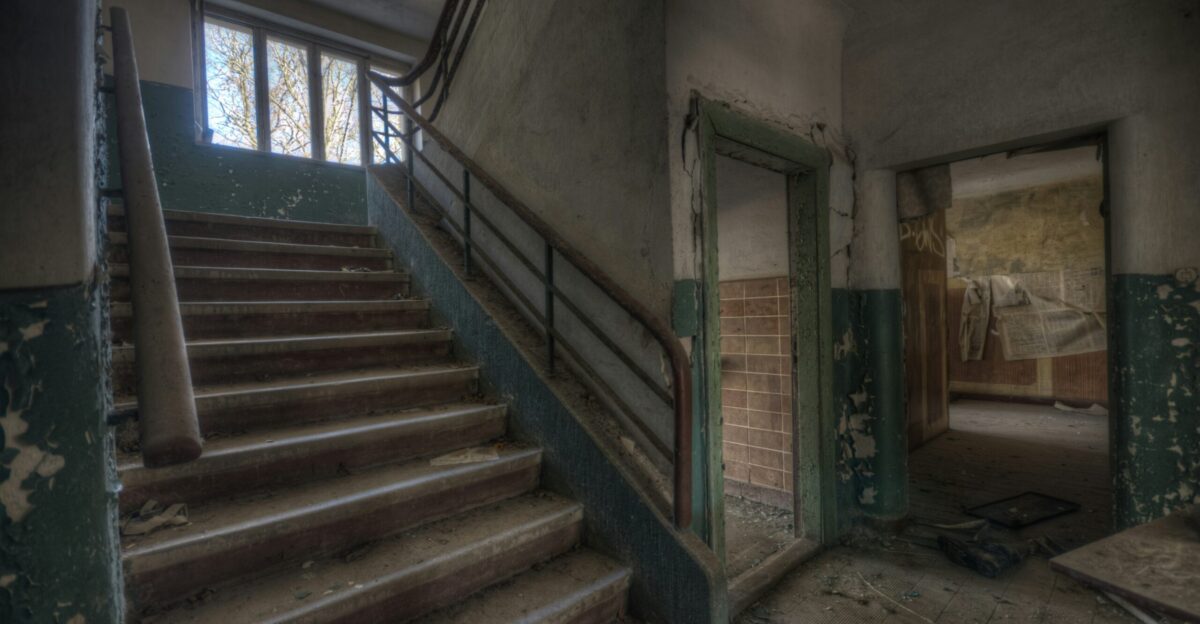
In a dimly lit barracks, a soldier struggles to sleep on a mattress older than their service. The air is thick with the smell of mold, and a broken fire alarm hangs from the ceiling. This is the reality for thousands of U.S. military service members, where poor housing conditions have silently undermined morale and readiness for decades.
A shocking 2023 Government Accountability Office report reveals sewage overflows, methane leaks, and non-functioning alarms across installations. This is not just a story about bad housing—it’s a crisis in military readiness.
The Neglect Deepens

For years, military housing failures have been ignored, leaving a trail of problems across administrations. Maintenance backlogs are in the billions, with the Army diverting over $1 billion to border operations in 2025, worsening the decay. Independent assessments revealed hazardous living conditions, leading Navy and Marine Corps leaders to relocate troops from unsafe facilities.
Service members, many on modest salaries, had no choice but to endure substandard living arrangements—conditions that would violate civilian building codes. Finally, the Pentagon is forced to take action.
A Task Force Takes Shape

In October 2025, Secretary of Defense Pete Hegseth set up the Pentagon Barracks Task Force, giving it a 30-day mandate to devise a nationwide plan for military housing. Hegseth, a former Army National Guard major, emphasized that this initiative was vital to military readiness. The task force’s goal: assess barracks conditions, identify urgent needs, and create a funding strategy.
This marks the first coordinated response from the Pentagon, highlighting the recognition that troop welfare directly impacts combat effectiveness.
Mounting Pressure and Political Will

Congress and veteran advocacy groups have ramped up the pressure on the Pentagon. Robert Evans, founder of the Hots & Cots app, spoke at task force meetings and voiced support for the effort. The Trump administration’s One Big Beautiful Bill Act, signed in July 2025, allocated $1 billion for unaccompanied military housing upgrades.
With political backing and public attention, Hegseth has the momentum to push through systemic reforms. This confluence of support offers a unique opportunity for real change.
The $1.2 Billion Overhaul Announced
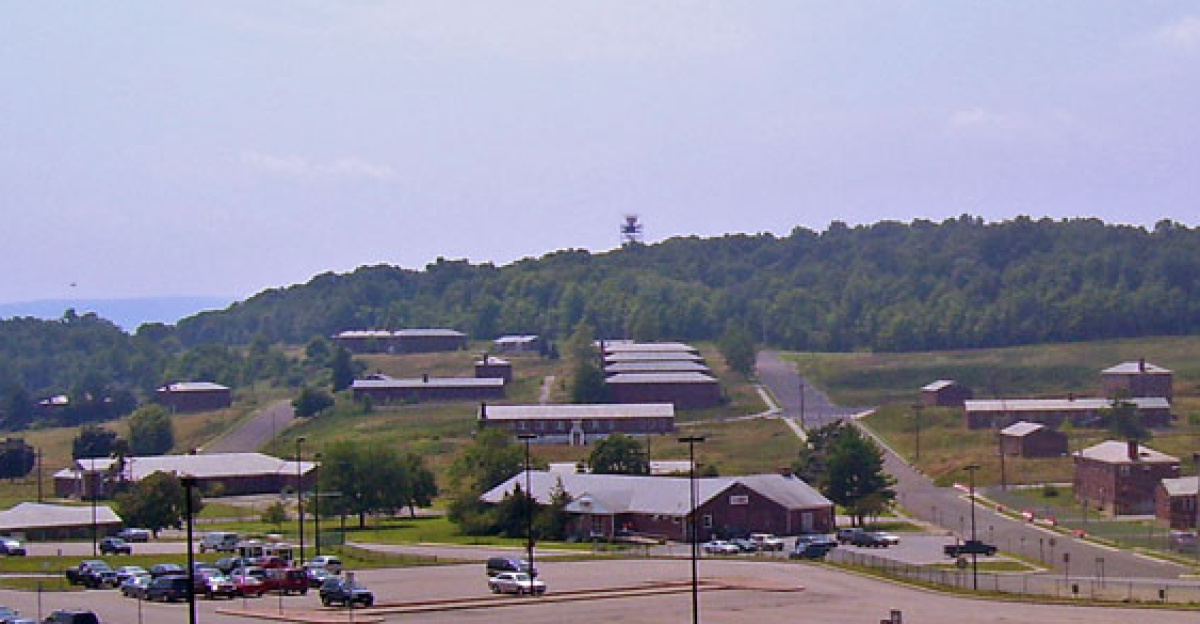
On December 3, 2025, Hegseth revealed a $1.2 billion investment in barracks renovations—the largest in recent military history. $400 million will be directed to urgent needs, and $800 million will fund critical repairs. The goal is simple: barracks with locks that lock, security systems that work, and no mold.
This initiative is a clear break from decades of deferred maintenance, focusing on the troops most in need: junior enlisted and unaccompanied personnel.
Early Wins: Furnishings and Locks
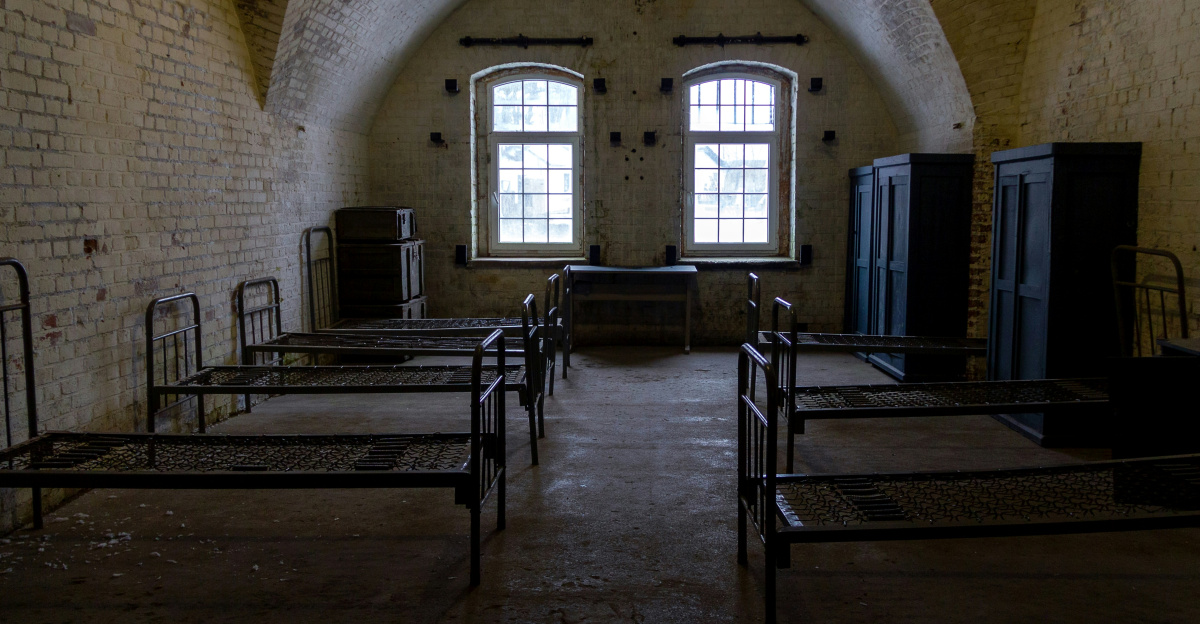
By Thanksgiving 2025, the task force had made noticeable improvements. 81 barracks, housing over 15,000 troops, received new mattresses and furnishings. In addition, 10 barracks with more than 6,000 service members got upgraded door locks, solving years of security issues.
Thirteen barracks housing 1,500 personnel received new security systems. This quick action, funded by an initial $101 million, proves that the Pentagon is serious about fixing its housing crisis.
A Soldier’s Perspective
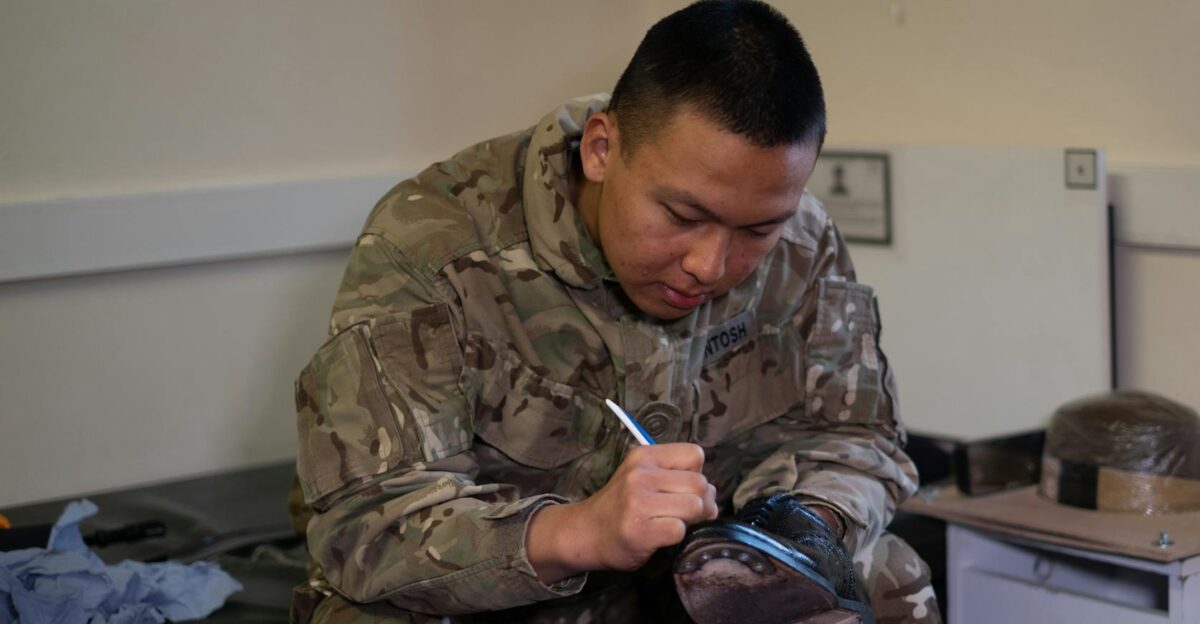
For many service members, the improvements were a long-awaited relief. One junior enlisted Marine shared that new mattresses and functioning locks restored a sense of dignity and security. The changes have a far-reaching psychological impact, signaling that leadership acknowledges the unacceptable living conditions.
Surveys show that housing quality directly affects re-enlistment decisions, and this first step in improving conditions highlights the Pentagon’s shift in priorities.
Privatization as Accelerant
The Army is also exploring a privatization initiative to speed up renovations. In Hampton Roads, Virginia, a $380 million privatization project is underway to replace aging housing with modern facilities. The U.S. Army Corps of Engineers is reviewing building codes to shorten construction timelines.
By partnering with private contractors, the Pentagon hopes to reduce delays and bring expertise to the project. This hybrid model aims to meet the growing demand for improved housing.
Barton Barracks: A Case Study
In Germany, the Army has begun a $330 million project to modernize Barton Barracks, demolishing old buildings and constructing new ones. Two new Unaccompanied Personnel Housing barracks, costing $100 million each, are set to begin construction in summer 2026.
This project exemplifies the Pentagon’s global commitment to improving housing for troops and ensuring that U.S. military presence in Europe remains strong, especially amidst growing NATO concerns.
The Readiness Reframe

Secretary Hegseth reframed the housing crisis as a national security issue, not just a quality-of-life problem. “How can we expect them to be ready for anything on the battlefield when their own living space is a constant source of stress?”
This shift in thinking emphasizes that troop welfare directly affects combat readiness, making housing improvements an investment in military effectiveness. With this new perspective, the Pentagon is attracting broader political support for the overhaul.
Garrison Commanders Gain Authority
The $400 million allocated for immediate improvements gives garrison commanders the power to make decisions locally. This decentralization accelerates repairs, allowing commanders to address the most pressing issues without waiting for approval from higher-ups.
However, the autonomy comes with accountability—commanders must justify spending and demonstrate results. Monthly oversight reports will track progress, ensuring that improvements are made quickly and effectively.
Hegseth’s Leadership Imprint

Since taking office in January 2025, Pete Hegseth has made barracks reform a key priority. His leadership style focuses on cutting red tape, empowering commanders, and prioritizing frontline troops. Hegseth’s military background and willingness to challenge the Pentagon’s long-standing bureaucracy have given him the credibility to drive this overhaul.
His push for reform signals a shift in how the Pentagon will address internal issues moving forward.
The Strategic Plan Unfolds

The task force has already completed assessments of barracks across the Air Force, Navy, Marine Corps, and Army’s 18th Airborne Corps. Assessments for Army Reserve and National Guard barracks are expected by January 2026. This thorough approach ensures that all services are equally prioritized.
Meanwhile, the Pentagon is revising building codes and exploring private contractor partnerships to speed up the process. This dual-track strategy balances rapid action with long-term systemic change.
Skepticism and Realism

While the $1.2 billion overhaul is a step forward, some remain skeptical. Robert Evans of Hots & Cots warned that “major fixes won’t happen overnight,” given the decades of neglect. Yet, he noted that the fact work is finally underway is a significant shift.
Service members, who have long endured substandard living conditions, are cautiously optimistic. The slow pace of progress must be tempered with realistic expectations, but the signs of change are undeniable.
What Comes Next?
The barracks overhaul will take years to complete, with continued improvements through 2026. The January 2026 deadline for Army Reserve and National Guard assessments will provide further clarity on scope and costs. Congressional appropriations will determine whether the funding sustains beyond the initial $1.2 billion.
Partnerships with private contractors will help accelerate projects, but they may introduce potential challenges. The future of this initiative depends on sustained political will and consistent funding.
Political Stakes and Messaging

Hegseth’s overhaul has political implications, especially in contrast to the Biden administration’s previous inaction. Framing the initiative as a commitment to military readiness, the Trump administration has positioned the overhaul as evidence of its support for service members.
While both Democrats and Republicans largely support the plan, debates around privatization and long-term funding continue. Success or failure will shape perceptions of the administration’s military priorities.
NATO and Global Implications
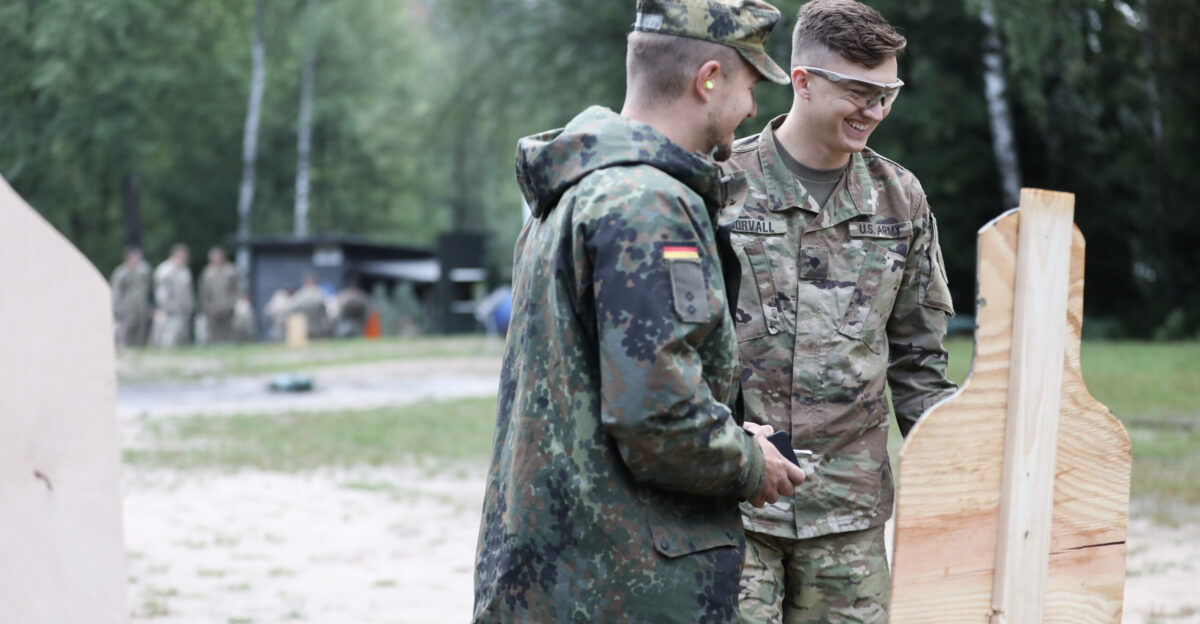
The Barton Barracks project in Germany highlights that the barracks crisis affects military installations worldwide. U.S. military readiness in Europe depends on troop morale, and poor housing conditions can impact recruitment and deployment.
The $330 million investment in Barton Barracks reflects the Pentagon’s commitment to maintaining a strong U.S. presence in Europe amidst growing concerns about Russian aggression. NATO allies are watching closely, as housing conditions influence military professionalism globally.
Legal and Health Implications
The 2023 GAO report highlighted dangerous conditions, including mold, that violate civilian housing codes. These health risks could expose the Pentagon to legal challenges, and advocacy groups are already raising concerns. By addressing these conditions, the Pentagon is preemptively addressing potential legal claims and reducing long-term medical costs associated with mold and poor ventilation.
This health dimension adds further urgency to the housing overhaul.
Cultural Shift and Generational Expectations
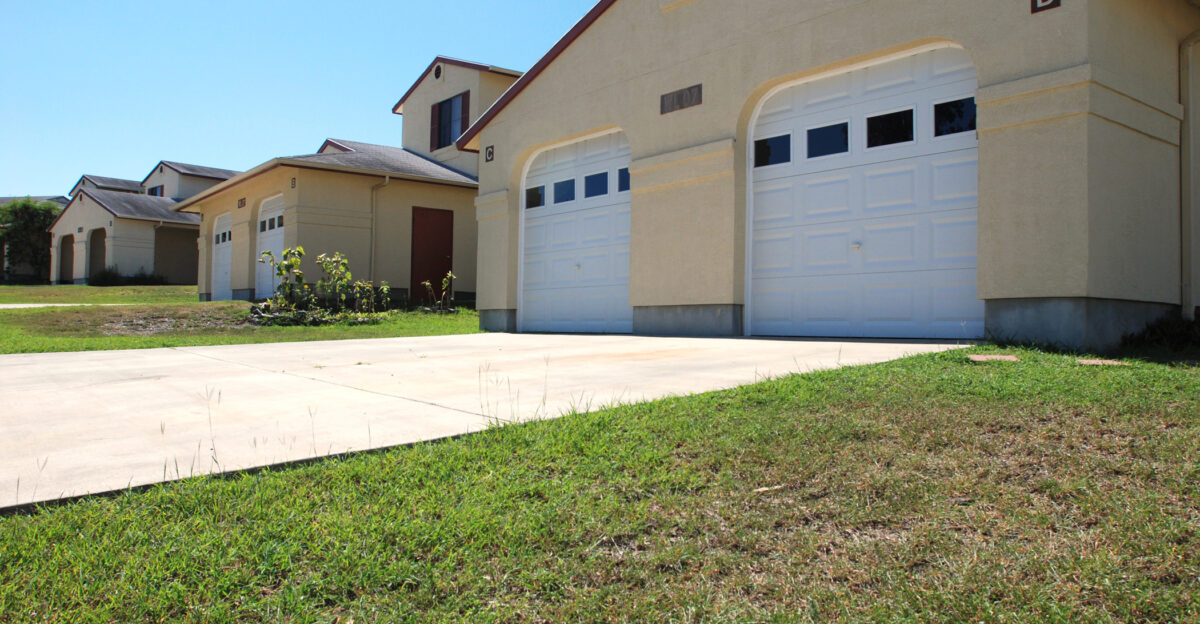
Younger service members, especially Gen Z recruits, have higher expectations for living conditions. Poor housing has become a liability for recruitment and retention, and the overhaul signals the Pentagon’s recognition of this generational shift.
By investing in modern housing, the military positions itself as an employer that values troop welfare. This cultural shift reflects broader societal changes in workplace expectations and may influence military culture for years to come.
What This Really Signals

The $1.2 billion investment in barracks overhaul represents more than just fixing buildings—it signals a fundamental recalibration of Pentagon priorities. For years, infrastructure maintenance was deferred in favor of weapons systems and operations.
Hegseth’s initiative now asserts that troop welfare is inseparable from military effectiveness. The speed of action, the scale of investment, and the decentralization of authority reflect a leadership determined to challenge institutional inertia and prioritize readiness.
Sources:
Task and Purpose – December 2025
ABC News 7 – December 2025
Breaking Defense – March 2025
War.gov – October 2025
MOAA (Military Officers Association of America) – October 2025
ClearanceJobs – December 2025