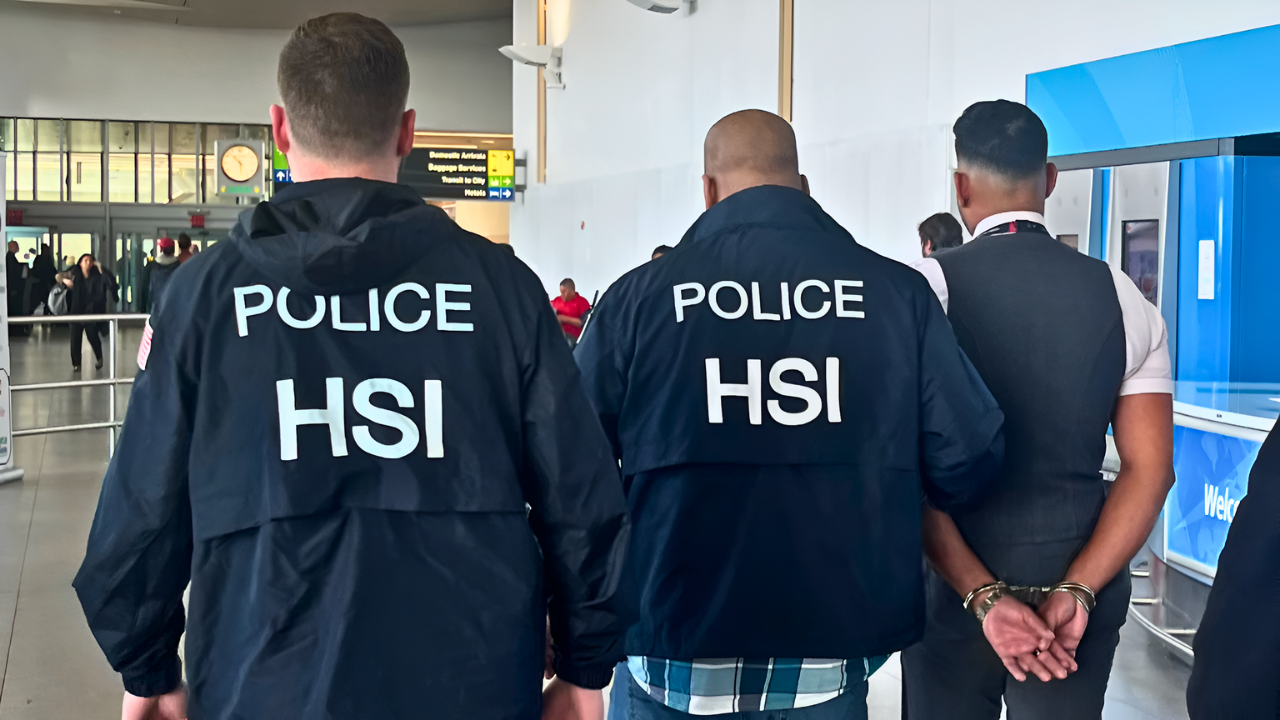
Federal prosecutors say airport agents stopped a California health-care executive at San Francisco International Airport as he prepared to board an outbound flight, ending what investigators allege was a years-long scheme involving federal money earmarked for aging U.S. veterans.
The dramatic airport intervention unfolded just as authorities were moving to halt a surge of suspicious home-care bills connected to a single, small company operating out of Fresno, California.
Officials say the timing wasn’t accidental: the arrest came as investigators worked to disrupt the alleged scheme before more funds could be routed through the business. What they uncovered, according to prosecutors, points to a long-running operation built to siphon money meant for veterans who rely on home-care support.
Veterans’ Money at Risk

At the center of the case is money Congress earmarked to help veterans stay safely in their homes as they age. Prosecutors say millions of dollars flowed instead to a private operator.
This person tested the safeguards around one of the Department of Veterans Affairs’ fastest-growing community-care programs, raising questions about how many red flags were missed before law enforcement intervened.
VA Home‑Care Boom

The Veterans Community Care Program enables eligible veterans to receive care from private providers when VA facilities are unable to meet their needs.
That shift has fueled a rapid expansion of outside home-care contractors across states like California, where aging veterans are increasingly relying on unskilled aides for daily tasks.
Oversight of these third‑party providers, however, has struggled to keep pace with the program’s growth.
A Growing Fraud Target
Healthcare fraud, including schemes involving home health and personal care services, has become a recurring target for federal investigators.
Prosecutors nationwide have brought a series of cases alleging inflated hours, “ghost” patients, and billing for visits that never occurred.
This occurred particularly within government-funded programs, such as Medicare, Medicaid, and the VA’s community-care network, prompting heightened scrutiny of billing data.
CEO Charged in $7M VA Scam
The criminal complaint names Cashmir Chinedu Luke, 66, of Antioch, as CEO and sole owner of Four Corners Health LLC, a Fresno‑based home health‑care firm.
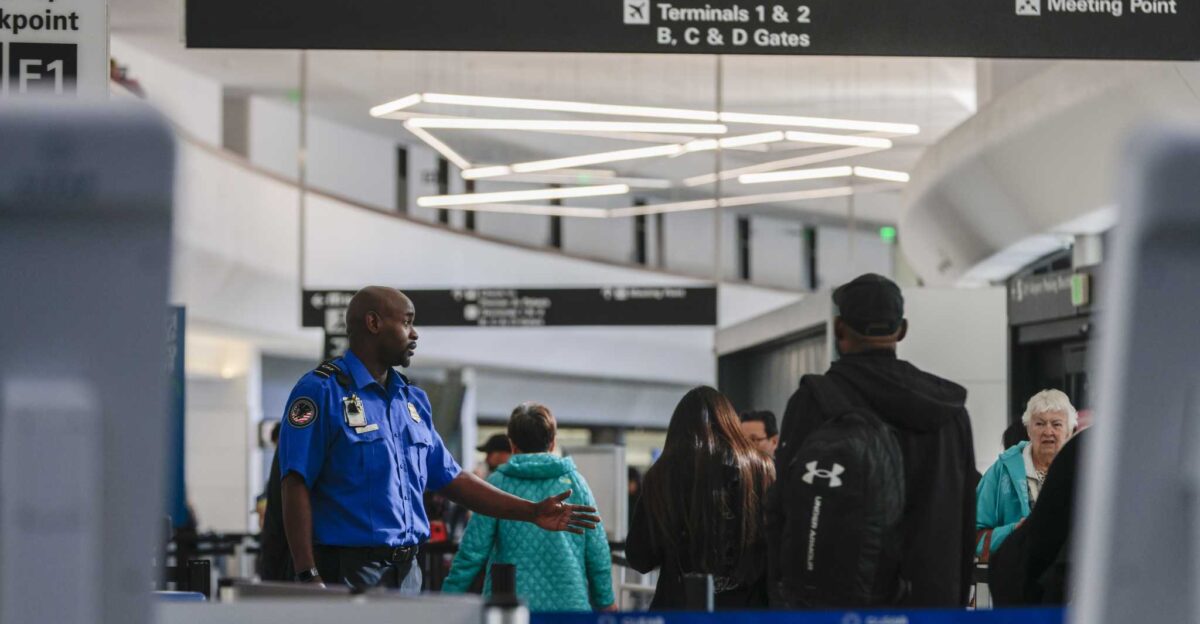
Prosecutors allege that from December 2019 through July 2024, he submitted approximately 10,000 false claims, obtaining more than $7 million from the Department of Veterans Affairs for in-home care that often did not occur. Luke was arrested at SFO while attempting to board a flight to Nigeria on December 4, 2025.
Seven Counties Affected

Four Corners Health contracted to provide unskilled, in‑home assistance to elderly VA beneficiaries across San Francisco, Contra Costa, Fresno, Tulare, Merced, Mariposa, and Madera counties in California.
Authorities say veterans in these seven jurisdictions became the basis for thousands of claims, including some filed weeks after beneficiaries had died, underscoring how a single contractor can touch a wide geographic area before problems surface.
Veterans as Paper Targets

According to court documents, many of the allegedly fraudulent claims concerned frail, aging veterans relying on the VA’s home‑care benefit.
Prosecutors say bills were submitted for days when caretakers were not present, for hours beyond what staff actually worked, and even for care “provided to veterans weeks after they had died,” turning former patients into paperwork used to extract federal funds.
Inside the Billing Scheme

Investigators allege Luke orchestrated a pattern of duplicate claims, fabricated hours, and inflated billing under the Veterans Community Care Program.
The complaint cites roughly 10,000 individual false submissions over four and a half years (approximately 2,200 false claims per year or roughly 183 per month)—including claims for services never rendered, for days when no aide visited the veteran, and for alleged duplicate charges.
Prosecutors say Luke served as Four Corners’ sole billing representative, centralizing control of the reimbursement stream.
Bigger Fraud Pattern

Federal authorities describe the allegations against Four Corners Health as part of a broader pattern in which individual operators exploit complex reimbursement systems.
The $7 million scheme represents one of the largest VA home‑care fraud cases prosecuted in Northern California in recent years.
The VA Office of Inspector General and U.S. Attorney’s Offices around the country have pursued multiple cases in recent years involving false billing under both VA and Medicare programs, as they view home-care and personal-care benefits as particularly vulnerable to manipulation.
A Repeat Federal Offender
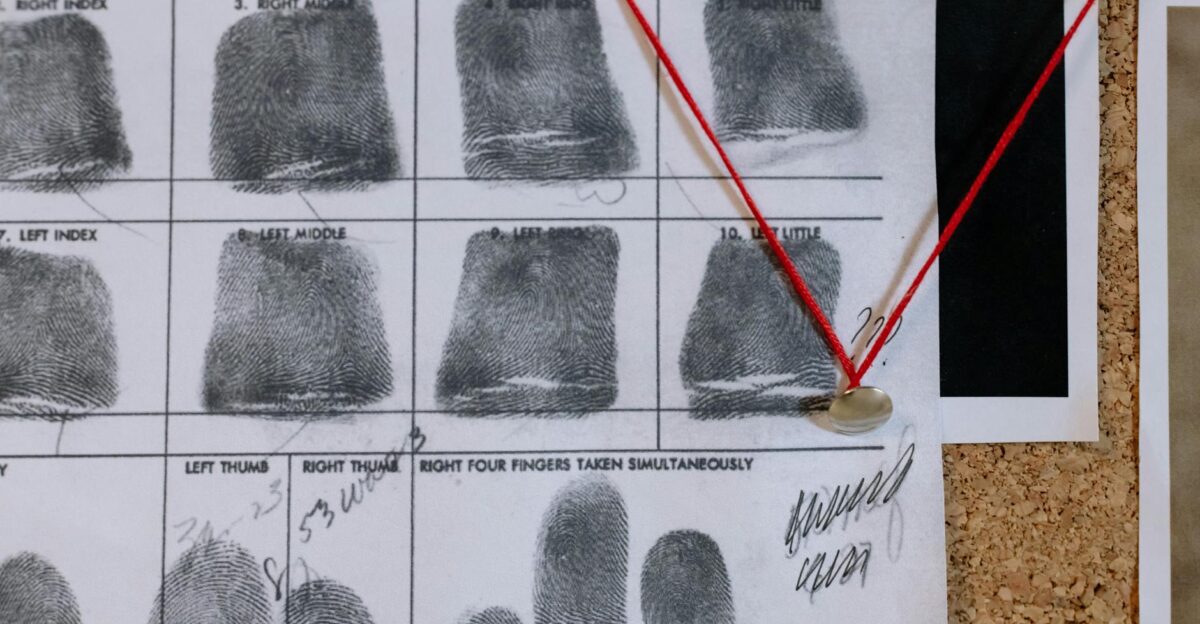
Beyond the current complaint, Luke has a prior 2009 federal conviction in Maryland for conspiracy to commit identification document fraud and aggravated identity theft.
Justice Department records say he received 27 months in prison and three years of supervised release, with a judge finding he committed perjury at trial.
Prosecutors in that case said he misused multiple identities, including those of a brain‑injury patient and deceased family members. This marks his second major federal prosecution in 16 years.
Misleading the VA Administrator

Prosecutors allege that Luke not only submitted false bills but also misled the VA’s third-party benefits administrator when it attempted to recover improper payments.
As questions mounted about the claims, he is accused of providing inaccurate information that allowed reimbursements to continue over several years, deepening losses to the Department of Veterans Affairs and complicating efforts to protect taxpayer funds and veterans’ benefits.
The Man Behind Four Corners

Court filings and news reports describe Luke as the sole owner and the only person with access to the Four Corners bank account, which receives VA reimbursements.
From his base in Antioch and operations in Fresno, he oversaw unskilled in‑home care services while simultaneously controlling company billing.
That concentration of authority is now a central element of the government’s case, tying him personally to the alleged fraud.
Following the Money

Investigators say that once the VA paid Four Corners, Luke immediately spent or moved the funds rather than retaining them for patient care.
Prosecutors allege he used reimbursements for personal expenses and routed money “across a network of bank accounts throughout Asia and Africa,” making recovery more difficult and suggesting an effort to distance the proceeds from U.S. oversight.
Maximum Penalties on the Line

If convicted on the current VA fraud charges, Luke faces up to 10 years in federal prison and a $250,000 fine, according to the U.S. Attorney’s Office.
Those are statutory maximums; any actual sentence would be set by a judge under federal guidelines, which weigh factors such as loss amount, criminal history, and acceptance of responsibility. For now, the complaint marks only the first step in the case.
Flight Risk Questions

Authorities say Luke was taken into custody at San Francisco International Airport on December 4, 2025, as he attempted to board a Nigeria‑bound flight.
While prosecutors have not publicly detailed his travel plans, the timing supports their view of him as a potential flight risk, especially given the alleged overseas transfers of VA funds and his ties to Nigeria, where he lived before becoming a naturalized U.S. citizen.
Oversight and Policy Implications

The investigation, led by the VA Office of Inspector General and prosecuted by Assistant U.S. Attorney Calvin Lee, highlights gaps in policing community‑care contractors.
How did 10,000 false claims—including charges for deceased veterans filed weeks after their deaths—go undetected for 4.5 years?
Lawmakers and watchdogs may look to this case as they consider tightening pre-payment reviews, strengthening audits, or revising how third-party administrators flag anomalies in home-care billing across multiple counties and years.
Cross‑Border Financial Trails

Alleged transfers through bank accounts in Asia and Africa give the case an international dimension that may demand cooperation with foreign financial intelligence units.
Tracing and freezing potential fraud proceeds outside U.S. borders is often slower and more complex, raising the stakes for early detection of suspicious billing patterns before reimbursements are dispersed globally.
Legal Process Ahead

The current filing is a criminal complaint, not yet an indictment, meaning prosecutors must still present evidence to a grand jury or pursue further charges.
Luke is presumed innocent unless and until proven guilty in court. Future proceedings will likely examine billing records, bank transfers, and witness testimony from VA officials, caregivers, and possibly veterans or families listed on the claims.
Trust in Veterans’ Care
Allegations that money intended for homebound veterans was diverted through false claims may deepen public concern about privatized care.
Veterans’ advocates have long warned that complex reimbursement systems can obscure who is actually providing services, and whether vulnerable patients receive promised visits.
Cases like this one test the trust veterans place in both local contractors and the federal agencies overseeing them.
What the Case Signals

The accusations against Four Corners Health encompass multiple fronts of federal enforcement, including healthcare fraud, veteran protection, and cross-border money flows.
Whether or not prosecutors win a conviction, the case highlights how a single CEO, operating from a modest home-care firm, can allegedly divert millions of government funds worldwide—and how closely the VA, Congress, and watchdogs will now scrutinize similar providers.
Sources:
U.S. Attorney’s Office, Eastern District of California press release, Dec. 3, 2025
The Business Journal (Fresno), Dec. 3, 2025
SFGate, Dec. 3, 2025
GV Wire, Dec. 3, 2025
FOX26 KMPH, Dec. 3, 2025
San Francisco Chronicle, Dec. 3, 2025
U.S. Department of Justice health‑care fraud enforcement summaries
U.S. Department of Veterans Affairs program overview