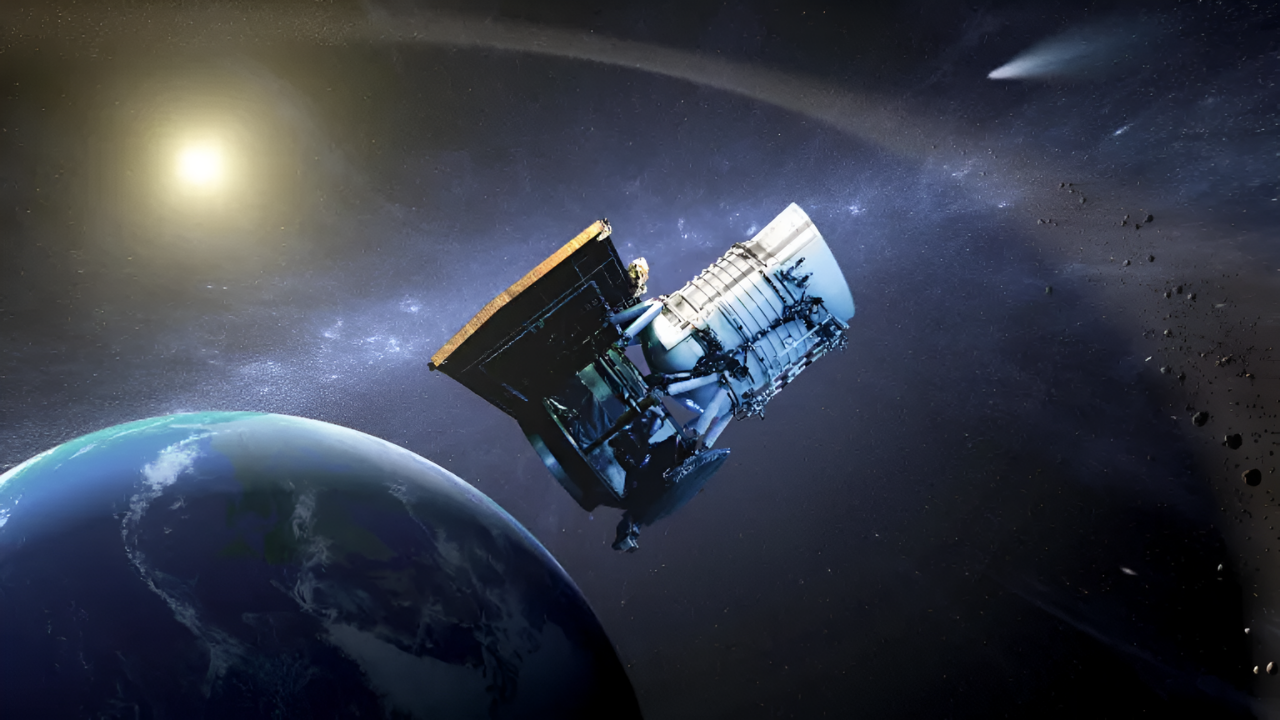
A mysterious object from beyond our solar system is traveling through our cosmic neighborhood, leaving astronomers stunned by its unprecedented behavior.
Designated 3I/ATLAS, this interstellar visitor was first spotted on July 1, 2025, by NASA’s ATLAS telescope, making it only the third confirmed object detected from outside our solar system.
As it nears its closest approach to Earth on December 19, scientists are scrambling to comprehend its unusual characteristics and the strange activity it has been exhibiting.
Rare Detection
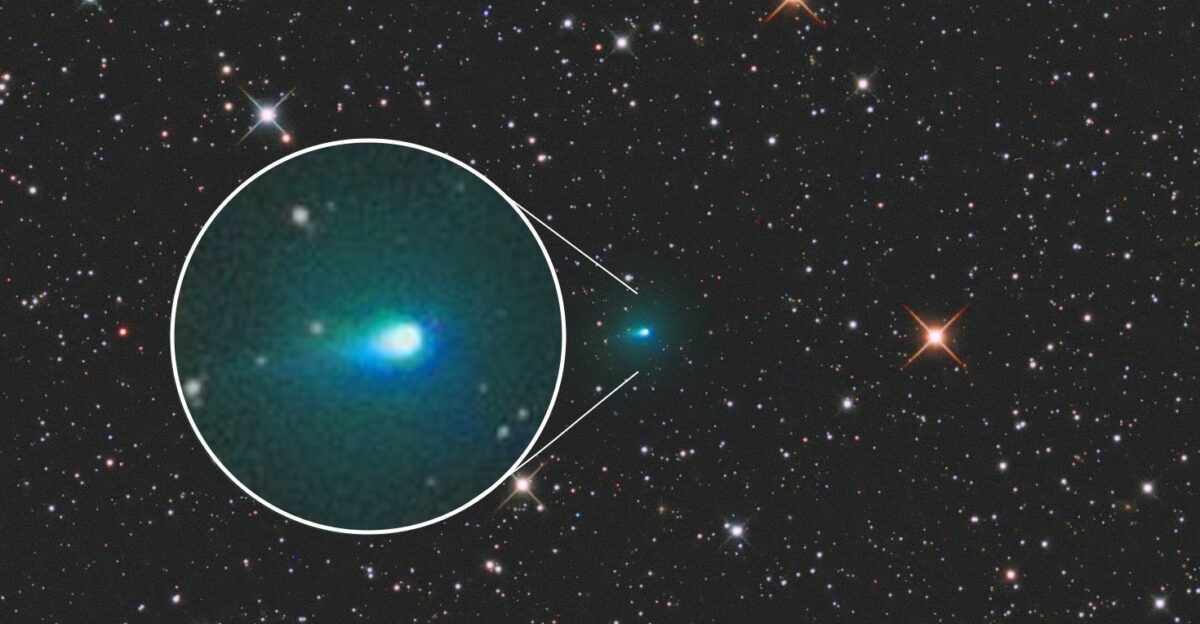
3I/ATLAS joins an exclusive group of confirmed interstellar visitors to humanity’s observational record. ‘Oumuamua arrived in 2017, revolutionizing astronomy by proving objects regularly travel between star systems and sparking debates about its unusual elongated shape.
Comet 2I/Borisov followed in 2019, providing the first opportunity to study an active interstellar comet with familiar tail structures.
Now 3I/ATLAS offers scientists unprecedented chances to observe an interstellar visitor exhibiting dramatic, unexplained activity during its closest approach to our Sun and Earth.
Initial Hypothesis

On November 9, 2025, Harvard astrophysicist Avi Loeb published calculations suggesting 3I/ATLAS may have fragmented into “at least 16 equal pieces, and likely many more” during its October 29 perihelion passage.
His hypothesis emerged from analyzing extraordinary mass loss rates of 4.4 million pounds per second, which required approximately 617 square miles of absorbing surface area—16 times larger than Hubble observations suggested possible for a single intact nucleus. The fragmentation theory sparked global intrigue and speculation.
Telescope Observations
Just two days after Loeb’s hypothesis, the Nordic Optical Telescope in the Canary Islands captured detailed images of 3I/ATLAS on November 11 and 12, 2025.
These observations, taken approximately two weeks after the object’s closest approach to the Sun, provided the first direct visual evidence of the comet’s post-perihelion condition.
Astronomers worldwide eagerly analyzed the images to determine whether the fragmentation hypothesis matched observational reality or if the object had survived its intense solar encounter intact.
Intact Confirmation

The Nordic Optical Telescope images definitively showed 3I/ATLAS remained a single, intact body with no evidence of fragmentation. Qicheng Zhang of Lowell Observatory, analyzing multiple telescope observations, stated: “All the images I’ve seen show a fairly ordinary/healthy-looking comet. There’s no sign at all that the nucleus broke apart.”
Independent astronomers examining data from observatories worldwide reached the same conclusion, establishing a scientific consensus that the object survived perihelion without shattering into fragments.
Scientific Correction

On Wednesday, November 13, 2025, Avi Loeb acknowledged the observational evidence in a follow-up post, conceding that new telescope images “show a single body, with no evidence for breakup following the perihelion passage two weeks earlier.”
The episode demonstrated science’s self-correcting process: theoretical calculations sparked a testable hypothesis, direct observations provided contradictory evidence, and the original claim was revised based on empirical data. The object’s unusual behavior remains unexplained, but fragmentation is no longer considered a viable explanation.
Mystery Deepens
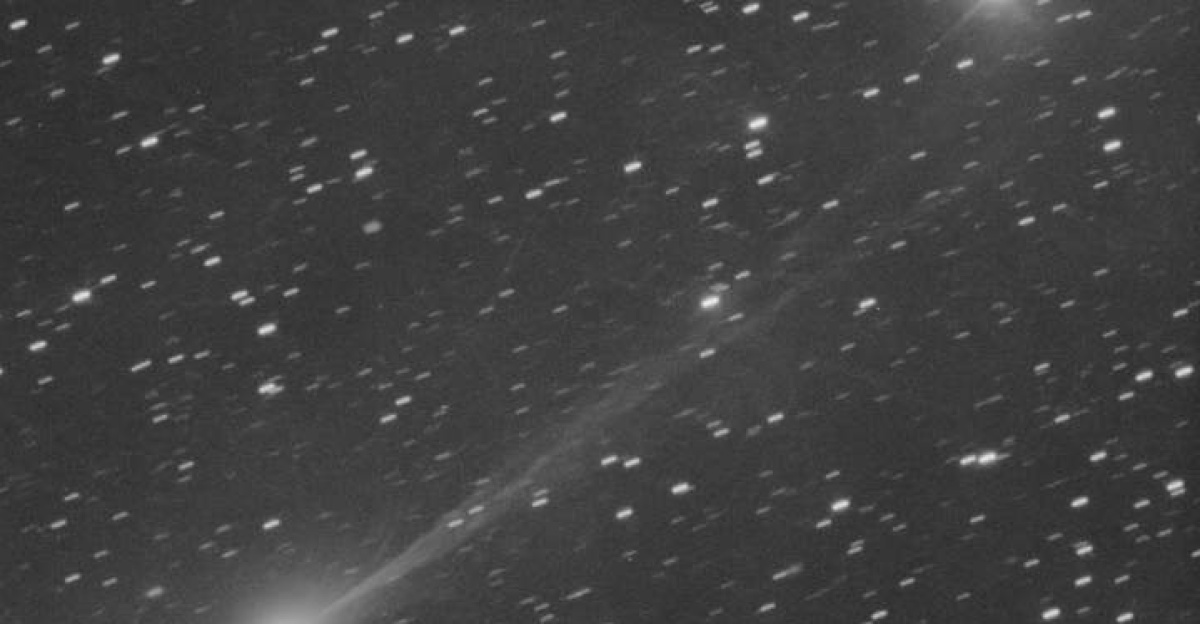
While observations confirmed 3I/ATLAS remained structurally intact, the object’s extreme mass loss rates continue to puzzle scientists. Even without fragmentation, losing 4.4 million pounds of material per second from a nucleus measuring less than 1.2 miles across challenges fundamental understanding of cometary physics.
The 13,333-fold increase in outgassing between August and October defies typical comet behavior. Scientists now face an even deeper question: if the object didn’t fragment, what mechanism explains such unprecedented volatile release?
Composition Theories
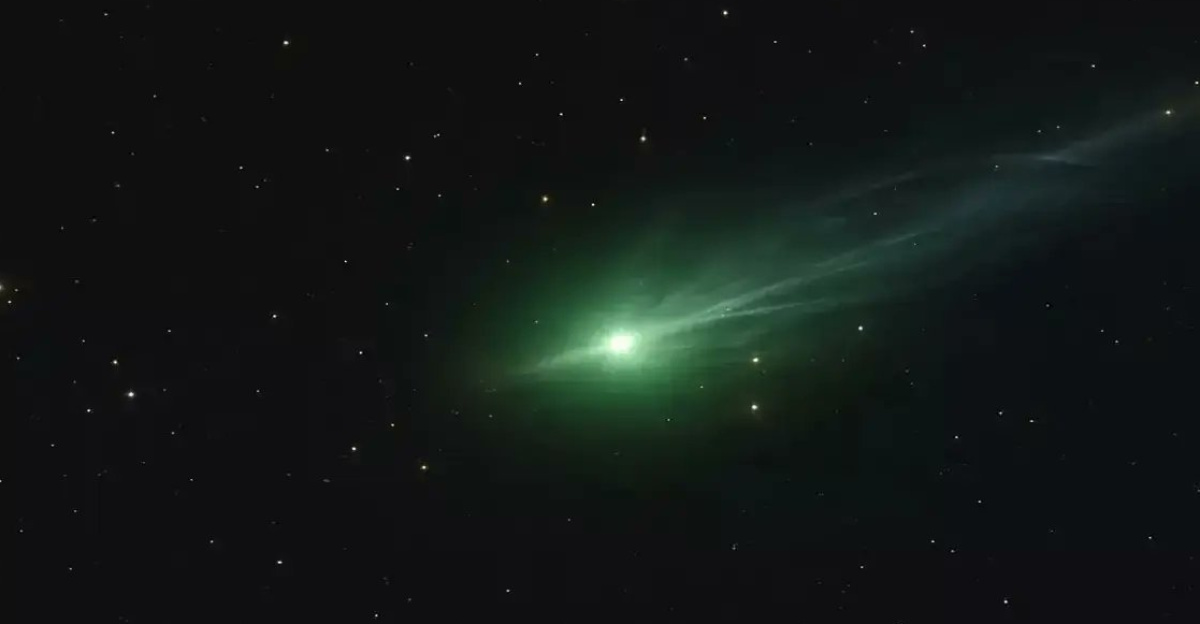
With fragmentation ruled out, astronomers are exploring alternative explanations for 3I/ATLAS’s behavior. The object may contain unusually high concentrations of super-volatile ices like carbon monoxide or methane, which sublimate more readily than water ice under solar heating.
Its interstellar origin means it formed in a different stellar environment with potentially exotic chemical compositions unknown in our solar system’s comets. Some researchers suggest the nucleus may be highly porous, maximizing surface area for sublimation despite small overall size.
Orbital Mystery

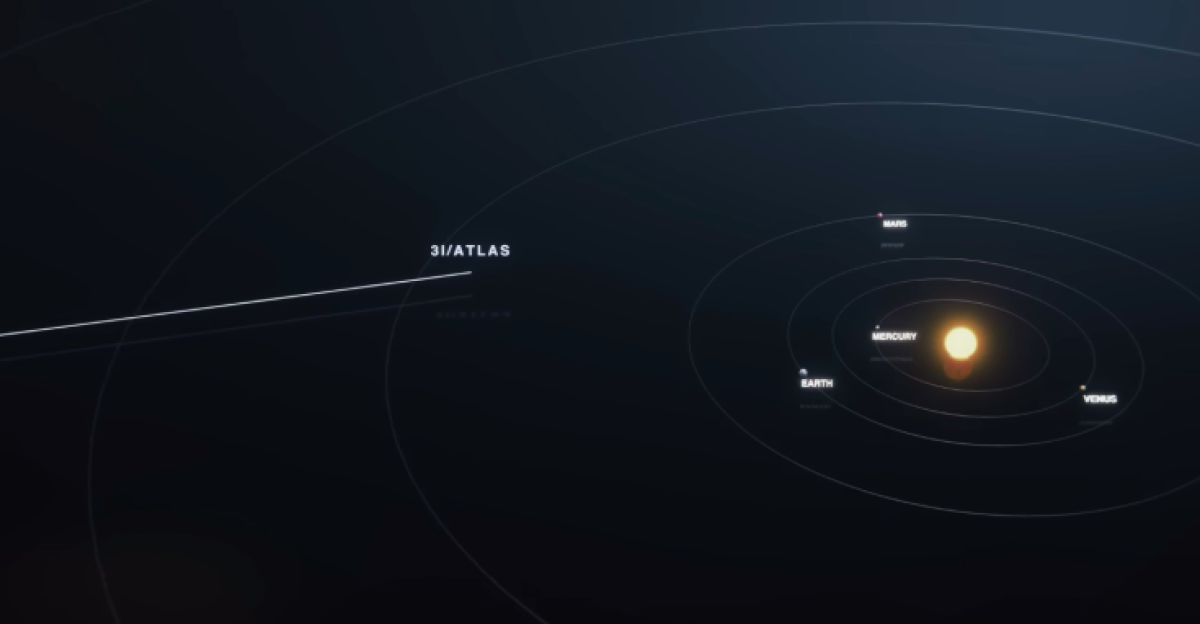
Adding to 3I/ATLAS’s mysterious profile, the object’s trajectory exhibits an unusual alignment with our solar system’s ecliptic plane—the flat disk containing the orbits of the planets.
The comet’s path lies within approximately 5 degrees of this plane, a configuration astronomers consider unprecedented for an interstellar visitor.
Objects arriving from random directions in the galaxy should approach from arbitrary angles, making this near-perfect alignment statistically improbable. This peculiarity fueled additional speculation about whether the object represents natural phenomena or something more extraordinary.
Technology Speculation
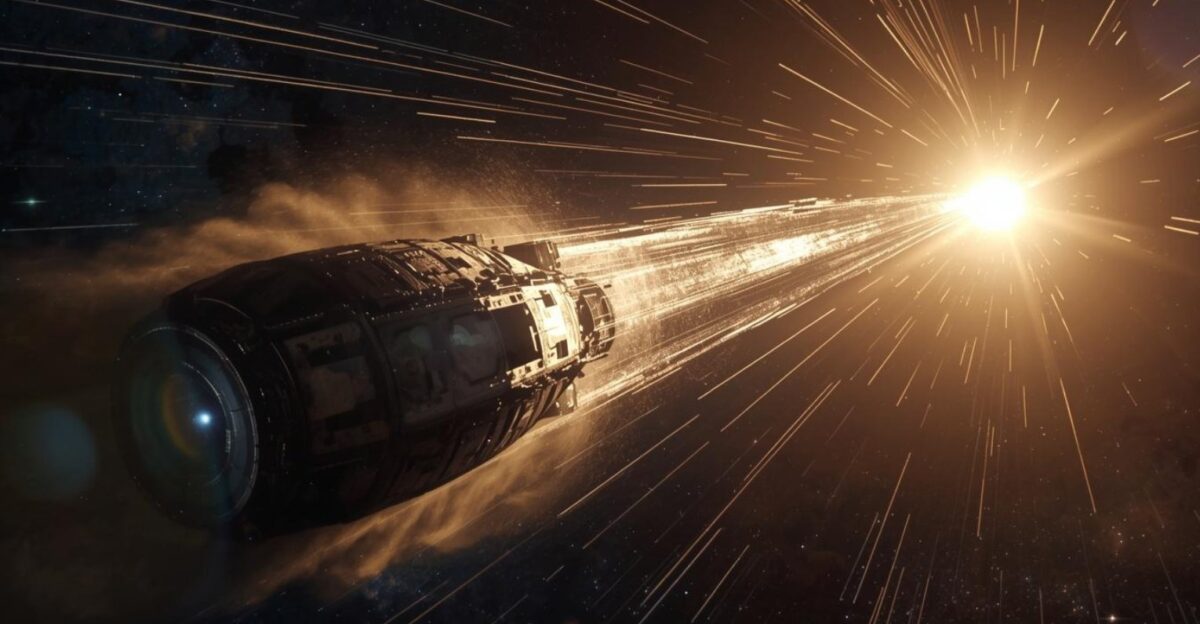
In his November 10 analysis, Loeb didn’t rule out technological origins for 3I/ATLAS’s unusual behavior. He noted that “alien-tech thrusters might employ yet higher exhaust speeds, reducing the required mass loss by several orders of magnitude and making the required fuel a small proportion of the spacecraft mass.”
Chemical rocket exhaust speeds (1.86-3.1 miles per second) exceed natural comet outflow (0.248 miles/second) by roughly tenfold, meaning hypothetical artificial propulsion would require 90% less fuel than natural processes to produce the observed effects—making technological explanations theoretically plausible.
Loeb’s Reputation

Avi Loeb serves as the Frank B. Baird Jr. Professor of Science at Harvard University and chairs the university’s Department of Astronomy. He founded the Galileo Project in 2021, dedicated to a systematic scientific search for evidence of extraterrestrial technological artifacts.
Loeb gained prominence—and controversy—by suggesting ‘Oumuamua, the first detected interstellar object, might represent alien technology rather than a natural asteroid.
His willingness to consider unconventional explanations has made him both a popular science communicator and a polarizing figure among conservative astronomers who prefer traditional interpretations.
NASA Observation
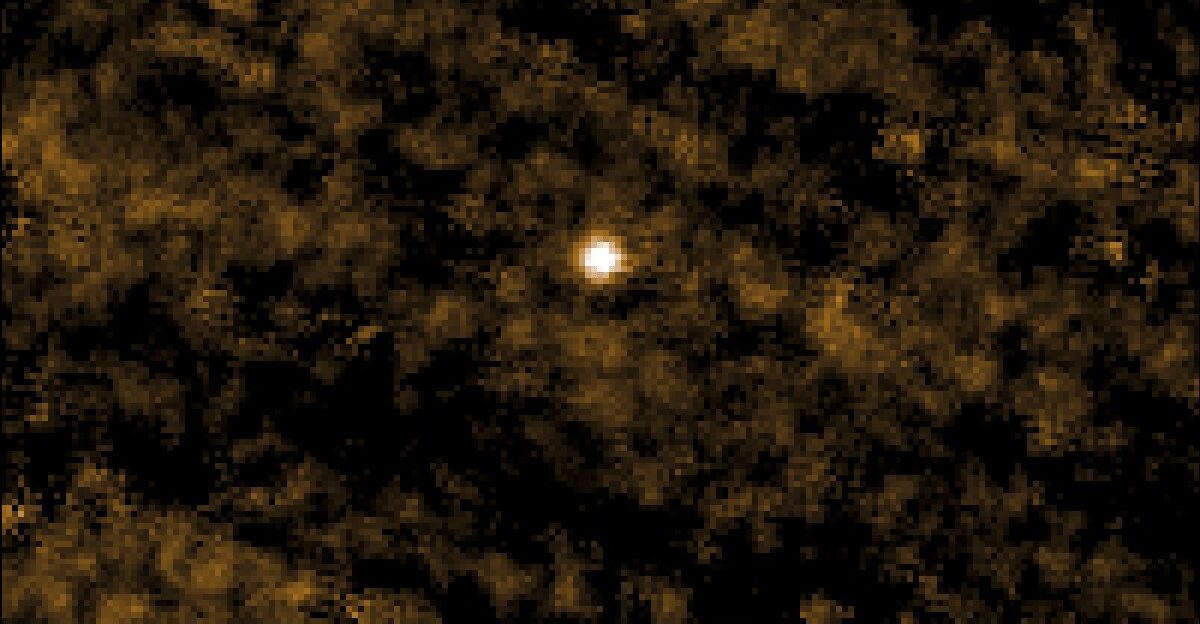
NASA deployed multiple observational assets to study 3I/ATLAS throughout its solar system passage. The Hubble Space Telescope captured images on July 21, 2025, providing size estimates that suggest the nucleus measures less than 1.2 miles in diameter—significantly smaller than the 14.3 miles in diameter that Loeb’s calculations required.
The agency coordinated with international observatories to maintain continuous monitoring as the object approached perihelion.
NASA’s solar observation spacecraft attempted to capture images of the comet during its closest solar approach, although the object remained challenging to image from most Earth-based facilities.
December Observations
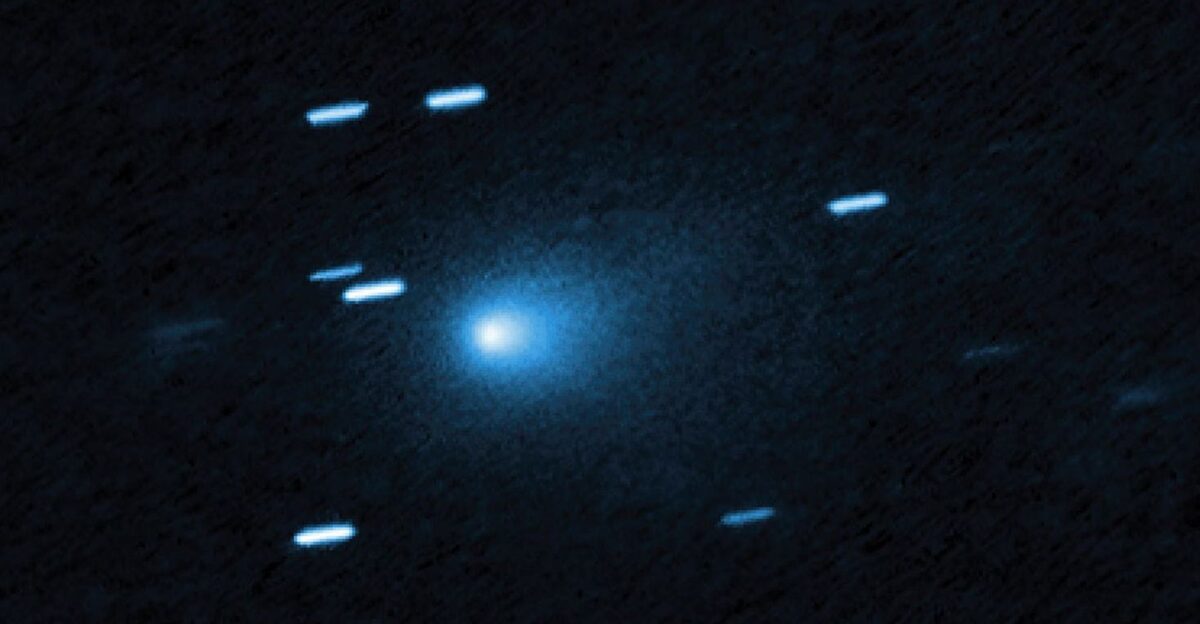
As 3I/ATLAS continues its trajectory toward Earth, December 19 marks humanity’s optimal viewing window at 1.8 astronomical units (170 million miles) distance.
Major observatories have scheduled intensive monitoring sessions to capture spectroscopic data revealing the comet’s chemical composition.
Astronomers hope to detect signatures of exotic interstellar molecules like hydrogen cyanide, formaldehyde, or rare isotopes that could distinguish materials formed in distant stellar systems from local solar system comets, potentially answering fundamental questions about the object’s origins.
Alternative Physics

Penn State astronomer Jason Wright published a detailed analysis on November 8 explaining Loeb’s calculated anomalies through conventional comet physics.
Wright demonstrated that highly active comets can produce the observed mass loss rates and unusual tail structures without requiring fragmentation or artificial technology.
His calculations showed 3I/ATLAS’s behavior, while extreme, falls within documented ranges for natural cometary phenomena. Wright’s work illustrated how unusual outgassing patterns and anti-tail formations occur through well-understood physical processes involving dust reflection, solar radiation pressure, and orbital mechanics.
Global Campaign
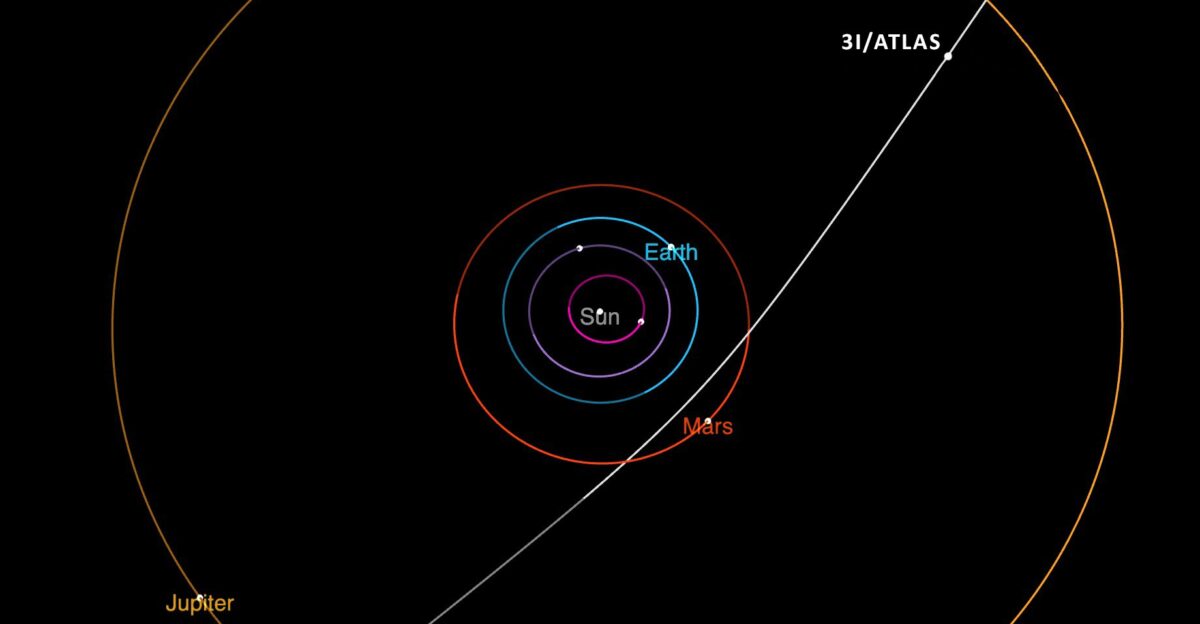
As 3I/ATLAS approaches its closest pass to Earth on December 19, astronomers worldwide have coordinated unprecedented observational campaigns.
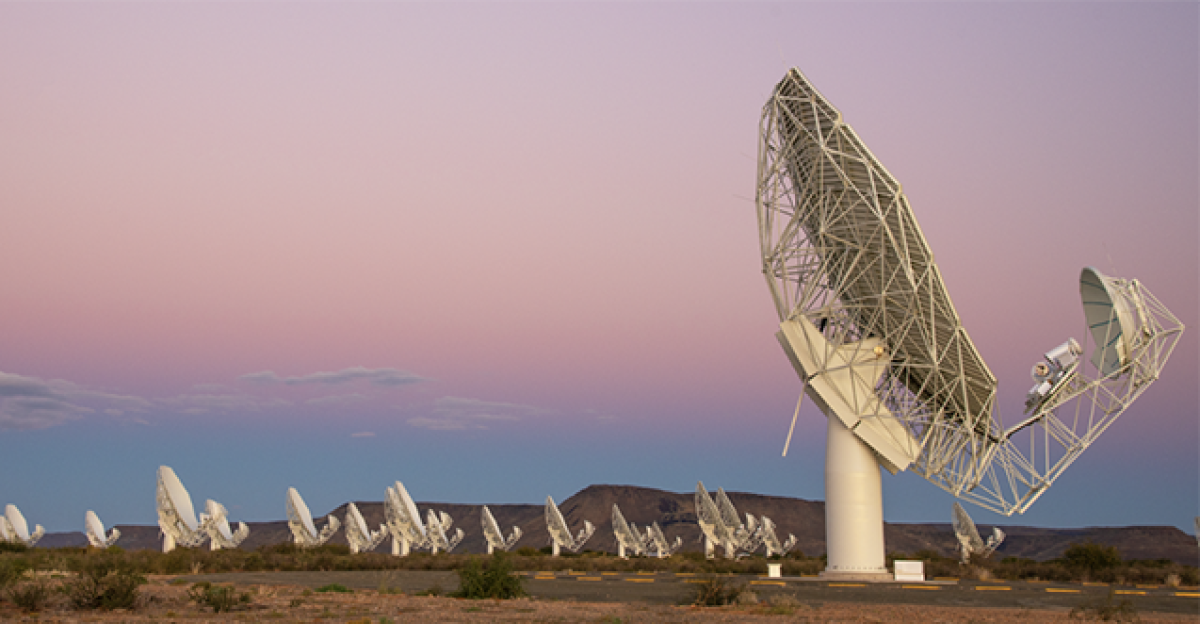
The Virtual Telescope Project in Italy, the Nordic Optical Telescope in the Canary Islands, and facilities across Chile, Hawaii, Australia, and South Africa are dedicating telescope time to capture detailed images and spectroscopic data.
This international collaboration aims to resolve remaining mysteries about the object’s composition, structure, and unusual activity patterns before it departs beyond optimal observation range forever, providing humanity’s last chance to study this visitor.
Detection Advances
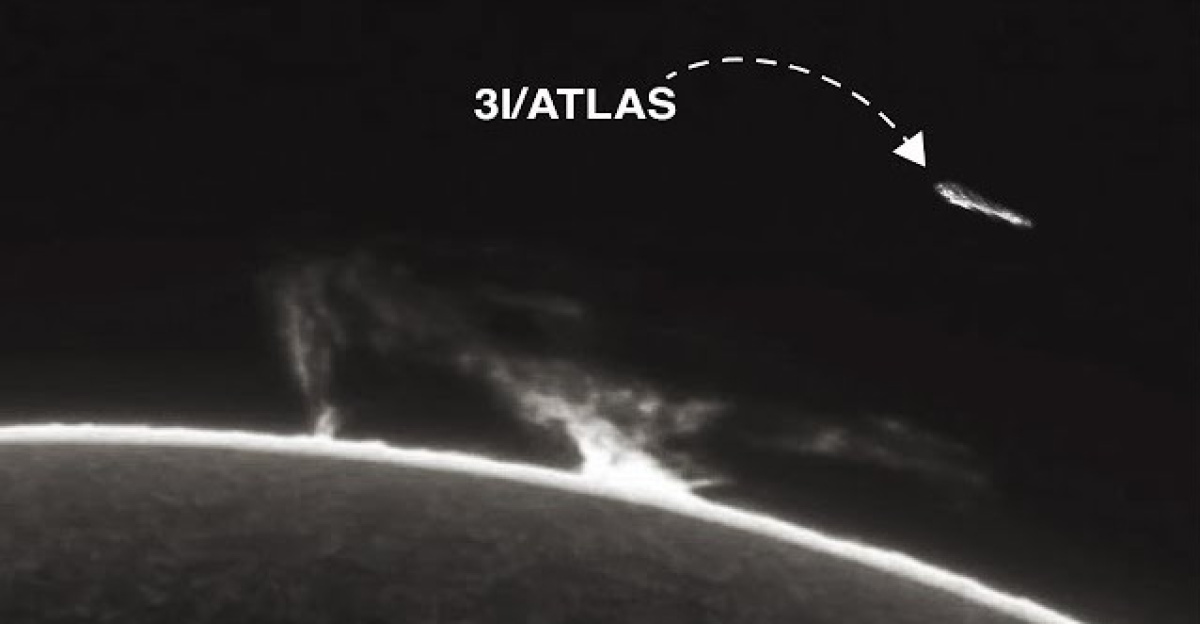
The discovery of 3I/ATLAS demonstrates advancing capabilities in detecting interstellar visitors before they exit our solar system. NASA’s ATLAS (Asteroid Terrestrial-impact Last Alert System) consists of four telescopes in Hawaii and Chile specifically designed to scan the entire accessible sky multiple times nightly.
This automated survey system, originally designed for planetary defense against near-Earth asteroids, proved instrumental in identifying 3I/ATLAS’s unusual trajectory six months prior to perihelion.
This provided unprecedented lead time for observation planning compared to previous interstellar object discoveries, which were detected during or after closest approach.
International Effort
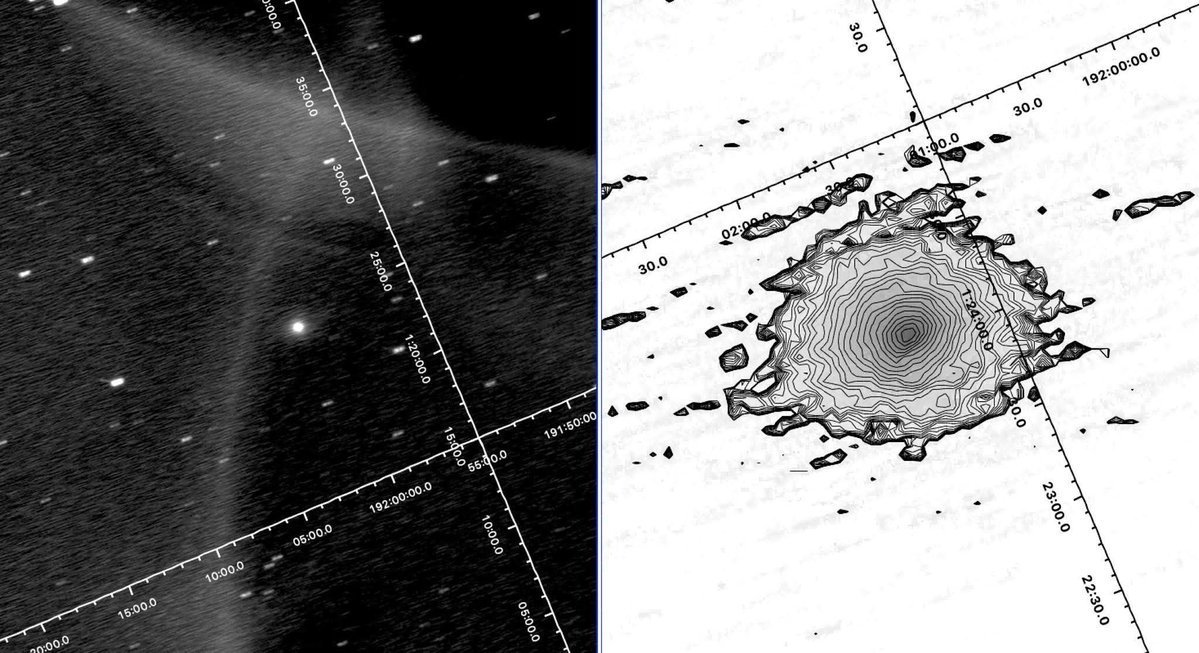
3I/ATLAS sparked collaboration among observatories and space agencies across six continents, demonstrating global scientific coordination for rare astronomical events. The Minor Planet Center in Massachusetts coordinated trajectory calculations.
European Space Agency facilities contributed spectroscopic analysis. Japanese and Australian observatories provided coverage in the Southern Hemisphere. Chinese astronomers shared data from observations in the Asia-Pacific region.
This unprecedented cooperation produced humanity’s most comprehensive dataset on an interstellar visitor, far exceeding information gathered during ‘Oumuamua and 2I/Borisov encounters, which were discovered with less advanced warning.
Scientific Standards
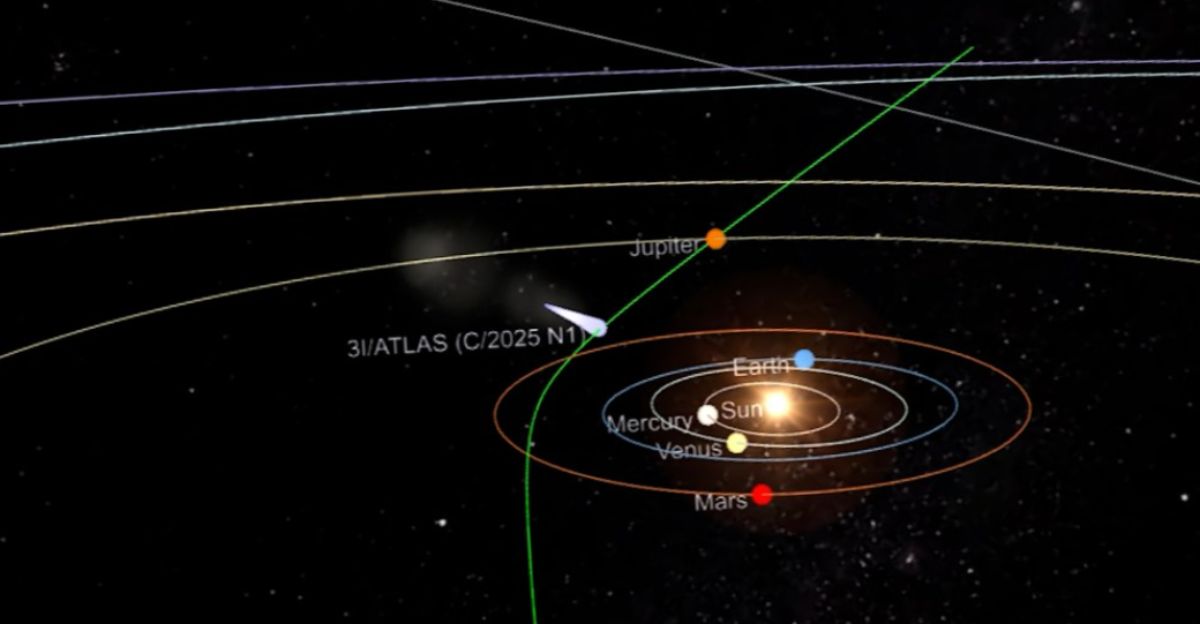
Loeb’s fragmentation hypothesis generated vigorous scientific debate about evidence standards and speculation in astronomy communication.
Some researchers praised his willingness to explore unconventional possibilities, noting that science advances through testable hypotheses, even when those hypotheses are proven incorrect. Critics argued that publicizing unverified calculations as potential discoveries risks spreading misinformation and diminishing public trust when corrections emerge.
The episode highlights the ongoing tensions between transparent real-time science communication and traditional peer-review processes, which are designed to verify findings through independent confirmation before public dissemination.
Public Interest
3I/ATLAS captivated global public attention, trending across social media platforms and generating millions of searches about interstellar visitors and potential alien technology.
The combination of legitimate scientific mystery—an object from beyond our solar system exhibiting unusual behavior—with provocative speculation about artificial origins created perfect conditions for viral interest.
Public fascination reflects a broader cultural moment in which space exploration achievements, James Webb Space Telescope discoveries, renewed lunar missions, and discussions about extraterrestrial intelligence converge in the mainstream consciousness, making astronomy topics more accessible and engaging.
Lasting Questions
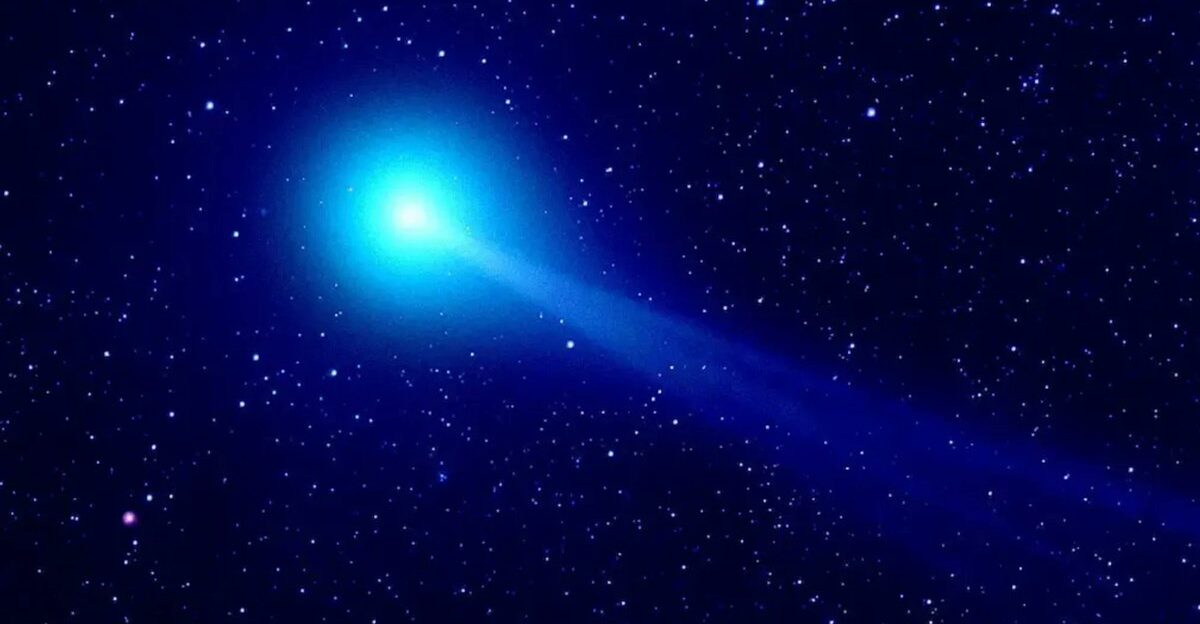
Whether 3I/ATLAS fragmented into multiple pieces or remains a single intact body, the object represents an extraordinary opportunity to study material formed around distant stars billions of years ago. Its composition may reveal clues about planetary formation in other star systems.
Its trajectory offers insights into galactic dynamics and how objects escape their home systems. Most importantly, 3I/ATLAS reminds us that our solar system exists not in isolation but as part of a galaxy constantly exchanging material, making every interstellar visitor a messenger from cosmic realms humanity may never directly reach.