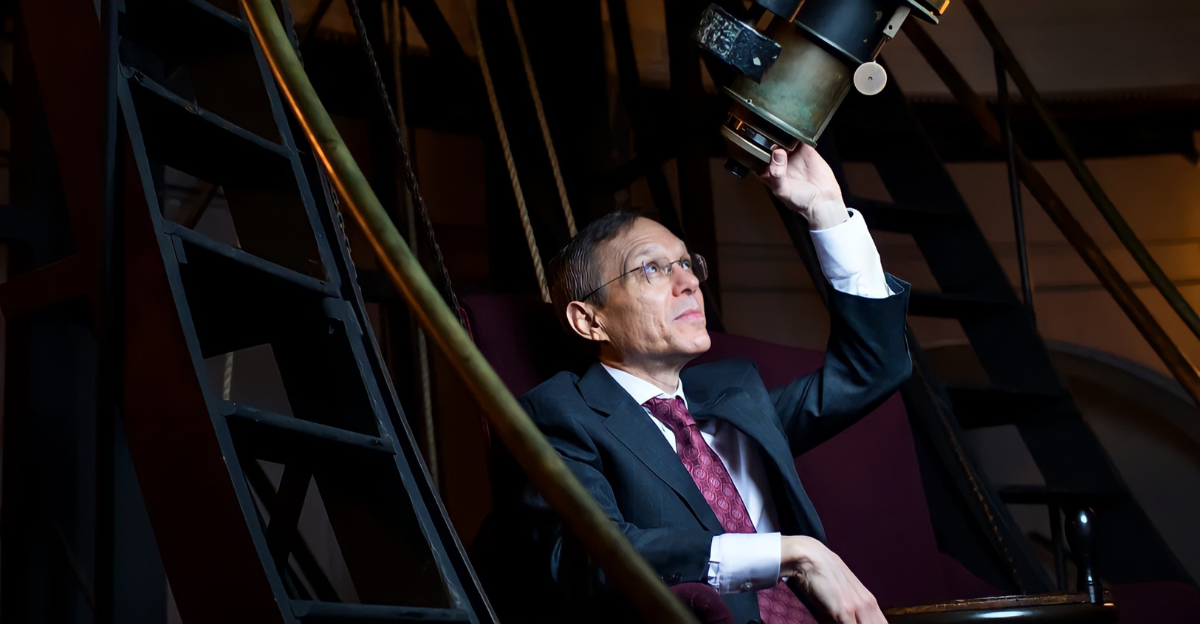
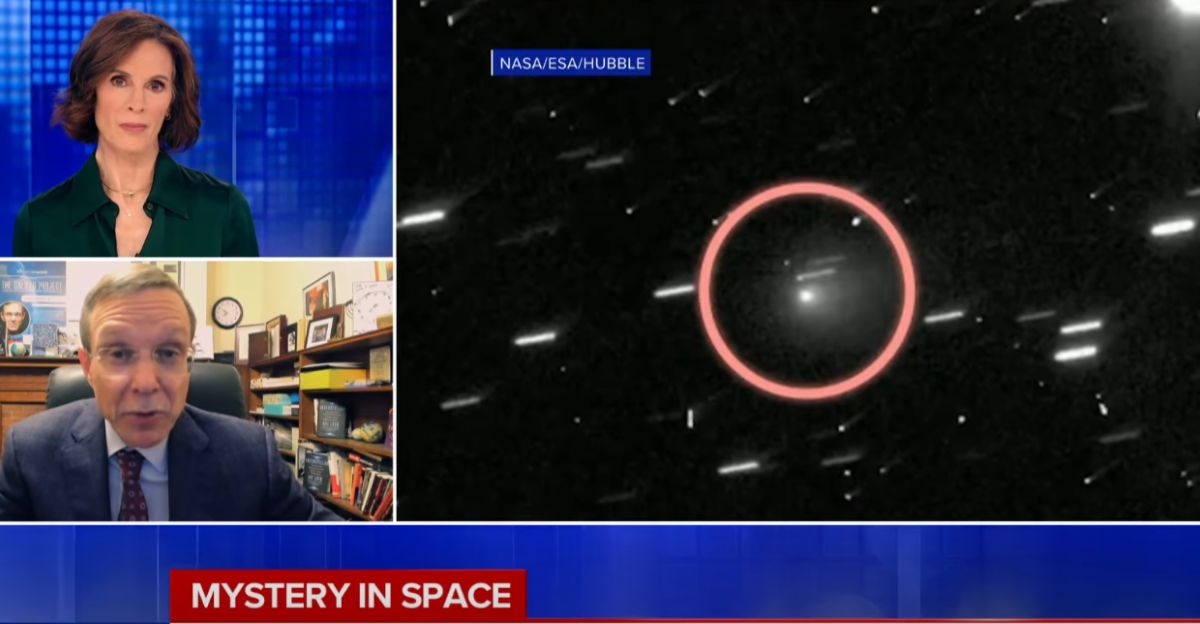
Could interstellar objects entering our solar system be proof of extraterrestrial intelligence? This new controversy has captivated the scientific community. According to Harvard astrophysicist Avi Loeb and associates, the interstellar object 3I/ATLAS has unusual features that call into question its artificial origin. Its trajectory, speed, and interactions are so unusual compared to earlier cosmic visitors that conventional explanations, such as comet or asteroid origins, seem inadequate.
The academic mainstream has rejected such possibilities for decades, but this most recent challenge is based on thorough analysis and risk modeling rather than conjecture. The need for interdisciplinary research that bridges astrophysics, philosophy, and cognitive science is highlighted by this increasing openness, which questions long-standing scientific doctrine and calls for a more inclusive framework for understanding cosmic phenomena.
Oumuamua’s Heritage
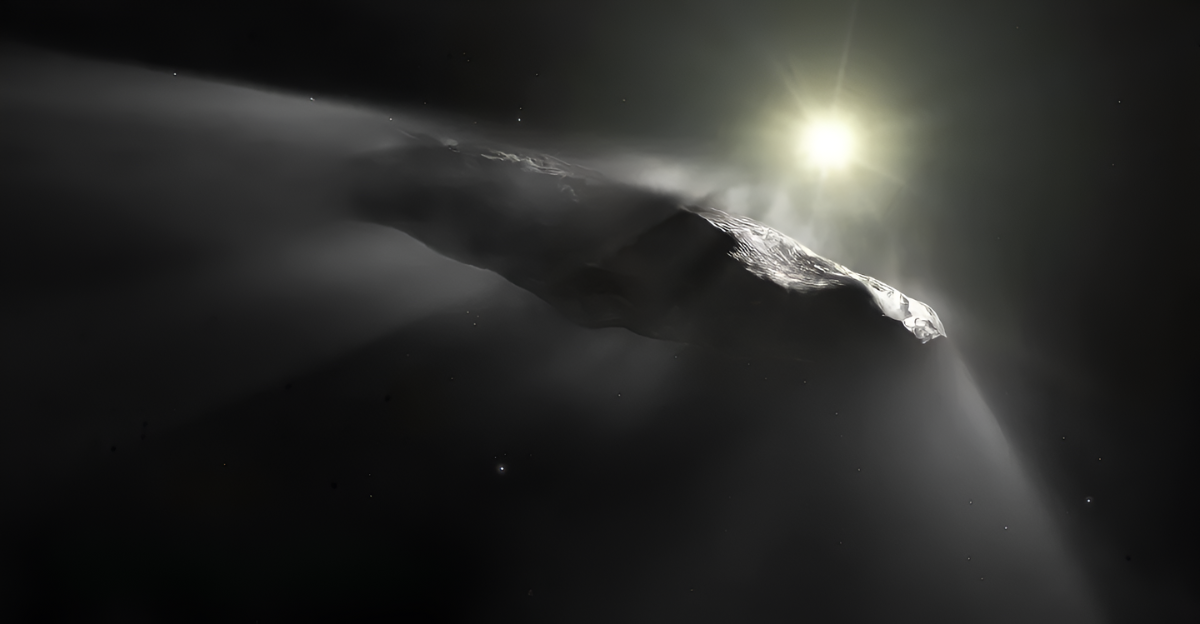
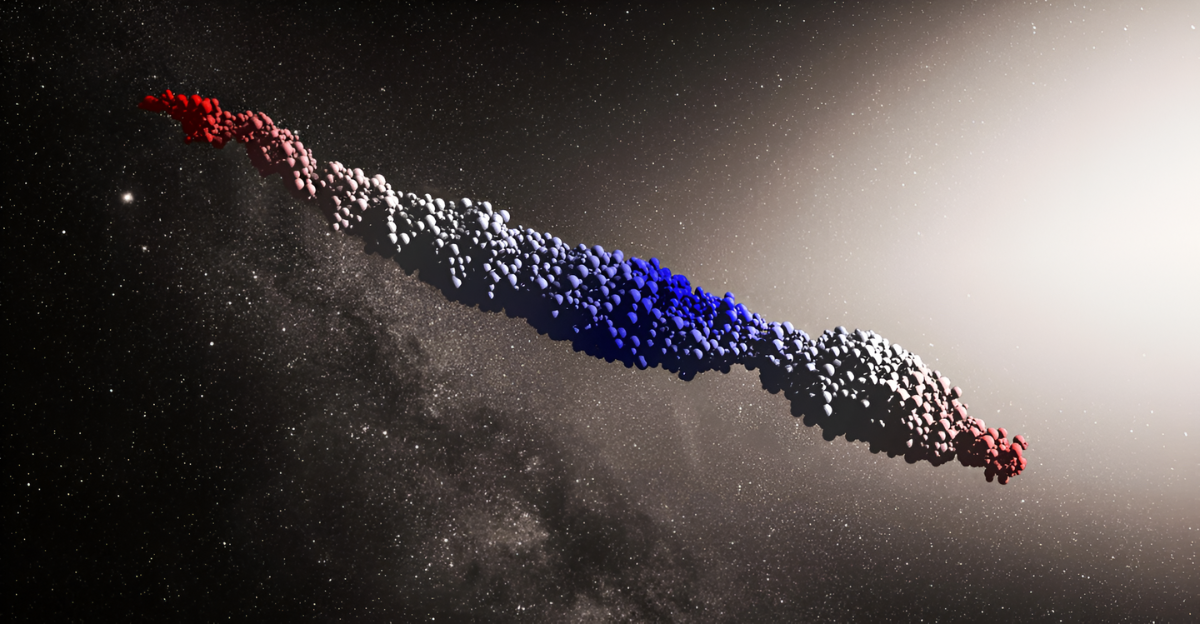
When the interstellar object “Oumuamua” zipped through our solar system in 2017, it captivated people all over the world. Because of its shape, acceleration, and lack of a tail, Loeb of Harvard contributed to the groundbreaking theory that it might be an alien light sail rather than a natural body. This divisive position established the standard for current debates about cosmic intruders, creating scholarly space for meaningful but acrimonious discussions on technosignatures and alien technology.
Crucially, the conflict between sensationalism and sober analysis was seen by the scientific and media communities, underscoring the intricate connection between public expectations and the level of rigor needed in state-of-the-art astrophysics.
3I/ATLAS: The Example
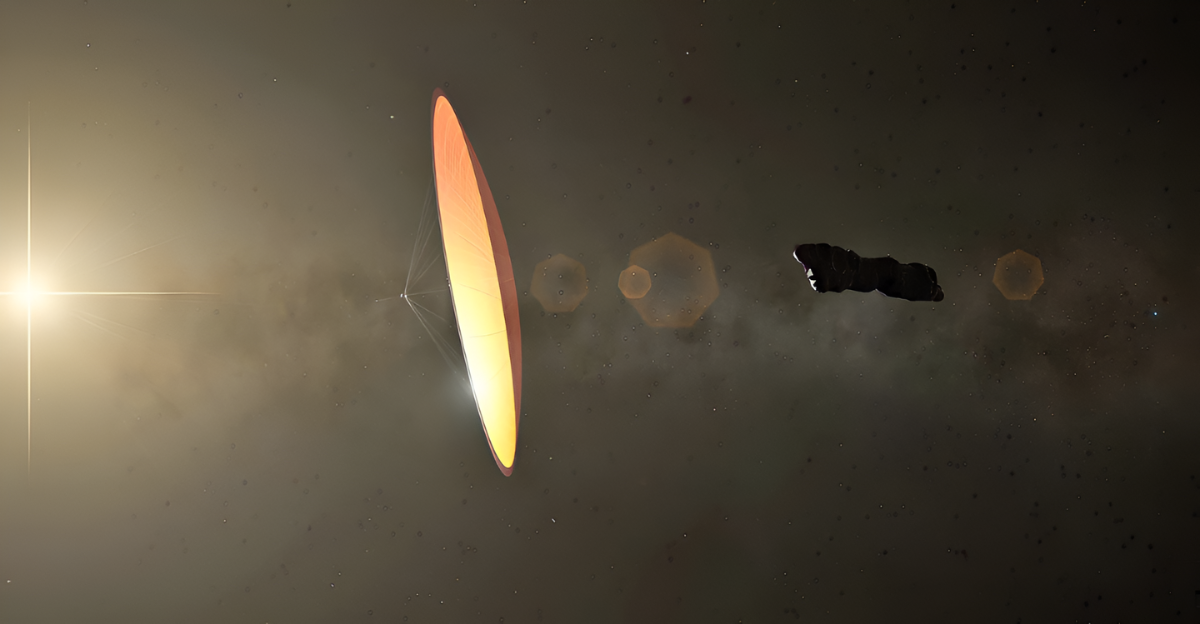
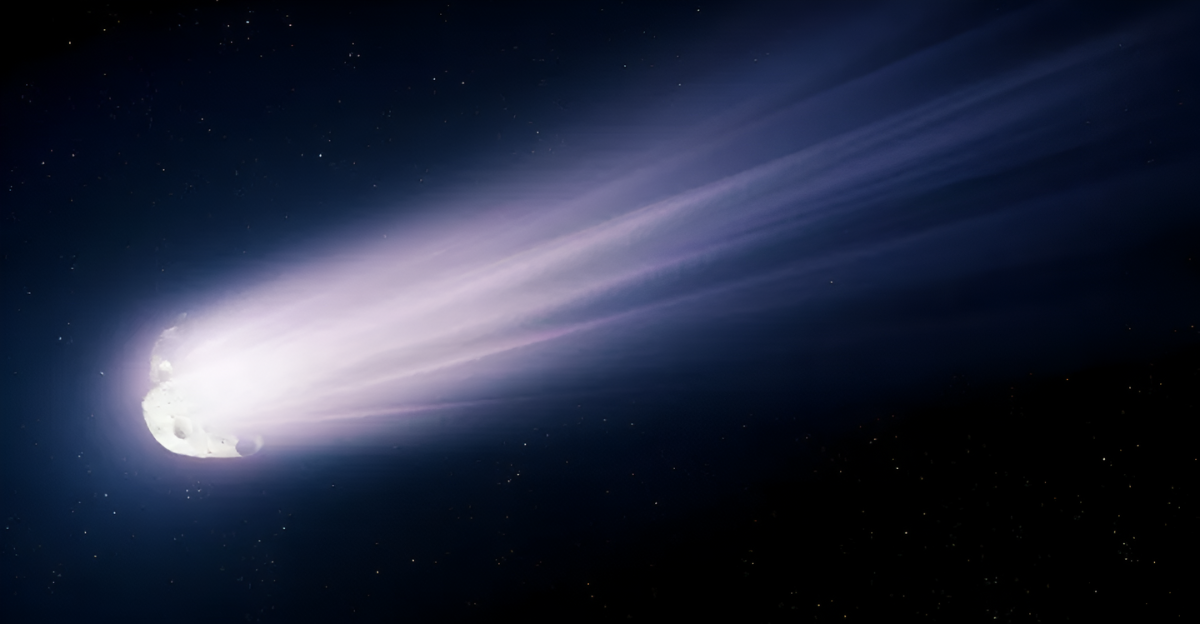
The newly found object, 3I/ATLAS, has a number of anomalous characteristics and is the third confirmed interstellar visitor. Notably, it exhibits non-gravitational acceleration without evidence of cometary outgassing, travels at nearly 140,000 miles per hour, and follows an unusual orbital path. These characteristics make it difficult for current natural models to explain their behavior. It was discovered on July 1, 2025.
Because of these irregularities, Loeb and colleagues hypothesized that alien technology might have been the source, which aroused curiosity and close examination. Improvements in telescope sensitivity and detection algorithms made its discovery possible, ushering in a new era in which rare interstellar objects are no longer overlooked and posing important queries about what is concealed in near-Earth space.
The Dangers of Dismissal
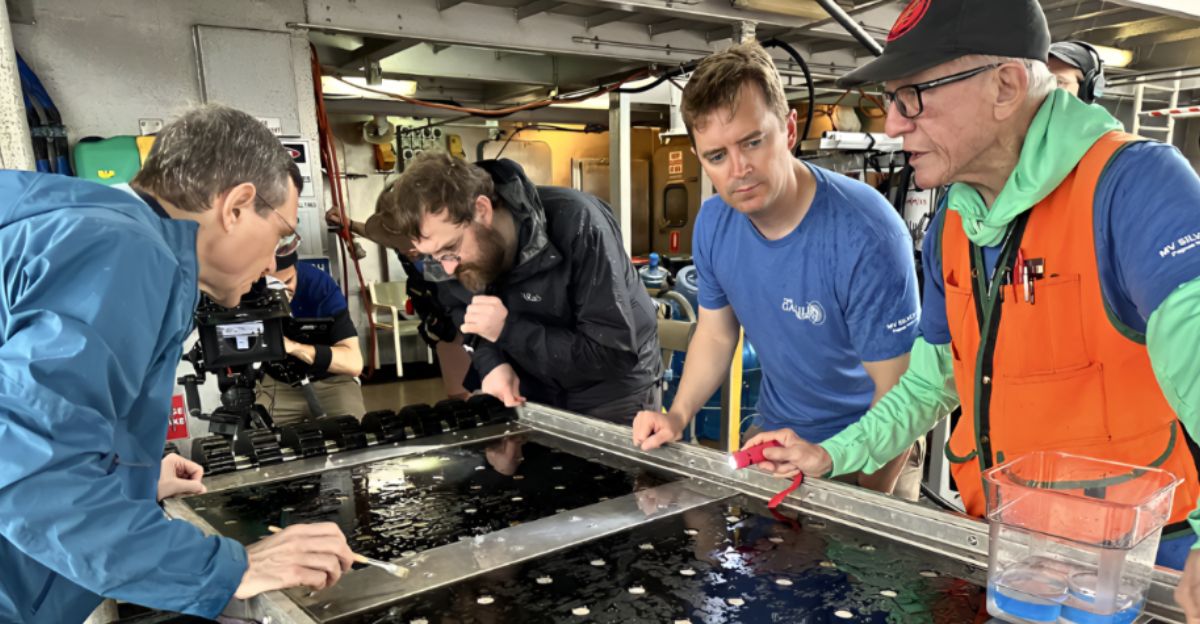
Although the majority of astronomers continue to claim that such objects have natural origins, it is risky to dismiss them outright. The concept of risk assessment, which was taken from security studies and the preparation for natural disasters, serves as a reminder that even though the likelihood of a rare, high-impact threat is low, it still merits careful consideration. Loeb suggests a Richter-scale-like response protocol that emphasizes unbiased inquiry while classifying items according to their threat and likelihood of artificiality.
A methodical approach like this lessens cognitive bias and gets society ready for the significant political, social, and ethical ramifications of coming across potentially intelligent extraterrestrial artifacts, in addition to detection.
Acceleration Without Gravity
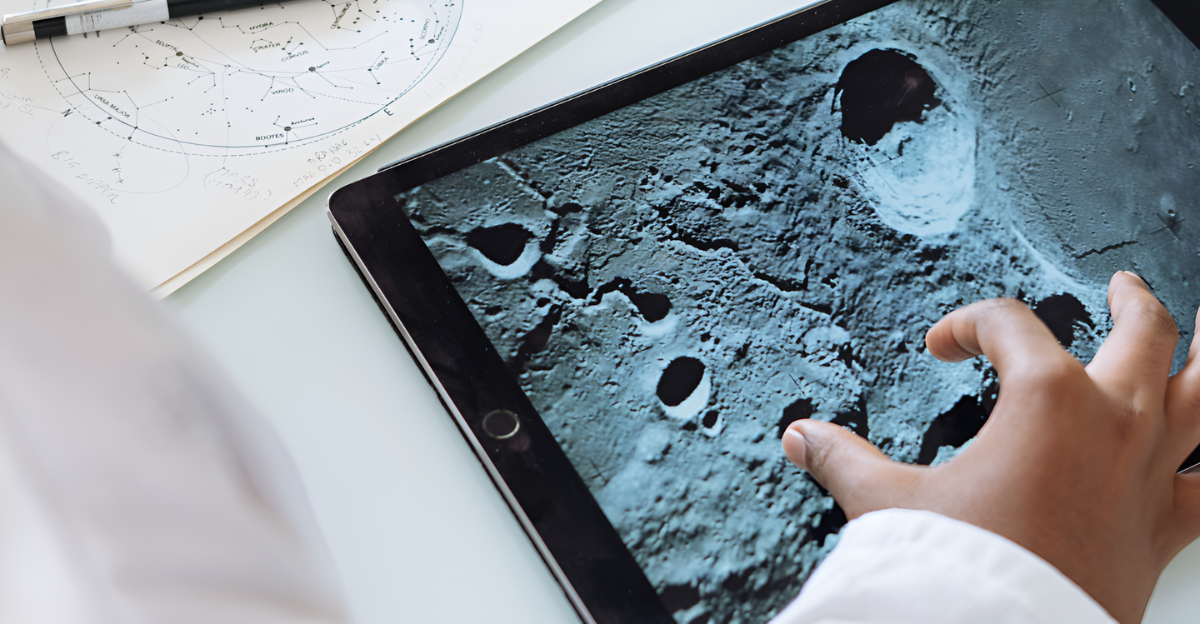
Non-gravitational acceleration is one of the strongest arguments for an artificial origin. The observed movements for both ‘Oumuamua and 3I/ATLAS differ from what would be predicted if standard outgassing and gravity were the only factors at work. Natural explanations for ‘Oumuamua’s situation are still insufficient, and the controversy has been heightened by the discovery of similar anomalies in 3I/ATLAS.
Astrophysicists are forced to reevaluate the potential impact of radiation pressure or engineered propulsion mechanisms in light of this acceleration, which calls into question the principles of classical celestial mechanics. Finding these mechanisms might transform physics by exposing undiscovered natural forces or cutting-edge technology that is far beyond what is currently possible for humans.
The Hypothesis of “Dark Forest”
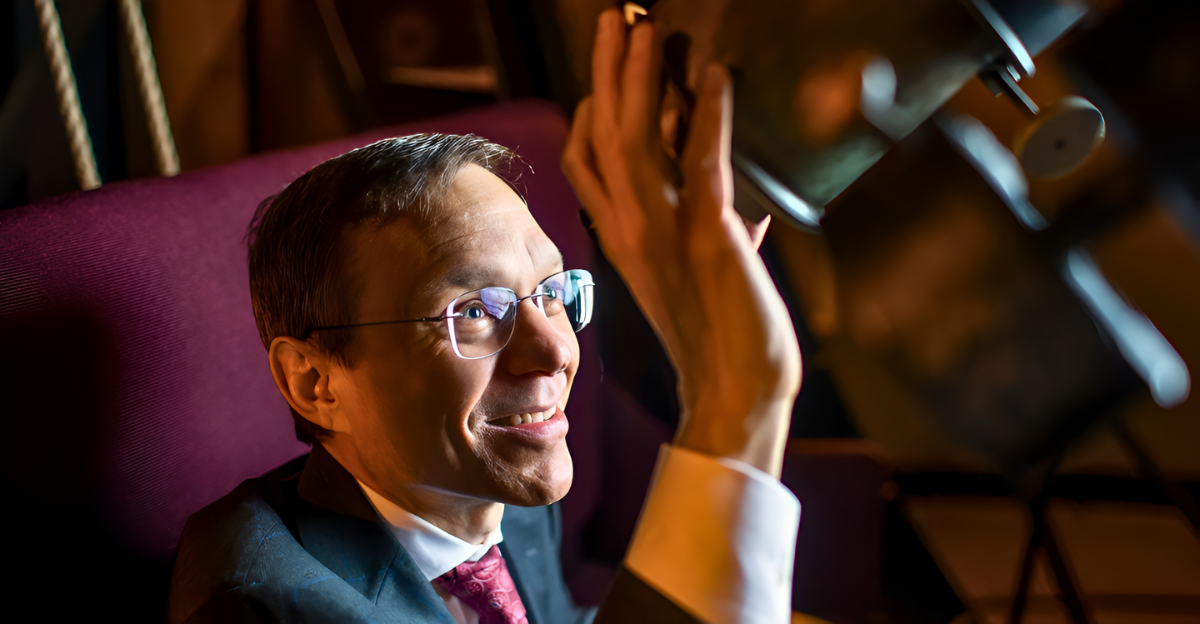
Loeb uses the “Dark Forest” theory, which is derived from existential risk theory and evolutionary psychology, to frame the possible artificial origin. According to this model, highly developed societies might deliberately conceal or use stealth technology to evade rivals. In the event that 3I/ATLAS is technological, it might stand for surveillance or reconnaissance, reflecting a cosmic hide-and-seek game with ramifications for global security.
This disconcerting viewpoint, which echoes worries from realpolitik and game theory applied to a cosmic scale, compels us to reconsider our presumptions about global cooperation and adds a strategic caution in our hunt for extraterrestrial intelligence.
The Hypothesis of “Dark Forest”
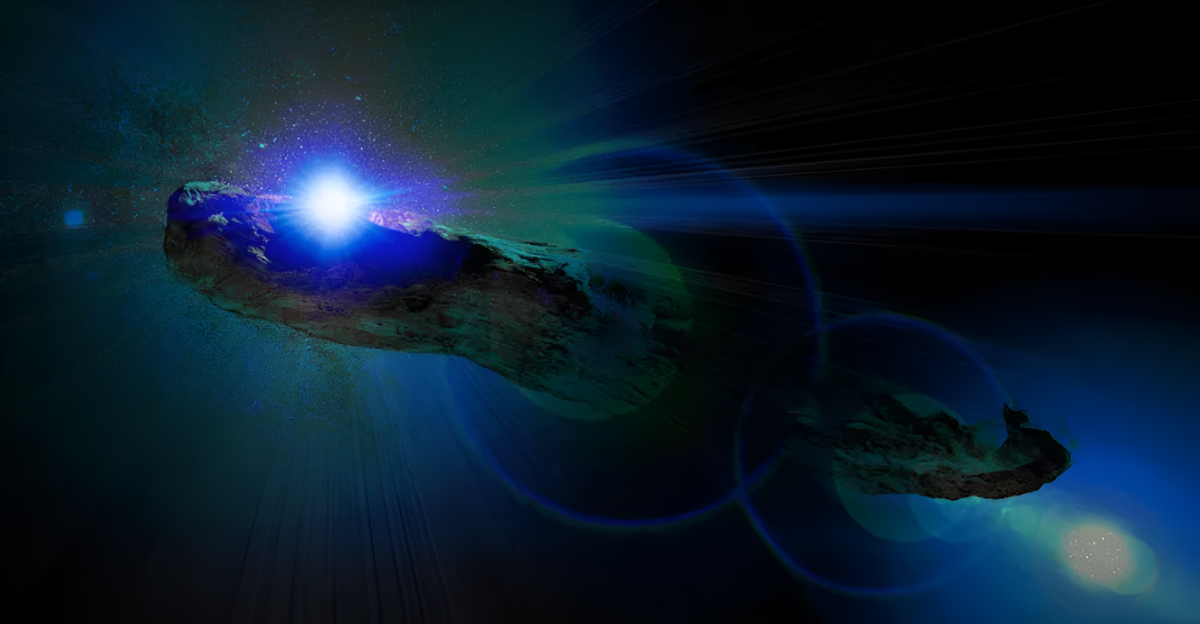
Loeb uses the “Dark Forest” theory, which is derived from existential risk theory and evolutionary psychology, to frame the possible artificial origin. According to this model, highly developed societies might deliberately conceal or use stealth technology to evade rivals. In the event that 3I/ATLAS is technological, it might stand for surveillance or reconnaissance, reflecting a cosmic hide-and-seek game with ramifications for global security.
This disconcerting viewpoint, which echoes worries from realpolitik and game theory applied to a cosmic scale, compels us to reconsider our presumptions about global cooperation and adds a strategic caution in our hunt for extraterrestrial intelligence.
Blind Spots in Human Technology and Alien Intelligence
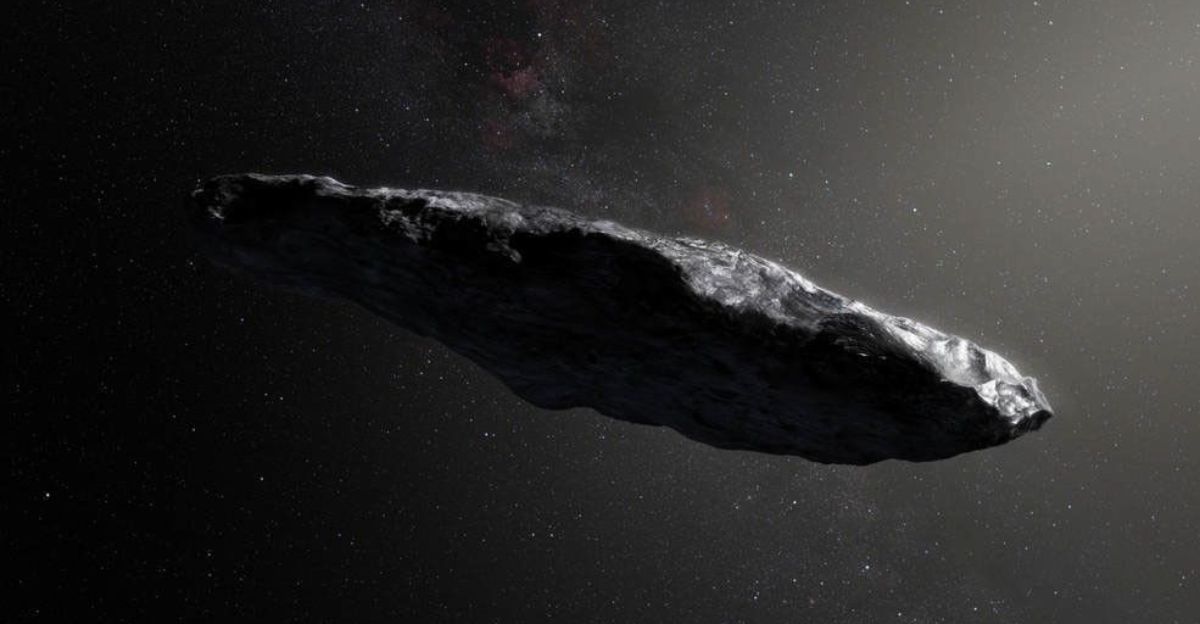
Psychological studies caution against anthropocentric bias, which assumes that aliens would employ similar technologies to our own. Astrobiology challenges this by urging researchers to think about propulsion, surveillance, or stealth that are beyond the realm of human understanding. Thus, the anomalies could be either messages to expand our technological imagination or new natural phenomena.
By recognizing that human knowledge is tentative and culturally limited, stressing humility when interpreting ambiguous data from the universe, and guiding the search toward truly innovative engineering paradigms, this way of thinking calls into question the fundamental tenets of scientific inquiry.
Strategic and Social Consequences
The implications for psychology, diplomacy, and defense are profound if there is even a remote possibility that such items are artificial. Cross-disciplinary collaboration, new legal frameworks, a reconsideration of cosmic policy, and existential risk management would all be necessary in order to prepare for first contact. This possibility shifts the focus of international coordination and research funding priorities for additional observation and rapid-response missions.
The psychological effects on public trust, philosophical worldviews, and geopolitical power dynamics must also be addressed by society; this calls for proactive communication tactics that strike a balance between openness and measured prudence.
Second-Order Impacts: Planetary Defense and Policy
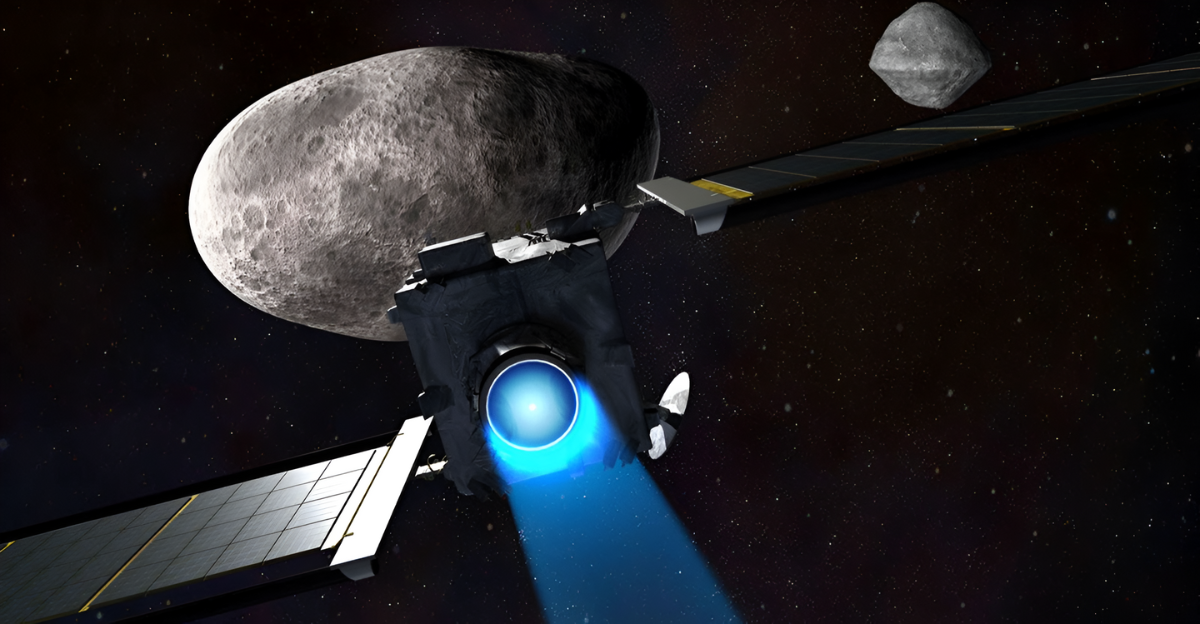
Global policy would have to change quickly if an object were proven to be artificial. New international organizations or treaties devoted to interstellar relations and security may emerge as a result of governments being forced to establish new defense postures, increase orbital surveillance, or negotiate procedures for “cosmic encounters.”
Although it offers a starting point, the precedent of space law and arms control is insufficient to address the novel problems presented by extraterrestrial intelligence. Coordination of multi-national scientific, military, and diplomatic responses to possible threats or opportunities arising from alien technology would require institutional innovation.
Changes in Religious and Cultural Paradigms
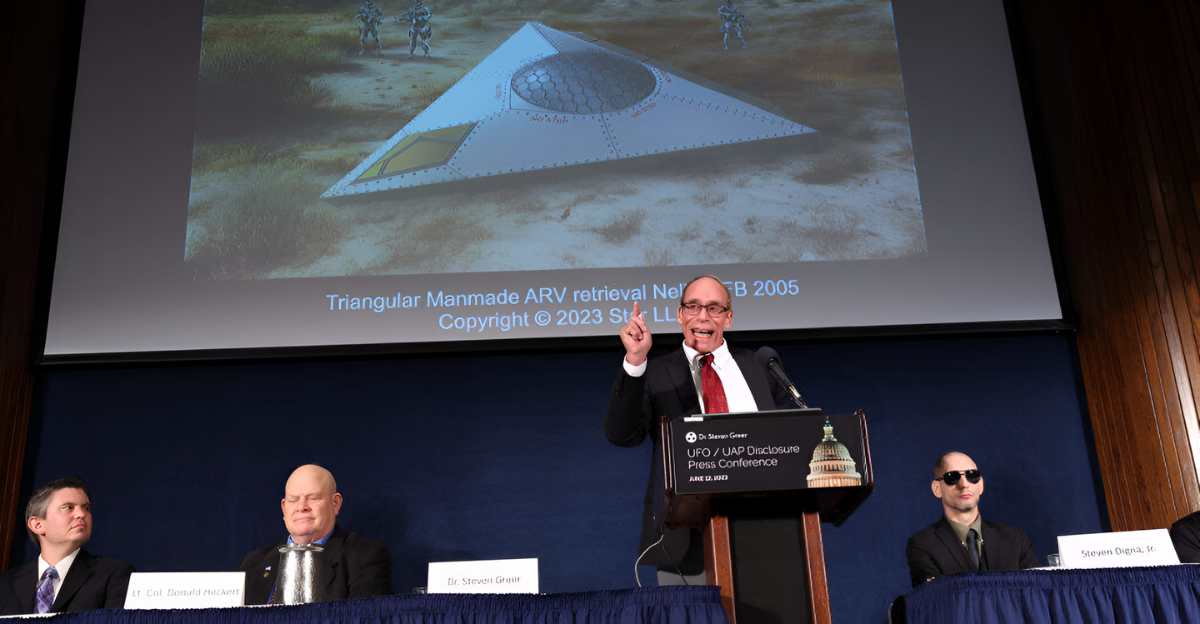
The acceptance of alien technology would upend worldviews, including anthropological models of humanity’s place in the universe, philosophical presumptions, and religious doctrines. Such paradigm shifts, according to history, frequently lead to waves of fear or resistance as well as a resurgence of scientific curiosity; institutions would need to be ready for both responses.
The process could force interfaith discussions about the meaning of life beyond Earth and spark new artistic, literary, and spiritual movements. Planning for societal resilience will need careful consideration of the psychological preparedness of populations and the possibility of false information.
The Intersection of Artificial and Alien Intelligence

A convergence point is presented by the emergence of artificial intelligence (AI), which may hold the key to tracking objects, decoding signals, and even interacting with sophisticated probes. A technological advancement that could speed up both discoveries and misunderstandings is implied by the synergy between two non-human intelligences (AI and potential ETI).
When analyzing ambiguous technosignatures, AI’s pattern recognition and autonomous exploratory capabilities may be able to overcome human cognitive limitations, but they also run the risk of being misinterpreted due to biases in training data. Therefore, cooperation between astrobiologists and AI developers will be essential to responsibly utilizing this potential.
Past Near Misses
From SETI’s notorious “Wow!” signal to the unintentional nuclear alerts during the Cold War, history is filled with near-misses. Every episode imparts knowledge about preparation, humility, and the perils of overlooking uncommon but significant risks.
These incidents are echoed in the current 3I/ATLAS debate, which calls for equal parts skepticism and vigilance. The vulnerability of human systems to unidentified threats is also brought to light by these historic near-disasters, indicating that investing in strong detection and quick response capabilities is not sci-fi but rather a realistic requirement for existential security.
Matrix of Interstellar Risk
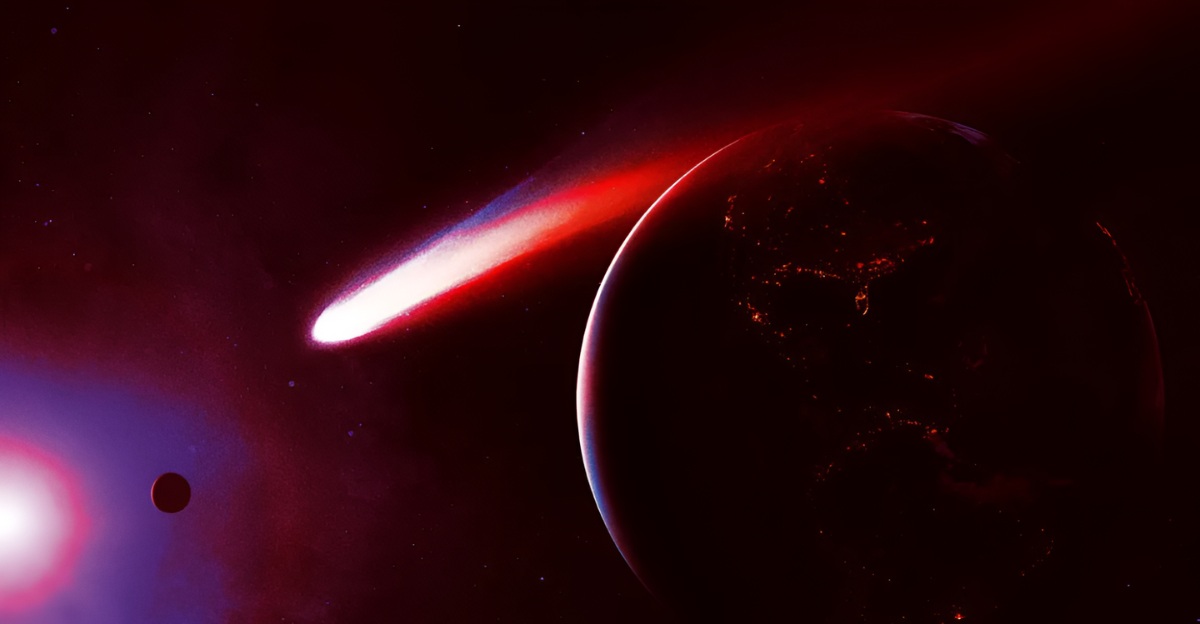
An “interstellar risk matrix,” which draws inspiration from intelligence analysis and disaster management, could assist policymakers in visualizing the various threat levels, ranging from a benign comet to a hostile alien probe. These tools encourage quick decisions in uncertain, high-stakes circumstances and compel openness in risk communication.
This matrix would combine astrophysical data with sociopolitical factors, psychological preparedness, and technological preparedness, in contrast to traditional risk assessments. This would offer a comprehensive method of handling cosmic uncertainties and boosting societal resilience through adaptive governance.
The Profusion of Extrastellar Objects
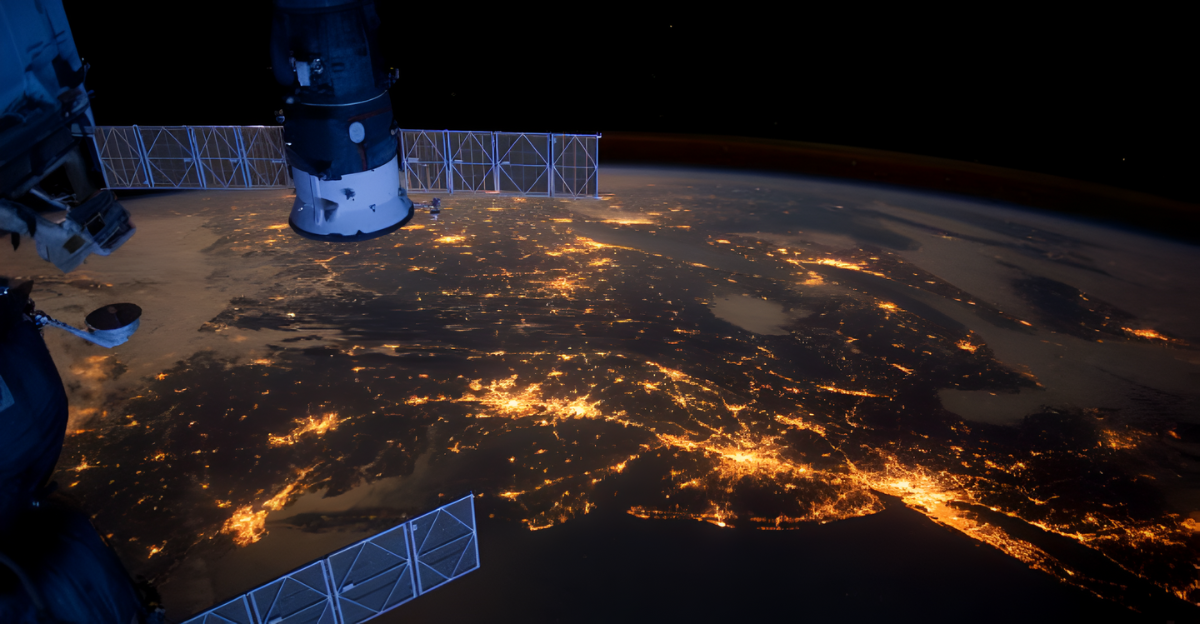
According to recent models, billions of interstellar objects travel through the Milky Way, with a tiny percentage coming into our solar system every ten years. The ramifications for SETI and global security increase dramatically if even a small percentage of these are man-made, changing the likelihood from “impossible” to “implausible but important.”
This abundance suggests that many of these objects have historically gone undetected, highlighting a significant gap in the current detection infrastructure. Our capacity to separate possible technosignatures from natural phenomena will be transformed by investments in new observatories and data analytics platforms.
Technosignatures and Detection’s Future
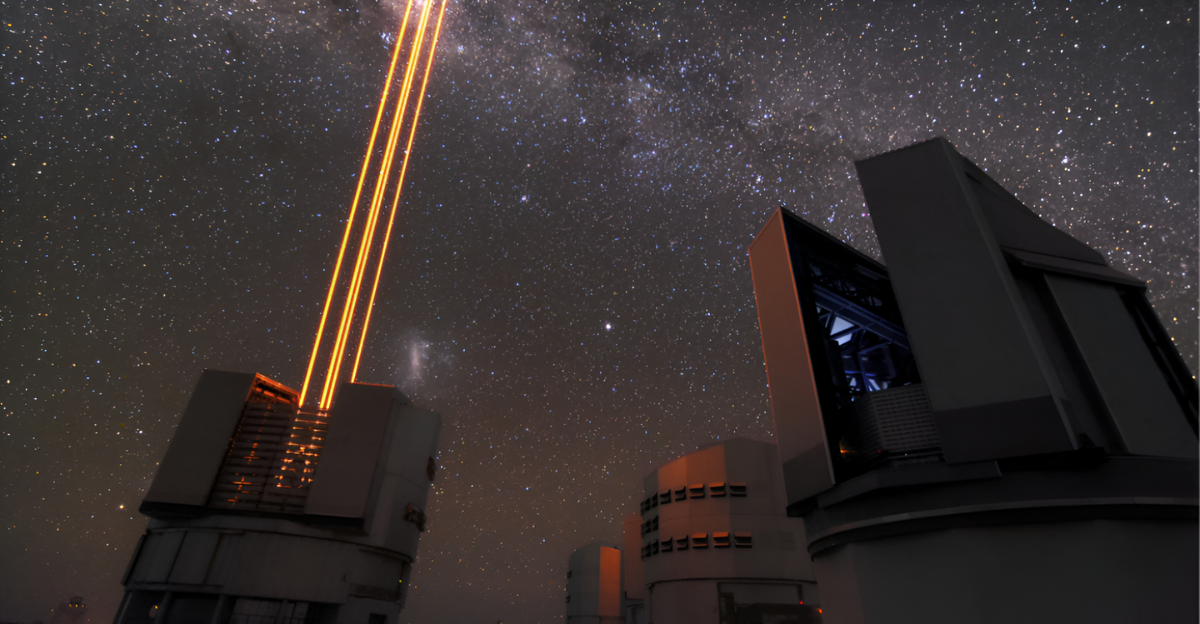
The next generation of search technologies is being redefined by technosignatures, which are observable characteristics of advanced technological activity, such as odd accelerations, unusual light spectra, or artificial chemistries. New tools are being used by initiatives like Harvard’s Galileo Project to find and examine these signatures systematically.
These new detection paradigms are tested against the existence of 3I/ATLAS and its anomalies. Opportunistic observations are giving way to organized, hypothesis-driven research into alien technologies thanks to advancements in sensor technology and machine learning algorithms.
Skepticism’s Boundaries
Critics contend that the majority of interstellar objects can still be explained by natural means and that extraordinary claims call for exceptional evidence. However, persistent anomalies necessitate sincere discussion rather than mockery. Scientific integrity and advancement are harmed when uncomfortable possibilities are ignored due to peer or academic pressure. This conflict is a reflection of larger issues in scientific revolutions, where paradigm shifts are frequently resisted by conservative institutions.
Adopting unconventional viewpoints while maintaining a strict methodology ensures that different theories are examined with equal weight, which promotes innovation and keeps the scientific enterprise from stagnating.
Continuous Monitoring and Public Involvement

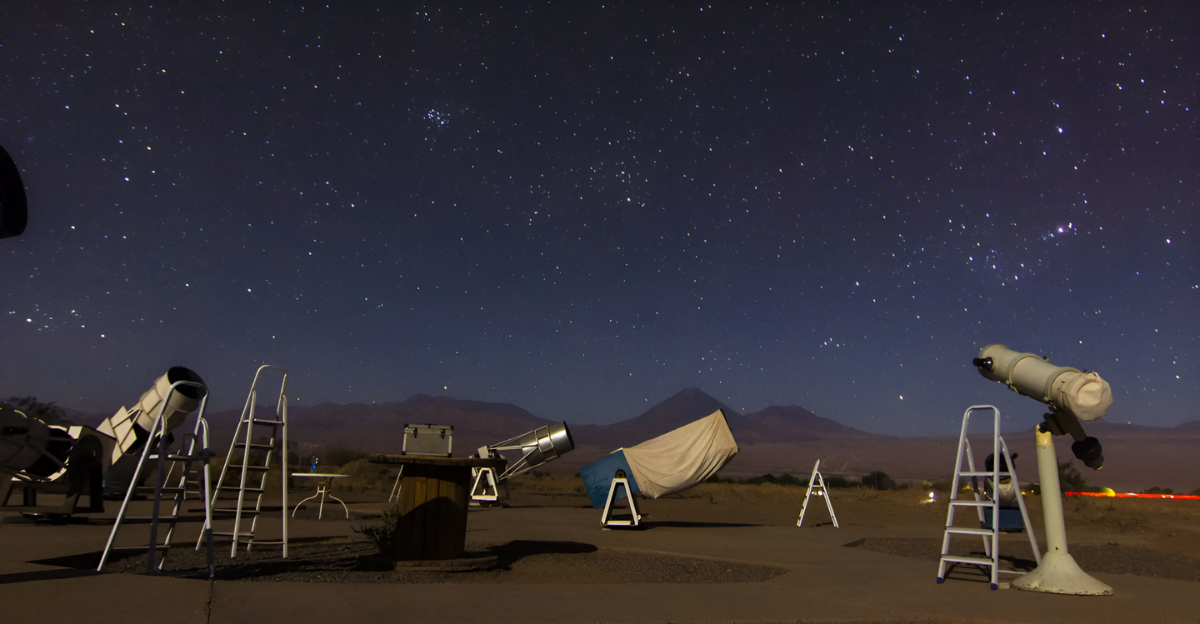
Major observatories and citizen scientists are closely monitoring 3I/ATLAS as it approaches perihelion. In addition to enhancing accountability and collective intelligence, the combination of open, distributed science and traditional academia tests how resilient the current scientific consensus is to novel theories.
While this democratization of science opens up new avenues for public engagement and education, it also puts traditional gatekeeping to the test, necessitating open communication to control expectations and minimize false information.
The Psychology of Reputation and Belief

Loeb of Harvard has endured mockery and exclusion, but his fortitude underscores a crucial psychological fact: paradigm shifts frequently start on the periphery before making their way into the mainstream. Despite the ever-increasing stakes for reputation, scientific renewal is fueled by the conflict between innovative theorists and cautious institutionalists.
This situation serves as an example of the social psychology of innovation, which requires careful management of groupthink, authority bias, and cognitive dissonance in order to advance groundbreaking concepts without compromising thorough peer review.
An Appeal for Extreme Open-Mindedness
This discussion is about risk management, intellectual humility, and the boundaries of our knowledge, not idle fantasies. Even if there is a remote chance that 3I/ATLAS or objects of a similar nature are artificial, the prudent course is not mockery but rather careful observation, organized risk assessments, and strategic readiness.
It would be a great failure of imagination to be caught off guard—not for an invasion, but for a discovery that would change everything. Brave, unrelenting investigation is the only way forward. To promote an evolutionary leap in our cosmic awareness, this strategy must combine scientific rigor with philosophical openness.