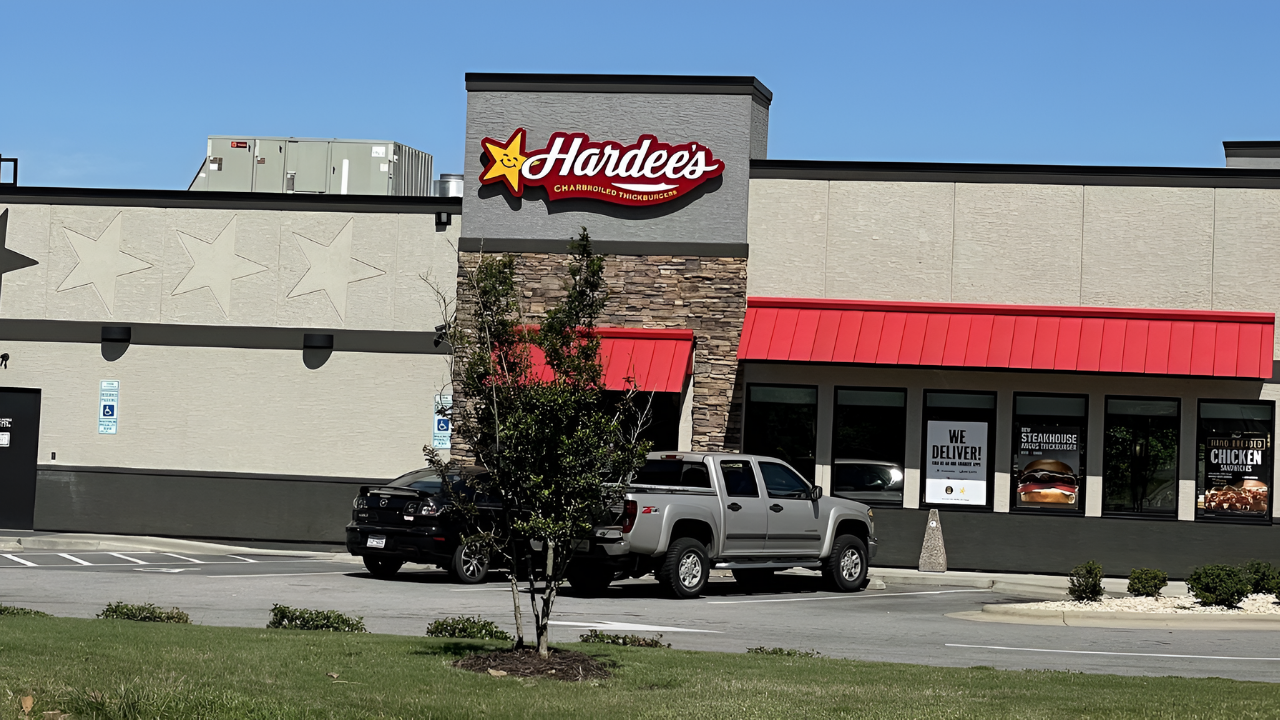
A 65-year-old burger chain once served millions across 3,200 locations. Today, that empire is shrinking faster than analysts predicted. In December 2025, one of the chain’s largest operators abruptly closed 77 restaurants at once, leaving employees locked out and with no warning. Nearly 1,900 workers lost jobs just before Christmas.
The shutdown marks the latest domino in a fast-food franchise crisis spreading across America. Yet few saw the warning signs that preceded this sudden implosion. What financial pressures triggered such a dramatic exit?
Growing Franchise Casualties
The fast-food franchise model is fracturing under pressure. In 2023, a major burger chain franchisee filed for bankruptcy and closed 39 locations, displacing over 700 workers. A private equity firm promising turnaround expertise and capital replaced that operator. Yet within 24 months, the replacement itself collapsed spectacularly.
Industry data shows franchisee defaults surging: 145-unit operators declaring bankruptcy, regional chains losing control of franchisee networks, and PE-backed acquisitions turning toxic. Questions now swirl about whether the underlying franchise economics support healthy operator profitability anymore. How did a seemingly stable acquisition become toxic so quickly?
The Private Equity Playbook

High Bluff Capital Partners, a private equity firm managing Carl’s Jr., Hardee’s, Quiznos, and other brands, acquired 80 Hardee’s locations in August 2023 for approximately $16 million. The seller was Summit Restaurant Holdings, which recently emerged from Chapter 11 bankruptcy. High Bluff promised “strategic turnaround” and professional management.
Under their stewardship, franchisees paid roughly $1 million annually in management fees in addition to standard royalties owed to Hardee’s corporate. The structure appeared sound: established brand, existing infrastructure, experienced PE operators. Yet within two years, the entire portfolio faced collapse. This timeline raised urgent questions about PE fee extraction models.
Margin Pressure Mounting
Many Hardee’s locations generate $2–3 million in annual revenue. After food costs, labor, rent, and utilities, profit margins typically hover near 8–12 percent. The $1 million annual PE management fee, divided across 77 stores, averaged roughly $13,000 per location, a significant bite out of thin margins.
When consumer spending softened, or labor costs rose in 2024–2025, franchisees found themselves squeezed. Other Hardee’s franchisees in comparable markets remained profitable, suggesting ARC’s problem was operational or structural, not market-wide. Yet the math was unforgiving: pay the PE firm, pay royalties, pay employees, or default. Something had to give.
The Shutdown Announcement
On November 21, 2025, Hardee’s Restaurants LLC filed a federal lawsuit in the U.S. District Court for the Middle District of Tennessee against franchisee ARC Burger LLC. The suit alleged that ARC owed more than $6.5 million in unpaid obligations: royalties, advertising fund contributions, technology fees, rent, and taxes. ARC had begun missing payments in December 2024.
Despite repeated notices and a September 2025 forbearance agreement that allowed continued operation while seeking a buyer, ARC failed to meet the terms. By mid-December, Hardee’s terminated the franchise agreement. On December 20, 2025, ARC closed all 77 locations across eight states: Alabama, Florida, Georgia, Illinois, Missouri, Montana, South Carolina, and Wyoming. Employees arrived at locked doors and “closed until further notice” signs.
Georgia’s Disproportionate Hit
Georgia bore the harshest blow. ARC operated 34–35 Hardee’s locations in the state, nearly half of the total closures nationwide. In rural communities, the Hardee’s was often the only 24-hour fast-food option. Farmers’ markets lost major customers. Regional bakeries supplying buns lost contracts overnight.
One Georgia manager reported that employees received no final paychecks and were told to “go home, close the doors.” The state’s economic development office received emergency calls from displaced workers and concerned business owners. Some communities lost not just jobs but also convenient access to affordable breakfast and late-night service. Rural impact asymmetry became immediately apparent.
Voices from the Closure

“We showed up on December 20, and the doors were locked. No warning, no conversation, no final check,” said one Georgia Hardee’s employee post-closure. Workers across eight states reported identical shock. Managers who had trained crews for years left the explanation of the shutdown to confused employees. Scheduled paychecks never arrived. Seasonal holiday workers expecting December income found their bank accounts empty.
Food bank inquiries spiked in affected communities. One Independence Ave manager in Kansas City stated the closure was permanent with no severance offered. Social media posts from displaced workers revealed financial desperation. Holiday season timing magnified the crisis: families facing rent and Christmas purchases lost income without warning.
Competitor Recruitment Push
Wendy’s, McDonald’s, and regional chains immediately launched recruitment drives in affected markets, sensing an opportunity to fill labor gaps and secure experienced crew members. McDonald’s in Georgia offered $16–18 per hour plus hiring bonuses. Wendy’s emphasized “no experience necessary” positions at competitive wages. Franchise law experts noted that major franchisee collapses create labor-market disruptions that benefit competitors.
However, rebuilding consumer trust in brand-specific locations requires months of recruitment, retraining, and local marketing. Hardee’s corporate scrambled publicly to commit to reopening efforts. Yet without active franchisee operations, the brand’s footprint contracted and visibility declined just as competitors capitalized on market chaos.
Systemic Franchise Fracture

Hardee’s contraction reflects broader stress in the franchise sector. The brand shrank from 3,200+ locations in 2008 to fewer than 2,000 by 2025. Franchisees cite rising labor costs, remote work reducing foot traffic, aggressive delivery-focused competition, and changing consumer preferences away from traditional burger chains. Yet Hardee’s same-store sales lag McDonald’s and Wendy’s by 30–40 percent, making profitability harder for individual operators.
Private equity acquisitions promised revival but extracted fees that squeezed already-thin margins. The ARC case exemplifies a pattern: PE firms acquire distressed franchisee networks, impose management fees, and trigger operator defaults when underlying economics don’t support extraction rates. Industry reform discussions now accelerate.
The Permanence Paradox
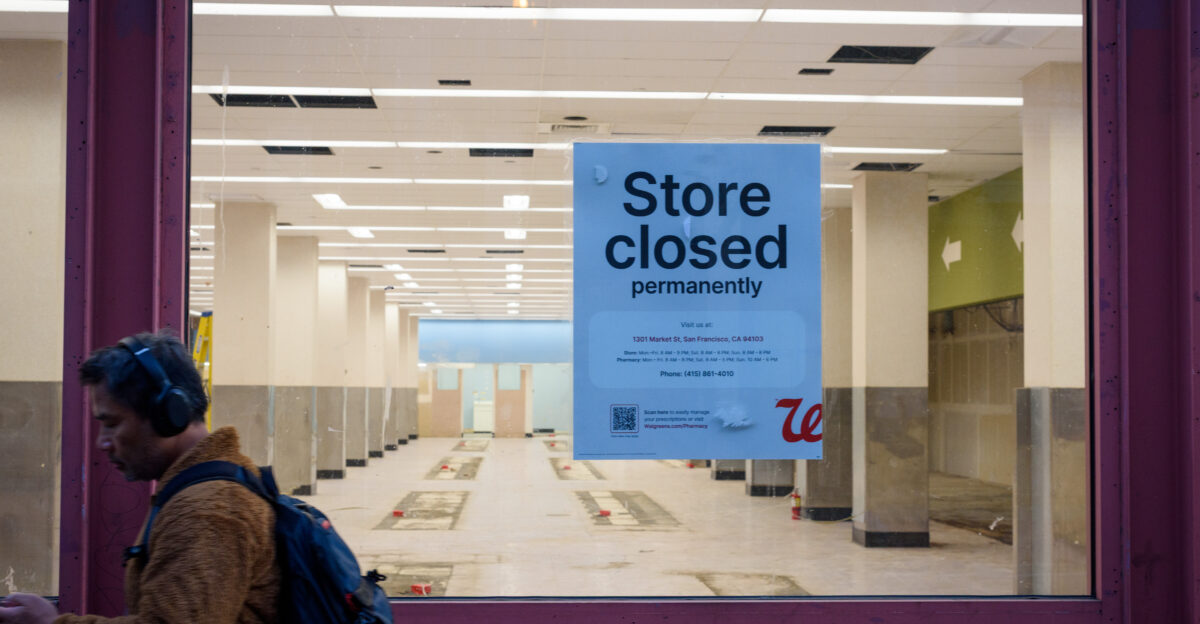
Hardee’s corporate stated it was “working hard to find a path forward to reopen closed locations as soon as possible.” Most closed locations were marked “temporarily closed” on Google Maps and the Hardee’s website. Yet reality contradicts this framing. Finding buyers willing to invest $200,000–$400,000+ per location in a declining brand requires months or years.
Three Georgia locations and multiple Illinois locations are explicitly marked “permanently closed” with no reopening intention. As of late January 2026, zero ARC locations have reopened. Industry sources estimate fewer than half may ever restart operations. The “temporary” label masks a de facto permanent exit from many communities, particularly rural towns where replacement operators are scarce.
Internal Warnings Ignored

Internal Hardee’s emails obtained by QSR Magazine reveal mounting frustration starting in spring 2025. Executives pleaded with ARC leadership to explain cash shortfalls. ARC blamed inflation and labor costs. Yet parallel analysis showed other Hardee’s franchisees in similar markets were profitable.
One area director wrote: “ARC’s inability to account for where royalty payments should come from indicates either severe mismanagement or intentional delay.” By October 2025, patience exhausted, Hardee’s corporate prepared enforcement. A colleague noted: “We’ve given them six months. No improvement. The math doesn’t work.” The lawsuit became inevitable when forbearance terms weren’t met. Internal conflict preceded public action by weeks.
High Bluff’s Accountability Question

High Bluff Capital Partners faces significant reputational damage and potential legal liability. Did the $1 million annual management fee drain resources unsustainably? Did High Bluff adequately monitor ARC’s financial health? Should PE firms extract such fees from franchisees with thin margins? High Bluff has not issued a public statement addressing the collapse.
Internal communications suggest the PE firm is exploring whether ARC’s founders misrepresented the company’s financial condition at the time of the acquisition. Hardee’s corporate has not ruled out suing High Bluff directly, viewing the PE firm as responsible for operational oversight. The firm manages similar portfolios across Quiznos, Taco Del Mar, and Church’s Chicken, raising questions about system-wide risk.
Refranchising Challenges

Hardee’s corporate hired a franchise development firm to recruit new operators for 77 locations. The task is formidable: prospective franchisees see a brand in decline, a labor-scarce market, and heightened legal risk from unresolved lease disputes or supplier contracts inherited from ARC.
Hardee’s offers modest incentives: reduced royalty rates for 18 months, waived initial fees, and technical support. Early interest is lukewarm. Strong locations (Atlanta suburbs, Kansas City corridor) may find operators within 6–12 months. Rural locations face uncertain outlooks. Hardee’s aims to reopen at least 40 of 77 by mid-2026, but insiders consider this optimistic. Each month without operations costs the brand visibility and consumer habit-building.
Analyst Skepticism
Industry analysts are pessimistic about Hardee’s near-term recovery. “The brand has lost momentum in markets where it historically thrived,” said food service consultant Marcus Webb in December 2025. “ARC’s collapse signals that even established systems can’t guarantee operator success if underlying economics are broken.” Hardee’s same-store sales trended downward for five consecutive years.
Comparable McDonald’s and Wendy’s locations generate 30–40 percent more revenue. Some franchisees quietly explore exits from other Hardee’s agreements, raising the specter of additional closures in 2026. Hardee’s corporate lacks leverage to convince remaining franchisees that recovery is assured. Franchise litigation costs mount. Staff turnover at corporate headquarters signals internal morale problems amid the crisis.
The Systemic Question
The ARC Burger collapse raises a fundamental question: Is the franchise model sustainable when private equity extracts fees while operators run on thin margins in declining categories? If a 65-year-old brand with national recognition can’t prevent such collapses, what protections exist for smaller chains and emerging franchisees? Congressional discussions about franchise law reforms have accelerated, including requirements for PE firms to disclose fee structures and guarantees that franchisees maintain adequate reserves.
Hardee’s and CKE Restaurants are watching closely. The subsequent franchisee failure will likely trigger legislative action. For now, 77 shuttered locations stand as monuments to a system demanding urgent repair and regulatory attention.
Sources
USA Today – Hardee’s locations set to close in 2025
Restaurant Business Online – Struggling Hardee’s terminates a large franchisee; Years of weakness are catching up with Hardee’s
QSR Magazine – Coverage of ARC Burger lawsuit and franchisee issues; Hardee’s system performance and franchise bankruptcies
U.S. District Court, Middle District of Tennessee – Hardee’s Restaurants LLC v. ARC Burger LLC filings
The Covington News – Covington Hardee’s location part of 77 closures
National Restaurant Association – Industry trend data on restaurant and franchise performance